Ask any experienced cyclist what folding bikes are bad at, and you'll hear the same answer: they feel soft.

Not soft in a comfortable way. Soft in the way where you push down hard on the pedal and something absorbs that effort before it reaches the rear wheel. The bike moves forward, but not as much as your legs deserved. On a hill, it's noticeable. At speed, it's frustrating.
This is not a myth. It's a structural problem that has followed folding bikes since the beginning. DELTECH is DAHON's answer to it.
Why Folding Bikes Flex
To understand what DELTECH does, you need to understand what makes a conventional bike frame stiff.
A standard road bike or mountain bike uses a triangulated front frame: the top tube, down tube, and seat tube to form a triangle. Triangles are structurally one of the most rigid shapes in engineering. They resist deformation under load precisely because force applied to one side gets distributed across all three. When you push down on a pedal, that energy travels through a frame that largely holds its shape, and most of it reaches the rear wheel as forward motion.
A folding bike cannot use the same geometry. To fold, the frame has to break somewhere, which means the front triangle is replaced by a single main tube. That single tube does not share load the way a triangle does. Under pedaling force, it flexes laterally and longitudinally. The energy that goes into deforming the frame does not come back. It is lost.
DAHON's own research, published by Dr. David Hon, puts it plainly: the energy lost to frame deformation in one pedaling cycle is energy that never contributes to propulsion. On a folding bike with a single-tube frame, that loss is measurably worse than on a triangulated frame.
This is what riders feel. It has a name in cycling: pedaling flex. And for most of folding bike history, it was simply accepted as a trade-off.
A Structural Problem, Finally Addressed
The folding bike's frame flex problem is not new. Riders have worked around it for decades with higher gearing, better tires, and riding adjustments. DAHON offers DELTECH, an engineering solution rather than a workaround.
It does not compromise the fold. The DELTECH cable integrates into the frame without adding meaningful weight or changing how the bike collapses for storage. What it changes is what happens when the bike is unfolded and ridden hard.
What DELTECH Does
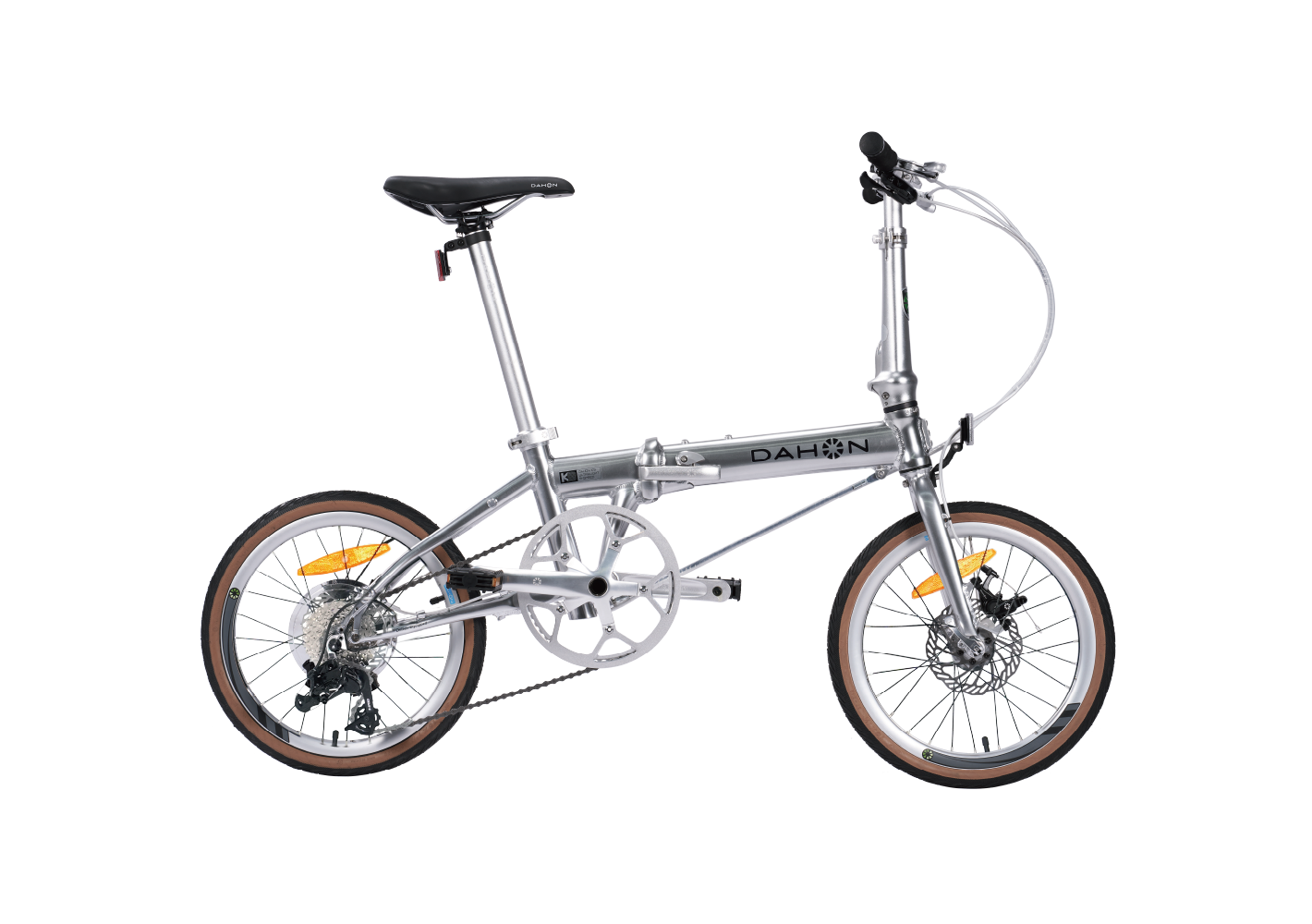
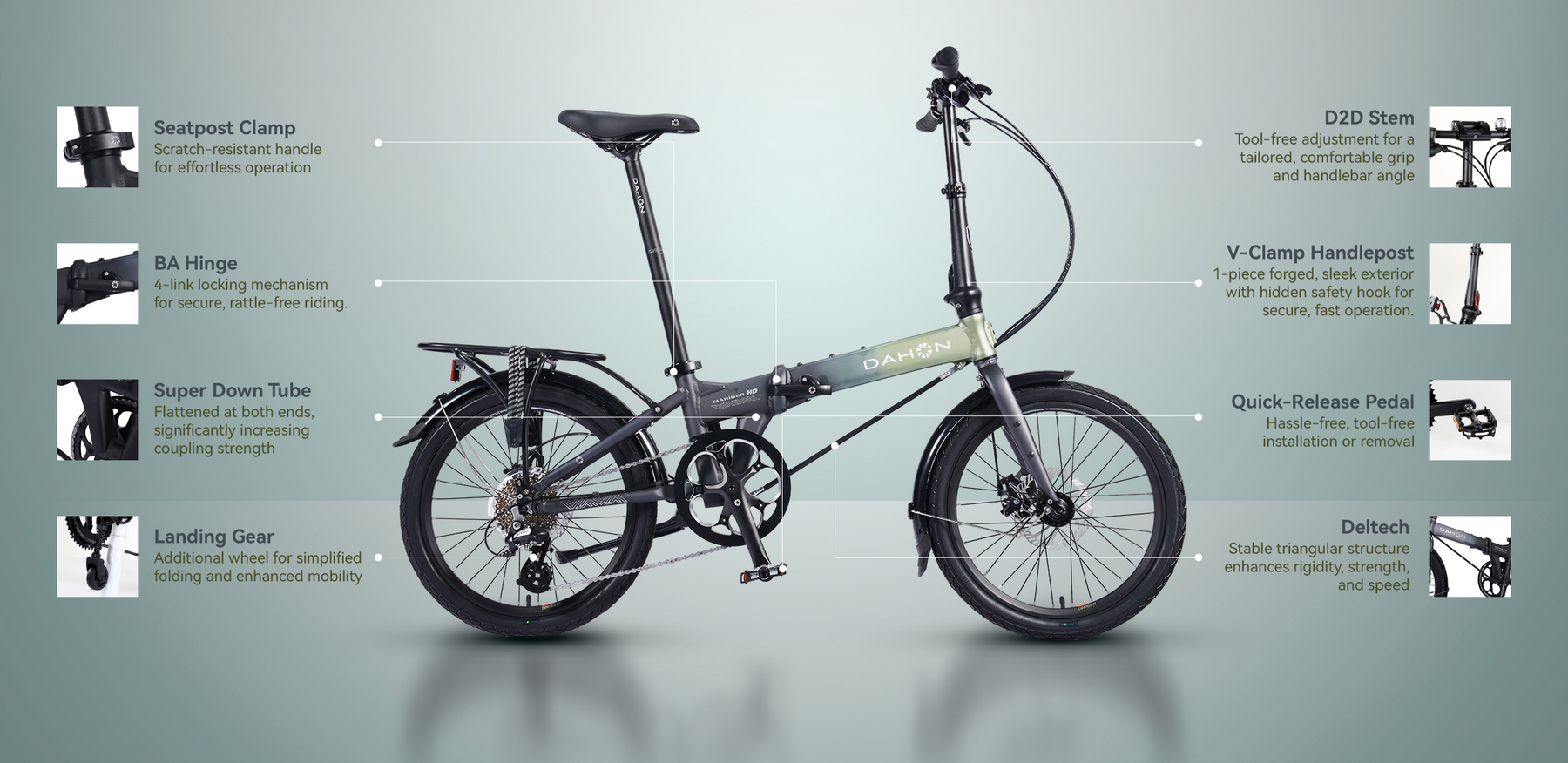
DELTECH is a patented tensioning cable, engineered to be ultra-light, that runs diagonally across the single-tube frame. It connects the headtube to the downtube, and in doing so, it creates something the folding bike frame has never had before: a front triangle.

Not a welded triangle, but a tensioned one. The cable pulls the two connection points toward each other, stabilizing the frame in the same way a guy-wire stabilizes a tall structure. Dr. Hon has compared it directly to modern bridge engineering: "Much like modern bridges, this tension cable provides best-in-class strength-to-weight ratio for folding bikes and increases both stiffness and frame longevity."
The result is that when you apply force through the pedals, the frame resists deformation rather than absorbing it. The energy goes where it is supposed to go.
That gap between folding bikes and conventional frames has been closing for years. DELTECH is one of the reasons why.
15% Stiffer: What the Testing Shows
DAHON's internal testing puts the rigidity improvement from DELTECH at 15%. That may sound modest written down, but in frame engineering terms it is significant. The same tests showed that a DAHON folding bike equipped with DELTECH ranked as one of the stiffest frames tested, outperforming most samples including large-wheeled road bikes. Only BMX frames, which are built specifically for impact resistance, ranked higher.

For a folding bike to match or exceed road bike frame stiffness is not a minor engineering footnote. It directly changes what the bike can do: better power transfer on climbs, a more responsive feel at speed, and reduced fatigue on longer rides because less energy is being wasted on every stroke.
DELTECH also has secondary effects that matter over time. By reducing the stress cycles the frame experiences under load, it increases the frame's service life and load capacity. A stiffer frame is also a more durable one.
DELTECH and Super Downtube Together
DELTECH does not work alone in DAHON's current lineup. It is paired with Super Downtube as part of the DAHON-V technology suite.
Where DELTECH handles the diagonal reinforcement that creates the tensioned triangle, Super Downtube addresses the downtube itself. At the junction between the main tube and the bottom bracket, the downtube is flattened along the central axis. This flattening increases both lateral and vertical rigidity by an additional 10%.

The two technologies address different axes of flex. DELTECH stabilizes the frame against the kind of twisting and longitudinal movement that happens under hard pedaling. Super Downtube reinforces the vertical and lateral stiffness that matters on uneven surfaces and during cornering. Together they cover the main ways a single-tube folding frame can deform under load.
Where DELTECH Shows Up
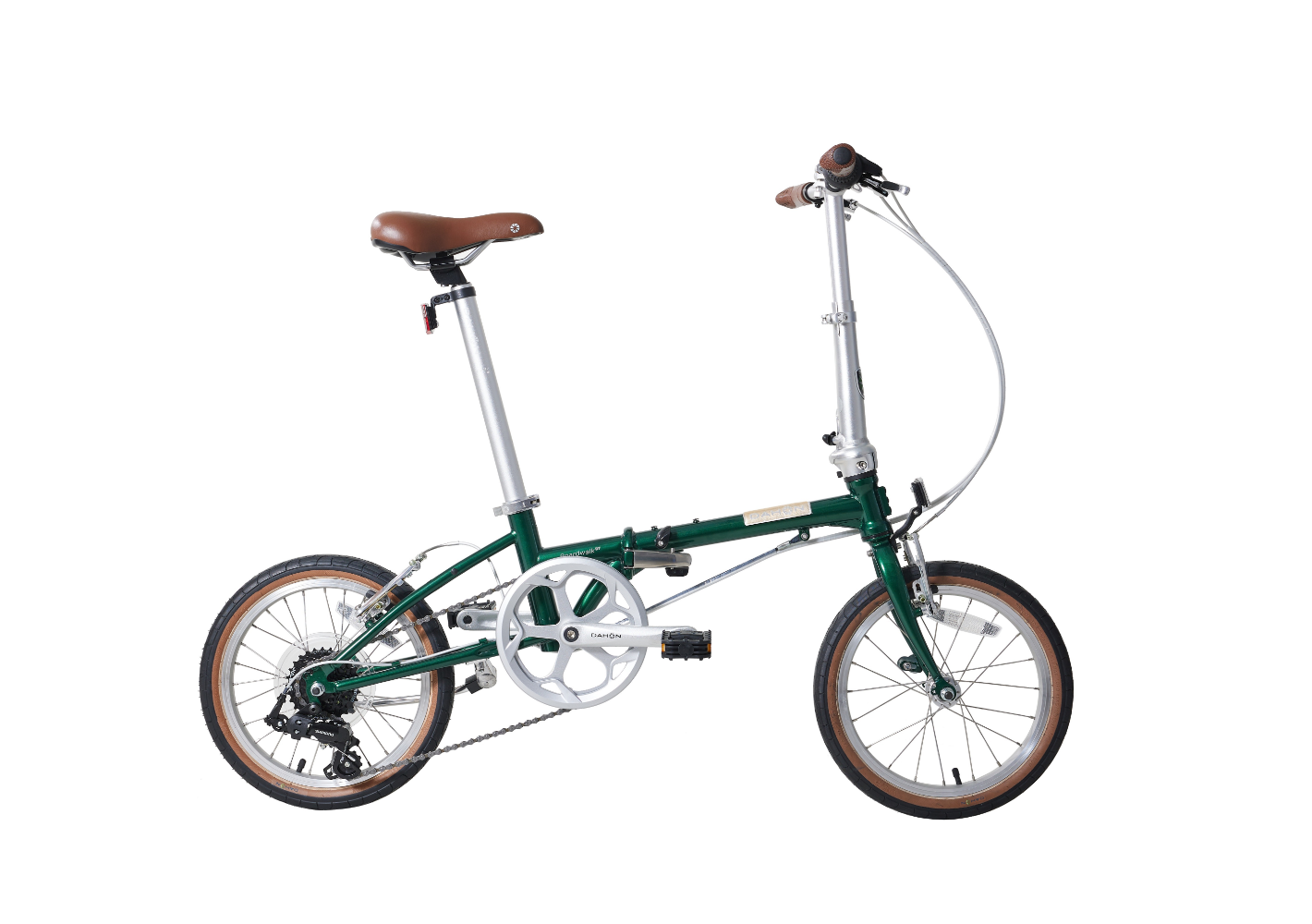
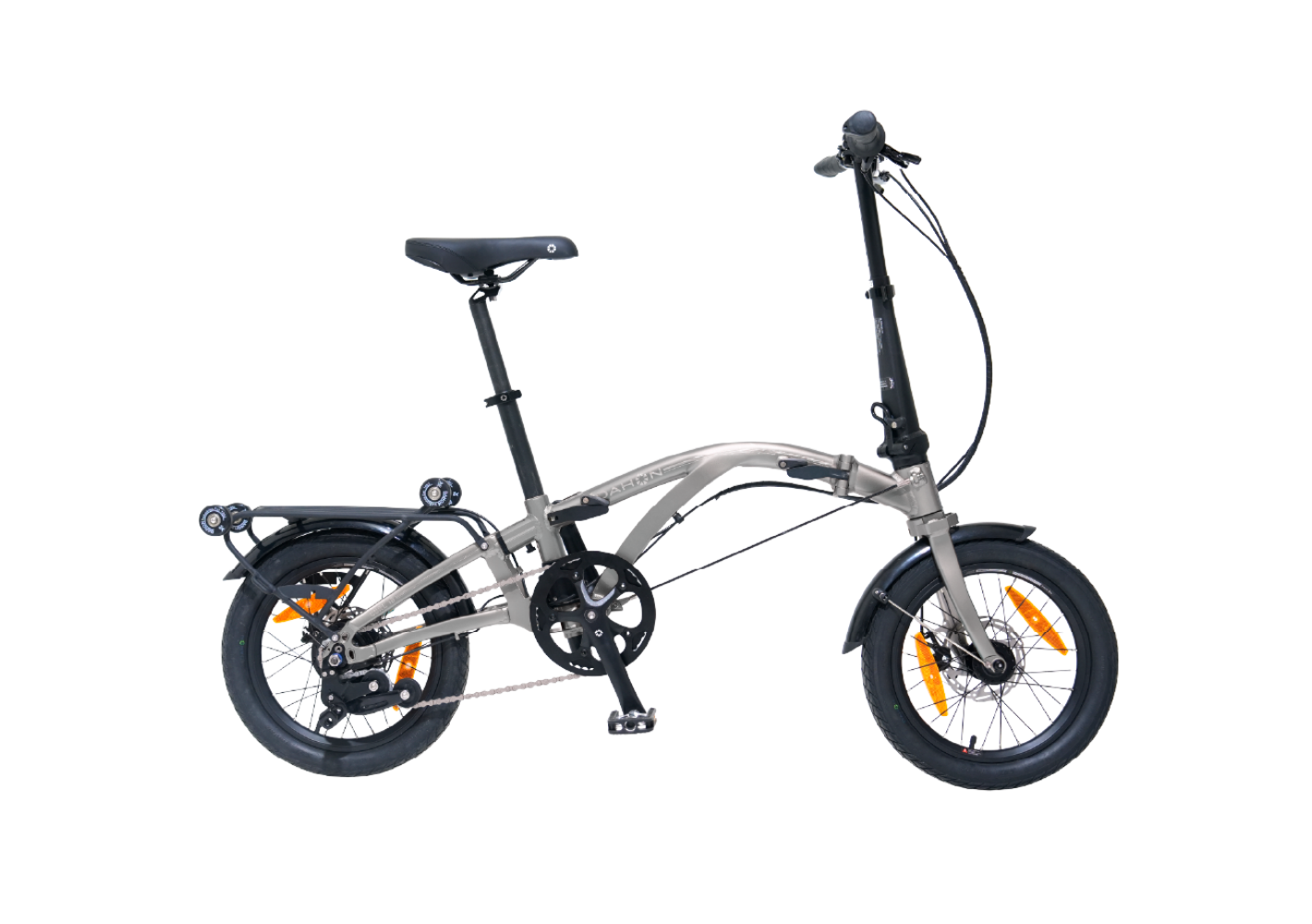
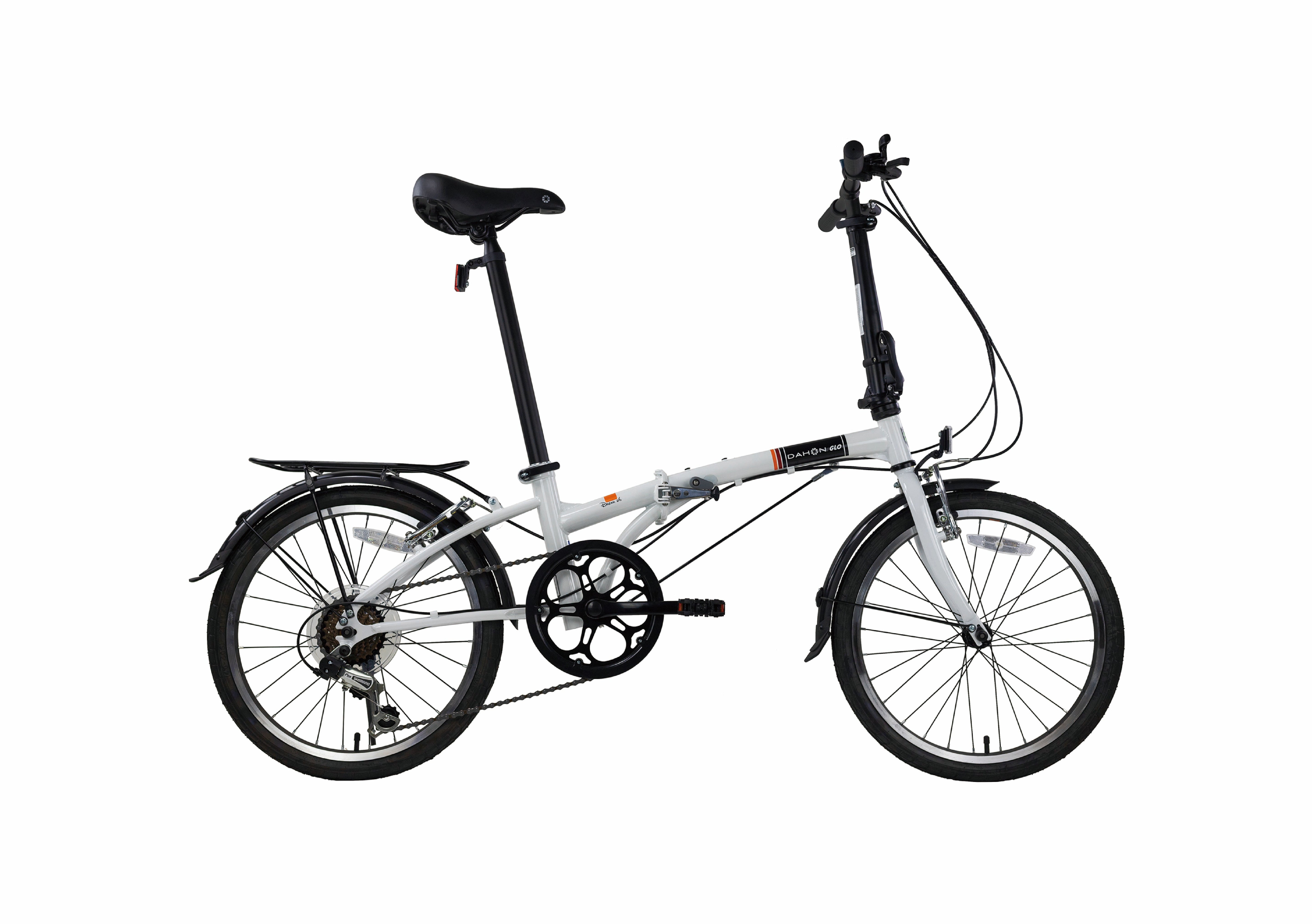
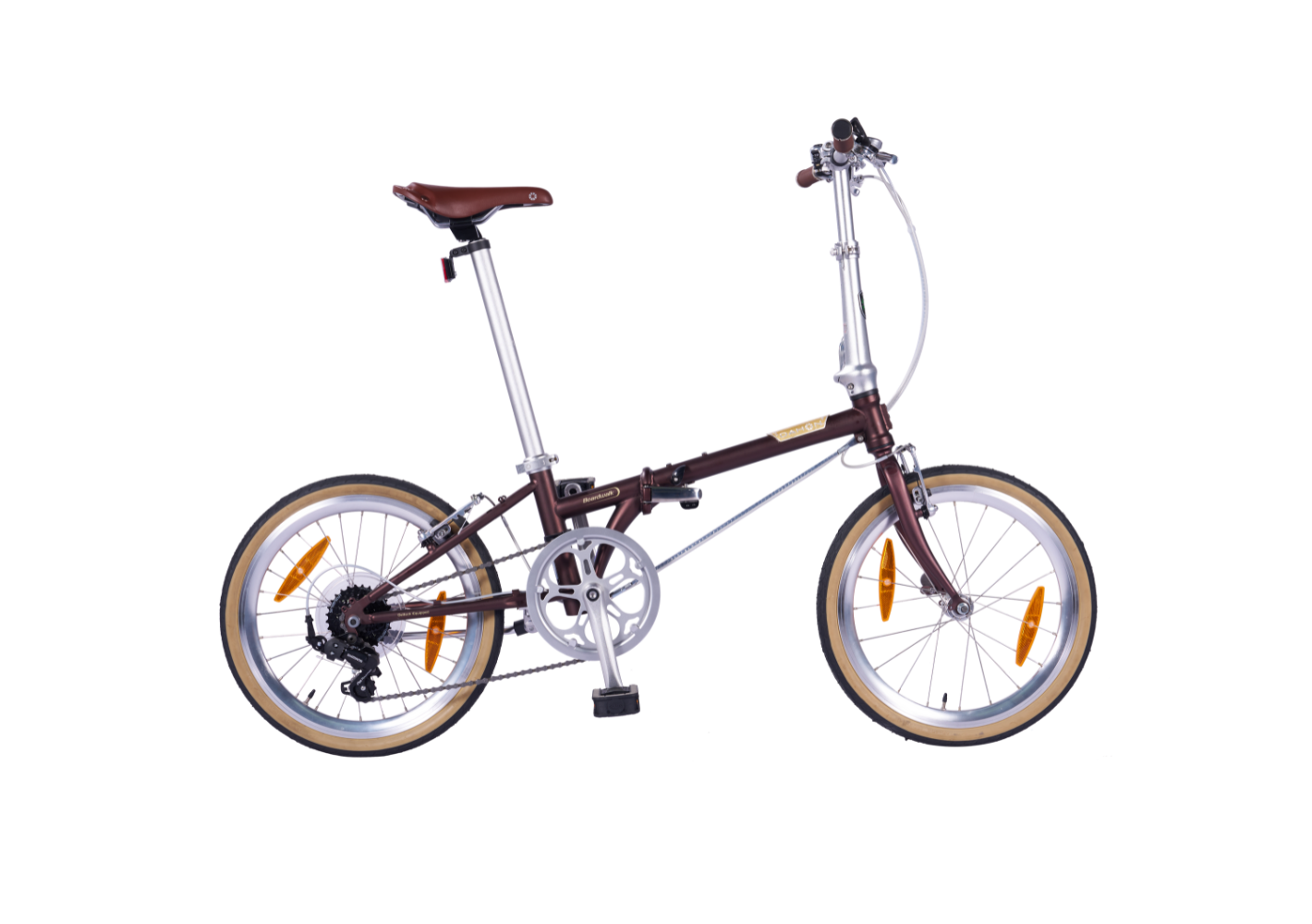
DELTECH is currently featured across several models in DAHON's US lineup, including the Mariner D8 II, the Hemingway GR, the Launch EX, and the K-Feather eBike. DAHON's US site also maintains a dedicated DELTECH collection page.
The Mariner D8 II is worth noting specifically: it is the updated version of the model that The New York Times named the Best Folding Bike, and DELTECH is part of what makes the frame perform the way it does.
Frequently Asked Questions
Q1: Is frame flex only a problem on cheaper folding bikes, or does it affect all single-tube designs?
It affects all single-tube folding frames regardless of price. The flex is a geometry issue, not a materials or quality issue: any frame built around a single main tube instead of a front triangle will flex more under pedaling load.
Q2: Can DELTECH be added to an existing folding bike after purchase?
No. DELTECH is integrated into the frame structure at the manufacturing stage and is not a retrofittable accessory.
Q3: Does DELTECH work on carbon fiber frames, or only aluminum?
Both. DAHON has applied DELTECH to carbon fiber frames, including the Teledon C8 AXS, where the DELTECH cable works alongside a carbon fiber front fork and thickened downtube.
Q4: Does frame flex affect safety, or just riding efficiency?
Both. Repeated stress cycles from frame flex reduce the frame's long-term load capacity and service life, not just pedaling efficiency. DELTECH reduces those stress cycles by keeping the frame more stable under load.
Q5: Is DELTECH available on DAHON electric bikes?
Yes. The K-Feather eBike is one current DAHON electric model that features DELTECH as part of its frame design.
Q6: Is DELTECH exclusive to DAHON, or can other brands use it?
DELTECH is a patented DAHON technology. Other manufacturers cannot use it without a licensing agreement with DAHON.