Die Radgröße ist die wichtigste Entscheidung bei der Wahl eines Faltrads. Sie bestimmt, wie sich das Fahrrad fährt, wie klein es sich zusammenfalten lässt und ob es zu Ihrem Alltag passt. Die drei gängigsten Größen – 16, 20 und 24 Zoll – liegen jeweils an einem anderen Punkt zwischen maximaler Portabilität und dem Fahrgefühl eines Standardrads.
Wichtige Erkenntnisse
| 16 Zoll | 20 Zoll | 24 Zoll | |
| Faltmaß | Am kleinsten | Kompakt | Groß |
| Fahrkomfort | Mehr Vibrationen | Ausgewogen | Am geschmeidigsten |
| DB-Zug | Kostenloses Handgepäck | Kostenloses Handgepäck | Meist zu groß |
| Am besten für | Maximale Portabilität | Tägliches Pendeln | Komfort auf langen Strecken |
| DAHON-Sortiment | Boardwalk D7 16" | Boardwalk D7 20", HIT D6, Dream D6, Mariner D8 und weitere | Nicht im aktuellen Sortiment |
Welche Radgröße ist die richtige für Sie?
Die Antwort hängt von drei Faktoren ab: wie oft Sie das Fahrrad falten und tragen, auf welchen Straßen Sie fahren und wie weit Sie fahren.
Wenn Sie das Fahrrad regelmäßig in Zügen oder Bussen mitnehmen oder Treppen hinauftragen, sind das Faltmaß und Gewicht am wichtigsten. Ein 16-Zoll-Fahrrad bietet Ihnen das kleinste Paket. Ein 20-Zoll-Fahrrad bietet Ihnen eine Balance zwischen kompaktem Faltmaß und komfortablerem Fahrgefühl. Ein 24-Zoll-Fahrrad tauscht Portabilität gegen ein Fahrgefühl, das einem Standardfahrrad am nächsten kommt, aber das Faltmaß macht es für die meisten multimodalen Pendler ungeeignet.
Für die meisten urbanen Radfahrer in Deutschland trifft das 20-Zoll-Faltrad den praktischen Mittelweg. Es lässt sich klein genug zusammenfalten für die Gepäckablage in einem DB-Zug, passt in die meisten Kofferräume und bewältigt Stadtstraßen mit ausreichender Stabilität für den täglichen Gebrauch.
Wie verändert die Radgröße das Fahrgefühl?
Drei physikalische Faktoren verbinden den Raddurchmesser mit dem, was Sie auf der Straße spüren.
Überrollfähigkeit
Ein größeres Rad rollt über Hindernisse in einem flacheren Winkel. Ein 24-Zoll-Rad trifft ein Schlagloch oder eine Straßenbahnschiene in etwa 15 Grad. Ein 16-Zoll-Rad trifft dasselbe Hindernis in etwa 22 Grad. Der steilere Winkel überträgt mehr des Aufpralls auf den Fahrer. Dies ist einfache Geometrie, nicht nur Reifendruck, weshalb Fahrräder mit kleineren Rädern auf unebenen Oberflächen holpriger wirken.
Stabilität bei Geschwindigkeit
Größere Räder erzeugen einen stärkeren Kreiseleffekt, der das Fahrrad bei höheren Geschwindigkeiten stabilisiert. Ein 20-Zoll-Fahrrad bei 25 km/h fühlt sich merklich stabiler an als ein 16-Zoll-Fahrrad bei gleicher Geschwindigkeit. Der Unterschied ist bei schnellen Abfahrten oder starkem Seitenwind am deutlichsten.
Beschleunigung
Kleinere Räder haben weniger Rotationsmasse, was bedeutet, dass sie aus dem Stand schneller beschleunigen. Ein 16-Zoll-Fahrrad beschleunigt an Ampeln schneller und bietet einen klaren Vorteil beim Stop-and-Go-Fahren in der Stadt. Der Energieaufwand, um wieder auf Geschwindigkeit zu kommen, ist geringer, was erheblich ins Gewicht fällt, wenn Ihre Route viele Kreuzungen hat.
Wofür sind 16-Zoll-Falträder gut?

Ein 16-Zoll-Faltrad ist auf eine Priorität ausgelegt: das kleinstmögliche Paket.
Faltmaß: Typischerweise 60–80 × 30–40 × 60–70 cm; das kompakteste der drei Größen.
Gewicht: Im Allgemeinen 9–12 kg; die leichteste Kategorie.
Fahrgefühl: Empfindlicher gegenüber Fahrbahnoberflächen. Kopfsteinpflaster, Straßenbahnschienen und Schlaglöcher sind alle deutlicher zu spüren als bei einem größeren Rad. Auf glattem Asphalt ist der Unterschied gering.
Geschwindigkeit: Höhere Trittfrequenz für die gleiche Fahrgeschwindigkeit erforderlich, aber die Beschleunigung aus dem Stand ist schneller.
Für wen es geeignet ist
- Pendler, die das Fahrrad täglich mit dem Zug mitnehmen und das kleinste Faltmaß benötigen.
- Fahrer, die in einer Wohnung mit sehr begrenztem Stauraum leben.
- Alle, die Fahrradabschnitte unter 5–8 km mit öffentlichen Verkehrsmitteln kombinieren.
Worauf Sie achten sollten
- Reifenverfügbarkeit ist begrenzter als bei 20-Zoll-Modellen.
- Benötigt eine etwas höhere Trittfrequenz auf längeren Strecken.
- Straßenerschütterungen sind auf schlechten Oberflächen stärker spürbar.
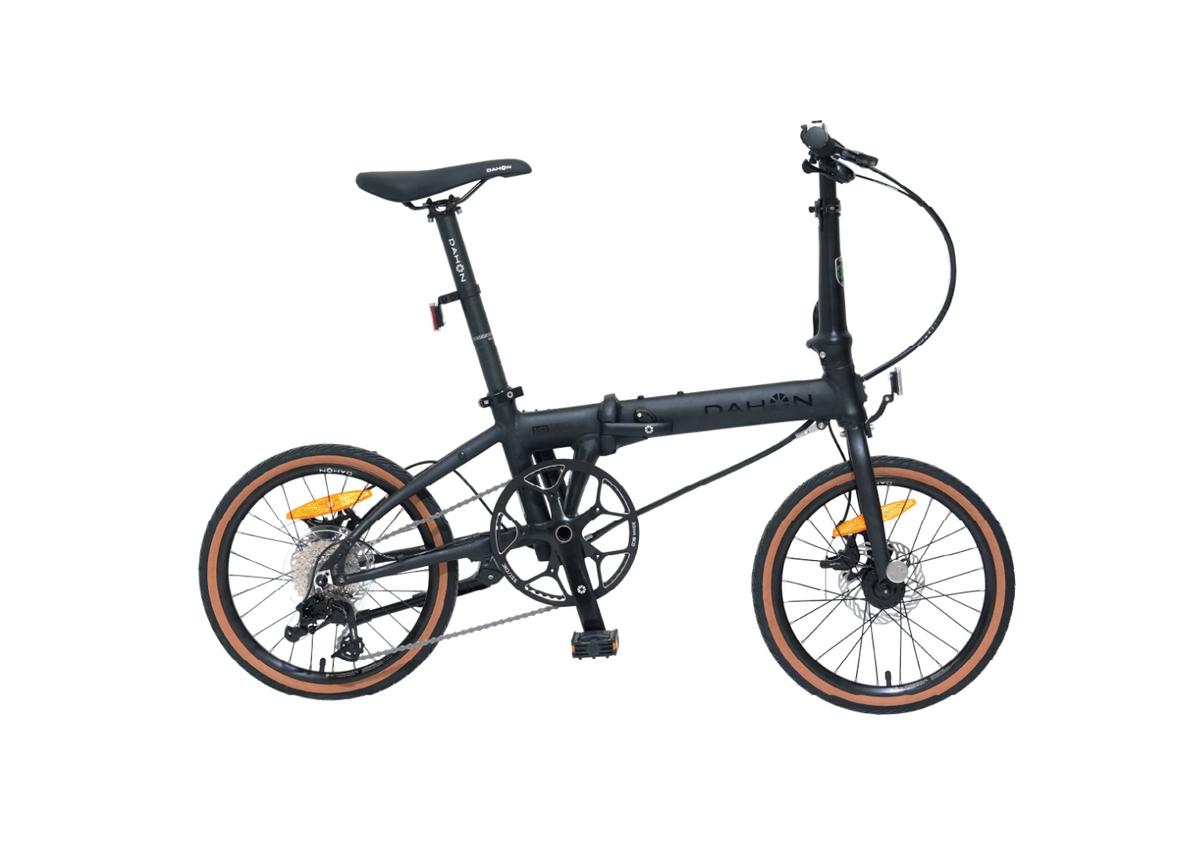
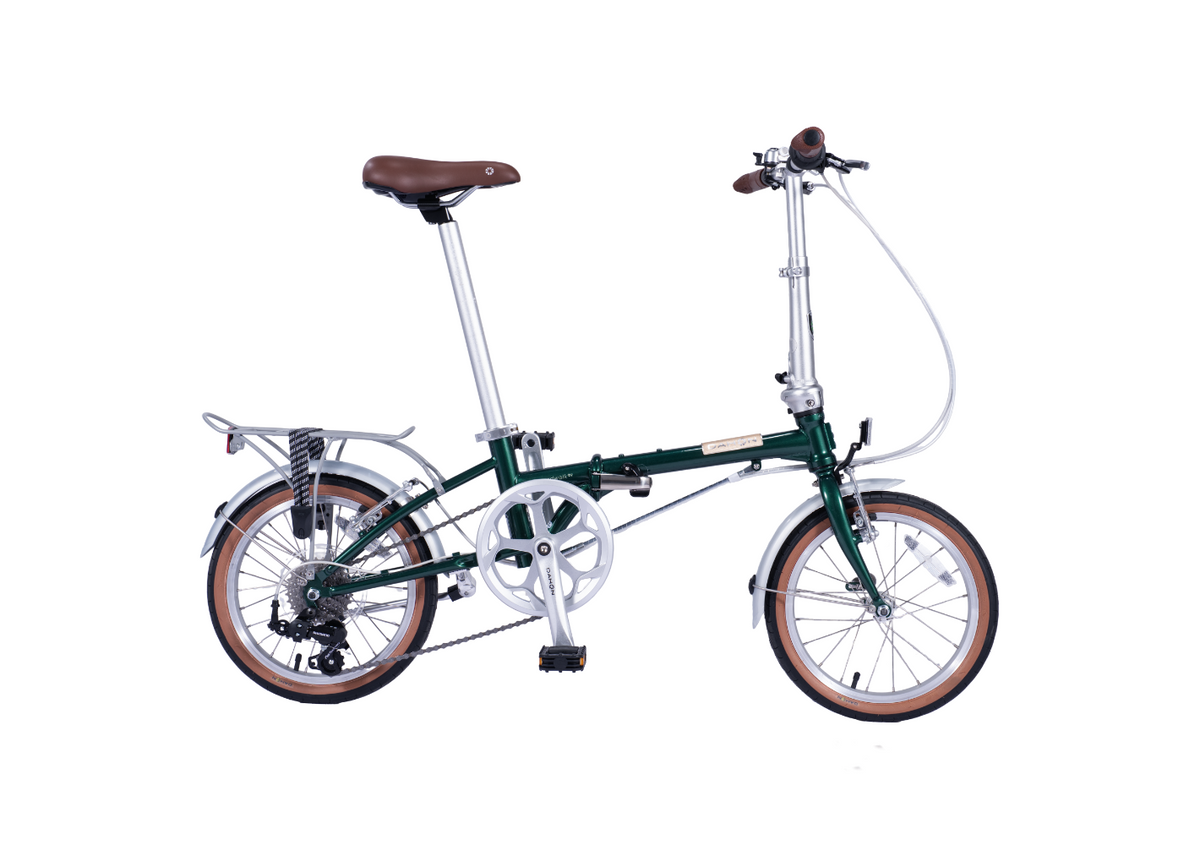
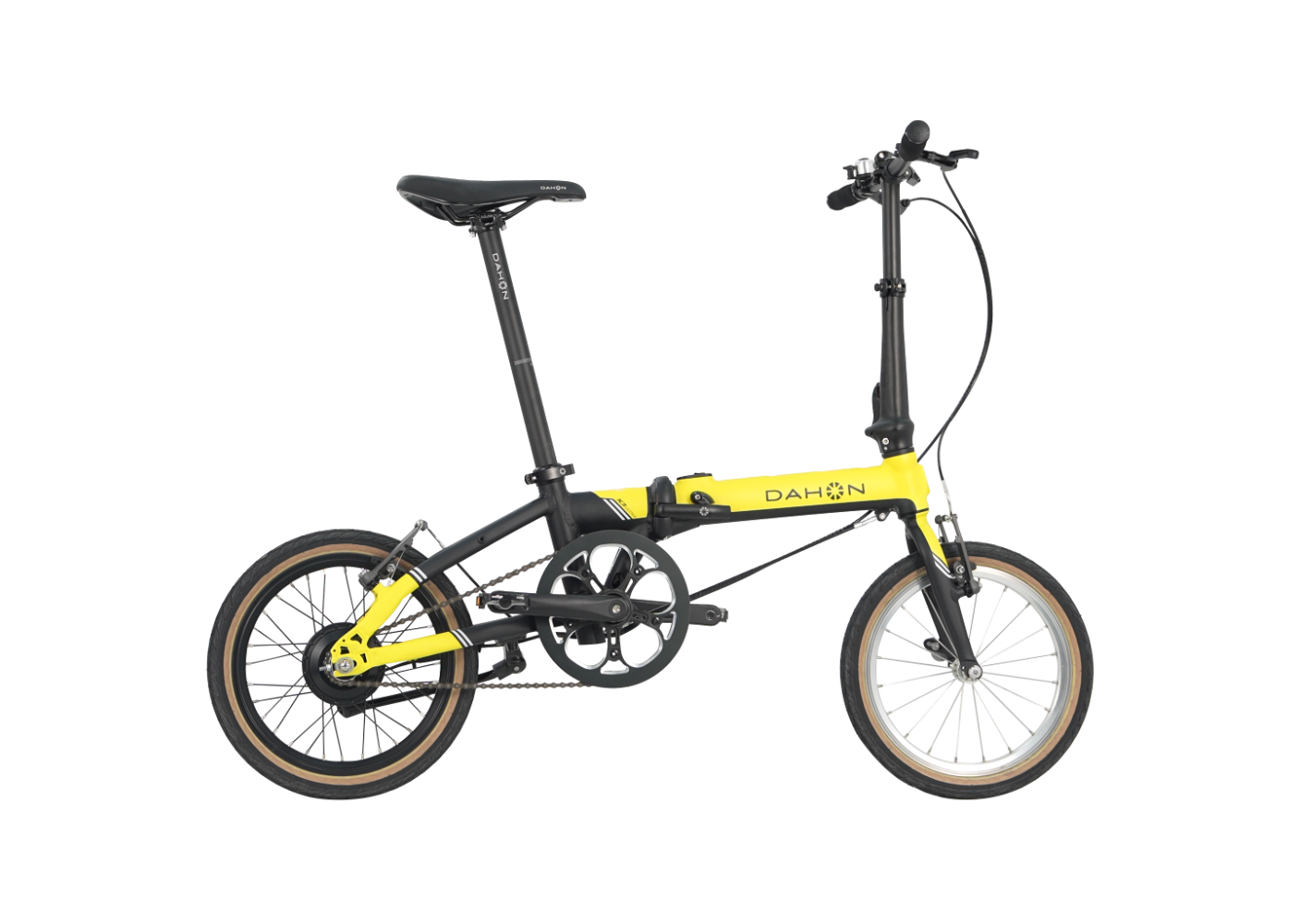
Das DAHON Boardwalk D7 (16 Zoll) ist ein aktuelles Paradebeispiel: Es verfügt über einen Chromoly-Rahmen, eine 7-Gang-Shimano-Schaltung, ein Faltmaß von 77 × 30 × 63 cm und wiegt 11,54 kg.
Wofür sind 20-Zoll-Falträder gut?

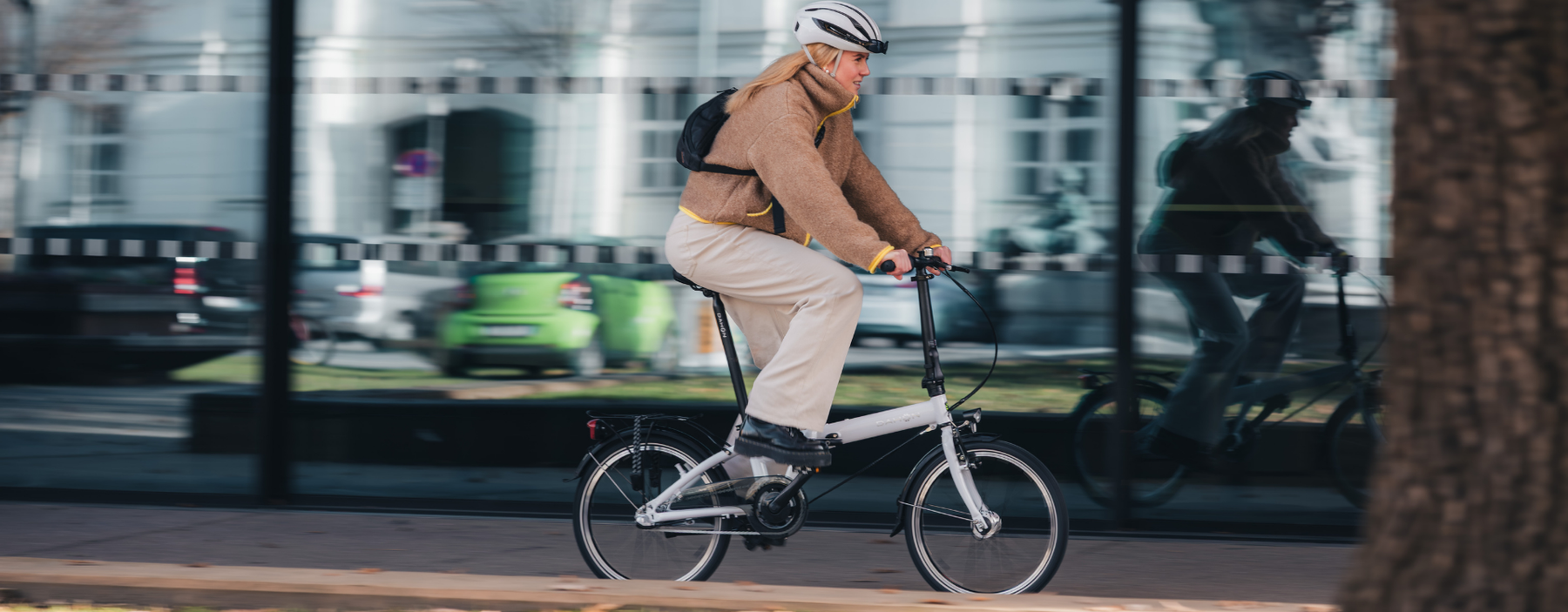
Das 20-Zoll-Faltrad ist das meistverkaufte Format auf dem Markt. Es balanciert Portabilität wunderbar mit einer Fahrqualität, die auch für längere tägliche Strecken geeignet ist.
Faltmaß: Typischerweise 63–85 × 30–35 × 65–82 cm; größer als das 16-Zoll-Modell, aber immer noch kompakt genug für die Bahnreise als Handgepäck in der Deutschen Bahn.
Gewicht: Im Allgemeinen 11–14 kg.
Fahrgefühl: Merklich stabiler als 16-Zoll-Räder auf gemischten Oberflächen. Straßenbahnschienen, nasses Kopfsteinpflaster und städtische Schlaglöcher – die auf vielen deutschen Stadtrouten üblich sind – werden vorhersehbarer absorbiert.
Geschwindigkeit: Geringere Trittfrequenz als bei 16-Zoll-Rädern für die gleiche Geschwindigkeit erforderlich. Komfortabel für Pendelstrecken von 10–20 km.
Für wen es geeignet ist
- Tägliche Pendler mit einer Mischung aus Radfahren und öffentlichen Verkehrsmitteln.
- Fahrer, die täglich 10–20 km auf unterschiedlichen Stadtstraßen zurücklegen.
- Alle, die ein einziges Fahrrad wünschen, das sowohl den täglichen Arbeitsweg als auch gelegentliche längere Fahrten abdeckt.
DAHONs 20-Zoll-Sortiment
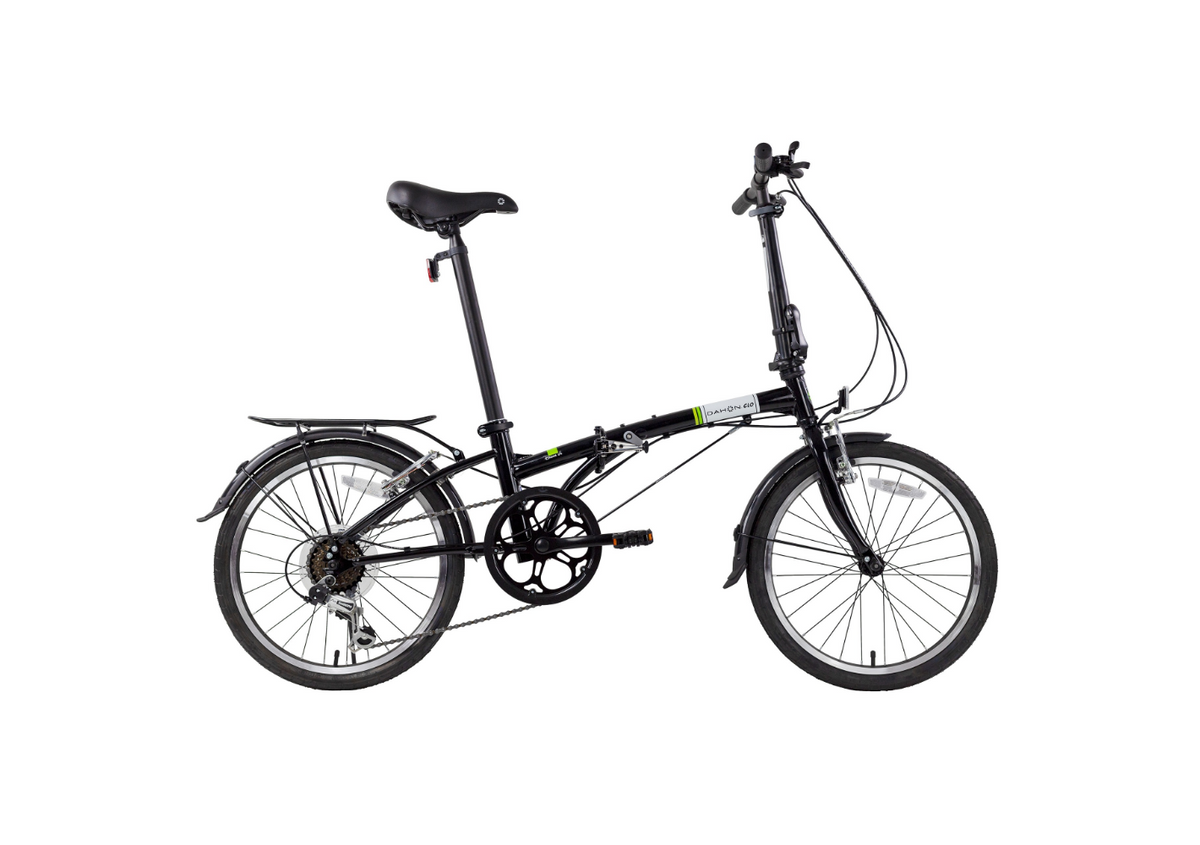
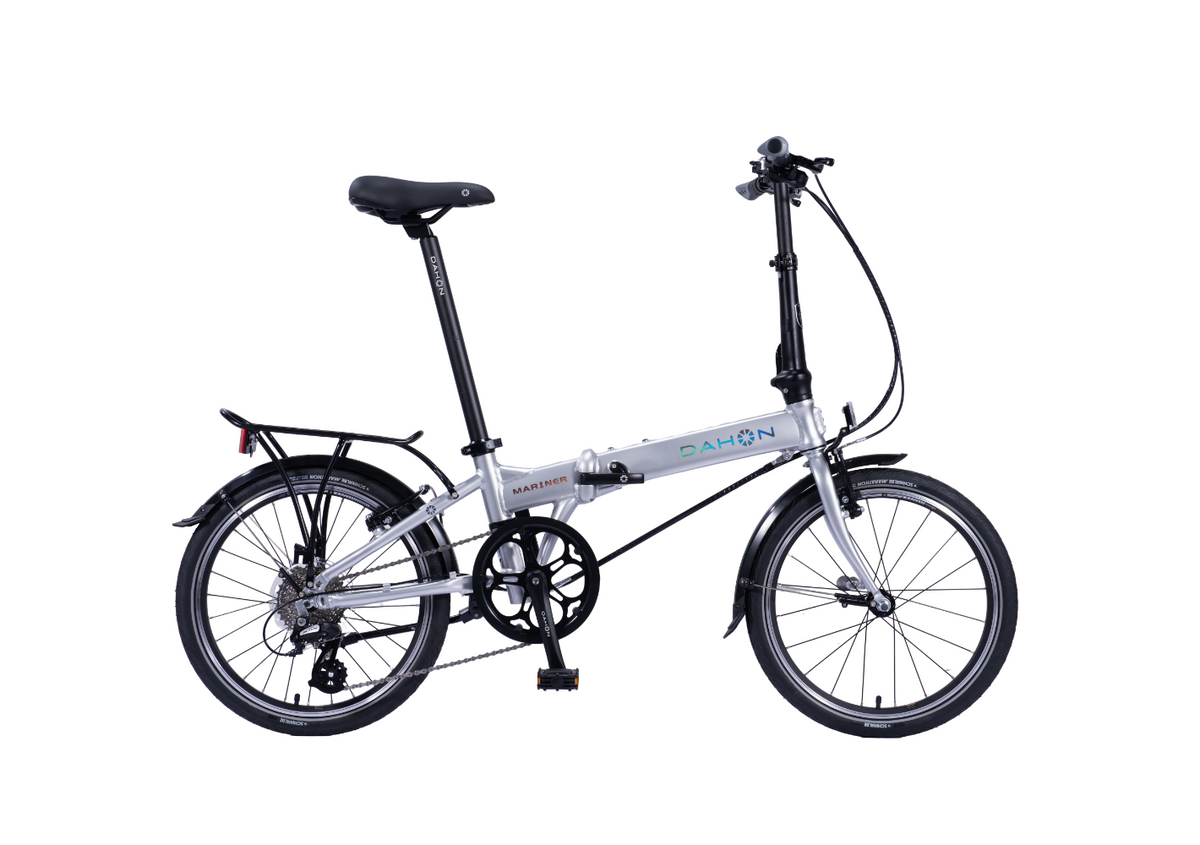
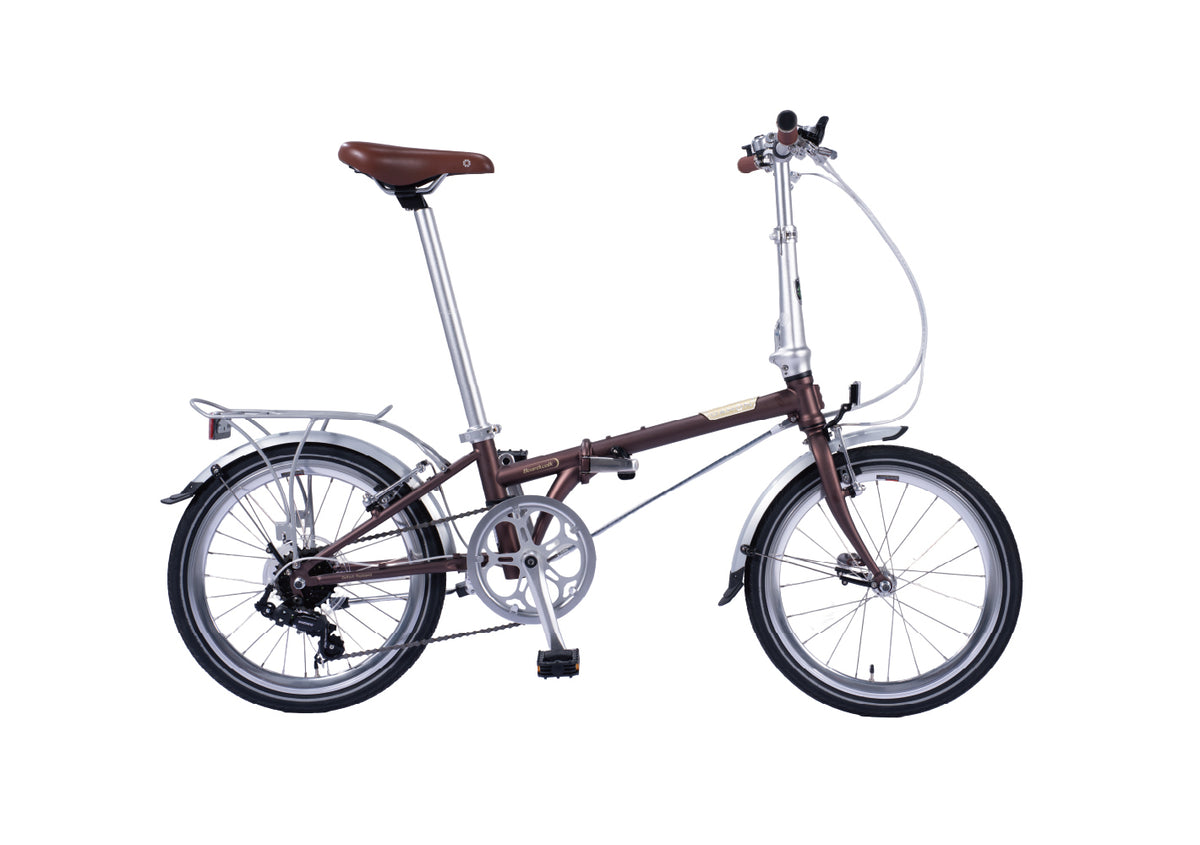
DAHONs aktuelles Sortiment für den deutschen Markt konzentriert sich auf 20-Zoll-Modelle. Das Boardwalk D7 20" bietet einen klassischen Chromoly-Rahmen mit 7-Gang-Shimano-Schaltung und einem Faltmaß von 63 × 30 × 77 cm. Das HIT D6 und Dream D6 sind Aluminiumrahmen-Optionen in verschiedenen Preisklassen. Das Mariner D8 verfügt über rostbeständige Komponenten und eine 8-Gang-Shimano-Schaltung, wodurch es sich gut für das ganzjährige Fahren bei Nässe eignet. Alle lassen sich in drei Schritten falten und fahren kostenlos in DB-Zügen als Handgepäck mit.
Wofür sind 24-Zoll-Falträder gut?

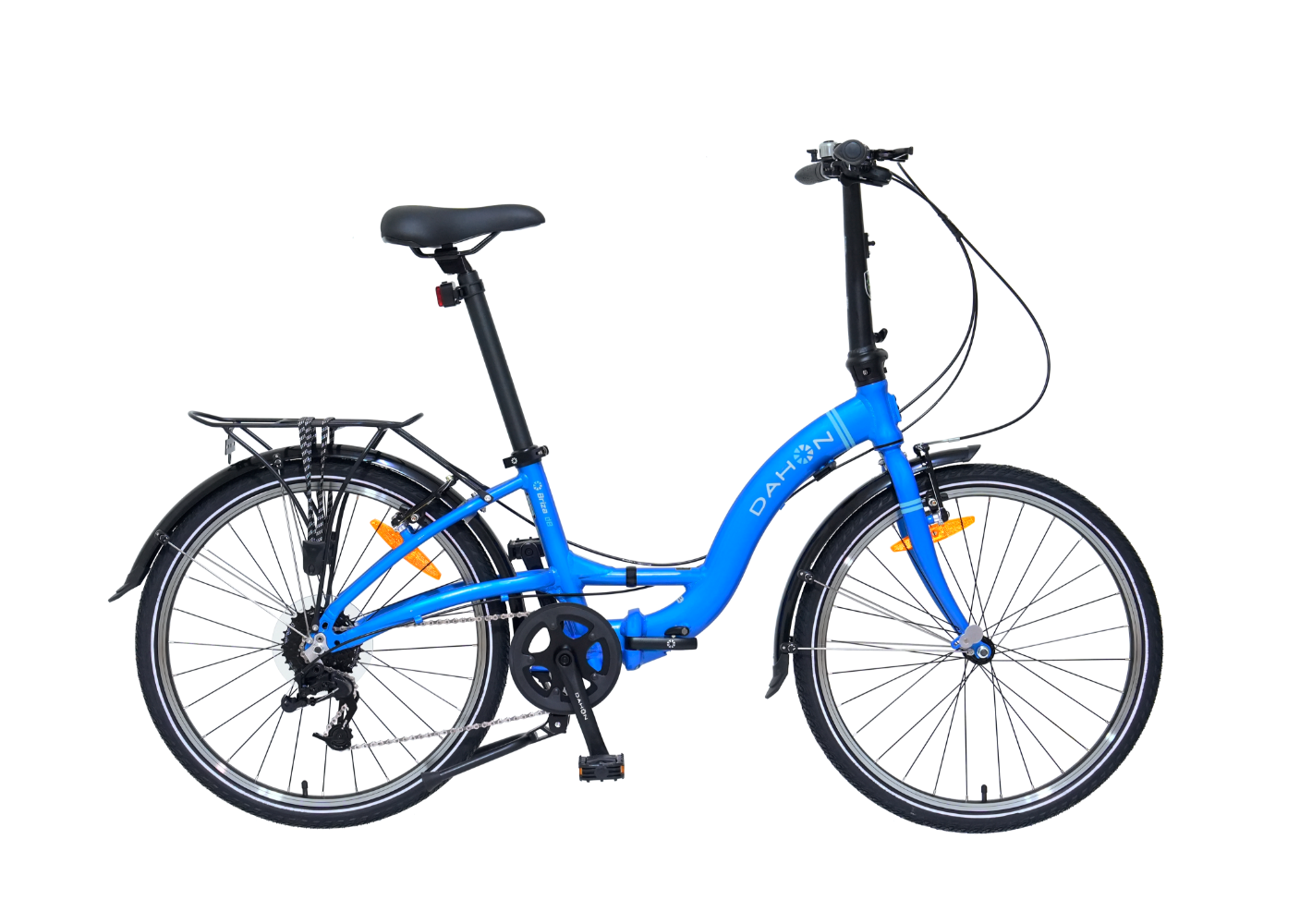
Ein 24-Zoll-Faltrad bietet ein Fahrgefühl, das einem Standard-Stadtrad nahekommt. Das größere Rad rollt sanft über Fahrbahnunebenheiten, hält gut die Geschwindigkeit und fühlt sich bei höheren Trittfrequenzen stabil an.
Der Kompromiss ist die Portabilität. Ein zusammengeklapptes 24-Zoll-Fahrrad misst typischerweise 95–115 × 35–45 × 80–95 cm und wiegt 13–17 kg. Das liegt außerhalb des praktischen Bereichs für die meisten Bahnfahrten und Gepäckablagen.
Wo es funktioniert
- Fahrer, die das Fahrrad hauptsächlich mit dem Auto transportieren und nicht mit öffentlichen Verkehrsmitteln.
- Längere Freizeitfahrten, bei denen Komfort wichtiger ist als Kompaktheit.
- Fahrer, die von einem Standardrad umsteigen und das vertrauteste Fahrgefühl wünschen.
Wo es nicht funktioniert
- Multimodales Pendeln: Das zusammengeklappte Paket ist zu groß für die meisten Gepäckablagen und Gepäckbereiche in DB-Zügen.
- Kleine Wohnungen: Die Stellfläche im zusammengeklappten Zustand ähnelt der eines Standardrads, das an eine Wand gelehnt ist.
- Häufiges Tragen: Mit 13–17 kg zusammengeklappt ist es schwer, es Treppen hinauf oder durch einen Bahnhof zu tragen.
Ein praktischer Hinweis: Wenn Sie das Fahrrad regelmäßig in der Deutschen Bahn nutzen möchten, schafft ein 24-Zoll-Modell Unsicherheit. Die DB erlaubt zusammengeklappte Fahrräder als kostenloses Handgepäck ohne explizite Größenbeschränkung, aber das Fahrrad muss in die verfügbaren Stauräume passen. Ein zusammengeklapptes 24-Zoll-Fahrrad passt oft nicht in die Gepäckablagen und kann Durchgänge in Mehrzweckbereichen blockieren. Für zuverlässiges, uneingeschränktes Bahnreisen ist 20 Zoll die praktische Obergrenze.
Wie vergleichen sich die drei Größen in Faltmaß und Gewicht?
| 16 Zoll | 20 Zoll | 24 Zoll | |
| Typisches Faltmaß | 60–80 × 30–40 × 60–70 cm | 63–85 × 30–35 × 65–82 cm | 95–115 × 35–45 × 80–95 cm |
| Typisches Gewicht | 9–12 kg | 11–14 kg | 13–17 kg |
| Passt in DB-Gepäckablage | Ja, die meisten Modelle | Oft, Maße prüfen | Selten |
| Passt in kompakten Kofferraum | Ja | Ja, meist aufrecht | Benötigt größeren Kofferraum |
| Grundfläche im gefalteten Zustand | 0,05–0,06 m² | 0,06–0,08 m² | 0,12–0,15 m² |
Der Sprung von 20 auf 24 Zoll ist größer als der Sprung von 16 auf 20 Zoll. Ein zusammengeklapptes 24-Zoll-Fahrrad benötigt etwa doppelt so viel Stellfläche wie ein 16-Zoll-Modell.
Bestimmt die Radgröße die Geschwindigkeit?
Nicht direkt. Die Geschwindigkeit hängt von der Übersetzung, der Trittfrequenz und der Anstrengung des Fahrers ab, nicht allein vom Raddurchmesser.
Ein 16-Zoll-Rad mit einem 52-Zahn-Kettenblatt und einer 7-Gang-Kassette kann die gleiche Fahrgeschwindigkeit erreichen wie ein 20-Zoll-Rad mit vergleichbarer Übersetzung. Der Unterschied liegt in der Trittfrequenz: Das 16-Zoll-Rad benötigt mehr Umdrehungen pro Minute, um die gleiche Strecke zurückzulegen. Bei Reisegeschwindigkeiten von 20–25 km/h empfinden die meisten Fahrer die 20-Zoll-Übersetzung für anhaltende Anstrengung als komfortabler.
Größere Räder haben auf glatten, ebenen Oberflächen einen geringeren Rollwiderstand. Auf dem Flickenteppich aus Asphalt und Kopfsteinpflaster, der auf vielen deutschen Stadtrouten zu finden ist, sind Reifenbreite und -druck wichtiger als der Raddurchmesser.
Was die Reisegeschwindigkeit tatsächlich bestimmt
- Anzahl der Gänge und Übersetzungsbereich.
- Reifenbreite und -druck.
- Fitness des Fahrers und Trittfrequenz.
- Windwiderstand: Kleinere, leichtere Fahrräder haben hier einen geringfügigen Vorteil.
Ein gut übersetztes 20-Zoll-Faltrad ist in der Praxis schneller als ein schlecht übersetztes 24-Zoll-Modell. Konzentrieren Sie sich auf den Übersetzungsbereich, nicht auf die Radgröße, wenn Sie die Geschwindigkeit bewerten.
Wie wählt man die richtige Radgröße für seinen Arbeitsweg?
Beantworten Sie diese vier Fragen der Reihe nach:
1. Nutzen Sie regelmäßig öffentliche Verkehrsmittel?
Wenn ja: 16 oder 20 Zoll. Ein 24-Zoll-Fahrrad wird in Zügen und Bussen Probleme verursachen.
2. Wie weit fahren Sie pro Tag?
- Unter 8 km: 16-Zoll funktioniert gut, besonders wenn die Strecke größtenteils glatt ist.
- 8–20 km: 20-Zoll ist komfortabler, erfordert eine geringere Trittfrequenz und ist besser auf gemischten Oberflächen.
- Über 20 km: 20-Zoll mit guter Übersetzung, oder für diese Entfernung ein nicht klappbares Fahrrad in Betracht ziehen.
3. Wie oft tragen Sie das Fahrrad?
- Täglich Treppen hinauf, in Züge, in Aufzüge tragen: Leichter ist besser, und das 16-Zoll-Modell hat hier die Nase vorn.
- Meist rollen oder abstellen: 20-Zoll ist völlig in Ordnung.
4. Wie sind Ihre Straßen beschaffen?
- Glatter Asphalt: 16-Zoll funktioniert ohne Kompromisse.
- Kopfsteinpflaster, Straßenbahnschienen, Schlaglöcher: 20-Zoll absorbiert diese vorhersehbarer.
Für die meisten Pendler in Deutschland deuten die Antworten auf das 20-Zoll-Modell hin. Es bewältigt den DB-Arbeitsweg, passt ins Auto, lässt sich leicht in einer Wohnung verstauen und fährt komfortabel über die in den meisten deutschen Städten anzutreffenden Straßenbeläge.
Smarter falten, weiter fahren
Die Radgröße ist eine praktische Entscheidung, keine ästhetische. Wenn Sie sie richtig treffen, fügt sich das Fahrrad mühelos in Ihren Alltag ein. Es fährt mit Ihnen im Zug, steht sicher in der Büroecke und ist wieder einsatzbereit, wann immer Sie es brauchen. DAHONs 20-Zoll-Sortiment ist genau auf diese Art des täglichen Gebrauchs ausgelegt. Finden Sie das Modell, das zu Ihrer Route passt, in der gesamten DAHON-Palette.
FAQs zu Faltrad-Radgrößen
F1: Welche Radgröße ist am besten für ein Faltrad?
Das hängt davon ab, wie Sie das Fahrrad nutzen. Für multimodales Pendeln mit regelmäßigen Bahnfahrten ist ein 20-Zoll-Rad die praktischste Wahl: kompakt genug für die DB-Handgepäckbestimmungen und stabil genug für den täglichen Stadtverkehr. Für maximale Portabilität und das kleinste Faltmaß ist 16 Zoll besser. Für Komfort auf längeren Fahrten, bei denen die Transportierbarkeit im Zug nicht erforderlich ist, kommt ein 24-Zoll-Modell dem Fahrgefühl eines Standardrads am nächsten.
F2: Sind 16-Zoll-Falträder schwieriger zu fahren?
Nicht schwieriger, aber anders. Die Lenkung reagiert schneller, und Straßenerschütterungen durch Kopfsteinpflaster oder Schlaglöcher sind stärker spürbar. Die meisten Fahrer gewöhnen sich innerhalb weniger Fahrten daran. Auf glatten Stadtstraßen unter 10 km ist ein 16-Zoll-Rad völlig praktikabel. Bei längeren Strecken oder raueren Oberflächen wird die zusätzliche Stabilität eines 20-Zoll-Rades spürbar.
F3: Sind größere Räder bei einem Faltrad schneller?
Nicht automatisch. Die Fahrgeschwindigkeit hängt mehr von der Übersetzung und der Trittfrequenz als vom Raddurchmesser ab. Ein 20-Zoll-Rad mit einem großen Übersetzungsbereich kann schneller fahren als ein 24-Zoll-Rad mit begrenzter Übersetzung. Größere Räder haben auf glatten Oberflächen einen geringeren Rollwiderstand, aber auf unebenem Asphalt und Kopfsteinpflaster – häufig in deutschen Städten – sind Reifendruck und -breite wichtiger. Überprüfen Sie den Übersetzungsbereich, nicht nur die Radgröße.
F4: Können große Fahrer ein 20-Zoll-Faltrad nutzen?
Ja. Die meisten 20-Zoll-Falträder sind für Fahrer von etwa 150 cm bis 195 cm durch verstellbare Sattelstützen- und Lenkerhöhen geeignet. DAHONs 20-Zoll-Modelle verfügen über eine verlängerte Sattelstütze, die einen großen Bereich an Fahrergrößen abdeckt. Wenn Sie über 190 cm groß sind, überprüfen Sie die maximale Sattelstützenverlängerung für das jeweilige Modell vor dem Kauf.