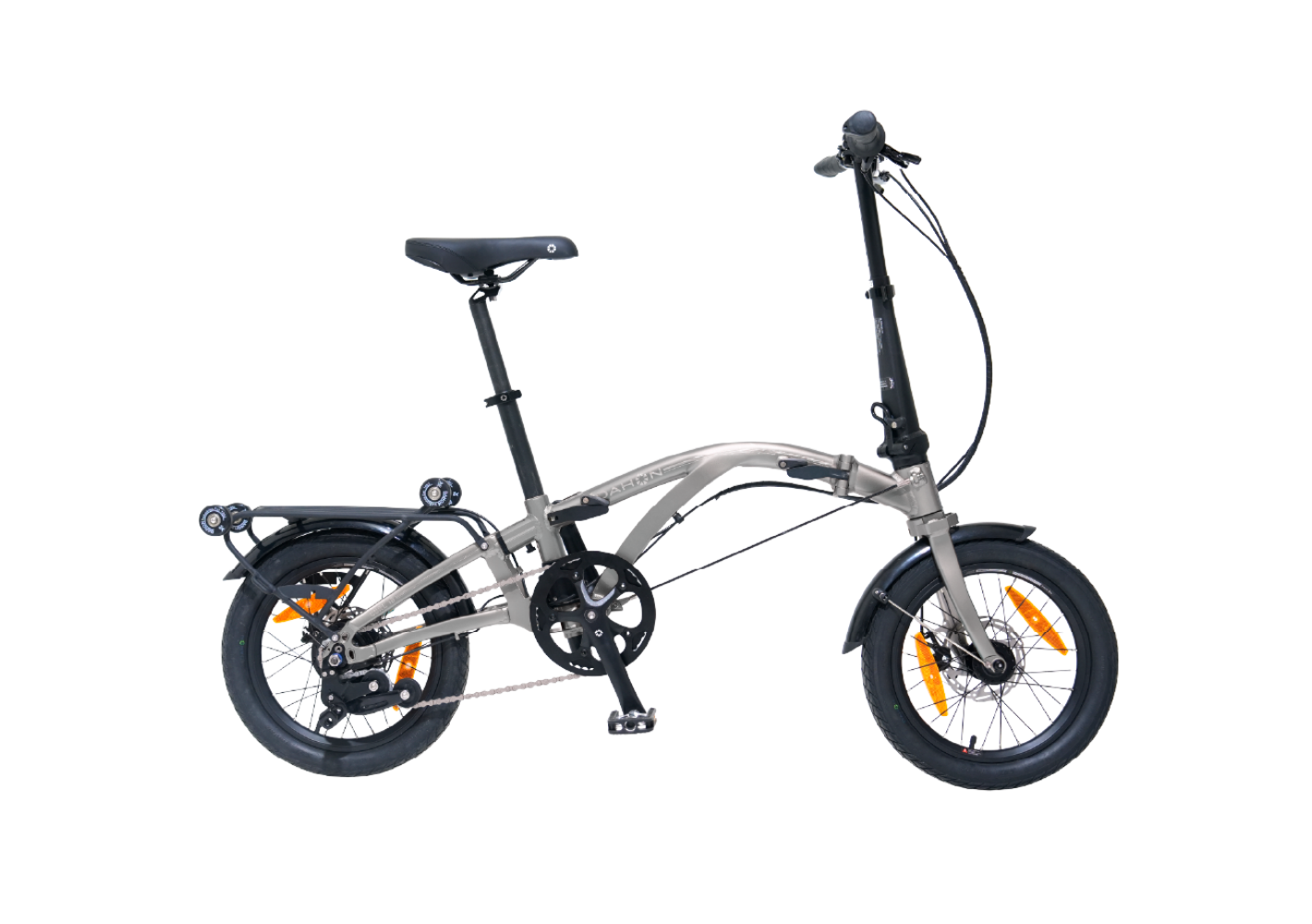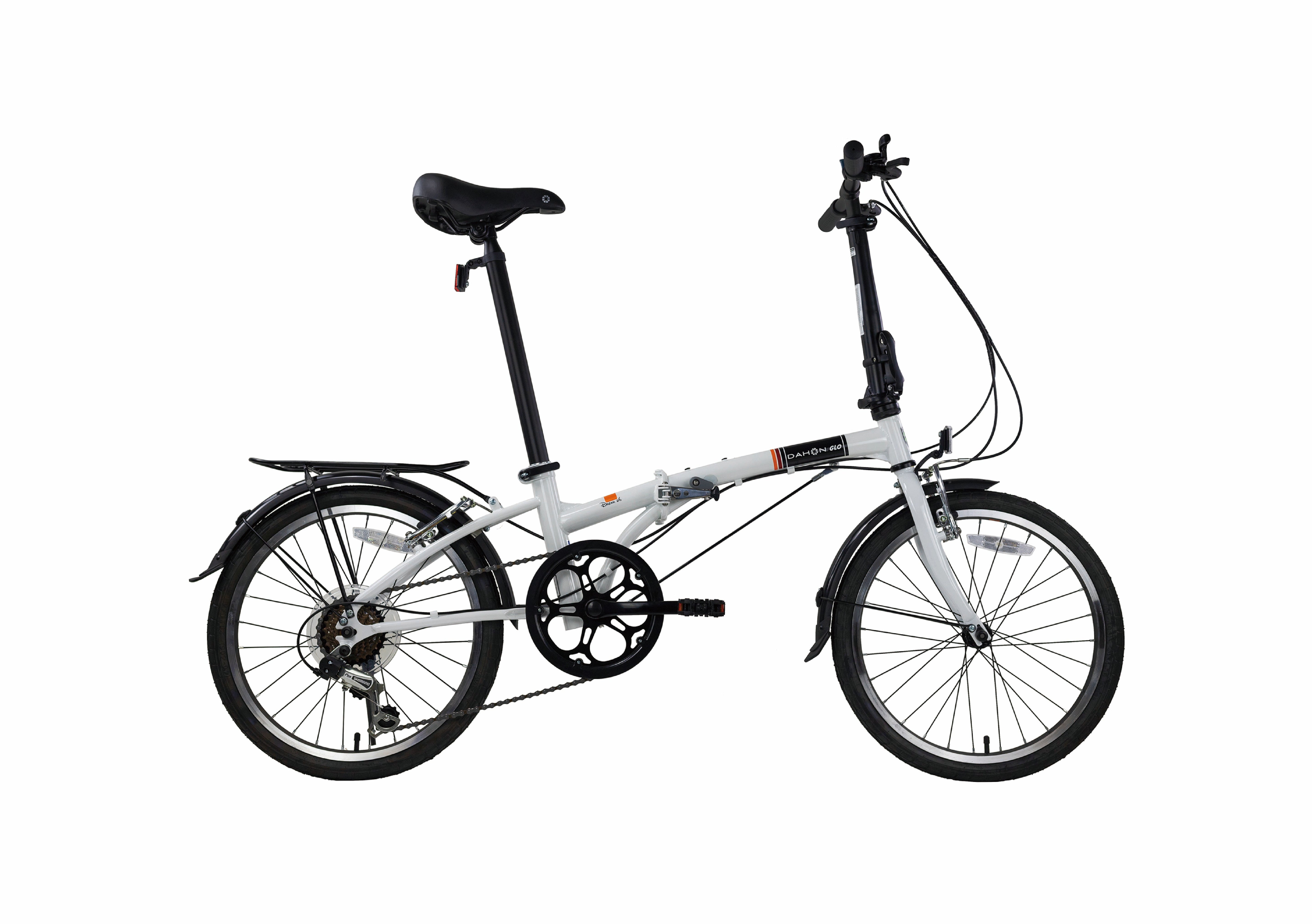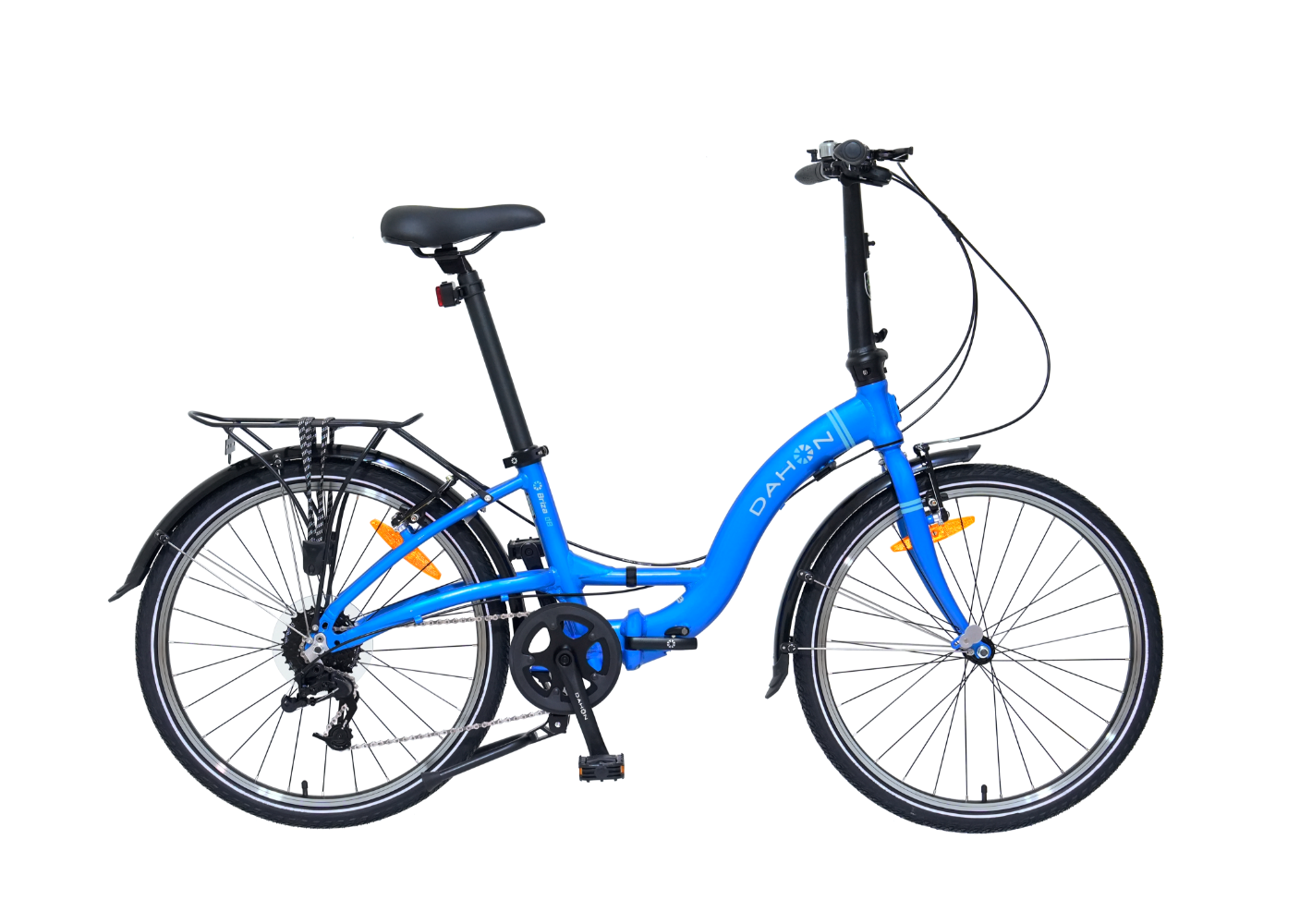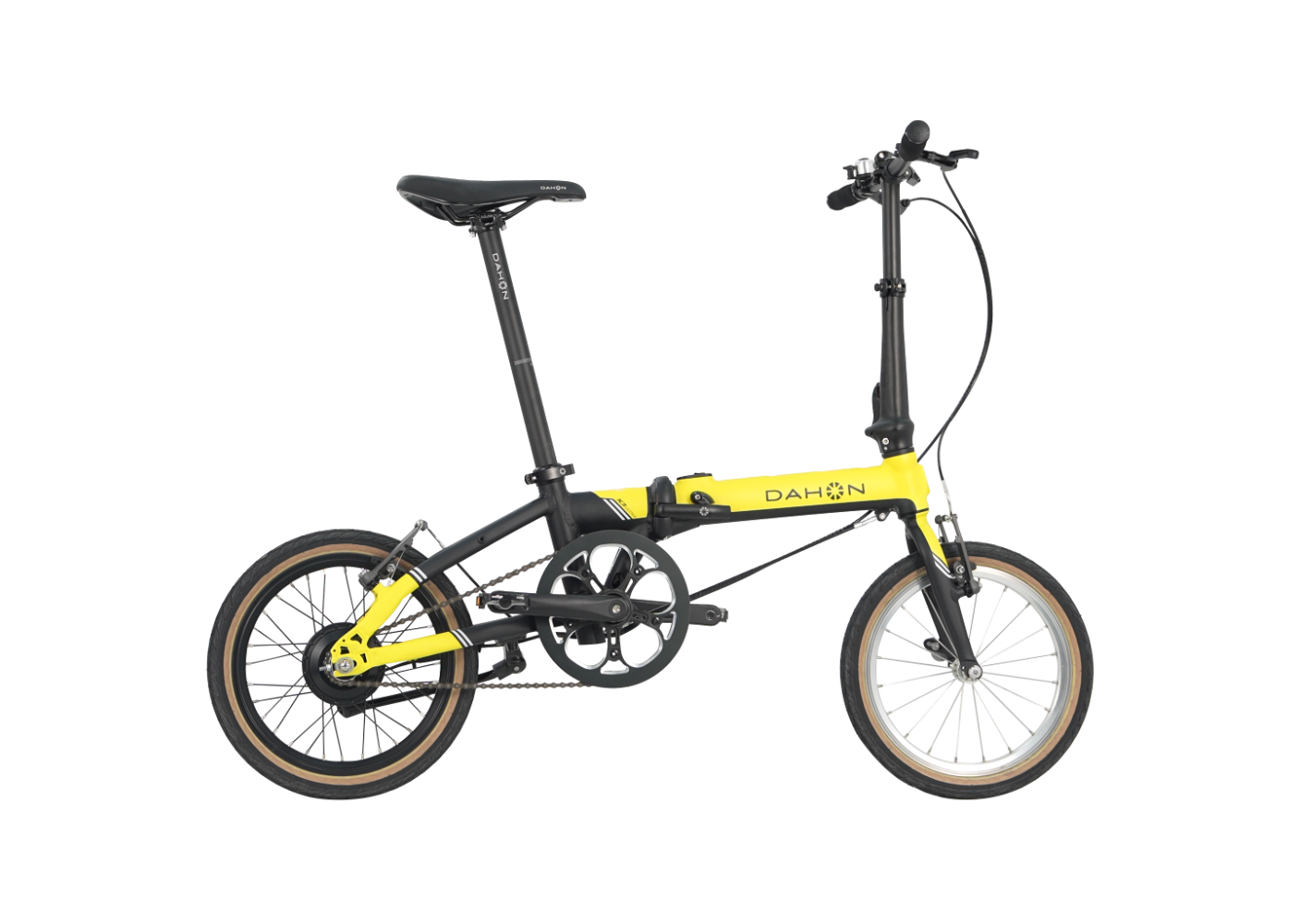
Ein Damen-Faltrad ist auf Ihre tatsächliche Nutzung zugeschnitten: wie hoch Sie Ihr Bein zum Aufsteigen heben müssen, wie weit Sie sich zum Lenker strecken und wie einfach Sie das Fahrrad im zusammengeklappten Zustand tragen können. Ein tiefer Durchstiegsrahmen beantwortet die erste Frage direkt, der Rest hängt von der richtigen Passform ab, unabhängig von der Radgröße oder dem Gewicht, das Sie letztendlich wählen.
Was ein Faltrad für Frauen geeignet macht
Die Merkmale, die einem Faltrad das Label „Damenrad“ verleihen, beruhen auf echten Designentscheidungen. Die wichtigsten Unterschiede liegen in der Sattelform, der Lenkerbreite und der Überstandshöhe – Details, die darüber entscheiden, ob ein Fahrrad wirklich zu Ihrem Körper passt.
Was sich zwischen den Modellen tatsächlich ändert
●Sattelbreite und Polsterung, mit Formen, die auf unterschiedliche Beckenstrukturen zugeschnitten sind
●Eine schmalere Lenkeroption bei einigen Modellen für Fahrer, die einen breiten Lenker als unbequem empfinden
●Niedrigere Überstandshöhe, der eigentliche Motor hinter den meisten „Damen“-Faltrad-Marketingstrategien
●Ein Rahmengrößenbereich, der kleiner beginnt, sodass kleinere Fahrer einen richtig dimensionierten Rahmen anstelle eines übergroßen erhalten
Was gleich bleibt
●Rahmenmaterial und allgemeine Verarbeitungsqualität
●Schaltung, Bremsen und Klappmechanismus
●Gewichtsgrenze und Sicherheitstests
Überstandshöhe und Reichweite entscheiden darüber, ob die Passform tatsächlich funktioniert, und beides sollte bei jedem in Betracht gezogenen Fahrrad überprüft werden.
Niedriger Durchstiegsrahmen: Was das bedeutet

Ein tiefer Durchstiegsrahmen entfernt oder senkt das Oberrohr, das vom Sattel zum Lenker eines traditionellen Diamantrahmens verläuft. Anstatt ein Bein über das Fahrrad zu schwingen, steigt der Fahrer durch den offenen Raum ein.
Wie es sich von einem Diamantrahmen unterscheidet
| Rahmentyp | Aufstiegsbewegung | Typische Überstandshöhe |
| Diamantrahmen | Bein über das Oberrohr schwingen | Höher; variiert je nach Rahmengröße |
| Durchstiegsrahmen | Durchsteigen, kein Beinschwung | Niedrig, weit unter dem Oberrohr eines Diamantrahmens |
Der Kompromiss ist strukturell. Ein Diamantrahmen bildet ein stabiles Dreieck, das von Natur aus widerstandsfähig gegen Verwindung ist. Das Entfernen des Oberrohrs bricht dieses Dreieck, daher gleichen die Hersteller dies mit einem dickeren oder verstärkten Unterrohr aus, um den Rahmen steif genug für den täglichen Gebrauch zu halten.
Für wen es am besten geeignet ist
Durchstiegsrahmen wurden speziell für Fahrerinnen entwickelt, und die einfache Aufstiegsbewegung, die sie so effektiv macht, kommt auch jedem zugute, der Wert darauf legt.
●Kleinere Fahrer, für die die Überstandshöhe bei Diamantrahmen ein limitierender Faktor ist
●Ältere Fahrer, die eine entspanntere Aufstiegsbewegung wünschen
●Jeder mit eingeschränkter Hüft- oder Kniebeweglichkeit, unabhängig vom Alter
●Pendler, die während einer multimodalen Fahrt häufig auf- und absteigen
●Fahrer, die lange Mäntel tragen oder Taschen bei sich haben, die ein hohes Oberrohr unbequem machen
Was tatsächlich über die Passform entscheidet

Die Suche nach Kategorien grenzt die Auswahl ein, aber die endgültige Passform hängt von Ihren eigenen Maßen ab. Ein als Damenrad beworbenes Fahrrad passt gut, wenn die Zahlen mit Ihrer Schrittlänge, Rumpflänge und Reichweite übereinstimmen.
Überprüfen Sie dies vor dem Kauf:
●Schrittlänge: der Abstand vom Boden zum Schritt, barfuß mit einem flach zwischen den Beinen gehaltenen Buch gemessen
●Überstandshöhe: der Abstand zwischen Ihrem Körper und dem Oberrohr, wenn Sie über das Fahrrad steigen. Bei einem Durchstiegsrahmen ist dieser Abstand konstruktionsbedingt großzügig, daher ist die Zahl weniger wichtig als bei einem Diamantrahmen, wo 2 bis 4 cm Abstand die übliche Richtlinie sind
●Reichweite: wie weit Sie sich zum Lenker nach vorne strecken, was den Komfort stärker beeinflusst als die Überstandshöhe
Die Praktiken der Marken variieren hier. Einige Damenmodelle sind um eine wirklich andere Geometrie herum gebaut, mit Rahmenproportionen, die auf einen kürzeren Oberkörper und eine geringere Reichweite abgestimmt sind. Andere verwenden den gleichen Rahmen wie die Unisex-Version und passen stattdessen Sattel- und Lenkerposition an. In jedem Fall sind Ihre eigene Schrittlänge, Rumpflänge und Reichweite das, was die tatsächliche Passform vor dem Kauf bestätigt.
Warum das Fahrradgewicht für kleinere Fahrer wichtig ist
Das Fahrradgewicht betrifft jeden Fahrer, aber die Auswirkungen sind für kleinere oder weniger kräftige Fahrer proportional größer. Für jemanden, der 55 kg wiegt, entspricht ein 16 kg schweres Faltrad etwa 30 % seines eigenen Körpergewichts, was einen echten Unterschied macht, wenn es auf einen Zuggepäckträger oder eine Treppe gehoben werden muss.
Wo das Gewicht den größten Unterschied macht
●Das Fahrrad Treppen hinauf oder in öffentliche Verkehrsmittel heben
●Das Fahrrad im Gehtempo auf engstem Raum manövrieren
●Das zusammengeklappte Fahrrad über längere Strecken tragen, z. B. vom Bahnsteig zum Büro
●
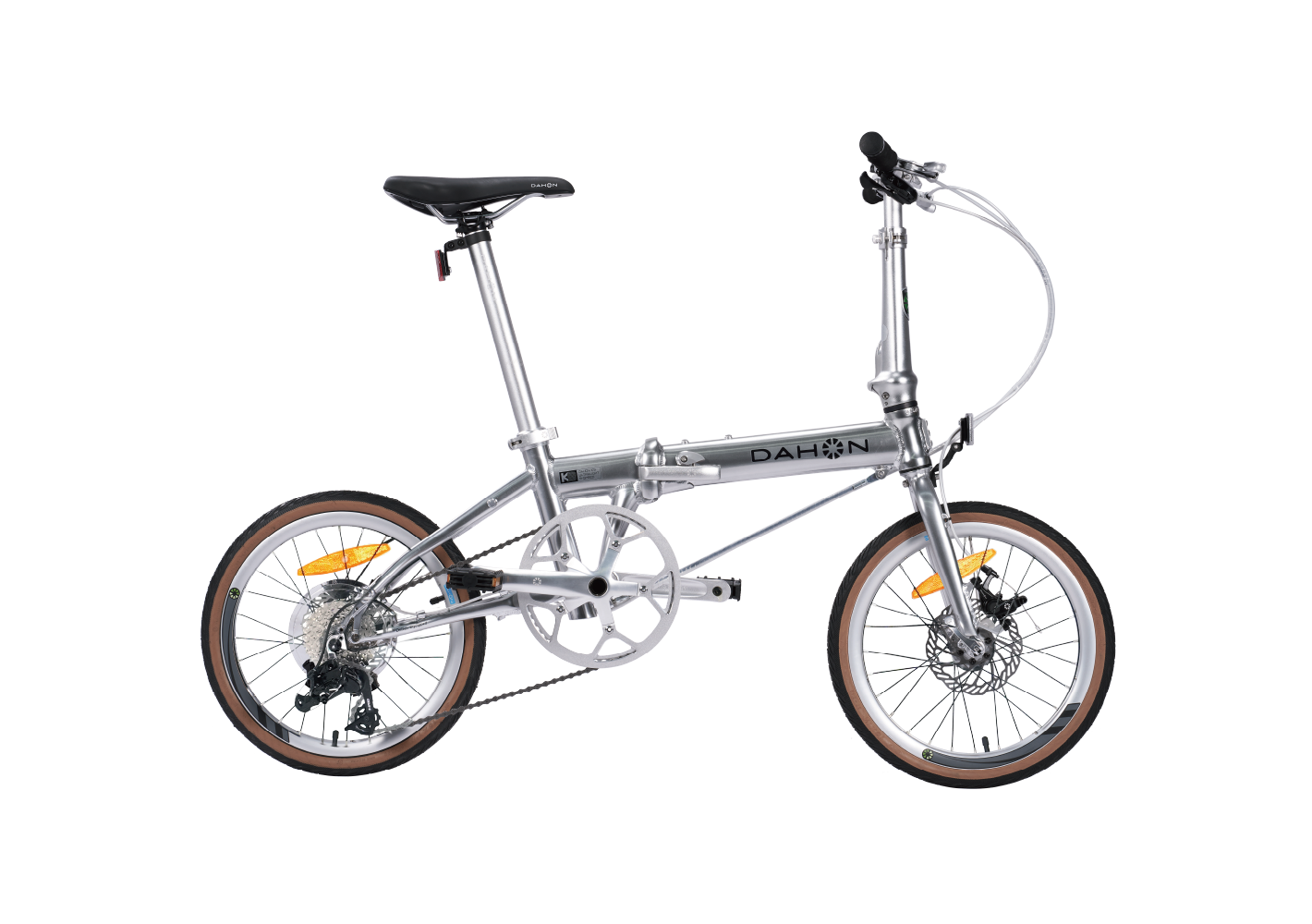
Ein leichtes Faltrad unter 13 kg ist für die meisten kleineren Fahrer spürbar einfacher zu handhaben, während alles über 15 kg mehr Oberkörperkraft erfordert, um es bequem zu heben. DAHONs leichtere Aluminiummodelle, einschließlich des Mariner, liegen im Bereich von 12 bis 13 kg und sind so konzipiert, dass sie für das tägliche Heben handhabbar bleiben, ohne die Schaltung zu beeinträchtigen.
Sind Durchstiegsrahmen weniger steif?
Durchstiegsrahmen verlieren im Vergleich zu einem Diamantrahmen etwas Torsionssteifigkeit, und dies ist eine Frage der grundlegenden Geometrie und nicht schlechter Ingenieurskunst. Ein Dreieck widersteht Verwindungen besser als eine offene Form, und das Entfernen des Oberrohrs entfernt einen Teil dieses Dreiecks.
Was das in der Praxis bedeutet
Für die meisten Pendel- und Stadtfahrten bemerken Fahrer den Steifigkeitsunterschied nicht. Die Hersteller gleichen dies durch Verdickung des Unterrohrs aus oder, im Fall von DAHON, durch zusätzliche Verstärkungen wie das DELTECH-Diagonalkabel, das ein steiferes Dreieck im unteren Teil des Rahmens bildet. Der Unterschied wird relevanter für aggressives Fahren, schwere Lasten oder höhere Geschwindigkeiten, wovon nichts den typischen Gebrauch eines Faltrads beschreibt.
Wann Steifigkeit wichtiger ist
●Regelmäßiges Tragen schwerer Packtaschen oder Lasten
●Fahren bei höheren Geschwindigkeiten auf unebenen Oberflächen
●Sprinten oder starkes Treten im Stehen
Für den täglichen Arbeitsweg bei moderater Geschwindigkeit fährt sich ein gut gebautes Durchstiegs-Faltrad so solide, dass die meisten Fahrer den strukturellen Kompromiss nie bemerken.
Was Sie vor dem Kauf überprüfen sollten
Eine kurze Checkliste beschleunigt die Entscheidung schneller als das Durchsuchen von Spezifikationen Modell für Modell.
●Bestätigen Sie Ihre Schrittlänge und vergleichen Sie diese mit der minimalen Überstandshöhe des Fahrrads
●Überprüfen Sie das vom Hersteller angegebene maximale Fahrergewicht
●Entscheiden Sie, ob Sie einen Durchstiegsrahmen für ein einfaches Aufsteigen benötigen oder einfach ein leichteres Fahrrad wünschen
●Testen Sie, wie sich das Fahrrad im zusammengeklappten Zustand heben und tragen lässt, nicht nur wie es sich fährt
●Wenn Sie ein elektrisches Durchstiegsmodell in Betracht ziehen, überprüfen Sie die Motorplatzierung, da eine niedrigere Batterie- und Motorposition die Balance des Fahrrads beeinflussen kann
FAQs zur Faltrad-Passform
Ist ein Durchstiegsrahmen nur für Frauen?
Durchstiegsrahmen wurden speziell für Fahrerinnen entwickelt, aber die einfache Aufstiegsbewegung eignet sich auch für kleinere Fahrer, ältere Fahrer und jeden, der häufig auf- und absteigt.
Was ist der Unterschied zwischen einem Damenrad und einem Unisex-Faltrad?
Das hängt von der Marke ab. Einige Damenmodelle verwenden eine wirklich andere Rahmengeometrie, während andere einen Rahmen mit der Unisex-Version teilen und sich hauptsächlich in Sattelform und Lenkerbreite unterscheiden. In jedem Fall bestätigen Ihre eigene Schrittlänge und Reichweite die tatsächliche Passform.
Sind Durchstiegs-Falträder weniger stabil als Diamantrahmenräder?
Sie verlieren etwas Torsionssteifigkeit, da das Oberrohr entfernt wird, aber die Hersteller verstärken das Unterrohr oder fügen Strukturkabel hinzu, um dies auszugleichen. Bei typischem Pendlergebrauch ist der Unterschied selten spürbar.
Wie weiß ich, ob ein Faltrad zu mir passt?
Messen Sie Ihre Schrittlänge und vergleichen Sie sie mit der Überstandshöhe des Fahrrads. Bei einem Diamantrahmen sind 2 bis 4 cm Abstand die übliche Richtlinie; Durchstiegsrahmen sind konstruktionsbedingt in der Regel nachgiebiger. Die Reichweite zum Lenker ist ebenfalls wichtig, neben der Überstandshöhe, die das Fahrrad bietet.
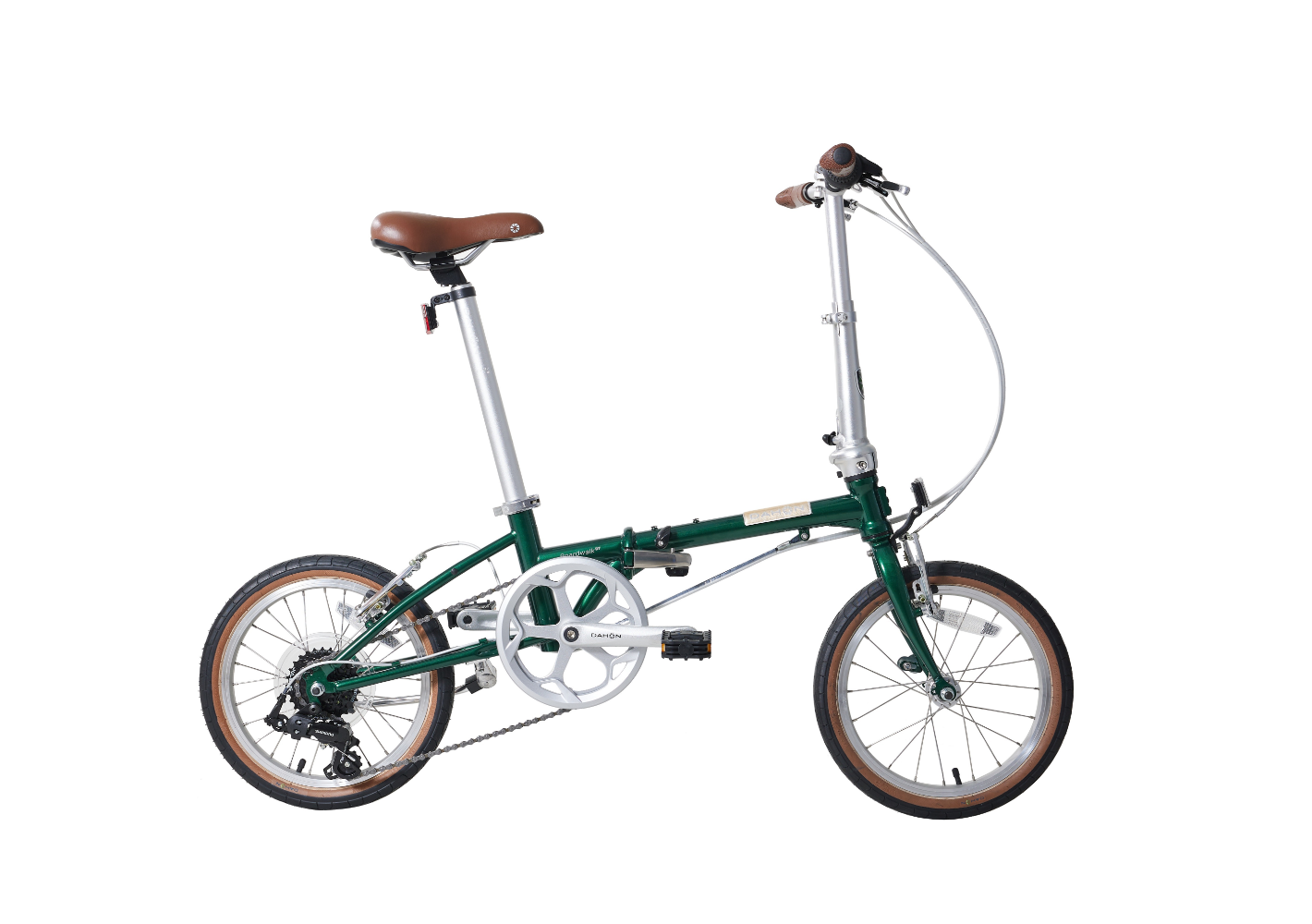
DAHON baut seine Durchstiegs- und Leichtgewichtsmodelle um echte Passform herum, vom tiefeinstiegigen Briza D8 bis zu leichteren Aluminiumoptionen wie dem Mariner. Beide sind im zusammengeklappten Zustand leicht zu tragen und fahren sich bequem für den täglichen Pendelverkehr, mit Rahmengrößen und Überstandshöhen, die für eine breite Palette von Fahrergrößen geeignet sind. Entdecken Sie Falträder: Die offizielle Kollektion von Dahon und finden Sie den Rahmen, der zu Ihren eigenen Maßen passt.