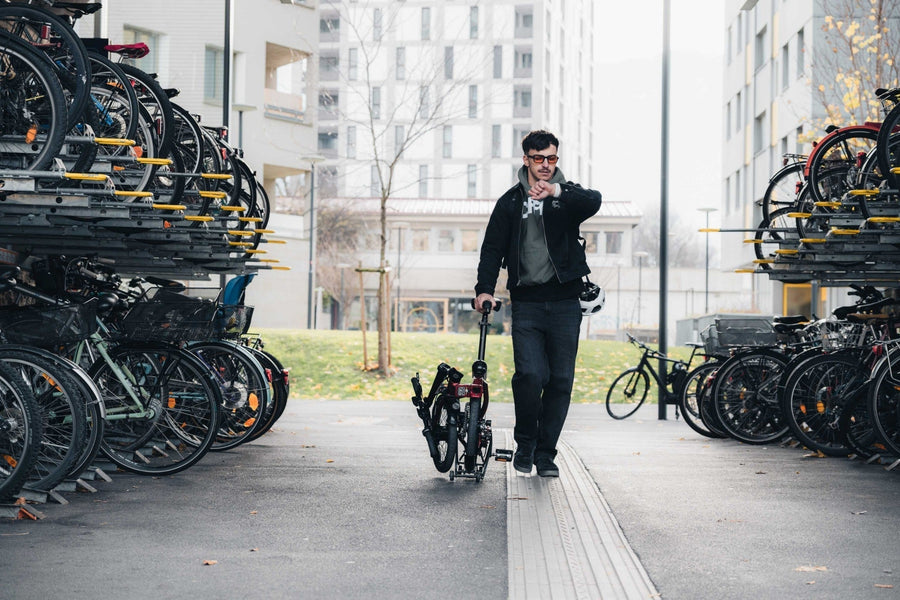
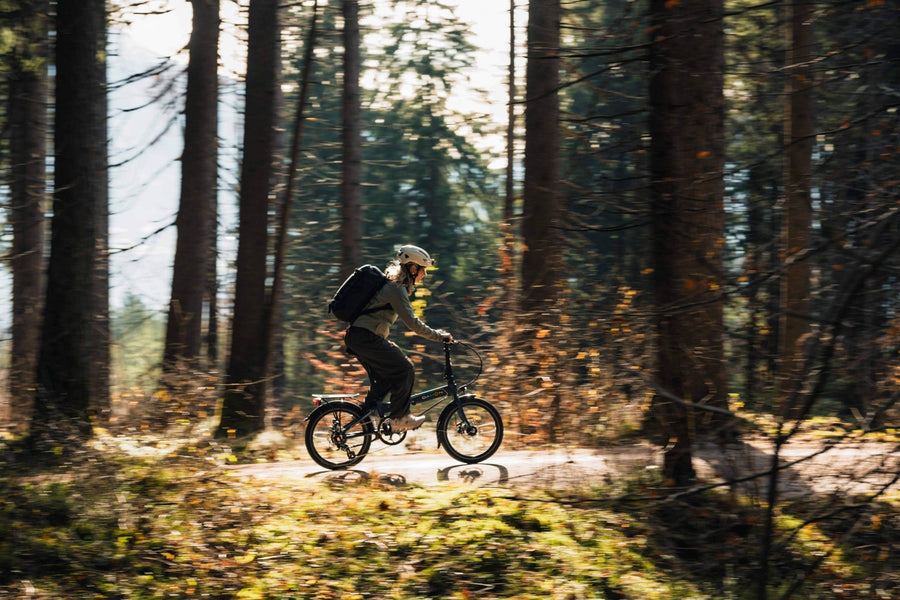
Between train platforms, stairwells, and lecture halls, it quickly becomes clear whether a folding bike fits daily life. If you are buying one for the start of school or college, begin with weight, folded size, route profile, and essential equipment rather than simply looking for the most gears.
For many commutes, a 20-inch folding bike offers a balanced starting point, while smaller wheels can help with carrying and storage. Measure the available space at school, in the car trunk, and on luggage racks. The complete folded dimensions, a secure folding mechanism, and equipment suited to hills, weather, and daily bags matter most. The following criteria make it easier to compare models and avoid a poor purchase.
Why a Folding Bike Can Work for School, Training, and College
A folding bike is particularly useful when the route to school or campus includes transfers, limited storage, or insecure parking. The following overview shows when that advantage matters in daily use.|
Situation
|
Folding Bike Advantage
|
What to Check
|
|
Bus and train transfers
|
A bike for the first and last mile.
|
Folding time, weight, and carriage rules.
|
|
Limited space at the destination
|
Compact storage in permitted indoor areas.
|
Building rules, folded dimensions, and unobstructed escape routes.
|
|
No secure bike rack
|
The bike may be taken inside, depending on the rules.
|
Permission and a suitable storage location.
|
|
Laptop and documents
|
Luggage can be carried on the bike.
|
Rack, bag compatibility, and load capacity.
|
A conventional city bike may be more practical if you never need to fold or carry it and have access to a secure bike room. Before buying, consider these four questions:
-
How many stairs, platforms, or narrow passages are on the daily route?
-
May the folded bike be stored at school, work, a residence hall, or in a classroom?
-
Will doors, hallways, and emergency exits remain completely clear?
-
Are a rear rack or suitable bags available for a laptop, books, and sports gear?
If the bike must remain outside, you need a fixed locking point and a suitable lock. Secure a strong part of the frame, not the folding hinge.
Which Wheel Size Fits School and Campus Life?
For typical city and campus use, 20-inch folding bikes often balance folded size and ride quality. A 16-inch model may be more useful when storage is tight, transfers are frequent, or several flights of stairs are part of the day.Wheel size does not describe the bike's complete folded dimensions. Two 20-inch bikes can differ substantially in folded width or height. Measure the intended space and compare it with the manufacturer's height, width, and length figures, including projecting pedals, handlebars, and the seatpost.
|
Wheel Size
|
Everyday Strengths
|
Check Before Buying
|
|
16-inch
|
Smaller package and easier to handle on stairs and in tight compartments.
|
Ride feel on rough surfaces, folded dimensions, and gearing.
|
|
20-inch
|
A good middle ground for city routes and regular rides.
|
Weight, tire width, folded width, and luggage solution.
|
Rider height and position matter as much as wheel diameter. Check the approved fit range, sufficient saddle and handlebar adjustment, and a position that allows easy reach to the brake levers. A bike for a young rider should not be oversized in anticipation of growth; secure footing and reachable controls matter more than theoretical longevity.
Small wheels also react more noticeably to rough surfaces when the tires, pressure, and speed do not match the road. This matters less on smooth asphalt than on paving stones, gravel, or damaged bike paths. Test the bike on a section similar to the actual route to judge whether the compact format still feels comfortable and controlled.
Weight and Folded Size: What Matters When Carrying Every Day

Daily carrying depends on three factors together: bike weight, complete folded dimensions, and a package that stays securely closed. The best commuter folding bike is not necessarily the one with the most gears, but the one you can lift, turn, and set down safely.
|
Test Criterion
|
Why It Matters
|
Quick Practical Test
|
|
Weight
|
The bike and daily luggage are carried together.
|
Lift the bike with your packed everyday bag.
|
|
Folded dimensions
|
Determine whether it fits a niche, car trunk, or luggage rack.
|
Measure the actual storage space beforehand.
|
|
Package stability
|
Prevents the bike from opening and parts from getting in the way.
|
Turn the bike and carry it for several steps.
|
|
Grip position
|
Affects balance and clearance from clothing.
|
Simulate climbing stairs and changing your grip.
|
This test takes less than five minutes:
-
Fold the bike yourself and lift it from the floor to knee height three times.
-
Carry it with your usual bag up a flight of stairs and through a narrow doorway.
-
Place it in a measured storage space and check for projecting pedals or handlebar parts.
|
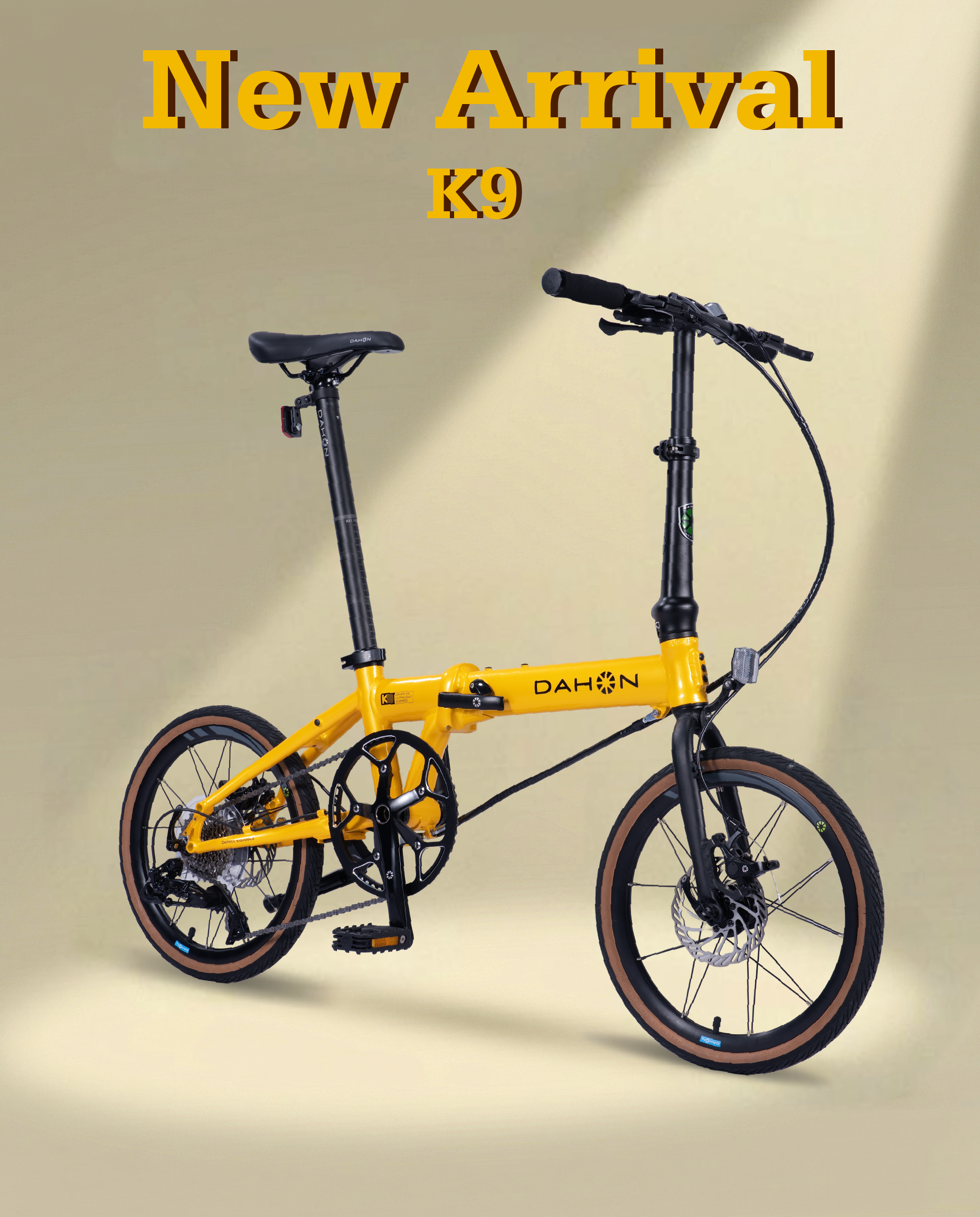
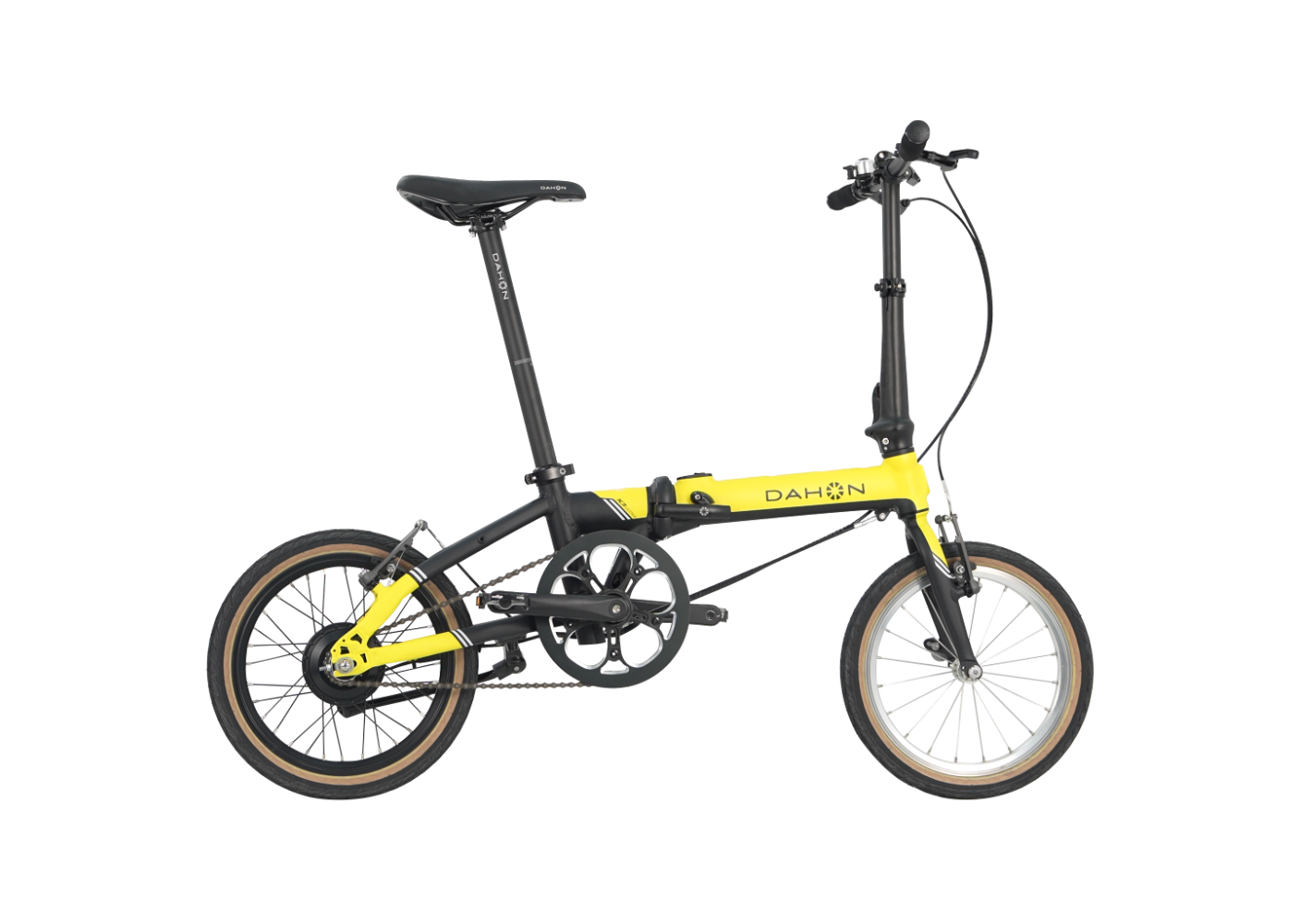
DAHON K9 Example
|
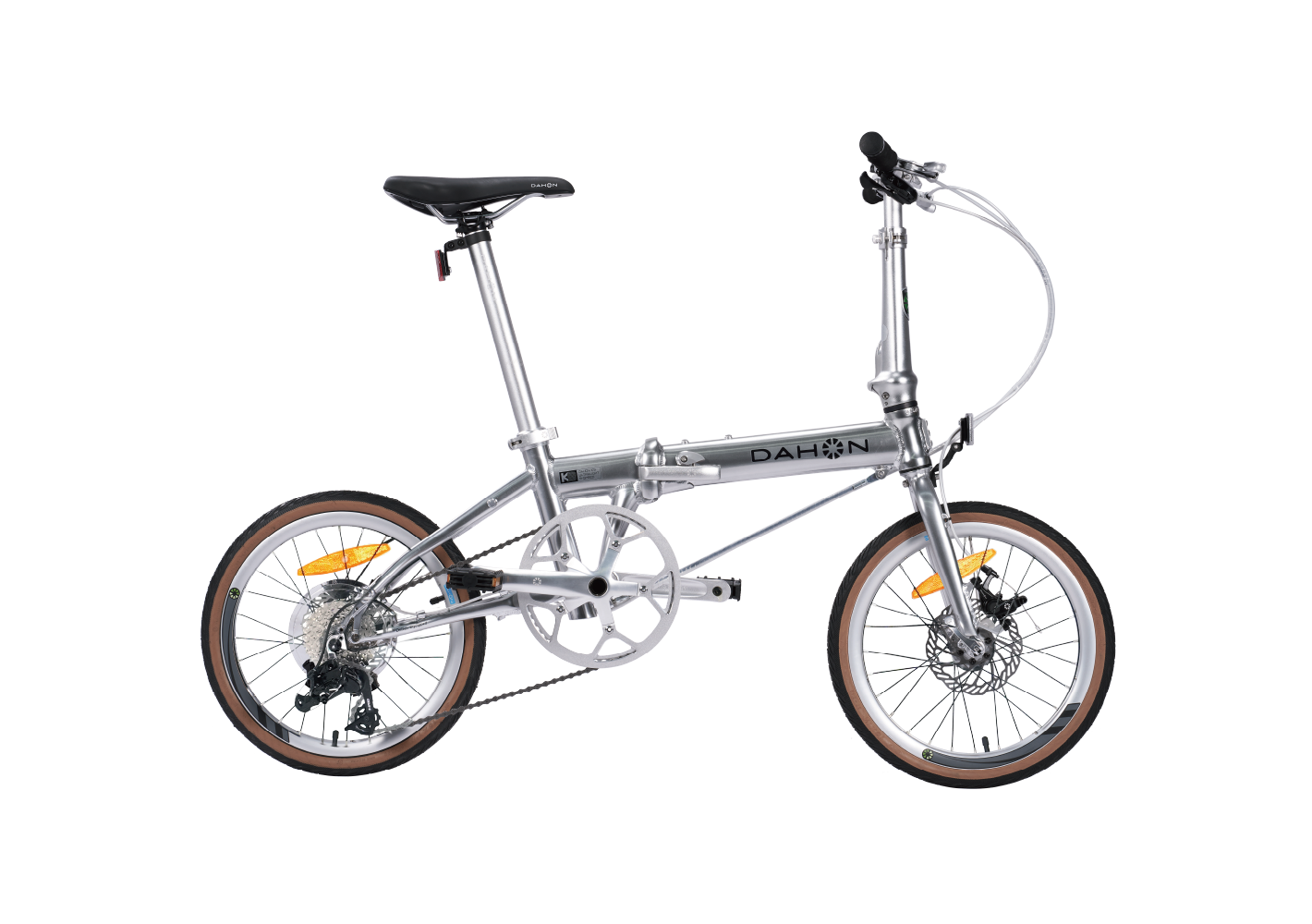
K9 Product Details: 16-inch | 10.4 kg | Folded dimensions: 72 × 40 × 61 cm | Nine gears | Disc brakes. Fenders and a rear rack are optional according to the current product page.
|
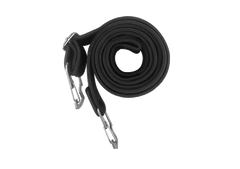
A carrying strap or cover can make transportation more comfortable, but it cannot replace a secure folding latch. A bike that opens, hits your leg with a pedal, or requires constant repositioning is poorly suited to frequent transfers.
Choosing Gears, Brakes, and Everyday Equipment
A modest number of gears is often enough on flat city routes, while hills require a wider range. The number alone matters less than having an easy gear for climbs and a sufficiently high gear for level sections.
Rim brakes are common, light, and straightforward to maintain. Disc brakes may offer advantages in rain and on long descents, but they also need correct adjustment and care. With either system, both brakes should engage evenly, the levers must be easy to reach, and no line should kink during folding. Test unfamiliar brakes before purchase.
Other useful details for school and college include:
-
Fenders for riding on wet roads
-
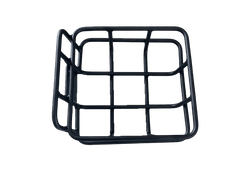
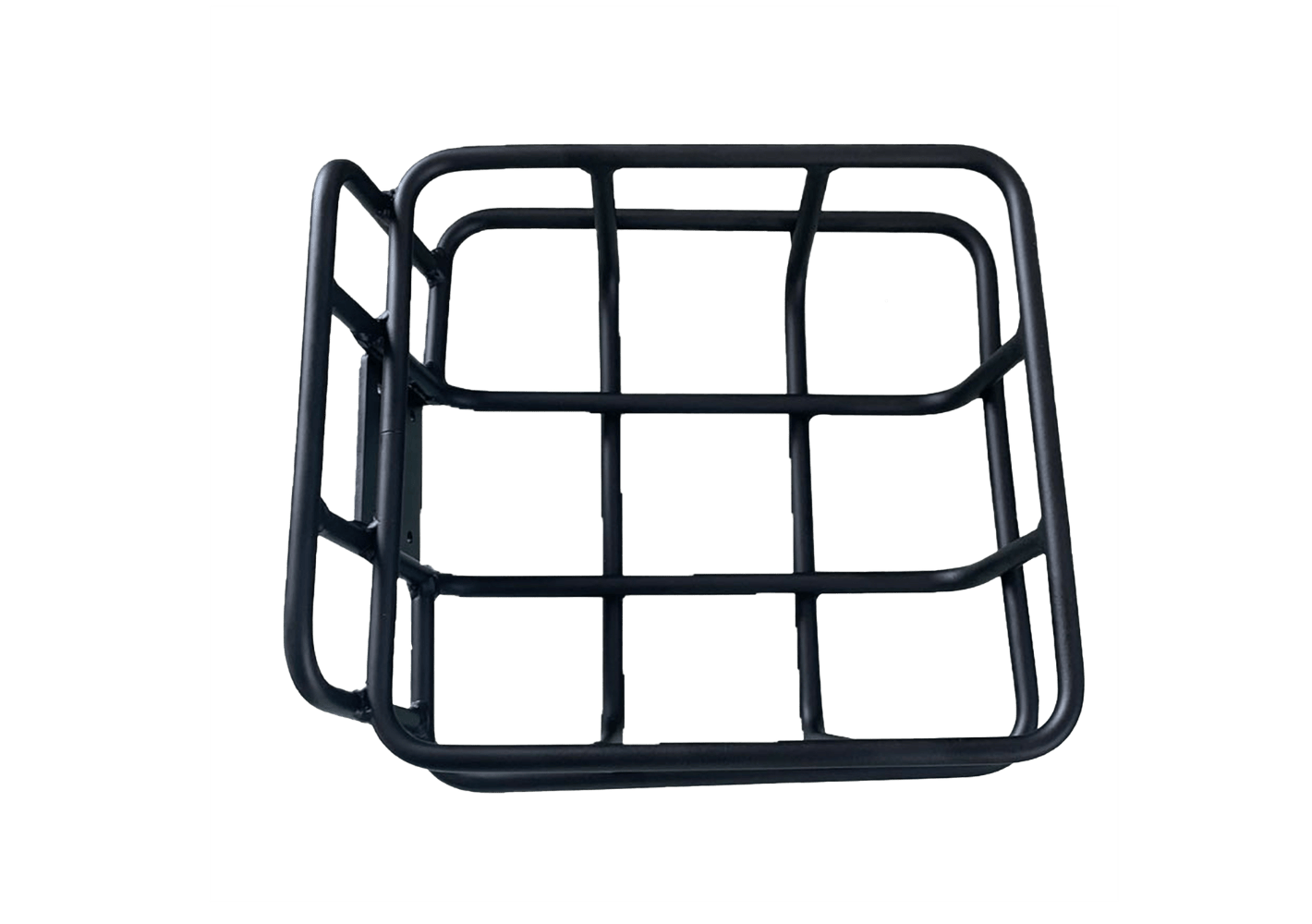
A rear rack or compatible bags for a laptop, papers, and purchases
-
Fixed lights or reliable, fully charged removable lights
-
Folding pedals and a secure magnetic catch or latch for the folded package
-
Tires of a suitable width and accessible valves for regular pressure checks
An electric folding bike adds a motor, battery, and charger. Assistance can help on longer or steeper routes, but it usually increases weight, price, and maintenance. Anyone carrying the bike to a third floor or lifting it onto transit needs a longer carrying test.
Compare equipment as a complete package. A low-priced bike can approach the cost of an equipped model after adding fenders, a rack, lights, a bag, and a lock. Conversely, there is no reason to pay for parts that your route or existing bags make unnecessary. A short list of essential, optional, and unwanted features keeps the comparison clear.
The Right Folding Bike for Short, Medium, and Long School Routes

Distance alone does not determine the right bike. Traffic lights, hills, paving stones, transfers, and daily luggage can change the requirements more than one additional mile on a flat road.
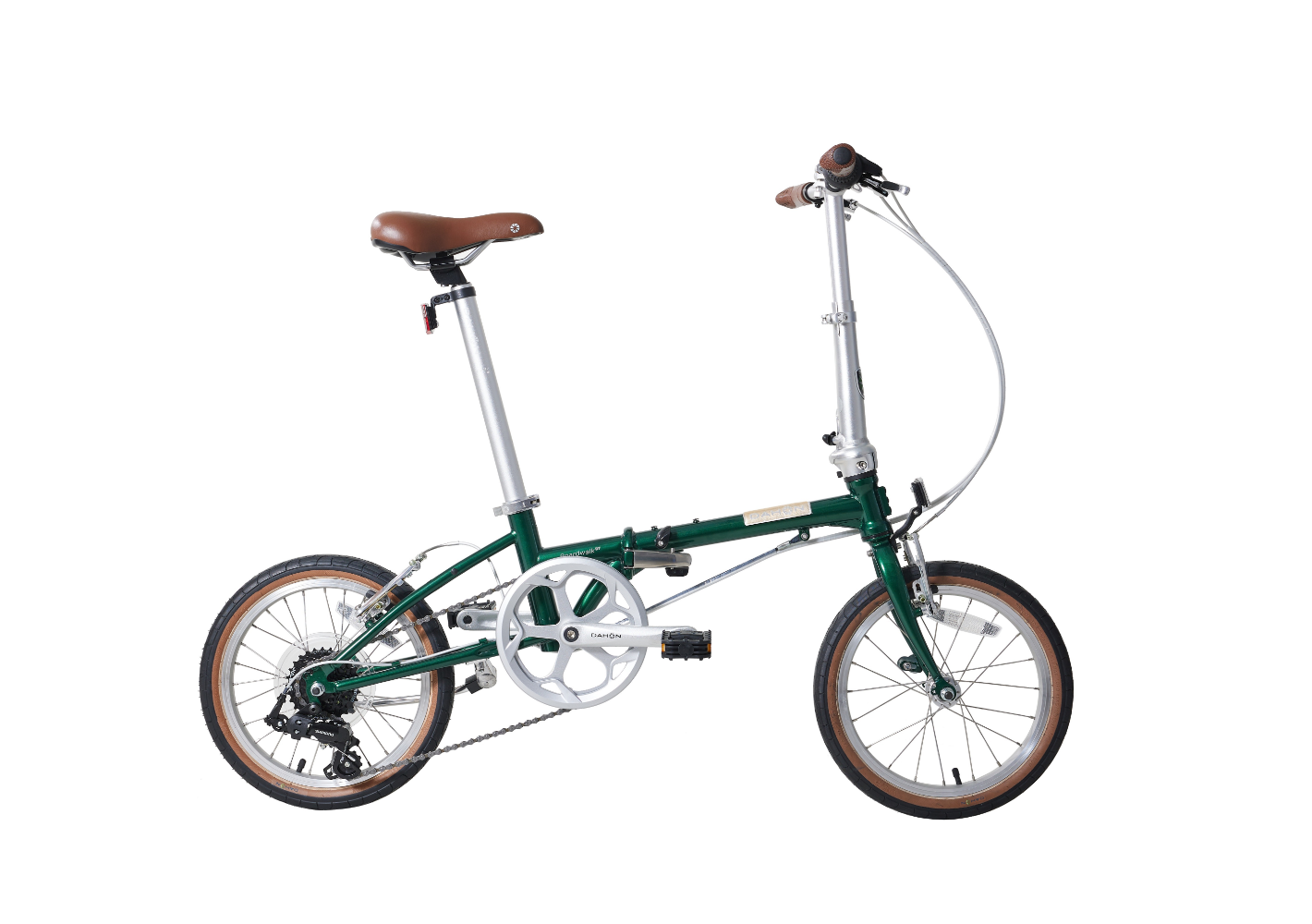
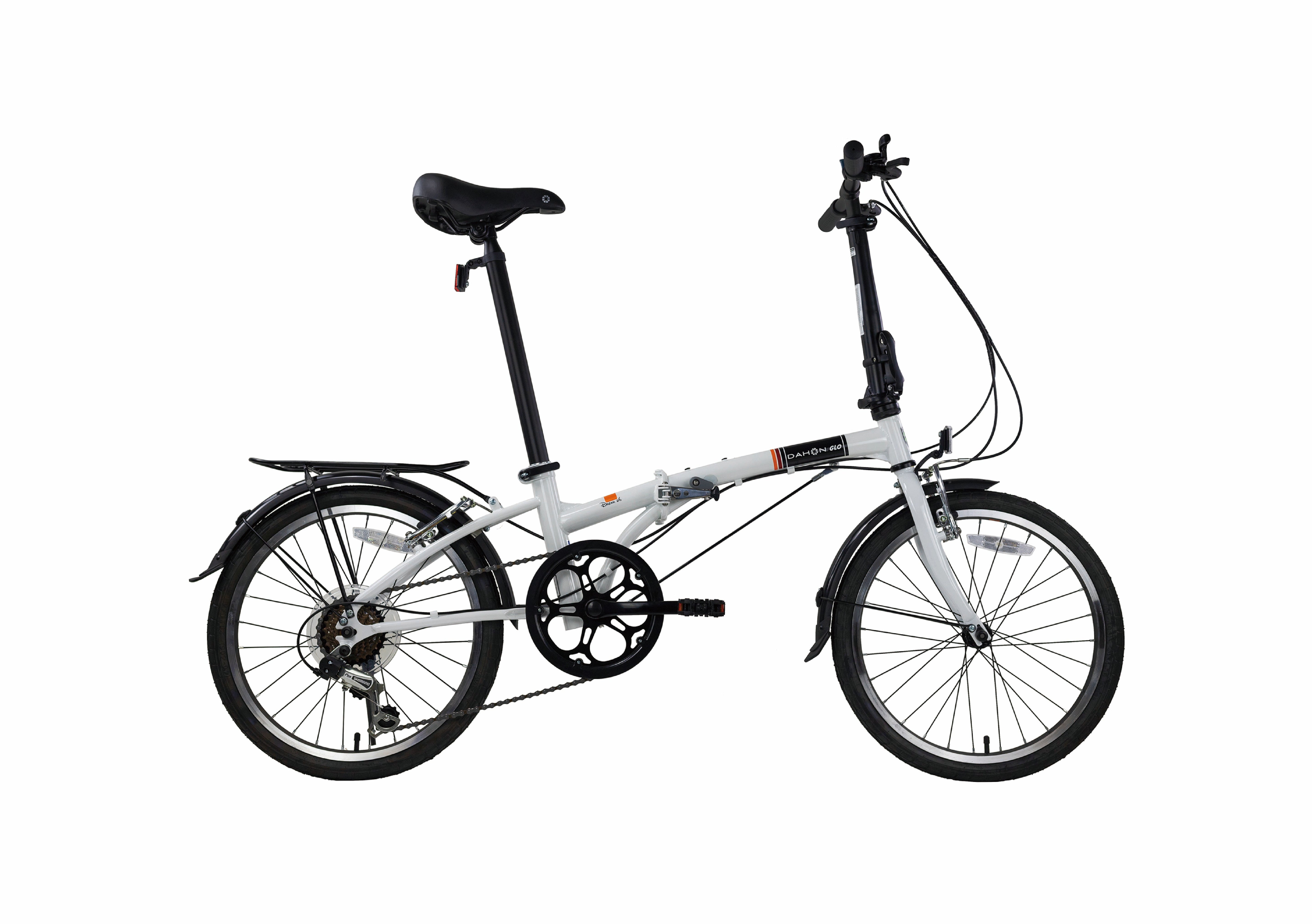
For mostly flat trips of up to about five kilometers, simple operation, manageable weight, and quick folding take priority. The DAHON HIT D6 is a suitable 20-inch option for this use. It combines a Shimano 6-speed drivetrain with rim brakes and weighs 11.54 kg. Fenders and a rear rack are already included, reducing the need for basic upgrades for school or campus travel.
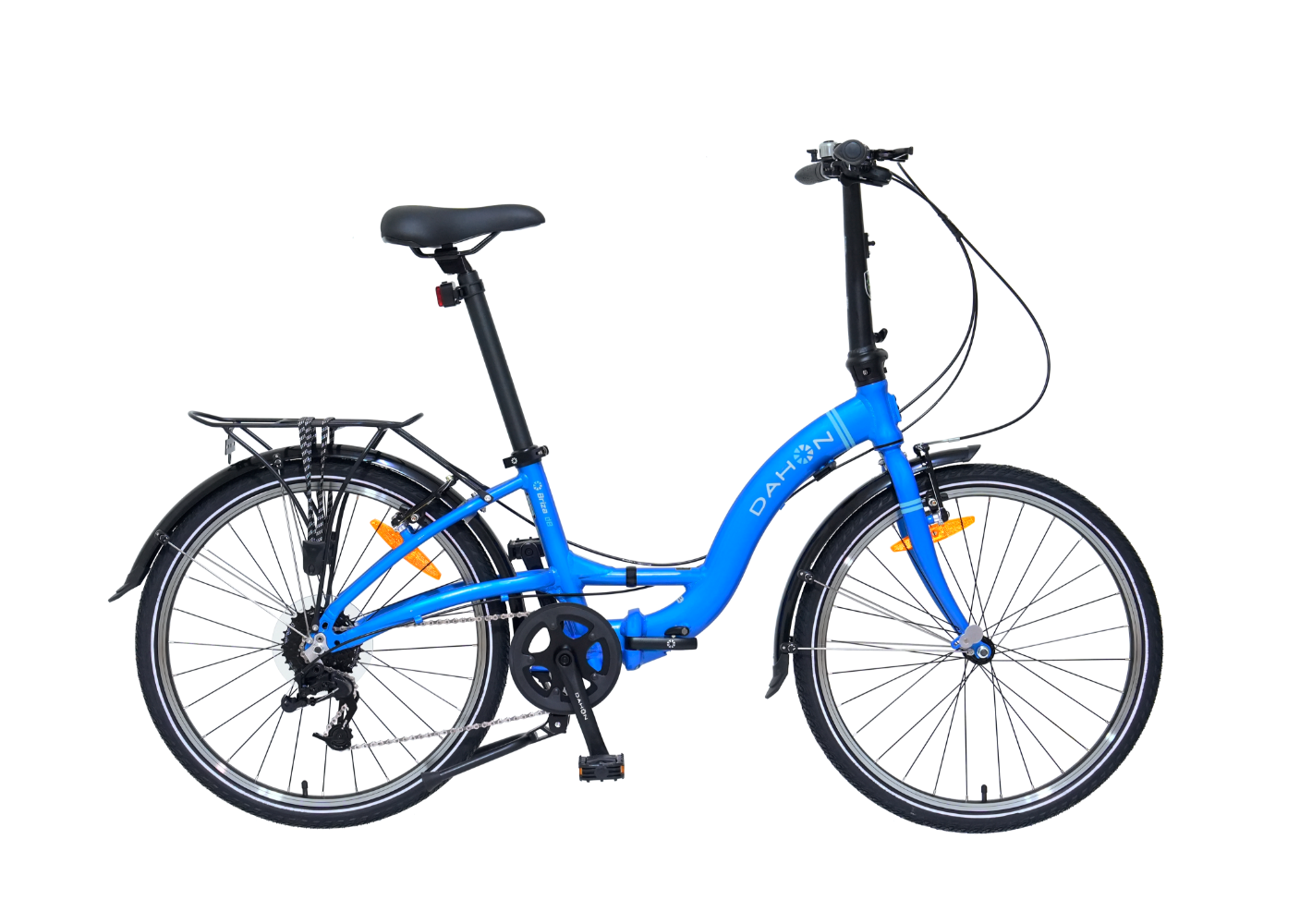
For medium-length daily city routes with regular luggage, the 20-inch Vybe D7 has seven gears, rim brakes, fenders, and a rear rack. It weighs 11.98 kg and measures 66 x 34 x 80 cm when folded, making it better suited to typical city travel than very narrow storage spaces.
Longer routes or varied terrain benefit from closer gear spacing and complete commuter equipment. The Mariner D8 combines eight gears, fenders, and a rear rack rated for 10 kg on the product page. At 12.64 kg, it remains portable but prioritizes riding utility and equipment over minimum weight.
These categories are a starting point, not a replacement for a test ride. A short route with two steep climbs may need a wider gear range than ten flat kilometers. Include a lock, lights, bags, rain gear, and possible maintenance in the purchase budget.
Test Ride and Folding Check: A Pre-Purchase Checklist

A test ride needs to cover both handling and folding under realistic conditions. Bring your normal bag and include a curb, a hill, a tight turn, and several folding cycles.
-
Set the riding position: The saddle and handlebar must clamp securely, and the brake and shift levers must be easy to reach.
-
Ride slowly and normally: Check starting, tracking, shifting, braking, and turning, not just a fast lap on smooth pavement.
-
Fold and unfold three times: Every hinge must close clearly without trapping cables or placing parts under tension.
-
Measure and carry the package: Compare its actual dimensions with the apartment, trunk, or luggage rack and carry it with your daily bag.
-
Check everyday parts: Inspect lights, reflectors, fenders, luggage mounts, tires, and the availability of suitable replacement parts.
Ask for a demonstration of the correct folding sequence, then perform it yourself. A mechanism that works only with a salesperson's help is impractical during a short transfer. Before the first longer ride, also check tire pressure, brakes, and all quick releases; a bicycle shop can help if anything is unclear.
Start the New School Year With the Right Folding Bike

Make the decision in this order: carrying distance and storage first, followed by route and elevation, then equipment and budget. This avoids both a light bike that lacks essential parts and a fully equipped model that you dislike carrying upstairs.
|
Your Daily Routine
|
Priority
|
Likely Direction
|
|
Many stairs and transfers
|
Low weight and a small package.
|
A 16-inch or particularly lightweight model.
|
|
Daily city riding
|
A balance of ride feel and folded size.
|
A 20-inch folding bike.
|
|
Longer route with luggage
|
Gear range, fenders, and a rack.
|
A fully equipped commuter folding bike.
|
Measure the smallest available storage space and note the greatest weight you can carry comfortably. Then compare models by size and use in the current DAHON folding bike collection. A test ride or dealer consultation remains the best final step, especially when several people will use the bike or the route includes substantial hills.
Frequently Asked Questions
Which Folding Bike Size Suits Students?
A 20-inch folding bike is often a balanced starting point for daily city routes. When frequent carrying and very small storage spaces matter more, a 16-inch model may be more practical, but the rider's height, position, and the approved fit range must still match.
How Light Should a Folding Bike Be for Campus?
It depends on how often and how far it must be carried. Test the complete bike with your daily bag on stairs. For frequent transfers, lower weight is usually more valuable than equipment you do not need.
Is a Folding Bike Suitable for a Longer School Commute?
Yes, if the riding position, gearing, tires, and equipment fit the route. On longer or rougher rides, stability, luggage capacity, and a realistic test ride matter more than achieving the smallest possible folded size.
Can a Folded Bike Be Taken on Buses and Trains?
Sometimes, depending on the operator, country, dimensions, and available storage. Deutsche Bahn treats a safely stored folded bike as luggage, while ÖBB and SBB set their own size and space conditions. Check the current rules for the specific service before commuting regularly.
Is an Electric Folding Bike Worthwhile for Students?
Yes, when long distances, steep hills, or a demanding ride justify motor assistance. No, when the bike must be carried up several flights every day and weight, purchase price, and charging access matter more.