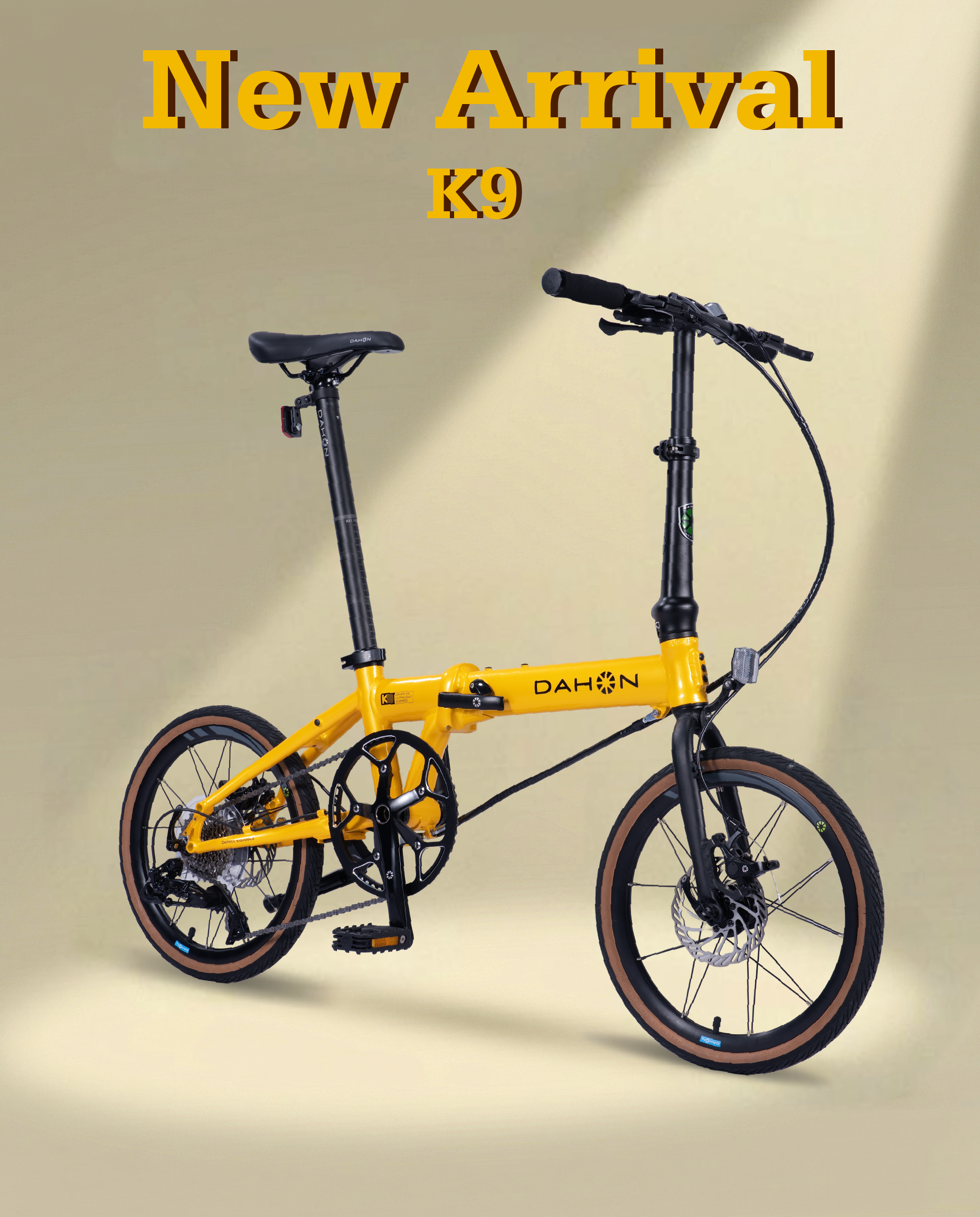
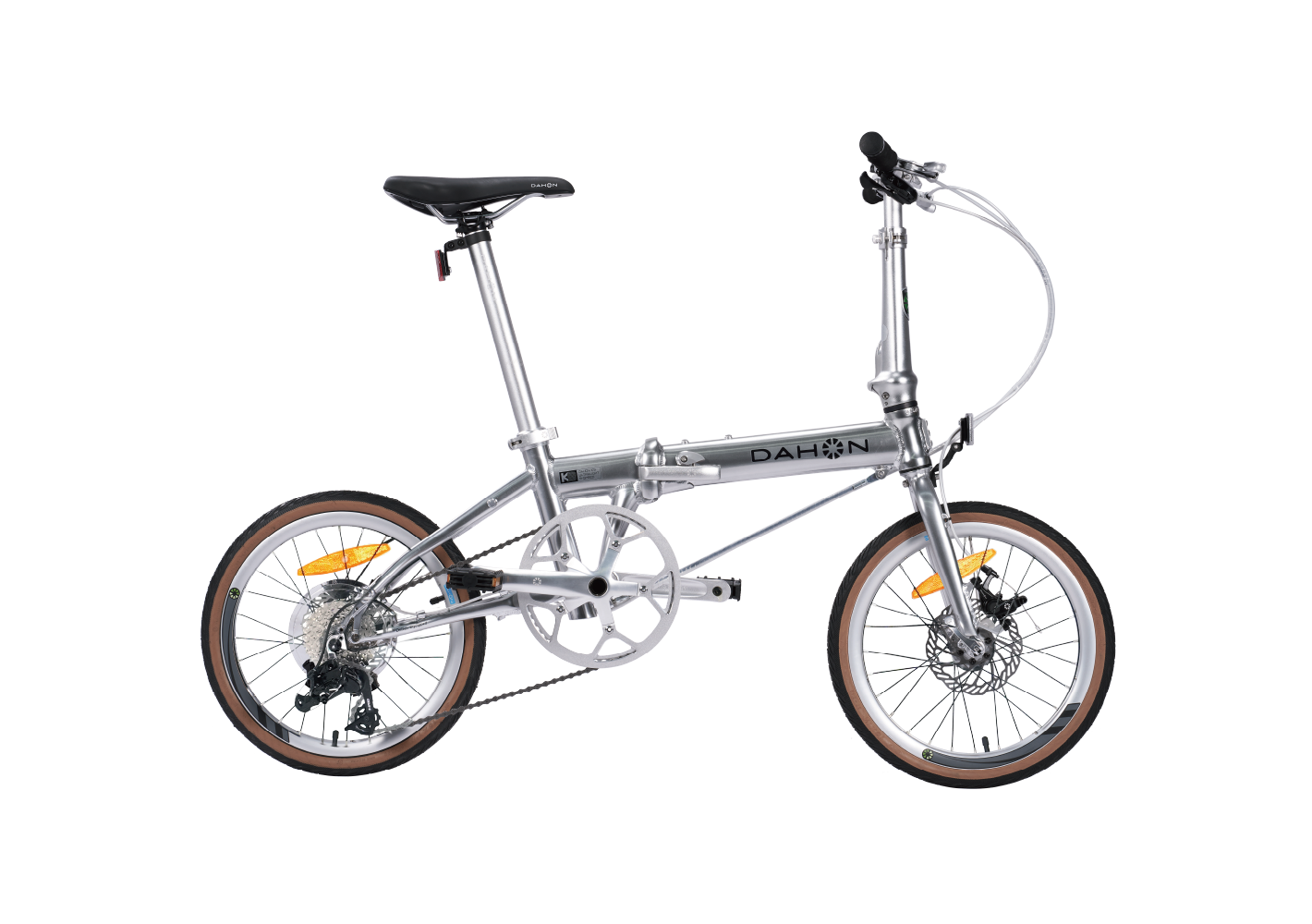
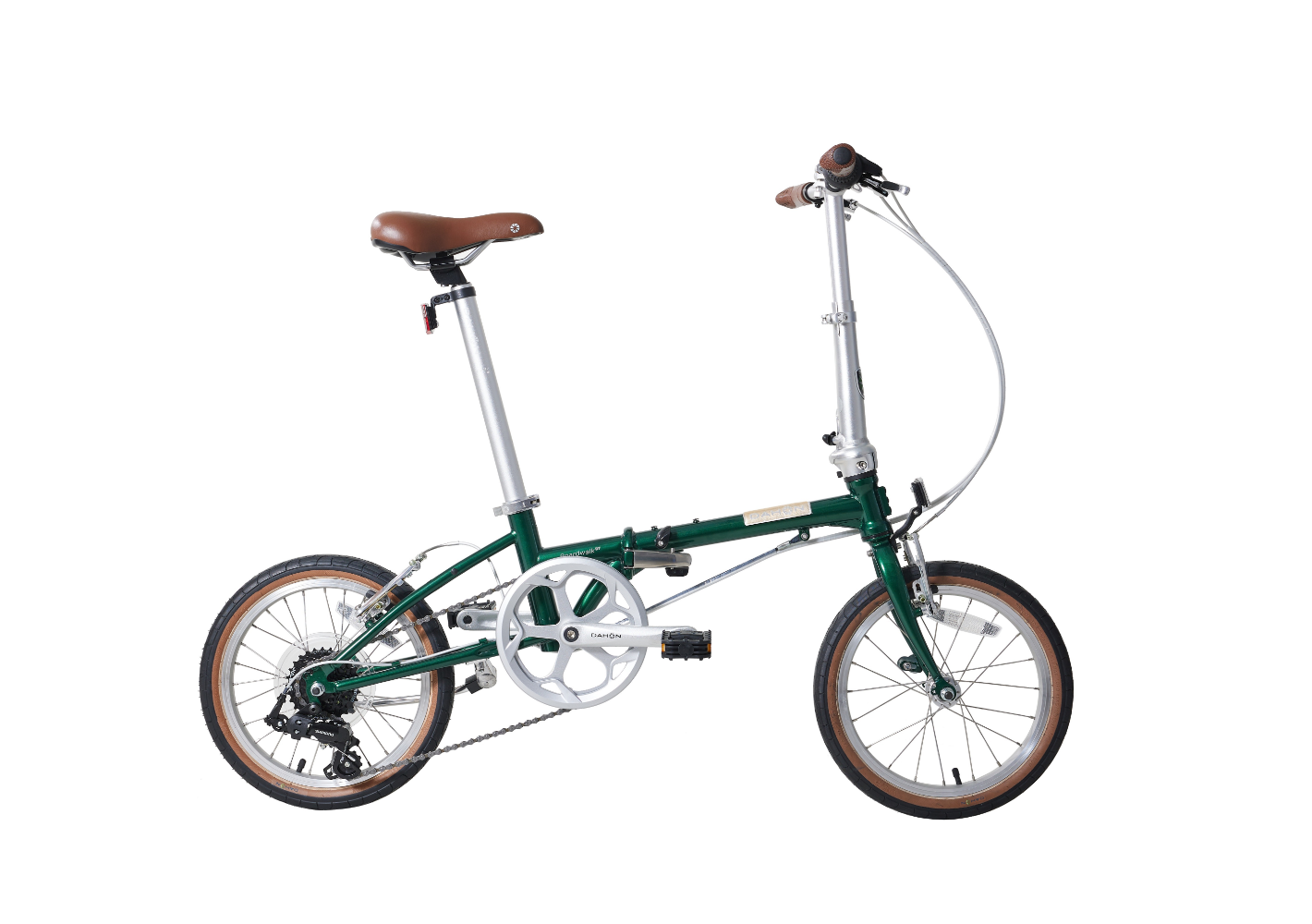
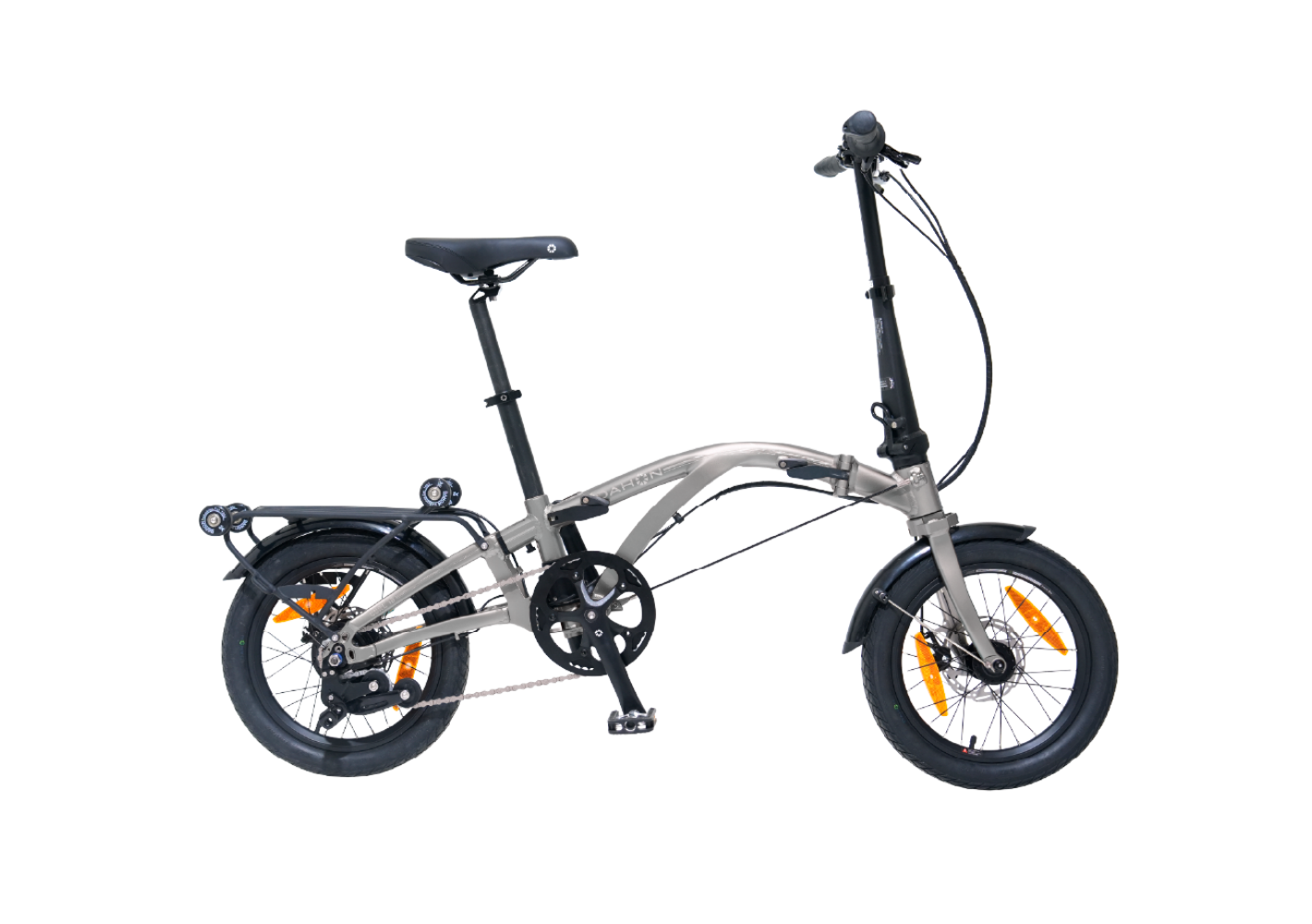
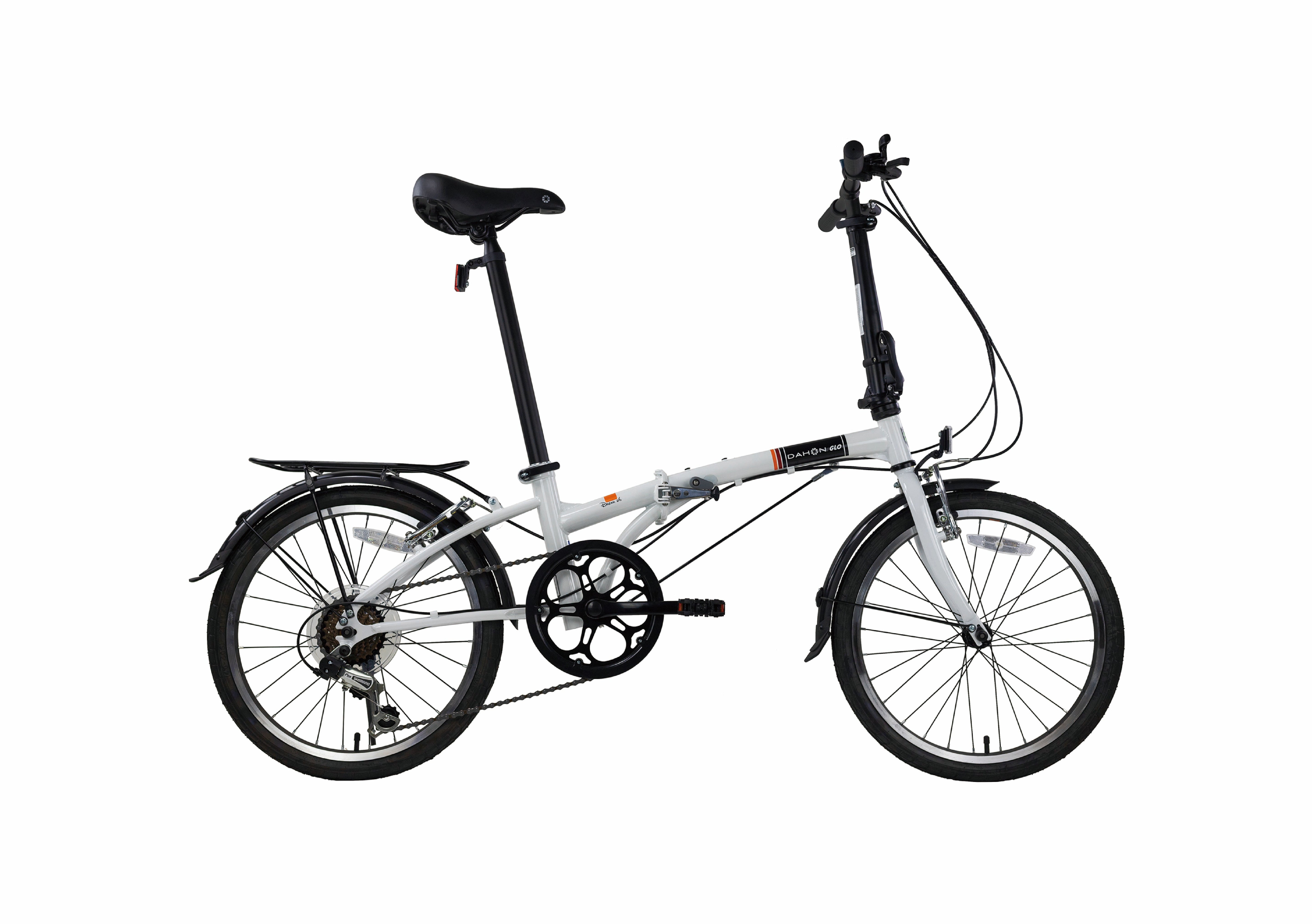
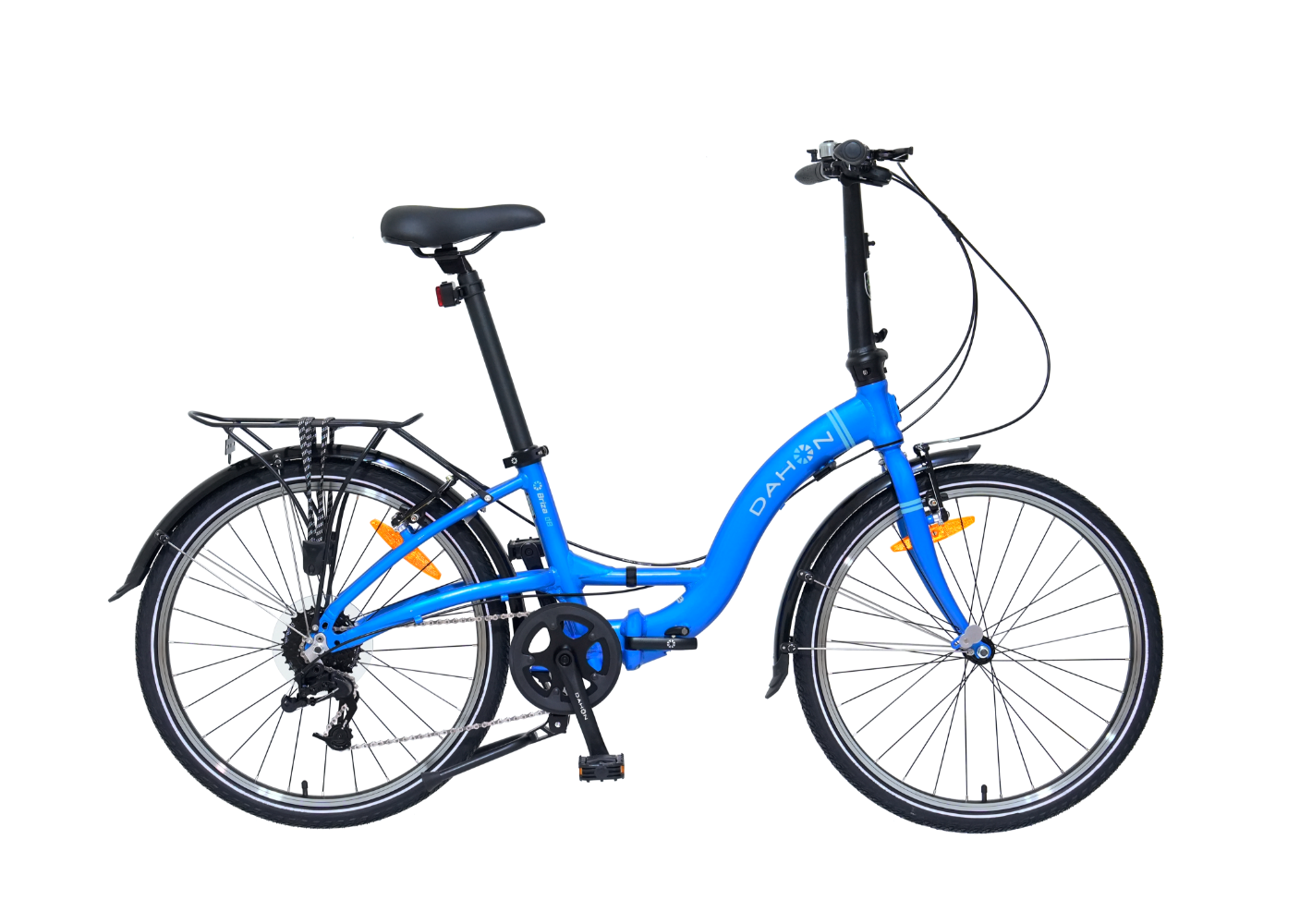
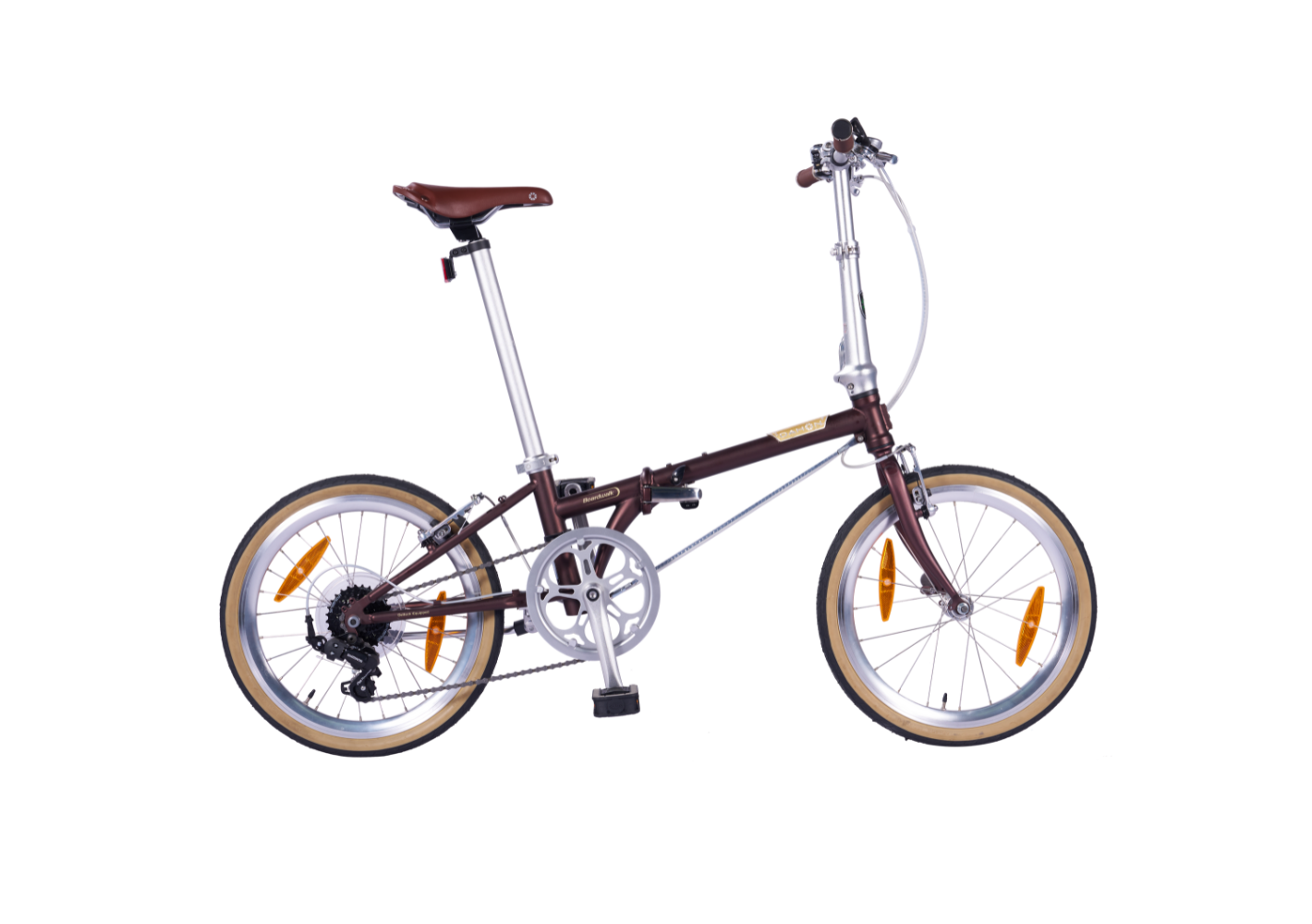
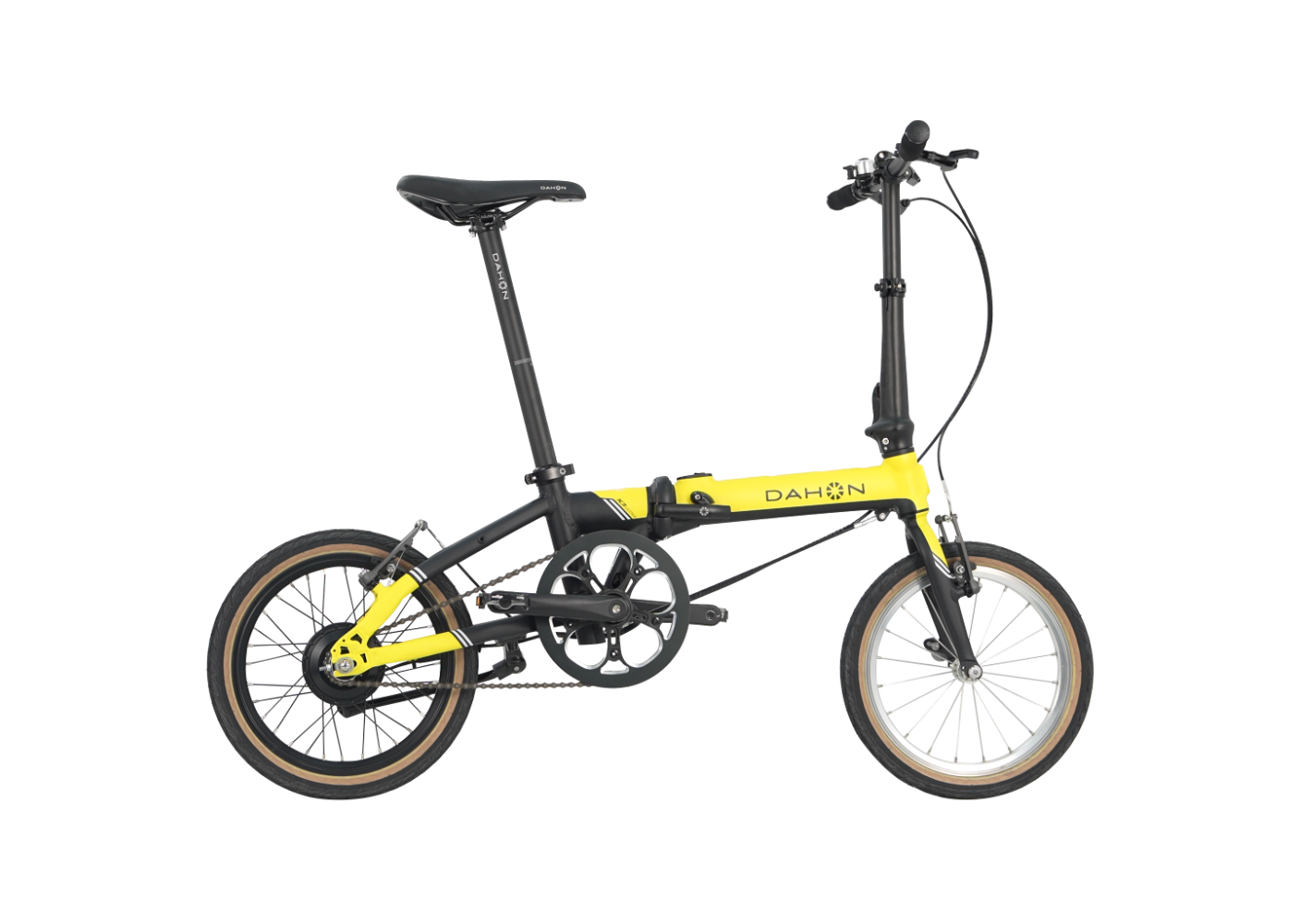
A folding bike can be practical for short trips in a small town when the route, storage, carrying needs, and frequency of folding suit the rider's routine.
In small towns, supermarkets, medical offices, and train stations are often nearby. Yet parking in the center may be limited, and public transportation may run less frequently on some routes. On short trips, searching for a parking space can erase much of a car's time advantage.
A conventional bicycle still needs a fixed space in a hallway or basement, which may be unavailable in older buildings or small apartments. A compact model can solve this problem if its specifications match the rider's needs.
When Is a Folding Bike Especially Practical in a Small Town?

Homes, stores, schools, and train stations are often close enough in a small town for many daily destinations to be reached by bicycle.
Historic centers may have narrow streets and limited car parking. Drivers who leave a car at the edge of town or in a neighborhood garage can use a folding bike for the final miles.
Combining a bike with regional rail can also work well when commuting to a larger neighboring city. However, cycling infrastructure outside the center may be incomplete, and routes can include roads without bike lanes or rough agricultural surfaces.
Which Short Daily Trips Can Replace a Car Ride?
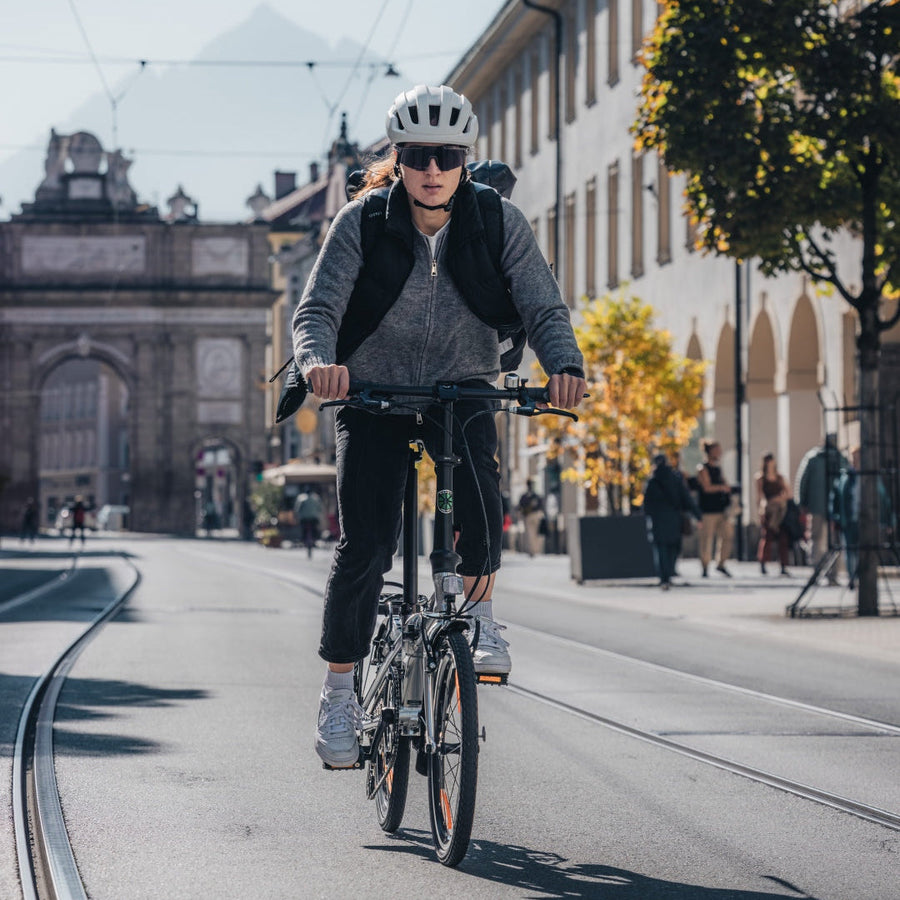
A suitable folding bike can often handle trips to a bakery, supermarket, or post office, as well as a commute within town or a ride to the regional train station.
A folder is less suitable for extremely steep routes, rough forest tracks, or very heavy shopping loads that affect the bike's balance.
Anyone carrying beverage crates or large purchases needs to check the rack limit, maximum permitted total weight, and secure load distribution carefully. A properly equipped model can still work well for smaller errands.
What Makes a Folding Bike Practical?
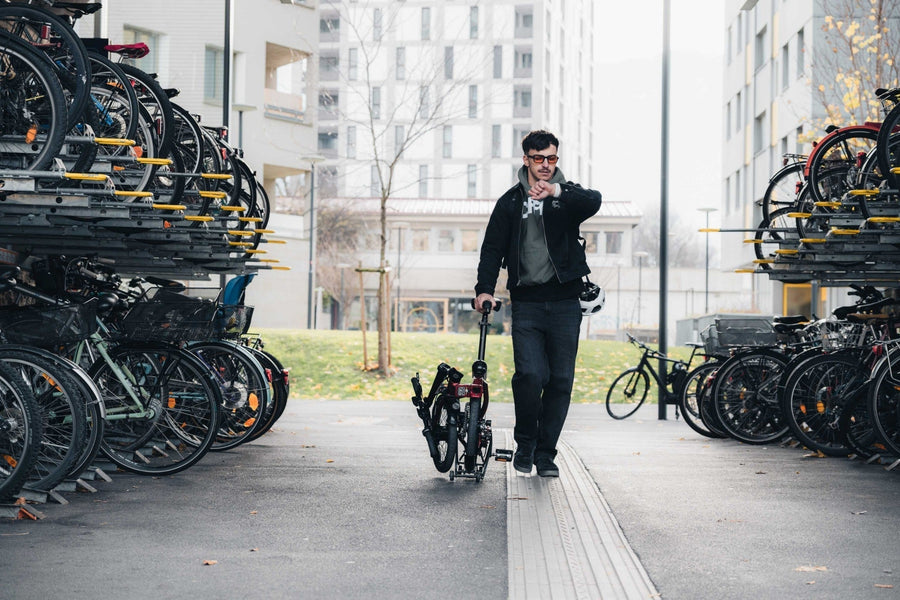
Practicality depends mainly on folded dimensions, weight, and operation of the folding mechanism. A compact folding bike can fit into a narrow hallway, small trunk, or space under a desk. Carrying comfort matters as much as weight because stairs and regional trains can be awkward without a shoulder strap or useful grip point. Wheel sizes from 16 to 20 inches balance maneuverability and stability, while simple gearing helps in a light headwind.
|
Feature
|
Why It Matters in a Small Town
|
Check Before Buying
|
|
Folded size
|
Determines whether the bike fits a hallway, trunk, or desk space.
|
Measure the available storage area in all three dimensions.
|
|
Weight
|
Affects stairs, train transfers, and loading into a car.
|
Lift and carry the complete bike with your usual bag.
|
|
Folding system
|
Frequent folding must be quick, secure, and repeatable.
|
Fold it several times and confirm every latch closes clearly.
|
|
Gearing and brakes
|
Hills, headwinds, and stop-and-go traffic shape everyday comfort.
|
Test an easy climbing gear and controlled braking.
|
|
Everyday equipment
|
Fenders, lights, and luggage options reduce the need for later upgrades.
|
Check road-legal equipment, load limits, and service access.
|
When Is Electric Assistance Worthwhile?

An electric folding bike is most useful on hilly daily routes, in frequent headwinds, or when a rider wants to arrive at work with less physical effort. Motor assistance helps on hills and against the wind, although the motor and battery increase total weight.
Disadvantages include more weight to carry up stairs and a higher purchase price. A lighter bike without a motor may be enough for short, flat routes. An electric folder can still make sense when headwinds, extra cargo, or lower physical effort are important.
Folding Bike or Regular Bicycle?
|
Criterion
|
Folding Bike
|
Regular Bicycle
|
|
Storage
|
Folds compactly for storage in a basement or apartment.
|
Requires a dedicated parking space or bicycle storage room.
|
|
Transport
|
When folded, it is usually easier to store in a car trunk. On Deutsche Bahn, it travels free as hand luggage if safely stowed.
|
In a car, it often requires sufficient cargo space or a bike rack. On long-distance trains, a bicycle ticket and space reservation are normally required.
|
|
Ride comfort
|
Agile, with slightly more direct steering.
|
Usually more stable on longer rides.
|
|
Wheel size
|
Usually 16 to 20 inches.
|
Typically 26 to 28 inches.
|
|
Maintenance
|
Inspect folding hinges and latches regularly according to the manufacturer’s instructions.
|
No folding hinges; maintenance depends on the installed components.
|
What Should Buyers Check Before Purchase?
Before buying, review daily routes, road surfaces, and conditions at the destination. Compare the folded dimensions with the storage available in a hallway or car.
Body weight and height must also fit the adjustment range of the seatpost and handlebar. Riders who plan to use public transportation should check the current rules of the relevant regional provider because carriage conditions vary. Deutsche Bahn publishes its terms of carriage online.
For use on public roads in Germany, the folding bike must also meet the current requirements of the Road Traffic Licensing Regulations. Check the lights, reflectors, brakes, and bell in particular.
A practical test ride at a local bicycle shop can also help identify a suitable fit and gear range.
Make Short Trips Smarter
Choosing a suitable folding bike comes down to a few factors that should be weighted before purchase:
-
Route and distance: Do the daily trips suit the characteristics of small wheels?
-
Storage: Does the folded bike fit in the hallway or trunk?
-
Weight and carrying comfort: Can you lift it over steps comfortably?
-
Drive system: Does the terrain or desired level of assistance justify an electric motor?
-
Local service: Is a bicycle shop available for advice and later maintenance?
Explore the current DAHON folding bike models to find an option that fits your everyday mobility needs.
Frequently Asked Questions About Folding Bikes in Small Towns
Q1: Can a Folding Bike Be Carried Up Several Flights of Stairs?
Yes, if the bike's weight suits the rider and the frame provides a useful grip point or carrying strap. Heavier models or several floors without an elevator can become tiring over time.
Q2: Can a Folded Bike Always Travel Free on Buses and Trains?
On Deutsche Bahn, a folded bike can travel free as carry-on luggage if it is stored safely and does not block aisles or doors. Buses, streetcars, and regional providers may apply different rules, restricted times, or size limits, so check the operator's conditions before travel.
Q3: Are Small Wheels as Comfortable as Larger Wheels?
Not necessarily. Small wheels often react more sharply to potholes and edges, while larger wheels usually roll more smoothly on uneven surfaces. Comfort also depends on tire width, pressure, frame geometry, riding position, and the road surface.
Q4: Do I Need a Basement to Store a Folding Bike?
No. One of the main benefits of this bike type is that it can fit in a niche, an entry area, or beneath stairs without blocking the hallway.
Q5: Is an Electric Folding Bike Worthwhile in a Flat Small Town?
It depends on the route and use. A light non-electric folder may be more practical for short, flat trips and frequent carrying. An electric model can still help with longer daily distances, headwinds, cargo, or a preference for less effort.