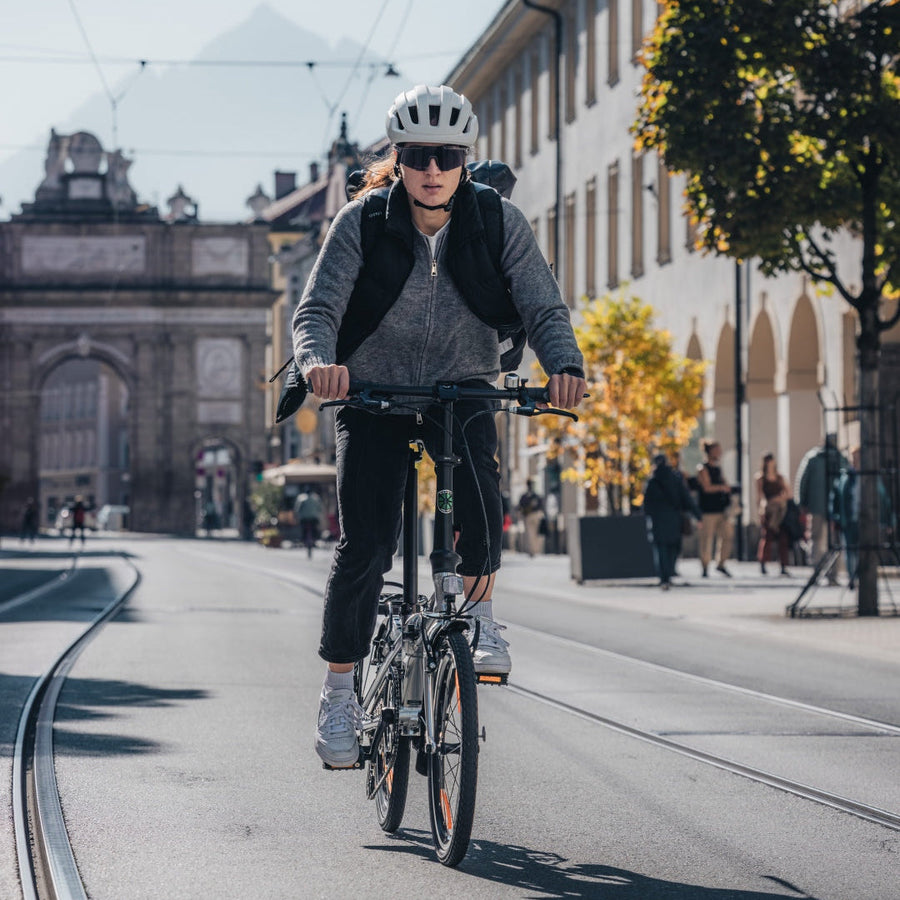
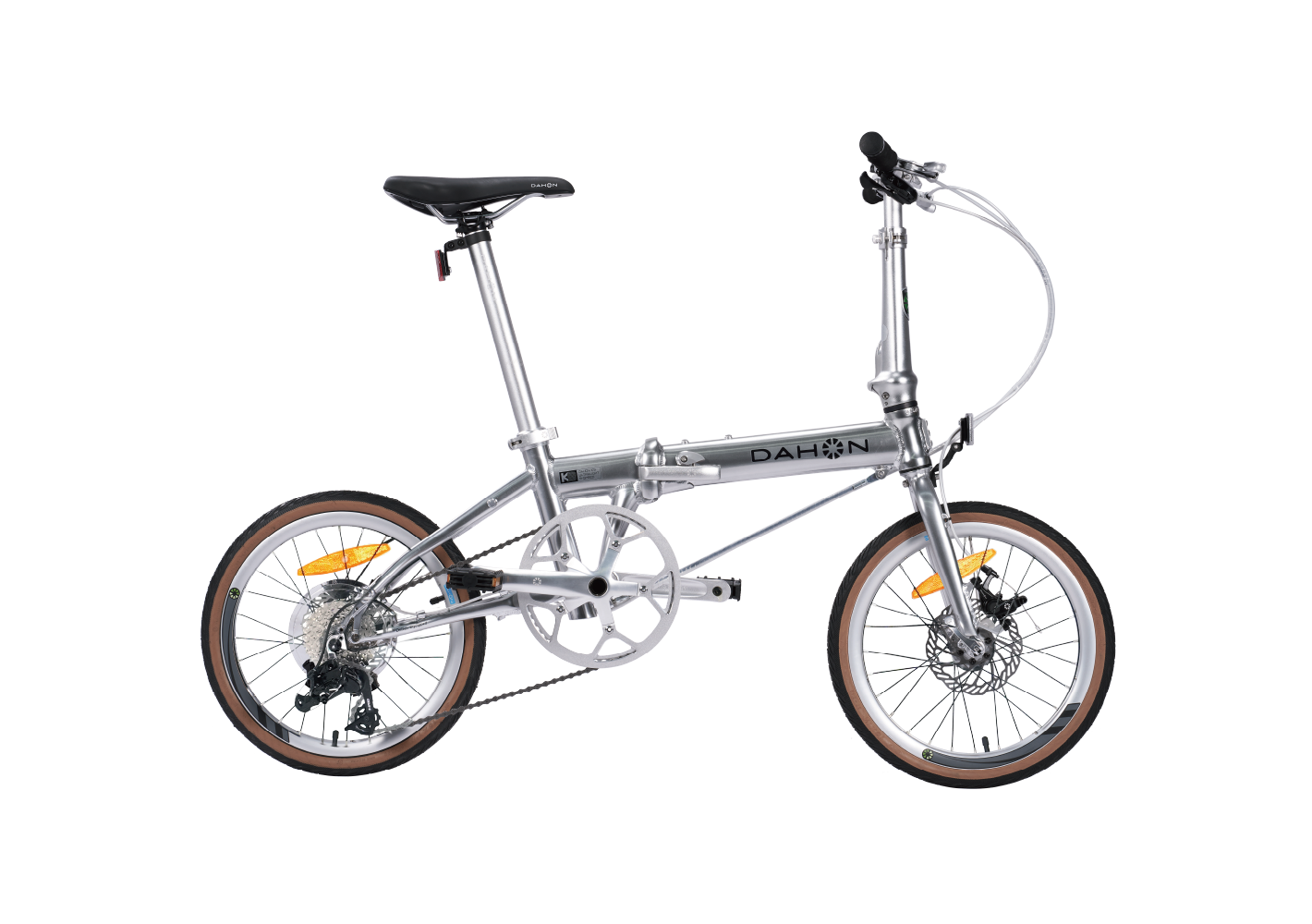
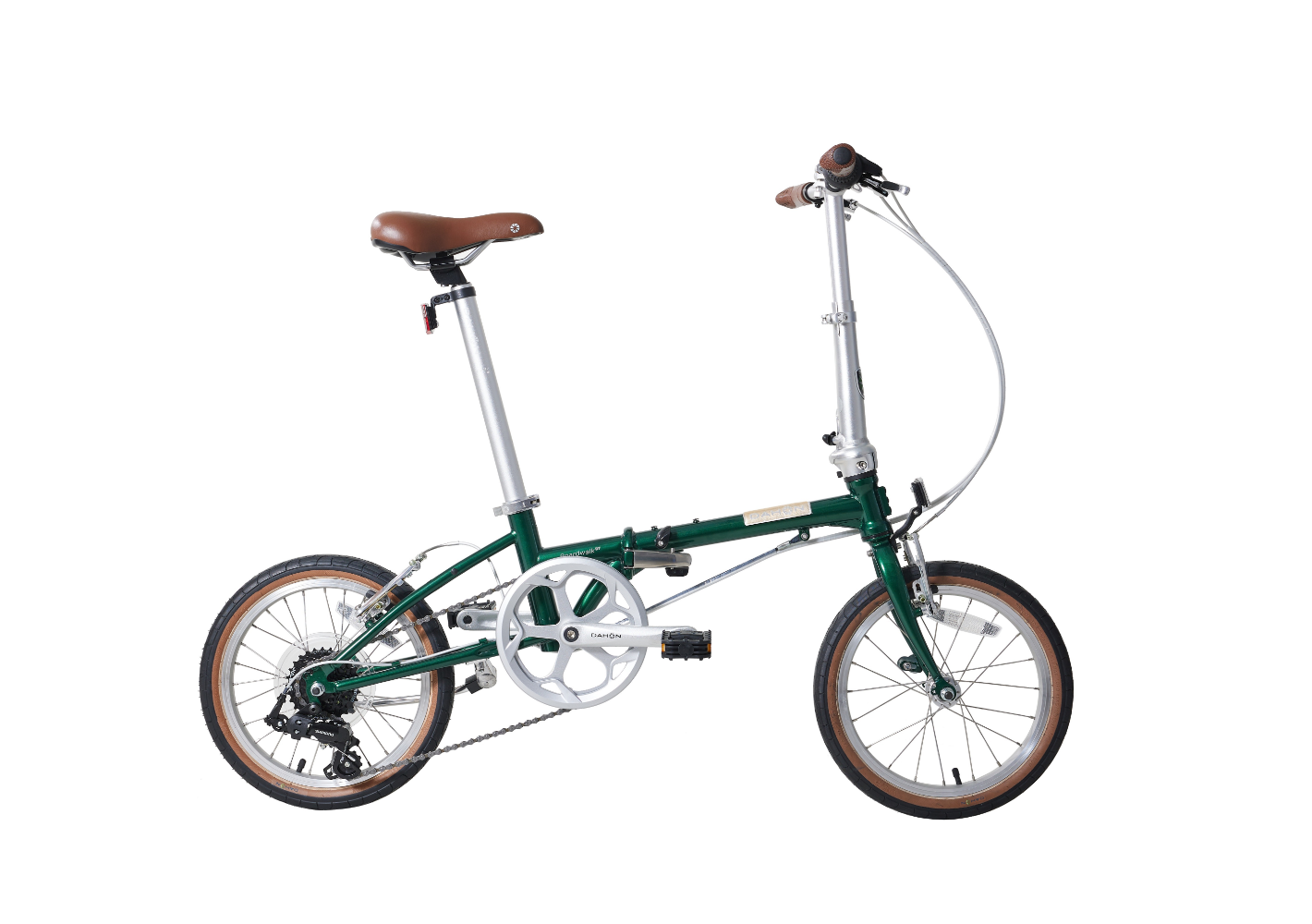
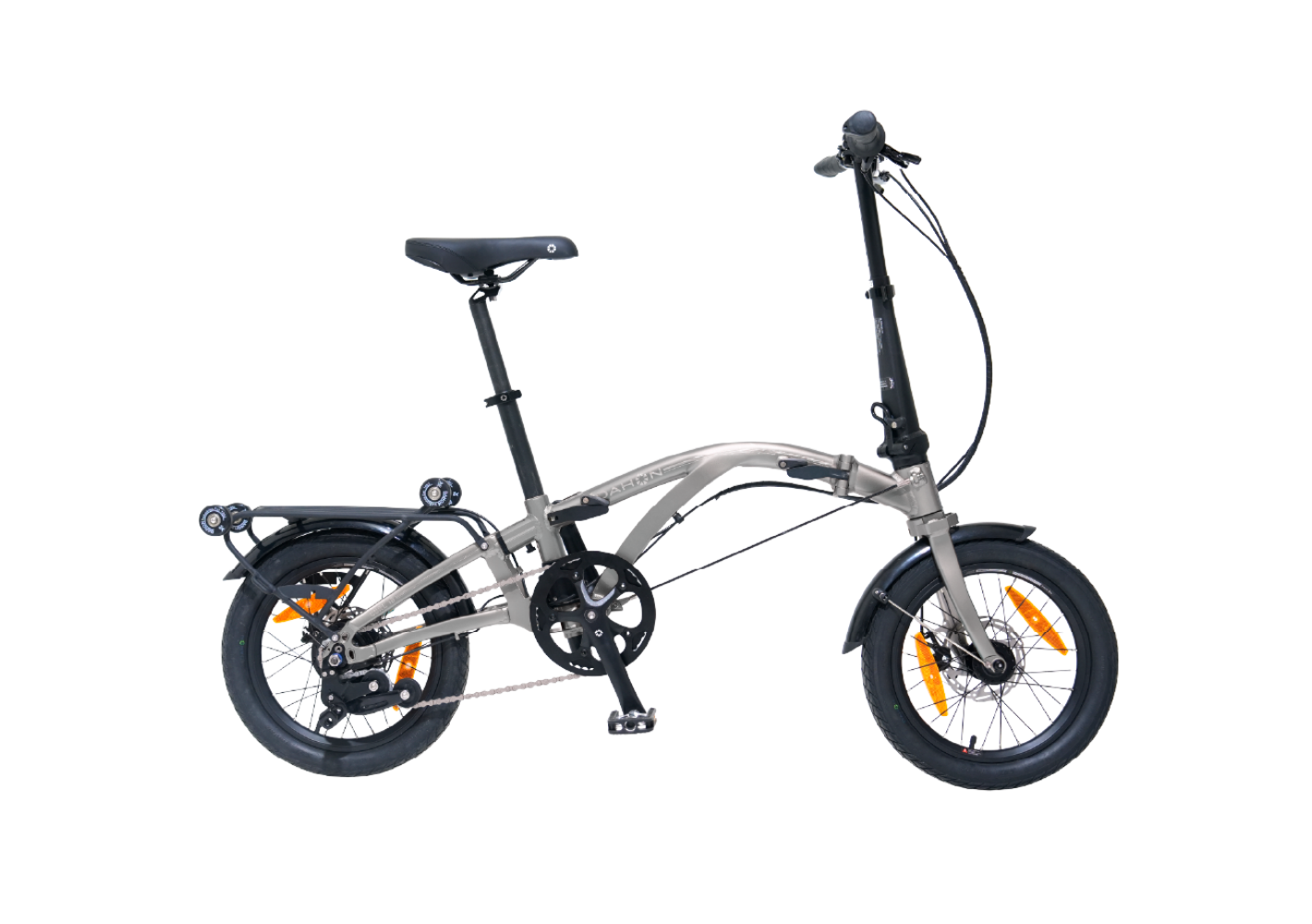
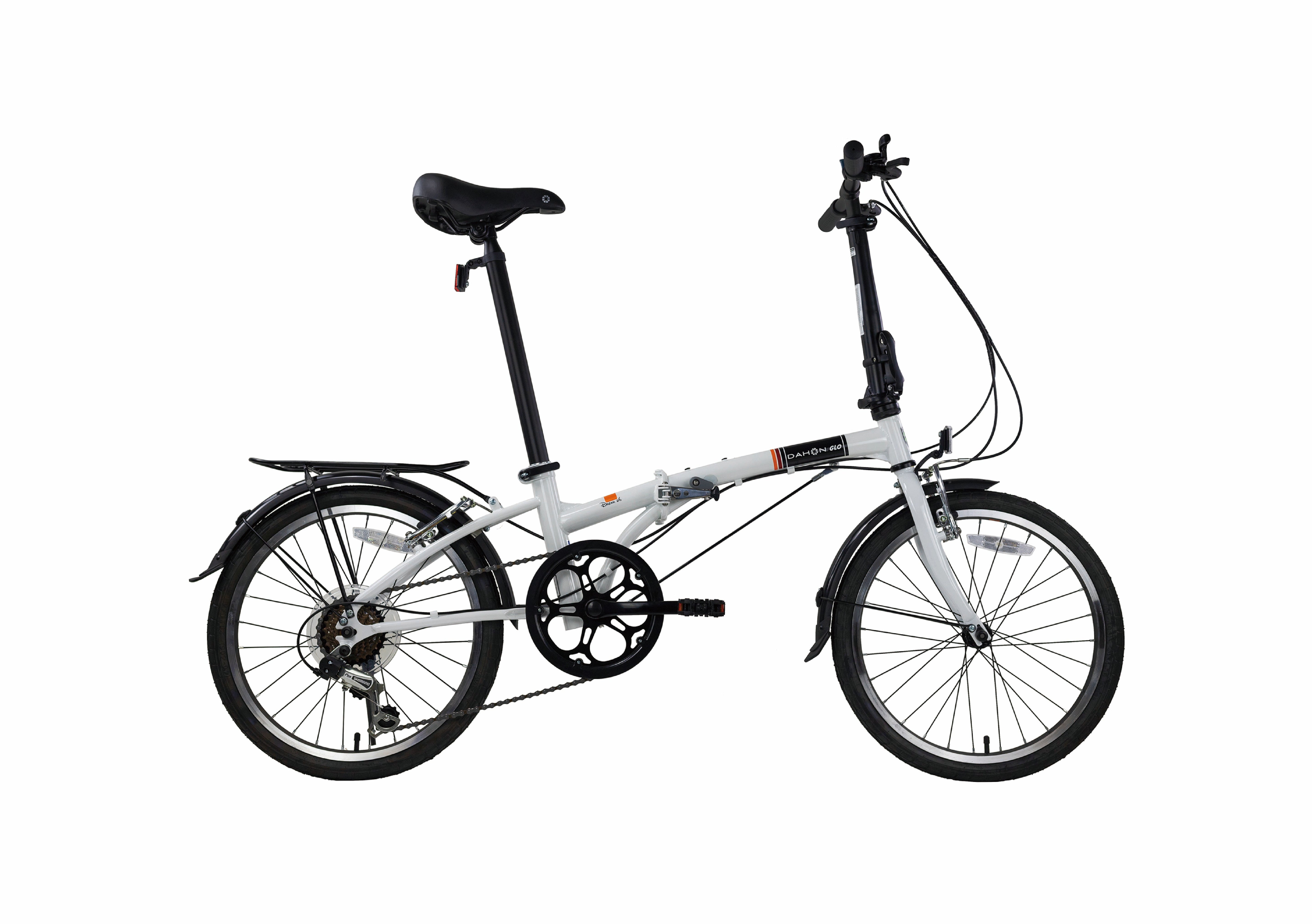
Train rides, stairs, and limited storage can make a campus commute unnecessarily complicated. A modern folding bike is easy to combine with other transportation and compact to store. A regular bike often feels more comfortable on longer direct routes, while a basic traditional folder mainly suits short trips and limited budgets.
The best option depends on the entire journey: riding distance, transfers, carrying sections, and parking. Considering these factors together helps identify a bike that does more than look compact and genuinely simplifies campus life.
DAHON Folding Bike, Regular Bike, and Traditional Folder at a Glance
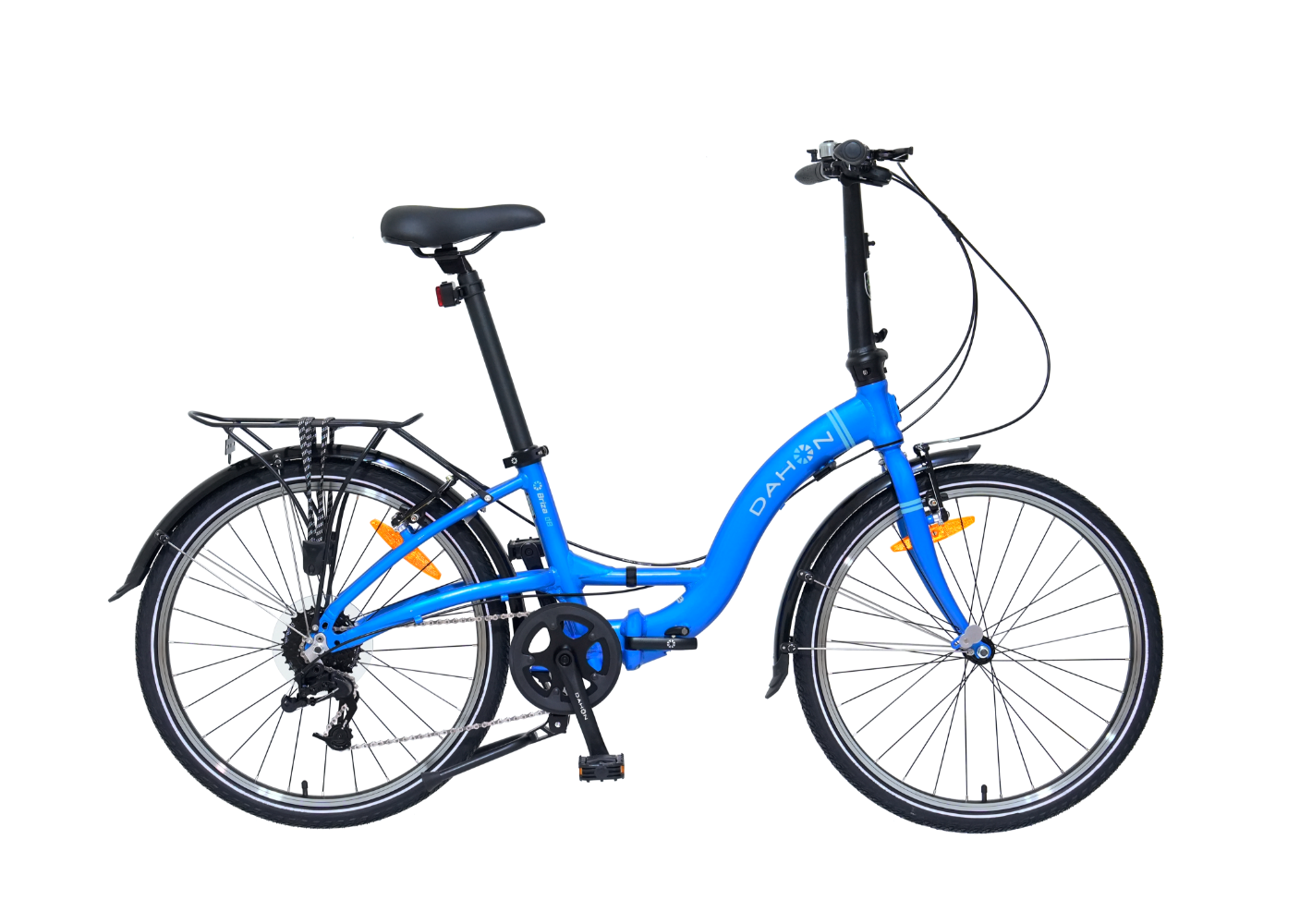
The three bicycle types emphasize different priorities. A modern DAHON folding bike combines full-featured city components with a frame designed for frequent folding. A regular city or trekking bike prioritizes riding, while a simple traditional folder can vary greatly in folded size, weight, gearing, and hinge quality.
The German terms Faltrad and Klapprad are often used interchangeably. For this comparison, a modern folding bike means a model designed for regular folding, carrying, and storage, while a traditional folder refers to a simpler, often price-focused design. A label alone says nothing about quality or suitability, so model-specific data matters more than the category name.
|
Comparison Criterion
|
Modern DAHON Folding Bike
|
Regular Bicycle
|
Basic Folding Bike
|
|
Daily riding
|
Balanced for city riding and transport.
|
Often steadier on longer distances.
|
Depends heavily on the frame and equipment.
|
|
Bus and train
|
Compact folding is a clear strength.
|
Usually requires a bicycle area and possibly a ticket.
|
Foldable, but folded size and handling vary.
|
|
Dorm or apartment
|
Small footprint with predictable indoor storage.
|
Plan for a basement, garage, or dedicated storage space.
|
Usually more space-saving than a regular bicycle.
|
|
Stairs
|
Compare weight and grip points.
|
Usually bulky to carry.
|
Budget models can be heavy.
|
|
Theft risk
|
Can more often be taken inside the building.
|
More often left outside.
|
Depends on the folded format.
|
|
Purchase price
|
Usually in the mid-range to higher segment.
|
Very broad selection.
|
A low entry price is possible.
|
|
Maintenance
|
Regularly inspect the drivetrain and folding hinges.
|
Workshop servicing is usually straightforward.
|
Parts and hinge quality can vary widely.
|
Ride Comfort and Everyday Use on the School Commute

A regular bike usually has the comfort advantage on a longer direct route without transfers. Larger wheels, a longer wheelbase, and a purpose-specific riding position can roll more smoothly over uneven surfaces. This does not mean that a folding bike is inherently uncomfortable or slow. Tire width, pressure, gearing, fit, and the road also shape the ride.
Longer Direct Rides Without Transfers
On longer trips, the route and a correct setup matter. Without train changes and with secure parking, a regular city or trekking bike remains a strong benchmark.
Why 20 Inches Often Offers a Good Balance
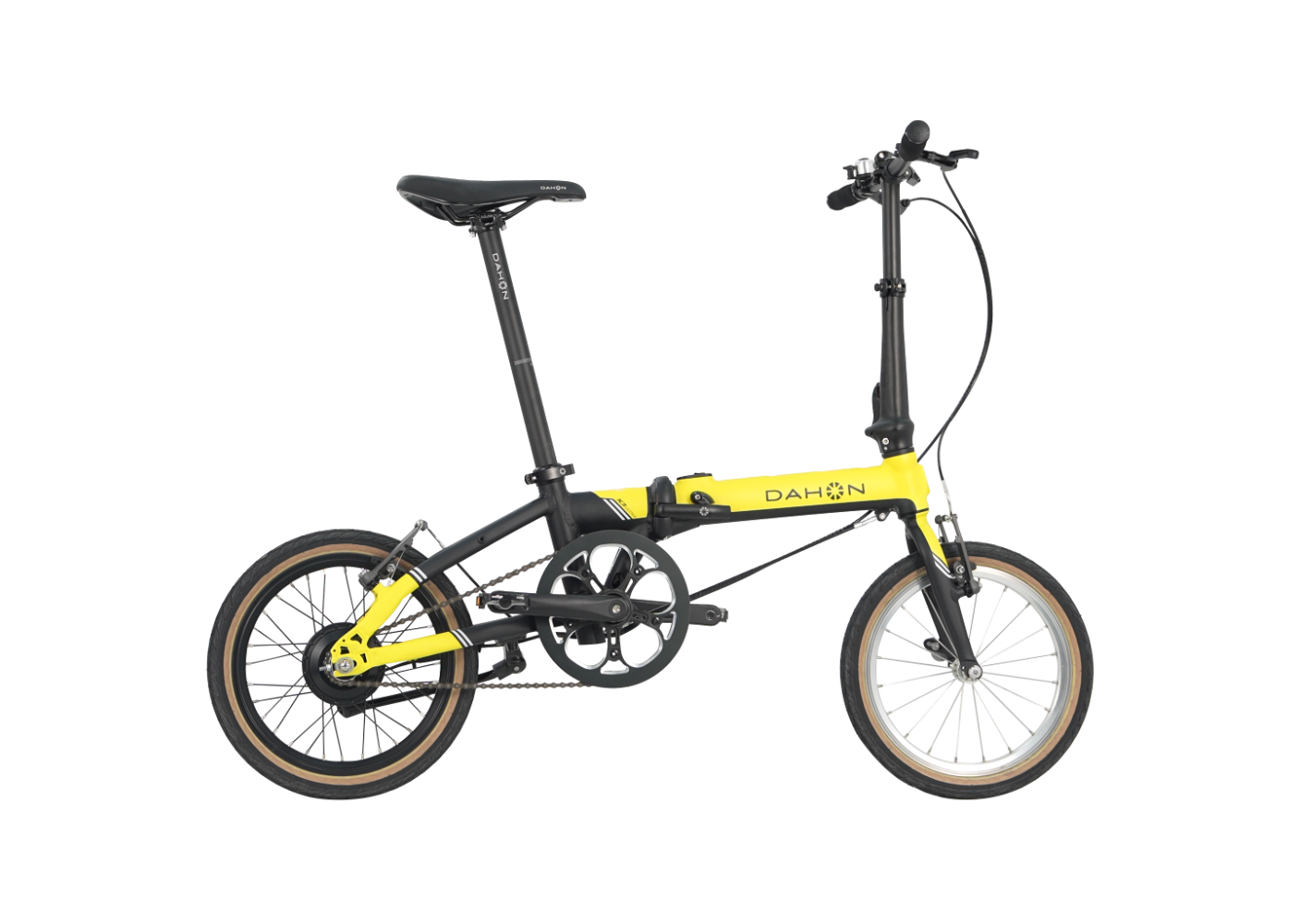
For short to medium campus routes, a 20-inch adult folding bike can provide a useful middle ground. It remains more compact than a regular bike but often feels more familiar in city traffic than a very small 16-inch model. On paving stones, streetcar tracks, and curbs, careful line choice is especially important. Small wheels respond more directly, and incorrect tire pressure becomes noticeable sooner.
Five flat kilometers on asphalt create different demands from eight kilometers with hills, luggage, and winter weather. A regular trekking or city bike may make more sense for consistently long rides. When a train segment divides the cycling route, a commuter folding bike is often more practical because transfers are easier.
Folding, Carrying, and Transfers: Which Bike Is Most Flexible?

A folding bike is the most flexible option for frequent transfers if it folds quickly, can be carried safely, and stores like luggage. Folding time alone is not enough. The full sequence from platform to luggage area matters, including the experience with a backpack on a crowded service.
Handling Between the Bike and Train
A good folding system also supports carrying. The bike should stay closed, provide a useful grip point, and remain controllable beside a backpack.
Comparing Rules in Germany, Austria, and Switzerland
Rules differ across the German-speaking region. The overview highlights the main points to check, but it does not replace reviewing the specific service because local networks, bus companies, and train types may add conditions.
|
Network
|
Rule for the Folded Bike
|
Check Before Travel
|
|
DB: Free as carry-on luggage; stow it safely like luggage.
|
Local transit rules, buses, and peak times.
|
|
|
ÖBB: Up to 90 × 60 × 40 cm on all trains; the larger category is allowed only in designated areas.
|
Train type and complete folded dimensions.
|
|
|
SBB: Free as hand luggage under certain conditions.
|
Carry bag, storage space, and connection.
|
A regular bike is bulkier during a transfer and may require a bike ticket or reservation. A low-cost folder helps only if it remains manageable when folded. Weight, closed stability, and grip position are best tested together. If both hands are needed, stairs, ticket checks, and other luggage quickly become awkward.
Storage on Campus and in Small Apartments

A folding bike works well where storage is tight because its space requirement can be measured. Its folded length, width, and height need to match a residence hall niche, the area under a desk, or space beside a closet. Total volume alone is not enough because a few inches can block a door or drawer.
Check Folded Dimensions and Floor Space
Three folded dimensions reveal more than wheel size alone. Pedals, handlebar ends, and the rear rack must be included in the measurement.
Choose a Safe Place Inside
Keeping a bike in your room reduces the time it spends unattended in public. It is not complete theft protection: the bike still needs a suitable lock outdoors, and building or fire-safety rules may prohibit storage in hallways. A mat or carrying bag can protect floors and clothing from wet tires and the chain.
A regular bike makes sense when a locked bike room, locker, or dependable outdoor space is available because daily carrying is unnecessary. A traditional folder may also fit in a small apartment. Its two halves should stay together, the bike should stand securely, and the handlebar and pedals should not project into walking space.
Several conditions affect indoor storage. A short checklist prevents suitable folded dimensions from being undermined by building rules or difficult daily handling.
-
Indoor rules: A college, school, or residence hall may restrict bicycles in rooms or hallways.
-
Stable position: The folded bike must not block a route or tip easily.
-
Cleanliness: A mat or bag protects floors and clothes from wet tires and the chain.
-
Access: Doors, elevators, and lockers must accommodate all three folded dimensions.
If bikes are not allowed inside, a folding bike loses some of its storage advantage. A secured bike room and regular bicycle may then be simpler, particularly on a route without frequent transfers.
When Does a Modern DAHON Folding Bike Show Its Strengths?
A modern DAHON folding bike is most useful when riding and carrying are almost equally important. A typical trip includes a ride to the station, a train segment, a short ride to campus, and storage in a classroom or residence hall. Riders who mainly cover ten or more uninterrupted kilometers and have secure parking should also seriously consider a regular bike.
A Good Fit for Multimodal Trips
The benefit comes from the whole journey. When the bike covers the first and last mile and travels as luggage on the train, it can reduce walking and the search for parking on campus.
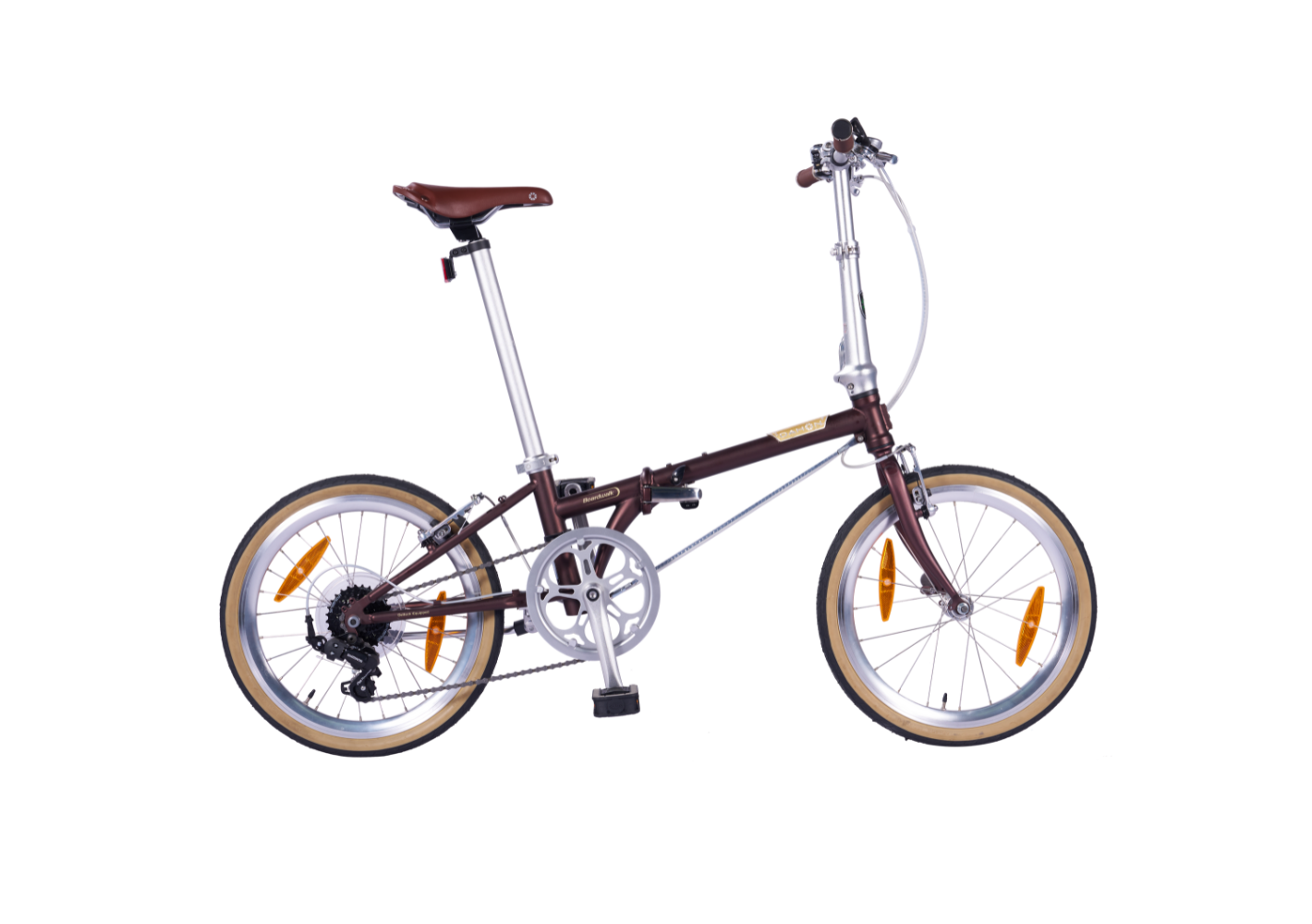
Boardwalk D7 20-Inch Data Example
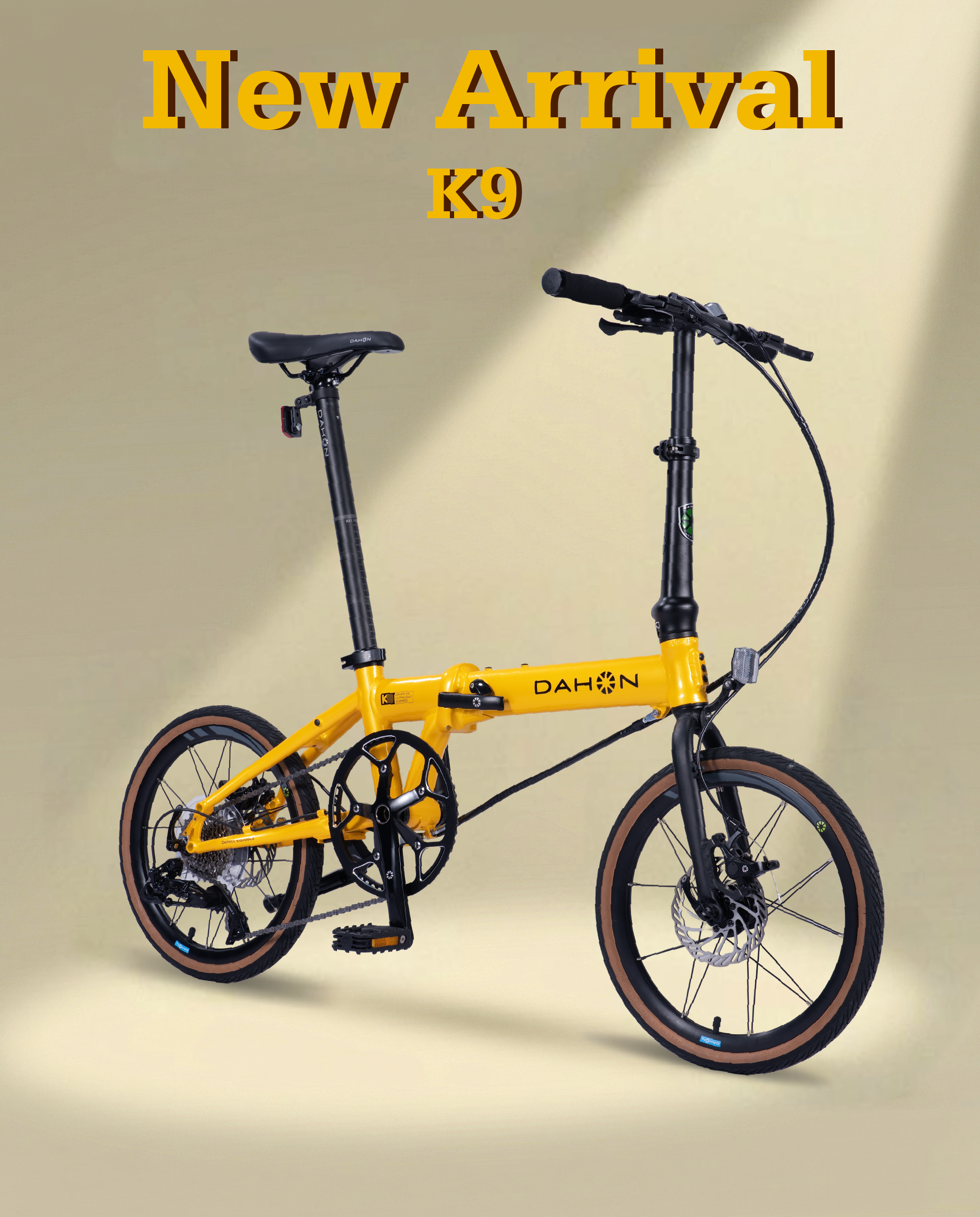
The DAHON Boardwalk D7 20-inch reflects this approach. Current product information lists a Shimano 7-speed drivetrain, a weight of 11.86 kg, and folded dimensions of 63 x 30 x 77 cm. DAHON lists a rider height range of 145 to 190 cm and a maximum rider weight of 105 kg. These figures allow a direct comparison with stairs, storage, the route, and transportation rules.
The ÖBB comparison shows why exact dimensions matter: one side of this folded package exceeds 60 cm, while size categories vary by train and storage area. The complete service and intended luggage space therefore need to be checked. Deutsche Bahn does not state one universal centimeter limit in its folding bike FAQ, but it does require safe storage without blocked walkways.
Find the Right Folding Bike for Campus
The right bike follows from four measurable criteria, not a label such as best folding bike. Start with the most common obstacle on the route. Someone carrying a bike up four floors every day makes a different choice from a rider living at ground level who takes the train once a week.
Four Criteria in a Useful Order
Use this order for an initial comparison:
-
Record the route: Note cycling distance, surfaces, hills, transfers, and peak travel times.
-
Test transportation: Check the greatest comfortable carrying weight, folding time, grip position, and stability when folded.
-
Measure storage: Compare all three folded dimensions with the apartment, luggage area, and campus space.
-
Match the equipment: Choose gearing, brakes, lights, fenders, luggage options, and available maintenance for daily use.
Test Ride, Folding Trial, and Maintenance
An inexpensive folding bike may be enough for short, flat trips. A stable folding mechanism, suitable riding position, and available replacement parts are essential.
A useful test ride includes the normal campus backpack. Tight turns, controlled braking, and several minutes of carrying show whether the bike is manageable. The latches should engage securely, and the folded bike should remain closed.
Maintenance also belongs in the decision. Hinges and latches need regular inspection, and play, unusual noises, or stiff locking parts should be checked by a qualified bicycle shop.
For a wider comparison, review current DAHON folding bikes by 16-inch and 20-inch wheel size and drive type. Our DAHON wheel-size guide can also help balance compactness against ride comfort. Once you select a model, rely on its specific current product data.
Four Questions for the Right Campus Solution
A short priority check is enough for the final decision. Choose the bike that solves the most frequent difficult part of the journey without becoming impractical elsewhere.
|
Your Priority
|
Sensible First Choice
|
|
Longer direct ride and secure parking
|
Compare a regular bicycle.
|
|
Daily train transfer and limited storage
|
Prioritize a modern folding bike.
|
|
Short route and a very tight budget
|
Test a basic folding bike carefully.
|
|
Stairs on almost every trip
|
Prioritize weight and carrying design over equipment.
|
If a 20-inch DAHON folding bike fits your journey, compare folded size, weight, and gearing in the current collection and test the preferred model when possible. This turns a broad product category into a reasoned campus choice without paying for features you do not need.
Frequently Asked Questions
Q1: Are a Folding Bike and a Folder the Same Thing?
Usually. The two German terms are often used synonymously. When buying, how quickly, compactly, and securely a particular model folds matters more than the wording in its product name.
Q2: Which Folding Bike Size Suits Students?
It depends on whether carrying or ride comfort has priority. A 16-inch model can be especially compact, while 20 inches often provides a practical middle ground. Folded size, rider fit range, and the actual route remain decisive.
Q3: How Light Should a Folding Bike Be for Campus?
It depends on how often and how far it must be carried. A short carrying test with the usual backpack reveals more than a specification sheet because several flights of stairs change the effort substantially.
Q4: Can a Folded Bike Be Taken on Buses and Trains?
Usually, if the operator treats it as luggage that can be stored safely. Germany, Austria, Switzerland, and individual transit networks apply different conditions, dimensions, and capacity limits.
Q5: Is an Electric Folding Bike Worthwhile for Students?
Sometimes, depending on hills, distance, budget, and charging access. A motor and battery usually increase weight and maintenance, so an electric folder is less attractive when daily stair carrying is the main obstacle.