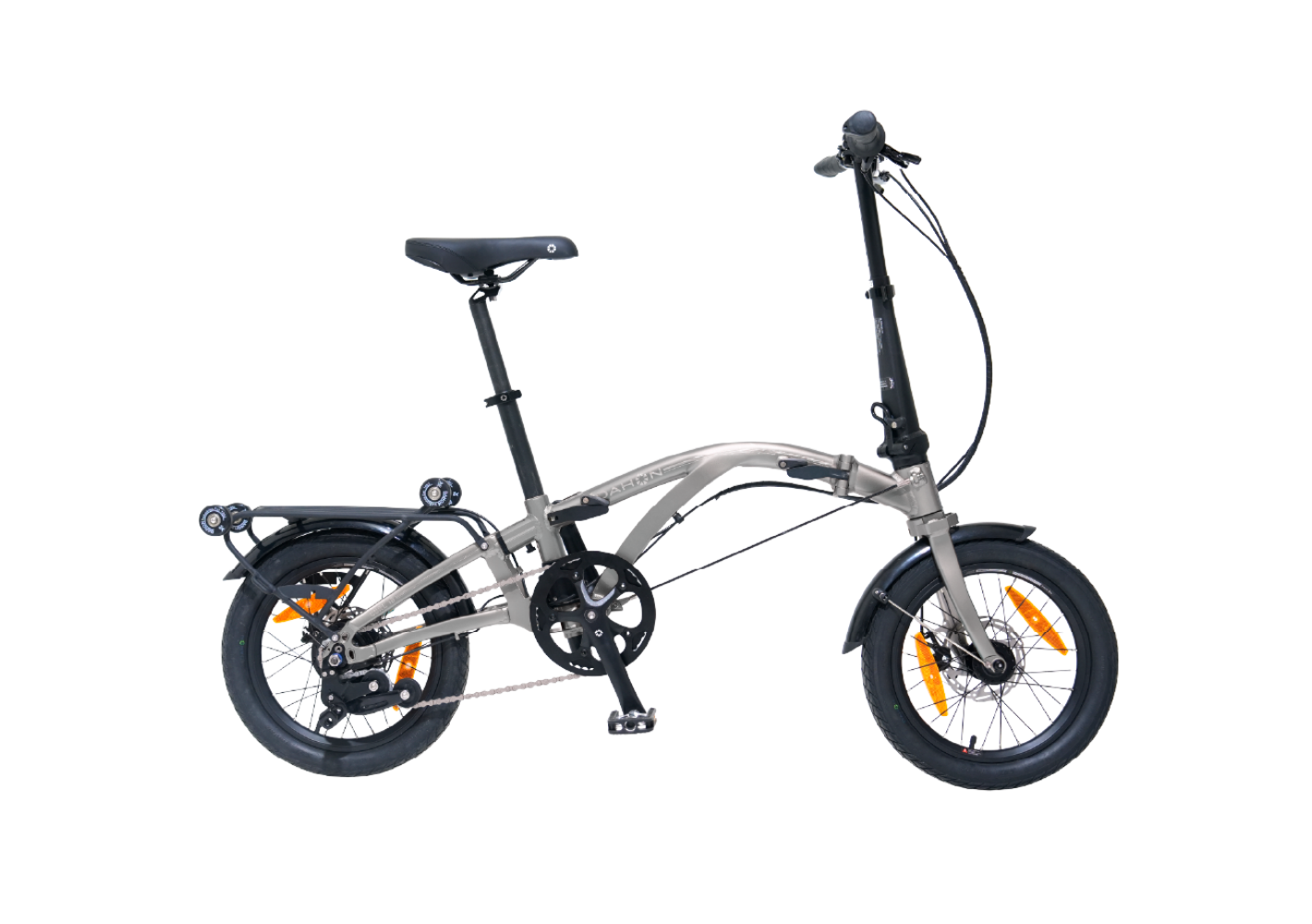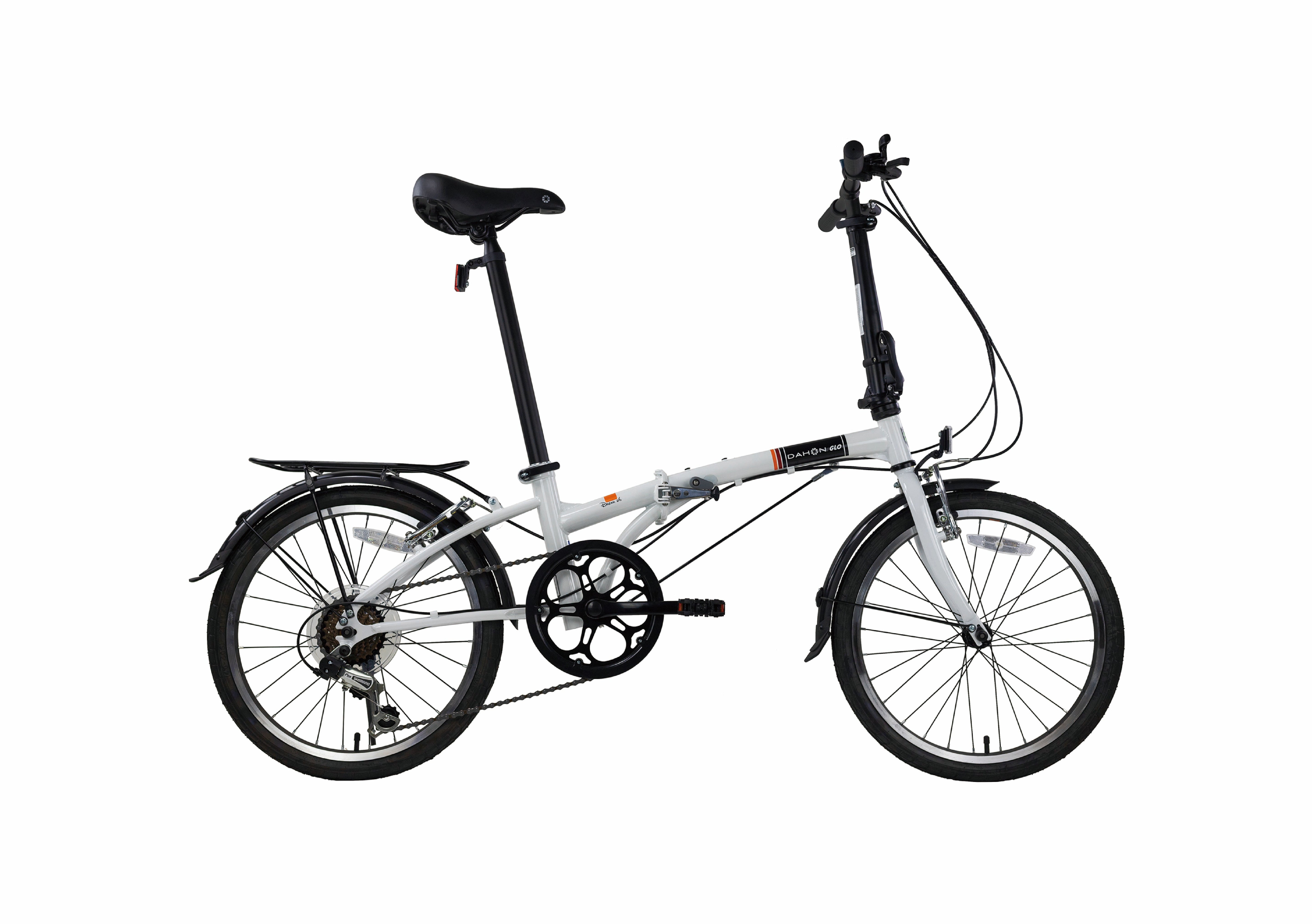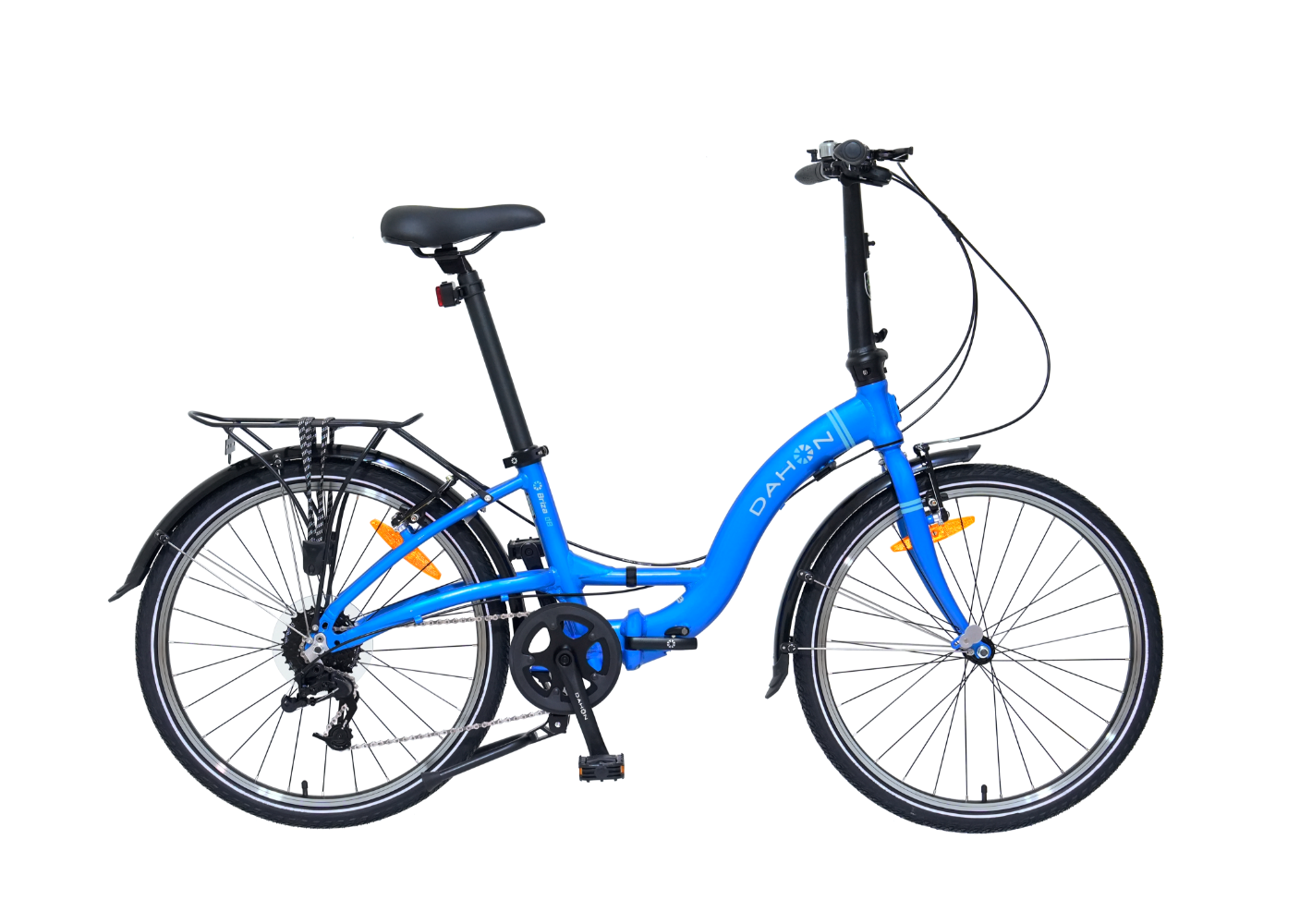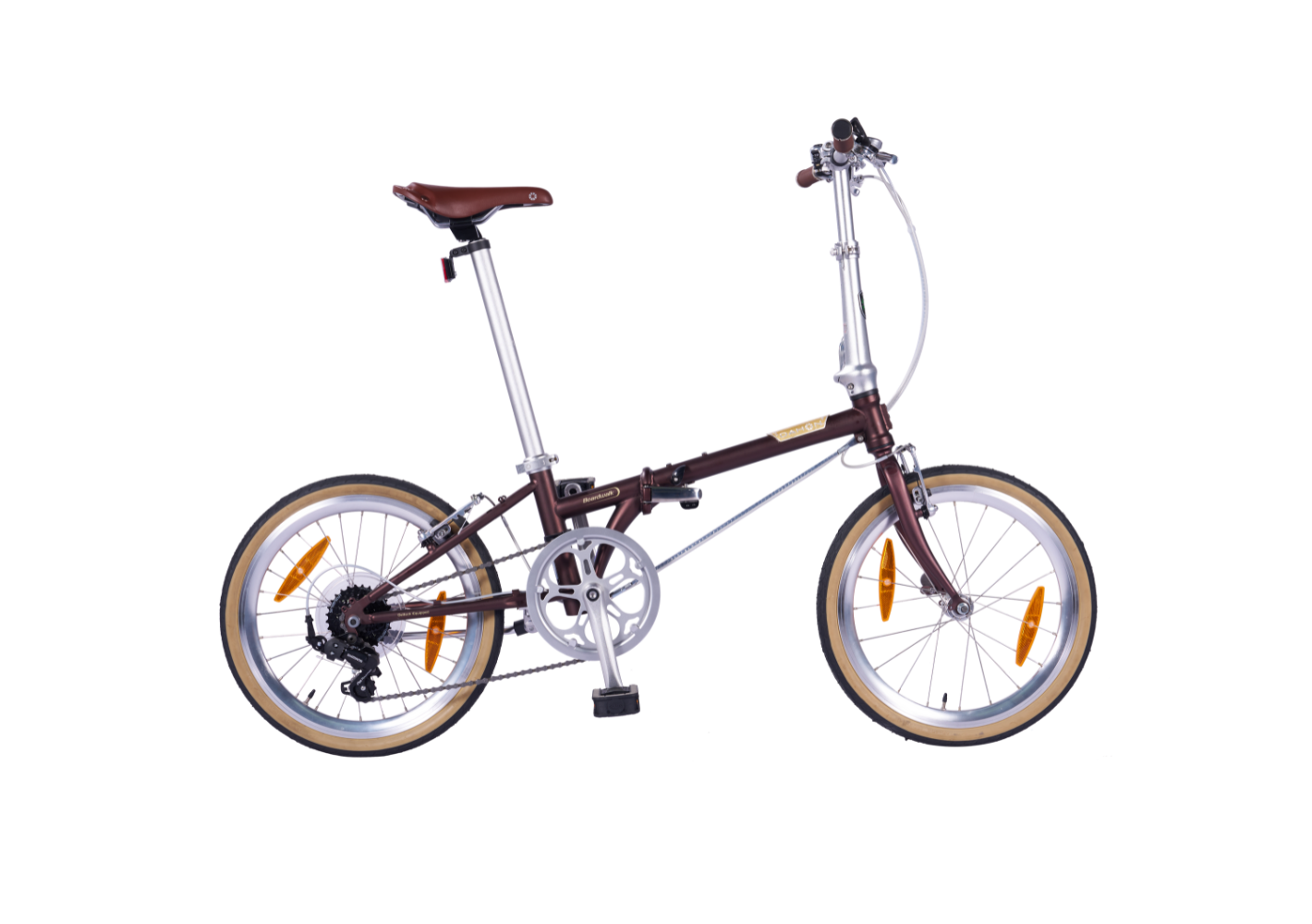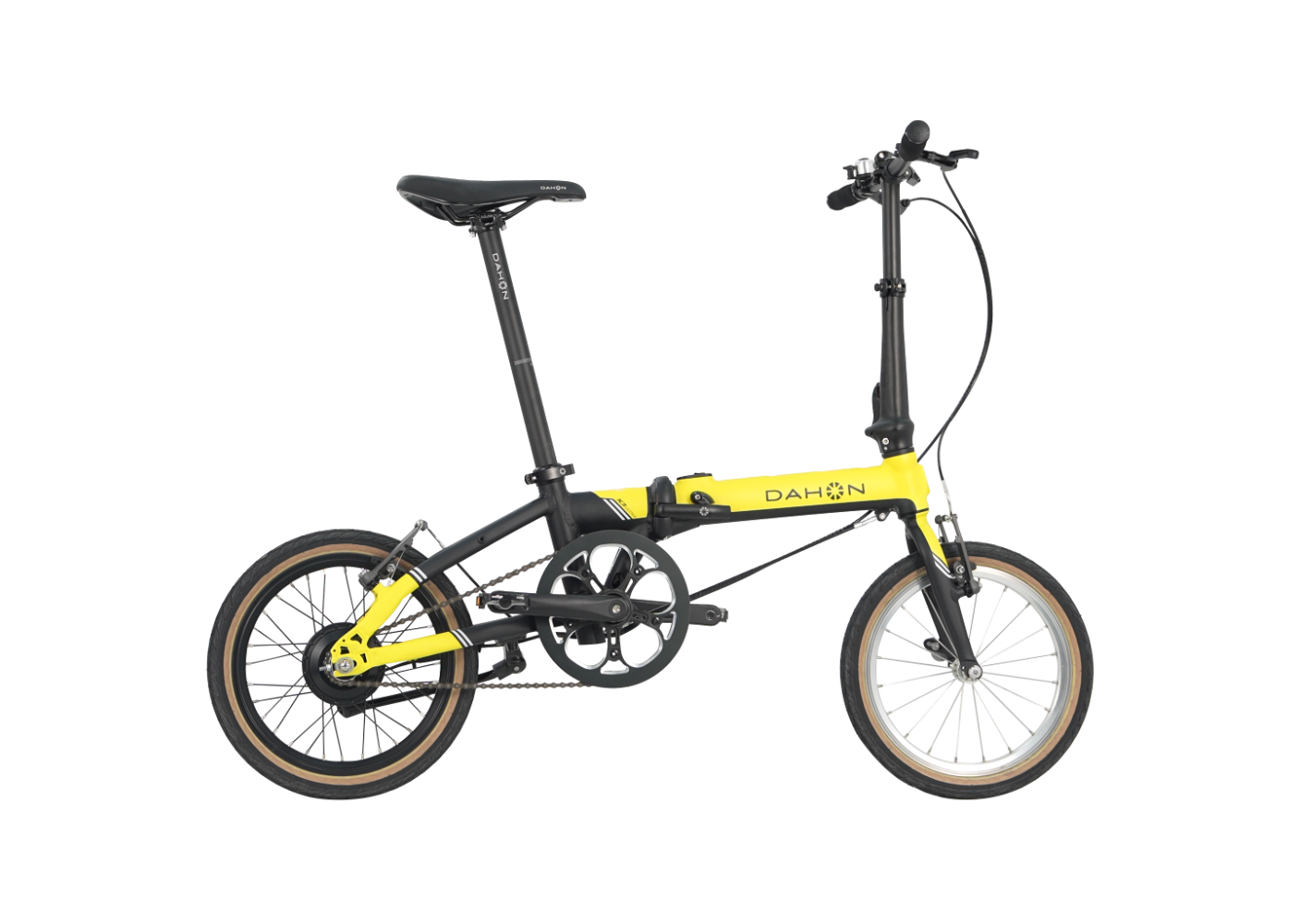
In the early 1960s, a young physics student at UC Berkeley had a daily ritual he hated.
Every morning, David Hon would disassemble his bicycle to fit it in his car, drive to campus, then put it back together on the other side. Every evening, the same thing in reverse. The bicycle was the best way to get around campus, but it was never designed to go anywhere else. That frustration lodged itself in the back of his mind and never left.

A decade later, in 1975, the oil crisis hit. Gas lines stretched around the block. Cities started asking hard questions about car dependence. And Dr. Hon, by then a senior physicist at Hughes Research Laboratories, found his old frustration turning into an urgent idea: what if a bike could simply fold up and go with you?
That idea became DAHON.
The Long Way to Hughes
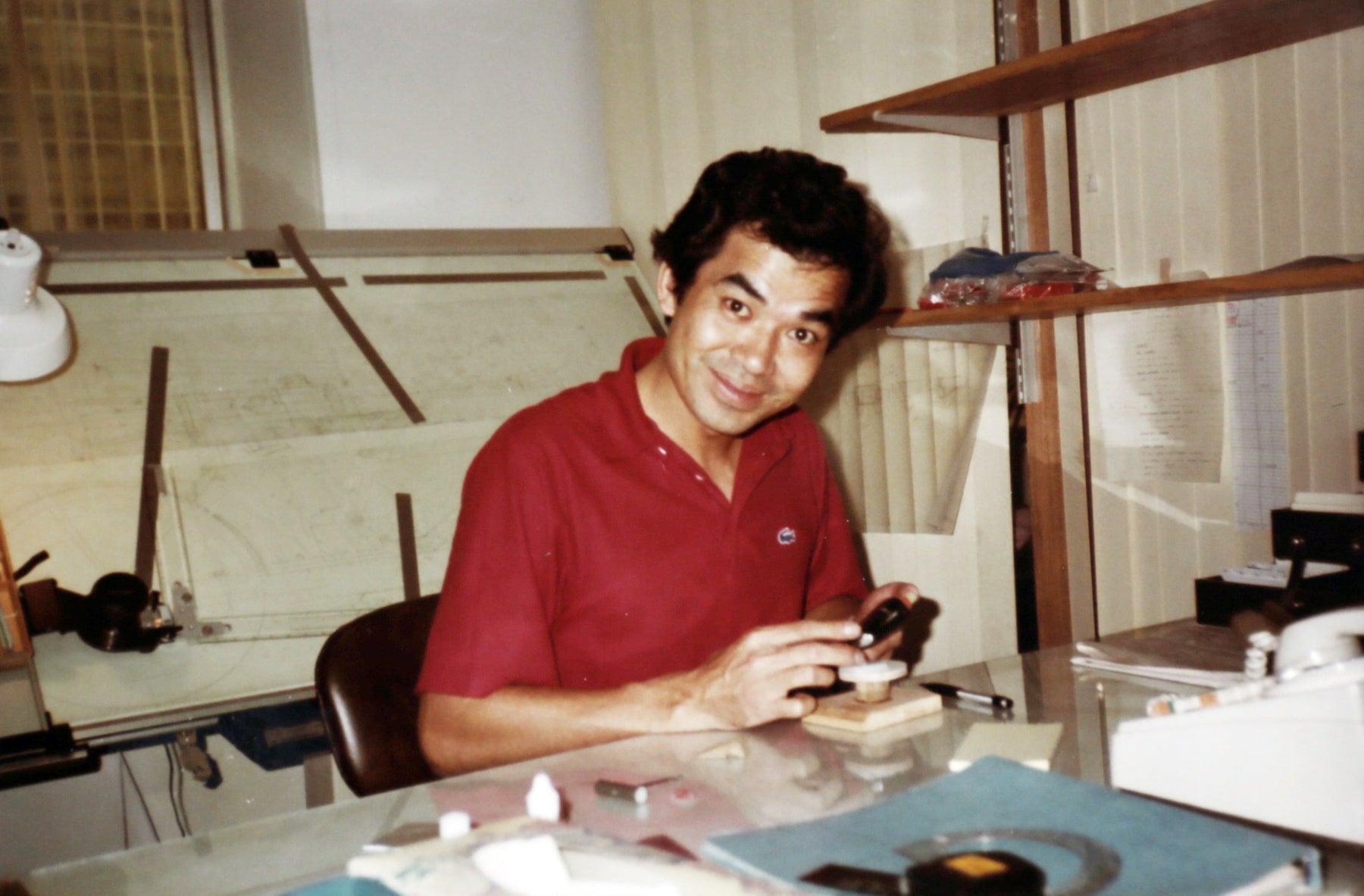
Dr. David T. Hon was born in 1941 in Shaoguan, Guangdong, China. His family moved to Hong Kong when he was young, where he earned a scholarship to the prestigious Diocesan Boys' School. At 19, the family moved again, this time to the United States. He studied physics at UC Berkeley, earned the highest score in UCLA's notoriously competitive PhD candidacy exam, and completed his doctorate at the University of Southern California.
By 1972, he had arrived at Hughes Aircraft Company. By 1977, he had been called up to Hughes Research Labs in Malibu, where scientists were given unusual freedom to pursue their own lines of inquiry. Dr. Hon used that freedom to chase what many believed was the future of clean energy: laser-induced nuclear fusion.
It was an important work. It was also, he gradually realized, work that would take decades to reach anywhere.
While laser fusion promised a distant future, the problem of urban congestion was happening right now, just outside his window. He decided he couldn't wait decades to make a difference.
Seven Years in the Garage
He did not quit his job. Not yet.

For seven years, Dr. Hon kept his position at Hughes while spending evenings and weekends in his garage, taking bicycles apart and putting them back together. He ran what he called "destructive testing": pushing frames, hinges, and joints past their limits to find exactly where they failed, then redesigning them.
It was the same method he had applied to laser systems at Hughes: isolate the variable, stress it to failure, understand why, rebuild. The tools were different. The logic was the same. He was optimizing five things at once: rideability, foldability, lightness, safety, and price. Each one mattered. None could be traded away for the others.
By 1981, he had something worth showing.
He loaded a few prototypes into his car and drove to the New York International Bike Expo. People gathered around the booth, folded and unfolded the bikes, looked at each other. Reporters took notes. The response was clear.

Dr. Hon went back to Hughes and submitted his resignation. He was 40 years old.
No One Would Build It
His first plan was straightforward: license the design to an established manufacturer and let them handle production.
He called on every major bicycle brand he could reach, in the United States, Japan, Taiwan, and China, including household names like Phoenix, Forever, and Five Rams. One by one, they passed. Too niche. Too technically complicated. Too much of a risk for a product that didn't yet have a proven market.
So Dr. Hon built his own factory.

He and his brother Henry raised $2 million from 35 investors, including The Carpenters, the iconic American musical duo, and Acer, the Taiwanese technology company, then founded DAHON North America in California in 1982.
In the first six months of 1983, the factory produced and sold 6,000 folding bikes. Californians couldn't get enough of them.
The Copies, and What Came After
By 1985, DAHON was selling over 10,000 bikes a year. By 1994, that number had crossed 100,000, and DAHON held 60% of the global folding bike market. In 2000, the Guinness Book of Records Millennium Edition certified DAHON as the world's largest producer of folding bicycles.
Through those decades, Dr. Hon and his engineering team have developed and registered more than 600 patents in frame geometry, hinge mechanisms, folding systems, and materials, many of which became standard features found across the industry today.
They were also widely copied.
For years, inadequate intellectual property protections meant that competitors could appropriate DAHON's technology with little consequence, flooding the market with imitations that undercut both DAHON's business and the quality standards of the folding bike category as a whole.
Dr. Hon's response was not a lawsuit campaign. In 2019, he launched DAHON's Technology Sharing program (now called “Eco 360o Program” ), opening the company's patents to licensed use by other manufacturers who could now legally build with DAHON components, marked with DAHON's authentication and backed by DAHON's quality guarantee. The logic was straightforward: if the technology was going to be out there anyway, better to have it done right. Today, DAHON has established partnerships with over 40 bicycle makers worldwide under this model.
Still at the Bench
Dr. Hon is in his eighties. He comes to work every day.

His current project is DAHON-V, a suite of patented technologies including DELTECH and SUPER DOWN TUBE, that push folding bike performance beyond what most riders expect from a bike that fits under a desk. In testing, some DAHON bikes now outperform conventional road bikes on speed and stiffness metrics.
In September 2025, DAHON Tech made its debut on the Hong Kong Stock Exchange's Main Board. More than 220,000 prospective investors applied for shares. The offering was oversubscribed by 7,558 times — one of the most heavily subscribed IPOs in recent Hong Kong history.
Forty-three years earlier, not one factory had been willing to produce his bicycle.
What the Bike Was Always About
Dr. Hon has never described DAHON as a bicycle company in the conventional sense.
The folding bike was the practical answer to a question he'd been asking since Berkeley: why should a city be organized around the needs of a car? Every DAHON that folds onto a subway, fits into an apartment, or gets carried up a flight of stairs without a second thought is a small argument for a different kind of urban life — one where getting around is lighter, cheaper, and a little more human.
That argument, first sketched in a California garage in the late 1970s, is still being made.
Freedom unfolds.