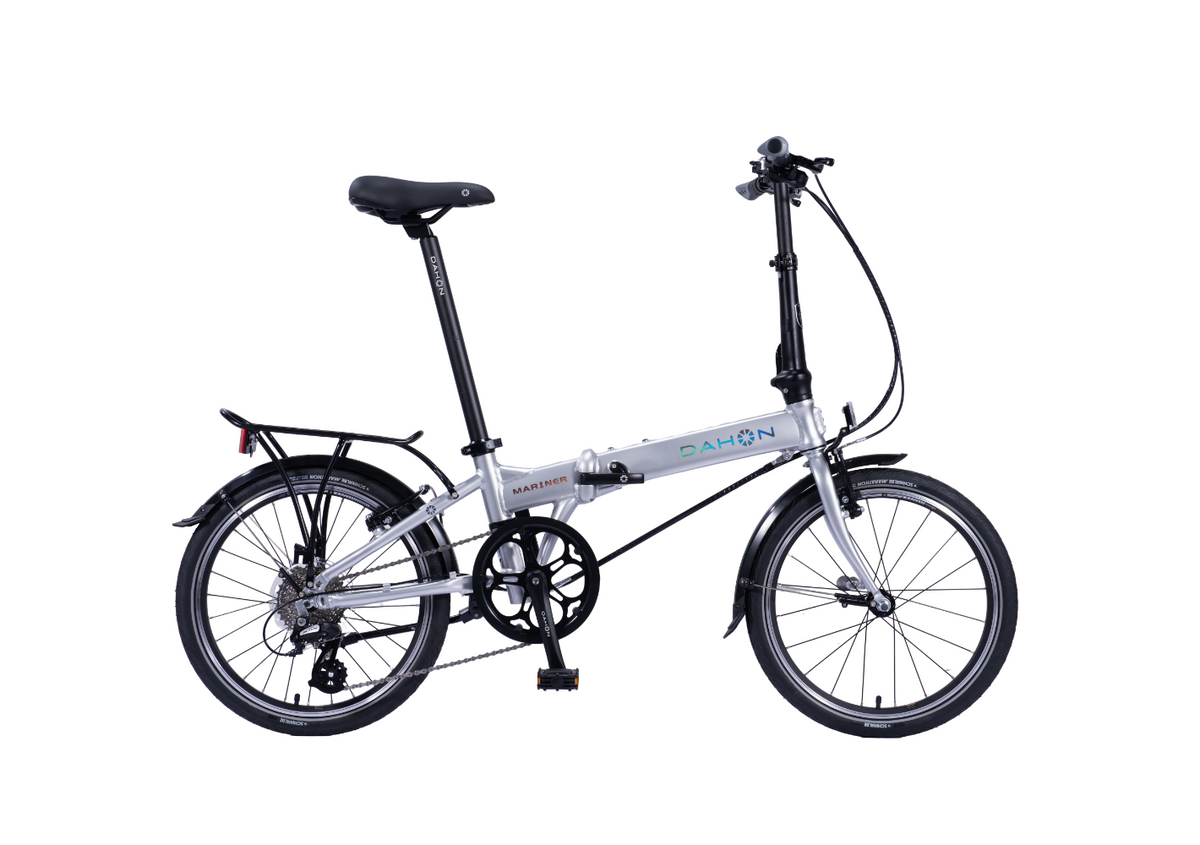
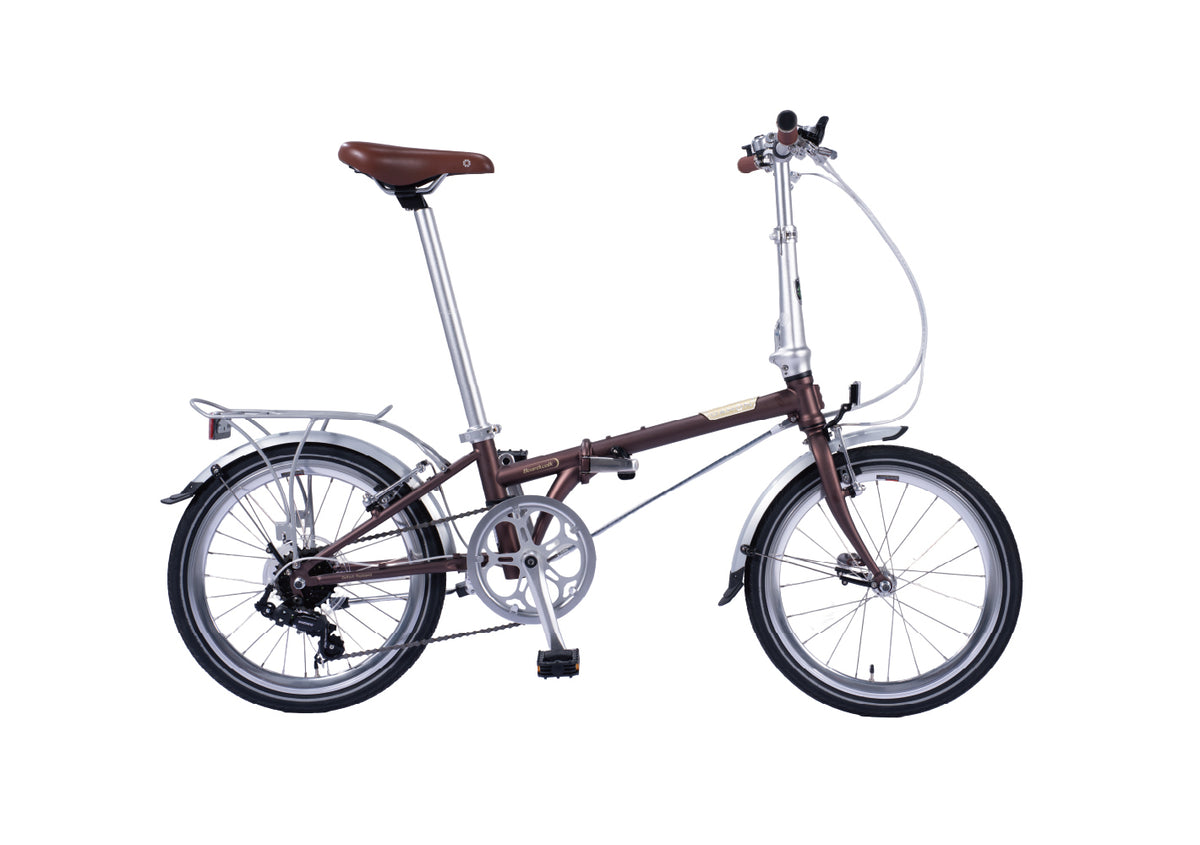
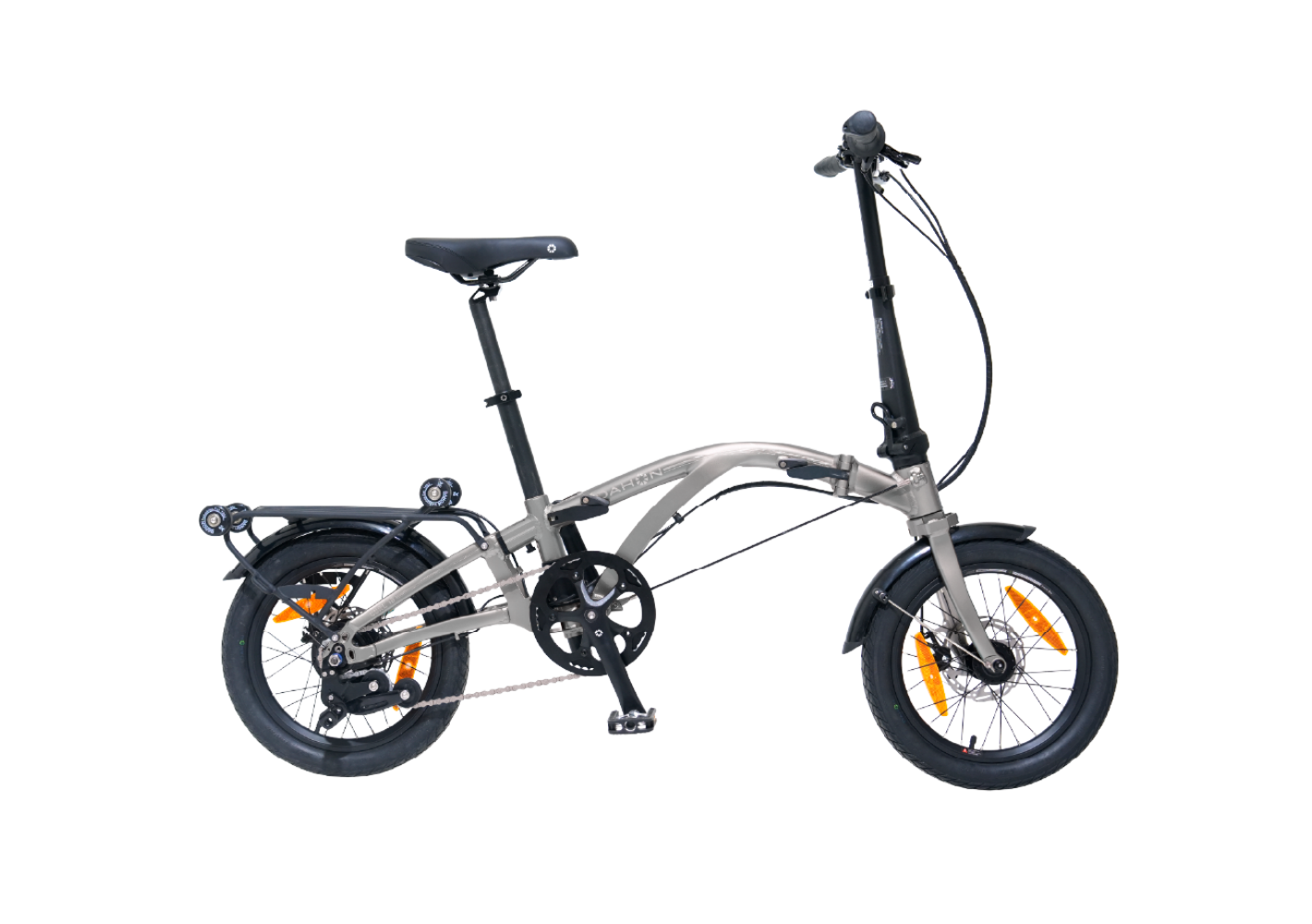
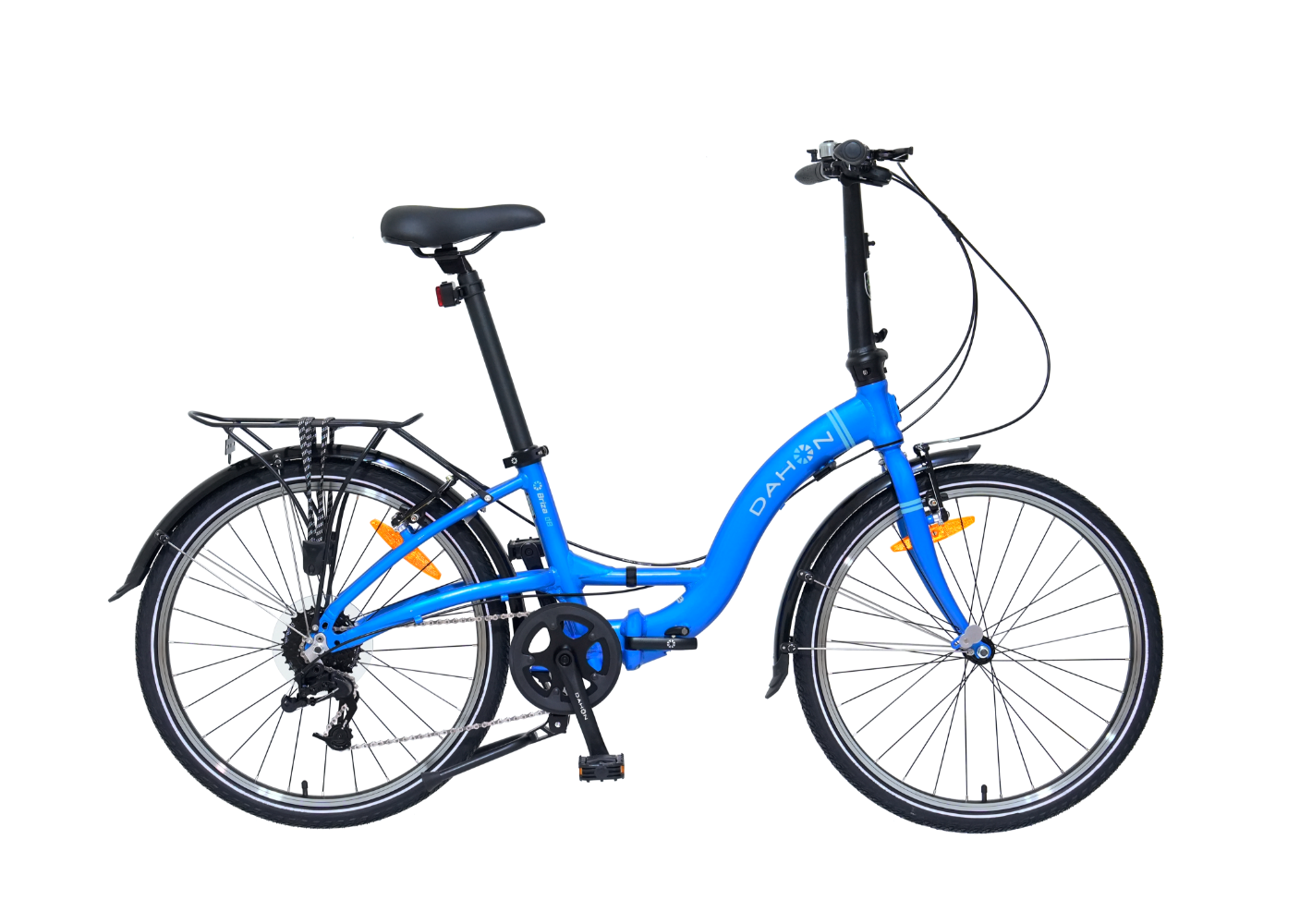
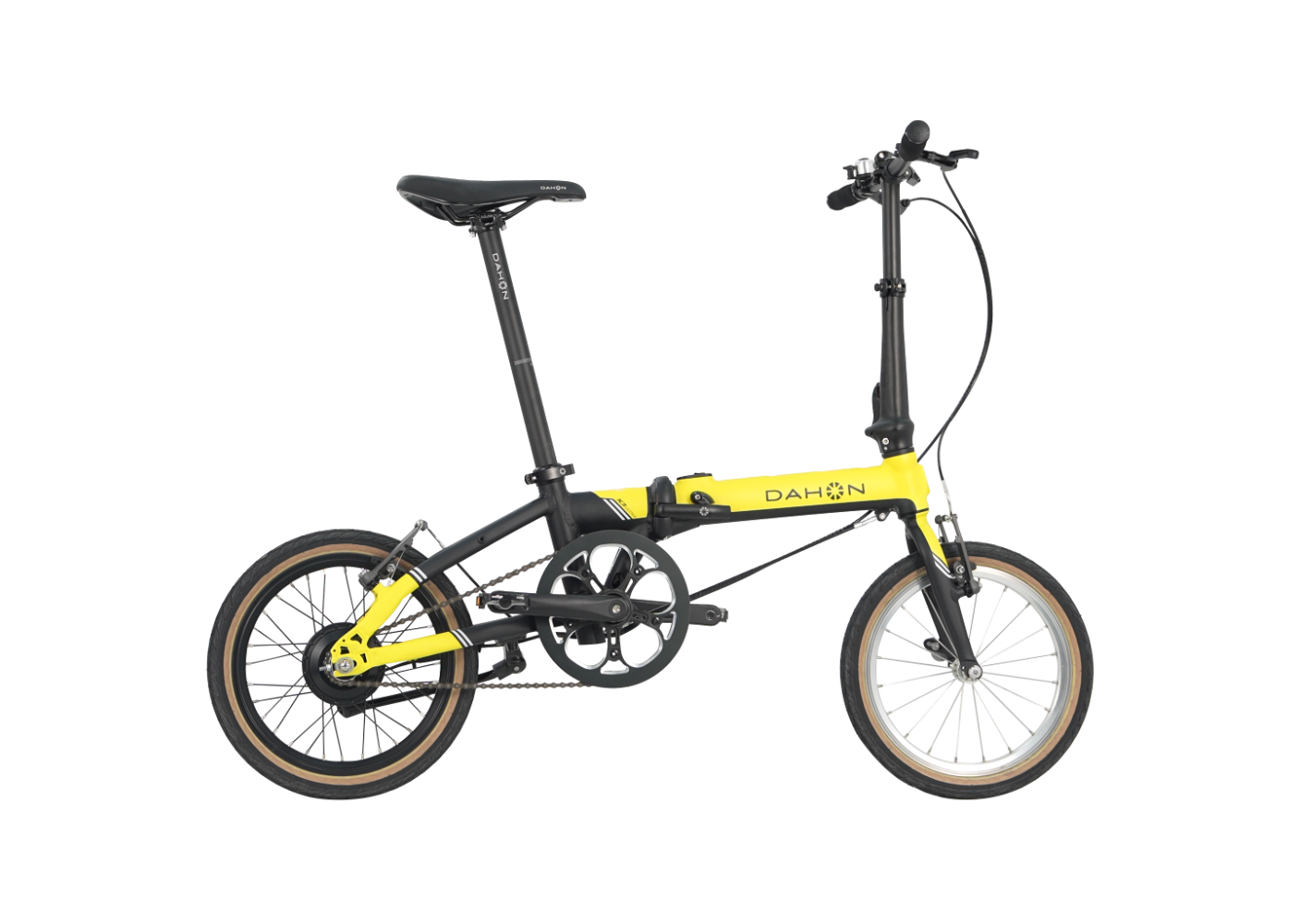
Uneven roads, cobblestones, and dropped curbs are clearly noticeable on a non-suspended folding bike. A suspension seatpost can cushion impacts at the seat and improve riding comfort, but it is not a remedy for back pain and does not replace medical consultation for persistent complaints.
Whether a retrofit is worthwhile depends primarily on the technical fit. Therefore, measure your existing seatpost and the folding bike precisely before purchasing. Diameter, insertion depth, stack height, and load limit must be correct, as well as folding compatibility. This guide shows which specifications you should check and how to determine whether the bike can still be folded safely and without collisions with the new seatpost.
Key takeaways
- A suspension seatpost is a potential comfort option, not a proven solution for back pain.
- Five measurements must fit together: diameter, insertion depth, length/stack height, suspension travel, and load limit.
- Only a complete folding test with the post installed shows whether the folding mechanism remains clear and if the folded dimensions change.
- Without a documented model approval, you should confirm the fit before purchase via the data sheet, specialist retailer, or support.
When a suspension seatpost can be useful on a folding bike
Retrofitting can be a useful comfort option for longer rides and uneven everyday routes, but it is not a promise to eliminate back complaints. Just as important as the comfort requirement is how often you actually fold the folding bike, because the seatpost must continue to allow this procedure.
Before you plan further, a conditional rule applies: Retrofitting is only sensibly feasible if the diameter, insertion depth, length or stack height, load limit, and the complete folding test fit without contact or effort. Therefore, first note down the stock seatpost, current saddle height, and the usual folded state of your bike. These three values form the basis for comparison for the following test steps.
Which compatibility measurements count before purchase
Before purchasing, you must determine five values on your own folding bike and compare them with the data sheet of the new seatpost: seat tube diameter, available insertion depth, desired saddle height or usable post length, stack height with suspension travel, and the lower relevant rider or system load limit. Only if all five values are within the respective manufacturer specifications should a variant be considered.
| Test criterion | Determine on the folding bike | Compare in the product data sheet |
|---|---|---|
| Seat tube diameter | Measure the inner dimension of the seat tube | Outer diameter of the seatpost |
| Insertion depth | Determine usable depth of the seat tube including any internal stops | Check prescribed minimum insertion depth and permitted adjustment range |
| Stack height and travel | Achievable saddle height and freedom of movement in riding position | Stack height, travel, adjustment range, and, if applicable, sinking under load |
| Folding compatibility | Contact points and space requirements when the bike is fully folded | Outer dimensions and permissible installation position of the post |
| Load limit | Record rider weight as well as luggage and accessories separately | Check definitions for rider weight, post load, as well as total or system load separately |
Diameter and insertion depth
The nominal diameter of the new seatpost must match the size intended by the bike manufacturer. A different diameter is only an option with an expressly suitable and approved reducer sleeve.
Additionally, determine the usable depth of the seat tube including any internal stops. The post must be able to be inserted at least far enough to comply with the prescribed minimum insertion depth.

Length, stack height, and suspension travel
Compare the desired seat height with the usable length of the new post, not with its total length in the box. A suspension seatpost also brings its own stack height and movement during compression. Check the stack height and suspension travel in the riding position. Check separately whether the housing, saddle, or adjustment mechanism collide with other components when fully folded.
Load limit and K9 reference
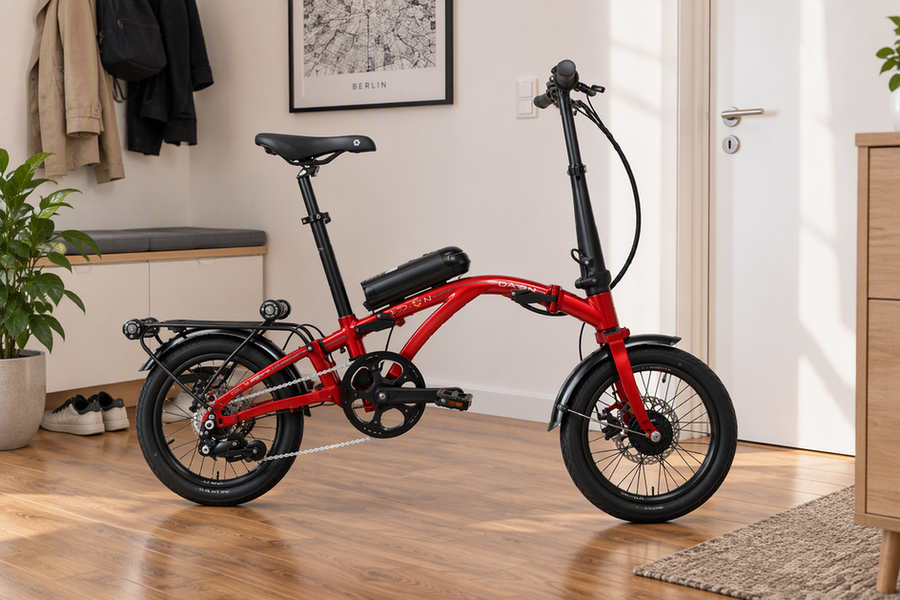
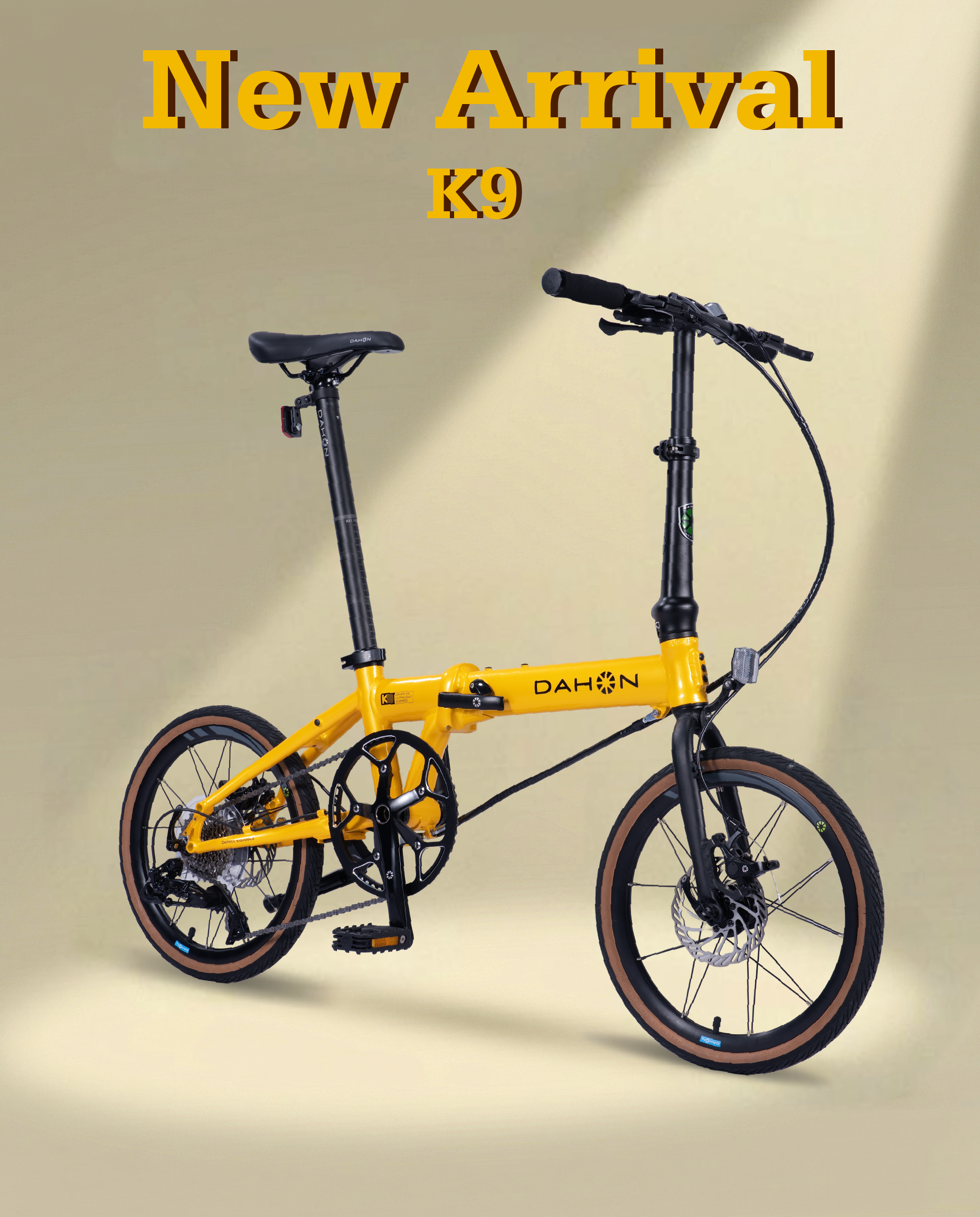
Check rider weight, luggage, accessories, and the bike's load limits separately. The manufacturer's definition is decisive in each case; only identically defined load values can be directly compared. As a concrete reference: The DAHON K9 folding bike model comes standard with a seatpost with Ø 33.9 mm and 580 mm length, a folded size of 72 × 40 × 61 cm, and a maximum load of 105 kg. These values serve exclusively as a measurement and comparison basis for your own bike and do not constitute an approval for a specific retrofit post.
Check folded size and folding clearance with the post installed
Only a complete folding test with the seatpost installed will show whether the new post remains clear when folding. First, bring the seatpost and saddle into the position intended for transport and folding, and perform the complete folding process exactly according to the usual sequence.
Folding test in every intended position
- Document initial state: Record series folded size and usual saddle position.
- Fold the folding bike completely with the post installed, without using additional force.
- Check contact points on the frame, handlebars, and latches, as well as the freedom of movement of the latches.
If the post or saddle makes contact when fully folded, if a latch does not operate freely, or if force is required, you should not force the folding process and should have the retrofit clarified before the next ride or transport.
Document and evaluate folded size
Note the folded size with the post installed separately from the standard size and in the same orientation so that the values remain comparable. An overview of the folded size of folding bikes shows how much the folded size can vary by model; it serves here only as general guidance, not as approval for a specific post. A deviation is acceptable as long as the transport bag, trunk, or storage space can still be used without force.
Selecting the right suspension seatpost in five steps
A fixed procedure leads from your own measurement to a reliable purchase decision: first check the strictest exclusion criteria, then compare comfort and load requirements, and finally confirm the fit. A variant that does not demonstrably meet one of these steps remains open instead of being treated as suitable. If you check extension length and folded size during retrofitting, you avoid future bad buys.
Compare data sheet and bicycle documents
Bring together the model designation, stock seatpost, and relevant manual information of your folding bike before comparing product data sheets. Always compare specifications for the same post variant, as manufacturers sometimes offer different lengths and diameters within a series.
Select and confirm suitable variant
- Compare diameter and insertion depth; reject the variant if there is a deviation.
- Compare seat height with the usable post length.
- Check stack height, suspension travel, and achievable saddle height in riding position; then check outer dimensions and possible contact points in the fully folded state.
- Check rider weight, post load, as well as total or system load separately based on their respective manufacturer definitions.
- If there is no folding bike approval in the data sheet, obtain specific confirmation from the manufacturer, specialist retailer, or support.
Assembly, initial inspection, and maintenance
After installation, clamping, permitted markings, sitting position, freedom of movement, and folding process must be checked according to the specifications of the specific bike and the specific seatpost. You must adopt maintenance and intervals exclusively from the respective manufacturer manual, as there are no universal values for this.
Assembly and initial inspection
- Assign the manual of the folding bike and the seatpost and observe markings.
- Insert the seatpost far enough that the prescribed minimum insertion depth is maintained and the corresponding marking does not remain visible above the seat tube. Any maximum insertion depth specified must also be observed.
- Check seat height and freedom of movement of the suspension mechanism.
- Repeat the folding test from the previous section before you set off.
Maintenance according to the respective manual
Do not transfer maintenance intervals from another model, as the design and suspension mechanism differ per seatpost. If you notice unusual play, contact, or a changed folding movement, clarify usage and folding procedure before the next ride.
Do not decide to purchase until all five measurements are correct and the folding test is successful. If the model assignment is unclear, please feel free to contact us so that we can check the available measurements and manufacturer specifications together in advance.

Frequently asked questions
How do I check if the folding bike still fits into the intended bag after retrofitting?
Fold the bike completely with the post installed and compare the size directly with the bag actually used or the intended storage space. If it only fits with pressure or contact, this is not considered a suitable solution, but an open point before purchase.
Which load counts when rider weight and luggage come together?
First, check which type of load the respective manufacturer limit refers to. The rider weight must be within the limit specified for the seatpost. For the bike, the maximum load defined by the manufacturer or the permissible total or system weight, as well as any separate luggage carrier limits, must also be observed. Only identically defined values can be compared directly.
Does a suspension seatpost need to be maintained differently than a rigid one?
Yes, as a rule, the maintenance effort differs because the suspension mechanism has additional inspection points. Which specific intervals and maintenance steps apply is stated exclusively in the manual of the respective seatpost model and should not be adopted from another product.
What to do if the folding bike only folds with force after installation?
Do not force the folding process and consider the retrofit as not yet completed. First, check for possible contact points and the position of the post, and have the approval confirmed by the specialist retailer or our support if there is a lack of clarity.