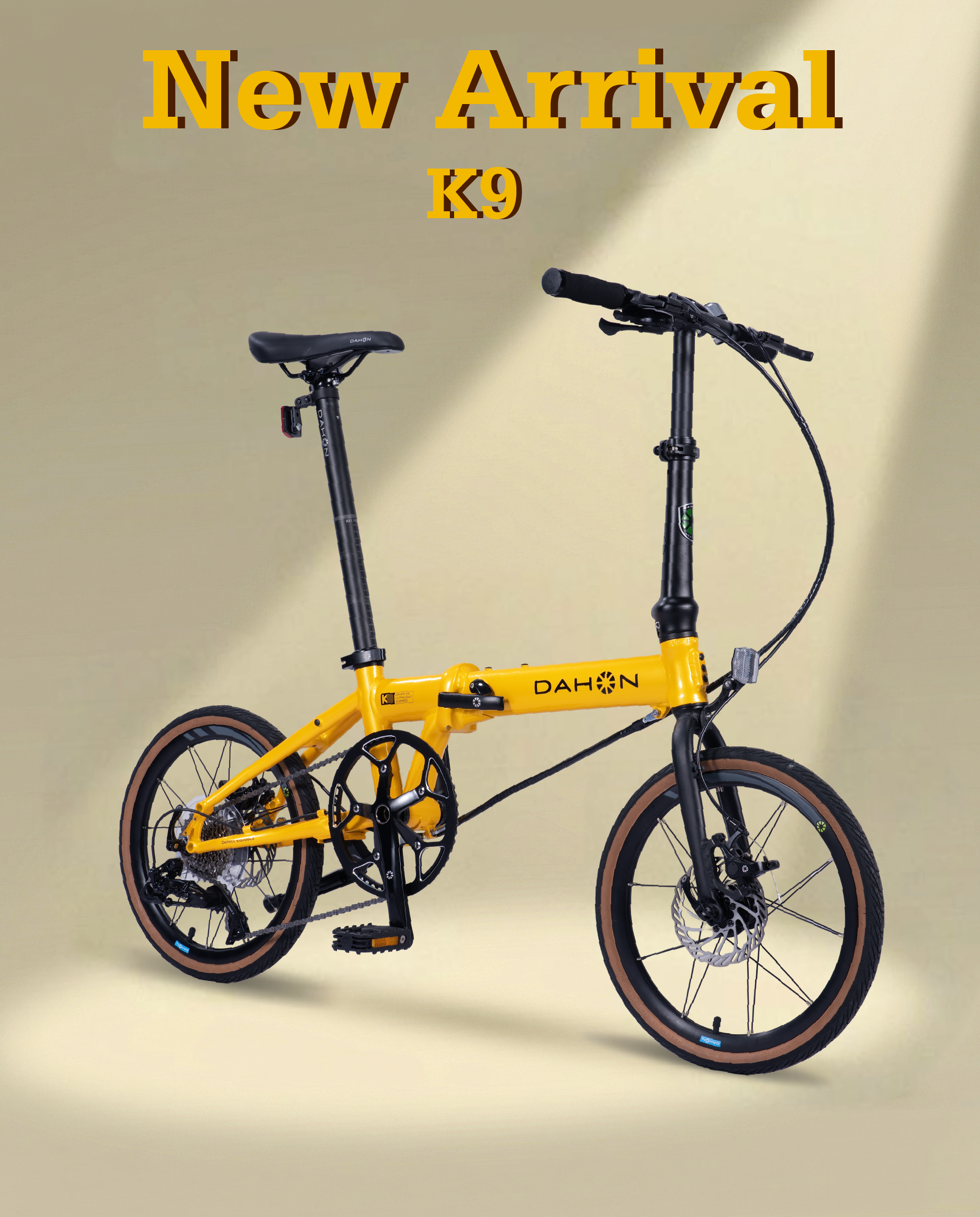
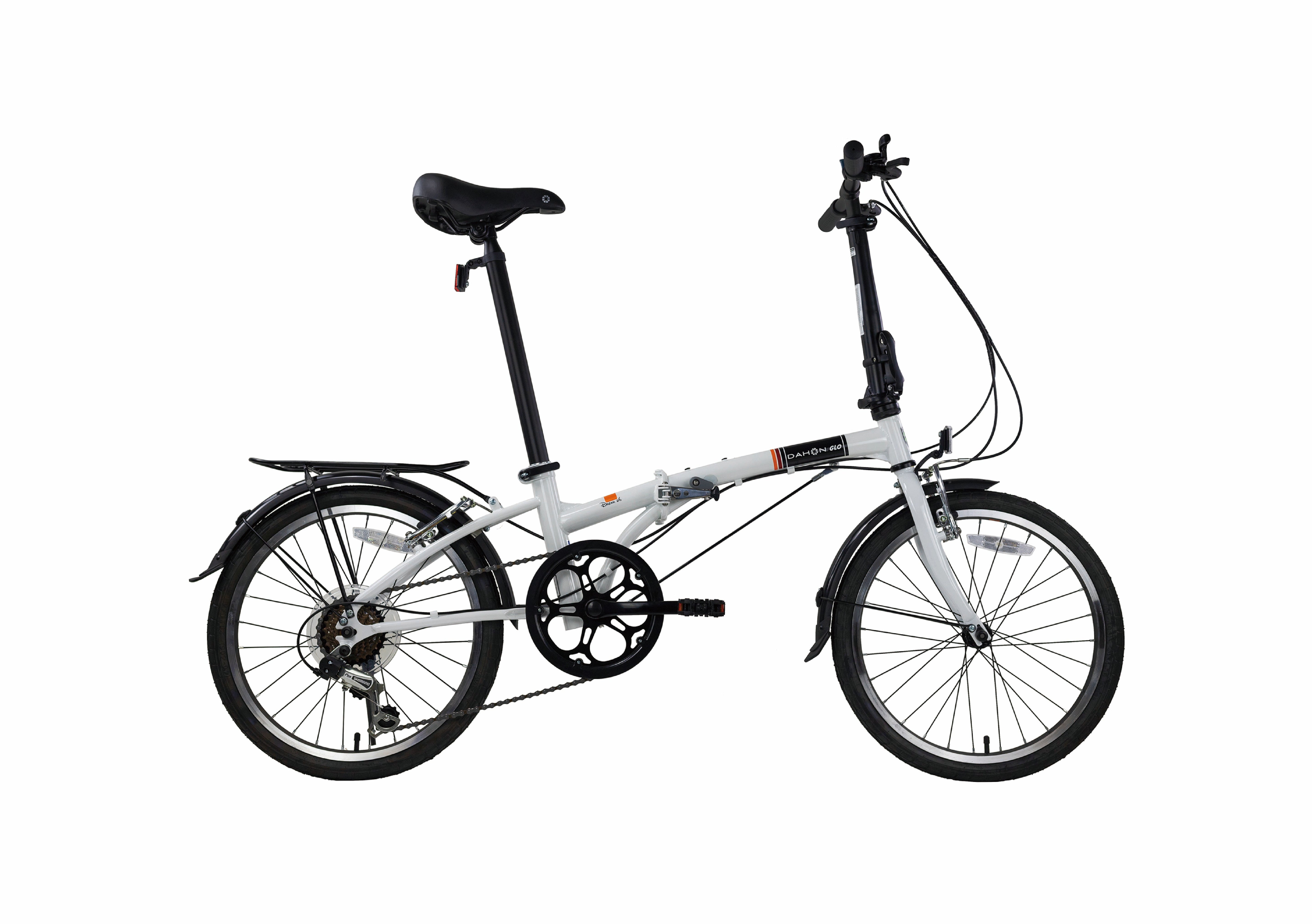
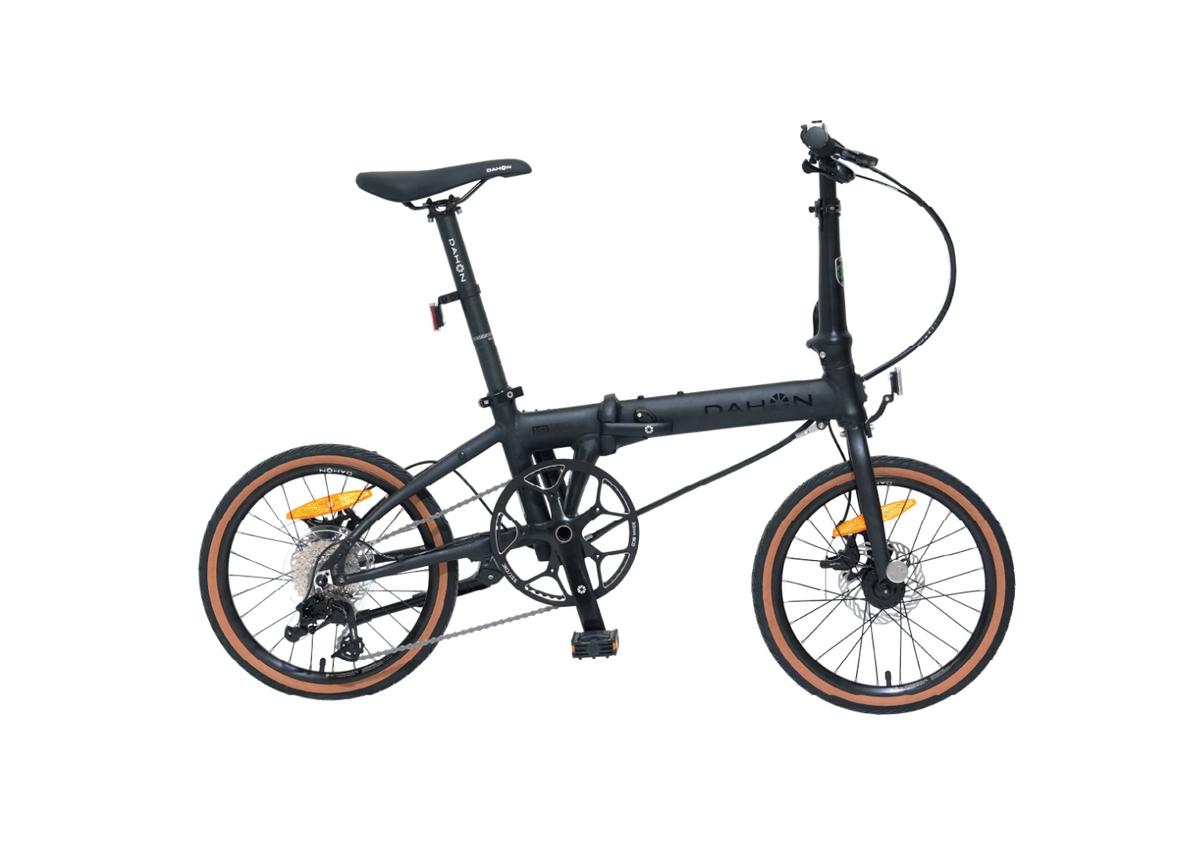
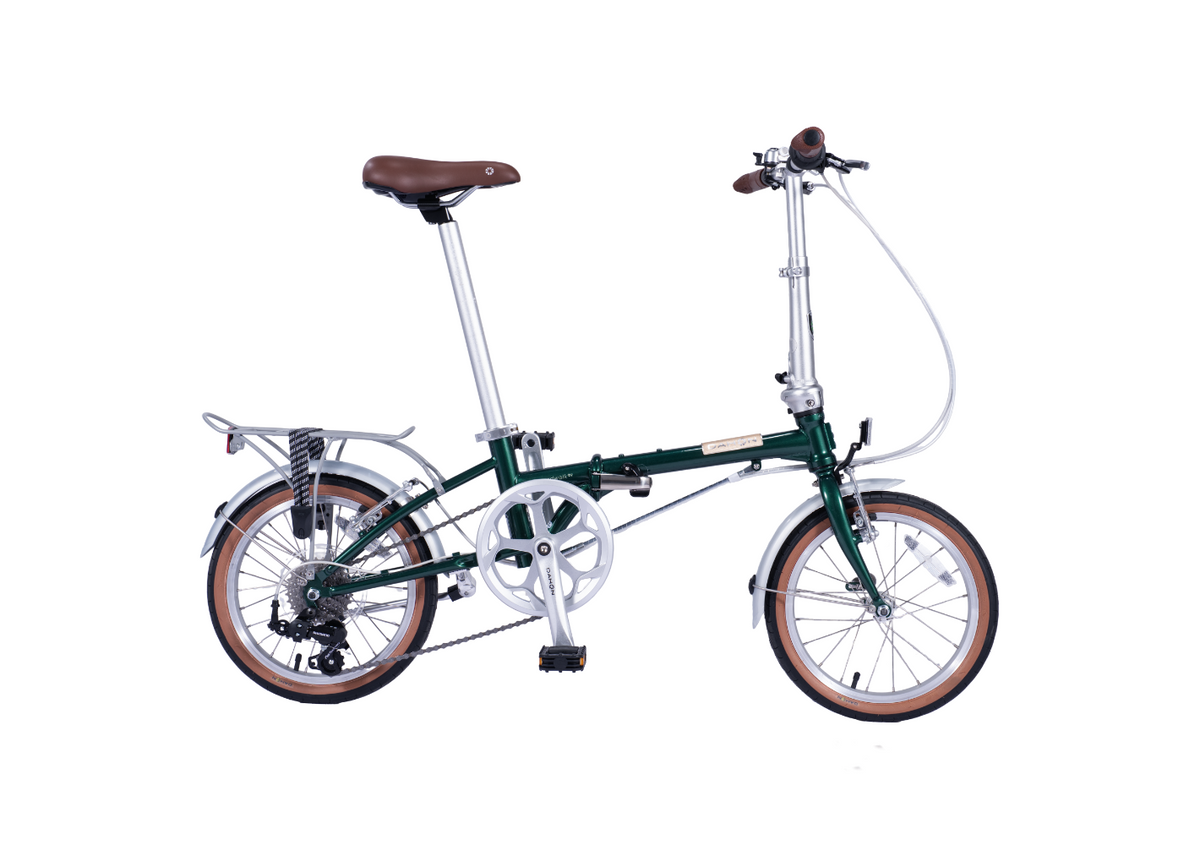
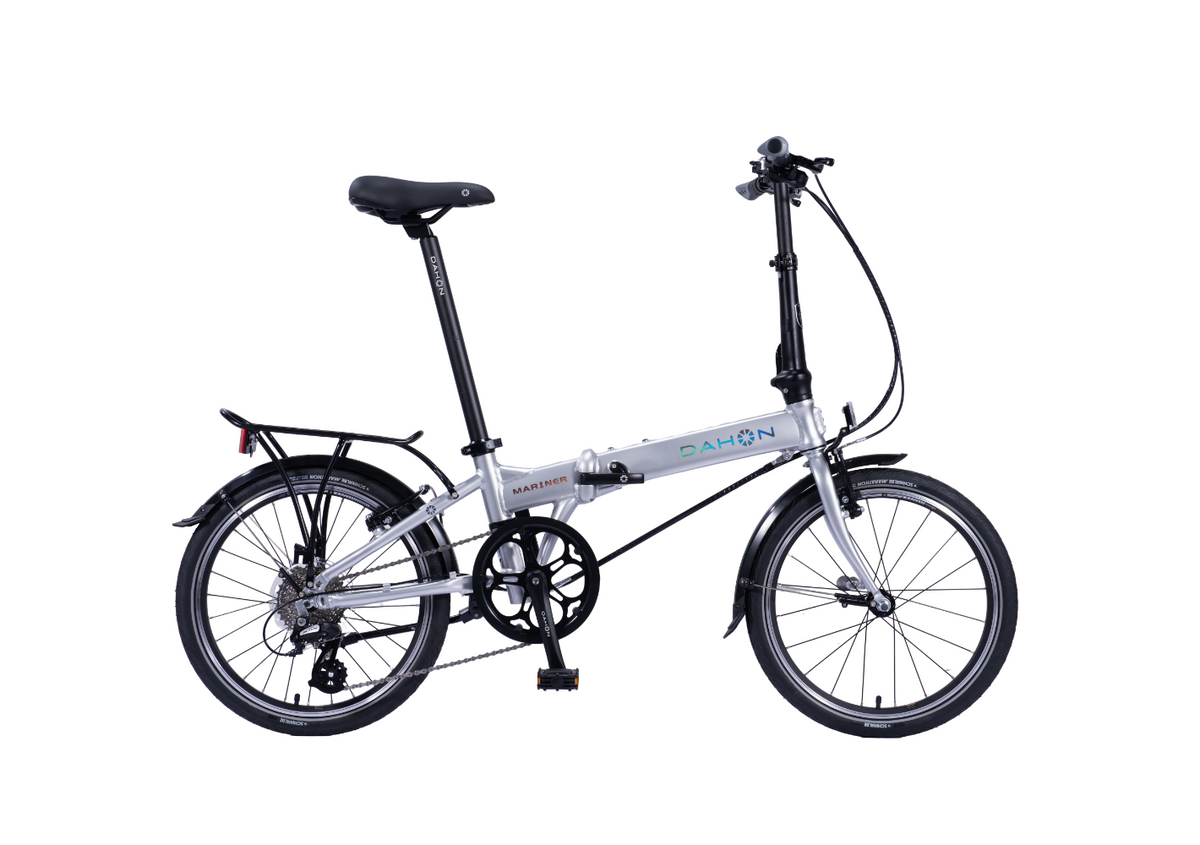
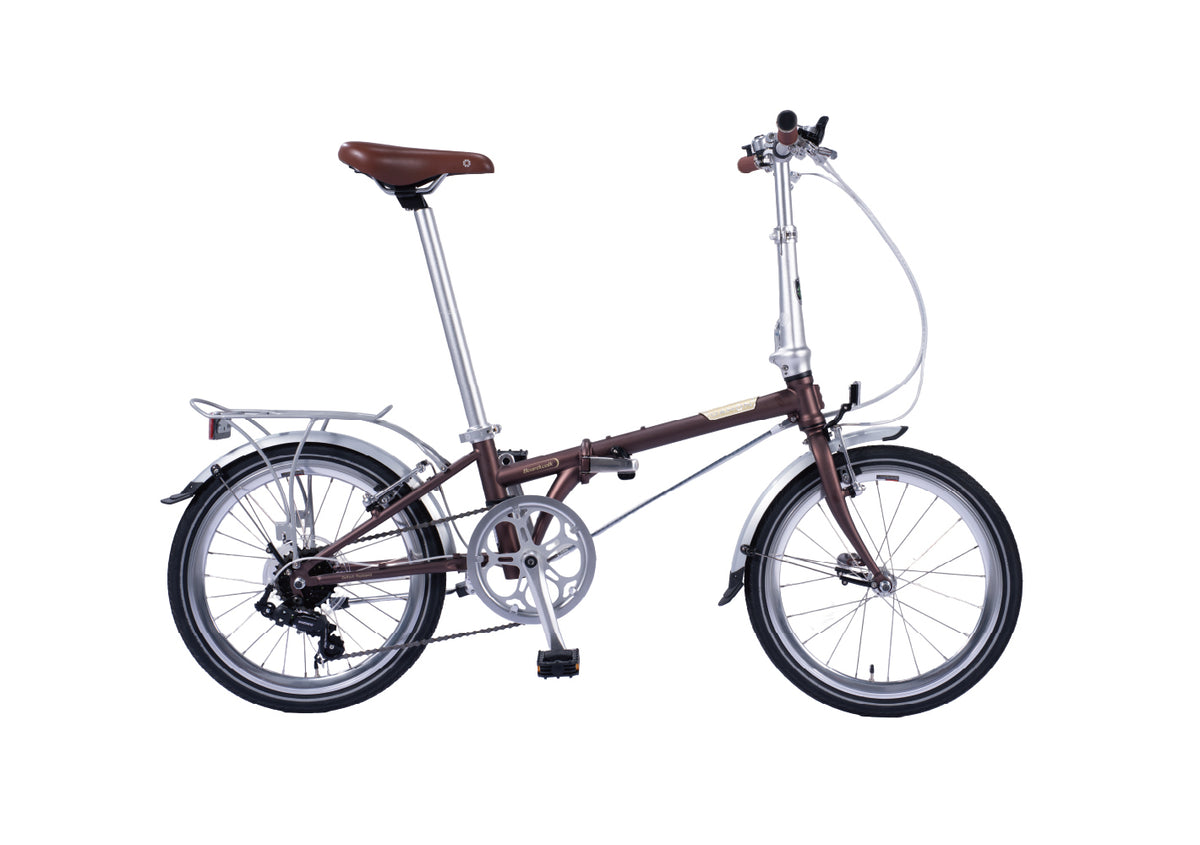
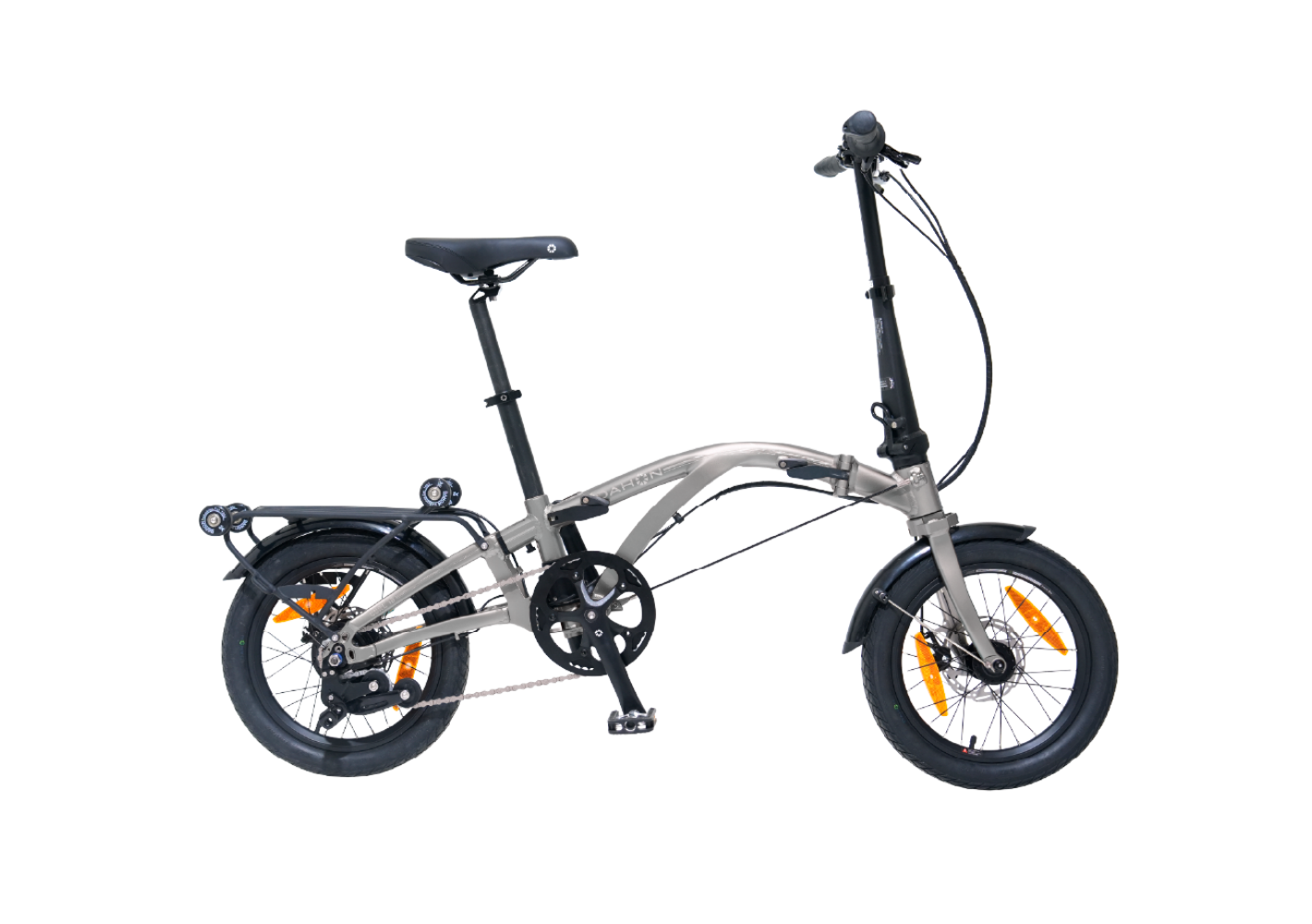
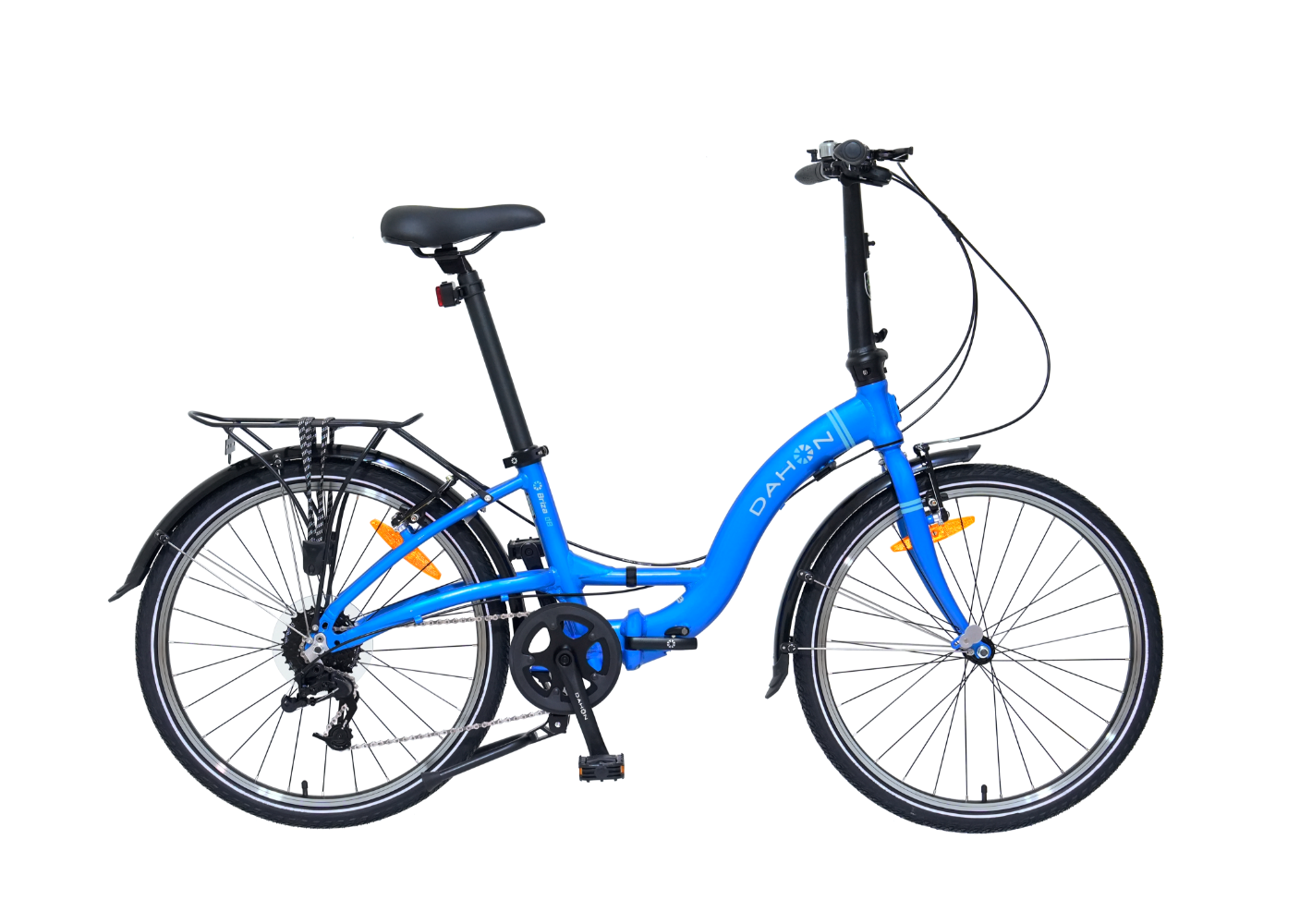
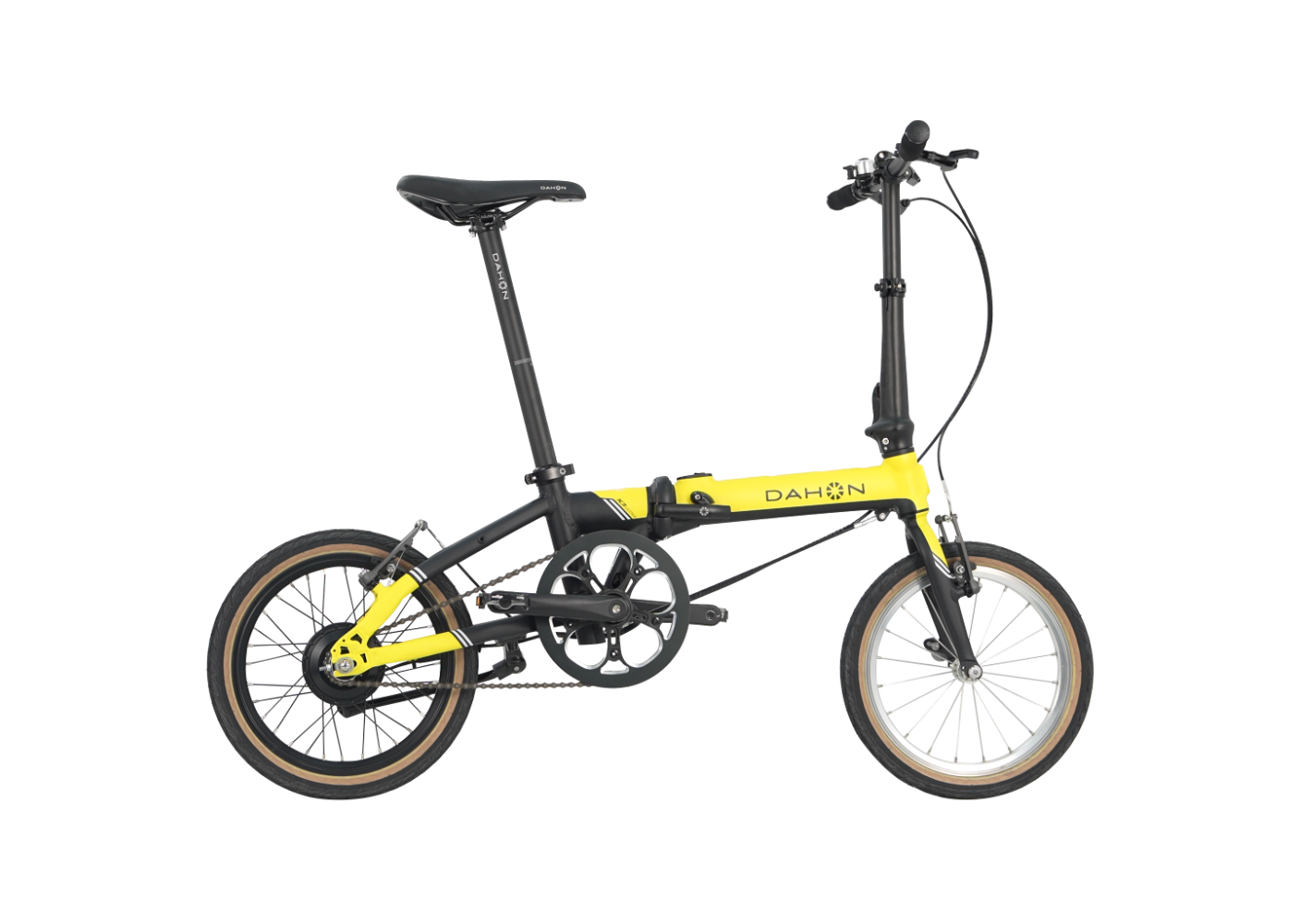
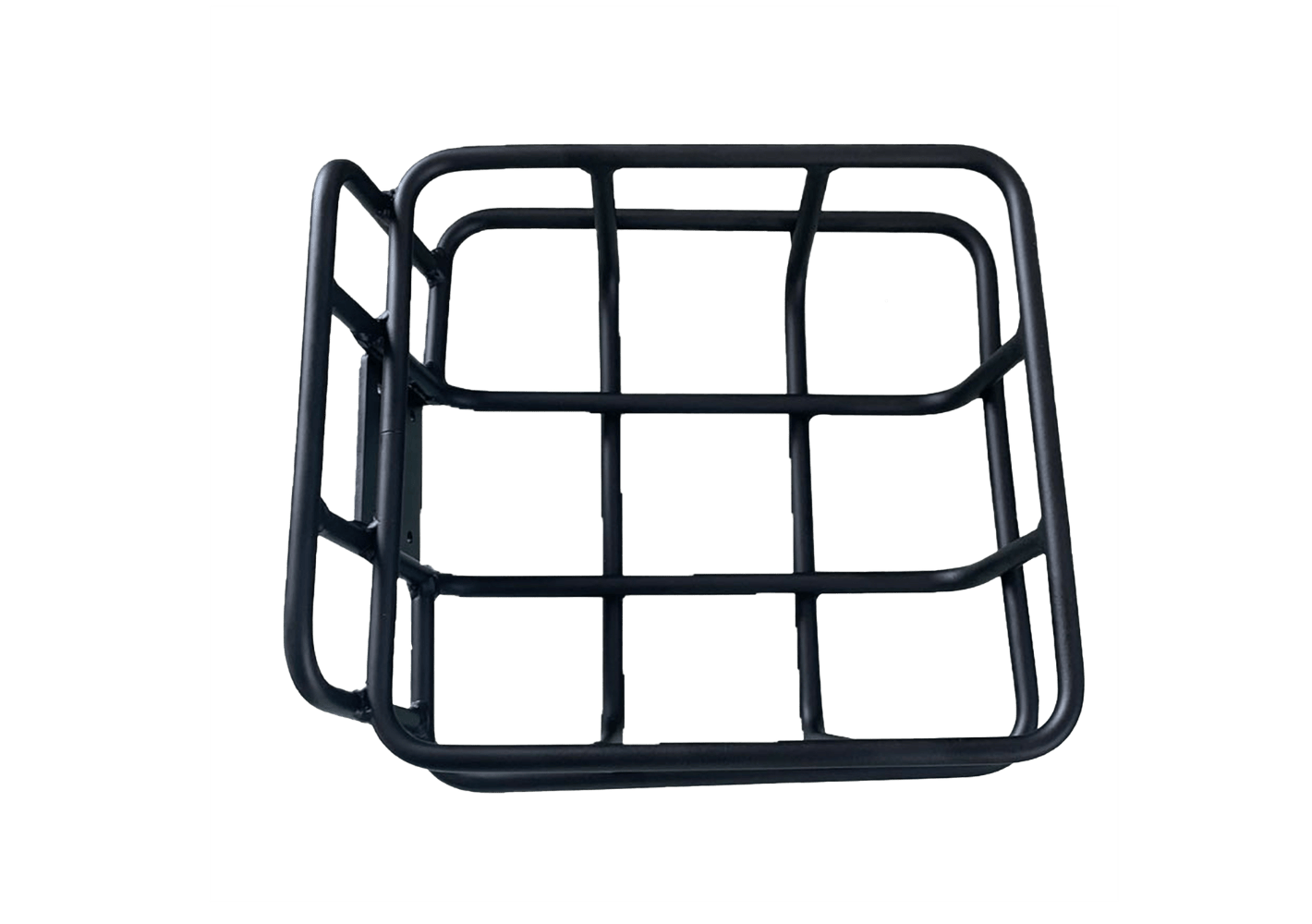
Handlebar bags and phone mounts can often remain attached to folding bikes, provided the respective mounting instructions allow it and both accessories do not interfere with functionality either during riding or when the bike is fully folded.
After the test, there are exactly three possible outcomes: leave them mounted, reposition and retest, or remove before folding. The result depends on observing your specific folding bike, not on the product descriptions of the accessories.
Folding clearance determines whether they can stay
The decisive factor is not whether a bag or mount can be attached to the handlebars, but whether the specific folding bike can be fully folded with both items in place. A successful attachment does not guarantee that hinges, frames, cables, or brake levers remain clear.
Before mounting anything, identify the exact folding bike model and its corresponding folding manual. Only then can you determine whether both the larger handlebar bag and the more compact phone mount will fit together.
If both items are securely attached according to their mounting instructions and do not interfere with the folding path, steering, brake operation, cables, lighting, or locking mechanisms, they may be able to remain mounted. However, this does not imply a general clearance for every folding bike model.
If a clearly resolvable contact occurs, only the affected position should be adjusted and the test repeated. If a restriction persists, remove the accessory before folding. Practical everyday combinations, such as the commute described in planning accessory combinations, follow the same testing principle.
Mapping folding motion and collision areas on your model
Before mounting, observe five areas on your folding bike, first without accessories and then with the accessories held loosely in place. Only those who know the full folding path can accurately identify a potential collision later.
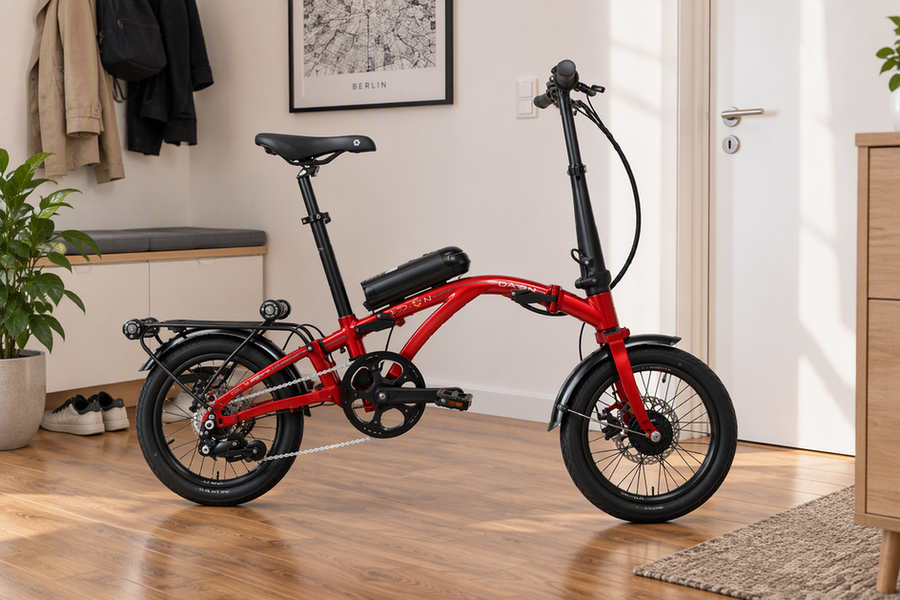
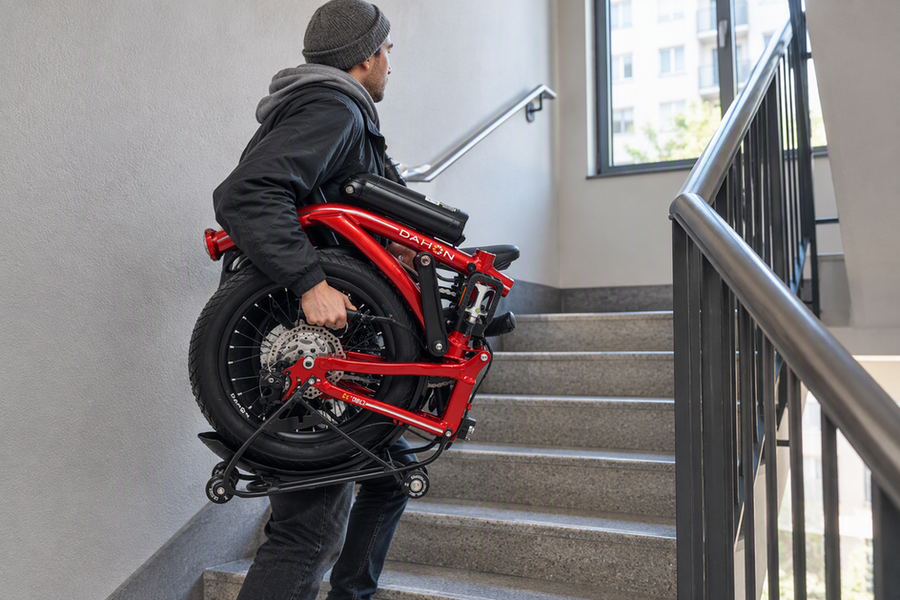
DAHON describes the folding process depending on the model, involving steps such as swiveling the handlebars next to the front wheel, checking brake cables, and swinging the front half of the frame back; the exact sequence and the hinges involved vary by model and can be found in the folding manual for the respective folding bike.
Check the following areas before tightening anything:
- Folding axes and hinges on the frame and handlepost
- Swivel range of the handlebars and handlepost from stop to stop
- Position and movement of brake levers and cables
- Distance between the bag or mount and the frame during the entire folding process
- End position in the fully folded state
Product dimensions serve as test values: A handlebar bag measuring 200 × 130 × 160 mm requires significantly more space than a compact phone mount measuring 13 × 7 × 6 cm. How front luggage specifically affects steering behavior and the folding process can be understood in detail by testing front luggage and the folding process.

Assigning handlebar bag and phone mount based on available space
The larger handlebar bag determines the available space first; the more compact phone mount is then tested in the remaining area. While both sets of product data assist with positioning, they do not replace performing your own folding and movement test on your specific model.
Planning for the handlebar bag as the larger component
The DAHON DH-1042 Handlebar Bag is designed to attach to the handlebars or stem, measures 200 × 130 × 160 mm, and weighs approximately 0.31 kg. Place this bag loosely in the planned position first, as its volume determines how much space remains for a second accessory. The dimensions confirm the physical form, not the folding compatibility on a specific folding bike.
Placing the phone mount in the remaining space
The DAHON DH-1251 Phone Holder uses a silicone and ABS strap mount, is very compact at 13 × 7 × 6 cm, and weighs about 58 g. It is designed for screens from 4.7 to 7.2 inches. This specification only describes smartphone compatibility and says nothing about the required clearance on the handlebars. Position the mount so that it does not touch the brake levers, cables, or the already mounted bag.
Testing the combination on the handlebars
Hold both items together in their planned positions and slowly move the handlebars, brake levers, and folding mechanism through their full range. If contact occurs, change only the position of the part causing the interference and repeat the test, rather than resetting both positions simultaneously.
Positioning loosely and mounting step-by-step
Mount both accessories loosely at first and only tighten them permanently after a test completely free of contact. This sequence is an editorial testing method and does not replace the manufacturer's instructions for a specific model.
Preparation on the specific model
Identify the exact DAHON model and the appropriate folding manual, and perform the folding process without accessories first. Take note of which parts move. Have the actual dimensions of the handlebar bag and phone mount ready before you begin positioning.
Positioning loosely and simulating the folding path
- Hold the handlebar bag loosely in its intended position on the handlebars or stem.
- Move the handlebars from stop to stop and observe any contact with the frame, cables, or brake levers.
- Add the phone mount in the remaining space and repeat the handlebar movement.
- Perform the complete folding process without force and observe both accessories until the fully folded position is reached.
- If movement remains free, proceed with permanent installation; if contact occurs, adjust only the affected position and repeat the test.
Fastening and checking the result
Only tighten both mounts once the simulation has been successful without contact or the use of force. Afterward, repeat the complete folding process and the return to riding position to confirm the result. Attempting to resolve a collision by pushing harder or changing the folding sequence is not an appropriate procedure. For how to additionally adjust handlebar position and brake levers ergonomically, see checking handlebar position and brake levers.
Decision: leave mounted, reposition, or remove
The test result determines the decision, not the desire to leave accessories permanently mounted. Any change in position requires a complete re-test.
| Observation | Decision | Next step |
|---|---|---|
| No contact, free handlebar and brake movement, full folding path, secure locking | Leave mounted | Note position and result for this folding bike |
| Clearly attributable, resolvable collision without restricting basic functionality | Reposition | Reposition affected part, repeat test completely |
| Persistent collision, jamming, unusual force required, or insecure hinge function | Remove | Discontinue use until clarified |
A passed test is only valid for this specific folding bike and this specific accessory configuration. It is not a clearance for another model or a different accessory combination.
Safety and maintenance check before riding and transport
Do not use the folding bike if steering, brake operation, or folding movement is restricted, or if a hinge does not close securely, shows play, or requires an unusual amount of force. In such cases, remove the accessories and clarify the cause using the appropriate model manual or with a qualified bicycle technician before continuing to ride or fold the bike.

In the pre-ride safety checklist, DAHON points out the importance of checking hinges, clamps, and safety locks before every ride to ensure that clamps are tight and locks are engaged. Accessories must neither obscure these locks nor hinder their movement. Resolve recurring collisions by changing the position or by removing the item, not by applying extra force when folding.
Frequently asked questions
Does successful attachment automatically mean folding compatibility?
No. A handlebar or strap mount only indicates that the accessory can be installed, not whether the folding bike will fold completely with it attached. A complete, model-specific folding and movement test is always decisive.
What information do I need before a specific DAHON recommendation?
You need the exact folding bike model, the corresponding folding manual, the hinge type, and the actual dimensions, weight, and mounting type of the planned accessories. Only with this information can the space and folding path test be meaningfully performed.
What does "play" in the handlepost or frame hinge mean?
Play or a hinge that does not close securely affects the basic functionality of the folding bike, not just the accessory position. Do not continue to ride or fold the bike in this case; clarify the cause using the appropriate model manual or with a qualified bicycle technician.
What to do in case of a recurring collision?
First, reposition only the accessory causing the interference and repeat the complete folding process. If the restriction remains despite the adjustment, remove the affected part before folding rather than forcing the movement to overcome the collision.