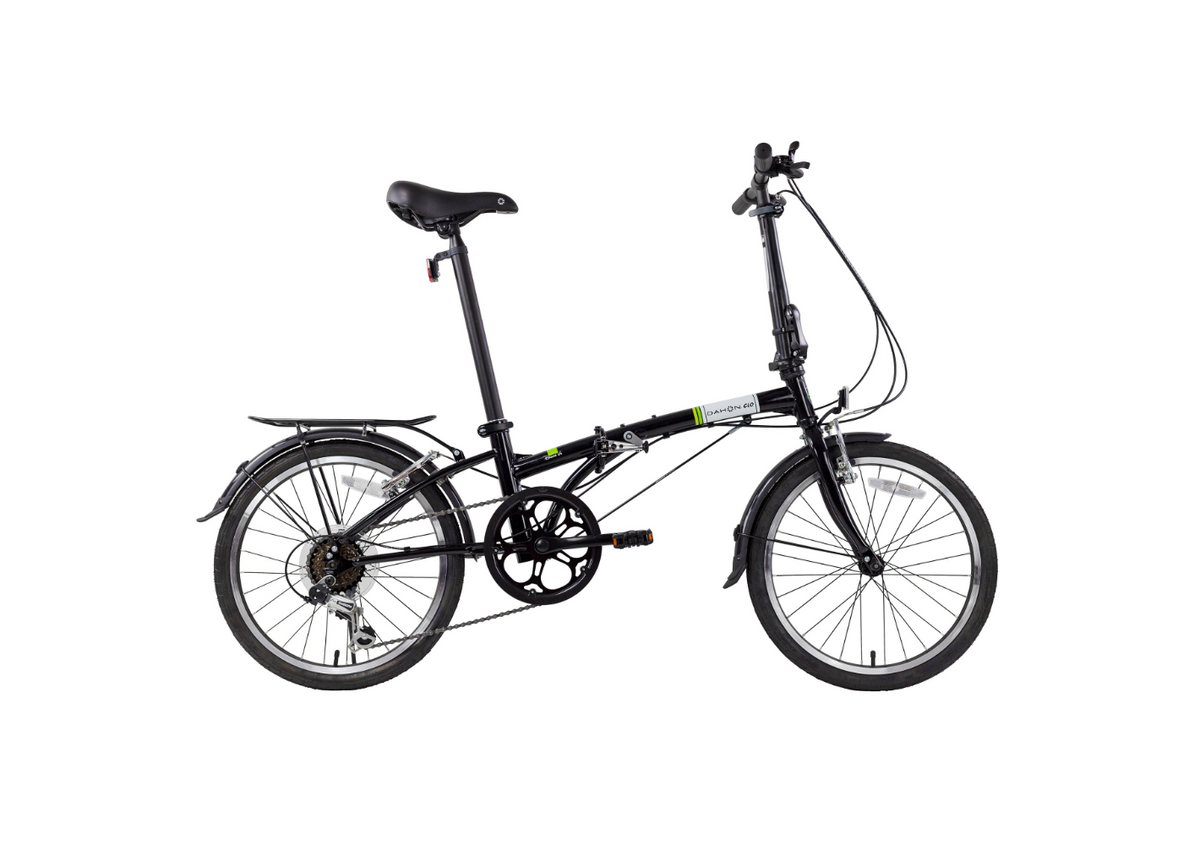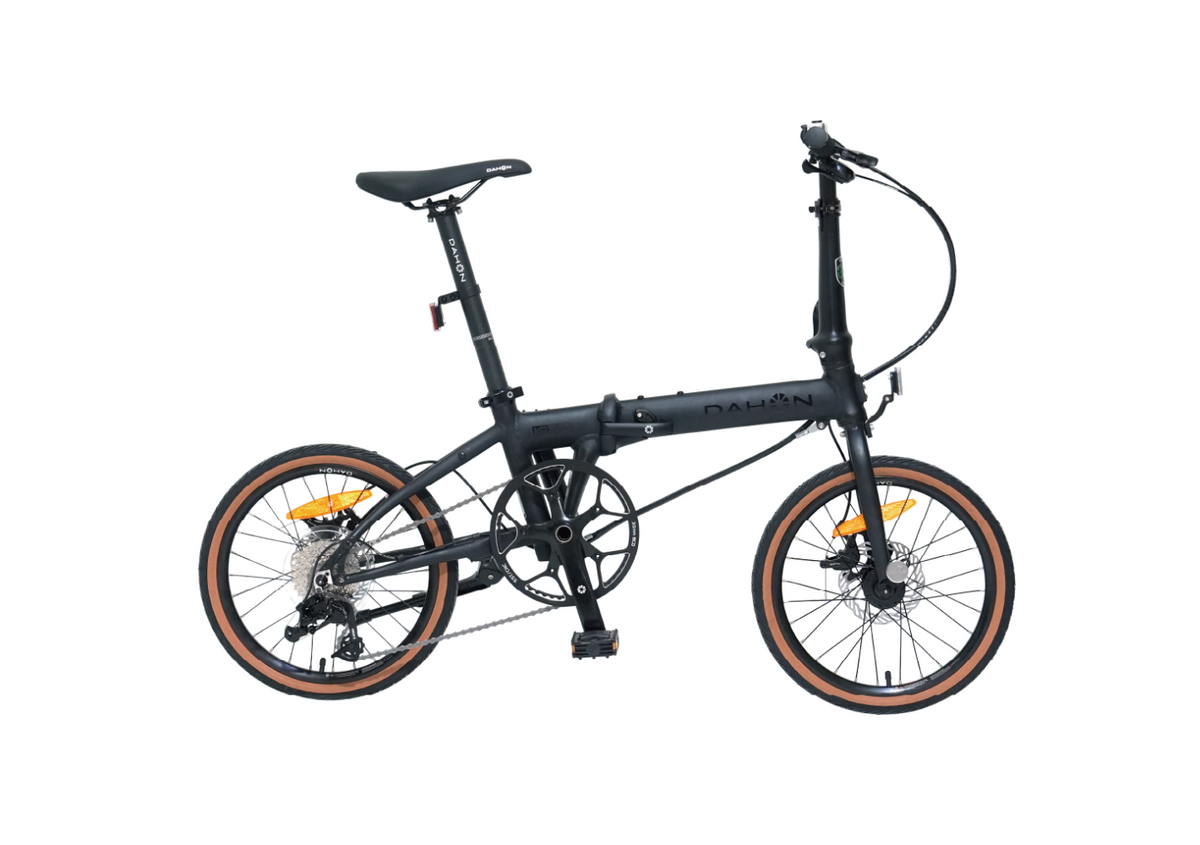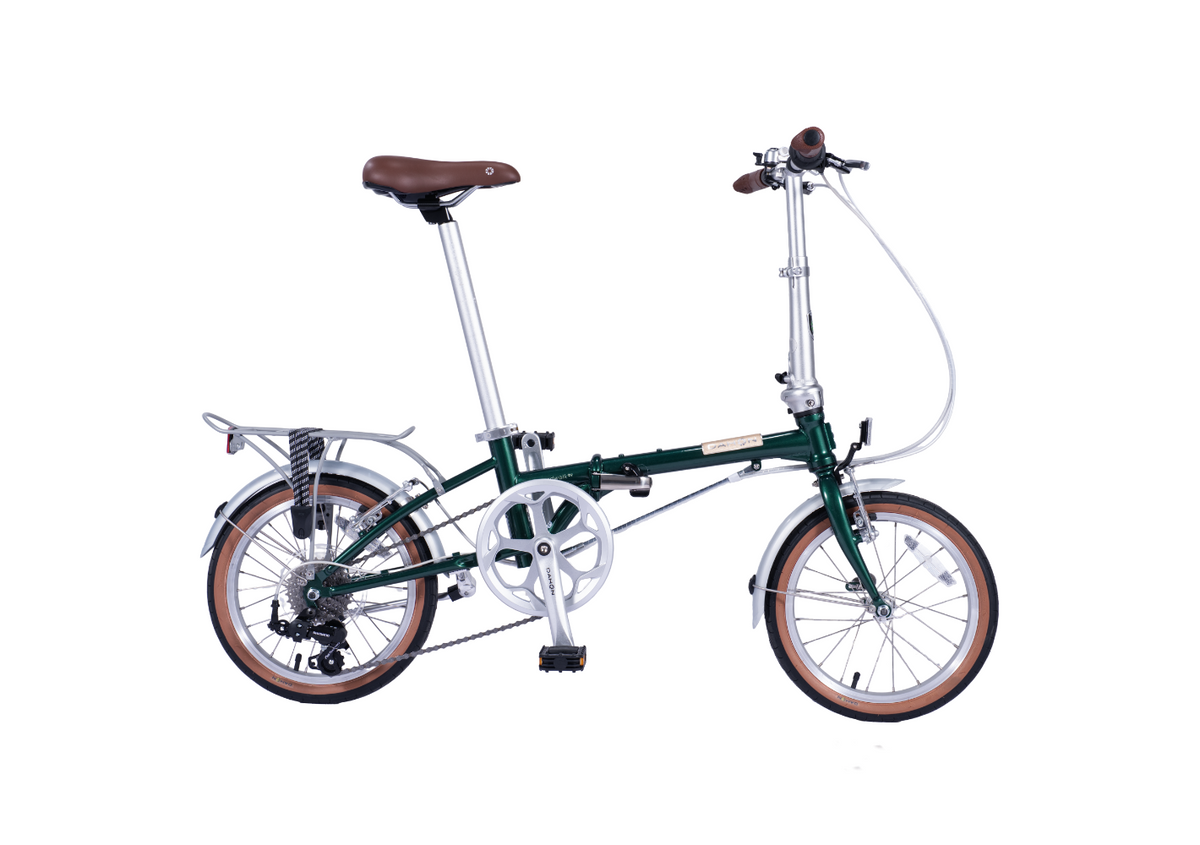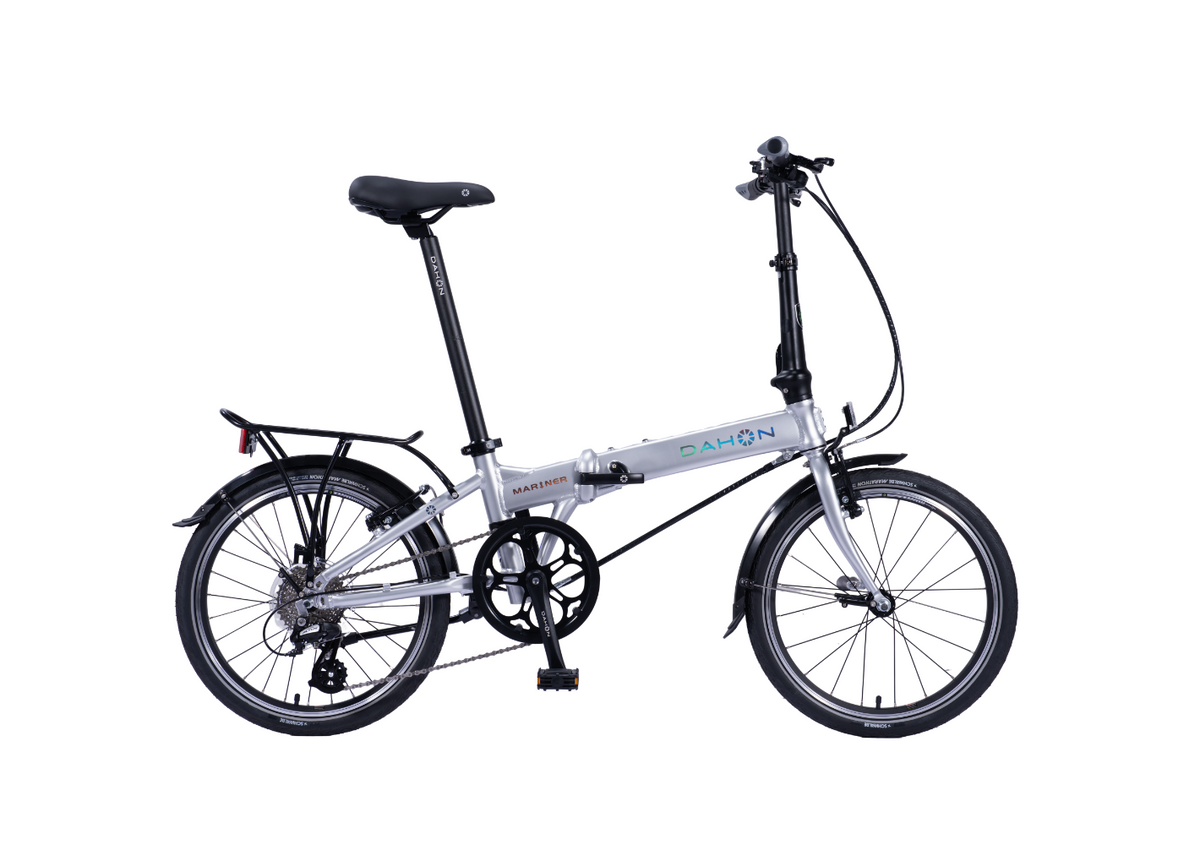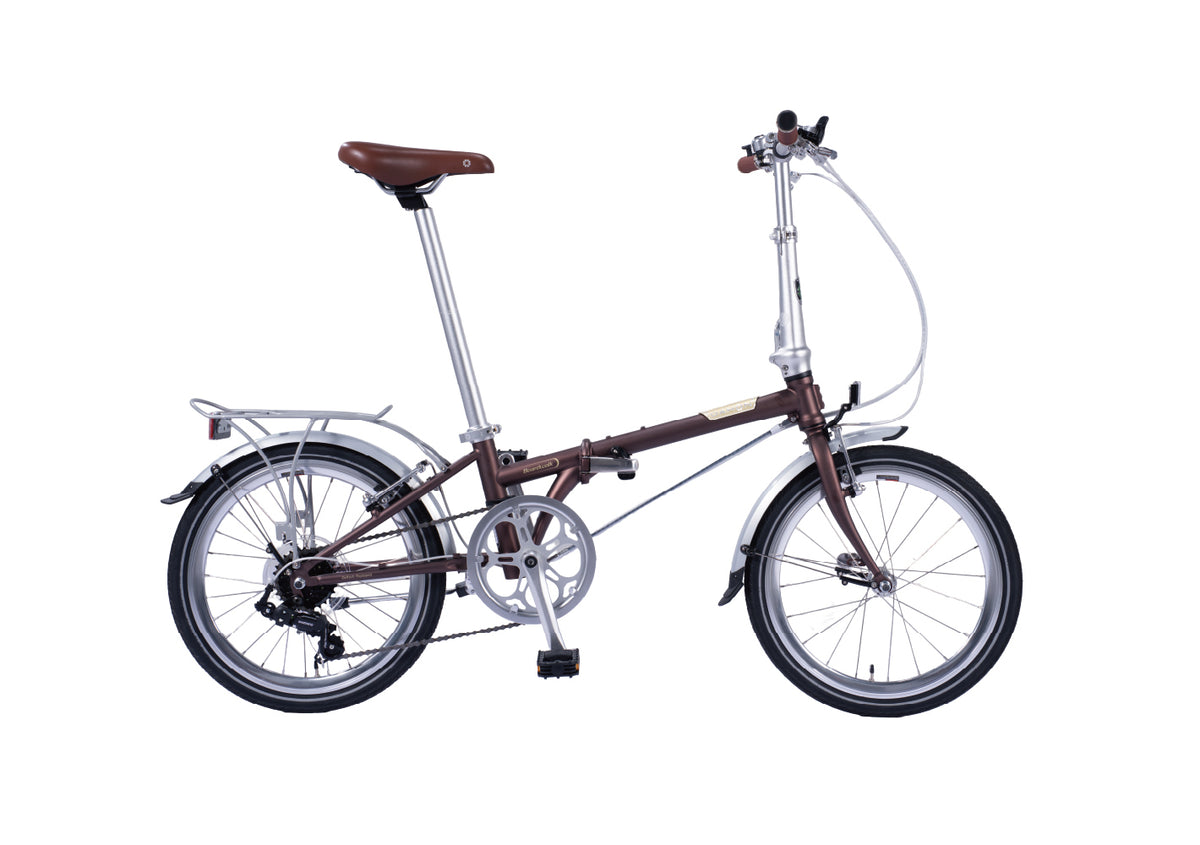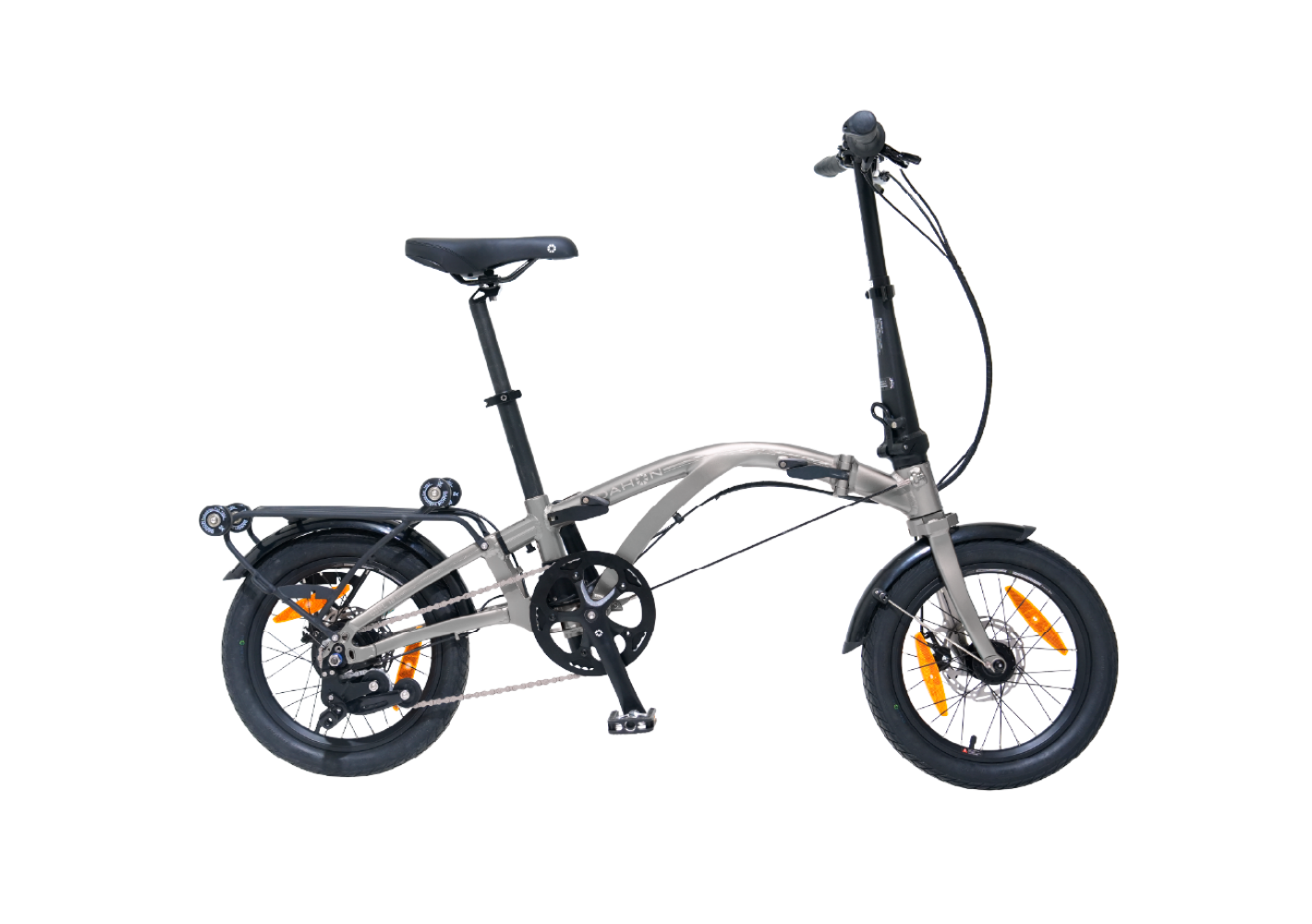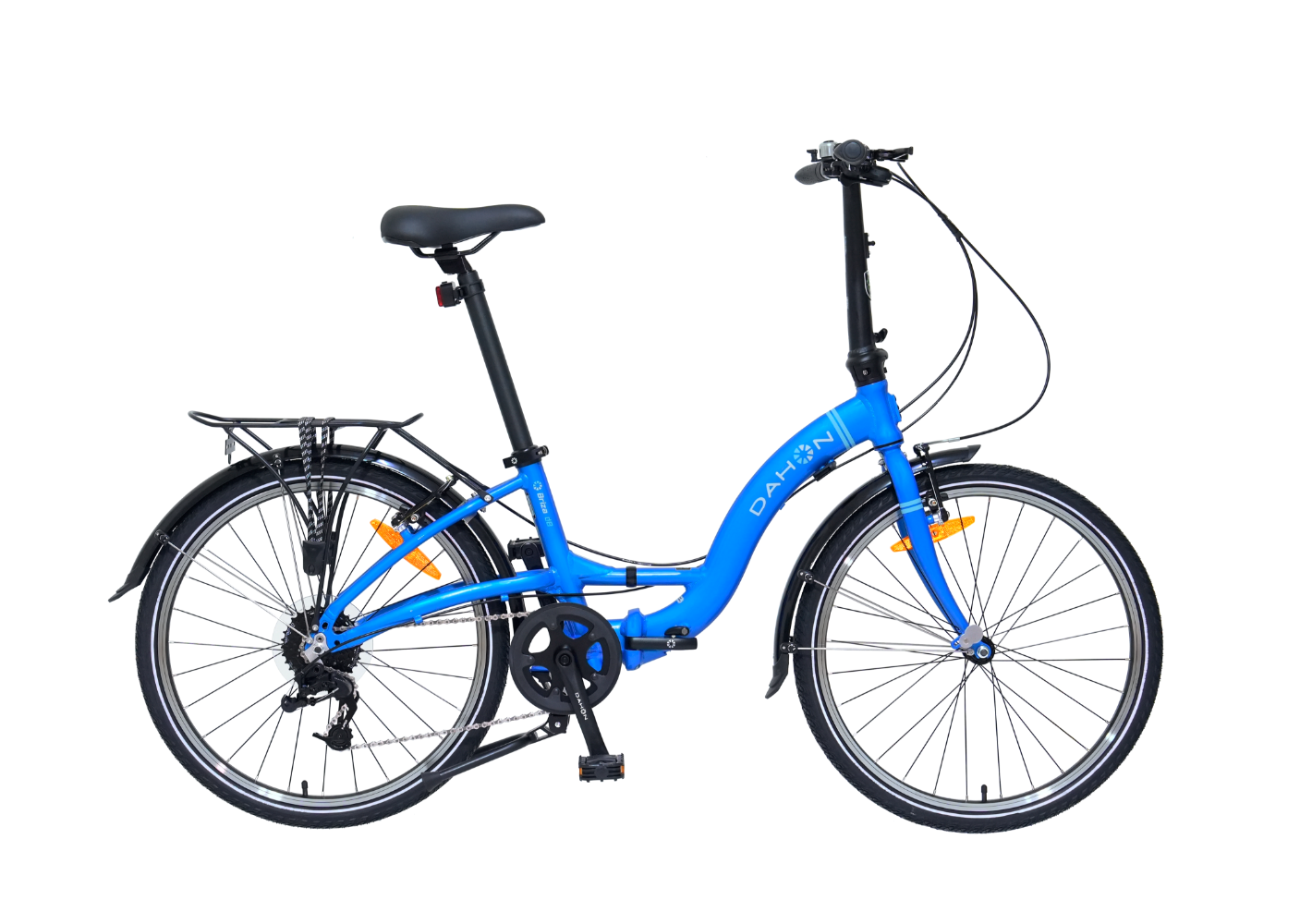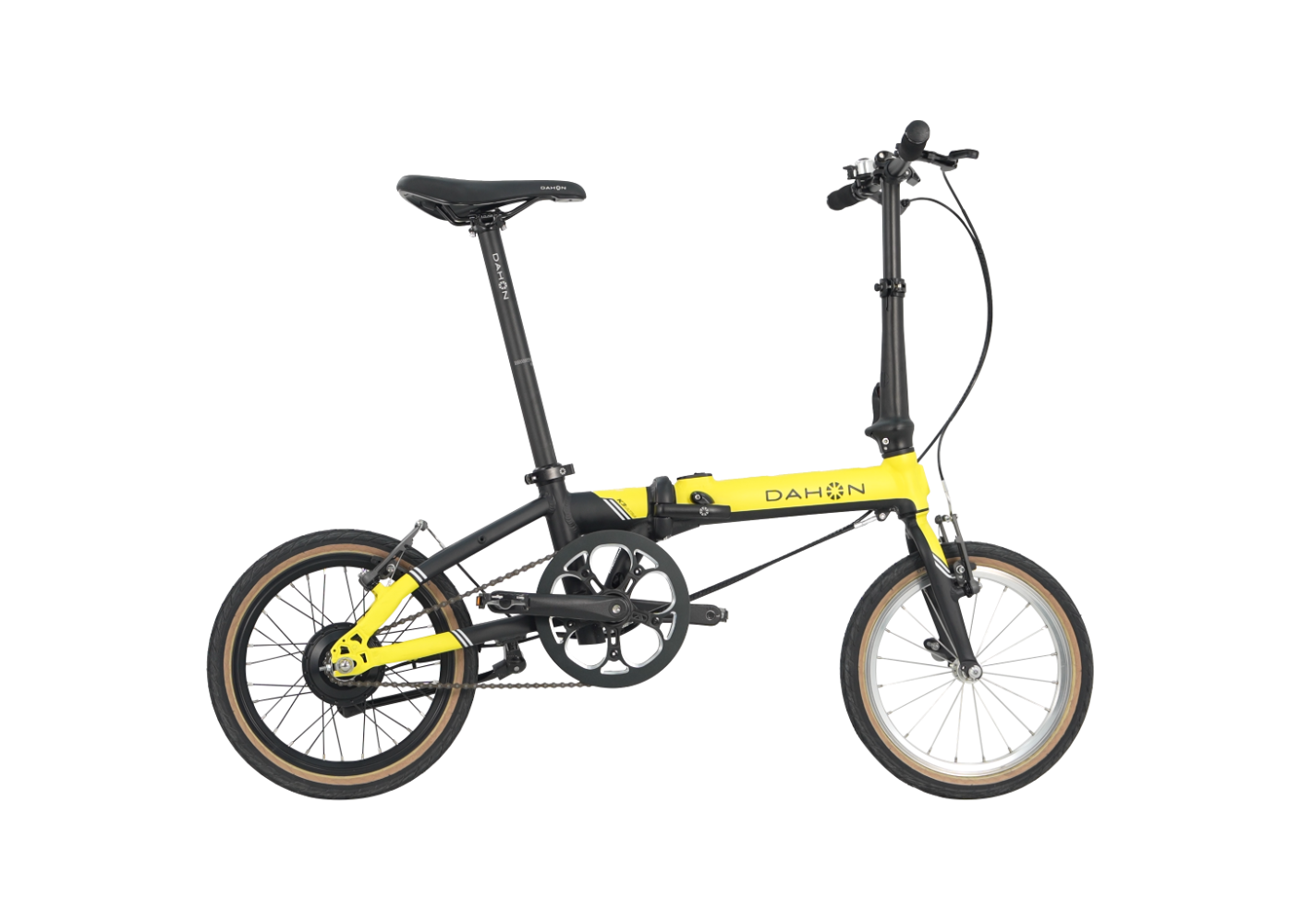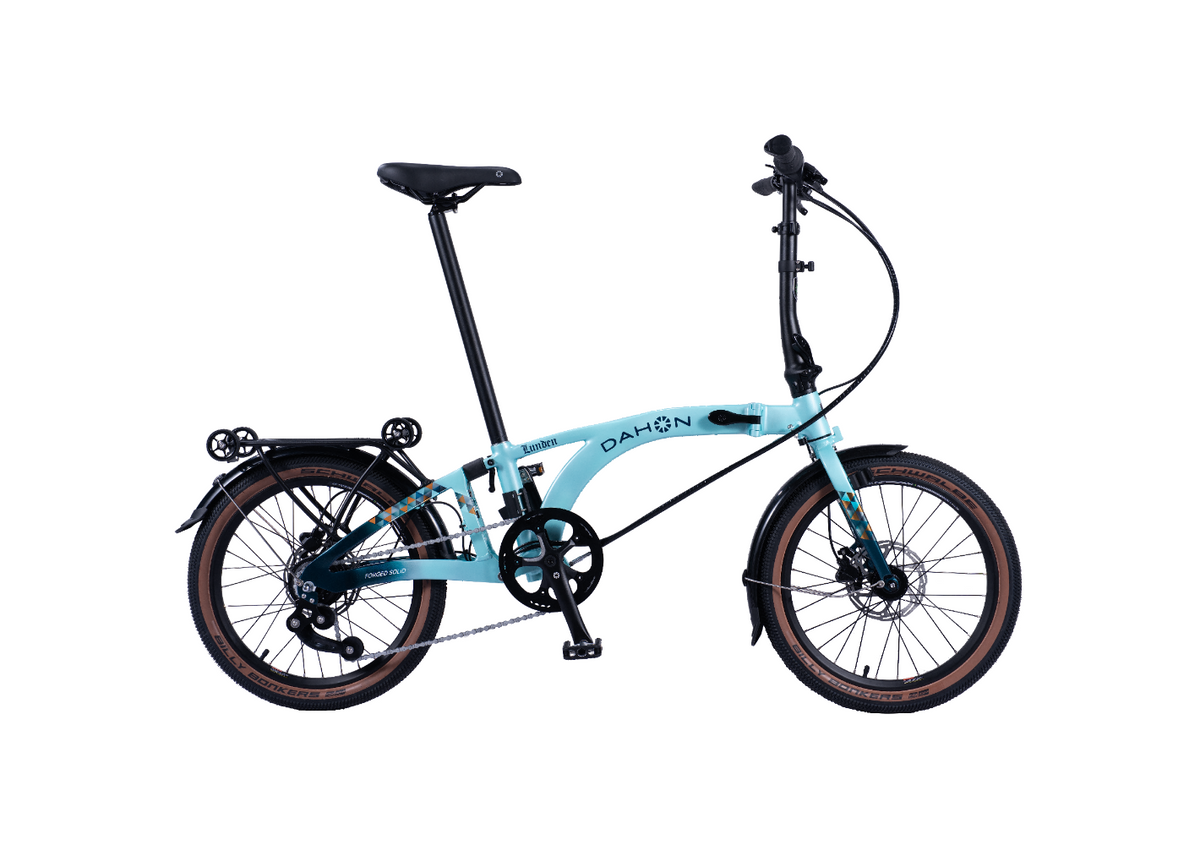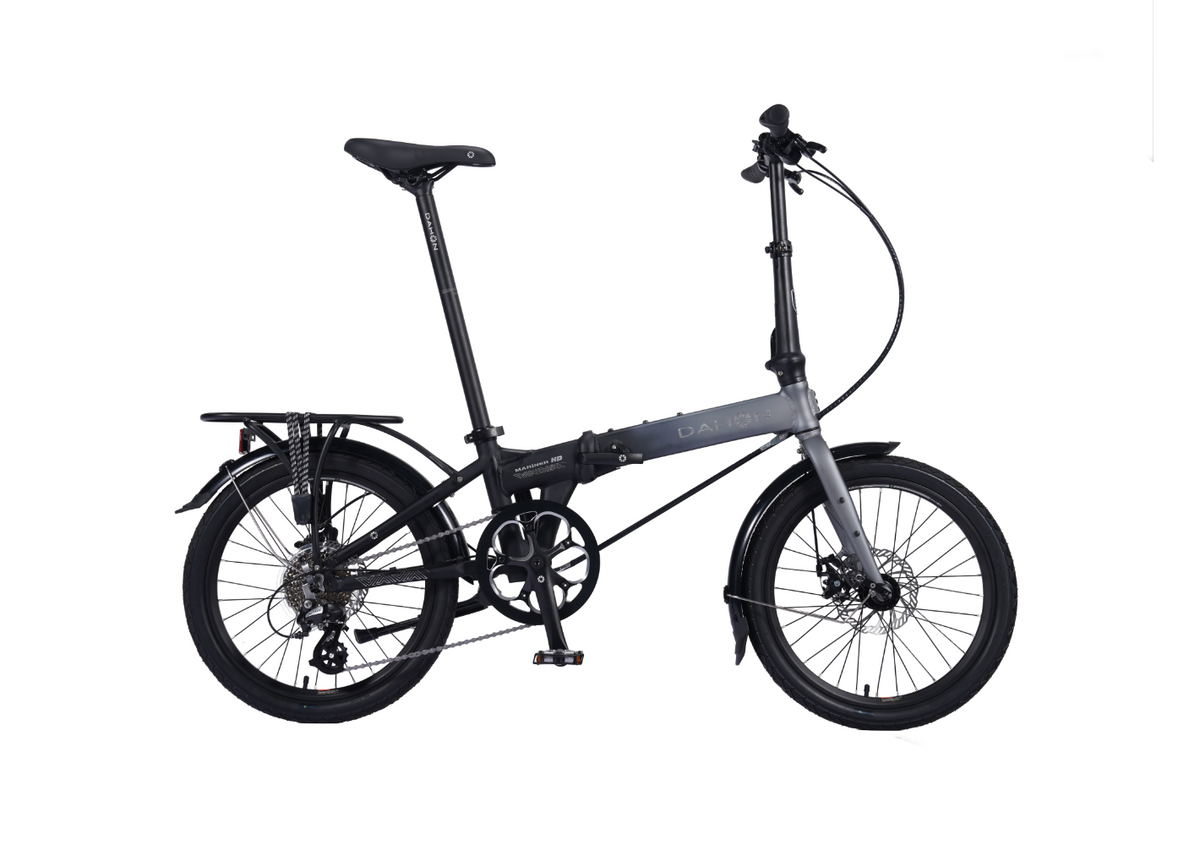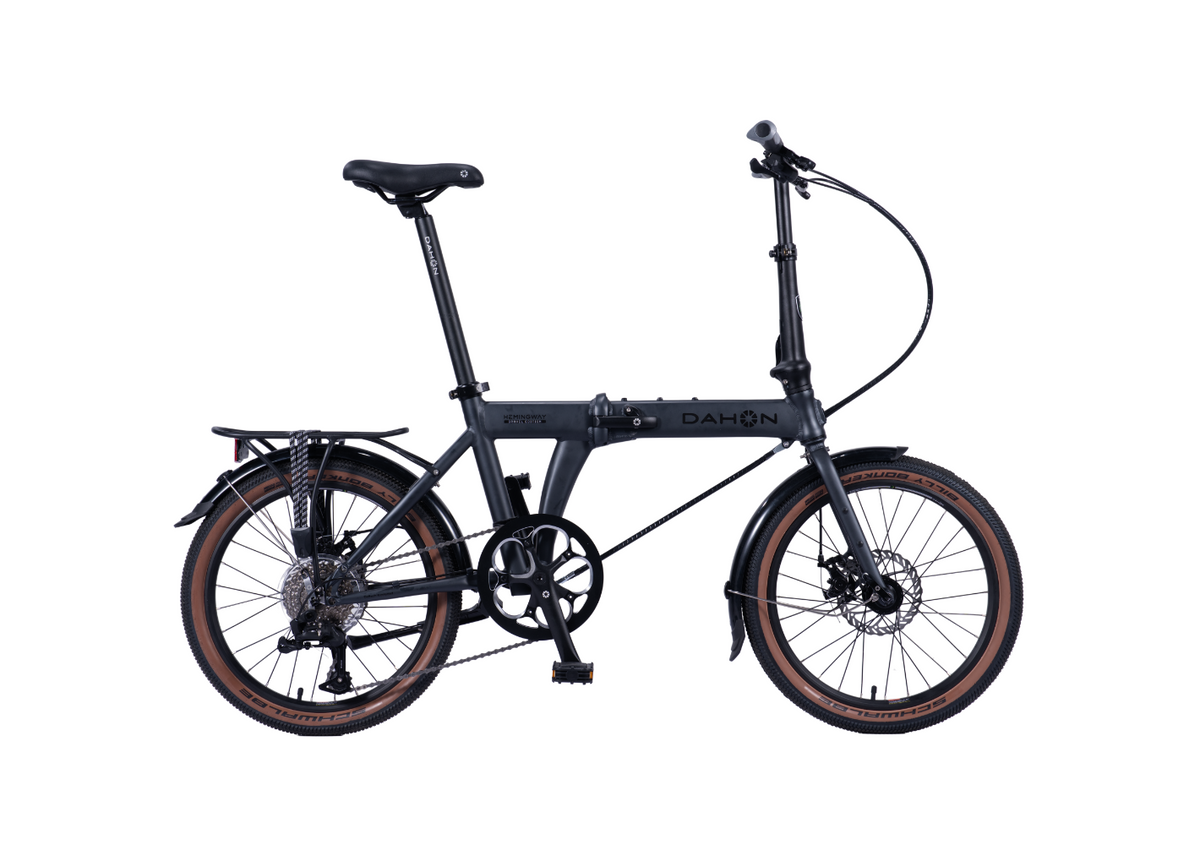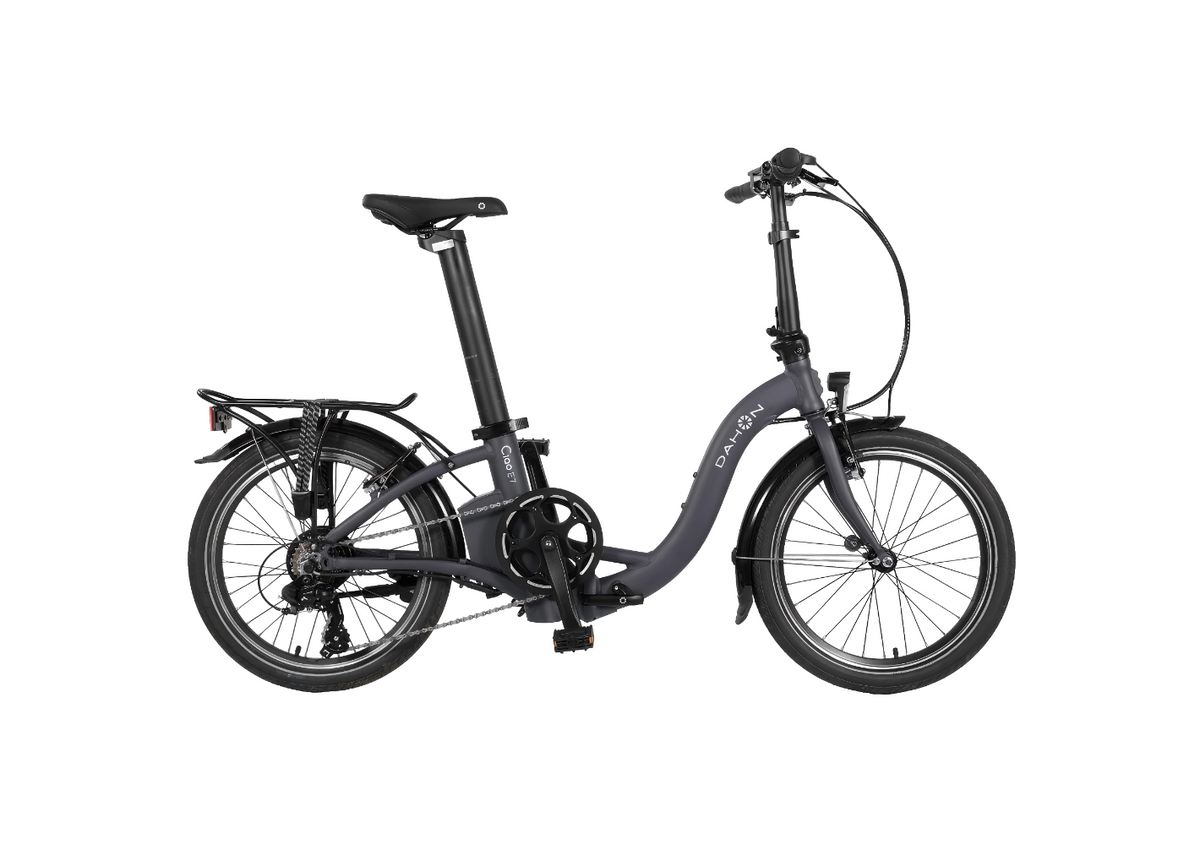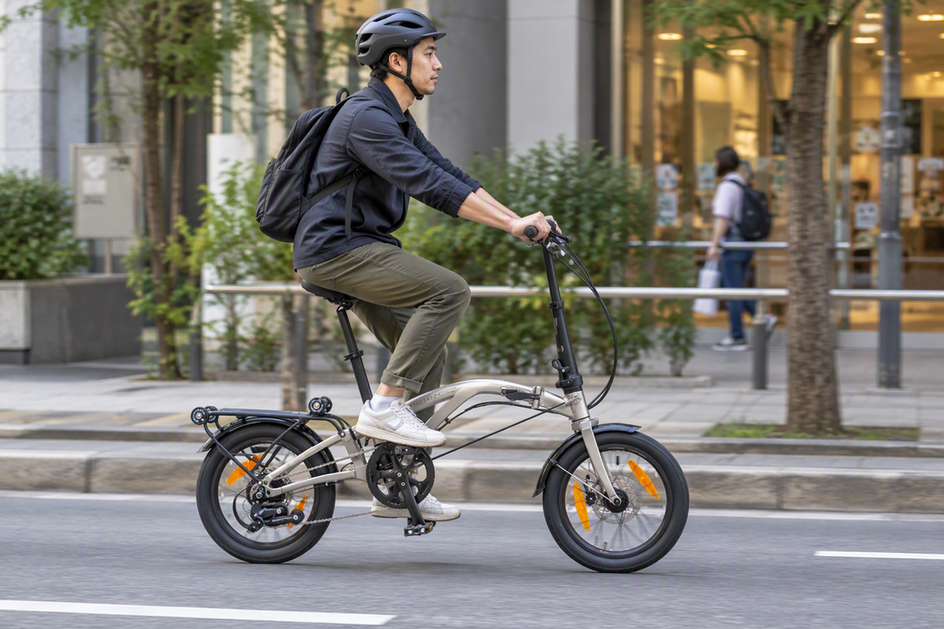
Owning a folding bike fits better when you need a bike ready at fixed times and you can carry and store it at home, at work and along the way. Bike sharing fits better when the local service covers your route at the times you travel and lets you end the ride near your destination. How often you ride affects the cost per trip, but no single trip count makes one option the winner for everyone.
So the real question is which commuter bike setup you can count on for your own route. Start with the trips you actually make, then test both options against them.
Which option fits your regular city trips?
Specific commute patterns highlight these trade-offs clearly.

Picture a rider who leaves at 07:15 every weekday for a meeting that cannot slip; if no shared bike is available at that moment, the planned bike-share leg fails unless the rider has a workable backup. In contrast, someone riding to work and taking the tram home benefits from sharing, provided the operator permits ending the ride at that destination.
Base the decision on the trips you make now, not the schedule you hope to keep. An ambitious plan to ride every day makes ownership look cheaper per trip than it really is. Also keep reliability apart from price. A predictable bike is a convenience you can weigh, but it is hard to turn into a fair euro figure. The next three sections test each side in turn: whether ownership fits your routine, whether sharing fits your route, and what each costs over the same period.

When a folding bike fits your routine
A folding bike works for regular trips when you can handle the bike you choose at every point of the journey. Go through the places where it has to fit, and write down what you find:
- At home: Find the exact spot where the folded bike will stay overnight, such as a hallway, cupboard or corner of the flat. Measure it, and note any stairs or lift you need to use to get there.
- At your destination: Confirm where the bike can go at work or at your usual stop. An office storage room, a space under a desk or a locked bike room are all options to ask about before you buy.
- Carrying stretches: Note every place where you will carry the folded bike instead of riding it, such as station stairs, platforms or a building entrance. Think about how far you carry it and how often.
- Train or bus legs: If part of the trip uses public transport, check the rules of the operator on that specific route. Our guide to train fit and storage explains how folded size and storage needs affect a daily train commute.
- Model fit: Compare the stated folded dimensions and weight of the model you have in mind with the measurements above. If the numbers are close, ask for a demonstration or check the manual before you decide.
When you compare folding bike options, keep this list next to you. If you are also looking at folding bikes for city commuting, test each model against the same home, destination and carrying points. A model that fits those locations is more likely to suit your commute, although maintenance, charging where applicable and secure storage still affect availability.
When bike sharing works on your route
Bike sharing is a workable choice for regular trips only when the local operator's current service fits your actual start point, finish point and travel times. Trace one usual trip through the service step by step:
- Write down the real trip. Note the start address, the finish address and your usual departure times. If you come back from a different place, treat the return as its own trip.
- Map the riding part. A tool such as the Cycle.travel route planner lets you enter a start and finish point and compare alternative routes. It can help you plan the cycling route and may show mapped bicycle facilities, but it does not confirm an operator’s current service area, real-time bike availability or trip-ending rules.
- Check the service area. Open the operator's official map and confirm that both ends of your trip fall inside the area. Look out for zone boundaries between your start and finish.
- Check availability at your times. Being inside the service area does not mean a bike will be free when you need one. Open the operator's app at your real departure time on several workdays. If no bike or dock is near your start at that time, plan a backup or give more weight to owning a bike.
- Read the trip-ending rules. Find out whether rides must end at a docking station, in a marked parking zone or anywhere inside the area. Note any extra fee for ending a ride outside those places, and check that a valid ending point is close to your destination.
- Note the charges that apply to you. Write down the current pass, membership and per-ride or per-minute prices from the operator's tariff. You will need them in the cost comparison below.
A weak result at step 4 or step 5 matters most if you travel on a fixed schedule. Sharing can still work well as a backup or for occasional one-way trips, even when it is not reliable enough to be your main option.
How to compare the costs fairly
The fair way to compare costs is to total each option over the same period and divide by the same number of realistic trips. Use your own current quotes, receipts and the operator's tariff, and write down every assumption:
- Set the period and trip count. Choose one period, such as 12 months. Then estimate how many regular trips you will really complete in that time, allowing for holidays, bad weather and home-working days.
- Total the sharing costs. Add the membership or pass, the ride charges for your expected trips and only the time, zone or trip-ending fees that apply under your local tariff. Add the cost of backup travel for days when no bike is available.
- Total the ownership costs. Start with the purchase price of the bike you have chosen. Decide how to spread it: for example, divide it by the number of years you expect to use the bike, or subtract an expected resale value. Then add a lock, any setup costs, storage fees and servicing. Our article on folding bike maintenance costs helps you estimate servicing and wear realistically.
- Work out the cost per trip. Divide each total by your expected completed regular trips. This gives you one comparable figure for each option.
- Set convenience next to the numbers. Place the value of a predictable, personal bike beside the per-trip figures rather than forcing it into the sum.
If you are weighing a rental model as well, our comparison of folding bike subscription costs covers ownership, service and contract terms side by side.
FAQs
What if my route or workplace changes later?
A change of job, home or office days can shift the answer. A folding bike moves with you, so recheck the route distance, terrain, storage, carrying sections and any public-transport rules that apply to the new commute. With sharing, the new start and finish points may fall outside the service area or near fewer bikes. Run the route steps again for the new trip before you commit to a long membership.
What should I do if the app shows no bike at my departure time?
Treat it as useful information, not bad luck. If the same availability gap appears across several representative workdays, the service may not be reliable enough for your fixed-time commute unless a practical backup is available. You can leave earlier, walk to another station, add a backup such as public transport, or give more weight to a bike of your own.
Can I combine a folding bike with bike sharing?
Yes. Some riders use their own bike for fixed-time trips and a shared bike for one-way journeys or days when they do not want to carry a bike. If you mix both, count only the trips each option will actually cover when you work out costs, so neither total is inflated.
How can I be sure a folding bike fits my commute before buying?
Measure your storage spots and carrying distances first, then compare them with the model's stated folded dimensions and weight. A hands-on demonstration or, ideally, a trial on part of your normal commute provides a clearer test than specifications alone. The manual and manufacturer information cover how folding works on that model.