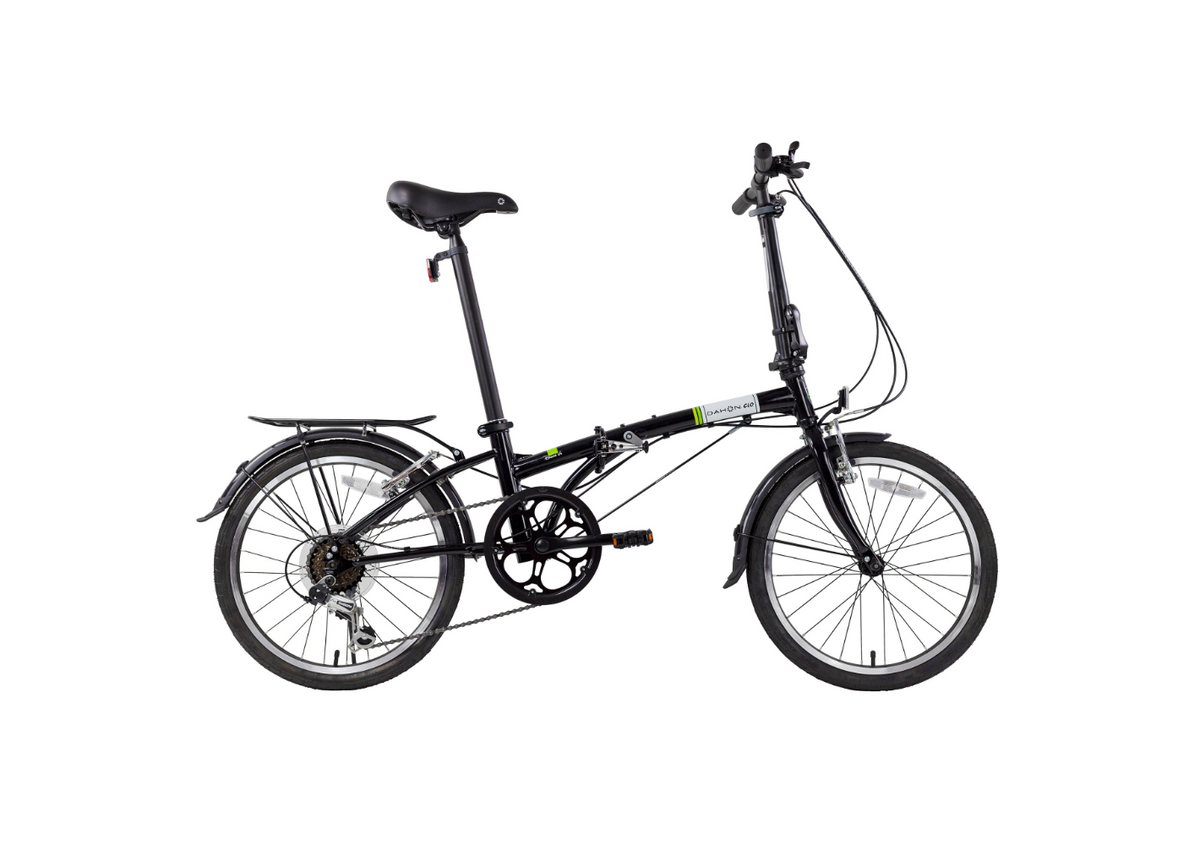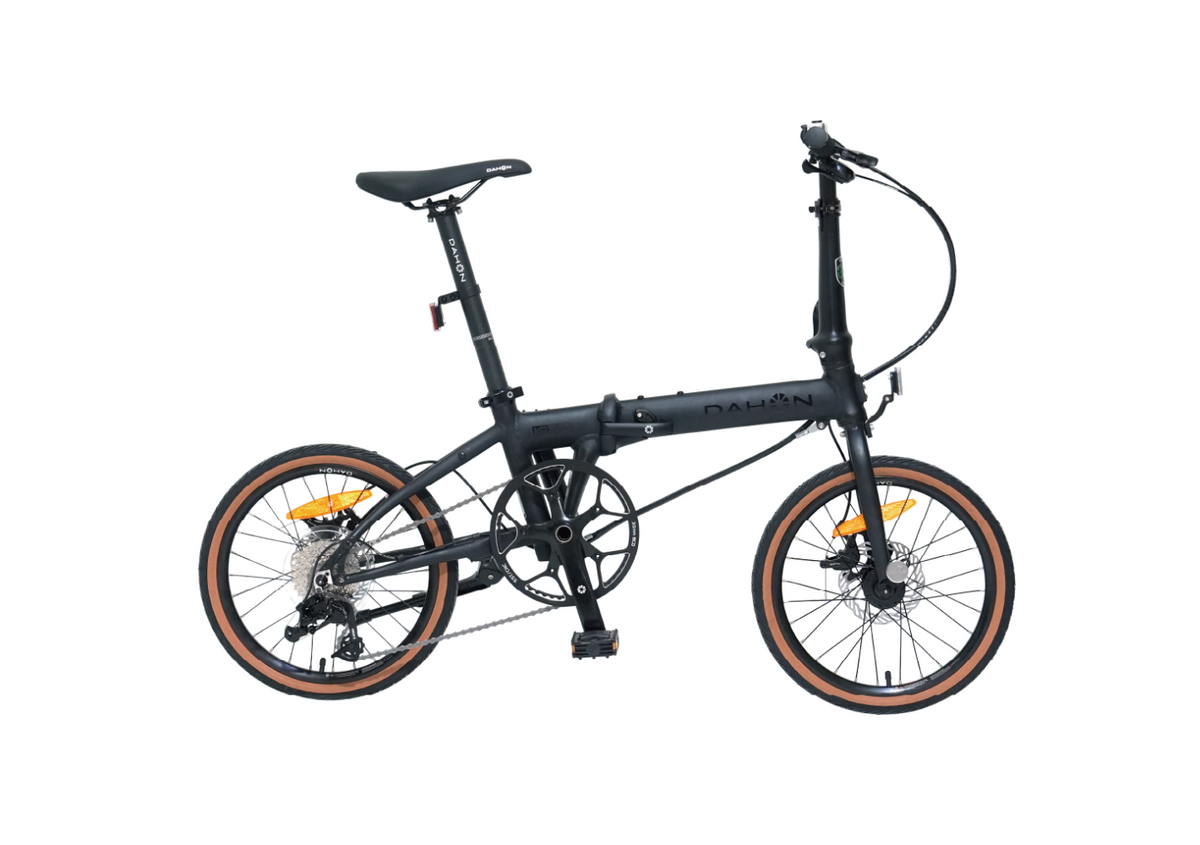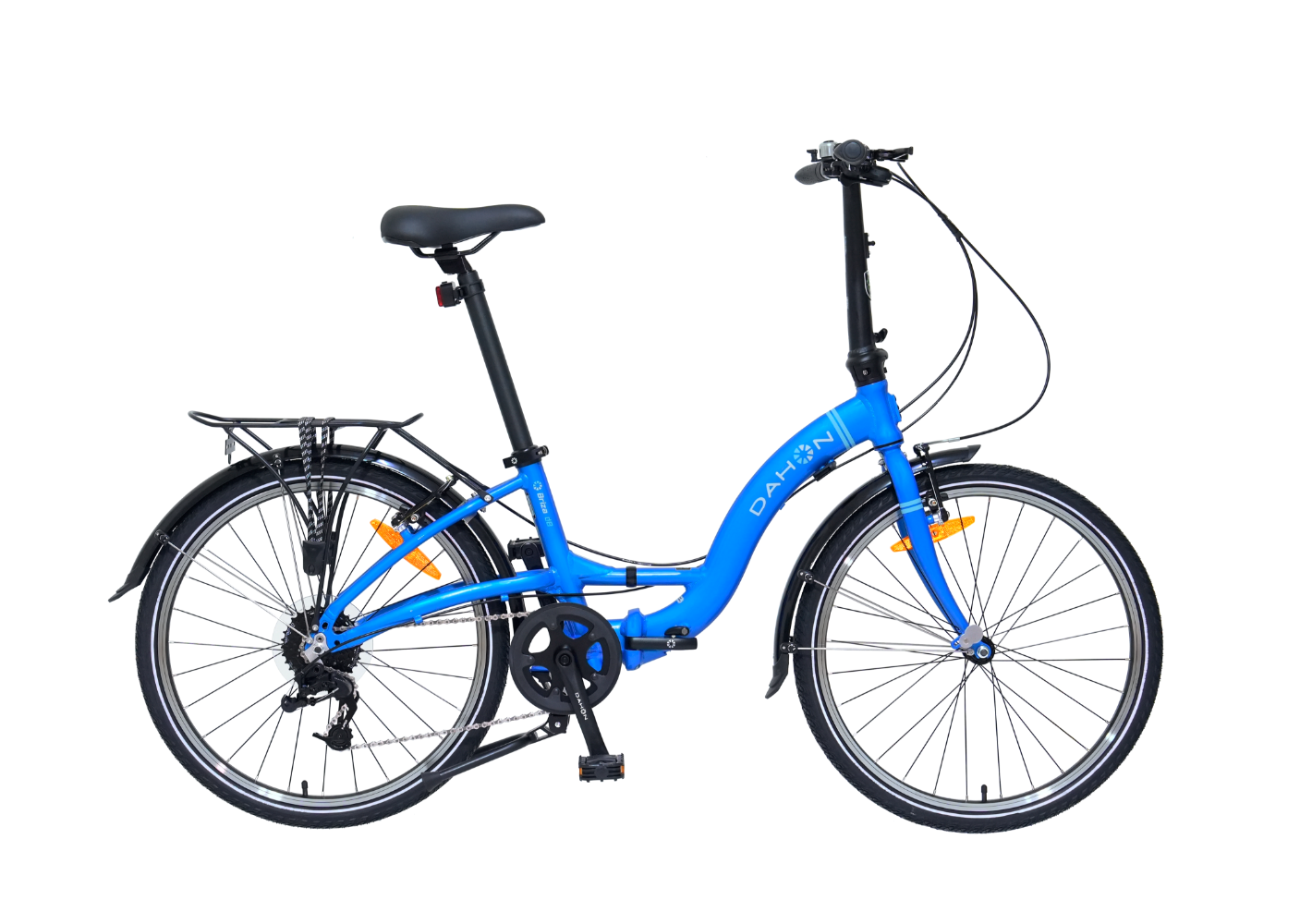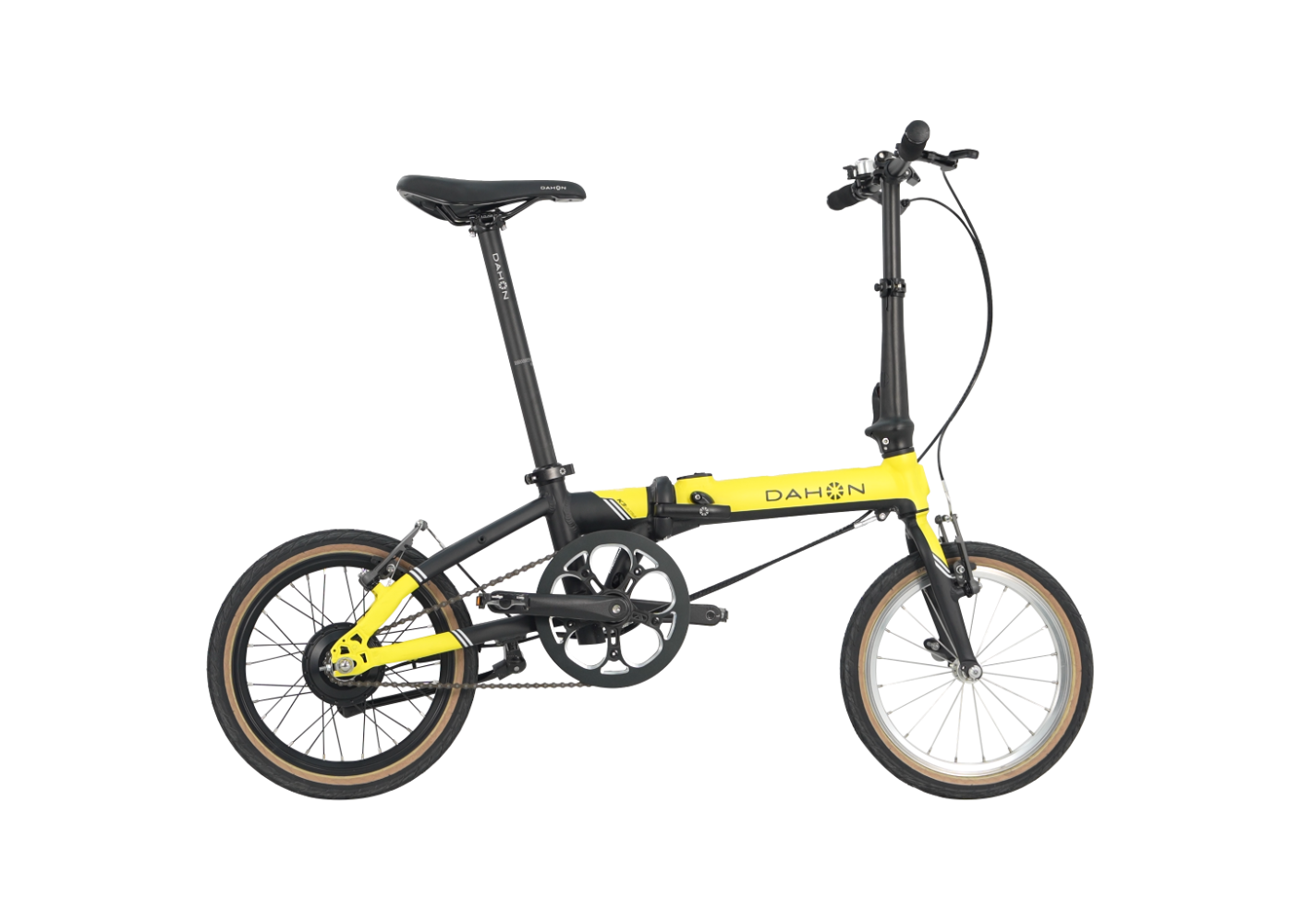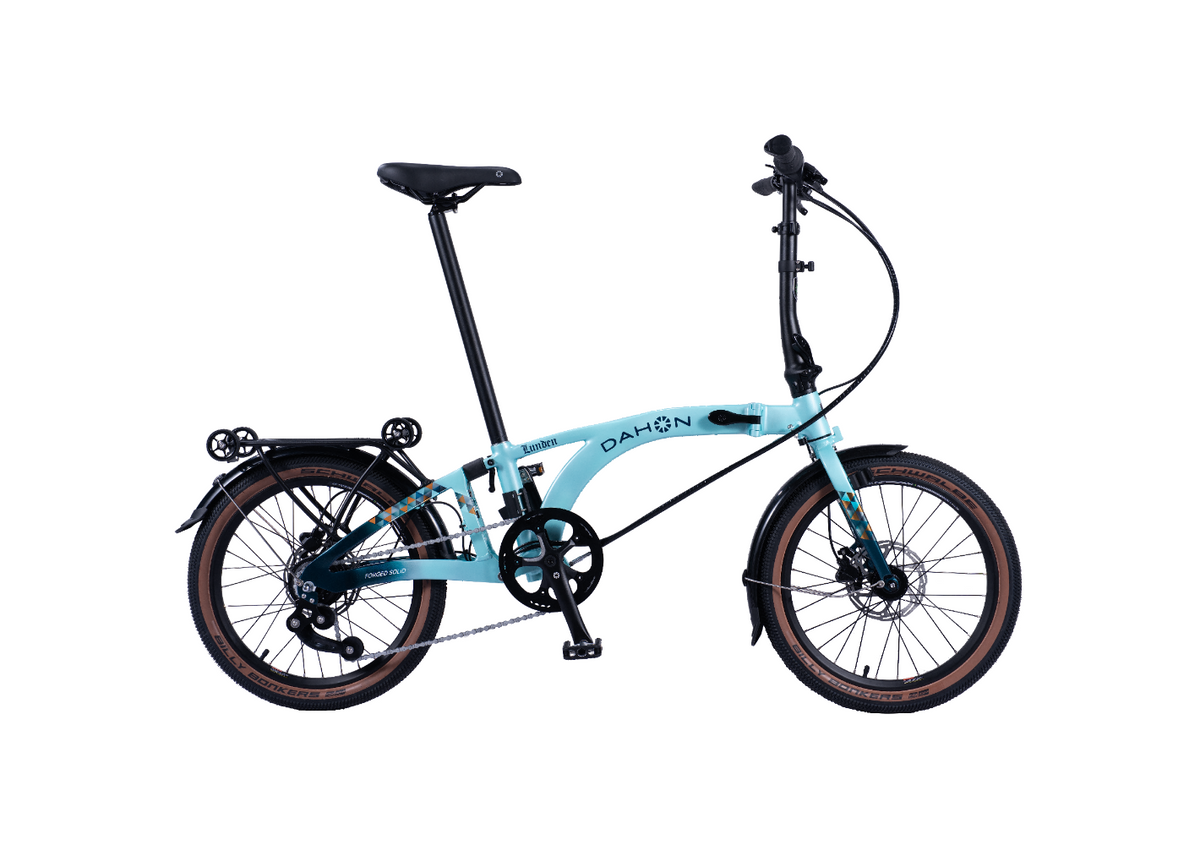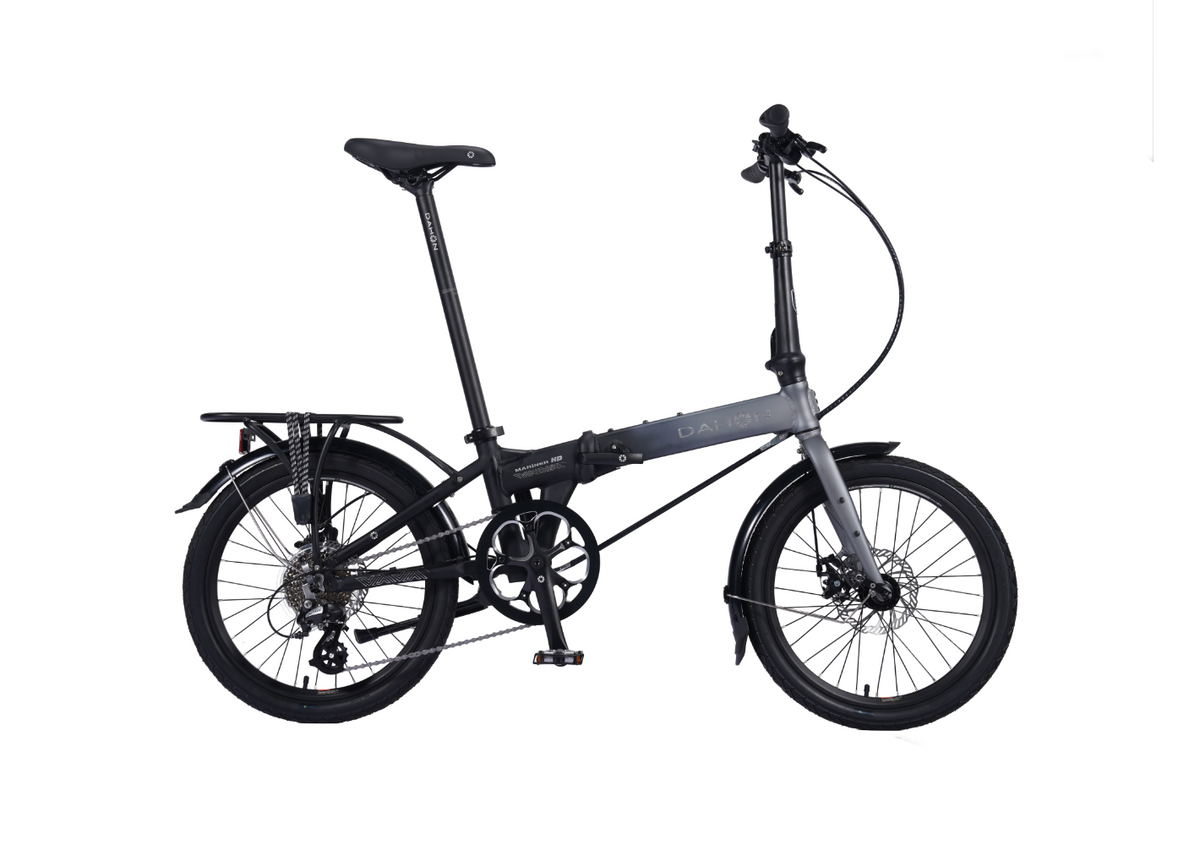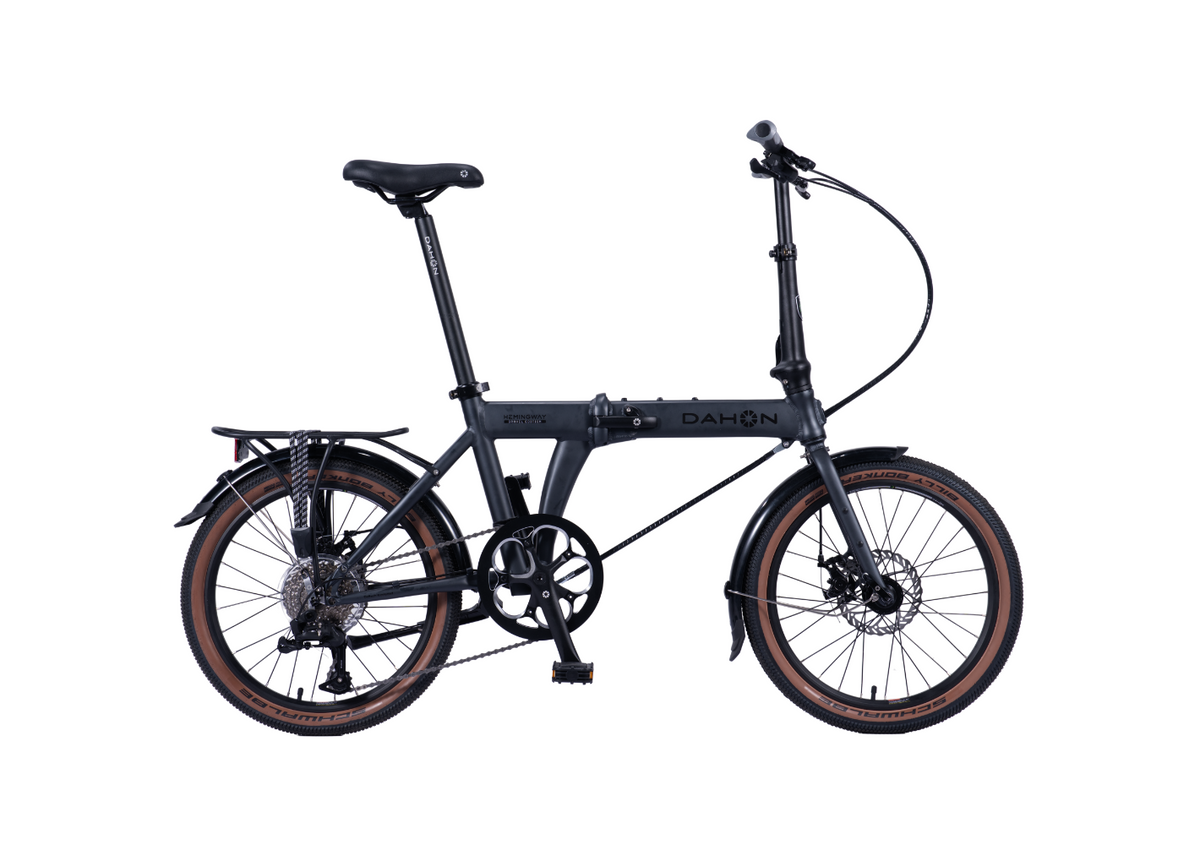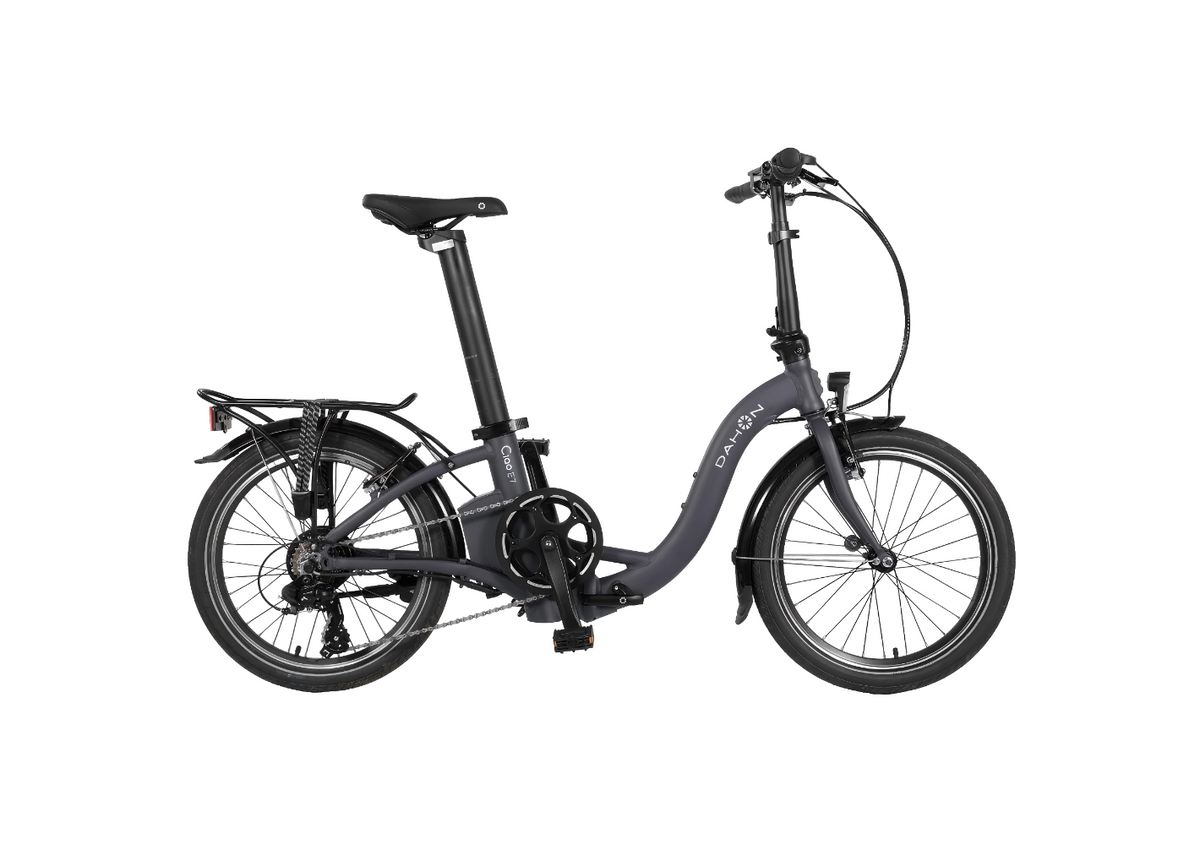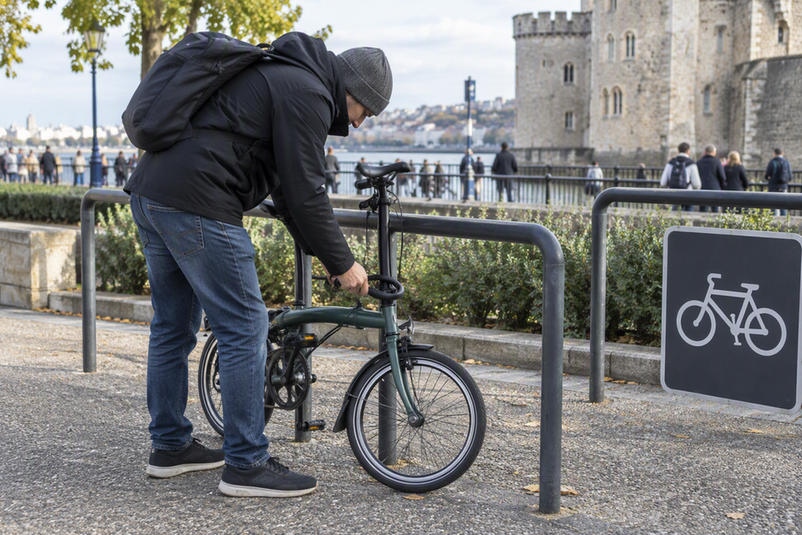
To secure a folding bike at sightseeing stops, plan each stop before you set off. There are three options. You can take the bike inside if the venue allows it, use storage once the venue confirms it, or park outdoors at a spot where parking is allowed and that suits the purpose.

Folding makes the bike smaller, but it does not make it safe to leave alone. Good folding bike security on tour comes from settling these arrangements before you ride and having a fallback for each stop.
Choose a plan for each sightseeing stop
Treat every attraction as its own decision, because access and parking can be different at each venue. Work through the options in this order until one is confirmed:
- Ask if the bike can come with you. Contact the venue and ask whether a folding bike is allowed in the visitor areas. Only count on this option once the venue says yes.
- If not, confirm storage. Ask whether the venue can store the bike during your visit. Plan around storage only after the venue confirms it is available and explains how it works.
- If neither works, find permitted outdoor parking. Find out whether there is a place near the stop where you are allowed to park a bike. Then choose a spot that suits how long you will be away.
- Write down the result and a fallback. For each stop, note the venue contact, the arrangement you confirmed and your second option.

Keep the three questions apart. A venue that allows bikes inside may have no storage. A public bike rack near the entrance tells you nothing about the venue's own rules. If you want to compare taking the bike along with locking it up in more everyday situations, our guide on protecting a folding bike on the go covers both.
A short stop plan might look like this: "Castle museum: storage confirmed by email, cloakroom by the ticket desk. Fallback: visit after checking in at the hotel." One line per stop is enough. It means you never reach an entrance without knowing what to do with the bike.
Confirm whether the bike can come inside or be stored
The venue or the authority responsible for the site is usually the best source for current access and storage rules. Phone, email or a contact form all work. These questions keep inside access and storage clearly separate:
- Access: Can I bring a folded bike into the visitor areas, including exhibitions, viewing areas or other places I plan to see?
- Conditions: If access is allowed, does the bike have to be folded, carried or covered, and are some areas excluded?
- Storage: If the bike cannot come in, can you store it on the date and at the time I plan to visit?
- Location: Where is the storage, and is it staffed or supervised during opening hours?
- Drop-off and collection: How do I leave the bike, do I get a ticket or receipt, and when must I collect it before closing?
Having an entrance, a courtyard or an outdoor area does not tell you whether bikes may come in. Ask about the visitor areas you actually plan to visit.
Keep the venue's reply with your stop plan, ideally as an email or a screenshot of the answer. If the reply is vague, for example "probably fine" or "ask on the day", the arrangement is not confirmed yet. Use your fallback for that stop instead.
When outdoor parking is your option
Outdoor parking works when the venue has no access or storage option. First confirm designated parking areas with the venue or responsible local authority before securing the bike at a railing, fence, or public square.
For stops in Slovenia, there is specific official guidance. Slovenia Police advice on bicycle theft says that if you have to leave your bike outdoors, you should choose a busy, well-lit area and use a good lock. It also recommends locking both the frame and one of the wheels to a fence. Use this advice only at a spot where outdoor parking is allowed. It is a precaution that lowers risk, not a guarantee against theft.
This guidance comes from the Slovenian police, so treat it as Slovenian advice. Away from Slovenia, confirm parking permission with the venue or local authority. Look for crime-prevention advice for that location too, rather than assuming the Slovenian recommendations have been checked locally.
Choosing a lock is a separate decision that depends on where you park. Our folding-bike lock guide compares cable, U-locks and chain locks for different parking places. For more on how the parking spot and the lock work together, read about choosing a lock and parking spot.
Set a fallback before the tour
Your fallback is the second arrangement you have chosen for each stop before you leave. It is not something you improvise at the entrance. Write it next to the main plan so you can switch quickly if the first option falls through.
Where you can, pick a fallback that you can confirm in advance. That could be a second venue nearby with confirmed storage, visiting after you have left the bike at your accommodation, or moving the attraction to a day when you are not cycling. Confirm that parking is permitted at any mapped location before listing it as your fallback option.
If the planned option fails when you arrive, for example because storage is full or the staff give a different answer, ask the venue first whether there is an approved alternative. If the bike is outdoors, ask the responsible local authority. If no suitable, permitted option is confirmed, you can take the bike along if the venue allows it, change the stop to an activity you can do with the bike, or defer or skip the visit.
FAQs
Does folding a bike make it secure if I leave it unattended?
No. Folding changes the bike's size and shape, but an unattended folded bike is not secure on its own. A confirmed arrangement solves the access or parking question, but it does not guarantee protection against theft. If the bike will be left unattended, assess the storage conditions or secure it with an appropriate lock to a permitted, fixed object.
What should I confirm with a sightseeing venue?
Ask two things. First, ask whether a folding bike may enter the visitor areas you plan to see. Second, if it may not, ask whether storage is available on your visit date and time, where it is, and how drop-off and collection work. Get written confirmation where possible, or note the date, contact method and information provided.
What if there is no suitable parking or storage?
Ask the venue or the responsible local authority whether there is an approved alternative nearby. If none is confirmed, take the bike along only if the venue permits it. Otherwise, change the stop, visit at another time without the bike, or skip it on this tour.