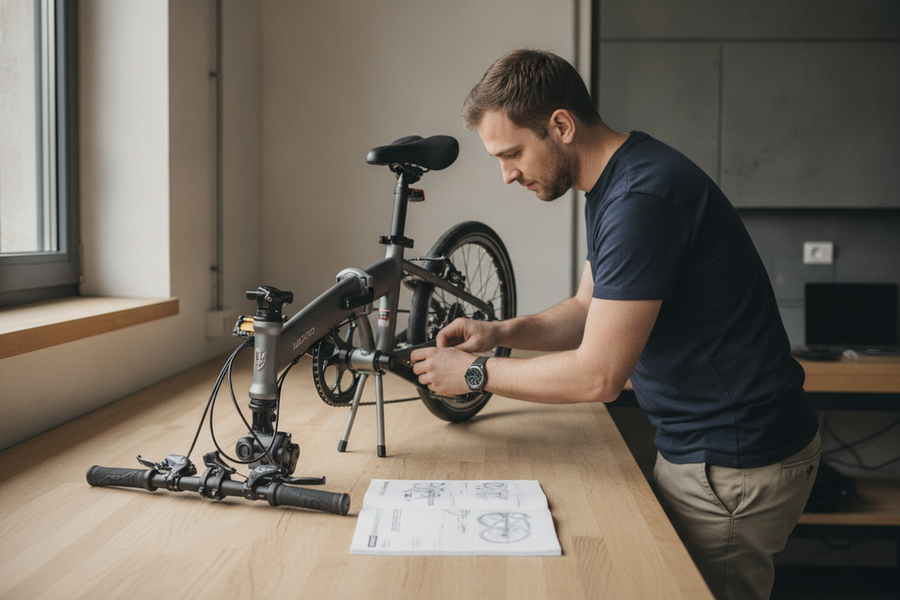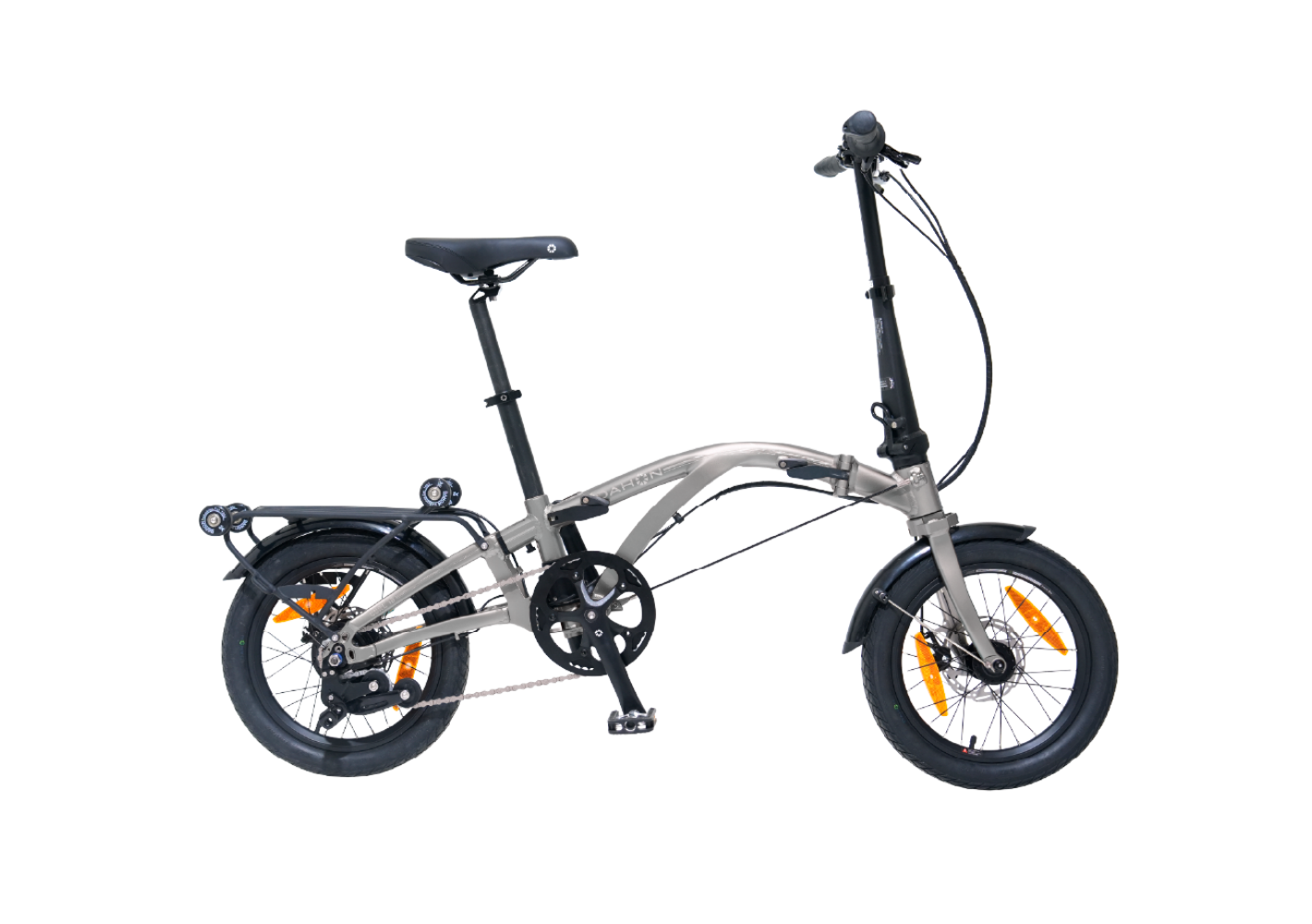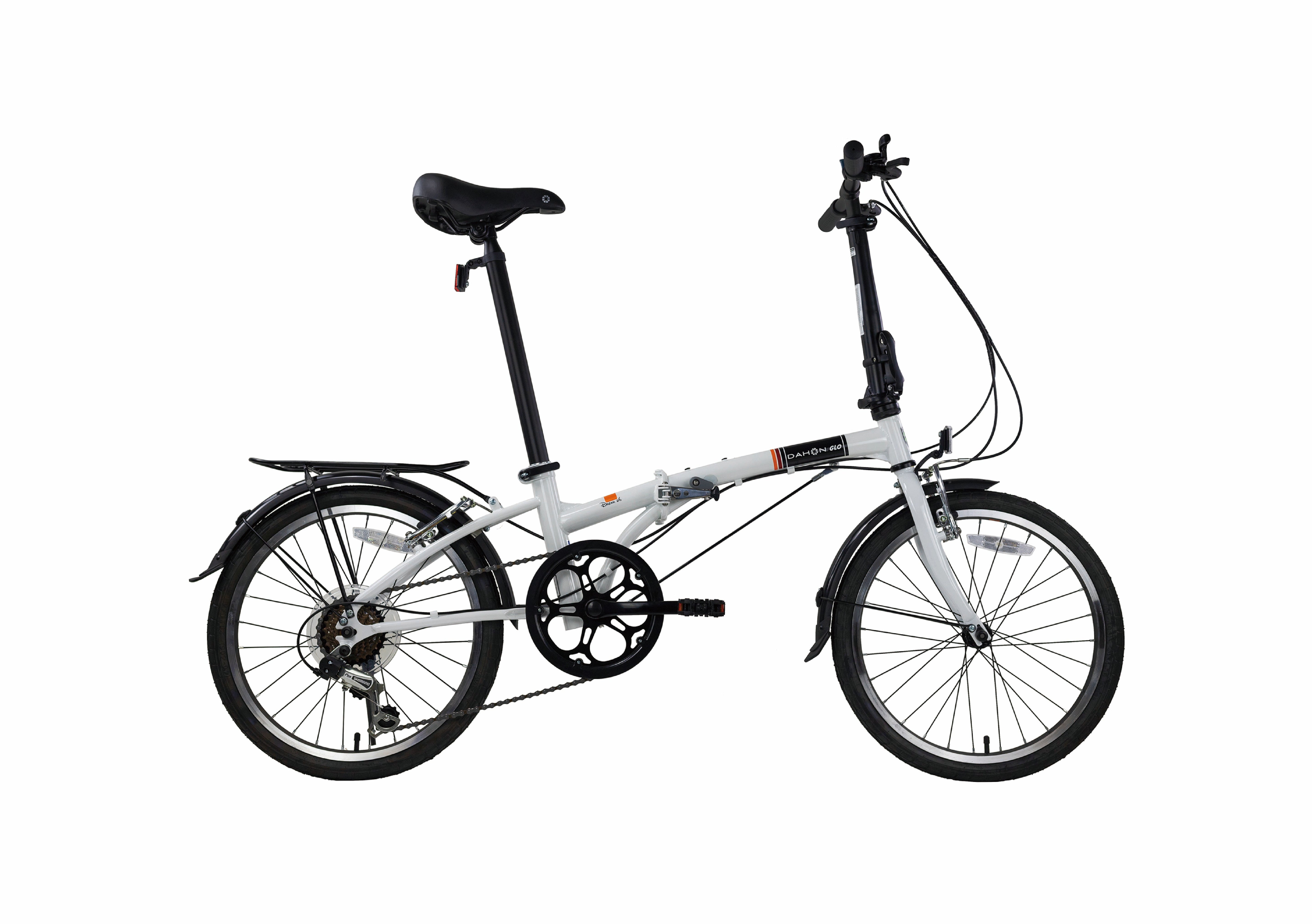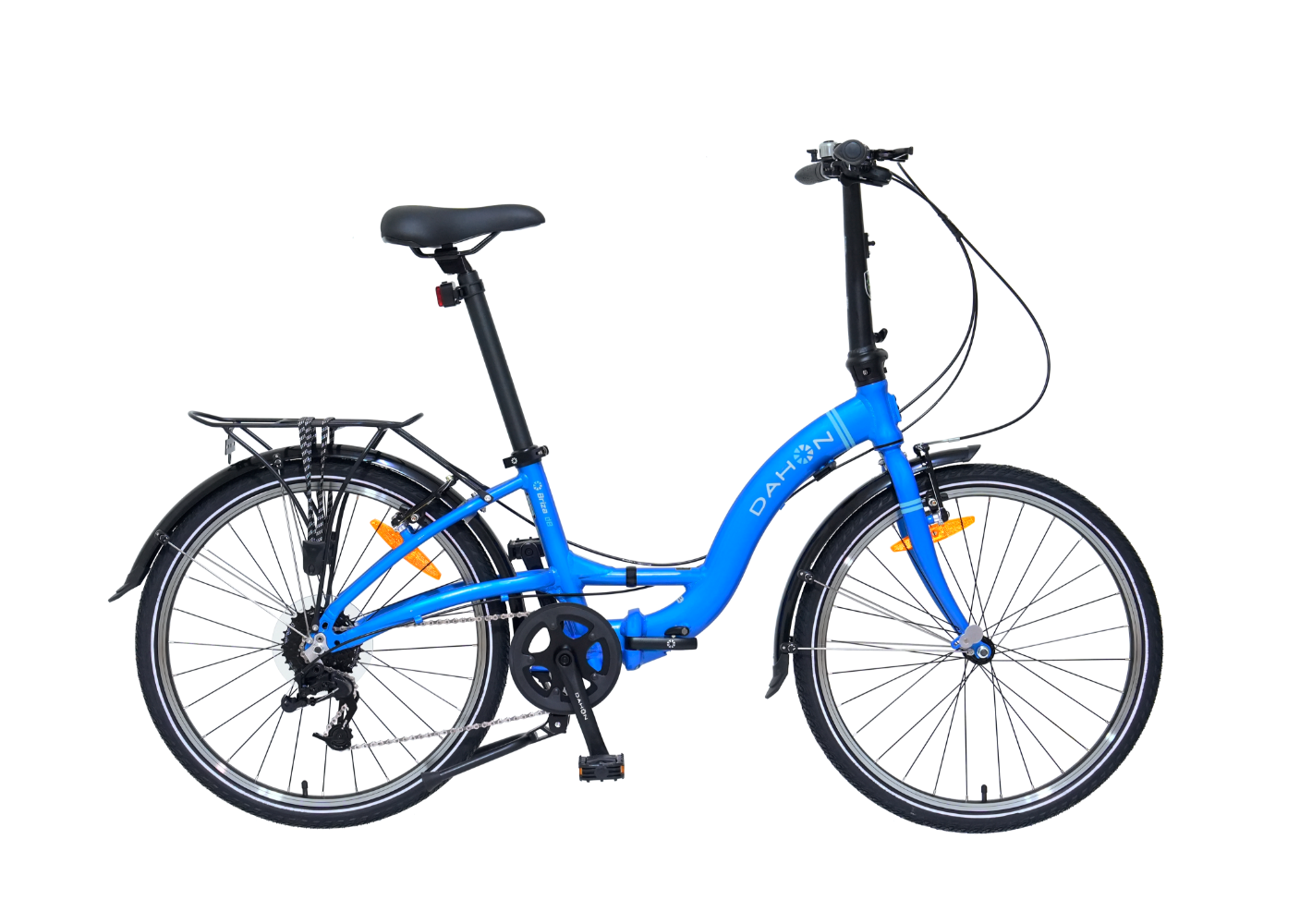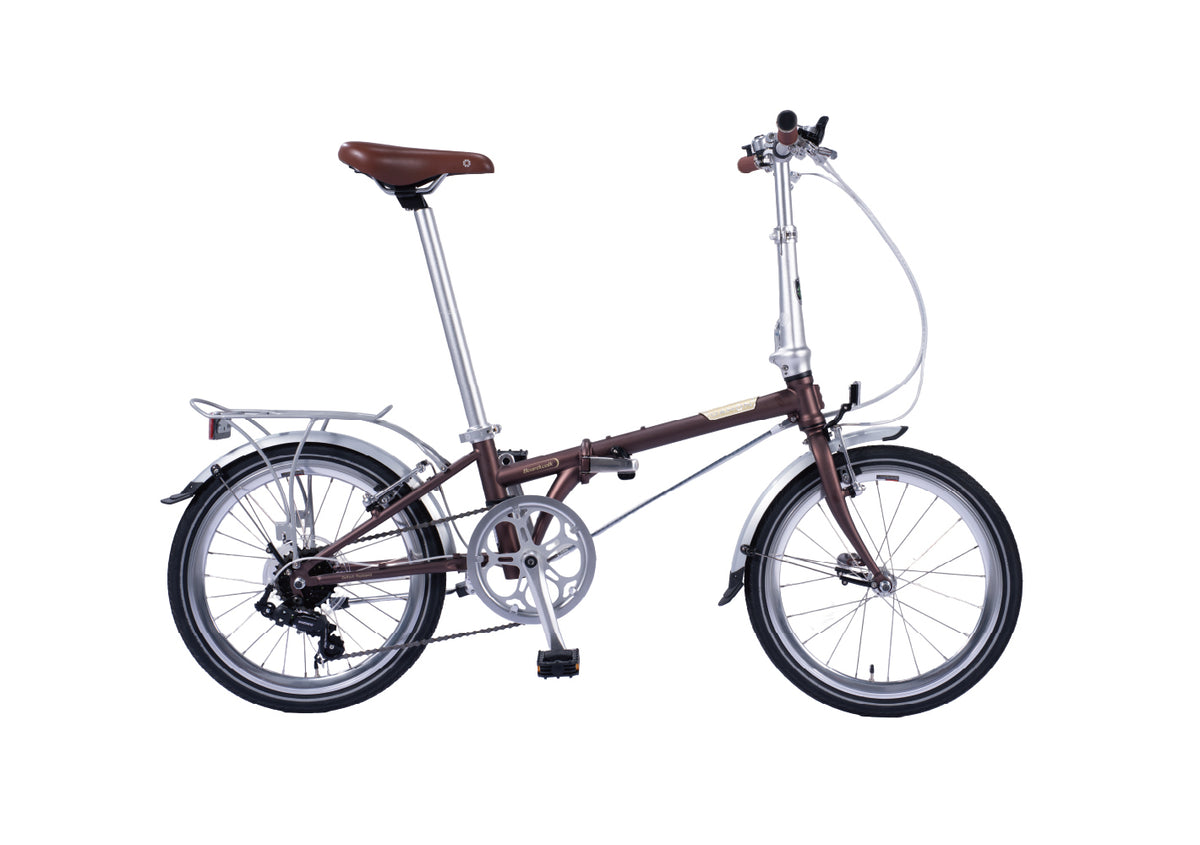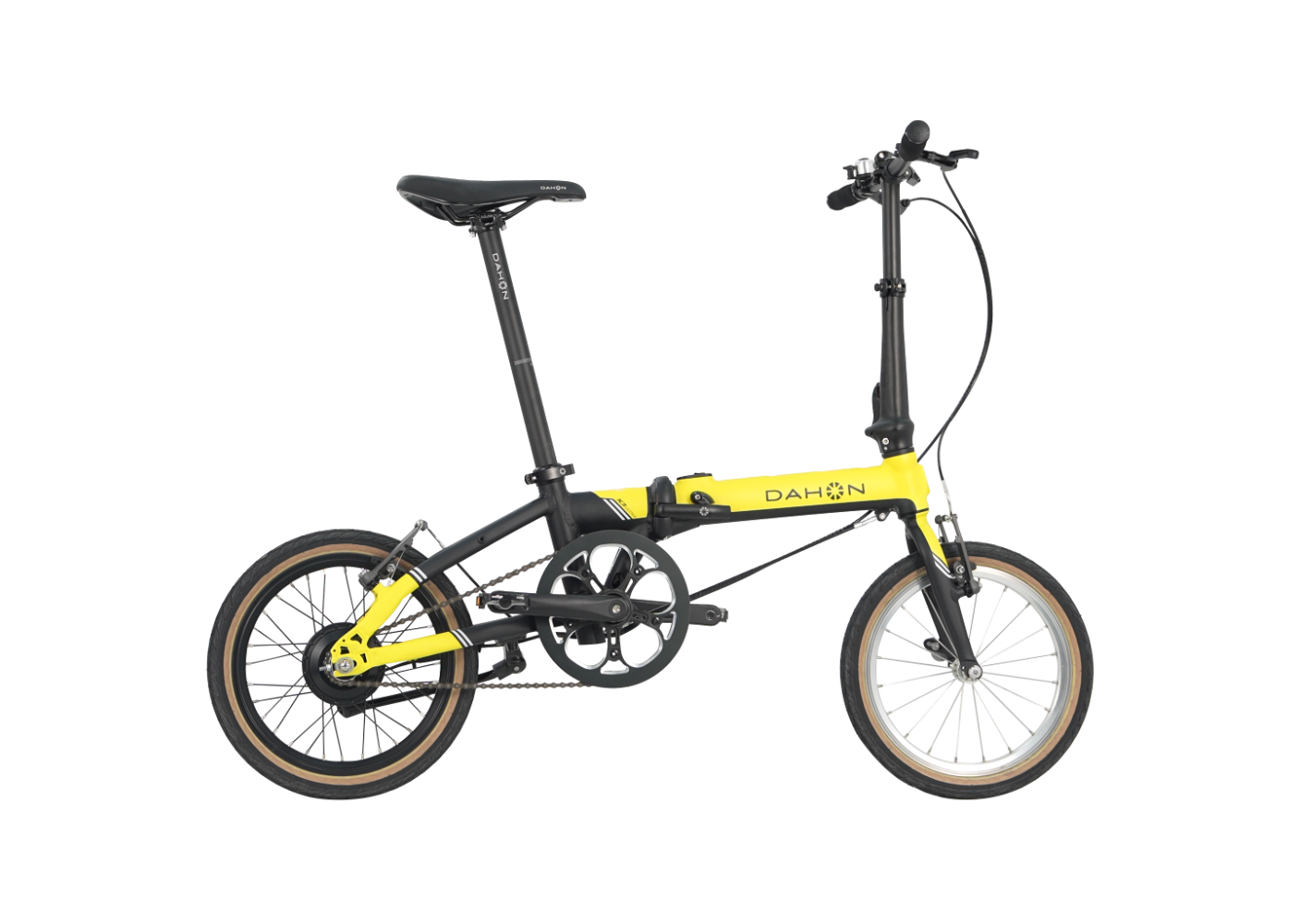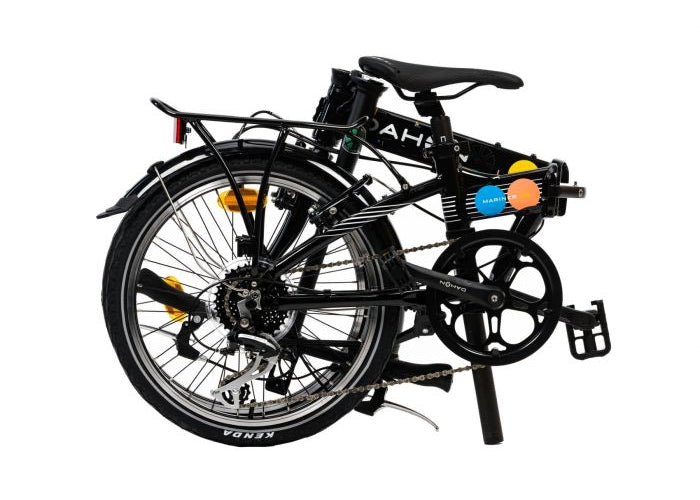
A folding bike train commute works best when you check the operator rule first, then judge folded size, carry comfort, and storage fit. The bike category alone does not guarantee access, but a properly folded folder is often treated more like luggage than a standard bike. For many commuters, that is the difference between an easy transfer and a daily hassle.

What Transit Rules Usually Decide
Folded Versus Unfolded Access
For most riders, the first question is not whether a bike is foldable, but whether it is folded before boarding. That distinction matters because major transit systems often treat folded bikes differently from standard bikes. On New York City transit, the MTA folded bike access is a good example: folded bikes are generally allowed on subways and buses, while standard bikes face more limits.
The practical takeaway is simple. If your commute depends on rail or bus access, check the rule for the exact operator, not the bike category alone. A bike that folds neatly may still be awkward if the system expects it to stay folded for the entire trip, especially when cars are crowded or transfers are tight.
Peak-Hour and Crowding Limits
Crowding is where the rules often get stricter for ordinary bikes, and where folding bikes can be more useful. Chicago CTA policy shows the pattern clearly: folded bikes during rush hours are allowed inside buses and 'L' trains, even when standard bikes are restricted in busy periods.
That does not mean every system works the same way. It means the commuter advantage of a folder is often tied to folded status, not just compact branding. If you travel during peak periods, compare how the operator treats folded bikes versus full-size bikes before you buy.
Station, Platform, and Gate Constraints
Even when policy is favorable, the station can still be the bottleneck. Narrow gates, stairs, elevator waits, and busy platforms change how easy a folded bike feels in real life. A bike can be compliant and still be annoying if you have to twist through crowds, lift it repeatedly, or squeeze it into a busy vestibule.
That is why the folding bike train commute decision is partly about handling, not just permission. The smoother the bike is to carry, roll, and control in tight space, the less stressful the commute feels after the first week.
Why Local Verification Matters
Transit policies change by operator, route, and even service pattern. A train that allows folded bikes at one time of day may feel easier than a bus transfer or a special-event crowding day, even if the written rule has not changed. The safest habit is to check the current operator page for your exact route before the first commute.
If you want a broader planning refresher, our multi-modal commute tips can help you map the full trip from home to platform to office.
How a Folder Needs to Fit the Commute
For transit commuting, the bike's folded shape matters more than the bike's top speed. A great ride on the road can still be a poor choice if the folded package is awkward on stairs or too long to tuck beside a seat. For a compact folding bike for crowded train use, look first at folded size, balance, and how confidently you can move it with one hand.
Folded Size and Shape
Think about the spaces your bike has to pass through: doors, fare gates, aisles, and the gap beside a seat. A compact fold is useful when you need the bike to disappear into small gaps without sticking out in a hallway or crowd.
Amtrak's 34 x 15 x 48-inch carry-on limit is a useful hard reference for rail travel, because it shows that size can be a real boarding gate, not just a comfort issue. Metro-North also uses a 32-inch folded width limit, which makes the width of the folded package especially important for commuter-rail riders.
Weight, Lift, and Stairs
If your route includes stairs, long station walks, or transfers, lift burden quickly becomes the deciding factor. A lighter bike is usually easier to carry, but the way it folds and balances matters too. A bike that feels compact but awkward in one hand can be more tiring than a slightly heavier bike that sits predictably at your side.
That is why lightweight folding bike for stairs and transit shoppers should not look at weight in isolation. The real question is whether you can move the folded bike without wrestling it at every staircase and platform change.
Rolling Through Stations
Rolling a folded bike can be easier than carrying it on long concourses, smooth floors, and repeated transfers. The benefit shows up most when the station is large, the walk between exits is long, or your commute includes several blocks of walking after the train.
Rolling only helps if the bike stays stable while folded. If it wobbles, tips, or catches on cracks, the convenience disappears fast. So when you compare options, do not just ask whether the bike folds. Ask whether it stays balanced enough to move through the station without constant lifting.
Handles, Hinge Feel, and Carry Comfort
A fast fold is nice, but predictable hardware matters more on a rushed commute. You want grab points that make sense, hinges that feel controlled, and a folded shape that does not pinch your hand or knock into your leg.
If you want to keep the routine low-friction, use the same checklist every time: does it fold cleanly, does it stand or roll securely, and can you carry it without awkward twisting? Those three checks usually tell you more than a showroom spec sheet.

Storage That Makes Workdays Easier
Storage is a separate decision from transit permission. A bike can be allowed onboard and still be a bad fit for a tiny office, a shared apartment entryway, or a packed station corner. For folding bike train commute buyers, the main question is whether the folded shape works in your real spaces, not whether the category sounds compact.
- Under a desk only makes sense if you have enough desk depth, side clearance, and room to move your chair without snagging the bike.
- Beside a cubicle is usually easier when the folded bike is clean, stable, and narrow enough to avoid blocking a walkway.
- Near an apartment entry works best when the bike does not dominate the door swing or create a tripping hazard.
- In a shared room, the deciding factor is often etiquette as much as size, because the bike should not take over common space.
- In any office or lobby, make sure the bike can be placed without blocking exits, paths, or cleaning access.
- If you will carry the bike into work often, a cleaner fold and easier grab points matter as much as the fold size.
If storage is part of your buying decision, the commute accessories page is a practical place to browse carry and travel add-ons.
Which Bike Features Matter Most
Use this comparison framework to keep the decision focused on commute fit instead of pure ride performance.
| Commute priority | Why it matters | What to check first | Trade-off to expect |
|---|---|---|---|
| Fast fold and unfold | Saves time on stairs, platforms, and transfers | Whether the fold is repeatable under pressure | A very compact fold can take a little more handling |
| Folded stability | Makes the bike easier to carry or roll in crowds | Whether it stays balanced when folded | Some bikes pack small but feel less stable when moved |
| Carry comfort | Matters most if you face stairs or long station walks | Grab points, balance, and pinch-point feel | Lighter bikes are usually easier, but not always easier to control |
| Rolling ease | Helps in long stations and smoother concourses | Whether the folded bike tracks straight | Rolling features matter less on rough pavement |
| Compact storage fit | Helps with desks, cubicles, and apartment entries | Folded width, shape, and easy parking | Smaller is not always better if the folded package is awkward to lift |
The short version is this: prioritize the trait that fixes your hardest part of the commute. If your route is mostly stairs, weight and carry comfort matter most. If your problem is crowding, folded stability and a compact shape matter more. If your problem is office storage, the folded outline and clean parking matter more than ride speed.
For readers comparing commute-first options, browse all folding bike options or the urban commuter bikes collection to narrow the field by use case rather than by hype.
A Quick Commute Readiness Checklist
- Check the operator rule for your exact train, subway, or bus route before the first ride.
- Practice the fold at home until you can do it without rushing or fumbling.
- Test how the folded bike feels on stairs, gates, and tight station corners.
- Decide where you will carry or roll it once you leave the platform.
- Measure the office or home space where you plan to park it.
- Recheck crowded-day conditions, because a rule that works on a quiet run can feel different at peak hour.
If you want more help building the routine, our quick-fold practice guide and multi-modal commute tips are useful next steps.
Final Takeaway
A folding bike train commute is usually a good fit when the operator allows folded bikes, the folded package is easy to carry or roll, and your office or home has a real storage spot. The best choice is not the lightest or fastest bike on paper. It is the one that fits your route, your stairs, and your daily space limits without creating extra friction.
If your commute is crowded or storage is tight, check the folded shape first and the ride feel second. That order usually leads to fewer regrets.
FAQs
Can You Take a Folding Bike on a Train?
Often yes, but the exact rule depends on the operator and the service you are using. Many systems care much more about whether the bike is fully folded than about the bike category itself. Check the current route policy before you travel, especially if your commute includes commuter rail, peak-hour service, or multiple operators.
Are Folding Bikes Allowed on Subways?
Sometimes they are, and often the folded status is the deciding factor. Some subway systems allow folded bikes more broadly than standard bikes, while others still have route-specific or station-specific limits. If you ride a subway regularly, verify the local policy for your city and keep the bike folded the entire time.
What Size Folding Bike Is Best for Transit?
The best size is the one that fits your stations, your storage space, and the way you actually carry the bike. A compact fold helps most when you face crowded cars, stairs, or tight office storage. A bike that meets a formal rail limit is a strong start, but it still needs to feel manageable in your own commute.
How Do You Carry a Folding Bike Through a Crowded Station?
Keep the fold practiced, use the bike's best grab points, and try to roll it when the surface allows it. In crowded stations, a stable folded shape is often more useful than a bike that looks small but twists or tips when you move. If you know you will face stairs, rehearse the carry before your first busy commute.
Can a Folding Bike Fit Under a Desk or in a Small Office?
Sometimes, but not automatically. Fit depends on the bike's folded shape, the depth of the desk, the chair clearance, and workplace rules. Measure the space first and think about whether the bike can be parked without blocking walkways or exits. Office fit is a separate check from transit permission.
What Should I Check Before Buying a Folding Bike for Commuting?
Start with the route rule, then check folded size, carry comfort, and storage fit. If stairs are part of your day, weight and balance matter more. If your station is crowded, folded stability and easy handling matter more. If the bike needs to live under a desk, the folded outline matters more than performance extras.