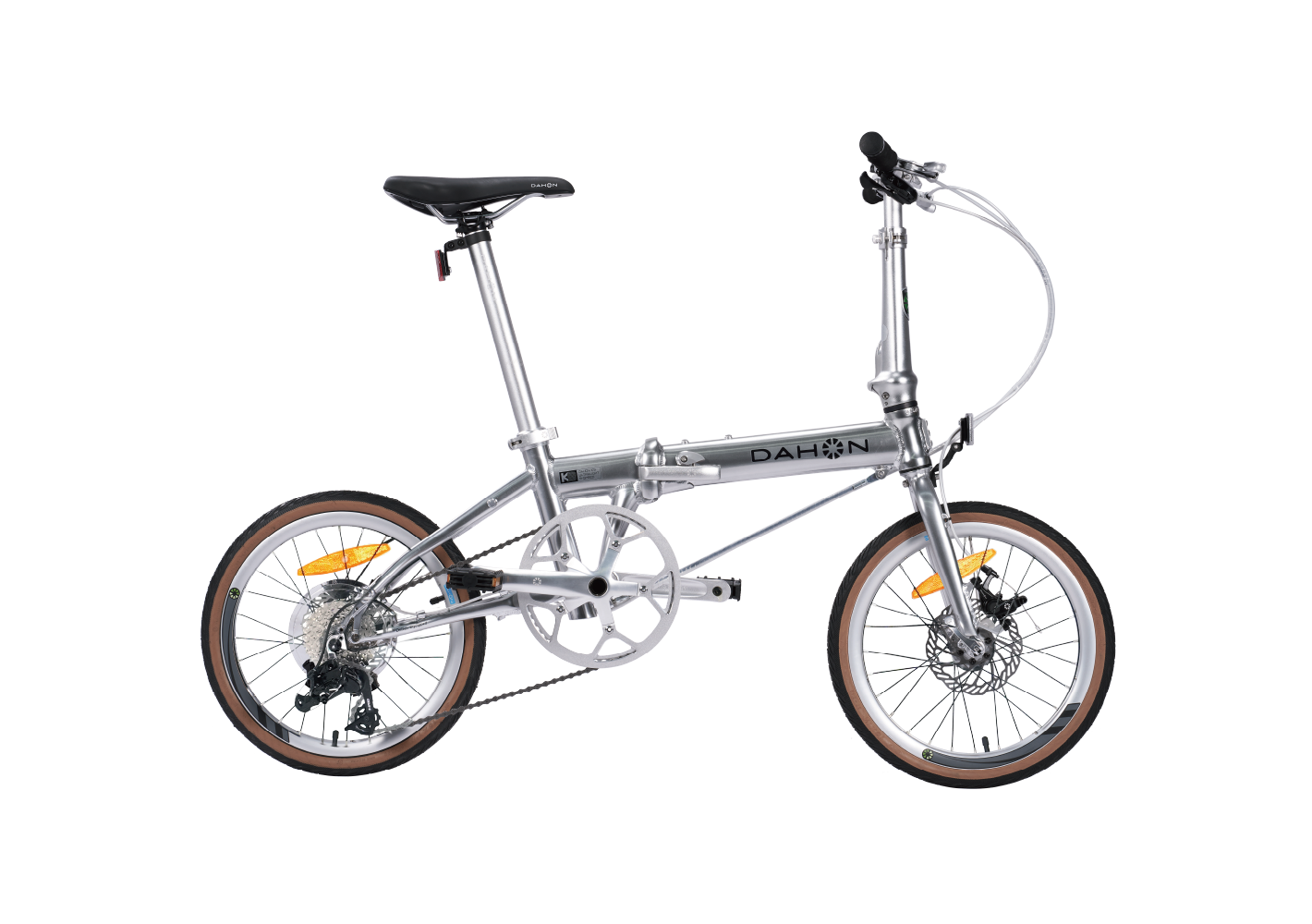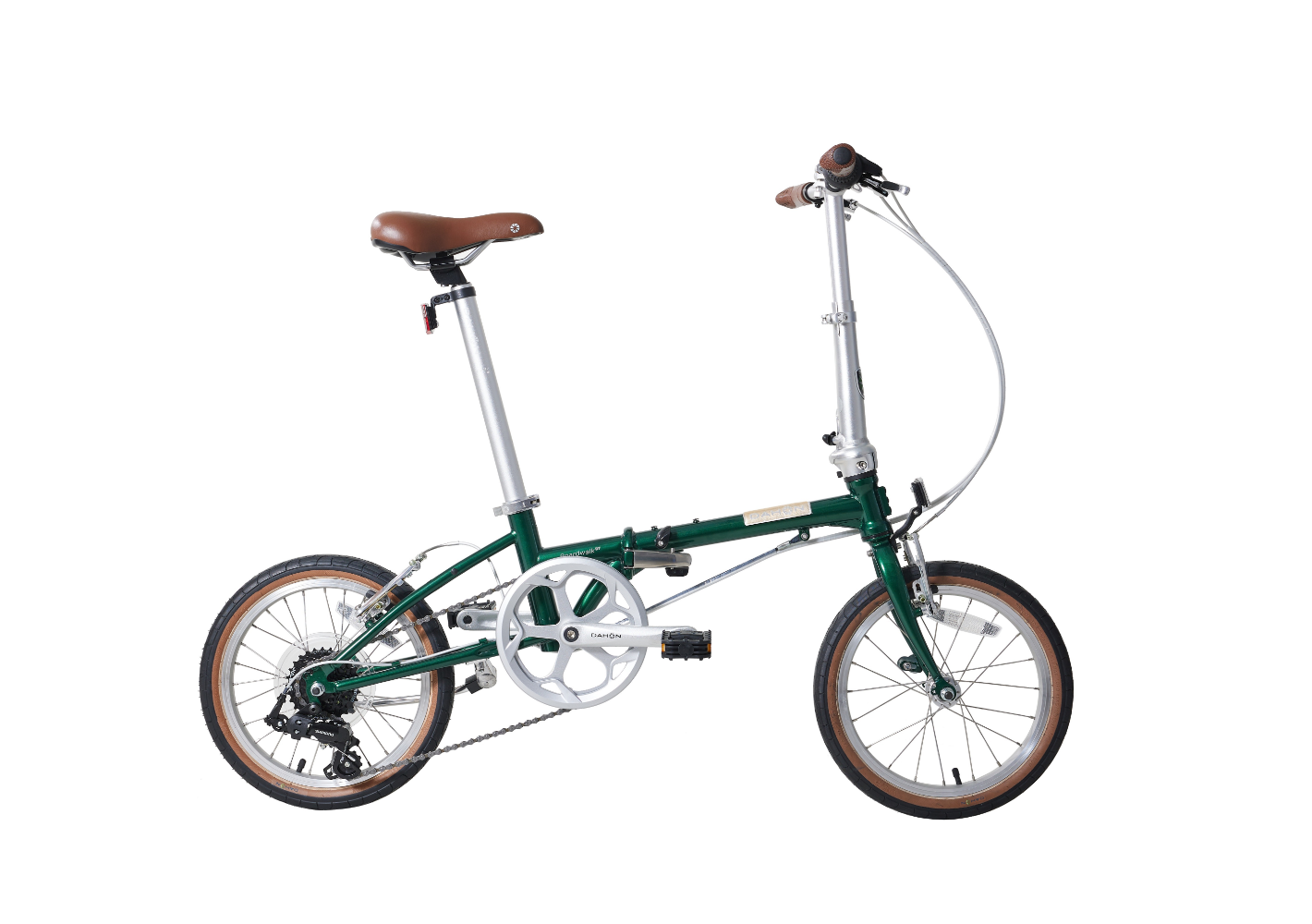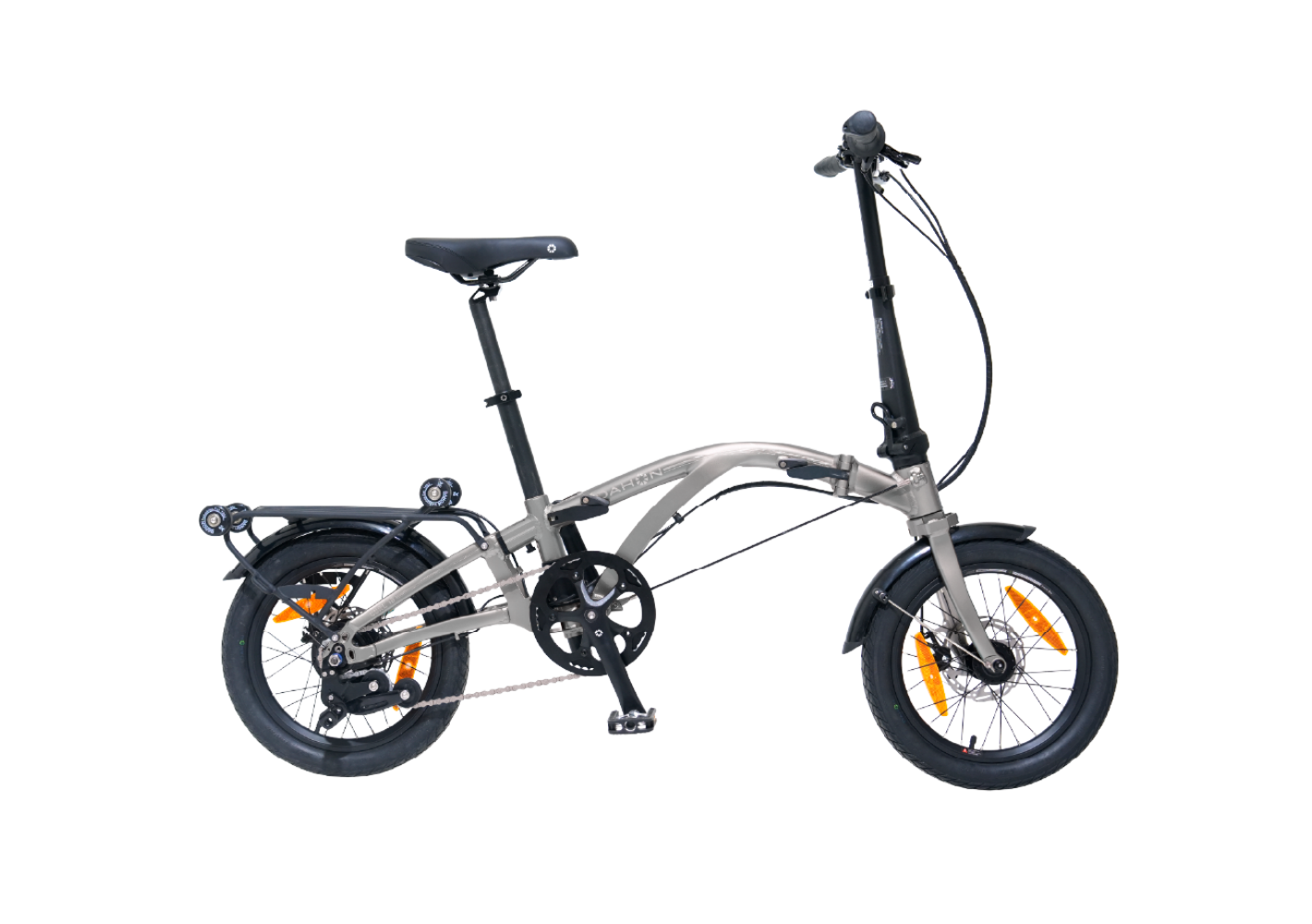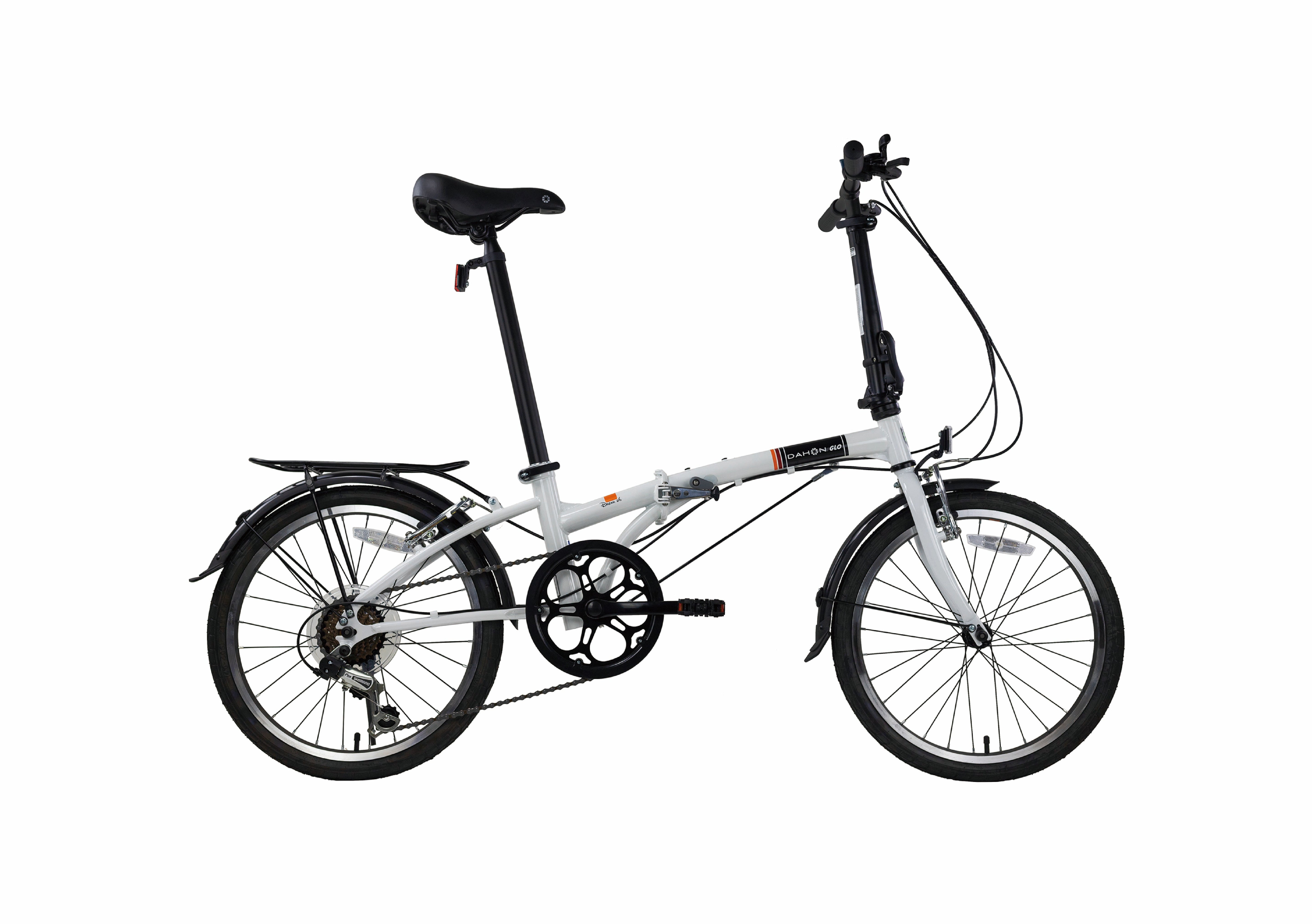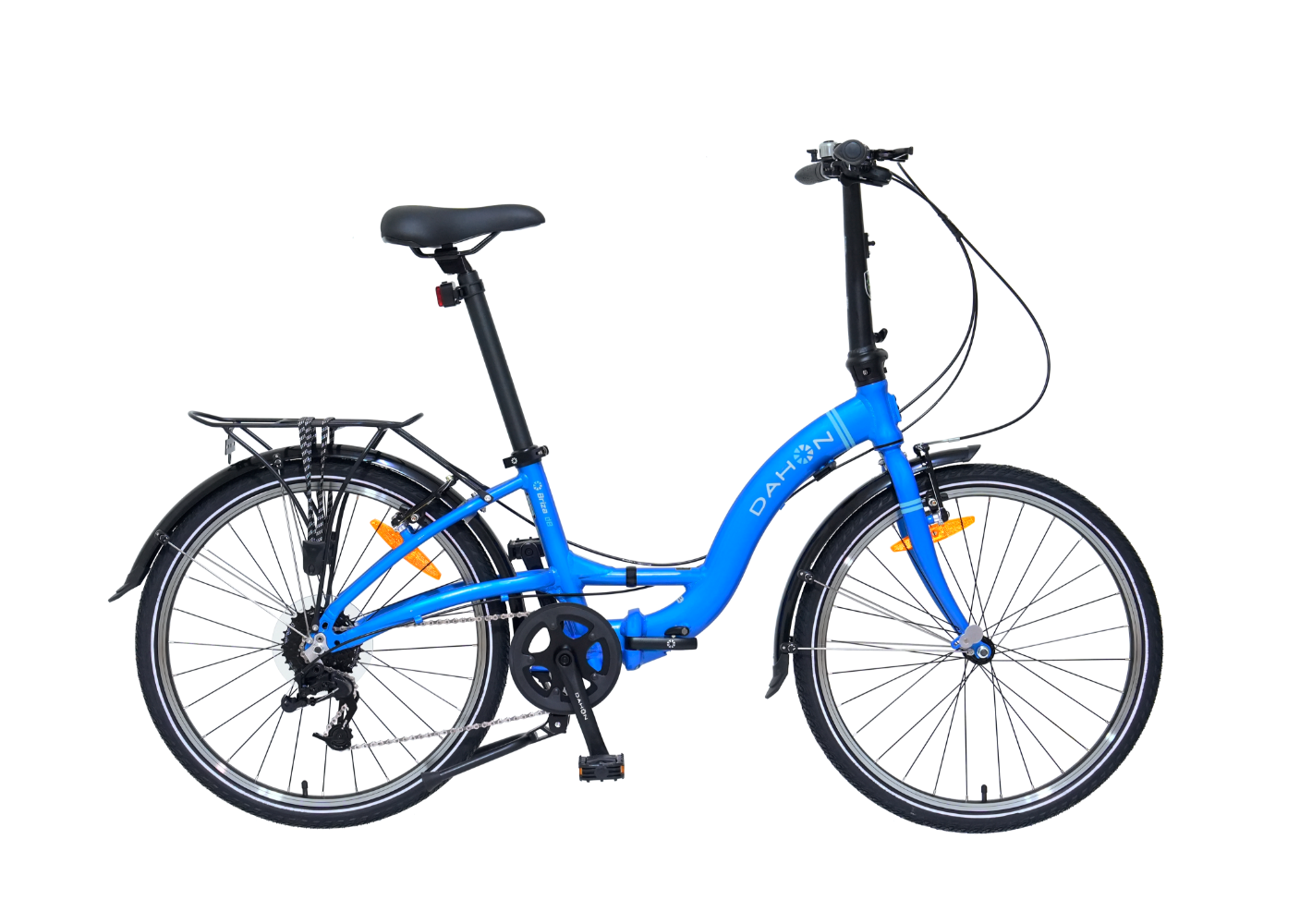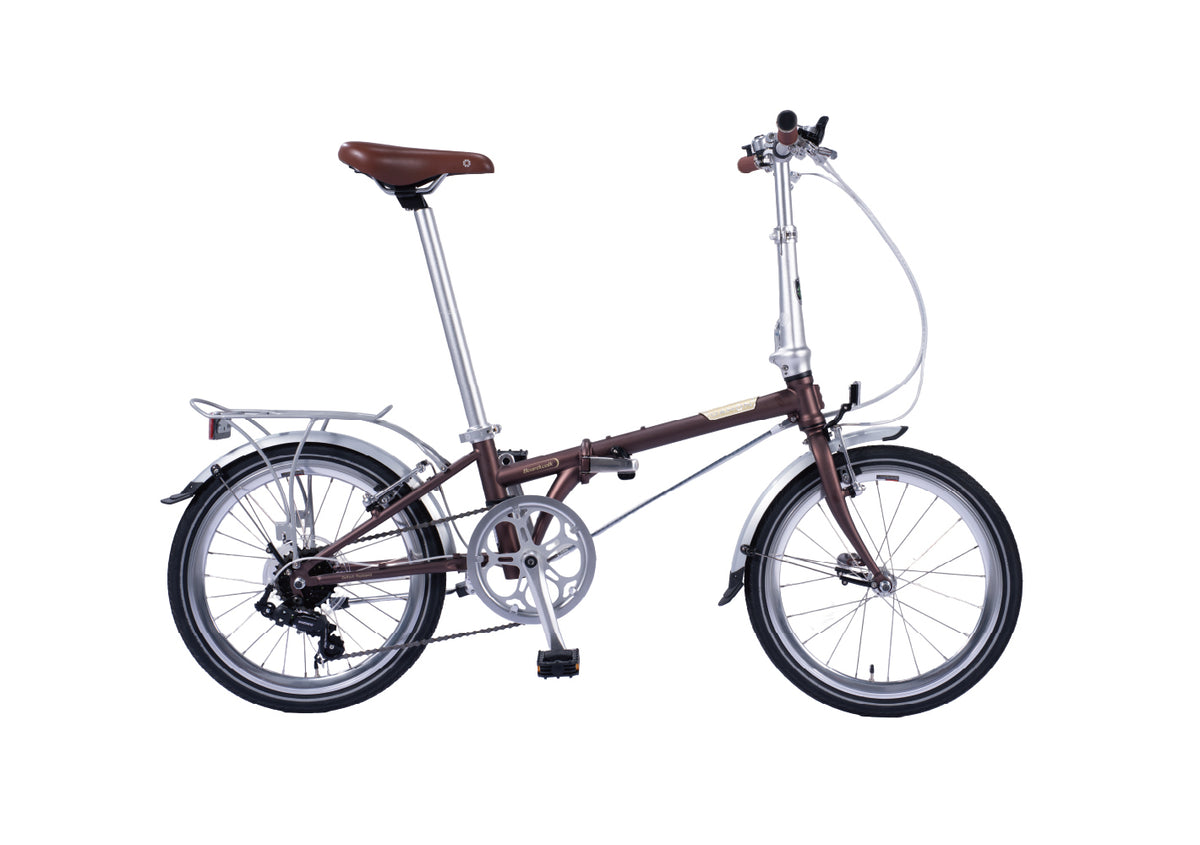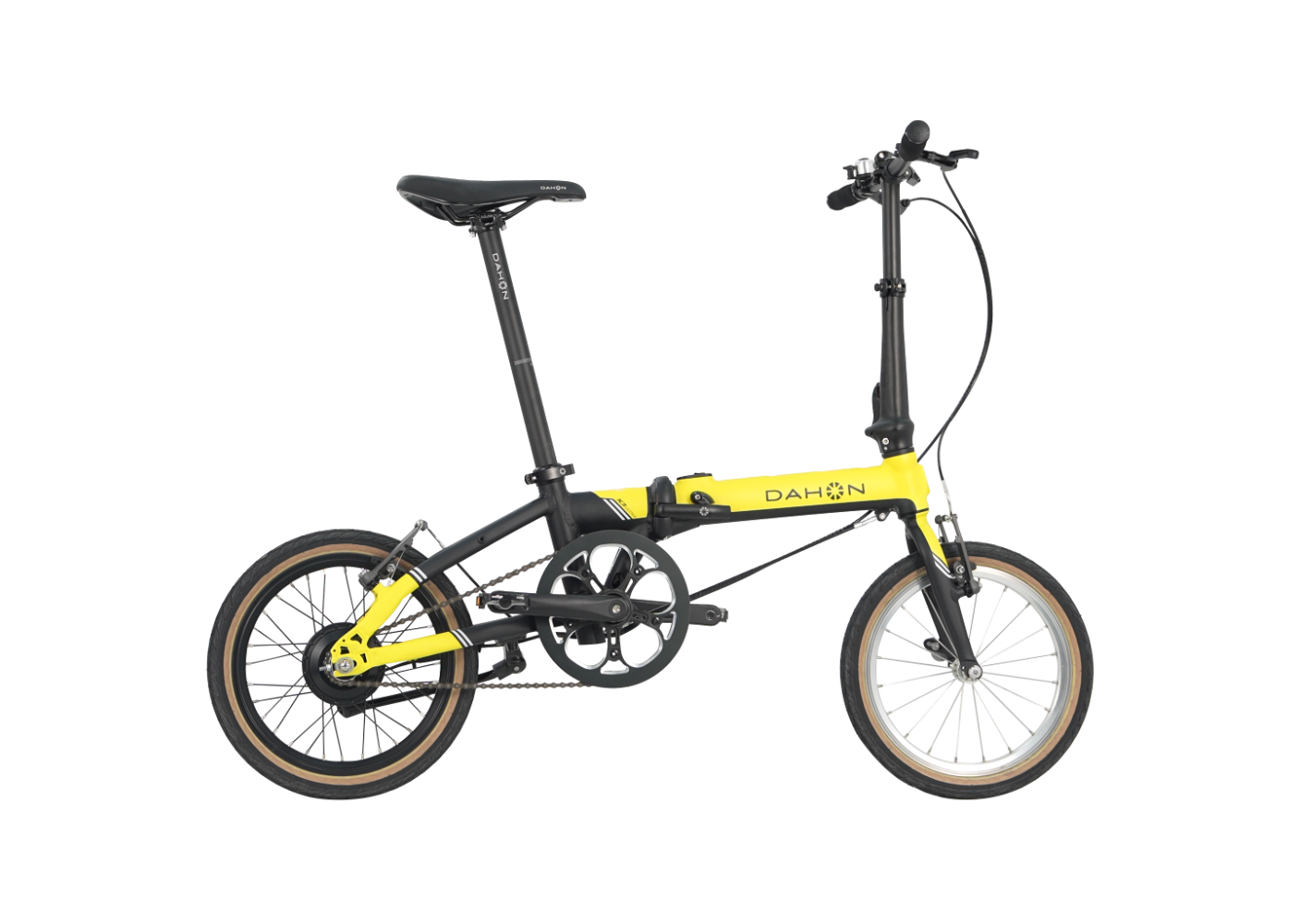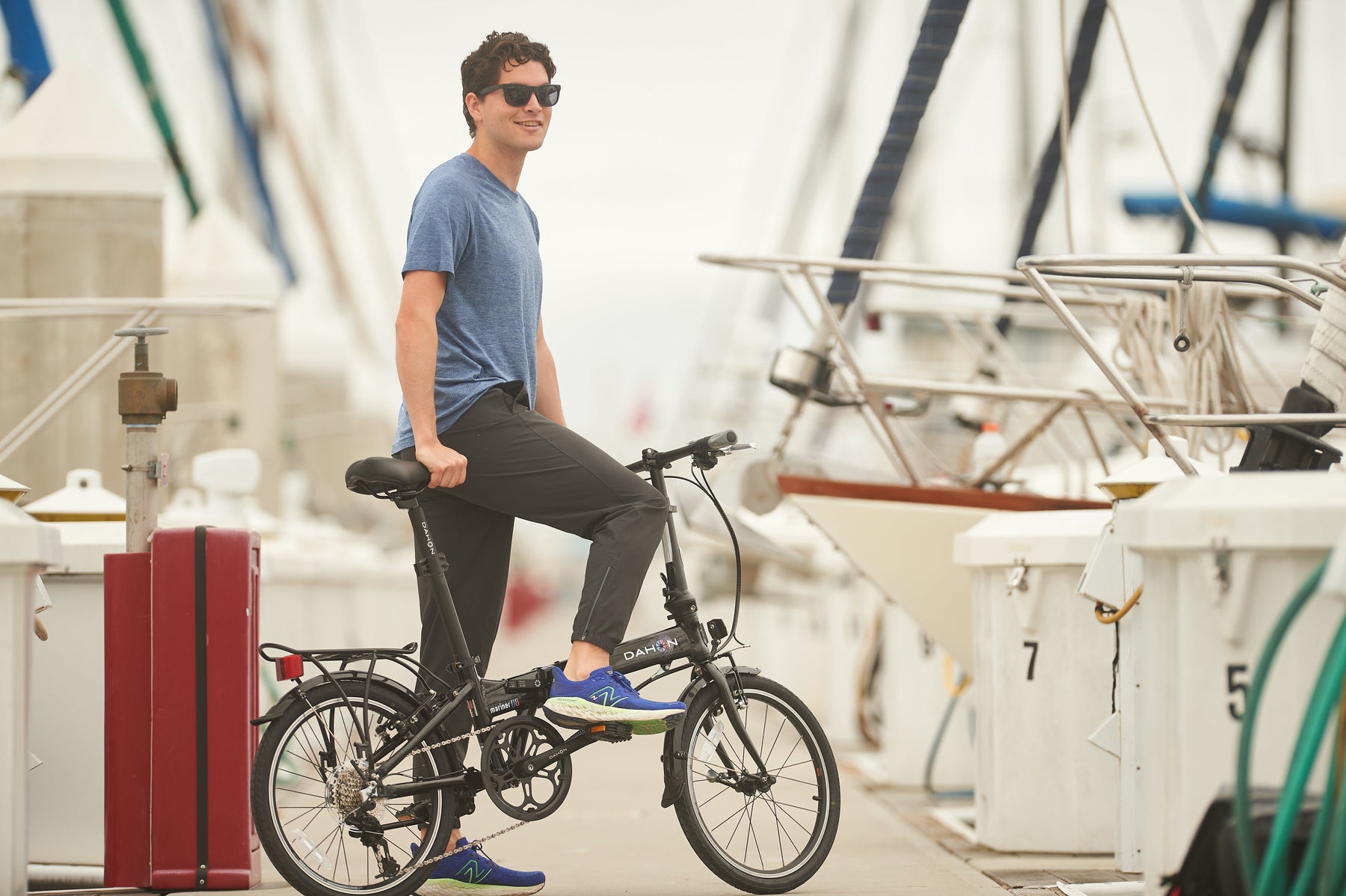
You bought a folding bike for freedom, not frustration. Yet, many riders spend precious minutes wrestling with hinges on a train platform while the doors are closing. Mastering the fold is the key to unlocking the true potential of your ride. With the right technique, you can transform your bike from a vehicle to a compact package in under 15 seconds. Let's turn you into a pro.
What Does "Urban Mobility" Really Mean for You?
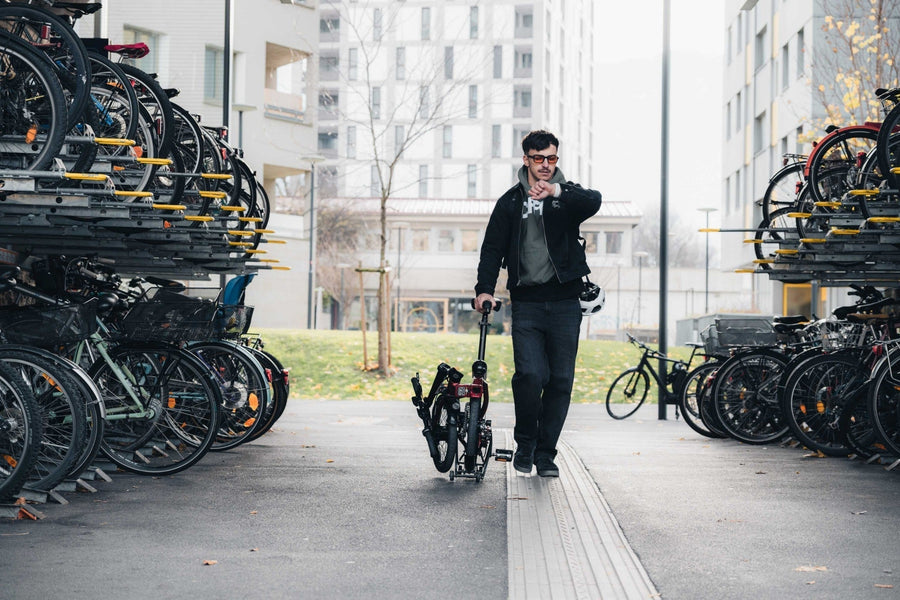
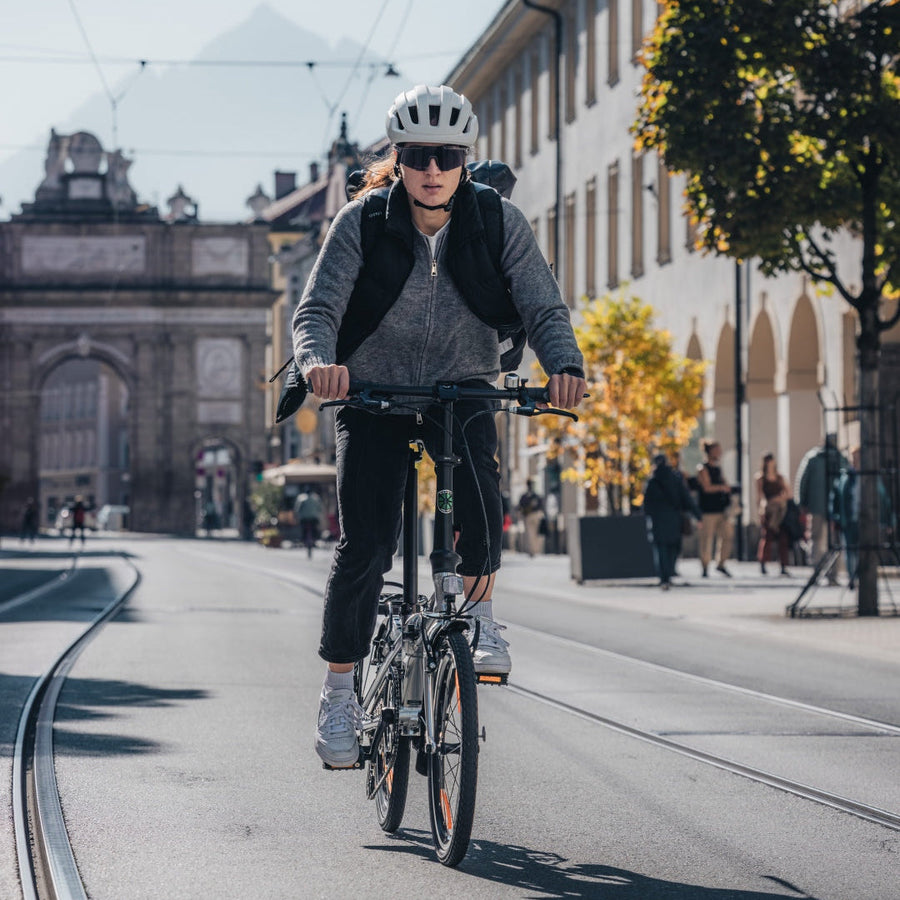
In modern cities, mobility is about fluidity. It is the ability to move seamlessly from your home to the station, from the street to the subway, from the bike lane to the office elevator, without friction. For the commuter in Germany, where the "last mile" often involves a combination of riding and Deutsche Bahn trains, a folding bike is the ultimate tool. But "mobility" stops being mobile if you are stuck struggling with a lever. True urban mobility means your bike adapts to your schedule, not the other way around.
Why Should You Learn How to Fold Quickly?
It's cool that you can fold and unfold your bike in seconds. But speed isn't just for show—it is for convenience and safety. Here is why you should spend time learning how to fold your bike:
- Seamless Commuting: Train schedules don't wait. If you can quickly fold up your bike, you won't miss your connection because you were fumbling with a latch.
- Professional Appearance: When you get to work, smoothly putting your bike away looks skilled and professional. Struggling with grease and gears doesn't.
- Bike Safety: If you fold your bike faster and correctly, you'll be less likely to damage it by pushing parts against each other.
- Space Efficiency: A quick fold lets you stow the bike immediately, keeping it out of the way of other people in crowded cafes or small flats.
How Your Folding System Works
Before we start speed drills, we need to understand the tech behind folding. Tension, latches, and hinges all work together perfectly in a good folding system. Depending on the model, DAHON uses certain patented technologies. The ViseGrip™, the V-Clamp, or the LockJaw hinge are some of the options.
How the Fold Is Put Together:
- The Main Hinge: Whether it's a ViseGrip or a V-Clamp, it cuts the bike in half along its length. For the frame to stay solid, the tension needs to be adjusted precisely.
- The LockJaw System: This hinge is nearly invisible and is only on some models, like the Dash. Important: You can only open the LockJaw hinge with a 6mm Allen key and the OC Bolt (Open/Close). Do not use the centre bolt to try to open it.
- The Handlepost Hinge: This makes the steering column swing down. A properly adjusted lock shouldn't have any side-to-side play when closed.
- Magnetix System: The front and back of the bike have these holding latches that keep the two halves firmly snapped together when folded.
Getting Ready for Folding
If the bike is not in the "neutral" position, you can't fold it properly. 90% of the time, riders fail to fold their bikes because they didn't do enough initial work.
Before you touch a single latch, make sure of the following:
- Pedal Position: Rotate the crank so that the left pedal is at the 7 or 8 o'clock position.
- Kickstand Up: Always pull the kickstand back before you start.
- Check the Telescopic Stem: If your bike has a telescoping handlepost, lower it until you can just see the red mark. The stem folds most easily when it is in this state.
- Safety Check: Before you ride or fold, make sure you can't see the safety line on your seatpost.
The Five-Step Folding Process
Here are the best directions for folding your bike [ watch video ]. There are small differences, but this procedure works for most DAHON models.
1. Bring the Saddle Down
On the seat post, open the quick-release lever. Slowly lower the saddle all the way.
- Why? The bottom of the seat post serves as a stabilising stand to keep the folded bike upright.
- Action: Push the lever all the way down to lock the seat in place.
2. Fold the Handlebars and Pedals
If your pedals fold, fold them inward to make them flat. Next, pay attention to the handlebars. To fold, open the lever on the handlepost. Move the handlebars so that they are next to the front wheel. Look at the cables: Make sure the brake wires don't get pinched or twisted.
3. Open the Main Frame
This is the most important move. Find the ViseGrip or V-Clamp lever in the middle of the frame. Pull the lever open and slide the safety catch, usually a thumb screw. Note: If you have a LockJaw frame, use your tool to turn the OC bolt 180 degrees counterclockwise.
4. The Swing (The "Z" Fold)
Open the hinge and swing the front half of the bike backwards toward the back half.
- Goal: Bring the axles of the front and back wheels together.
- Snap: Wait for the "click" sound that means the Magnetix system is holding the two halves together.
5. Lock and Go
Check the bike out quickly. Is the handlebar tucked in neatly? Now you can use the seat nose or the main frame tube to pick up the bike.
Common Folding Mistakes
Even experienced riders make errors that slow them down or damage their folding mechanism.
Mistake Consequence Fix: Forcing a Stiff Hinge Bends the hinge pin or damages the frame. Do not force it. If the hinge is very tight, clean off dirt and add bike grease or lubricant. Ignoring the "Click" (LockJaw) riding with a loose hinge which is dangerous. On LockJaw frames, when the OC bolt closes with a "click," the tension is just right. Over-Loosening Adjustments Results in a loose joint or compromised safety. When adjusting latches, only turn the bolt in small 1/16 increments. Wrong Pedal Position: The crank arm hits the frame, chipping paint. Always set the left pedal to the 7-8 o'clock position before starting.
How to Build Real Folding Speed
You want to hit that 15-second mark? It happens through muscle memory and proper maintenance.
Maintenance Matters
A stiff hinge is a slow hinge. Speed comes from smooth mechanical operation.
- Clean & Lube: If your handlepost hinge feels very tight, clean off dirt and add bike grease or lubricant.
- Seatpost Care: If the seatpost quick-release is stiff, add a small amount of lubrication between the lever and the spacer, but do not let lubrication touch the actual seatpost surface, as this will reduce locking efficiency.
- The Force Check: A properly adjusted handlepost latch should feel firm, but not impossible to close.
- The 1/16 Rule: If a latch is too loose or too tight, adjust the nut. Crucial: Only turn the adjustment bolt in 1/16 increments. A tiny turn makes a massive difference in tension.
The Drill
Practice this in your living room:
- Slow Motion: Perform the fold slowly 10 times. Watch exactly how the cables move.
- The Sprint: Time yourself. Start standing next to the bike. Stop the clock when the bike is fully folded and lifted.
Embrace Your Newfound Freedom
Mastering your bike is the final step in owning it. When you no longer fear the fold, you stop hesitating to take your bike with you. You take it into the grocery store; you take it on the rush-hour train; you take it up the stairs to your apartment. With the right equipment and the right technique, the city is yours to unfold. Explore the engineering behind the latest DAHON models and experience a system that works as hard as you do.