To choose a route for a folding-bike tour, compare two or three versions of the same trip. Then check each version against four things at once: surface, climbing, daily distance and a backup transport option. Wheel size alone does not decide whether a route suits you.

Key Takeaways
- Weigh four factors together: Evaluate surfaces, climbs, daily legs and a confirmed transport fallback rather than wheel size alone.
- Verify by the book: Match route surfaces and gearing against your specific bicycle manual and loaded-ride experience.
- Confirm backups directly: Verify rail fallback rules, fees and capacity with the specific train operator before departing.
Keep a route when all four suit your bike, your riding and your luggage. If only one section or one day causes trouble, change that part. If a big mismatch has no practical fix, pick another route. Good folding bike route planning starts with your exact bike's documentation and finishes with a backup you have confirmed.
Shortlist a route, then test its combined demands
Pick a starting route that fits what the trip is for, then put a second version beside it. On EuroVelo routes, the planner's least-climbs and most-developed route options give you two alternatives with distinct priorities.
Least climbs offers the flattest path even if slightly longer, whereas most developed prioritises quality routes by avoiding heavy traffic and poor surfaces where possible.
- Build both versions. Create the same start and finish with each option. Note where the two routes split and where they rejoin.
- Read the itinerary panel. For each version, the planner shows the distance, cumulative elevation and estimated cycling days, plus a list of route sections and how developed each one is. Mark any section with a lower development level, because you will need to look at it more closely.
- Check the four demands together. Compare surfaces with your bike's documented use. Weigh climbs against your experience, gearing and luggage. Compare each day with rides you already know you can manage. Confirm any train you plan to fall back on.
- Save the shortlist. Store both tracks in your mapping tool so you can inspect individual waypoints and track adjustments in detail.

Neither planner option tells you whether a route suits your folding bike. Each one simply puts a different priority first. The flatter version may cross rougher ground, and the better-surfaced version may climb more.
Match every surface change to the intended bike
Surface fit comes from comparing each change in surface with what your exact bike is documented to handle. Split the route into stretches you know are paved and stretches that may be rough, unsealed or unclear. Use the most detailed route description or section information you can find.
Broad route labels or section development levels provide starting points, but they do not confirm actual ground conditions.
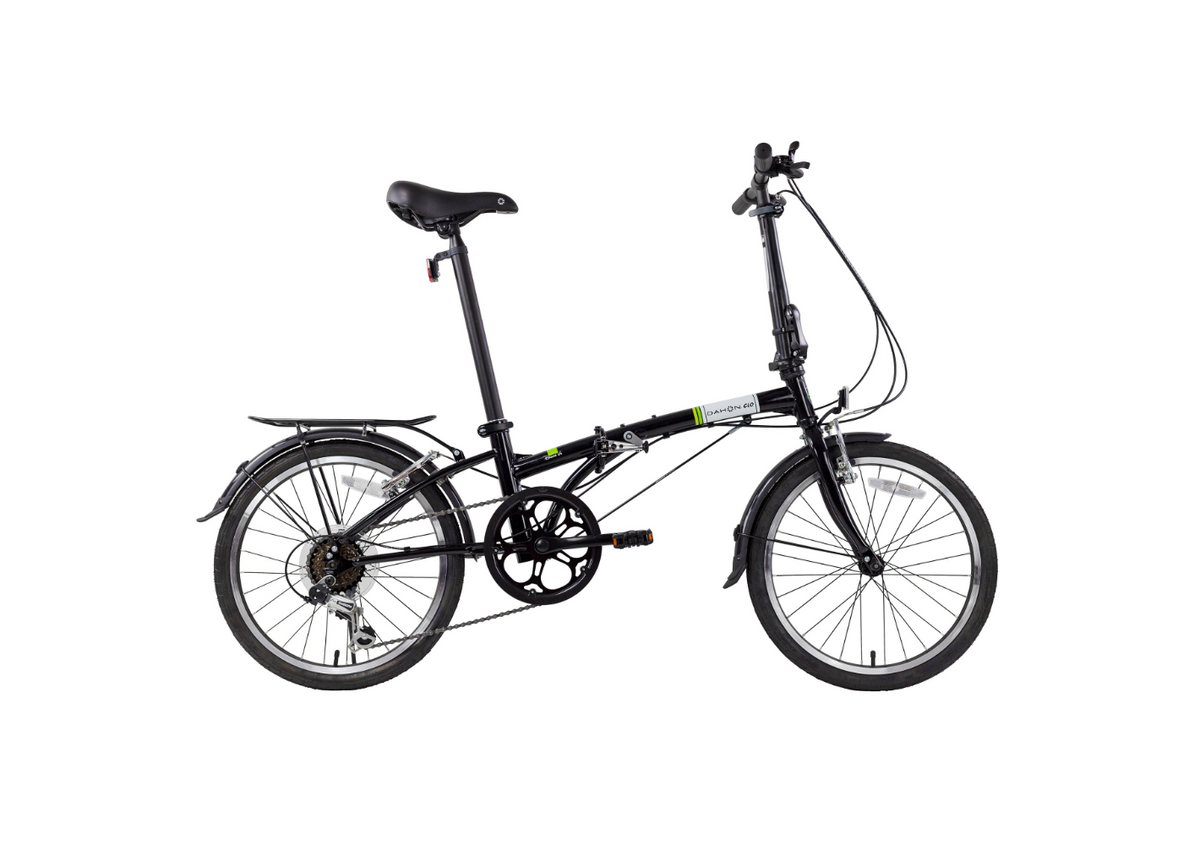
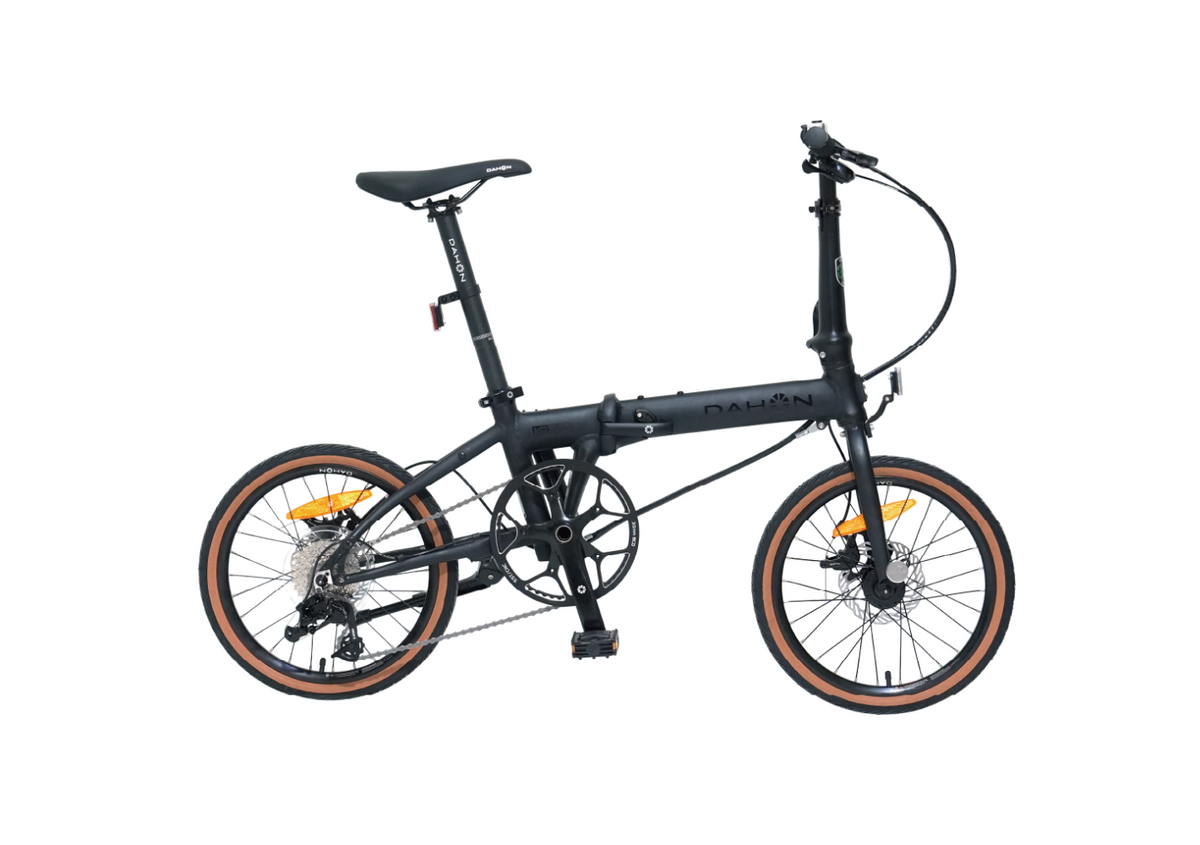
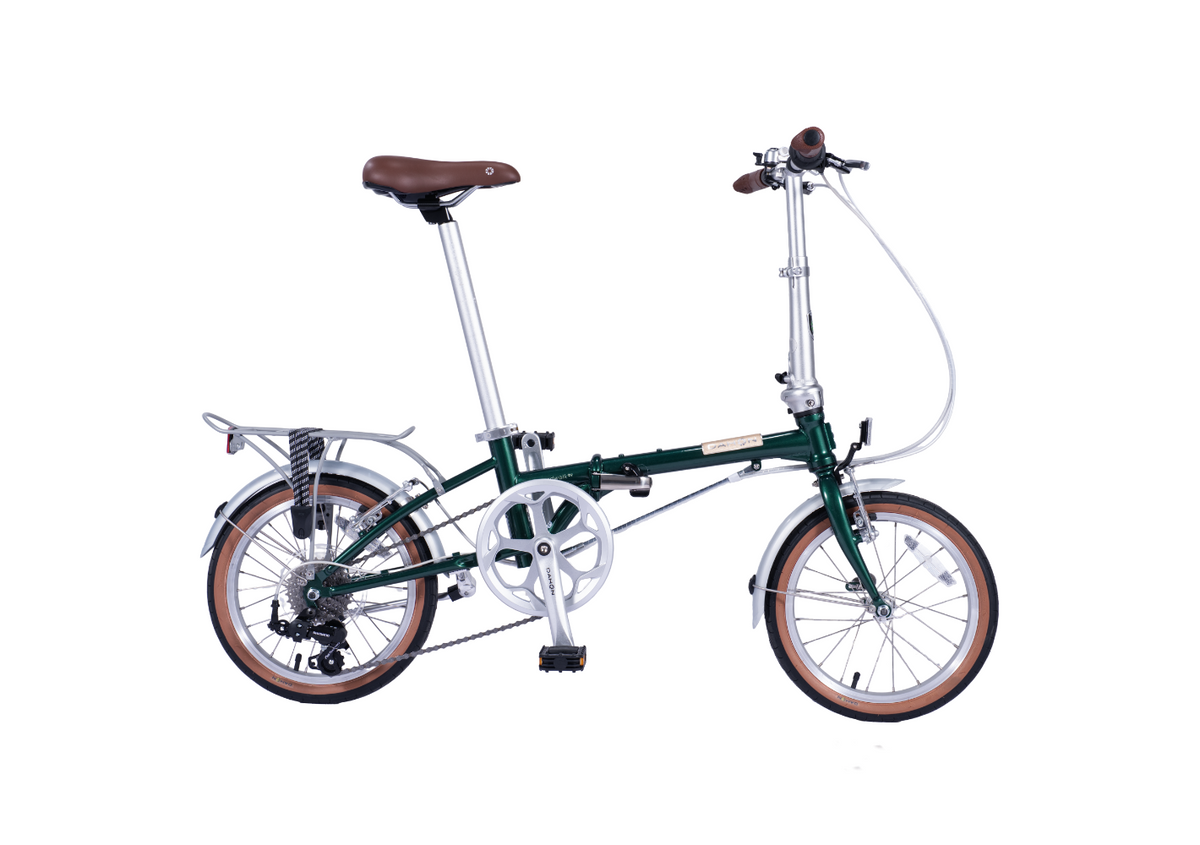
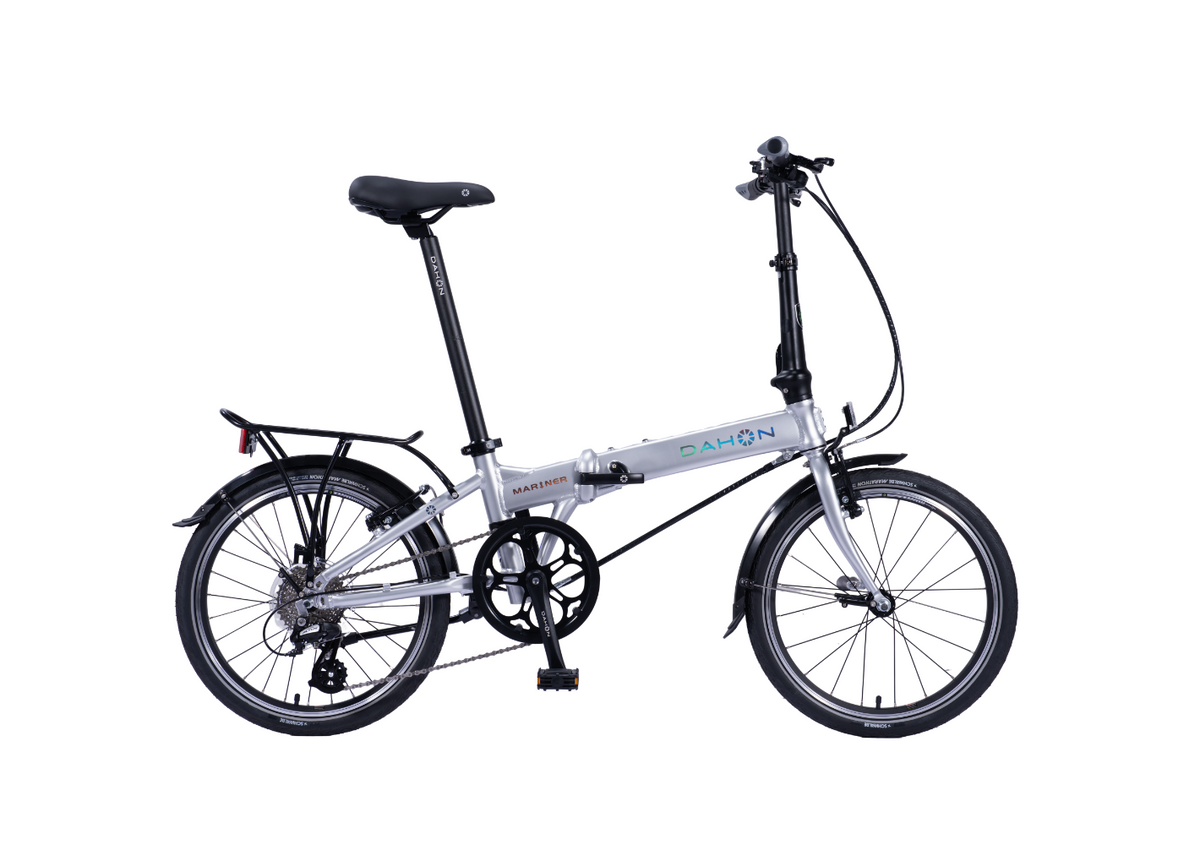
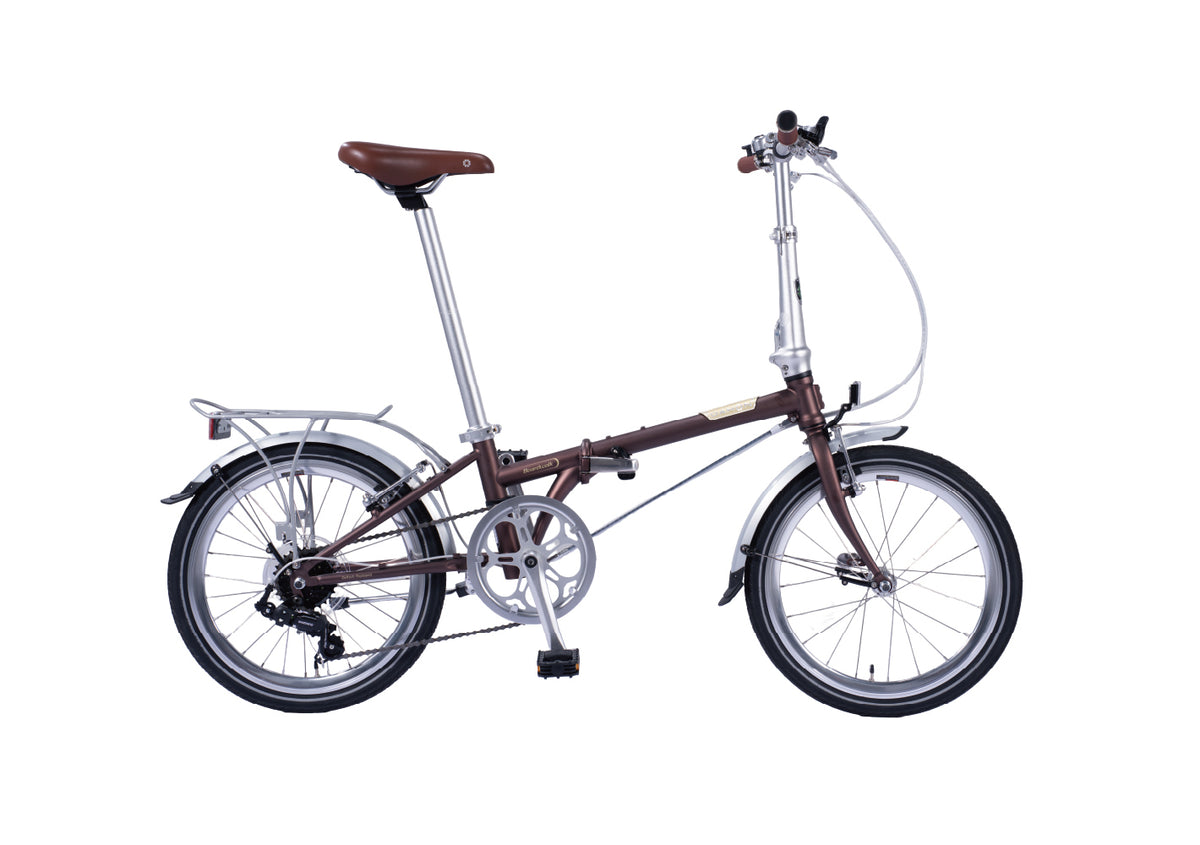
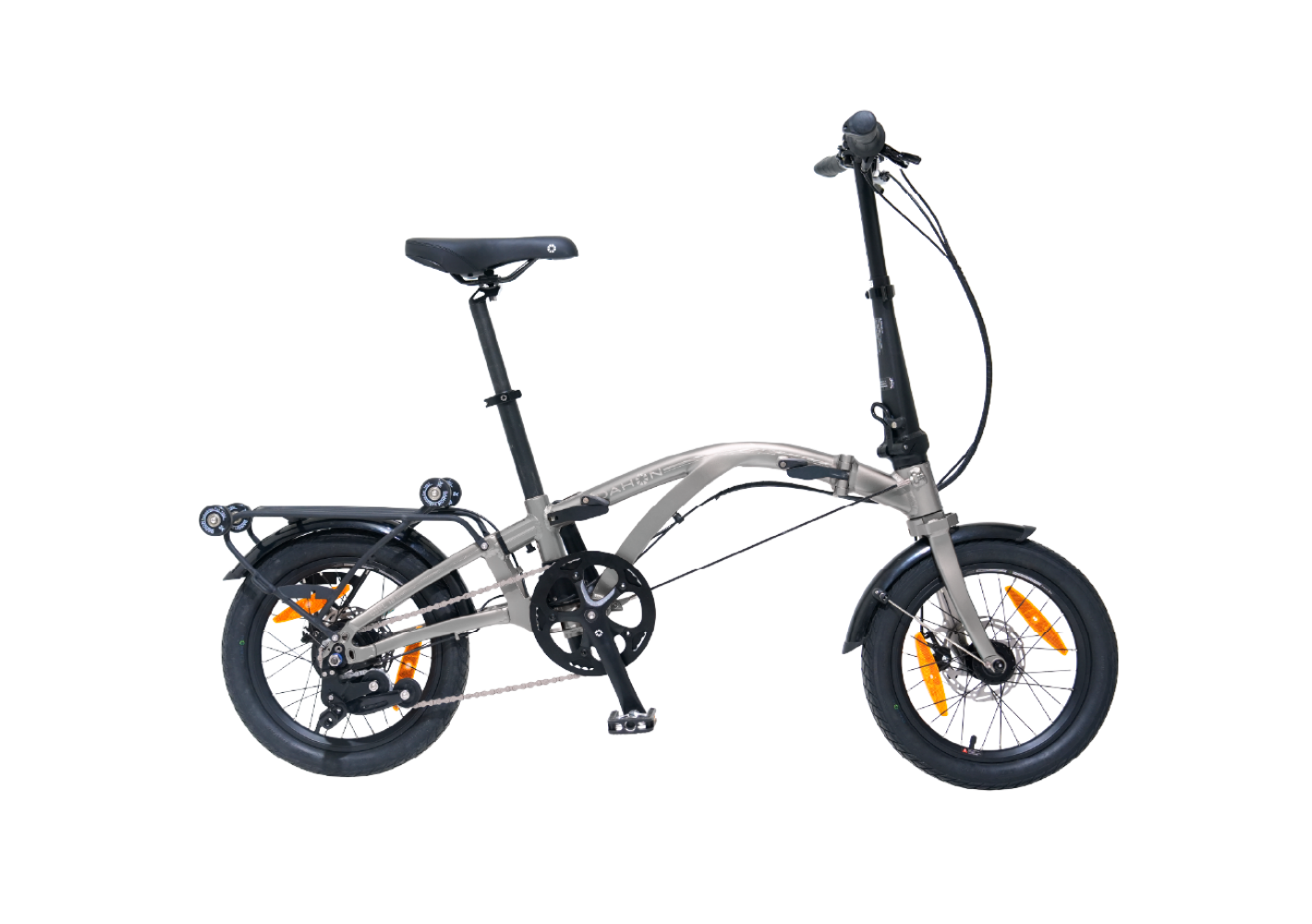
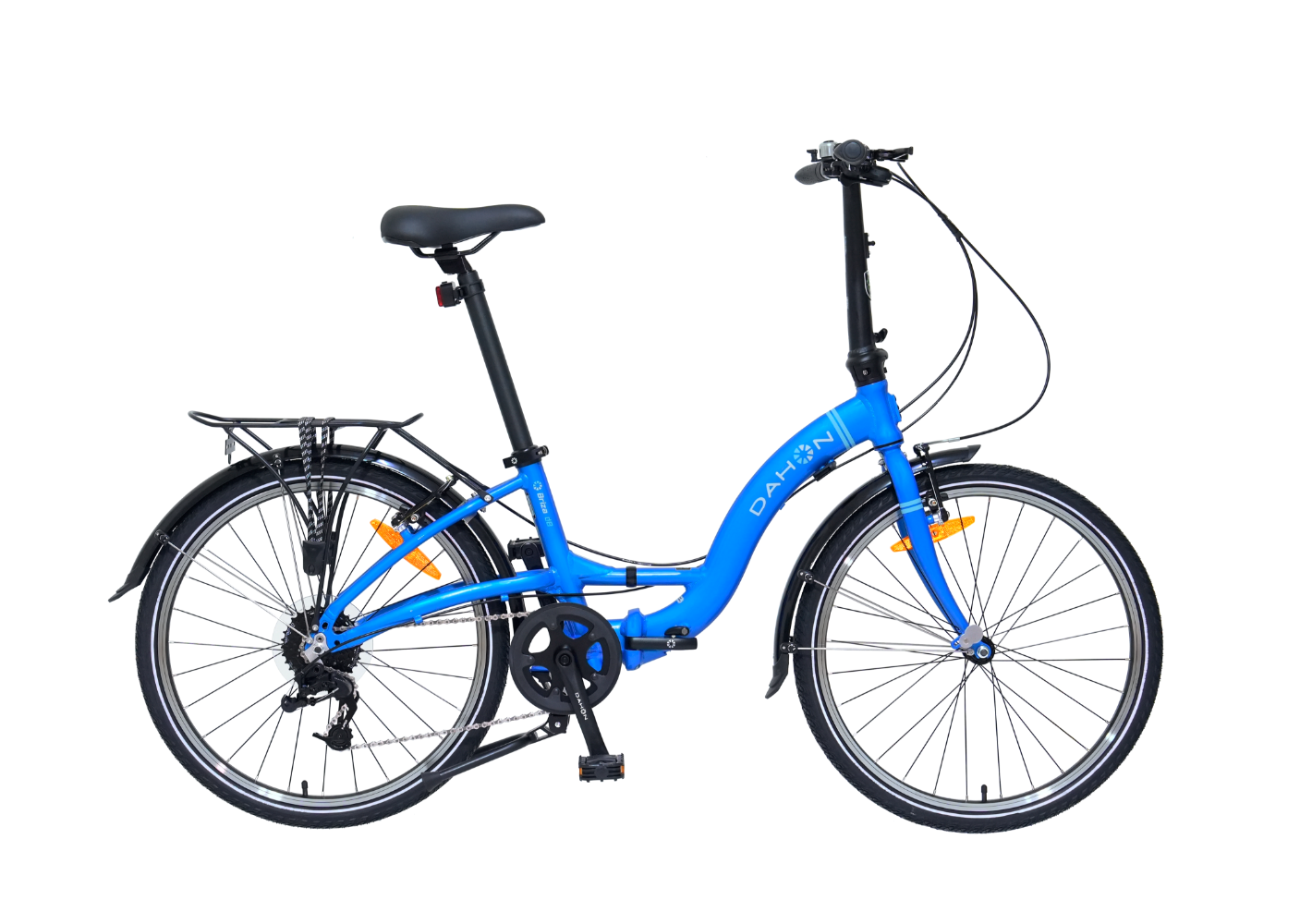
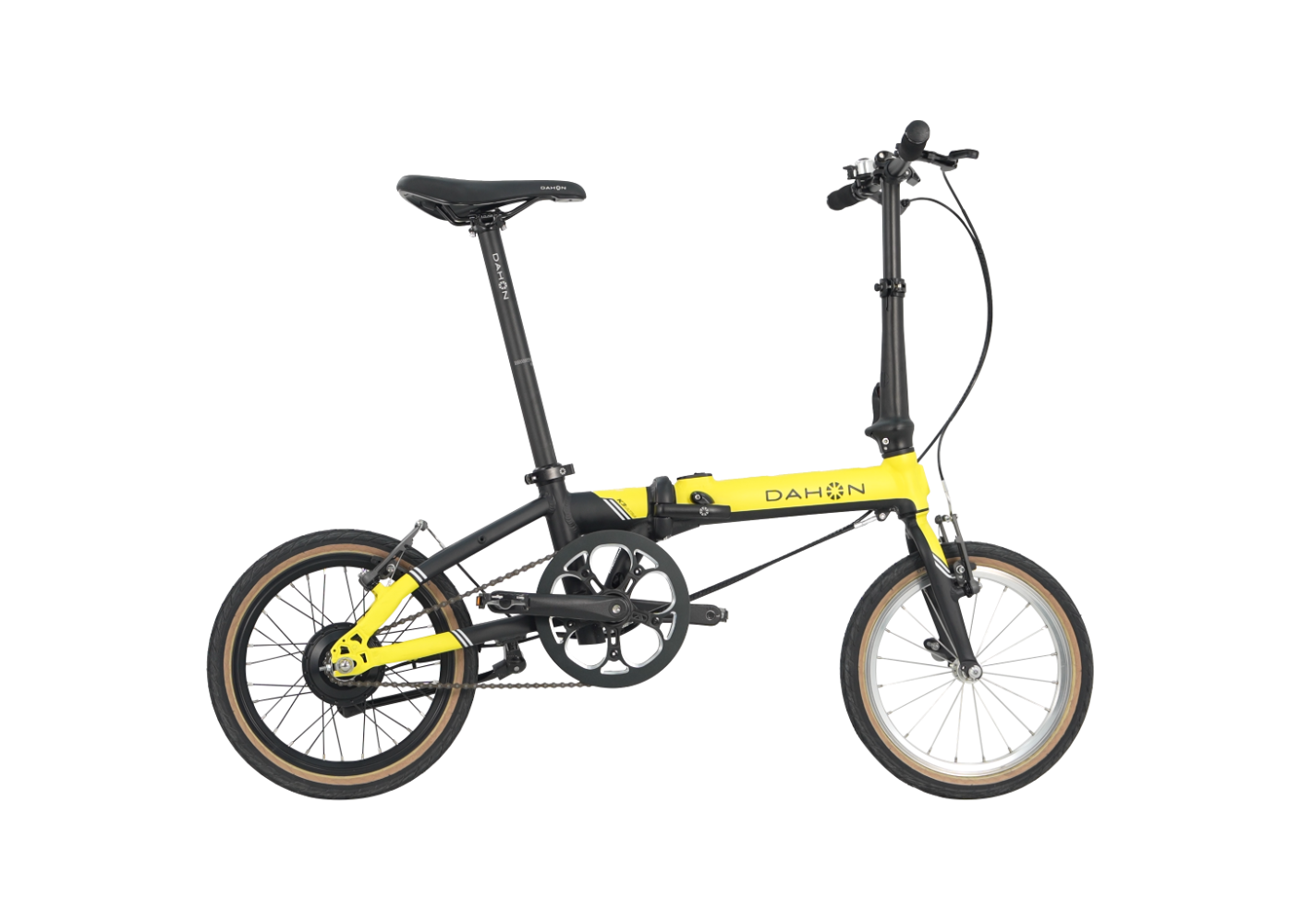
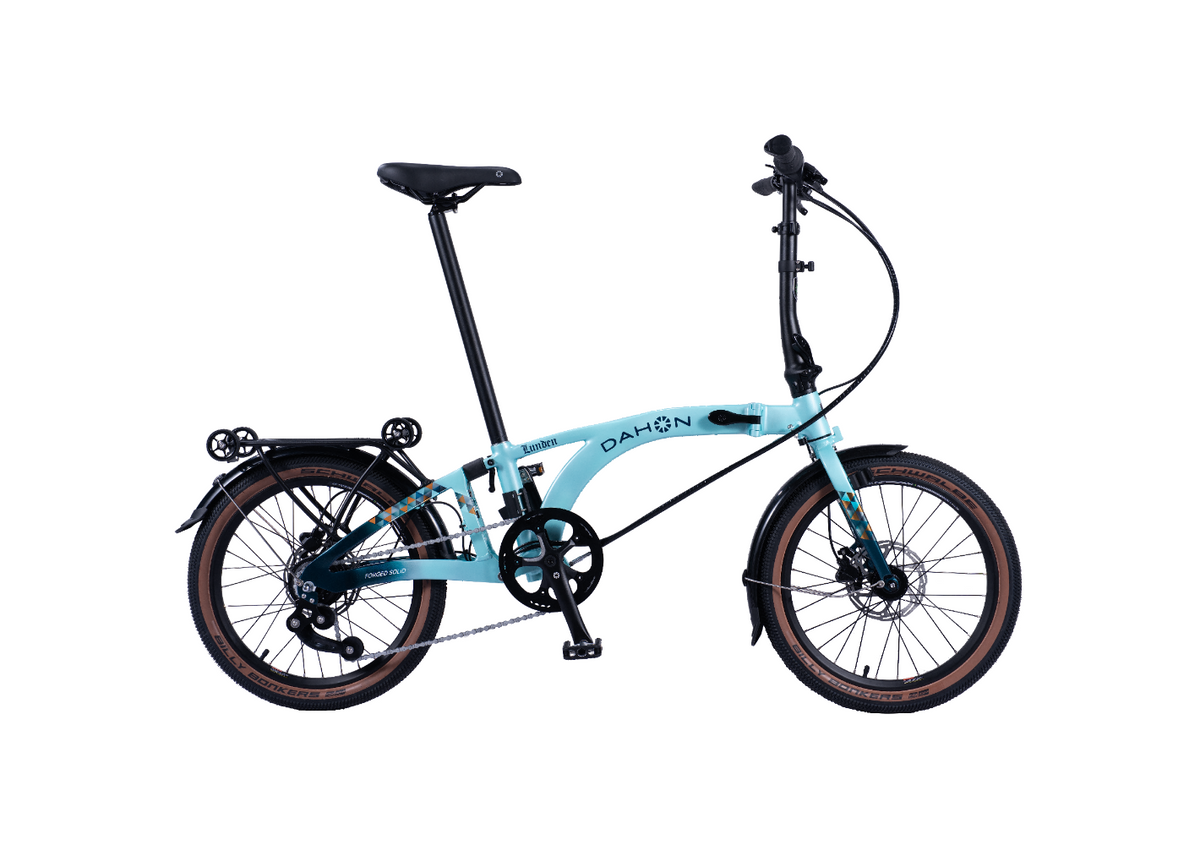
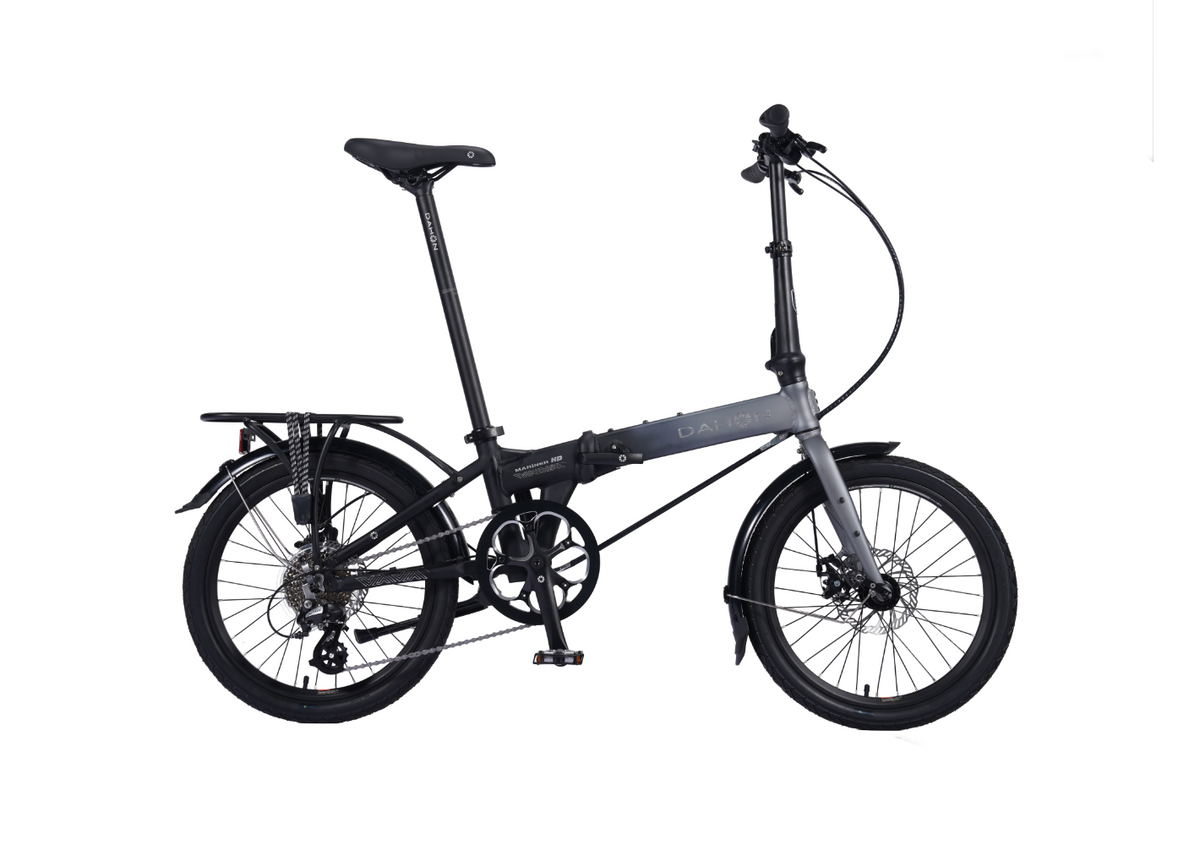
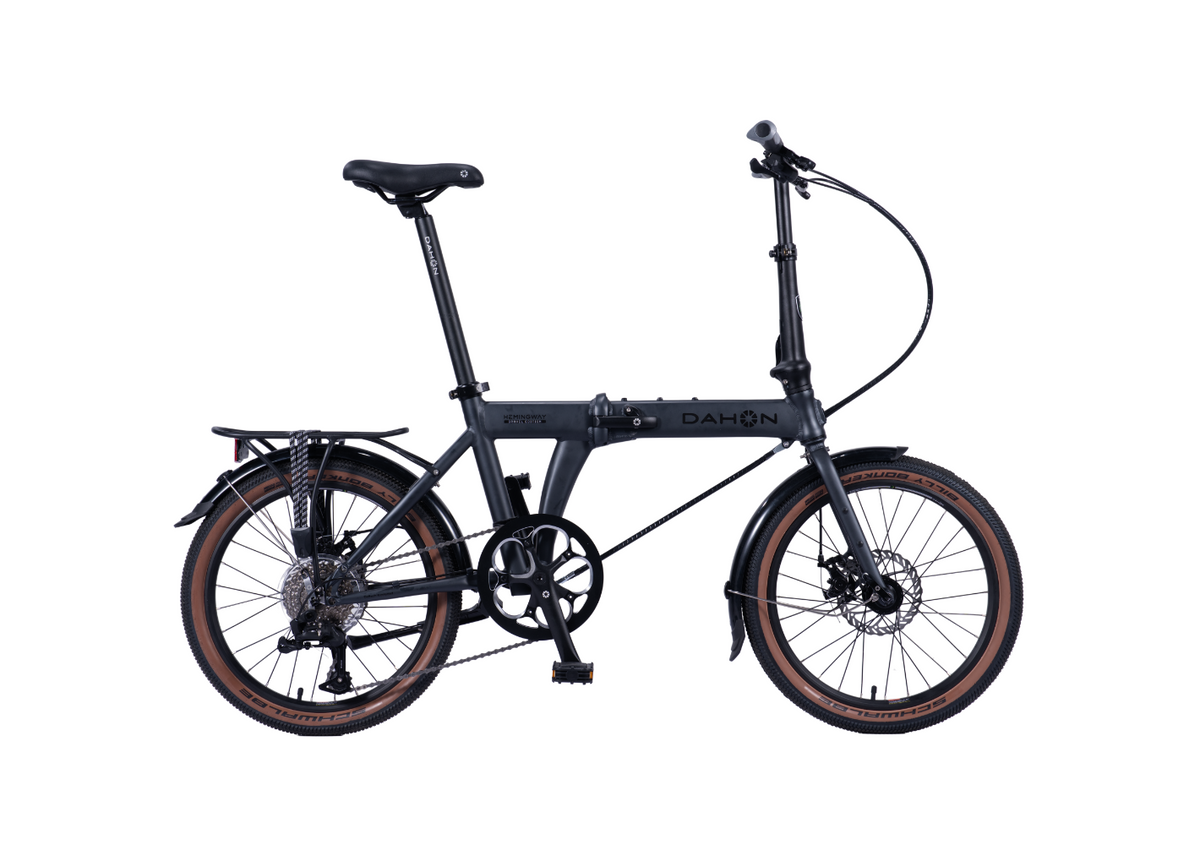
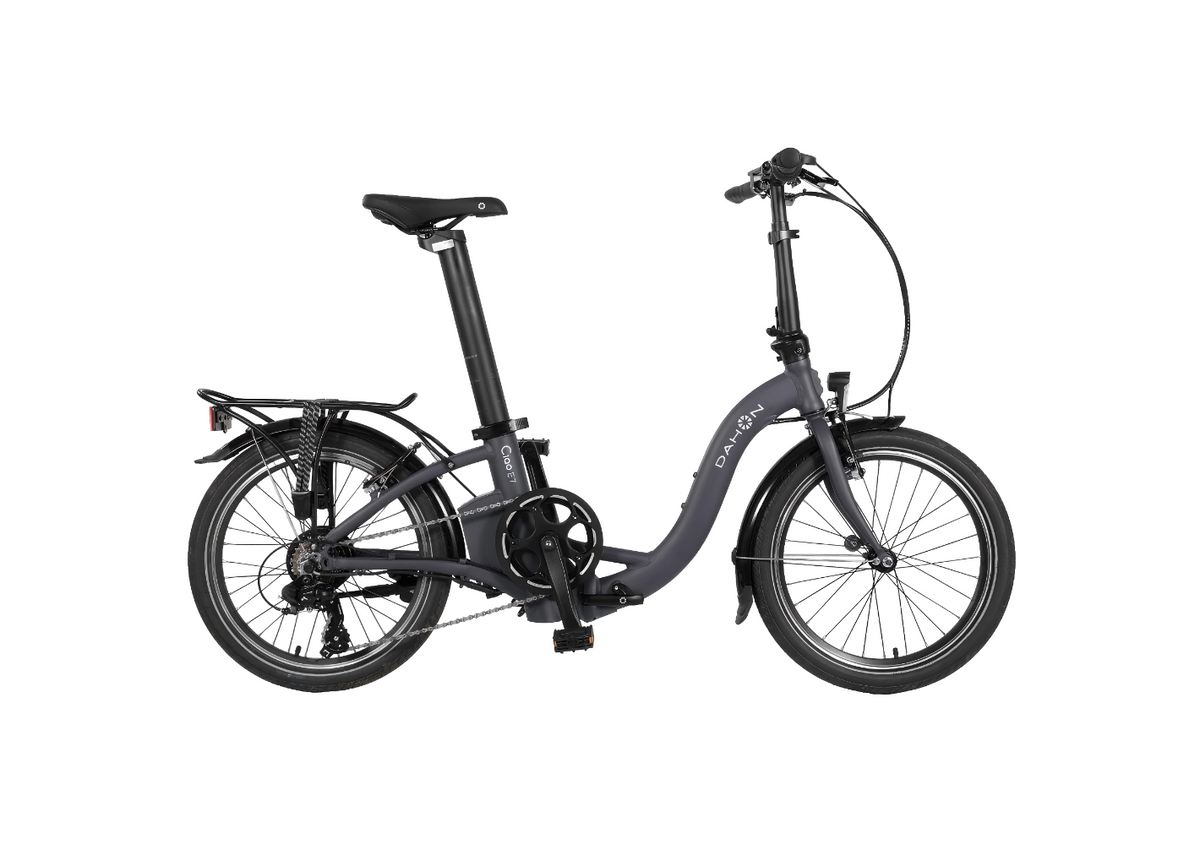
Next, open the official documentation for the bike you will ride. Look up its intended use and tyre details. Use the exact model, not a similar-looking one or a model with the same wheel size. If your tour bike is one of ours, start from the matching model in our folding bike range and its manual. If the documented use covers the surfaces you mapped, keep that stretch. If a stretch looks harder than the documentation supports, plan a bypass for that section.
An unclear section is a question you still need to answer. Write down the section name and the surface detail you are missing, for example "6 km riverside path, surface not stated". Then look for current information about that stretch or choose a clearer alternative. Mapping tools can help. Cycle.travel explains how to use paved-only routing and the elevation profile and how to drag a route away from a section you would rather avoid. Its paved-only result assumes the underlying OpenStreetMap data is correct, so treat it as a lead, not proof.
Weigh climbing with experience, gearing and luggage
Total ascent shows how much climbing a route contains, but the route profile reveals how that climbing actually feels. The cumulative elevation from your planner offers a practical baseline for comparing two versions. Where a profile is available, mark individual climbs that are sustained or steep.
A long steady grade and a succession of short, steep ramps might total the same elevation while demanding very different physical efforts.
Then compare those climbs with riding you already know. Experience counts most when it matches the tour: the same bike, a similar load and similar terrain. Hills you ride easily on an unloaded commute say less about a loaded tour. Use the gearing listed in your bike's official documentation as one input. A gearing label on its own does not settle whether a climb works for you. If you plan to carry pannier bags, our article on 24-inch folding bikes for touring looks at heel clearance, frame stiffness and taking the bike on trains.
When one climb is clearly the weak point, look for a local fix before dropping the whole route. The least-climbs version may avoid that hill for a few extra kilometres. You could also bypass a short stretch by train. If climbs keep being the problem across several routes, our comparison of folding and electric folding bikes on hills weighs effort against carrying and charging.
Set daily legs around the whole ride
Plan each day on its own instead of relying on the tour's total distance. While the planner's estimated cycling days help compare alternative routes, they are not universal targets for every rider. Split the itinerary into stages you actually plan to ride, anchored by confirmed overnight stops.
Check each stage against rides you have already done in similar conditions. A familiar distance only counts as a guide when the surface, climbing and luggage were close to the planned day. As an illustration: a 300 km itinerary over five days averages 60 km a day. But if day three has the longest climb and the unclear surface section, that day is the one to compare with your experience, not the average.
If one day stands out as too much, shorten it by moving an overnight stop. You could also split it in two, or replace a stretch with a short train hop. Keep the leg when it matches something you have already ridden under similar conditions. Change the whole route only when several days stand out and no new stop fixes them.
Confirm a rail fallback with the actual operator
A train becomes a more credible backup once current official rules confirm that bicycles are accepted on the service and any required reservation has been made. Availability can still change on the day.
EU guidance notes that railway companies can restrict bicycles for operational, safety, capacity or rolling-stock reasons, or based on weight and dimensions. Official EU guidance therefore directs travellers to check the rail company's official information for fees and restrictions.
Before you count on that train, find out which operator runs it and which service you would take. Then confirm whether bikes are accepted, the fee and any capacity, size or weight conditions. Folding the bike does not answer these questions for you. Check how that operator treats a folded bicycle. If the journey involves more than one operator, check the rules for each rail leg. This guidance covers rail only, so look up bus or ferry conditions separately with those providers. For tight connections, our guide to changing trains with a folding bike covers time buffers, platform walks and storing the bike on board.
If you cannot confirm the service, plan a different backup, such as another station or operator. Otherwise, change the route so that stretch does not need a backup. Your first step before committing is to name the operator and service for every planned rail backup.
FAQs
What does the EuroVelo most-developed option prioritise?
It favours high-quality routes and avoids heavy traffic and poor surfaces where possible. "Where possible" matters here. The option compares route quality, but it does not promise that every section is paved or suits your particular folding bike. Check the development levels of individual sections and look closely at any weaker ones.
Can planner-estimated cycling days set my personal itinerary?
No. Estimated days are a way to compare route versions with each other. Your own stages should come from rides you have completed with similar surfaces, climbs and luggage. You may end up needing more days or fewer than the planner suggests.
Does EU rail guidance confirm that a particular train accepts a folded bike?
No. The EU guidance explains why restrictions can exist and tells you to check the rail company's official information. Check the operating railway company’s current official information to confirm bicycle acceptance, fees and any size, weight, reservation or capacity conditions for that service.