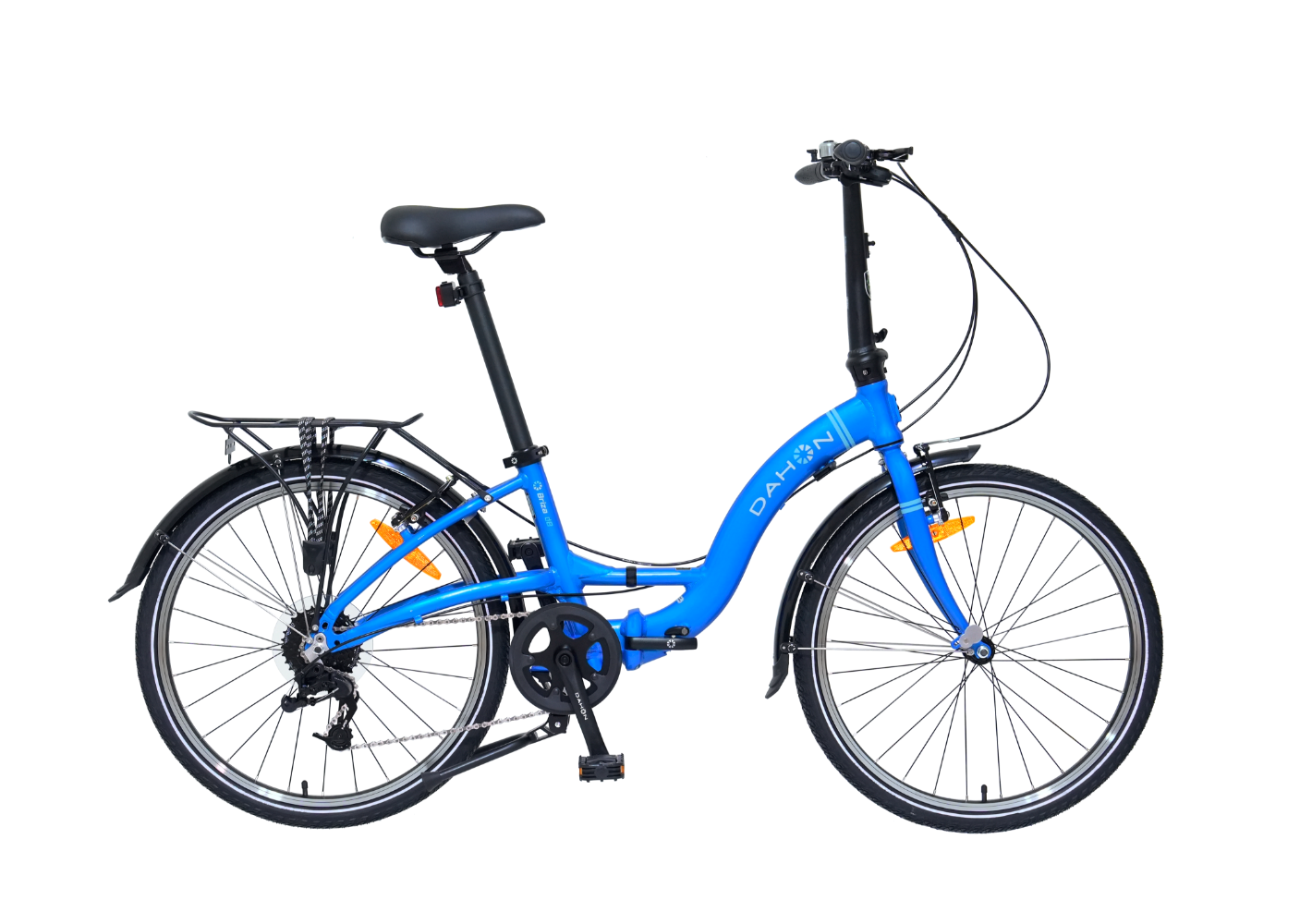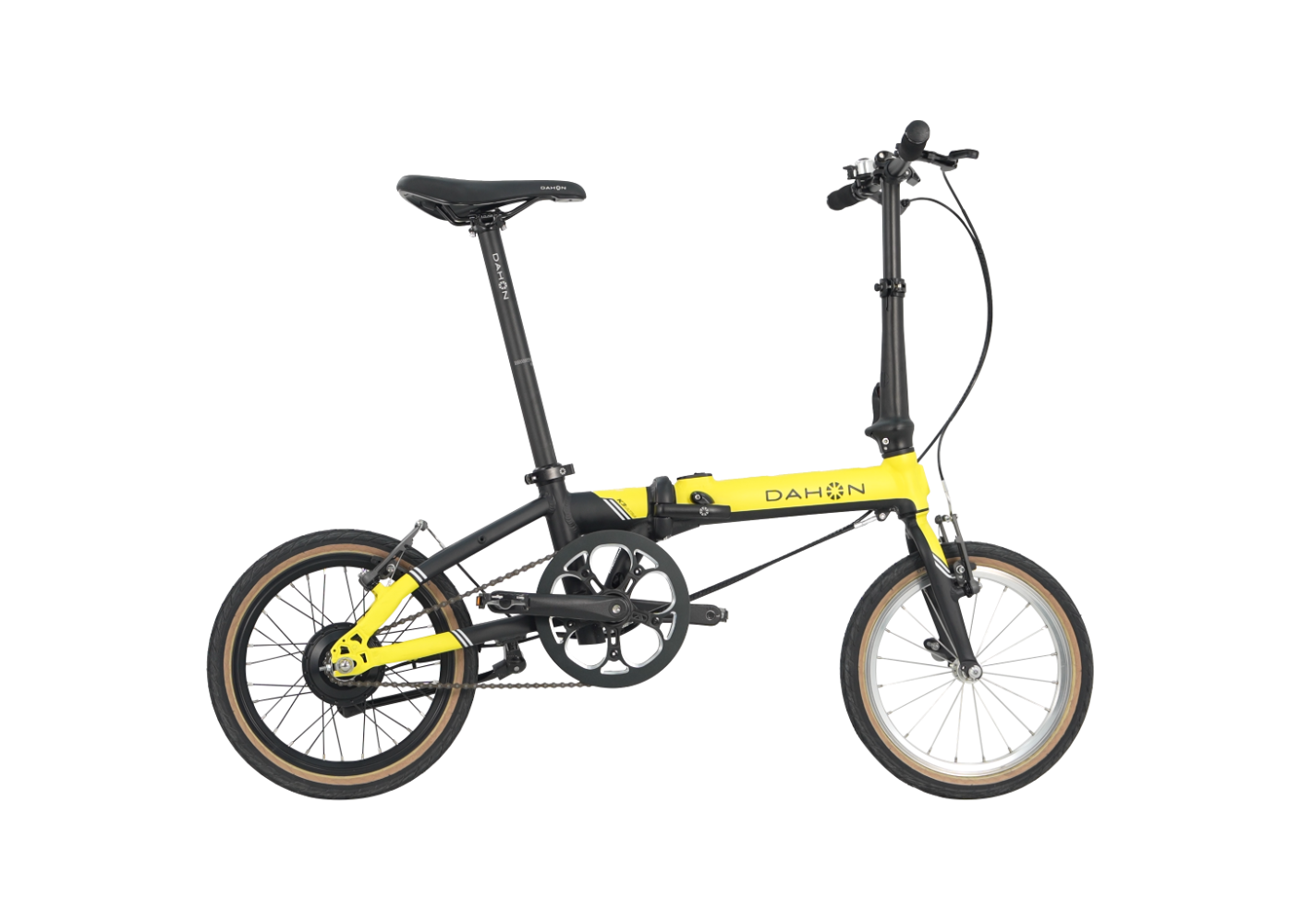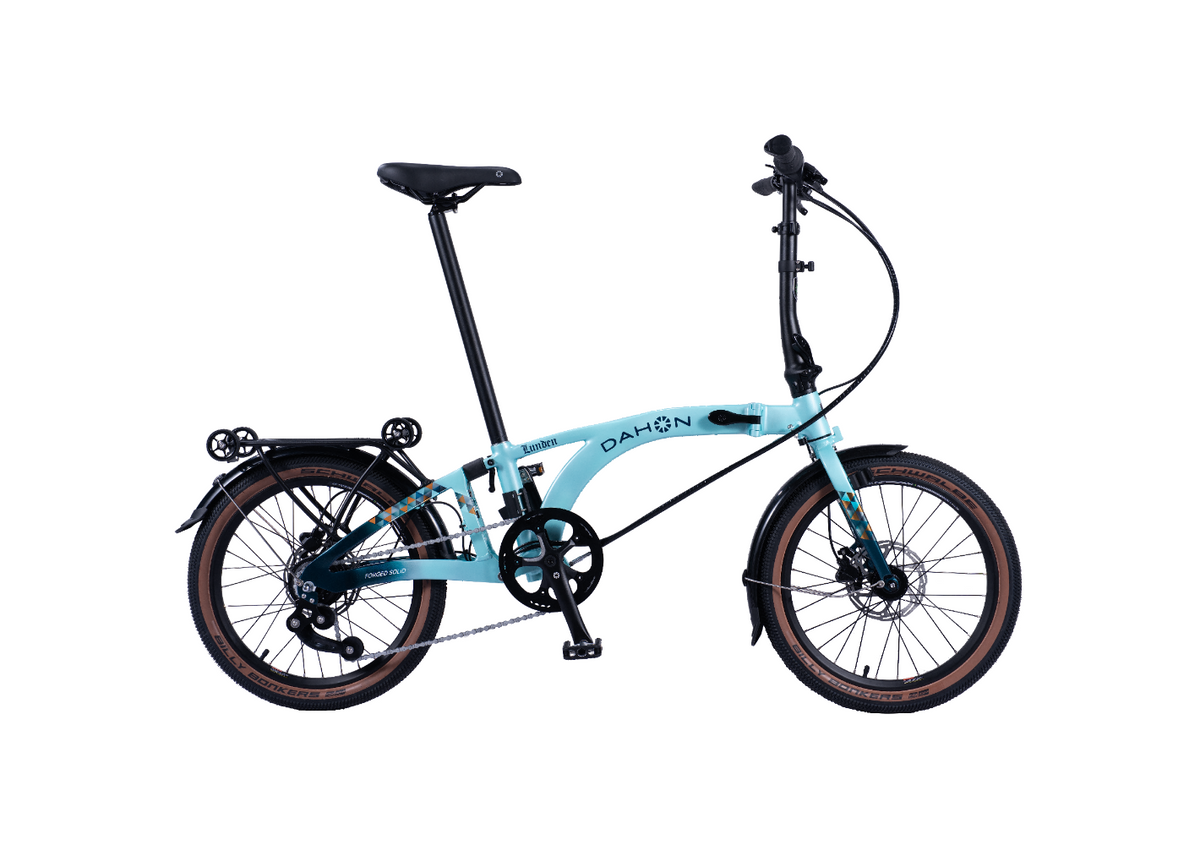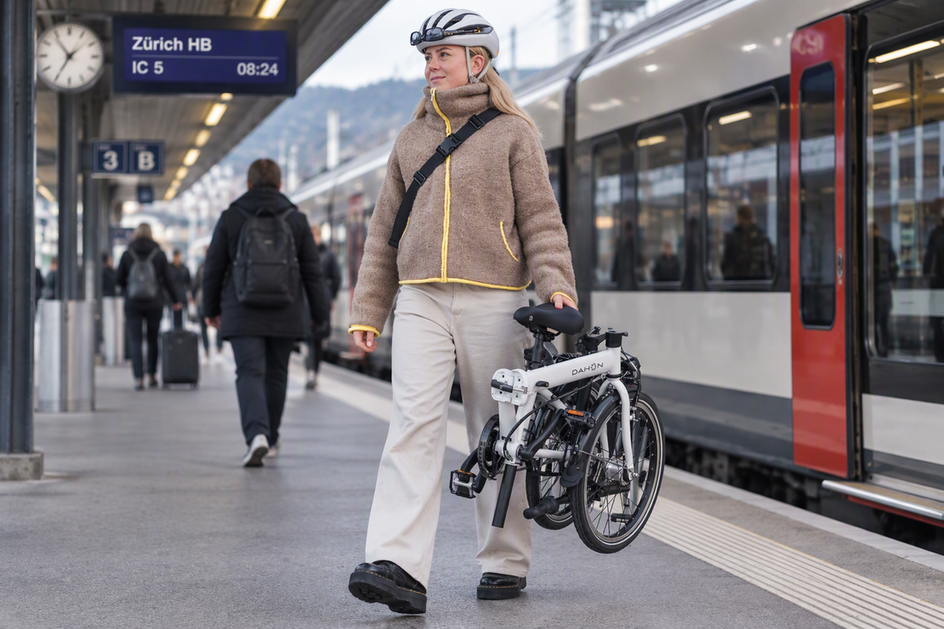
The best way to build a reliable folding bike commute is to start with a real trip on your actual route, then let the next few journeys show you what needs fixing. After each trip, write down where folding, carrying or storing the bike slowed you down. When the same snag shows up again, change one thing and see if it helps next time.

A practice run or one smooth trip is a good start, but it does not prove the routine works yet. Before you repeat the routine, confirm the rules of the train operator for each part of your route and the folding steps for your exact bike.
Set up a first-week commute observation loop
Your first week works best as a simple loop: ride, note, compare, adjust. You don't need a fixed number of trips. You just need notes that are specific enough to show a pattern.
- Take a real commute. Use the route, train service and time of day you plan to use. An empty weekend platform can hide problems that a busy morning train will show.
- Log the exact step and place. After each journey, note where the friction happened: folding, carrying through the station, boarding, stowing on the train, unfolding, or parking at work. "Stuck at the stairs at my transfer station" is useful. "Carrying was hard" is not.
- Mark if it happened before. Check your earlier notes. A snag that comes back on separate trips is a pinch point. A one-off, like a crowded train after a delay, may not need a change.
- Try one change on a later trip. Pick one adjustment that targets the repeated snag. Then check the same spot on the next commute and write down if it got better, stayed the same, or caused a new problem.

Changing one thing at a time keeps the result clear. If you change three things at once, you won't know which one helped.
Turn a repeated pinch point into one change to test
Match each change to the exact snag you logged, not to the journey as a whole. These are practical ideas to try, not proven fixes.
Folding: locate the step that interrupts your sequence
Name the stage that went wrong, such as a latch, the pedal or the handlebar step, instead of calling the whole fold difficult. If you're unsure how that step should work, follow the manual for your exact bike and version rather than a generic fold routine. Then try one change, such as practising that single step at home before your next commute. Check the same stage on your next real trip. For general preparation ideas, our guide on folding your bike faster covers commuter habits worth trying.
Carrying: identify where the load or route becomes awkward
Note where carrying became awkward, such as a long staircase, a crowded underpass or a tight transfer. Also note why: the bike's weight, your bag, or the walking distance. Then pick one change, like a different entrance with a lift or a lighter bag. Compare the same place on a later journey. If weight is the recurring issue, our comparison of folding bike weight classes explains the trade-offs. For transfers, our transfer planning guide helps with time buffers and walking routes.
Storage: prepare for the place you actually use
First, decide whether the problem was on the train or at your destination. On the train, note which spot you tried and what blocked it. At work, note whether the bike had a safe place to stand. Before your next trip, find a permitted and workable spot in advance where you can. Your operator's rules still decide what is allowed. Then check the same storage step again, because one good stowage doesn't settle it.
Check operator conditions and your bike's exact folding steps
Two things shape your routine beyond your own notes: the operator's rules and your bike's instructions. They answer different questions, so check both.
Deutsche Bahn: keep this example within DB conditions
Under DB's folded-bike hand-luggage conditions, folded bicycles can travel free as hand luggage. You don't need a bicycle ticket or a bicycle space reservation. The bike must be stowed safely, for example in luggage racks or multi-purpose areas. Aisles, doors and safety equipment such as fire extinguishers must stay clear.
This applies to the services covered by DB's guidance: DB long-distance trains, plus local and international services under DB's conditions of carriage. It is not a rule for every EU operator. For your route, identify the train company for each leg of the trip. Then read its current official conditions and any local transport-association rules. Our operator luggage checklist helps you match operator and fare to each leg. If you travel in Germany, our guide to the Deutschlandticket and folding bikes covers the last-kilometre plan.
Use the manual for your exact bike and version
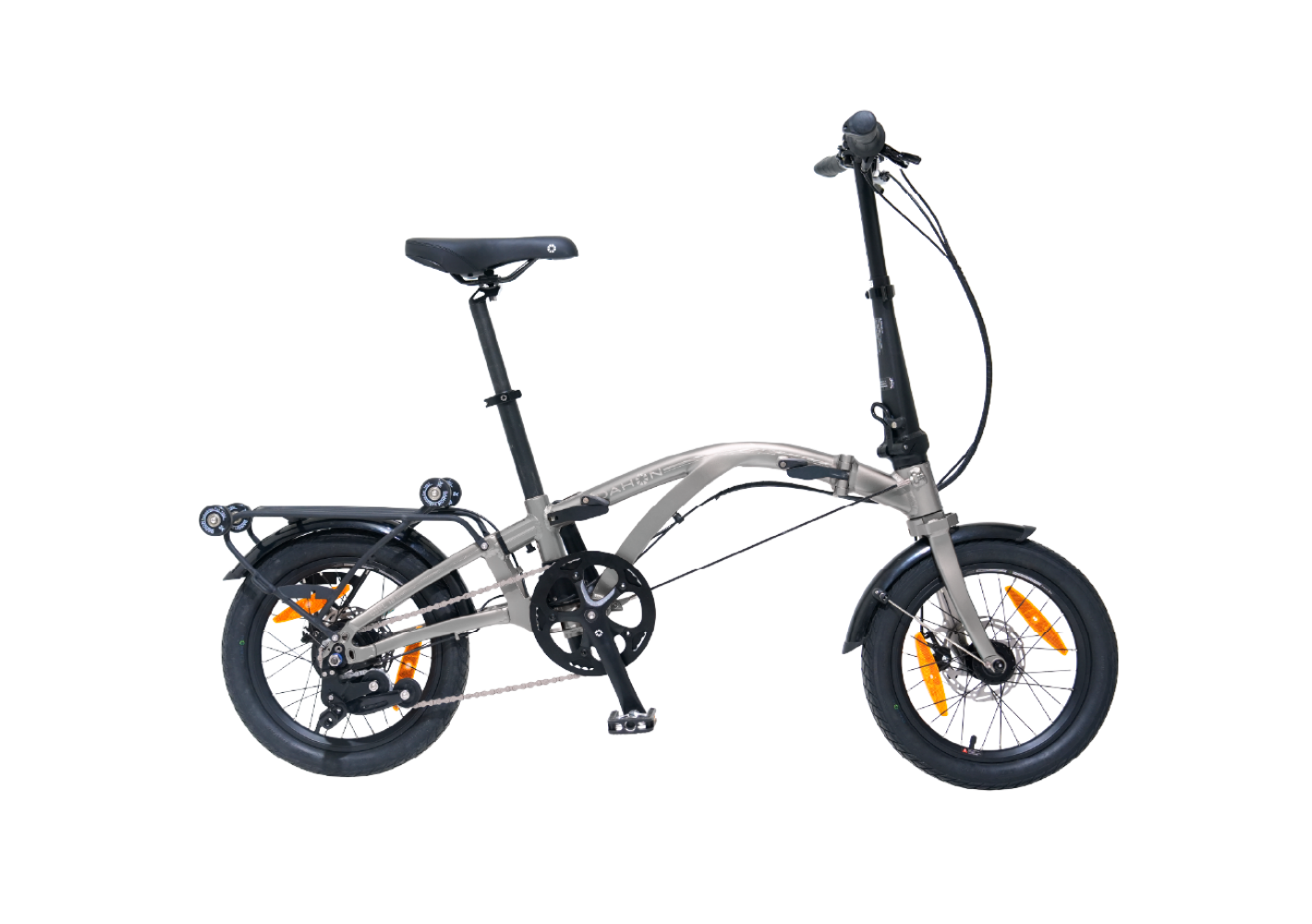
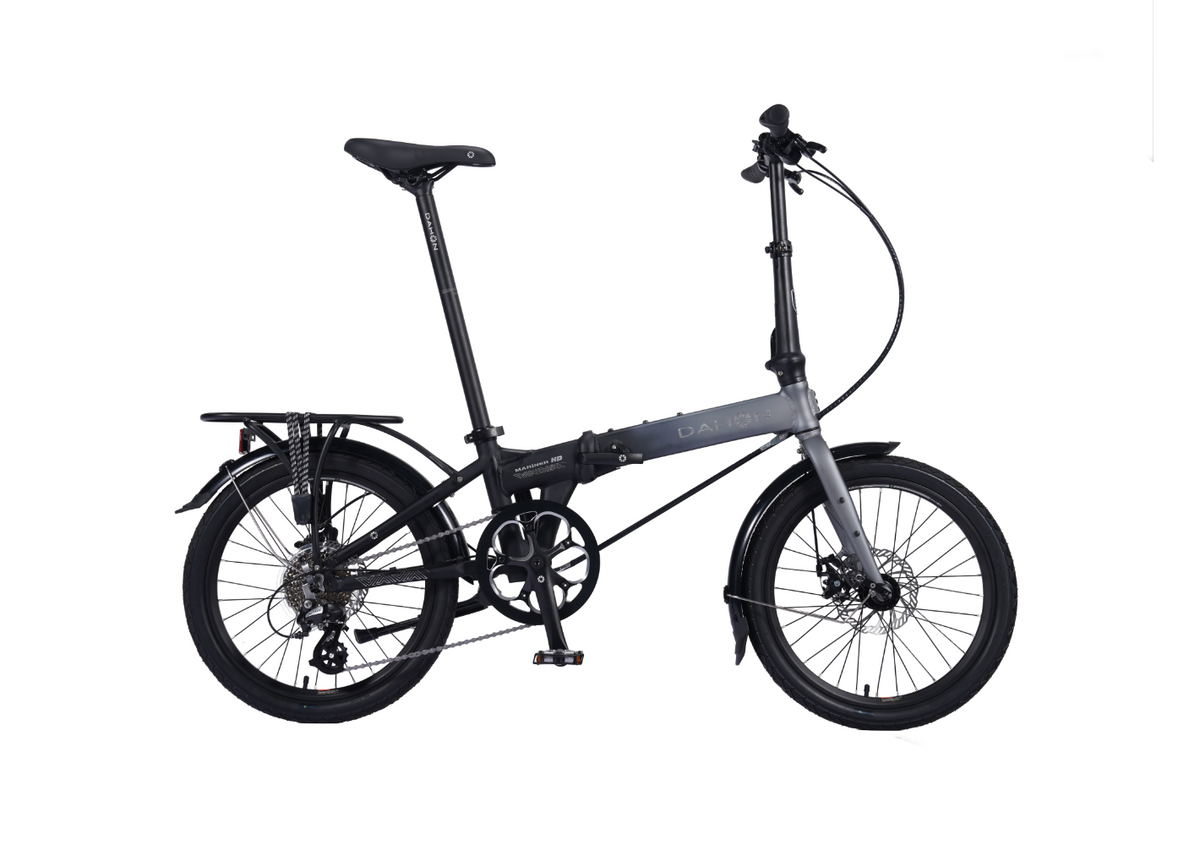
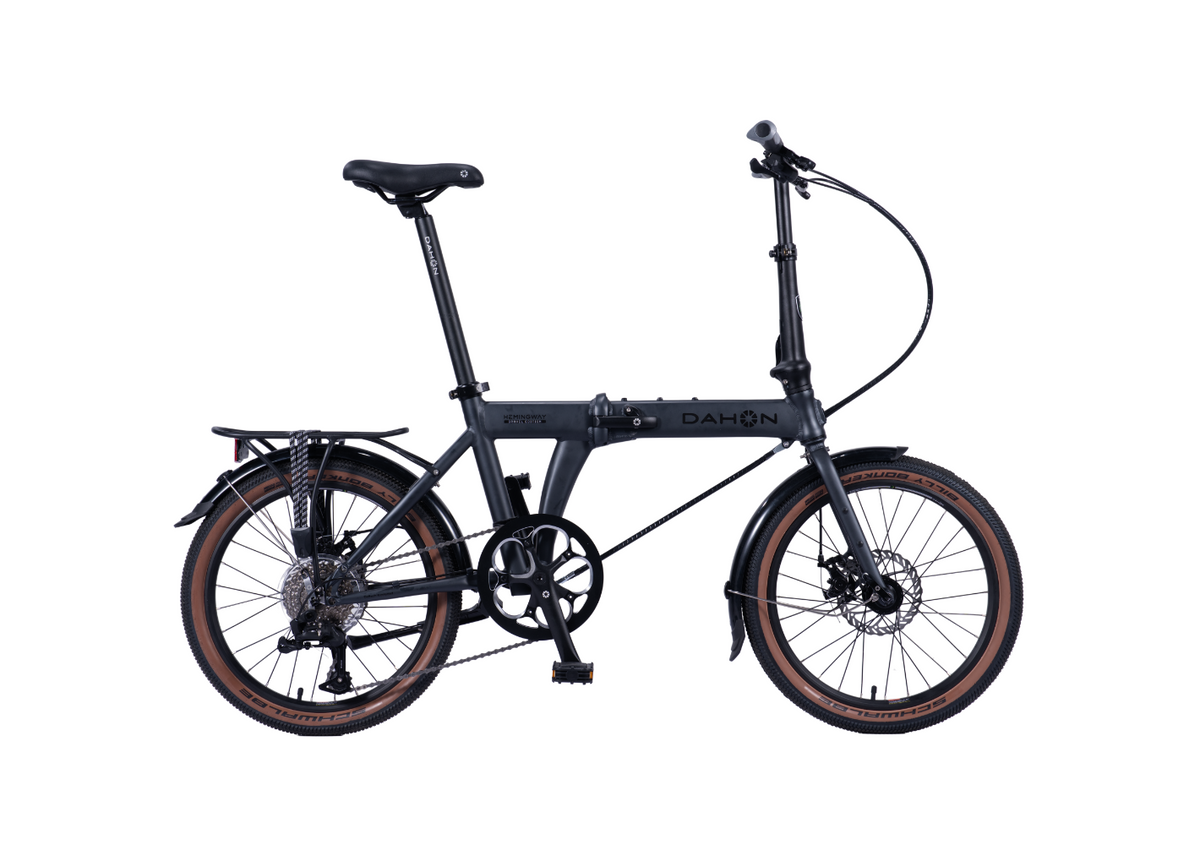
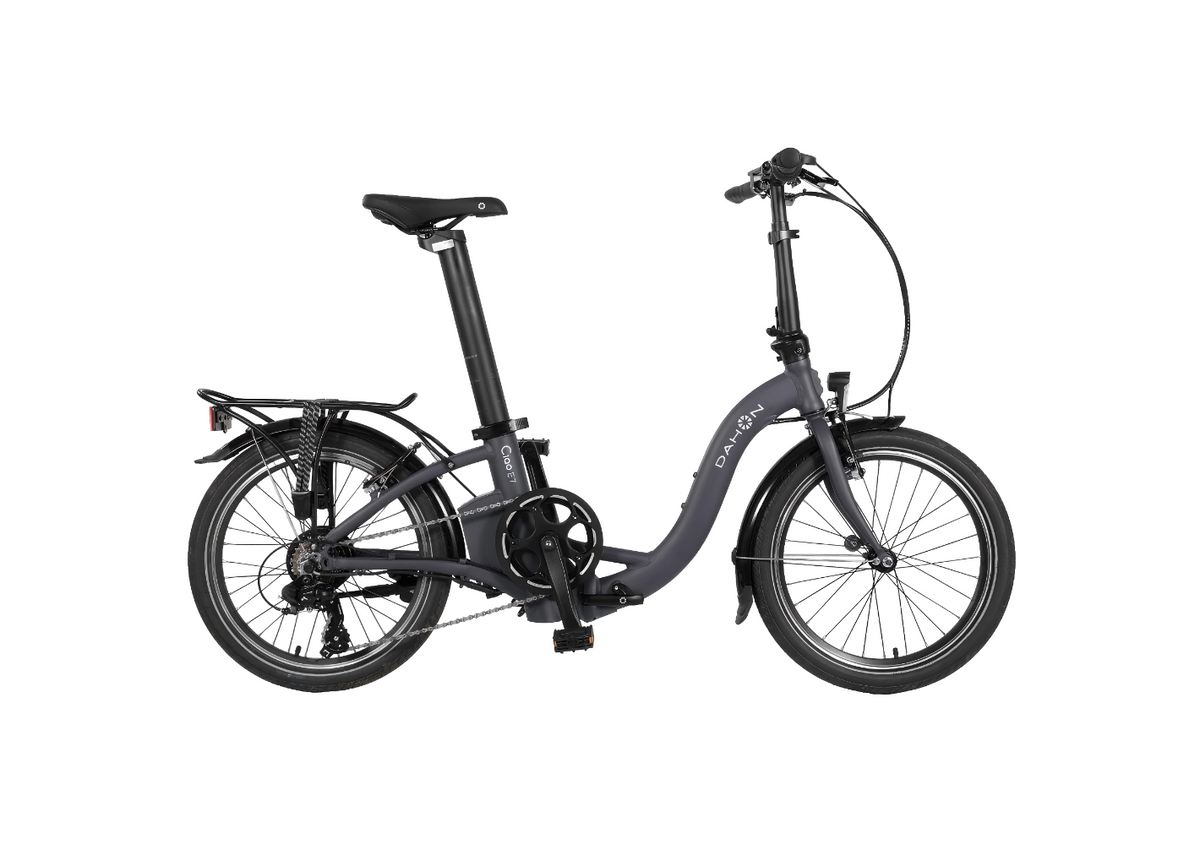
Folding steps differ between models, so use the manual that matches your bike and version. Product details help, but they are not the same thing. For example, we list our Curl Ei4 (model CEA645HFM) as a 16-inch tri-fold bike with 3-second folding and a folded size of 58 × 38 × 60 cm. Numbers like these help you compare the bike with the storage space you plan to use. They don't give you the step-by-step fold, and they don't prove a fit on every train. If your manual is missing or unclear, ask us or your dealer for the matching instructions or a demonstration. If you're still choosing a bike, you can compare folded sizes across our folding bike range.
Your next step: write down the operator for each leg of your commute and get the manual for your exact model before your next trip.
FAQs
Should I do a practice run before my first real commute?
Yes, it can help, especially to try the fold and find station entrances without time pressure. Just treat it as preparation. Busy trains and real timings only show up on actual commuting days.
What should my trip notes look like?
Keep them short: the date, the step, the place and what went wrong. For example: "Transfer station, stairs to platform 4, bag slid off shoulder." Add a mark if the same issue happened before.
What if a change makes things worse?
Write that down too. Go back to your earlier way of doing it, or try a different single change on the next trip. A new problem is useful information for your next adjustment.
Does an urban bike setup need to change for train days?
It can. Extra bags or accessories that are fine for riding through the city may make folding or carrying harder. If they show up in your notes as a repeated snag, test leaving one of them at home.