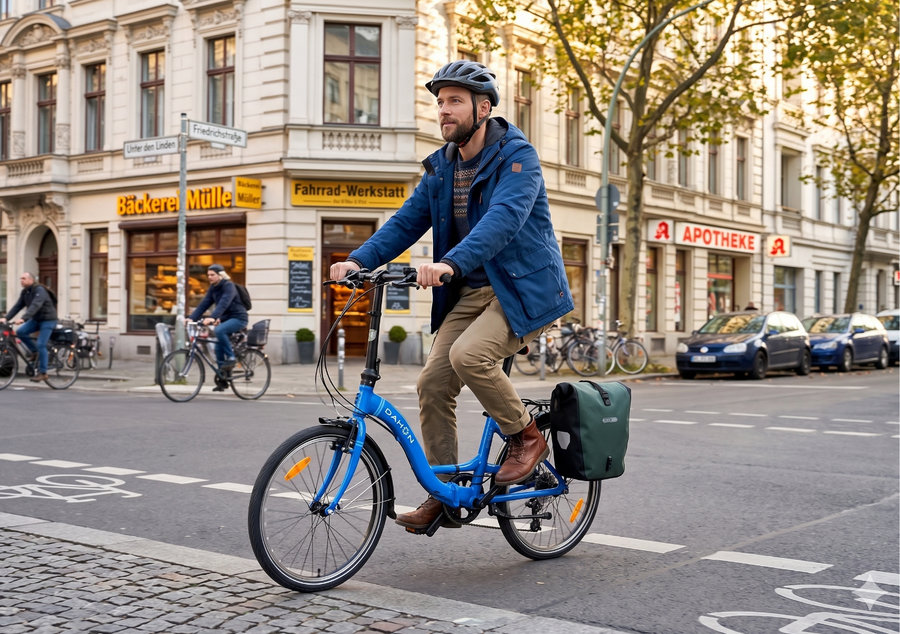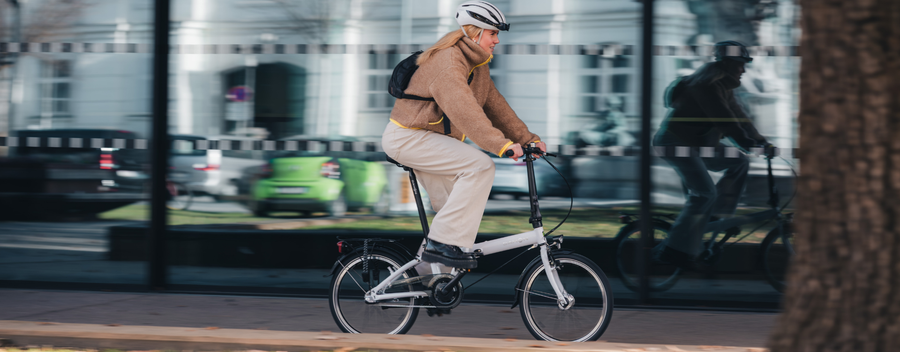
A lightweight folding bike makes the difference between a daily commute that feels easy and one that feels like a chore. Carrying a bike up staircases, onto a train platform, or into a small flat depends on weight just as much as on its folded size. Some models drop below 10 kg, others sit comfortably between 10 kg and 15 kg, and folding e-bikes have an entirely different weight range. The right number on the scale ultimately depends on how and where you ride.
Quick Takeaway
- Most folding bikes weigh between 9 kg and 16 kg.
- A bike under 10 kg is built mainly for carrying up and down staircases, taking on trains, and fitting into tight storage spaces.
- A bike under 15 kg is the most practical range for everyday commuters who also ride longer distances.
- Folding e-bikes typically land between 15 kg and 22 kg due to the added weight of the motor and battery.
- Aluminum frames are the standard for a light, durable folding bike; steel adds strength but also increases weight.
How Much Does a Folding Bike Weigh?
A standard folding bike weighs between 9 kg and 16 kg, with most mid-range models sitting around 11.5 kg to 12.5 kg. Frame material, wheel size, and gearing all shift this number up or down.
Typical Weight by Frame Material
Steel-framed folding bikes are heavier but prized for durability and a smooth ride. Aluminum makes up the bulk of the commuter folding bike market today, offering an excellent balance of weight and cost. Meanwhile, carbon fiber sits at the top of the price scale for riders seeking maximum portability.
| Frame Type | Typical Weight | Best Suited For |
| Steel | 14 to 16 kg | Durability, comfort, lower price |
| Aluminum | 10 to 14 kg | Daily carrying, balanced cost |
| Carbon fiber | 7 to 9 kg | Maximum portability, premium budget |
What Else Shifts the Number?
Wheel size, gear count, and accessories also play a significant part. Smaller wheels and single-speed drivetrains weigh less, while racks, fenders, and kickstands add daily convenience along with extra grams.
A Note on How Weight Gets Measured
Two listings for the same model can show different weights, and this is rarely a mistake. Spec sheets do not follow a universal standard: some manufacturers weigh the bike without pedals, while others exclude the kickstand or rear rack. A 300 to 500-gram gap between two listings for the same model is common and usually comes down to which accessories were left on the scale.
What Counts as a Lightweight Folding Bike?

A folding bike is generally considered lightweight once it drops below 12 kg, which is close to the market average.
A lightweight folding bike under 10 kg goes a step further. At this point, the build is almost entirely aluminum, titanium, or carbon fiber, since steel frames rarely get a folding bike this low in weight.
For context, rider weight limits on folding bikes usually sit around 100 kg to 110 kg, regardless of how light the bike itself is. This figure tracks the load testing used in the bicycle industry. The EN and ISO bicycle safety standards, summarized by the U.S. Consumer Product Safety Commission, specify a combined bicycle-and-rider test weight of 100 kg. This explains why most manufacturers set their rider limits at or just above that mark. A lighter frame does not mean a weaker one, as the folding joints are reinforced separately from the tubing that determines overall weight.
What Drives the Number Down?
- A smaller wheel size, often 16 or 20 inches, which reduces frame and rim weight.
- Fewer gears, since each added cog and derailleur component adds a small amount of weight.
- A single-wall or butted aluminum frame instead of full-tube steel construction.
- Minimal accessories: omitting racks, fenders, and kickstands from the standard equipment.
Under 10 kg: Pros and Cons
A folding bike under 10 kg is built for one main priority: getting picked up and carried without effort. These models suit anyone who climbs stairs daily, rides a short stretch to a train platform, or stores their bike in a compact hallway closet.
Pros:
- Easy one-arm carrying when navigating staircases or boarding public transport.
- Less strain on shoulders and wrists during repeated lifting.
- Quick handling at low speeds, which is highly useful in dense city traffic.
Cons:
- Fewer gears, which limit comfort on steep hills or during longer rides.
- Smaller wheels can feel less stable on rough or unpaved surfaces.
- A higher price tag for similar component quality.
- Less robust carrying capacity for heavy groceries and bags.
A bike this light works best as a true last-mile tool for short hops, rather than a primary vehicle for a daily 20km ride.
Under 15 kg: The Practical Sweet Spot
For most commuters, a folding bike weighing between 10 kg and 15 kg offers the best balance. It is light enough to lift comfortably but still has room for proper gearing, sturdier wheels, and a frame built to handle longer rides without excessive flexing.
What This Weight Range Looks Like in Practice
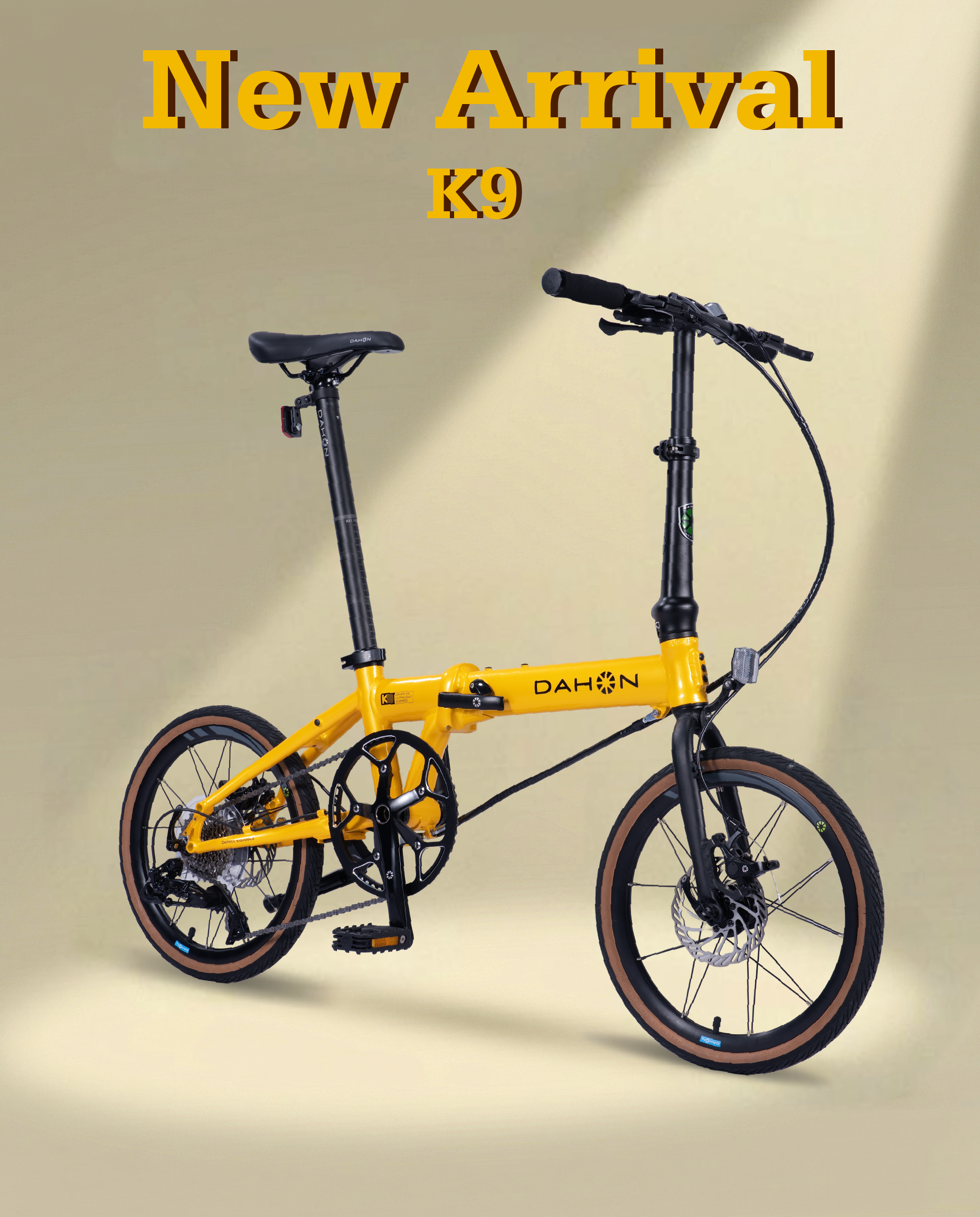
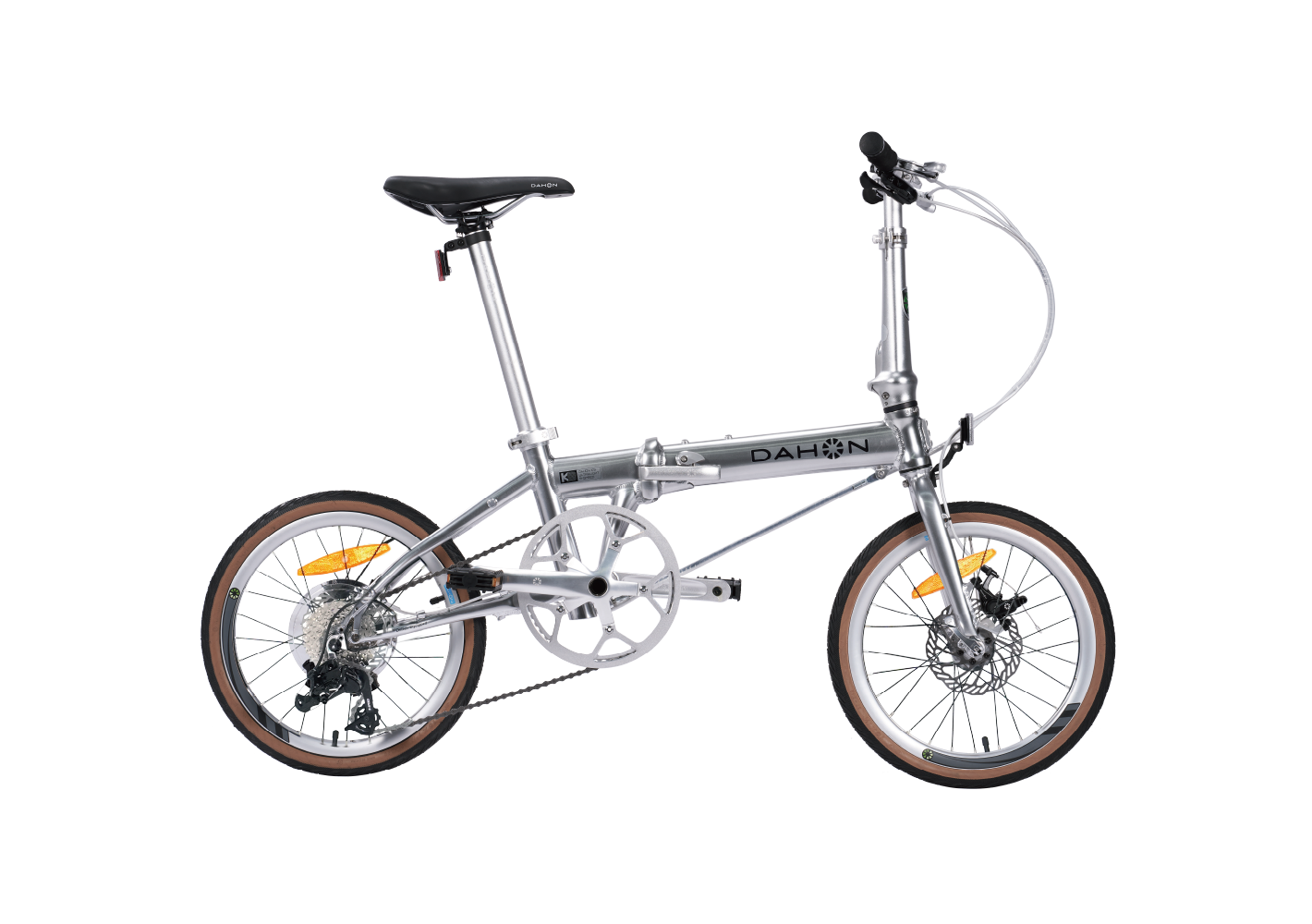
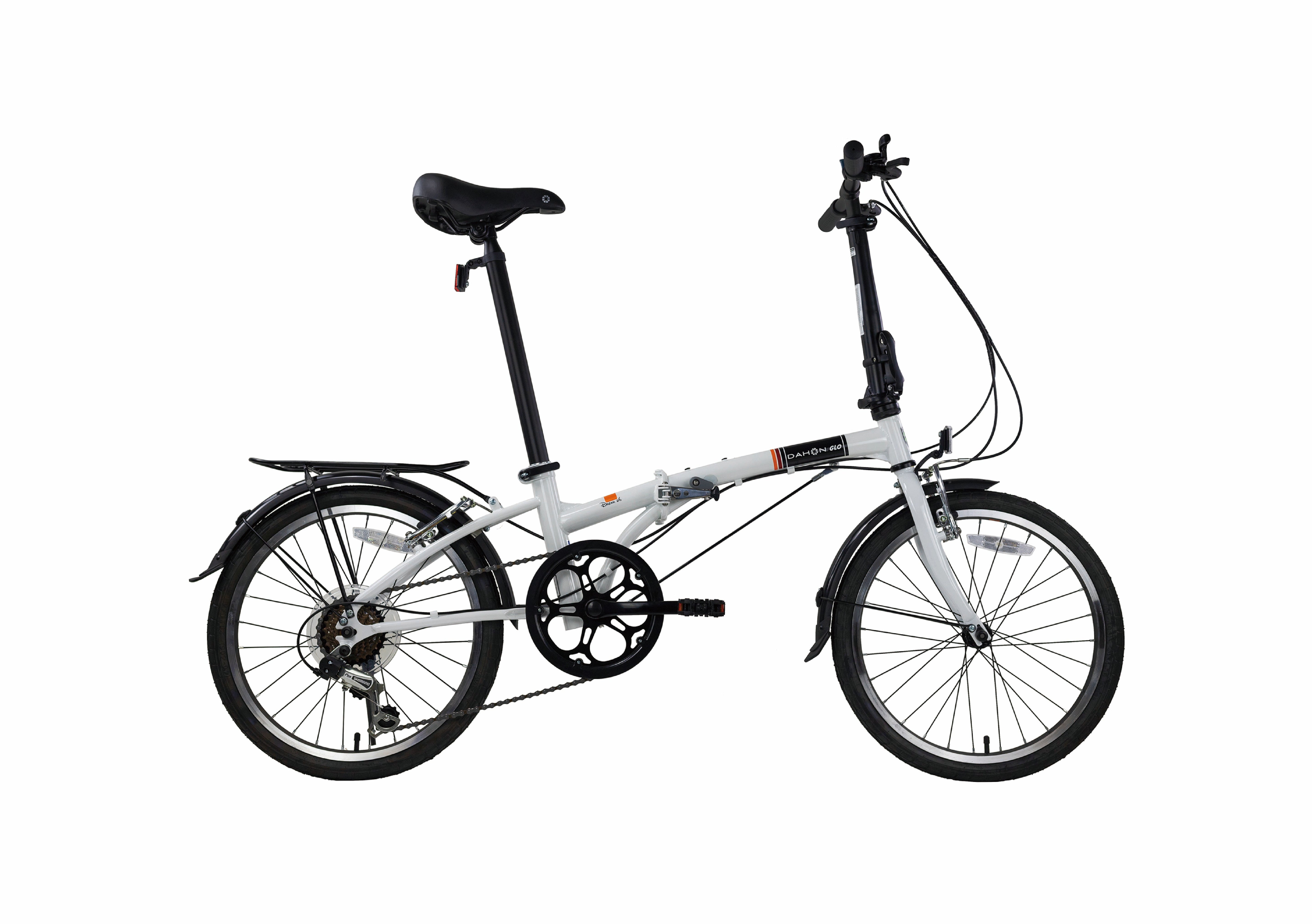
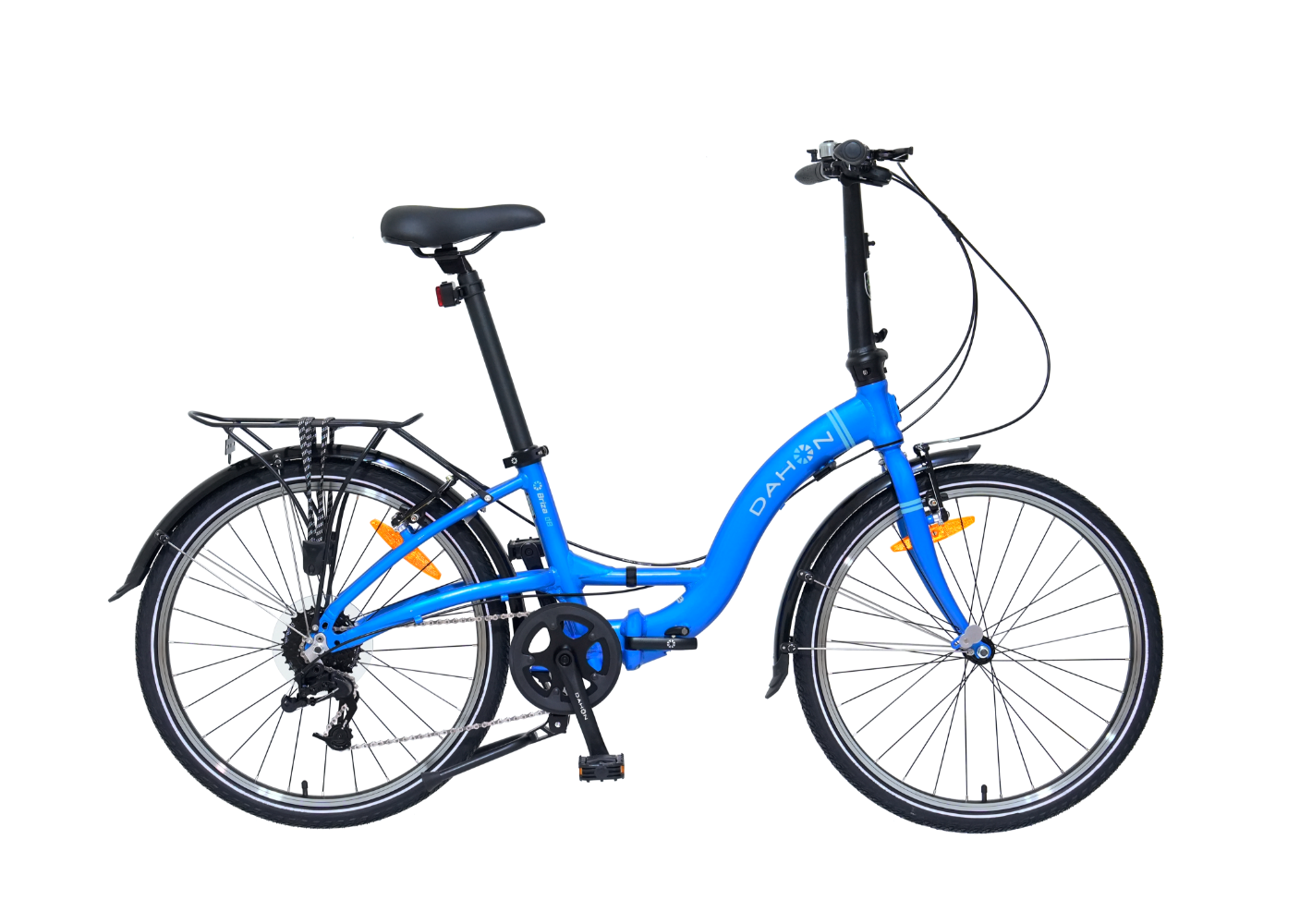
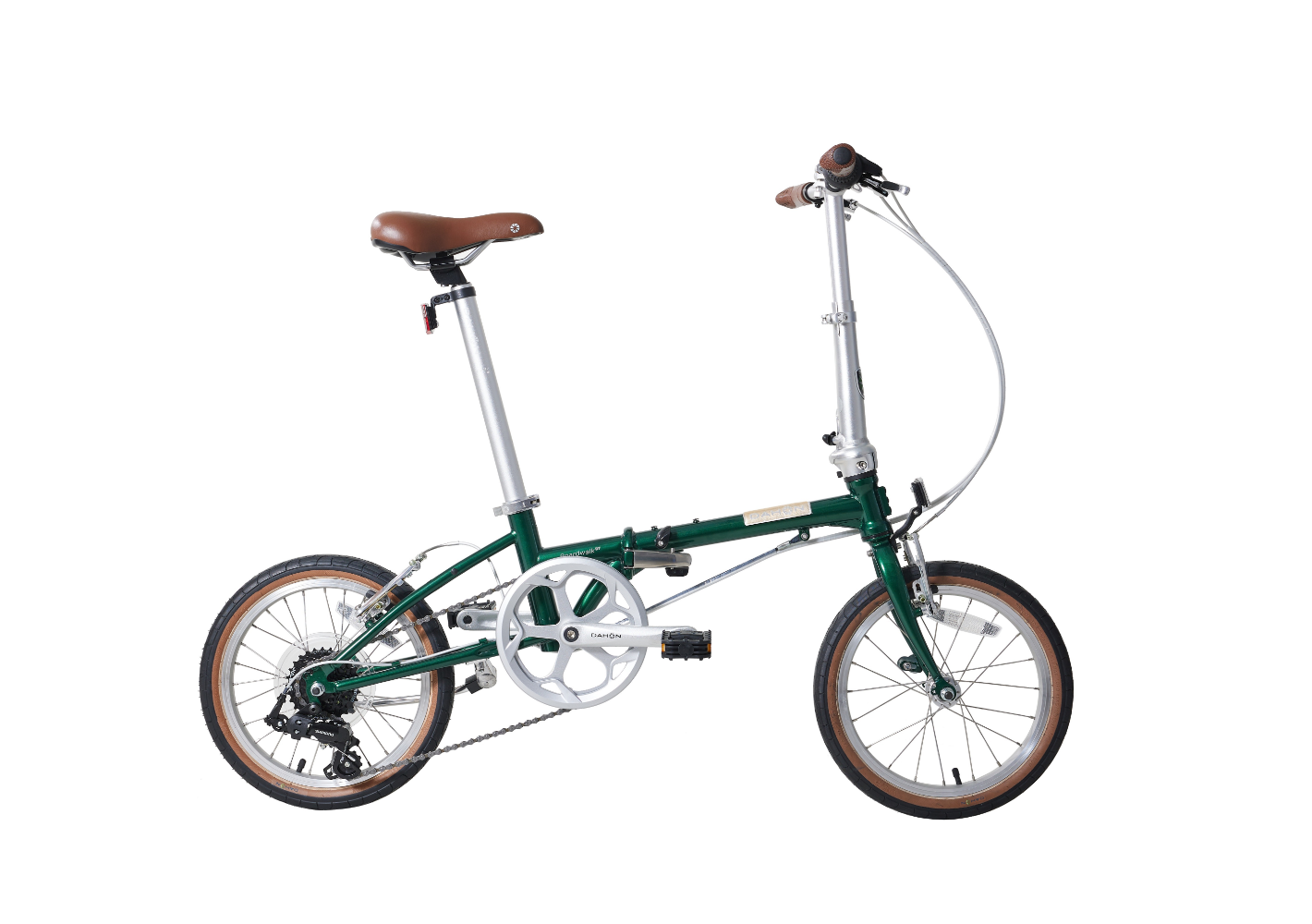
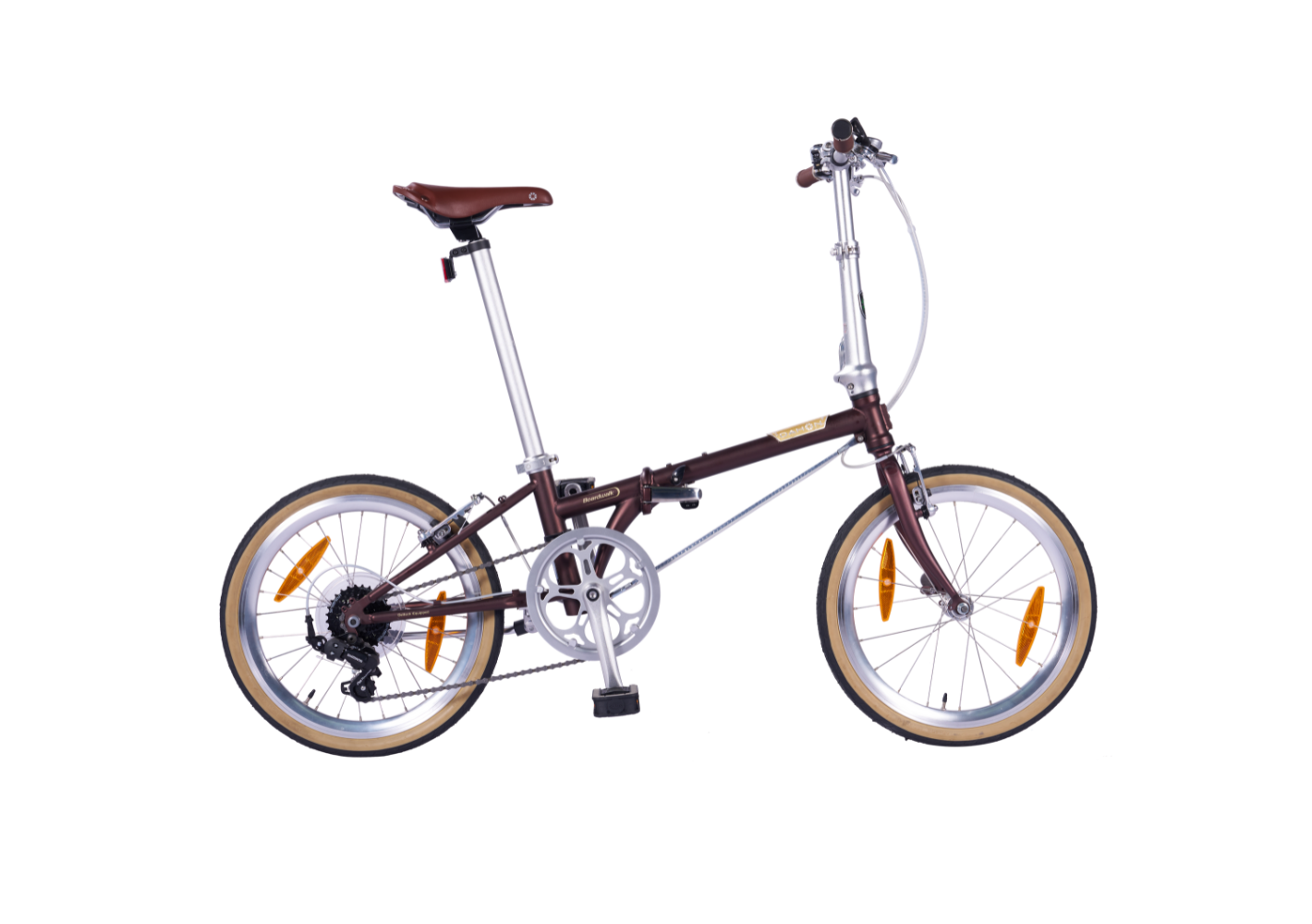
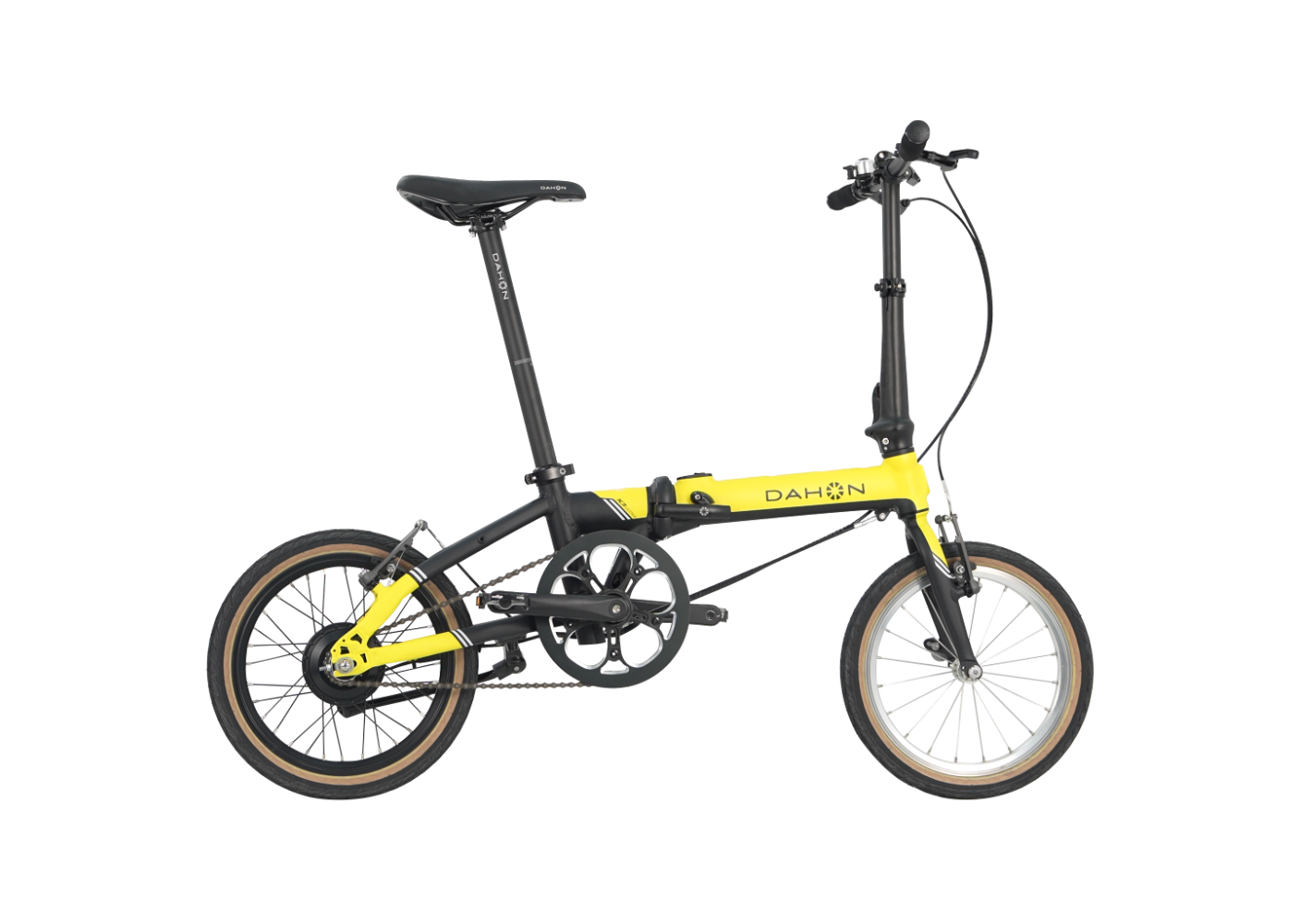
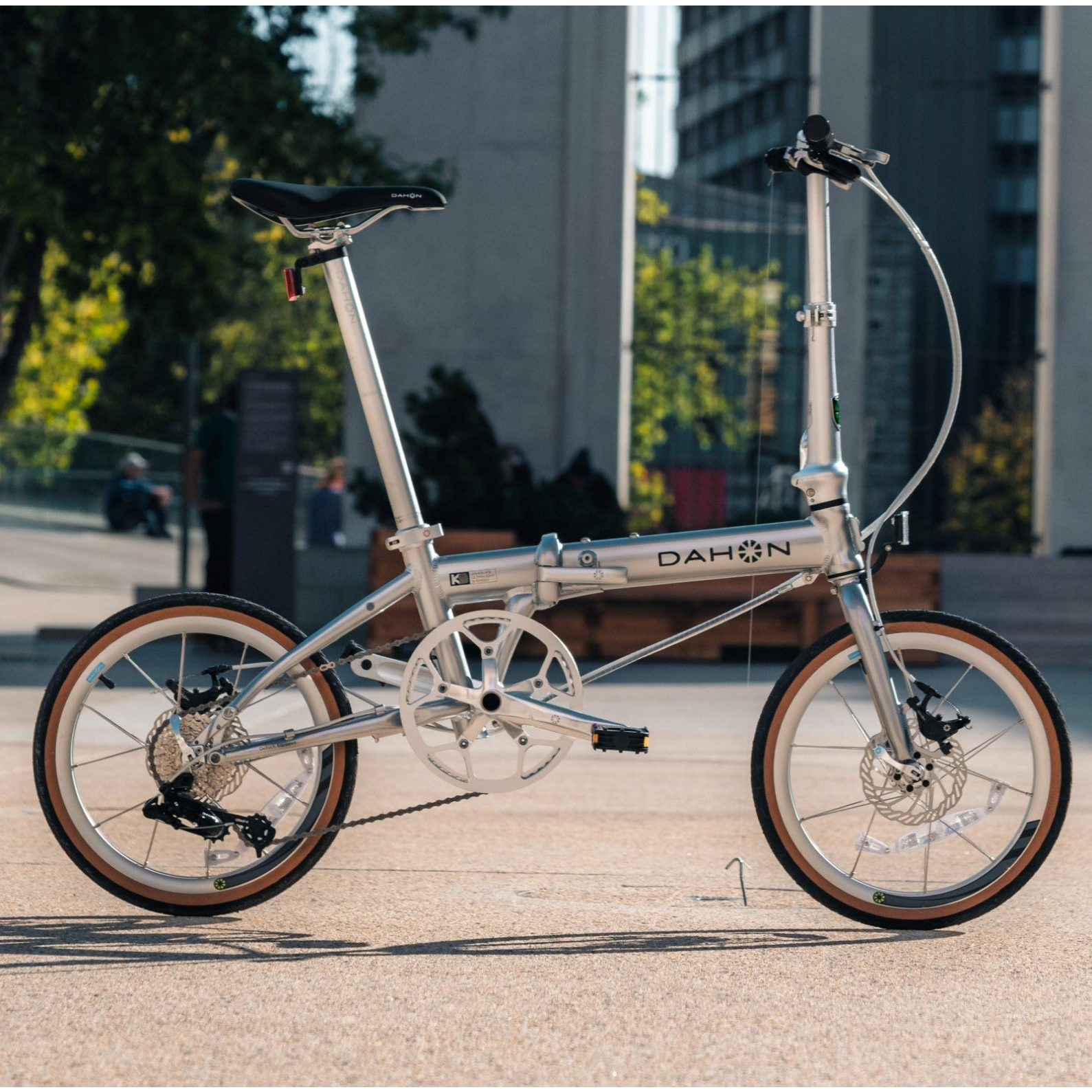
This range covers the bulk of quality aluminum folding bikes on the market, built for daily multimodal commuting that seamlessly combines cycling with bus or train travel. DAHON's lightweight aluminum lineup illustrates this category perfectly. The Ultralight Aluminum Folding Bike | K9 weighs just 10.4 kg, while the Lightweight Commuter Folding Bike | Mariner D8 sits closer to 12.5 kg. Both models feature aluminum frames that remain easy to carry while supporting a full gear range.
Who This Range Suits:
- Commuters who regularly mix cycling with public transport.
- Riders who need to carry the bike occasionally, but not constantly.
- Anyone who wants multiple gears for tackling hills without jumping to a heavier steel frame.
Why Folding E-Bikes Weigh 15 to 22 kg

A folding e-bike under 15 kg is rare, and for good reason. The electric motor and battery add significant weight that a standard folding bike does not carry. Most folding e-bikes land between 15 kg and 22 kg once these core components are factored in. Furthermore, EU-market e-bikes are bound by EN 15194 and harmonized European standards for electric bicycles, which cap continuous motor power at 250W and assistance at 25 km/h. That strict power ceiling is a major reason why folding e-bike motors stay in the 2 to 3 kg range rather than scaling up like heavier moped motors.
Where the Extra Weight Comes From
The battery is usually the single heaviest part of the e-bike system, closely followed by the motor.
| Component | Typical Added Weight |
| Battery (40 km range) | 2 to 3 kg |
| Battery (80 to 100 km range) | 5 kg or more |
| Motor | 2 to 3 kg |
| Reinforced frame and components | 1 to 2 kg |
How Close to 15 kg Can an E-Bike Realistically Get?
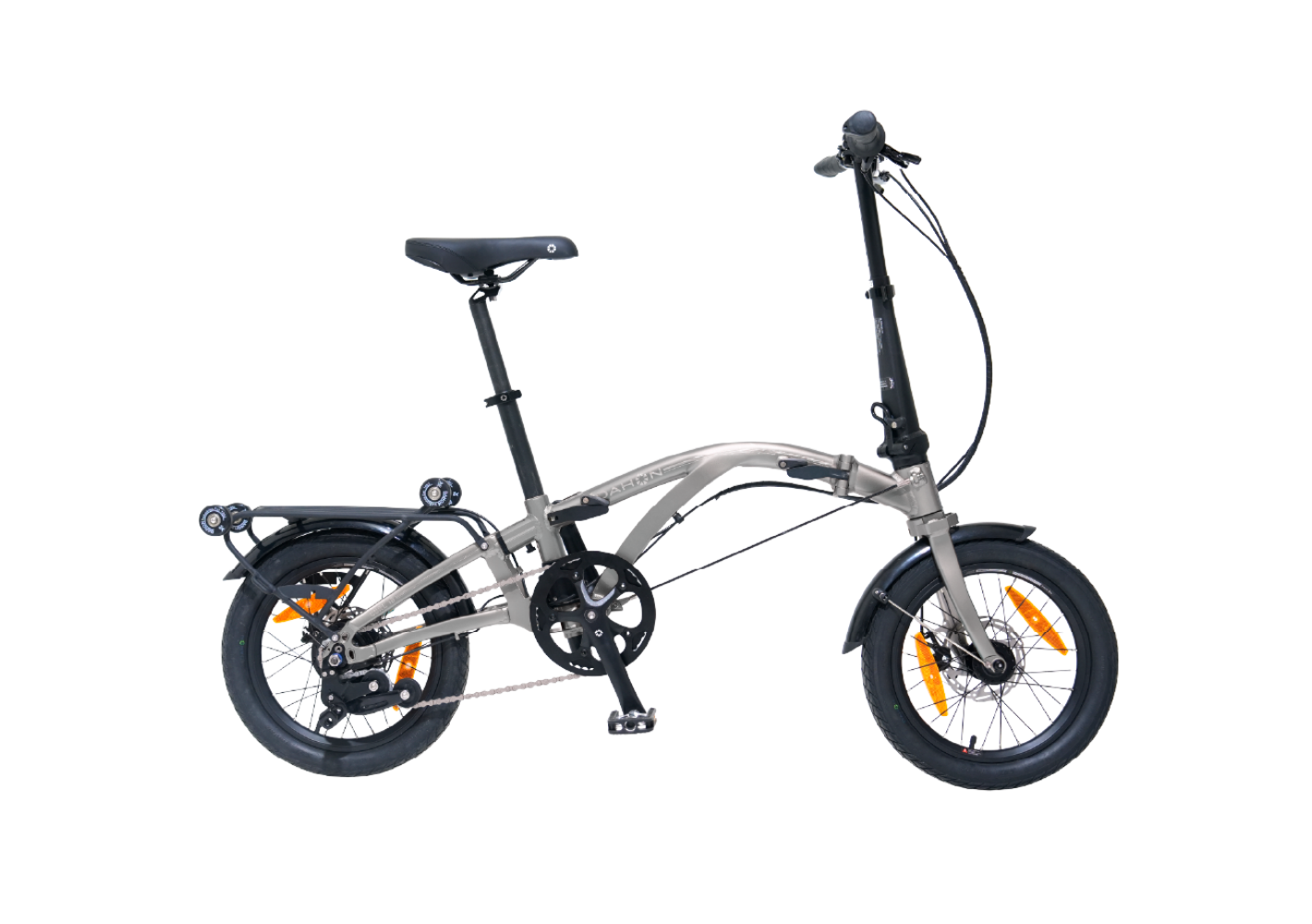
A small number of ultra-compact models manage to stay close to 12 kg by utilizing a smaller battery and a lightweight rear hub motor, trading extended range for premium portability. The Ultralight Aluminum Folding Bike | Dahon K-Feather is a prime example. It is an aluminum-framed electric folding bike built around a 250Wh frame-integrated battery and a 250W rear hub motor, properly sized to keep electric assist genuinely portable. This proves that going under 15 kg with electric assist is achievable, though it usually means accepting a shorter range than heavier alternatives. A target closer to 20 kg is far more realistic if you want a reliable electric folding bike with a meaningful travel range.
How Frame Material Changes the Weight
Frame material has the single largest effect on a bicycle's total weight, ranking ahead of gears, wheel size, and standard accessories combined.
A Folding Frame Weighs More Than Its Non-Folding Counterpart
A folding frame almost always carries a minor weight penalty compared to a non-folding bike with the exact same wheel size and gearing. The reason lies in the hinge mechanics: every fold point acts as a stress concentration area where the continuous tubing is interrupted and must transfer load through a clamp or pivot. To prevent the joint from flexing over thousands of folding cycles, manufacturers either thicken the surrounding tubing or add advanced reinforcing elements. DAHON, for instance, utilizes its patented DELTECH diagonal cable technology to form a much stiffer triangle across the frame.
Aluminum Versus Steel
An aluminum folding bike is the industry's most common choice for excellent reasons: it offers a fantastic balance of low weight, robust rust resistance, and an accessible price point. A typical aluminum frame alone weighs around 1.2 kg to 1.8 kg, sitting well below the 1.4 kg to 2 kg that a comparable steel frame needs to match that structural strength. Steel remains popular for its long-term durability and slightly more flexible, shock-absorbing ride, but it generally pushes a folding bike into the 14 kg to 16 kg range. Steel is also inherently stiffer gram for gram. Because chromoly steel possesses roughly three times the stiffness of common 6061 aluminum, steel folding bikes can feel incredibly solid even with simpler hinge reinforcements.
Carbon Fiber and Titanium
Carbon fiber sits at the opposite end of the spectrum, offering exceptionally light frames weighing just 1 kg to 1.5 kg. However, high manufacturing costs largely limit carbon fiber to premium, luxury models. Titanium is roughly 45% lighter than steel while retaining matching strength, but it remains a niche and expensive boutique option.
Does a Lighter Bike Ride Worse?
A lighter folding bike does not automatically offer a worse ride, but extreme weight reduction always involves a functional trade-off somewhere in the build process.
Where the Trade-Offs Show Up
Smaller wheels, which are incredibly common on ultra-lightweight models, accelerate quickly and suit stop-start city traffic perfectly. However, they can transmit more road vibration to the rider than larger wheels. Fewer gears successfully keep the weight down, but they will inevitably limit your pedaling comfort on steep climbs.
Why a Light Frame Can Still Ride Solidly
A well-engineered, lightweight aluminum frame can still deliver a highly solid ride. Modern folding hinges and reinforced structural joints keep the frame remarkably stiff, regardless of overall tube thickness. Ultimately, a lighter bike simply rides differently—not necessarily worse—and making the right choice depends entirely on matching those specific trade-offs to your daily riding conditions.
How to Choose the Right Weight for Your Commute
Matching your folding bike's weight to your daily routine avoids buyer's regret and unnecessary costs. Three simple questions can narrow down your decision: How often do you carry the bike versus ride it? How far is your typical ride? Do you genuinely need an electric assist motor? Daily stair climbing heavily favors a model sitting under 10 kg or 12 kg. Conversely, a commuter bike that mostly stays parked or rolling can easily afford the better gearing of a 13 kg to 15 kg aluminum model. Adding electric assist pushes the realistic weight closer to 15 kg to 20 kg, so you should prioritize your required battery range over aggressively chasing the absolute lowest number on the scale.
| Use Case | Recommended Weight | Why |
| Frequent stairs or train transfers | Under 10 kg | Allows for easy single-arm carrying |
| Daily mixed commute | 10 to 15 kg | Ideal balance of weight and reliable gearing |
| Hilly routes and longer distances | 15 to 20 kg with e-assist | Provides motor support without excessive bulk |
Before purchasing based on a listed weight alone, it is highly recommended to confirm exactly what that figure includes. A model listed at 11.5 kg without pedals or fenders can easily land closer to 12.5 kg once those essential parts are bolted back on, which matters significantly when comparing two bikes that are seemingly only a few hundred grams apart.
FAQs About Folding Bike Weight
What is a good weight for a folding bike?
A range of 10 kg to 15 kg is a highly practical target for most daily commuters. It stays light enough to carry occasionally while still offering proper gearing and a highly stable ride.
Why are folding e-bikes so heavy?
The electric motor and battery account for the vast majority of the added weight. A battery alone can easily add 2 kg to 5 kg, depending on its capacity and range, while the motor typically adds another 2 kg to 3 kg.
Is aluminum or steel better for a light folding bike?
Aluminum is consistently the better choice for achieving low weight, typically saving riders 3 kg to 4 kg compared to a similarly sized steel frame. Steel remains a solid choice primarily for riders who value extreme durability over securing the lowest possible weight.
DAHON has spent over four decades meticulously refining exactly how light a folding bike can safely be without ever losing its premium ride quality. From the ultra-portable 10.4 kg K9 to our lightweight electric models built for daily commuting, we prioritize innovation. Premium aluminum frames, reinforced hinge engineering, and patented folding technology all play a crucial part in keeping our bike weight down without sacrificing structural stiffness. Browse the Folding Bikes Official Collection from DAHON today and find the perfect lightweight model built for your unique commute.