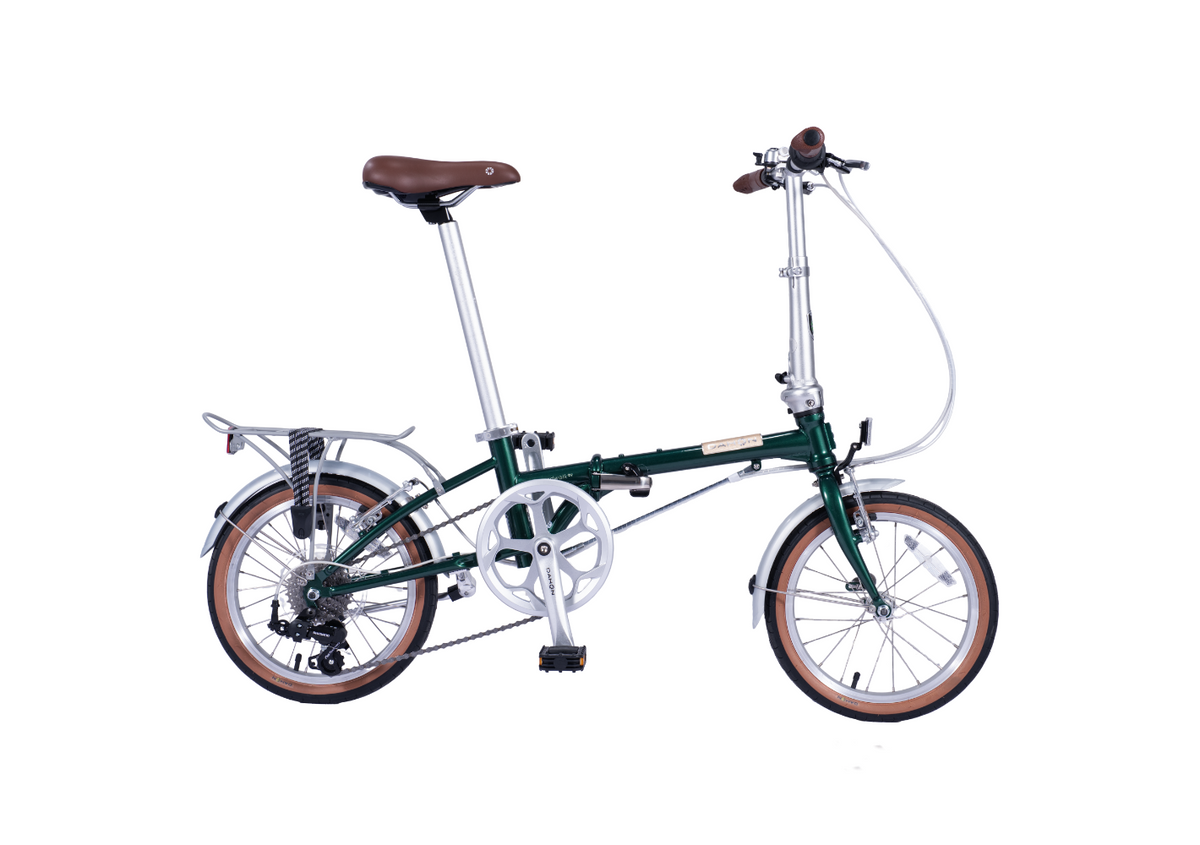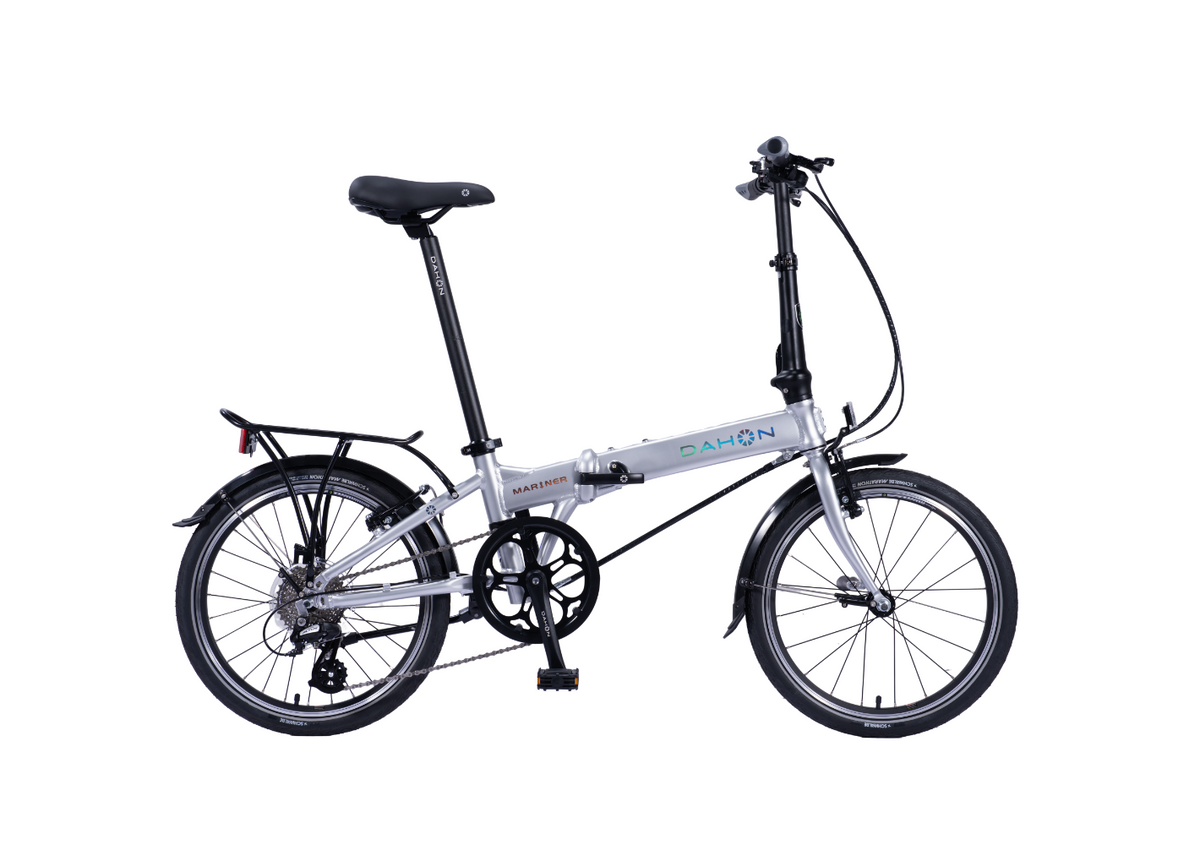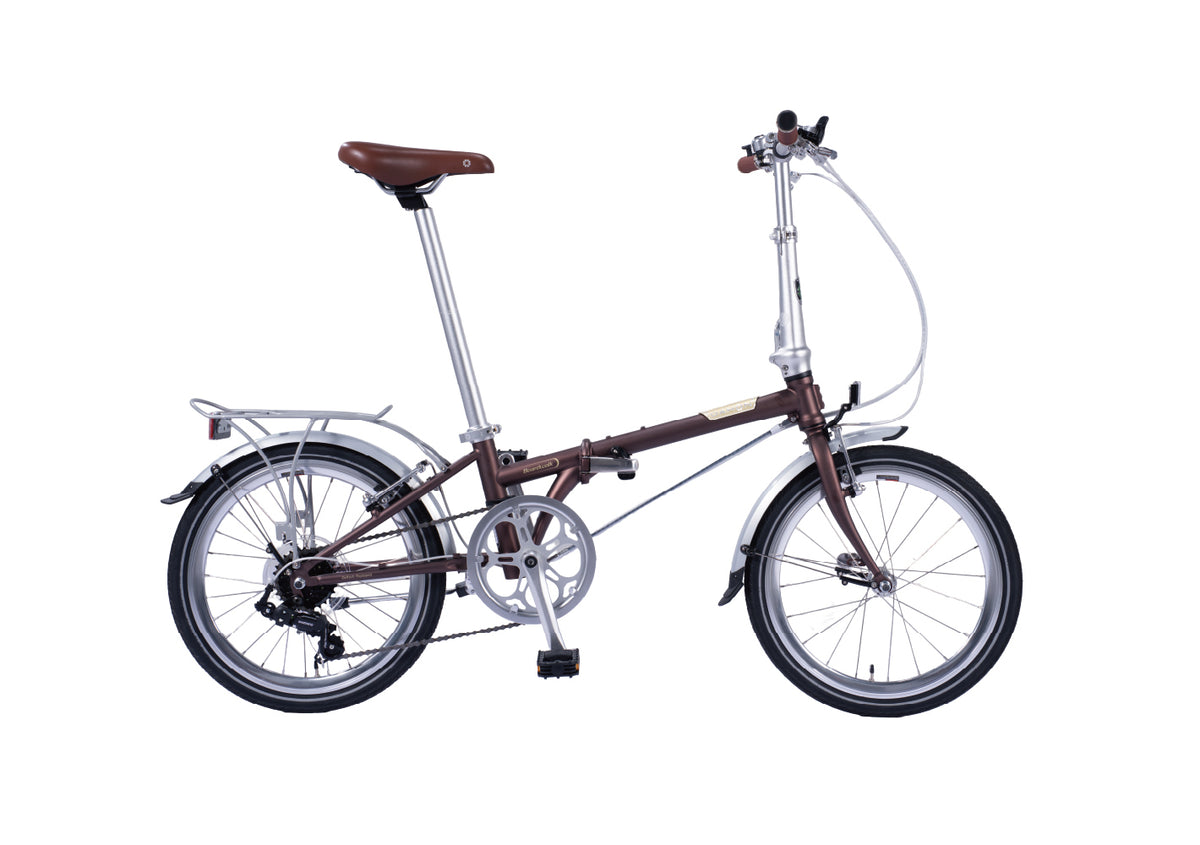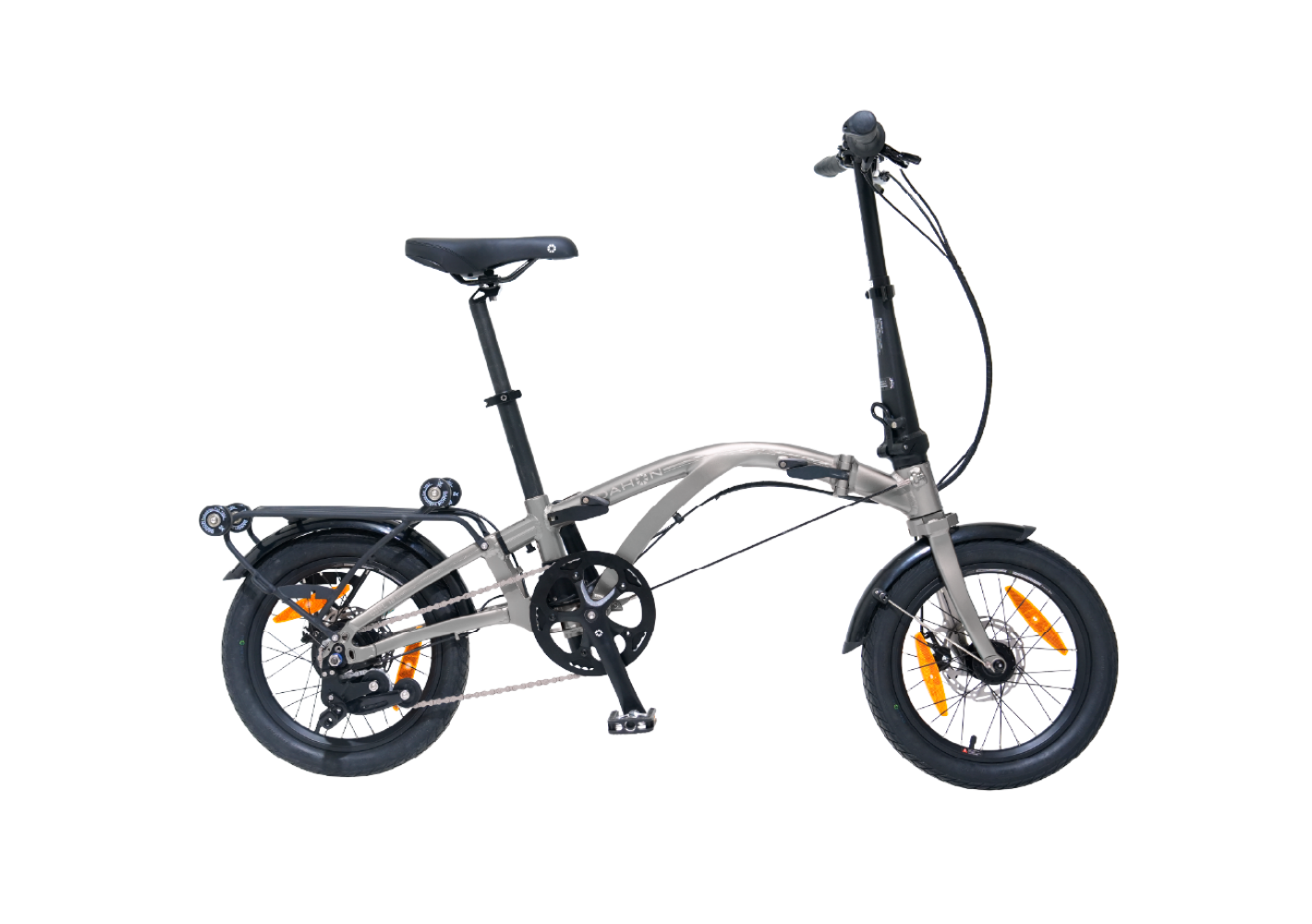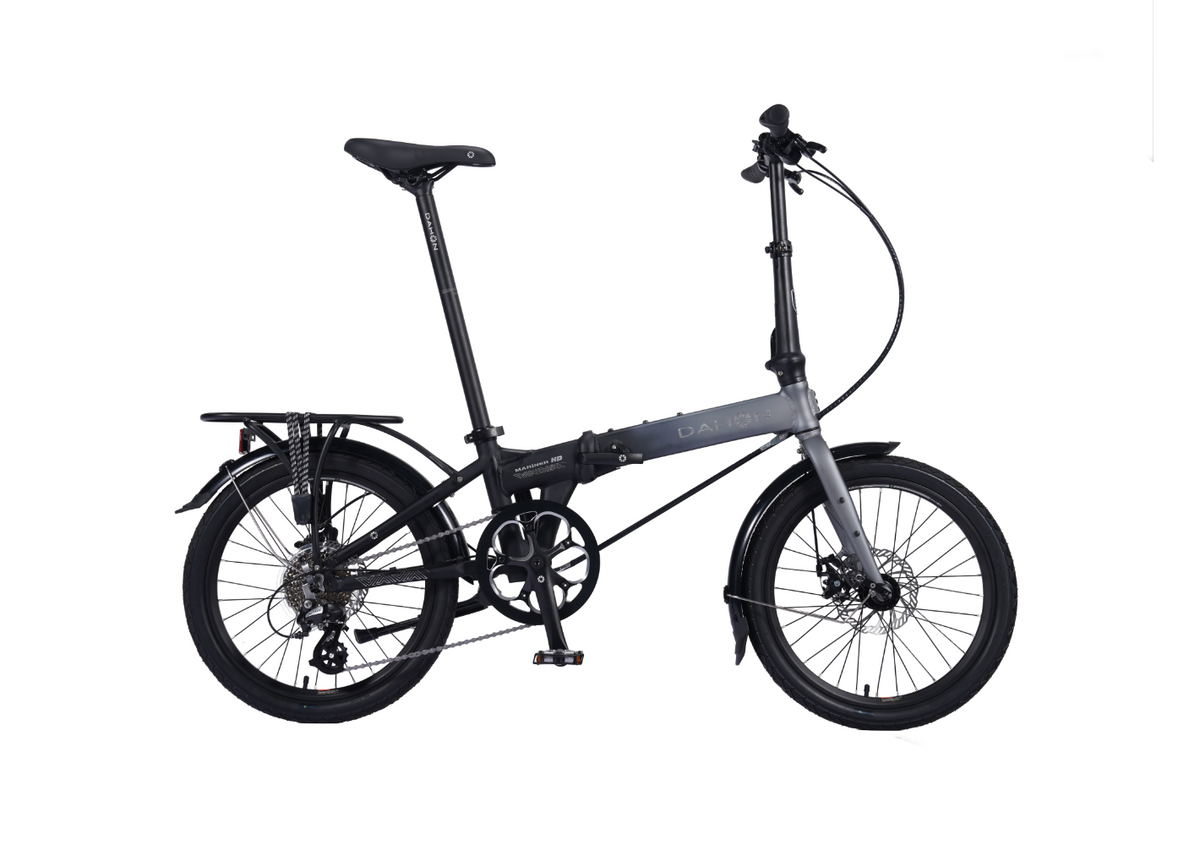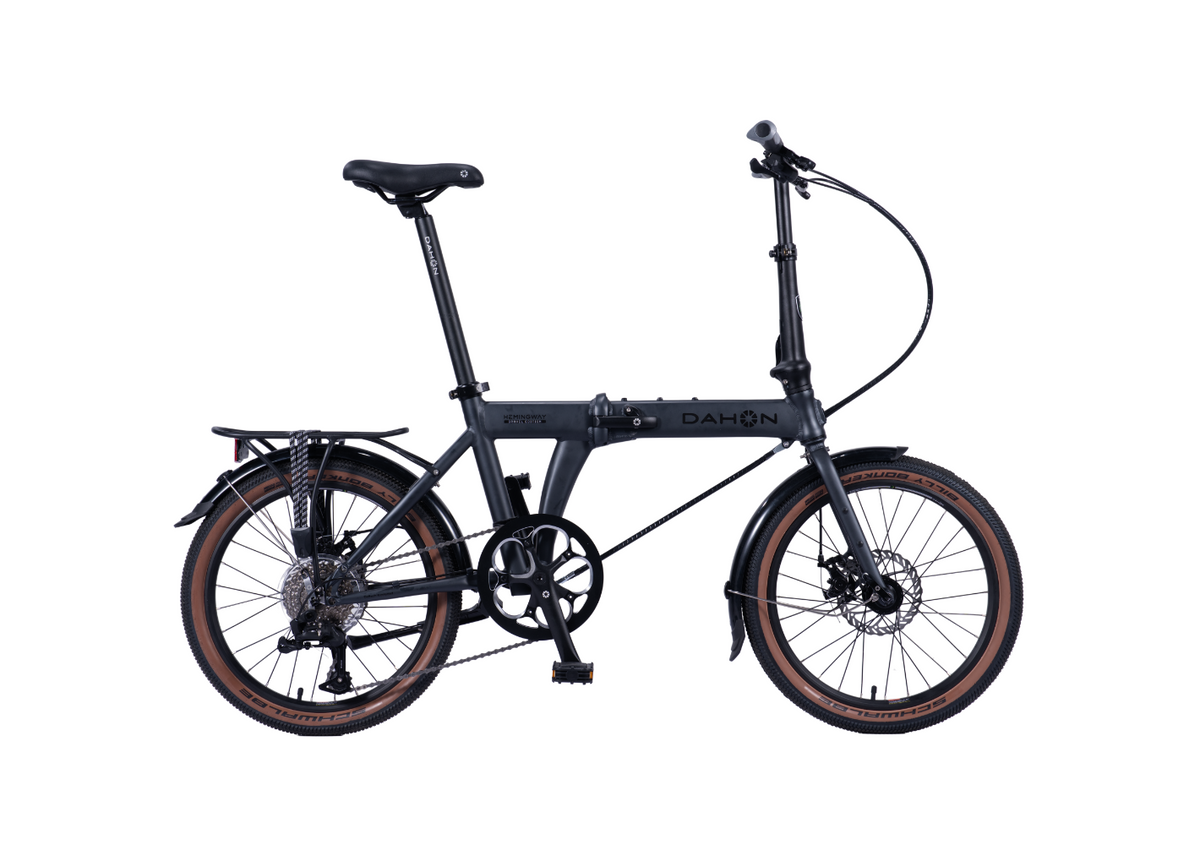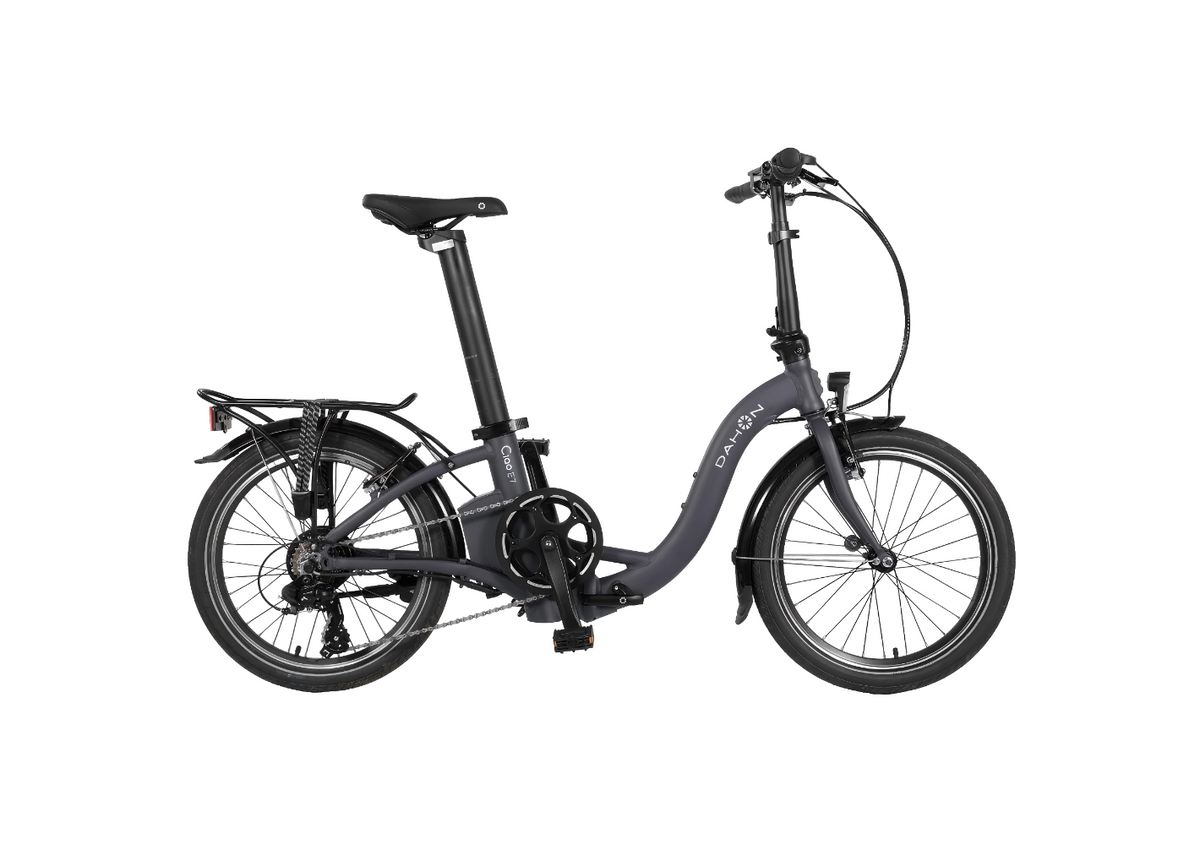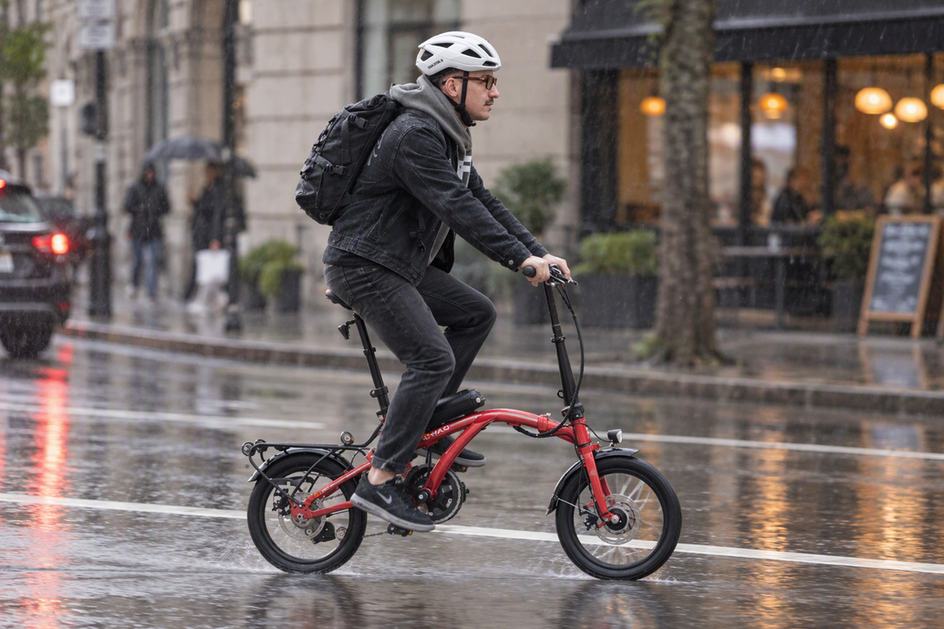
Available range guidance does not provide a universal percentage for how much range an electric folding e-bike loses in the rain. Documented range factors include wind, temperature, riding surface, load and support mode, but they do not isolate rain on its own.
The practical answer is to plan from your own model's range guidance and the real conditions of your trip. Treat a quoted range as a reference point, not a promise that holds in wet weather.
Does rain reduce an electric folding bike's range?
Current technical sources do not establish a standalone range penalty for rain alone, so individual wet-weather percentages found online should not be treated as a fixed rule for your setup.
One peer-reviewed study of electric-bicycle energy efficiency covers general energy-use variables, but it does not evaluate rain or wet roads. Because the isolated effect of rain remains unresolved, any specific number borrowed from another rider or bike is only a guess for your trip.
A rainy ride may also change several factors at once: wind conditions shift, temperatures fall, routes vary, or you might choose higher assistance. Any of these influences can affect your battery consumption, making the quoted range an initial reference point for trip preparation.
Which ride conditions can change the range estimate?
The useful step is to compare your trip with the conditions that range guidance actually names. Bosch guidance and an independent study point to route, environment, load and assistance use.
Route and environmental conditions
Bosch's eBike advice lists environmental temperature, wind and riding surface as factors that influence range for Bosch eBike systems. Note these specific factors when preparing for a wet ride. Bosch does not provide a wet-road penalty, and its guidance applies to its own drive systems.

An electric-bicycle energy efficiency study adds that route, speed and riding style are primary factors in energy use. Its method also includes road gradient, wind along the direction of travel and rider mass, and its authors advise comparing energy use under conditions that are as similar as possible. In practice, a hilly wet route into the wind requires different planning from a flat dry run over the same distance. Our article on headwind and daily ride profiles explains why the route back and charging access matter more than the brochure range. If your route includes wet cobblestones, plan for handling too. Our guide to grip on wet cobblestones covers tyre pressure, tyre width and brakes.
Load and assistance use
Bosch also names the rider and the chosen support mode, along with the drive unit or battery, as range factors. Higher assistance levels and a different rider can therefore change the result on the same route. Bosch's range help page also counts the mass of the bike and luggage. It advises avoiding unnecessary weight if you want the highest possible range.
On a rainy trip, waterproof clothing, a spare layer or a fuller bag can add load. You may also choose a higher support mode to reduce rider effort or maintain your usual pace, which can increase battery consumption. Write down your planned load and assistance use, then compare them with your model's guidelines as practical inputs rather than a fixed calculation.
How can you plan a rainy ride without a fixed range buffer?
Use your model's guidance and a genuinely similar ride as your reference. If they do not settle whether the trip is feasible, choose a shorter route or arrange a charging or return option.
- Find the range guidance for your exact model or drive system. Use the current manual or manufacturer information, and note any stated assumptions, limits and units. If you ride one of our electric folding bikes, use the manual for your specific model.
- Write down the inputs for the planned trip. Include distance, route and riding surface, gradient, load, intended support mode, temperature and wind. Add expected speed and riding style if you know them.
- Keep units consistent. Compare distance and the range reference in the same unit. If one is in miles, convert it first: 1 mile = 1.609 kilometres.
- Compare with a similar ride you have actually done. Match the route, load, support mode and weather as closely as you can. If several inputs differ, do not blame the whole difference on rain.
- Decide whether the trip is clearly feasible. If the guidance and your past rides confirm it, ride as planned. If they leave real doubt, treat the result as uncertain and shorten the route, or plan a charging stop or a way to return without the motor.

If the range assumptions for your bike are still unclear after these steps, check the current manual or contact the manufacturer of the drive system before relying on the figure for a long wet trip.
FAQs
Can I measure the rain effect by comparing a wet commute with a dry one?
Only if almost everything else stays the same. The same route, load, support mode, speed, wind and temperature would all need to match. In real riding, several of these often change on a rainy day. When they do, the difference in range cannot be put down to rain alone.
Does Bosch's range guidance apply to every electric folding e-bike?
No. Bosch describes range factors for Bosch eBike systems. Other drive systems may have their own guidance and assumptions. Use the manual or manufacturer information for the exact motor and battery on your bike, and treat Bosch's list as a helpful example of what to compare.
Where do I find the range assumptions for my model?
Start with the current user manual and the manufacturer's information for your exact model or drive system. Look for the conditions behind any quoted range, such as support mode, load or terrain. If those details are missing, ask the manufacturer or your dealer to confirm them before you plan a demanding wet trip.
What should I do after a wet ride?
Cleaning and drying are care tasks rather than range factors, but they matter if you ride in rain often. Our guide to folding bike care in rain covers cleaning, drying, folding joints, drivetrain and brakes, and when to visit a workshop.