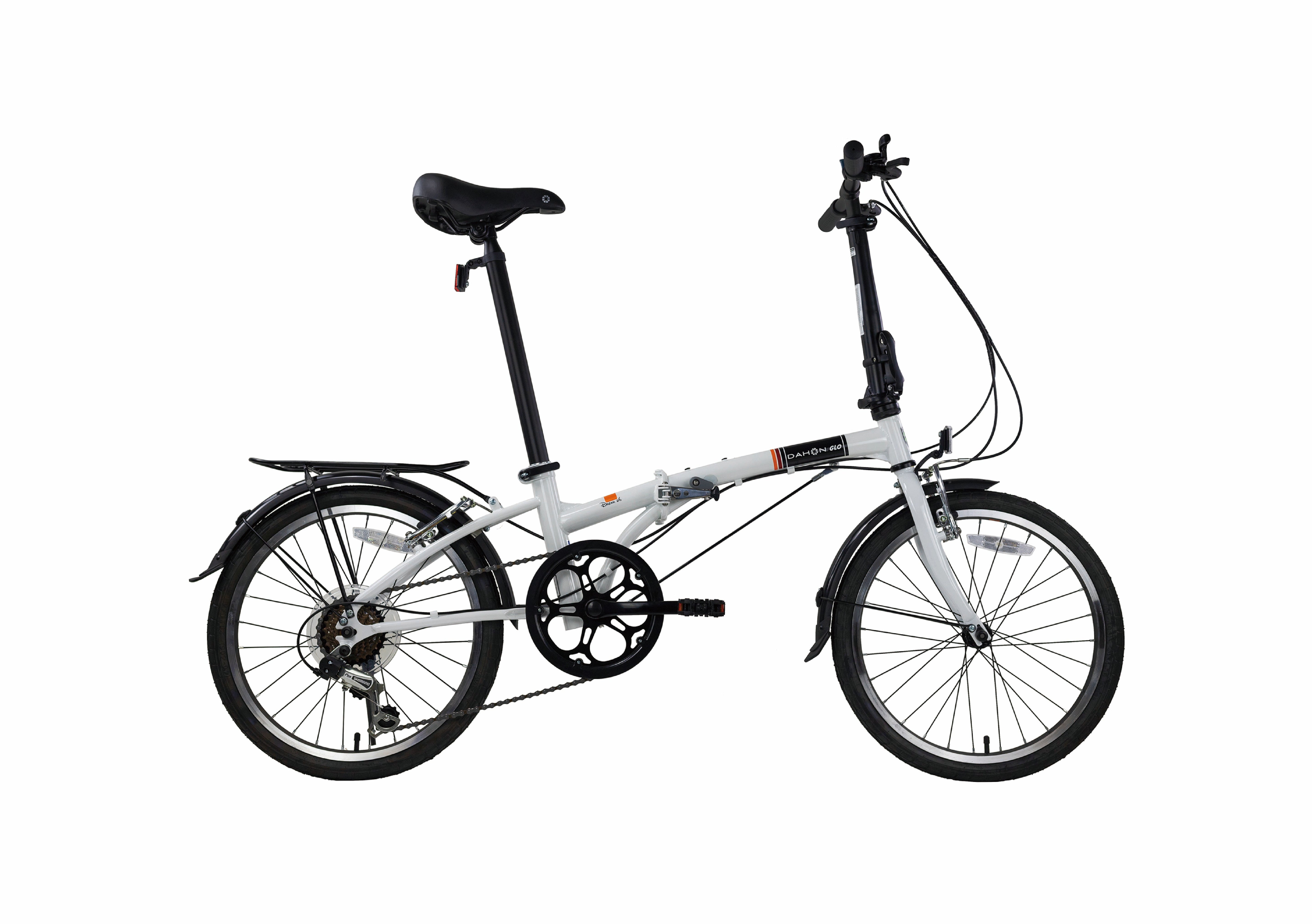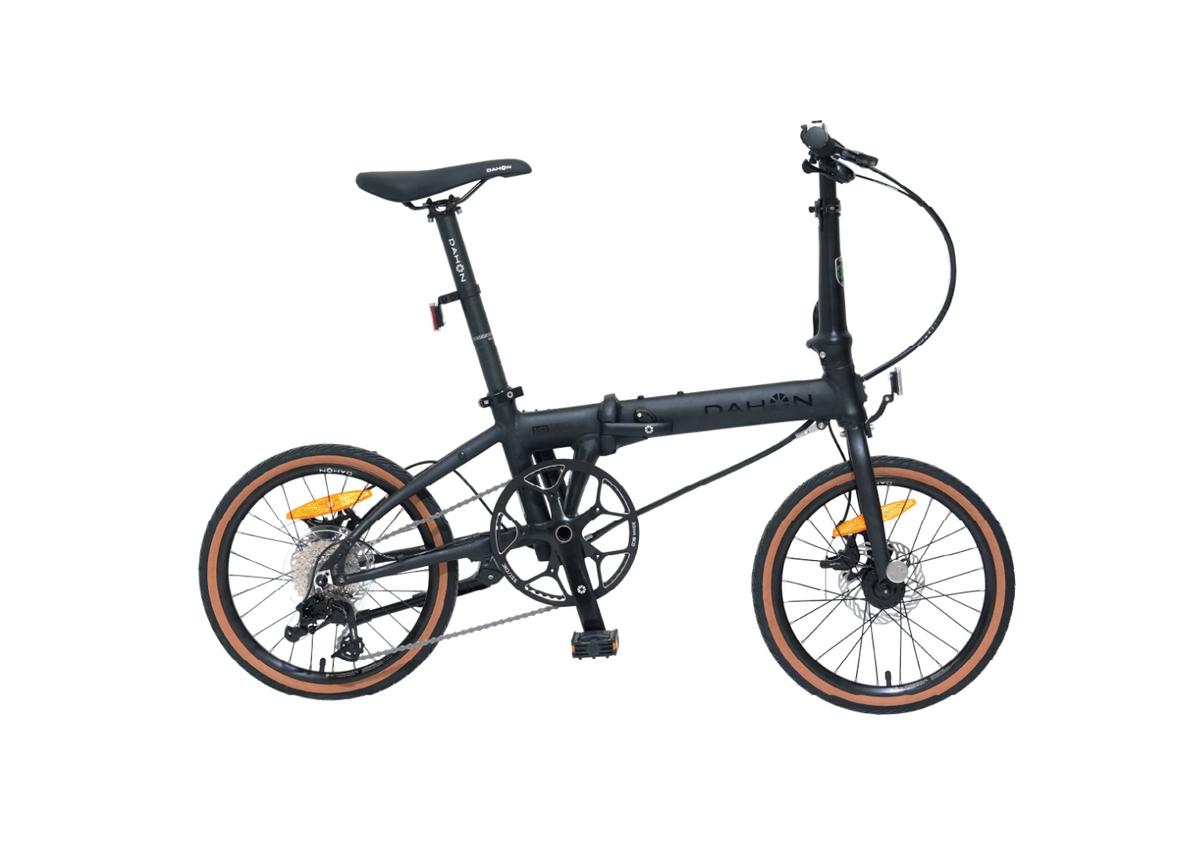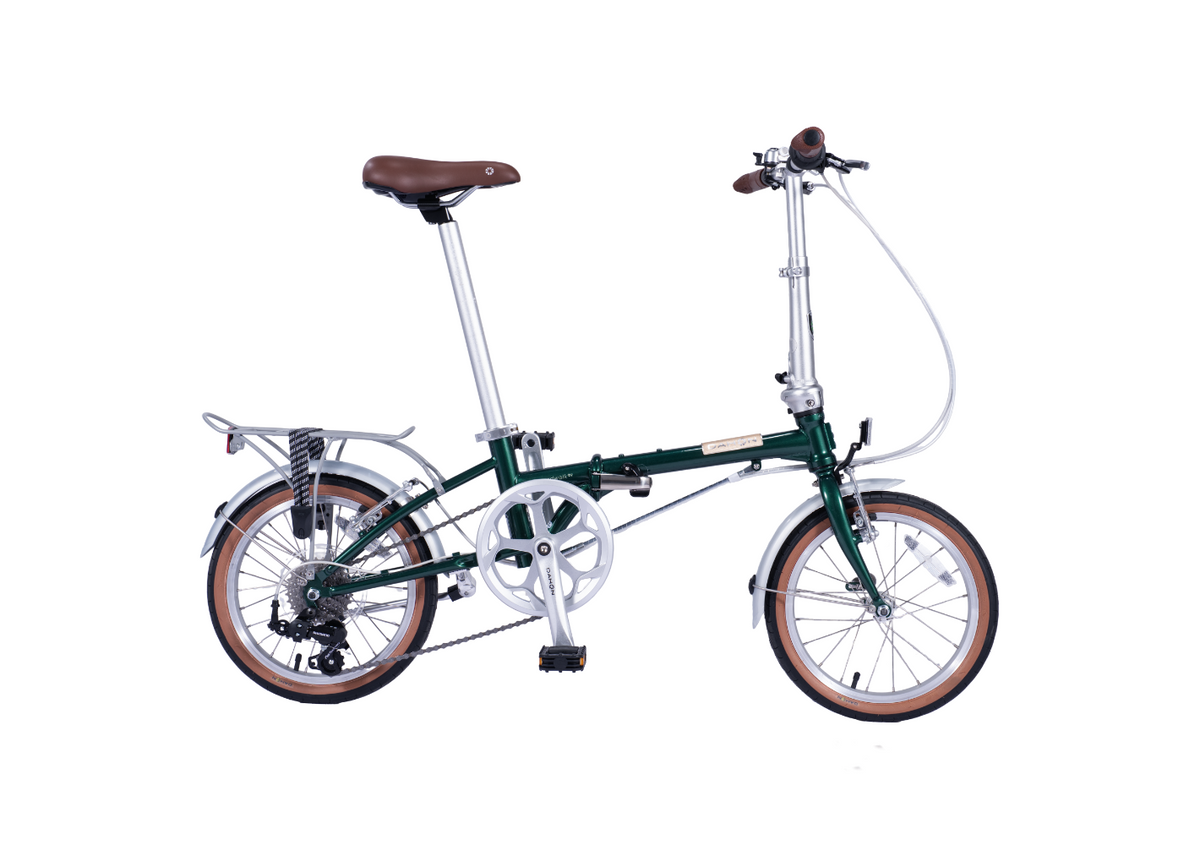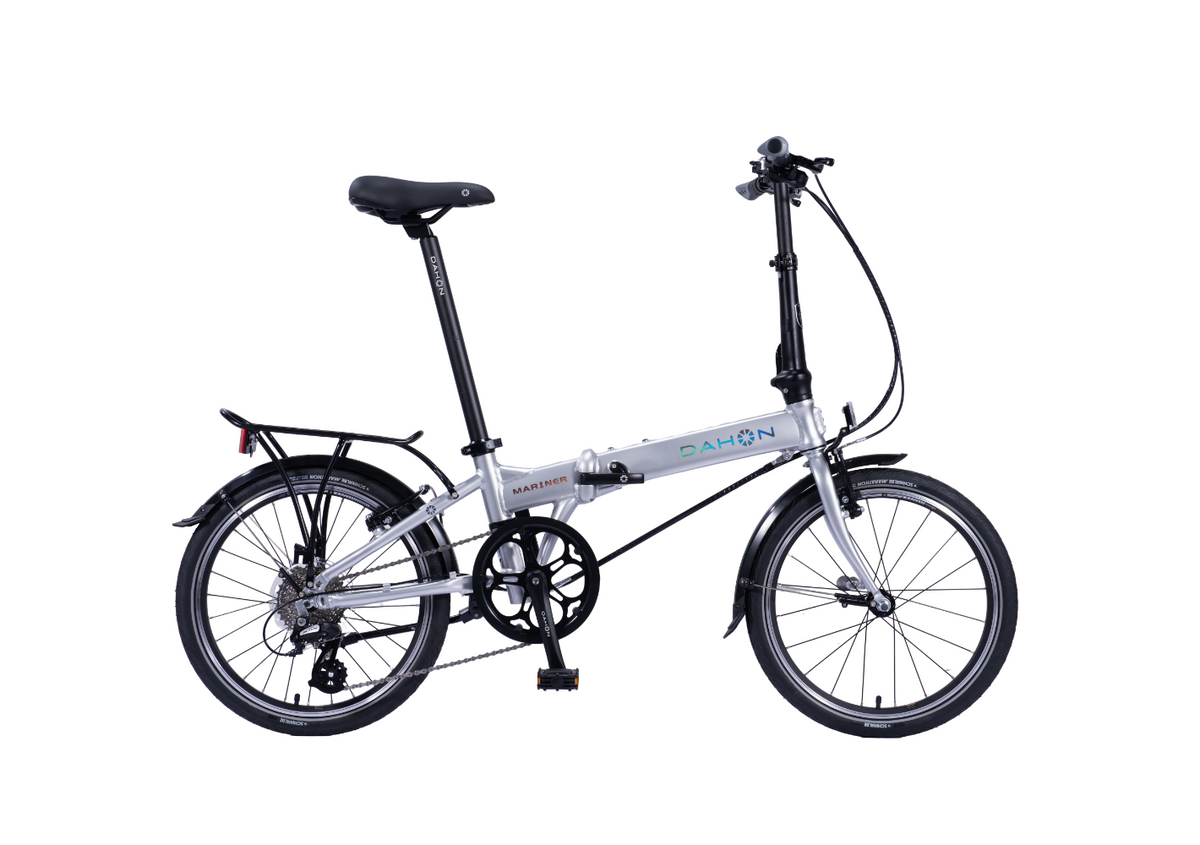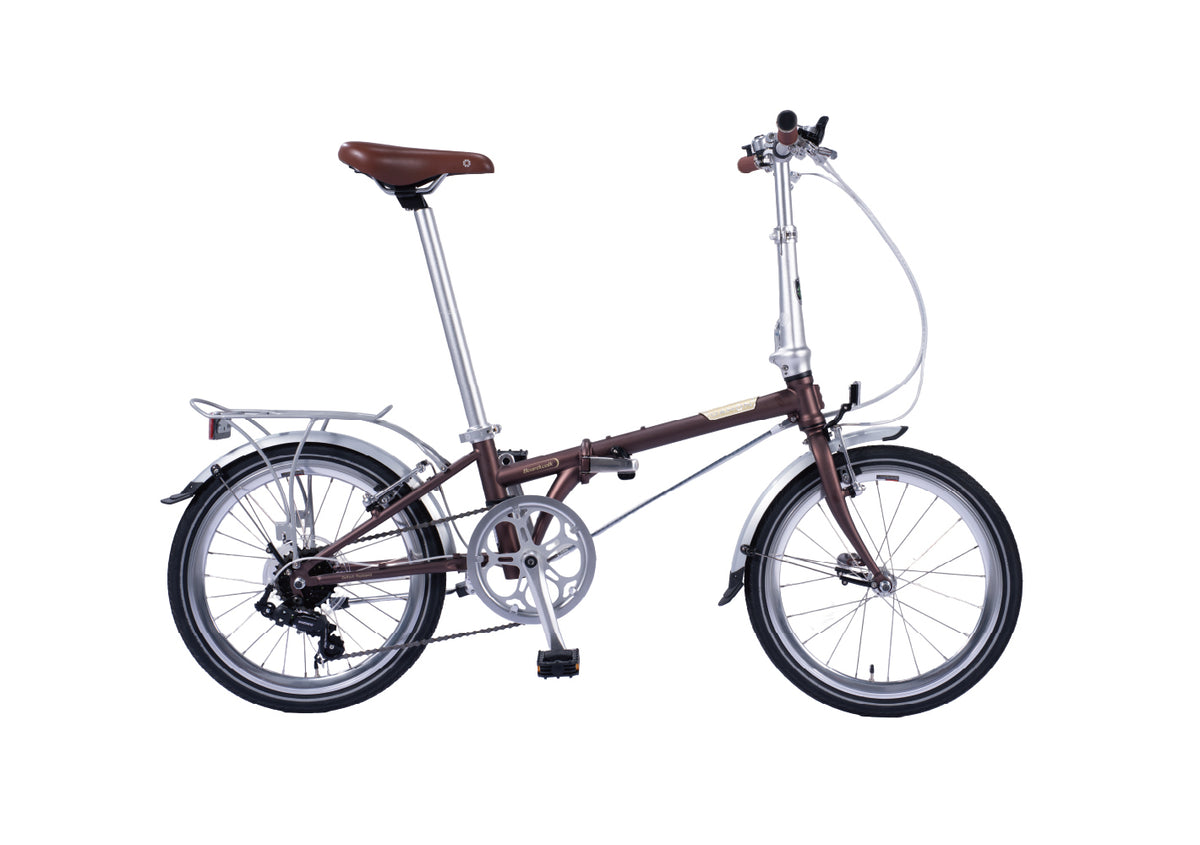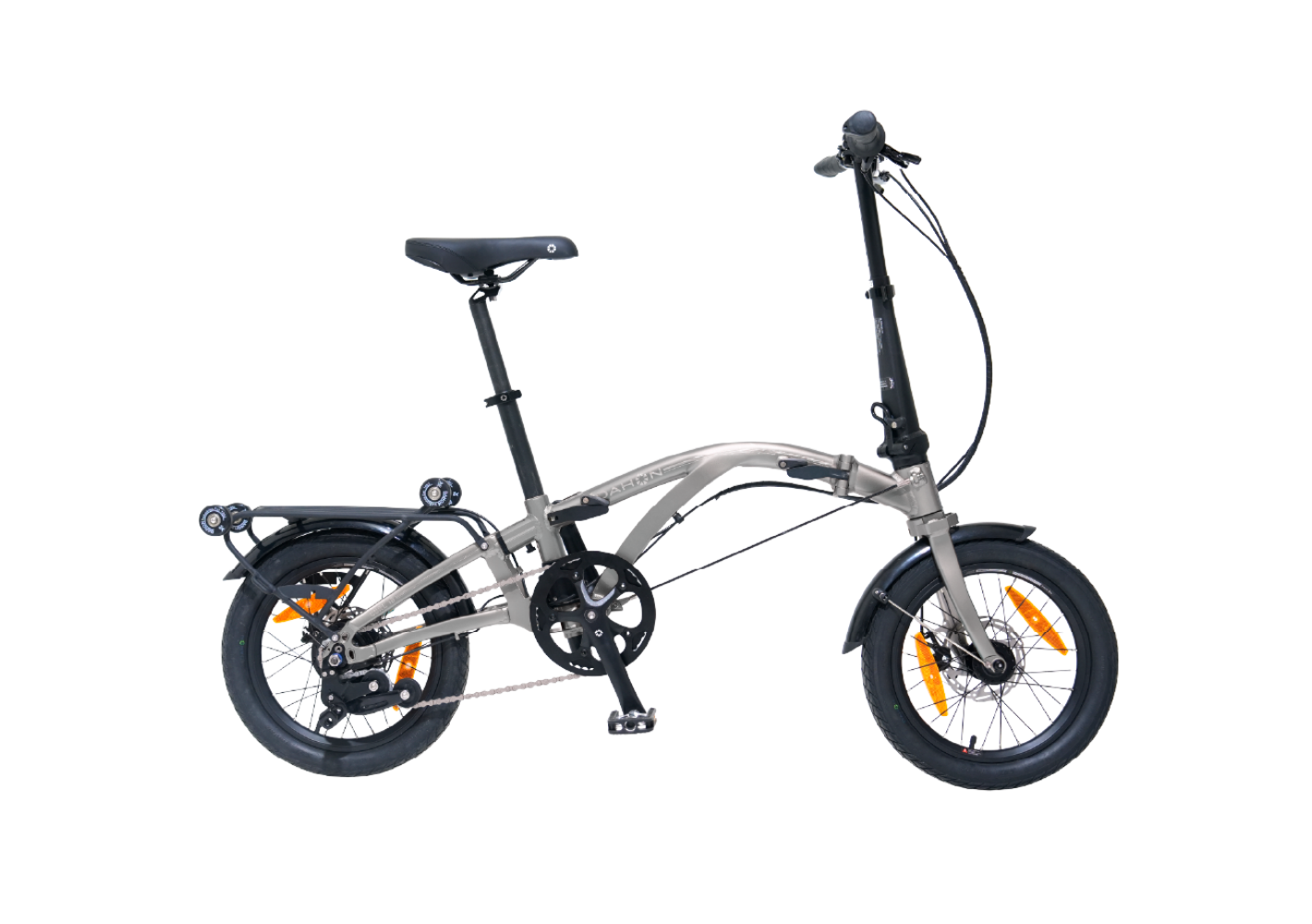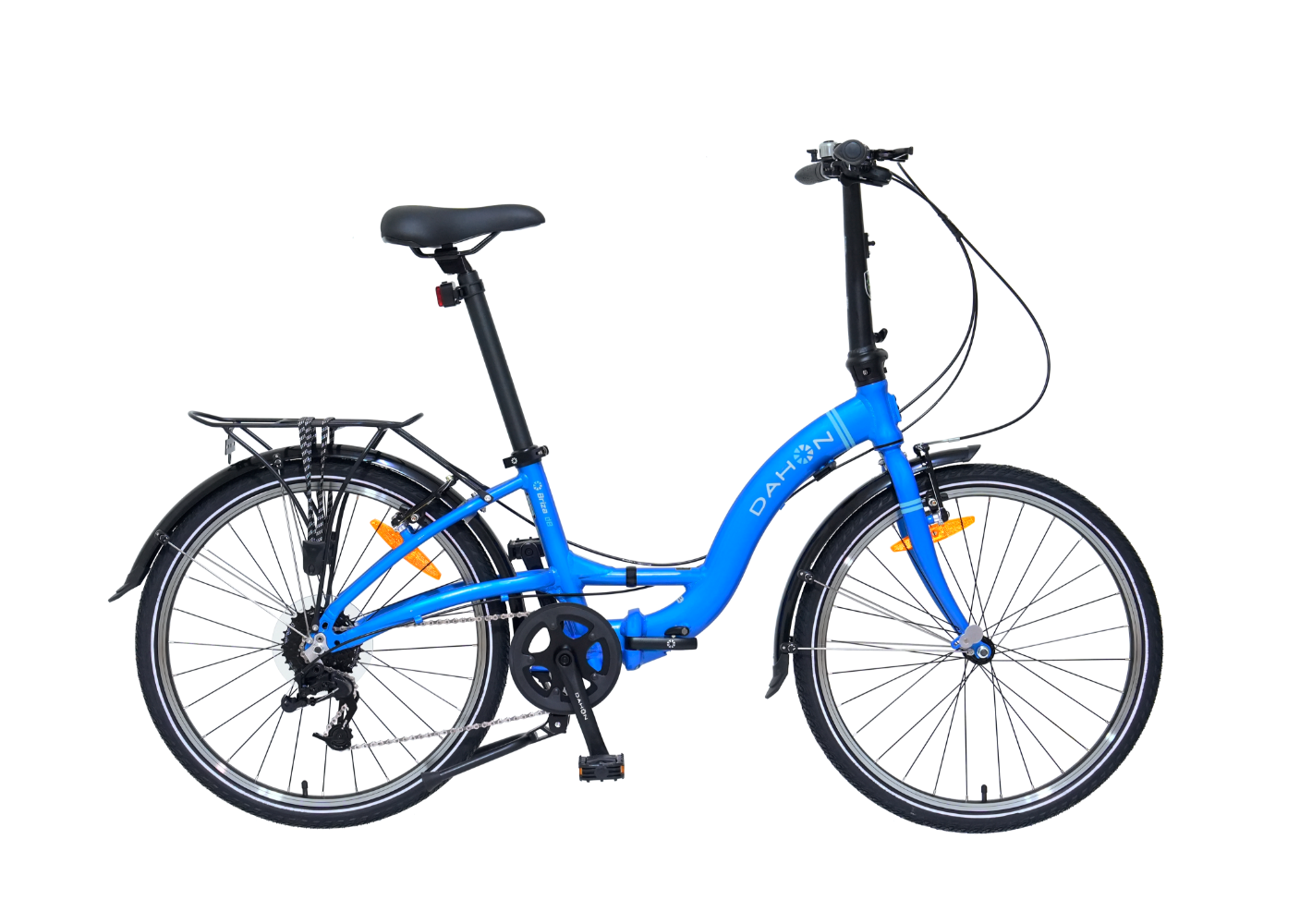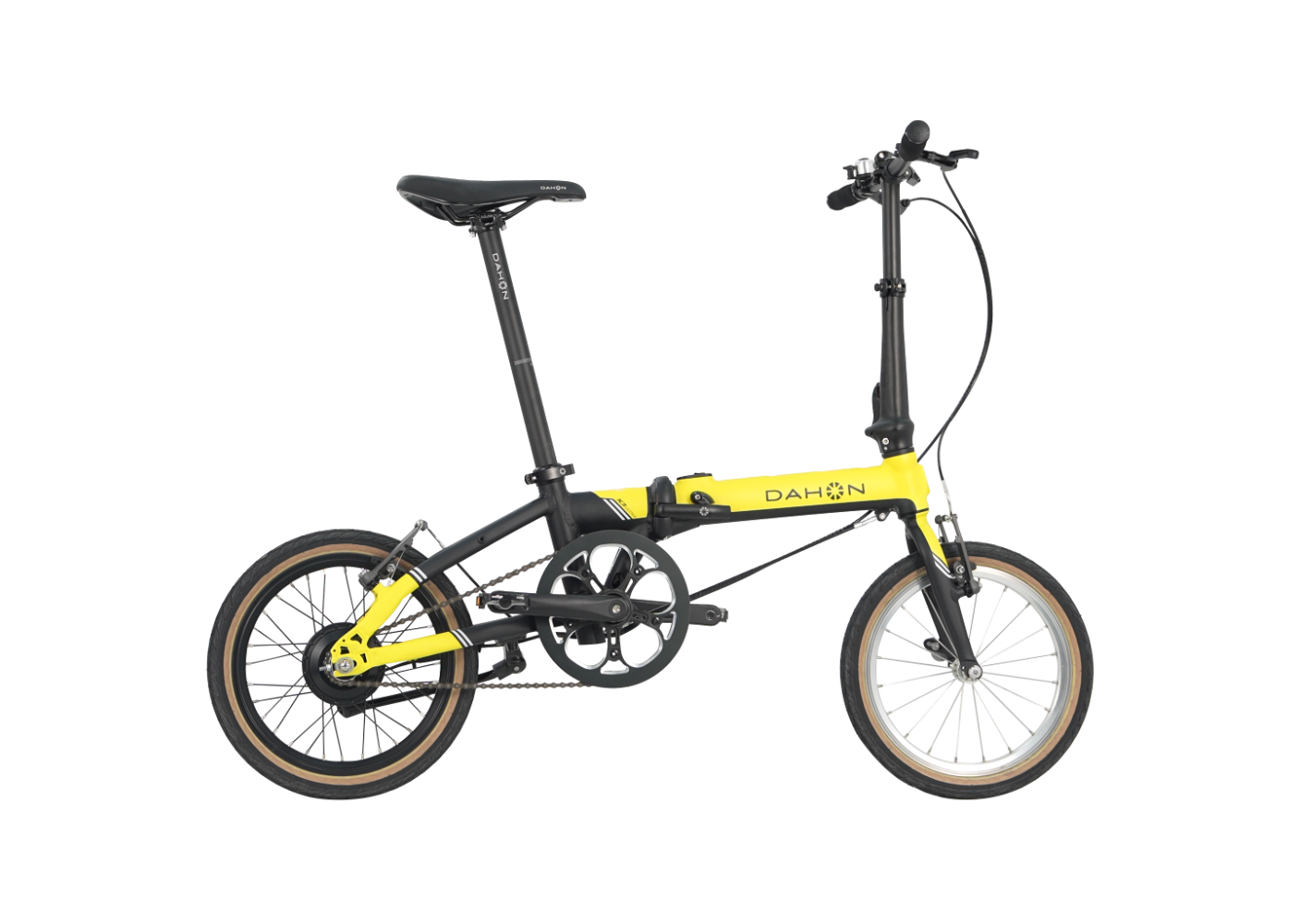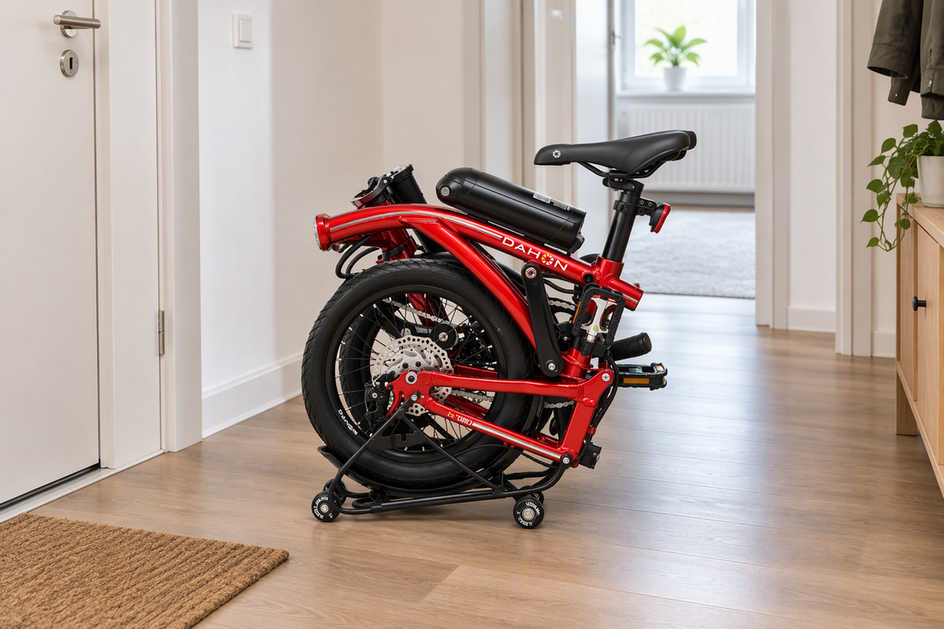
A folding bike without a bicycle cellar can often be stored in a small apartment on a solid surface near the floor in the hallway or in a suitable niche. This solution requires no structural changes and can usually be realistically assessed even before purchase. The decisive factor is not just the target space itself, but the entire path leading there.
Before you decide on a storage area, you should know three values: the exact folded dimensions of your model in length, width, and height, the total weight for the carrying route, and the question of whether you can easily take the folded bike out in everyday life. Only when the storage space, folded dimensions, and access are well-matched is the solution suitable for daily use.
Choosing the right type of storage space based on your floor plan
Which type of storage space is suitable is determined by the narrowest point on your daily path to the bike, not solely the size of the target area. In comparison, our guide shows you how to store a folding bike in the cellar, whereas floor-level solutions and niches in the apartment do not require structural interventions. Wall or ceiling solutions, on the other hand, require additional technical and apartment-related approvals.
Floor-level storage space in the hallway
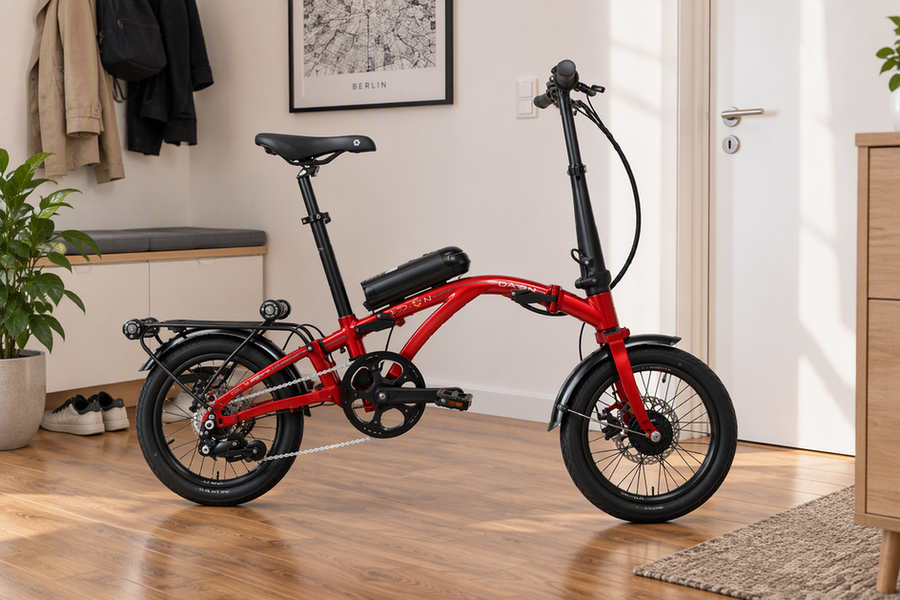
A defined area in your own apartment hallway can be suitable for daily folding and unfolding, provided that doors and the necessary passage within the apartment remain clear. Communal hallways, stairwells, and other escape or rescue routes must be expressly distinguished from this. A detailed storage plan for different living situations can be found in our article on storage plans for limited space.
Niche or furniture area
A niche or a space under or next to a piece of furniture works if the folded bicycle can be completely moved in and out. For a space under a sideboard or table, the clear height is what counts most; for a niche, it is the shortest relevant dimension. If only one dimension is a tight fit, daily removal often becomes an obstacle in practice.
Wall or ceiling solution
A wall or ceiling solution remains a conditional alternative and not a general recommendation. It only comes into consideration once the subsurface, type of mounting, load-bearing capacity, as well as the rental agreement and house rules have been specifically checked and confirmed. Without this confirmation, a floor-level storage area is the more practical choice for getting started.
Matching folded dimensions and weight before storing
The folded dimension is not a single space value: length, width, and height can each become a bottleneck in different places, and weight also dictates the difficulty of stairs and longer carrying routes. The following values for our K9 and Curl Ei4 models serve as a concrete reference, not as a general ranking.
| Model | Folded dimension (L × W × H) | Weight | Relevant apartment bottleneck |
|---|---|---|---|
| DAHON K9 folding bike | 72 × 40 × 61 cm | 10.4 kg | Low weight makes stairs and frequent carrying easier |
| Curl Ei4 | 58 × 38 × 60 cm | 17 kg, of which 1.6 kg is a removable battery | Shorter length fits into narrower niches, higher weight affects carrying |
The K9 is light at 10.4 kg and more suitable for frequent carrying over floors, while the Curl Ei4, as a compact electric folding bike, fits into a narrower niche due to its shorter length, but is noticeably heavier at 17 kg. Which value ultimately decides depends on your specific path: if there are many steps, weight is more important; for a tight niche, length is more important. Anyone using a compact electric folding bike like the Curl Ei4 should also check where the removable battery can be stored cleanly and within reach. An overview of other models for comparison can be found in the collection where you can compare folding bikes.
Protecting floors, walls, and living areas
Clean and safe storage requires above all an easy-to-clean surface, controlled handling of moisture and batteries, and a quick preliminary legal check in the rental apartment. These three points decide whether the chosen storage type remains clean and problem-free in everyday life.
Protecting the floor and furniture area
Plan for a definable, easily wipeable surface, such as a solid mat, instead of leaning the bike directly against doors, furniture, or radiators. This prevents handlebars or pedals from unintentionally becoming contact points and causing scratches on walls or furniture.
Treating moisture and batteries separately
After a ride in the rain, the bike should first be allowed to drip dry before being permanently placed in a niche or under a piece of furniture so that no moisture remains in the living area. For a compact electric folding bike, the battery is also important: store and charge it according to the manufacturer's instructions. The German Firefighters' Association generally recommends storing lithium-ion batteries according to manufacturer specifications and not continuing to use a damaged battery, but disposing of it professionally, see Store and charge battery according to manufacturer instructions. Therefore, do not continue to use a damaged battery in the living area; instead, organize professional disposal.
Rental agreement, house rules, and mounting
The legal situation regarding storage in a rental apartment depends on individual cases: courts have assessed storage in the apartment differently, and tenants are generally liable for damage to walls, doors, or railings during transport. Check your rental agreement and house rules in advance, see Legal situation in rental apartments and house rules. As a rule, you may only use cellar corridors, stairwells, or hallways as a storage space with the landlord's consent. If you are planning a wall or ceiling mount, inform your landlord in writing beforehand and clarify consent and restoration in writing before drilling or permanently installing anything, see Structural changes by the tenant. Only install or use a wall or ceiling solution once the subsurface, mounting type, and load-bearing capacity have been confirmed for your specific mount. Our article on realistically assessing folding bike safety shows how this can be gauged in everyday life.
Planning and testing your storage space in five steps
With a short series of checks, you can determine if your chosen storage area really works in practice, rather than just theoretically fitting. Each step ends with a clear result: fits, does not fit, or you choose another solution.
- Measure storage area and path: Measure the target area and the entire path from the apartment door to it, and mark the narrowest point, such as a door or corner.
- Compare folded dimension and weight: Compare the length, width, height, and weight of your specific model with the target area and the marked bottleneck.
- Test moving in and out: Fold the bike on the spot and move it through doors, corners, and over thresholds to check whether the passage remains clear.
- Clarify protection or mounting: Determine a wipeable surface or, in the case of a wall or ceiling solution, clarify the subsurface, mounting, rental agreement, and house rules before installing anything.
- Test everyday life with a wet ride: Repeat the process after a normal ride and after a wet ride. If the path is blocked, access is missing, or the area cannot be kept clean, choose another storage space or a different model.
Make your decision after this test: if the passage works smoothly, set up your protective mat; if the carrying route requires too much effort, choose a floor-level storage area or consider a lighter model.

Frequently asked questions
Can I charge a compact electric folding bike in the apartment immediately after a ride?
This is generally possible if you charge and store the battery according to the manufacturer's instructions, for example in a dry, well-ventilated place without a direct heat source. Before charging, check whether the battery is visibly damaged or wet; if so, do not continue charging.
What do I do with a damaged battery from my folding bike?
Do not continue to use a damaged battery and do not store it permanently in the living area. The German Firefighters' Association recommends disposing of damaged lithium-ion batteries immediately and professionally instead of continuing to use or charge them.
What documents do I need before a wall or ceiling installation in a rental apartment?
You should first check the rental agreement and house rules for regulations on structural changes. Subsequently, inform your landlord in writing of the planned measure and record the consent and a restoration agreement in writing before carrying out permanent installation. Additionally, you need the current instructions for the specific mount regarding the subsurface, mounting materials, and specified load capacity.
Is a floor-level storage area always a better choice than a niche?
Not automatically: a floor-level area in the hallway usually requires less preparation because no mounting is necessary, whereas a niche keeps more floor space free for other purposes. Which solution fits better depends on the remaining passage, the folded dimensions of your model, and whether you can easily remove the bike every day.