For short, easily visible stopovers, a lightweight cable lock can be useful, provided a fixed anchor point is accessible. If your folding bike remains outside for several hours, in a poorly monitored area, or in an exposed location, a more robust design with a suitable attachment point is more appropriate.
The right folding bike lock is therefore not chosen based on weight alone: parking duration, visibility, frame attachment, and the actual portability all play a role.

Which lock suits your parking location?
The following matrix provides a conditional initial orientation. A folding bike lock does not replace a suitable parking location or a correct locking routine.
| Everyday situation | Sensible initial choice | Decisive limitation |
|---|---|---|
| Short stopover in a busy, easily visible location | Light, flexible solution, e.g., a cable lock | The fixed anchor point must be accessible. With thin or light cable variants, the protective effect remains limited. |
| Several hours at the train station, in front of the office, or in the city | More robust design, e.g., chain, U-lock, or folding lock | Length and geometry must connect the frame and the anchor point. Weight and pack size are part of the purchasing decision. |
| Longer parking in a poorly monitored or exposed location | Robust chain, U-lock, or folding lock design and a suitable parking facility | Activity alone is not a security classification. Parking duration, the value of the folding bike, and a suitable, firmly anchored attachment point influence the choice. |
| Outdoor parking without a stable and permitted anchor point | Change the parking location or choose indoor storage | A stronger lock does not fix the lack of a connection to a fixed object. |
For unattended parking, the police recommend robust chain, U-locks, or folding locks for securing to a fixed object. A busy and easily visible parking facility is generally to be preferred. This is an orientation for selection, not a guarantee against theft.

Cable, U-lock, or chain lock: What changes in everyday life?
The design primarily determines how flexibly you can lock, transport, and guide the folding bike at the anchor point. No complete statement about the protective effect can be derived from this alone.
Cable lock for short parking
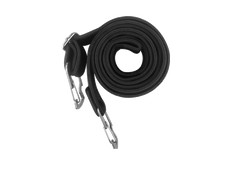
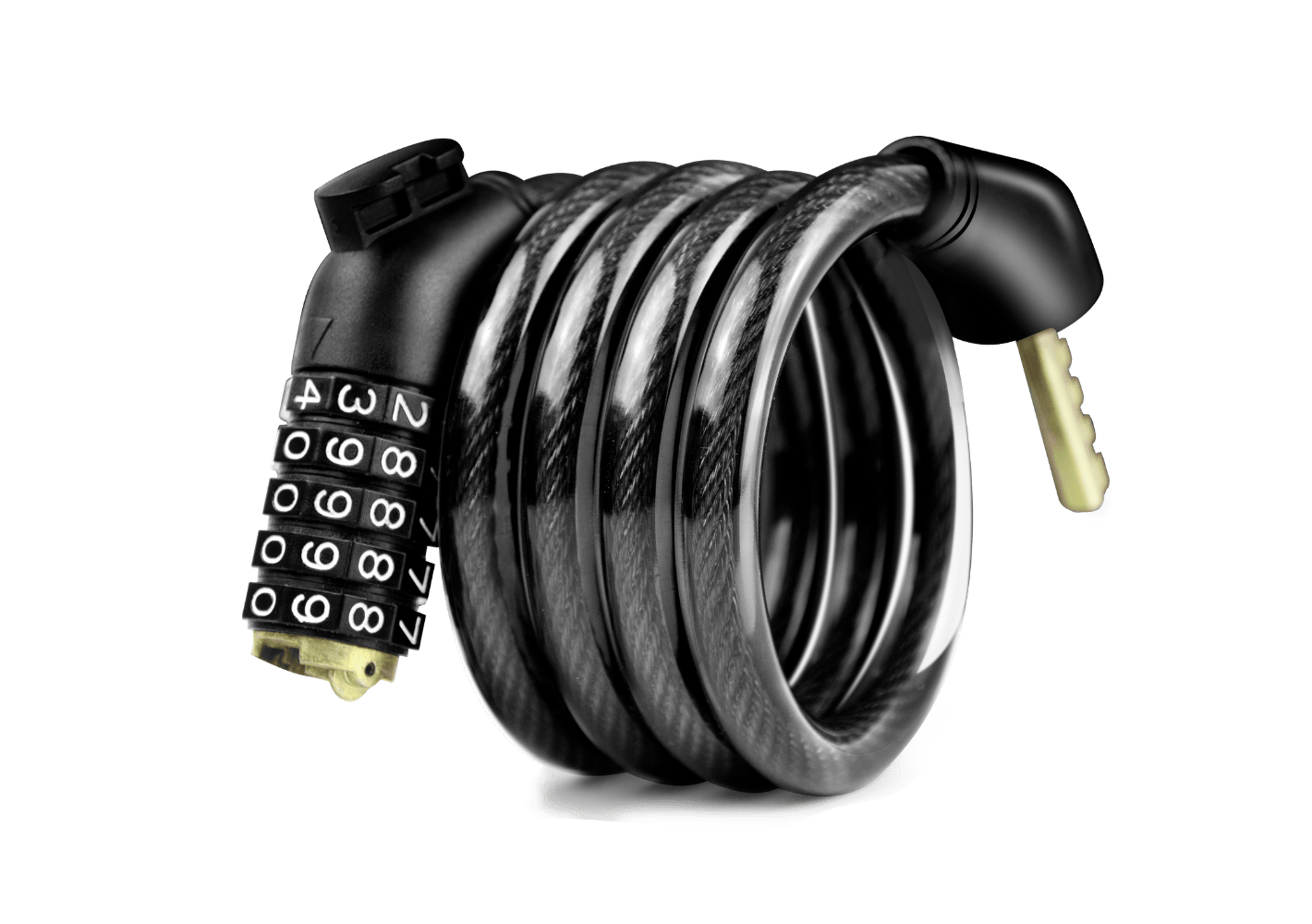
A lightweight cable lock is usually easy to carry and can be flexibly placed around an anchor point. This can be practical for short, easily visible stopovers if the risk matches the limited protective effect of the respective light variant. Thin cable and coil locks generally do not offer sufficient protection for longer unattended parking.
The DAHON COMBINATION CABLE LOCK is classified as a cable lock in the catalog. You should not derive unverified information regarding cable length, combination, mount, or resistance from this for your purchasing decision. For longer or less controlled outdoor parking, a more robust design is usually the more appropriate choice.
U-locks and chain locks for higher security needs
U-locks and chain locks are more suitable if the folding bike is parked for longer, less monitored, or in a place with a higher risk of theft. A U-lock may limit the achievable geometry more, while a chain lock can offer more flexibility. However, without specific comparison data, no ranking can be derived from this.
For both designs, check whether the length and shape connect the frame with the permitted anchor point. Higher security needs also mean that you have to carry additional weight and pack size on the relevant trips. The choice between a cable lock or U-lock for a folding bike is therefore a trade-off between parking risk, connectivity, and transport, not just a question of design.
How much weight and pack size suits your everyday life?
The practicable solution is the one you actually take with you on trips where the folding bike stays outside. A heavier lock does not help you if it regularly stays at home due to its weight, length, or lack of storage possibilities.
Before buying, check your typical routes and the folded bike: Does the lock fit in the designated storage space, can it be transported safely, and does it reach the anchor point? Also, consider flexibility, lock routing, and the possibility of capturing the frame and wheel together. Specific weight or pack size limits cannot be meaningfully generalized without information about the respective lock.
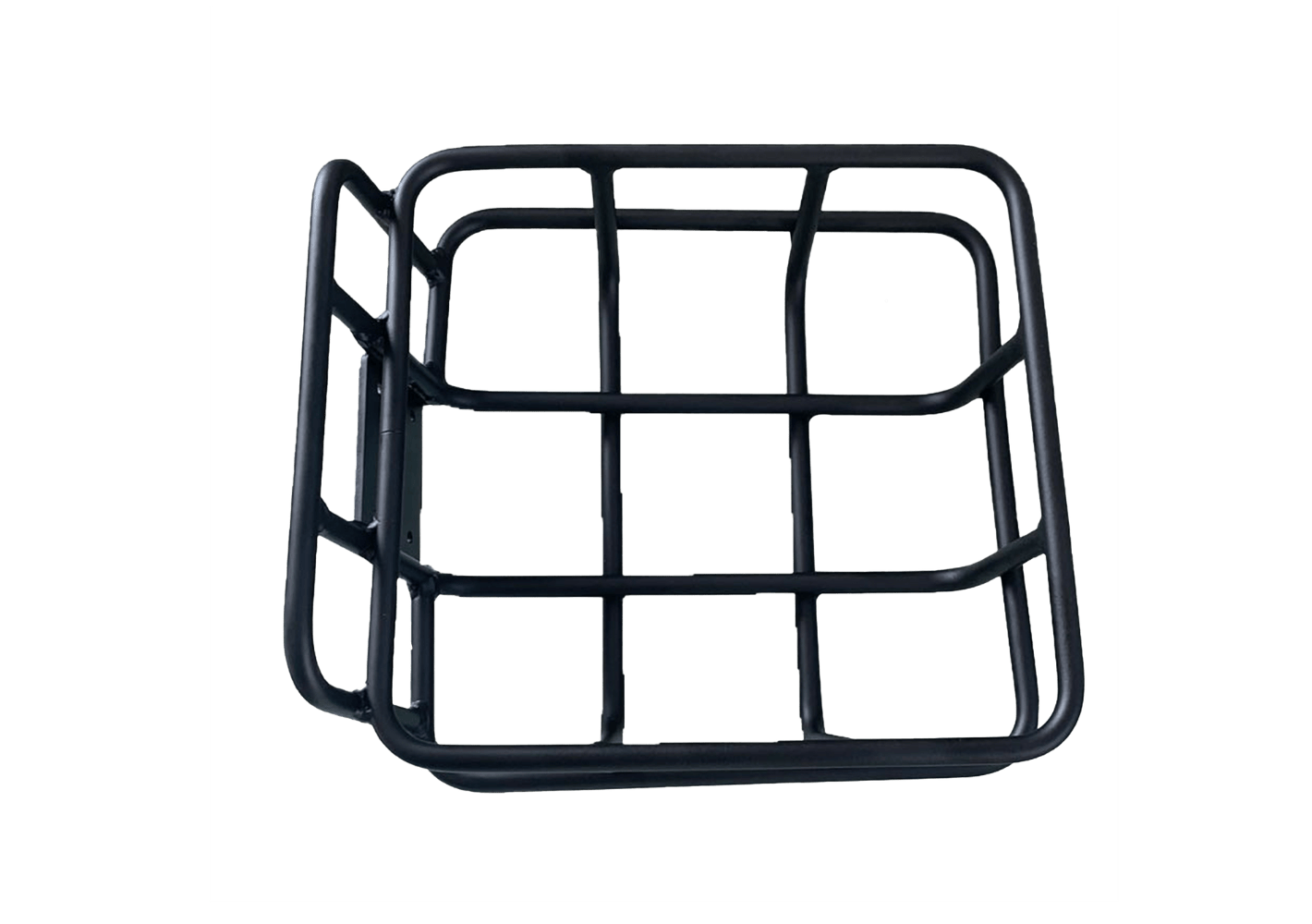
If the daily storage space only allows for a light solution, a cable lock is not automatically sufficient for longer or exposed outdoor parking. In that case, change the parking location, organize indoor storage, or choose a transport solution with which a more robust design can be realistically carried. For further selection, you can browse accessories for transport for suitable storage options, without deriving any specific mount compatibility from this.
Locking a folding bike correctly to a fixed object
How to put the selection into practice:
- Choose an anchor point: Use a stable, firmly anchored, and designated bicycle rack or a comparable anchor point. It must be reachable and cannot be easily detached or bypassed.
- Include frame and wheel: Guide the lock through the frame and at least one wheel, and connect both to the fixed object. The police recommend securing the frame and at least one wheel to the fixed object.
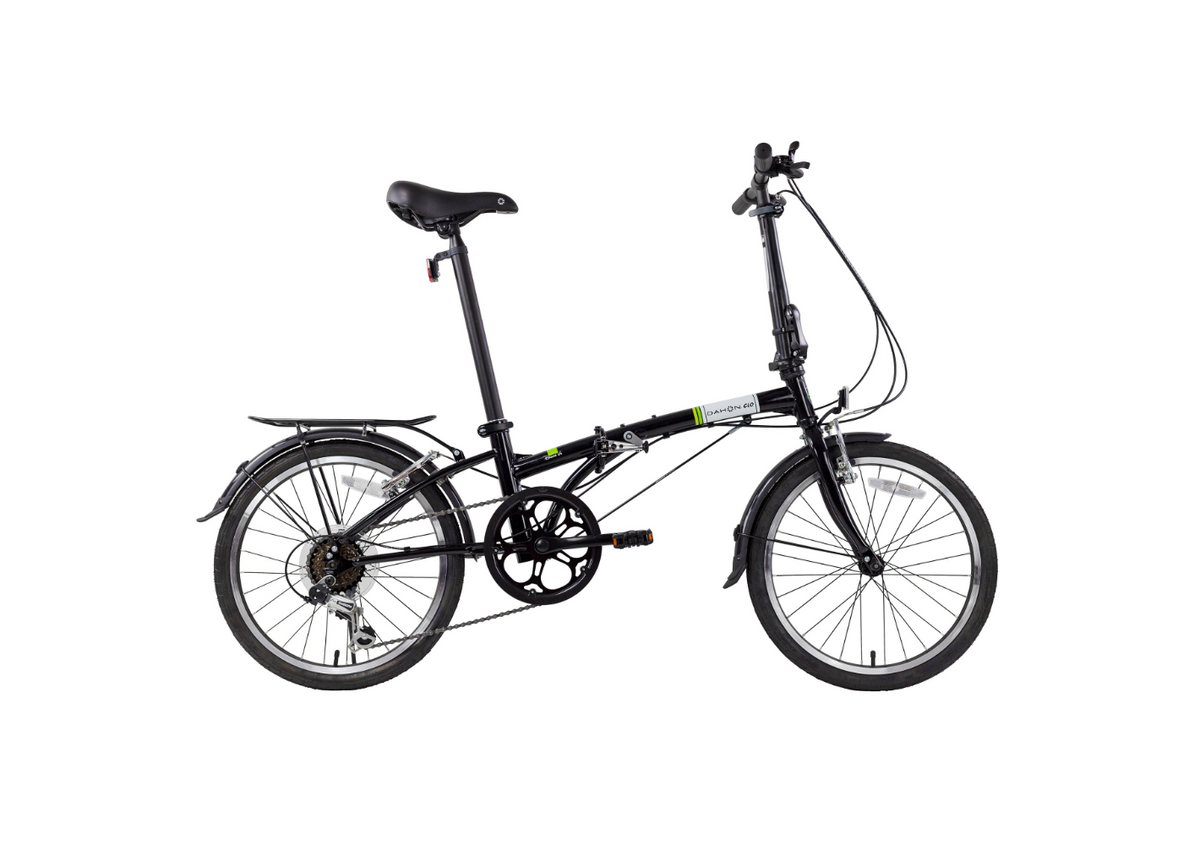
- Check lock routing: Ensure that the lock does not just capture an easily removable part or a moving component. With a folding bike, you should also check whether folding hinges and moving parts create an unintentional gap in the security.
- Check before walking away: Check the closure, routing, and remaining slack at the anchor point. If a suitable anchor point is missing, change the parking location instead of just choosing a different lock. An in-depth guide on locking a folding bike correctly can complement this routine.
When indoor storage and insurance checks become more important
For long or poorly monitored outdoor parking, indoor storage can be the more fundamental change. It reduces the dependence on the lock, anchor point, and environment, whereas a stronger lock does not fully compensate for an unsuitable location.
Check the specific policy before regular outdoor parking: Does it apply to the folding bike, which parking location and duration does it specify, what security is required, and does the insurance sum match the value? Insurance conditions regarding parking location and security can vary depending on the contract and provider. Also, keep purchase documents and identification features organized, without deriving any coverage commitment from this.
The concrete decision is: For a short, easily visible stop, a lightweight lock that is regularly carried can be suitable. For longer or exposed outdoor parking, a more robust design with a suitable anchor point is useful. If both do not come together at the location, indoor storage or a different parking location is the more sensible next step.
Frequently asked questions about folding bike locks
These answers put lock selection, locking, and contract checks into perspective for typical everyday situations. Parking duration, visibility, and a suitable anchor point remain decisive.
Which lock is suitable for a folding bike at the train station?
That primarily depends on parking duration and visibility. For a short stay at a busy, suitable parking facility, a light solution can be practical. If the folding bike remains for several hours, is poorly monitored, or has a higher value, the initial choice points more towards a more robust design and an easily accessible anchor point.
How do I lock a folded bike correctly?
Secure the frame and at least one wheel together to a stable, firmly anchored, and designated object. With a folded bike, you must also check whether folding hinges or other moving parts create a gap. The lock should be fully closed and not just capture a blocked wheel.
Is a cable lock enough for short stopovers?
This may be justifiable for short, easily visible parking and a suitable anchor point. This classification does not automatically apply to every cable construction and not for longer, poorly monitored, or particularly exposed outdoor parking. If the folding bike is to remain there for longer, choose a more robust starting direction or change the location.
What should I check regarding my folding bike insurance?
Check your own contract for the folding bike, parking location, parking duration, required lock requirements, and insurance sum. Only this information shows whether your planned outdoor routine fits the contract. If conditions or personal risk suggest otherwise, indoor storage is a concrete alternative.