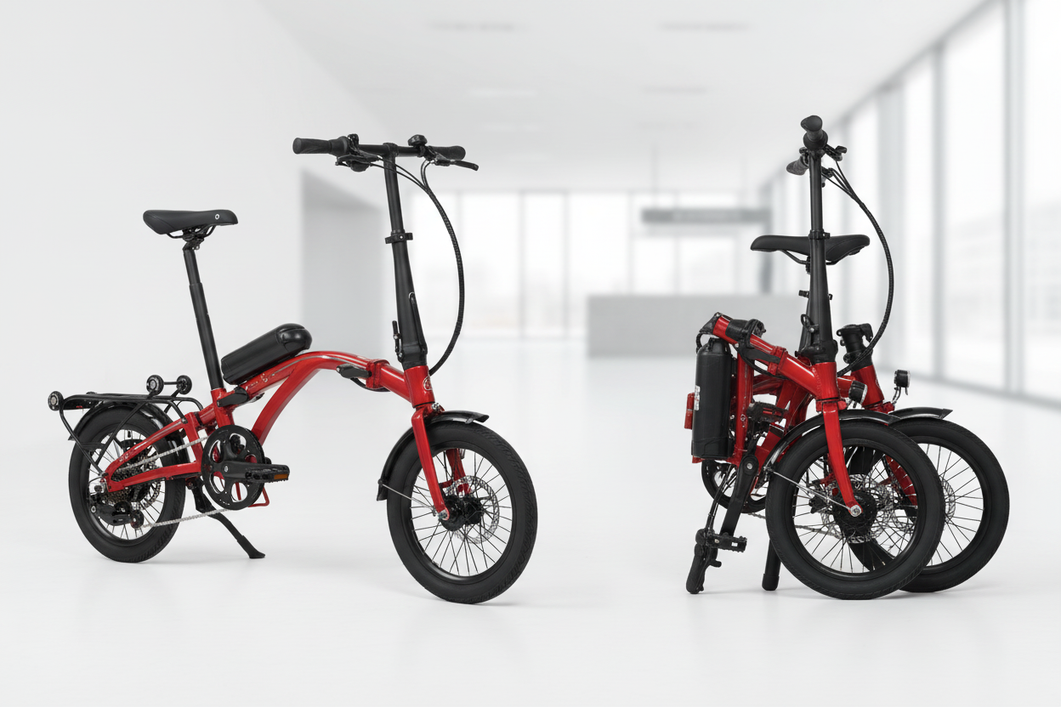
Which folding design suits you best depends primarily on what slows you down the most in everyday life. For daily commuting, a logical, complete folding process should take priority over the last centimeter of folded size. For train platforms and stairs, however, the folded shape, ease of handling, and stability are what count. If the bike is rarely folded, the available storage space can be given more weight, provided you are confident in the process.

Your everyday life decides: folding frequency, carrying distance, and storage
Do not start with the name of the folding system, but with your greatest personal bottleneck. The following matrix assigns five typical situations to a priority and a concrete check on the model. It is a selection aid, not a ranking of individual folding mechanisms.
| Everyday situation | Selection priority | Check on the specific model page or during a demonstration |
|---|---|---|
| Frequent folding for commuting and train travel | A repeatable folding and unfolding process with clear locking | Have the full folding sequence, locking mechanism, and assembly demonstrated. Try out the complete folding process before purchasing. |
| Carrying for longer distances on stairs or platforms | Assess folded shape, ease of handling, total weight, and stability together | Carry the folded bike and set it down. For frequent train use, check the stability of the folded bike rather than just reading the folded dimensions. |
| Tight storage space in apartment, office, or trunk | The practically usable folded shape and orientation in the intended space | Compare folded dimensions with the specific compartment, including handlebars, pedals, and potential contact points. |
| Infrequent folding for car or travel | Storage volume, secure placement, and a manageable process | Measure the intended storage area and perform the entire process once. For Deutsche Bahn (German Rail), additionally: securely stow the folded bike like luggage; other carriers may have their own conditions. |
| High desire for inspection and maintenance access | Clear product information, visible inspection points, and understandable fasteners | Use only provided information or a demonstration as proof. |
When traveling by train, it is therefore not enough to simply know if the folding bike can be folded. According to Deutsche Bahn, fully folded bicycles can generally be carried as hand luggage, provided they are securely stowed like luggage and do not obstruct aisles, doors, or safety equipment. Before your trip, also check the conditions of your specific connection. This rule applies to the DB context and not automatically to every other carrier.
Comparing folding technology: These conflicting goals shape your choice
When it comes to folding bike mechanisms, you are essentially comparing two design directions: some folding bikes are folded at multiple points, while others primarily collapse via a central frame hinge. Individual models may combine principles. Therefore, for your purchase decision, the concrete process is more important than the name alone.
Compact folded size or simple folding process?
If you switch daily between bicycle, train, and office, the complete process should be the deciding factor: preparation, several folding movements, locking, carrying, setting down, and reassembly. A particularly small folded size can be associated with a more demanding folding process in certain test models, as the ADAC test on folding bikes shows. No general rating of a design type can be derived from this.
Therefore, verify that you can confidently execute the sequence during your commute. A small difference in final size should not automatically be more important than a process you have to perform completely and regularly. For limited technical orientation, you can also classify basic folding mechanisms without deriving a recommendation for a specific model.
Short carry or longer carrying after folding?
For a few meters from the platform to the train, storage might be the greater bottleneck. If, however, you have to carry the bike over stairs or long platforms, evaluate the folded shape, ease of handling, stability, and total weight together. The steering column, seat post, and additional equipment can influence the carrying effort; the name of the mechanism alone does not answer this question.
Set the folded bike down and pick it back up if the situation allows. For frequent train use, it is relevant whether it remains stable even when no secure support is available. Also, assess whether the folded shape interferes with clothing, bags, or door areas. This turns the comparison of the folding system into a concrete test of your route.

Small storage volume or better inspection access?
When every centimeter in your apartment, office, or trunk counts, do not just compare length, width, and height. Handlebars, pedals, seat post, and potential contact points can determine whether the folded shape actually fits into the intended space. Deutsche Bahn mentions exemplary dimensions of 700 × 500 × 300 mm for many luggage racks. This is not a universal limit for folding bikes and does not apply automatically to other trains or modes of transport.
If inspection and maintenance access are particularly important to you, the product description should identify visible or described points on the folding hinge and fasteners. A lack of information proves neither good nor bad accessibility. During a demonstration, ask specifically about the locking mechanism and which points can be regularly inspected. General service life, wear limits, or maintenance intervals cannot be derived from the available information.
How to check your choice on a specific Dahon model
After determining your greatest bottleneck, check the folding system of a folding bike on the specific model. Product pages provide concrete data for this, but not necessarily the complete folding sequence or all information on maintenance access.
- Set priority: Decide whether folding frequency, carrying distance, storage, or maintenance access limits your everyday life the most. This priority determines which information you should look for first.
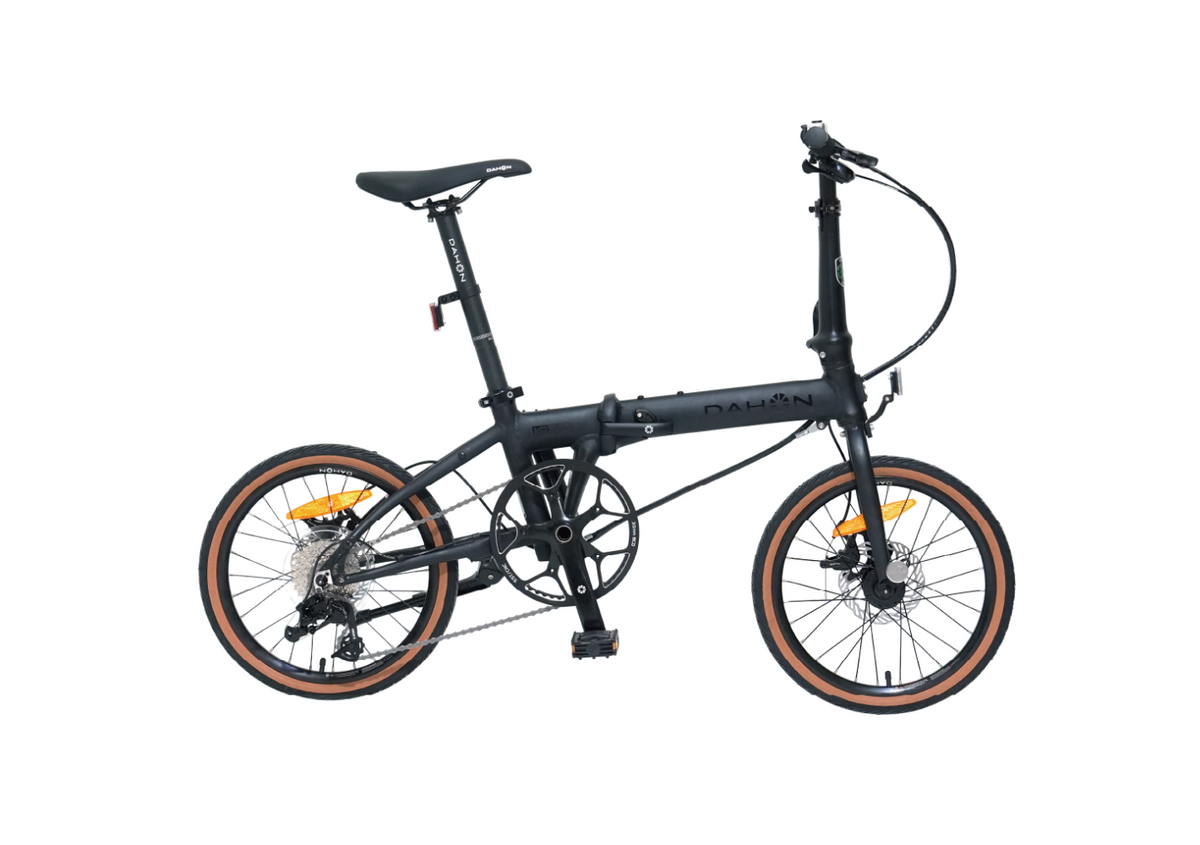
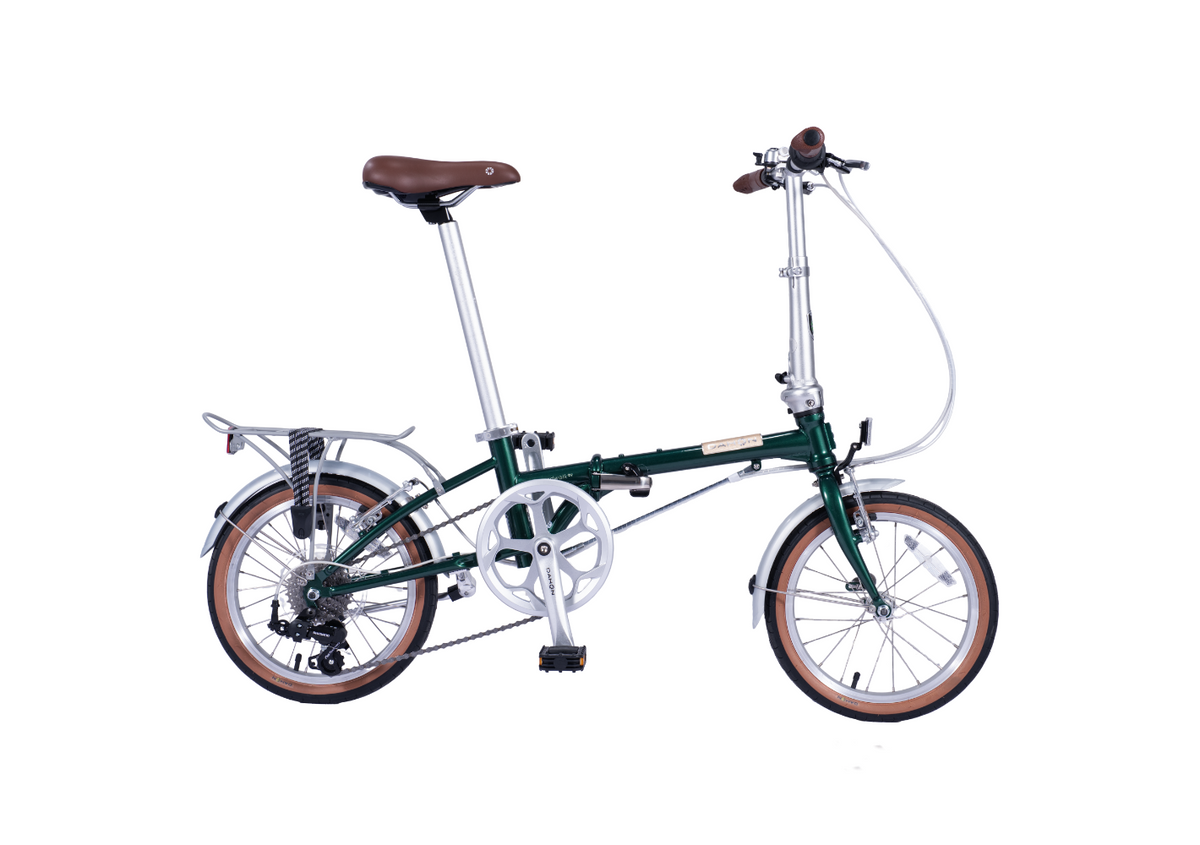
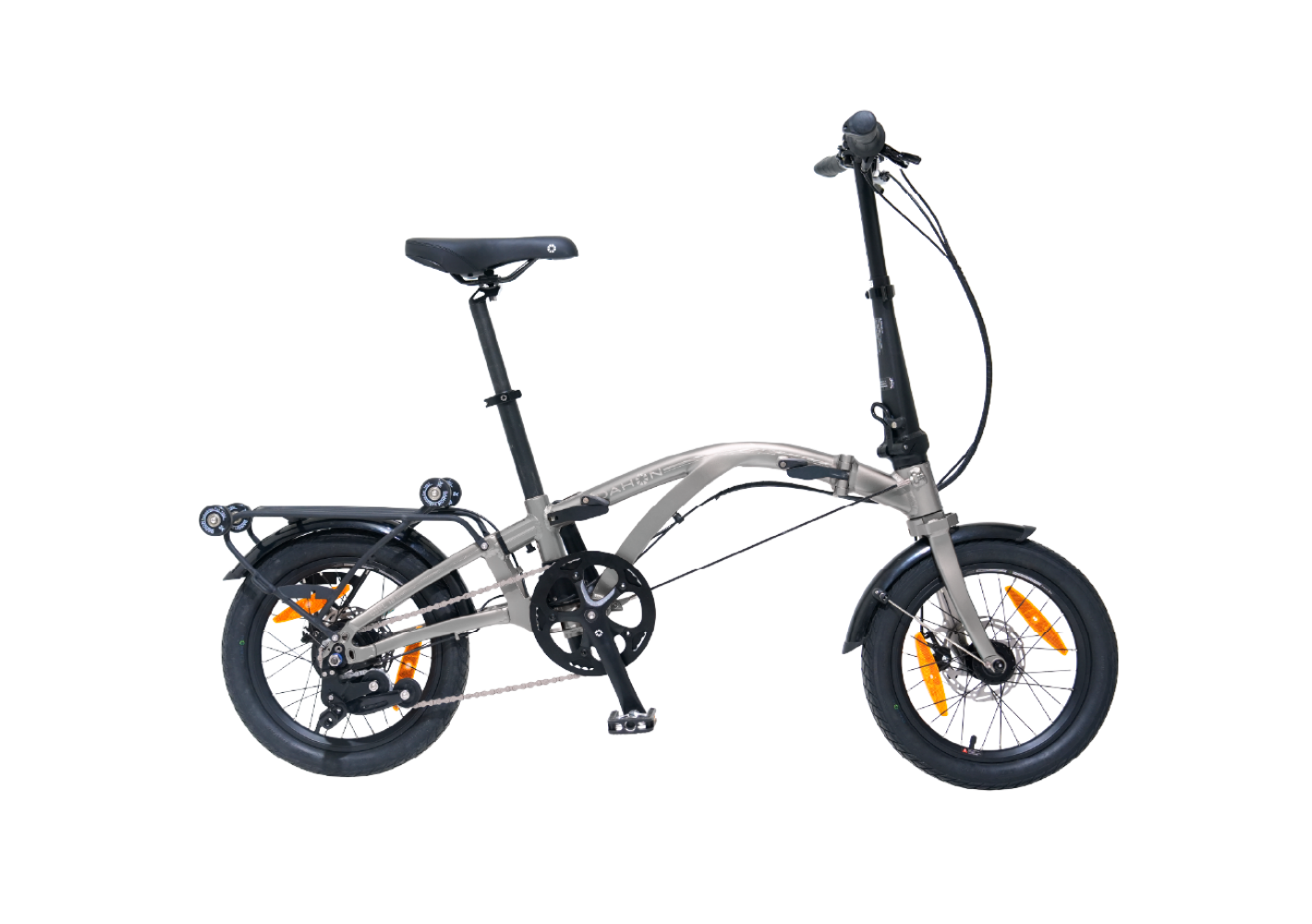
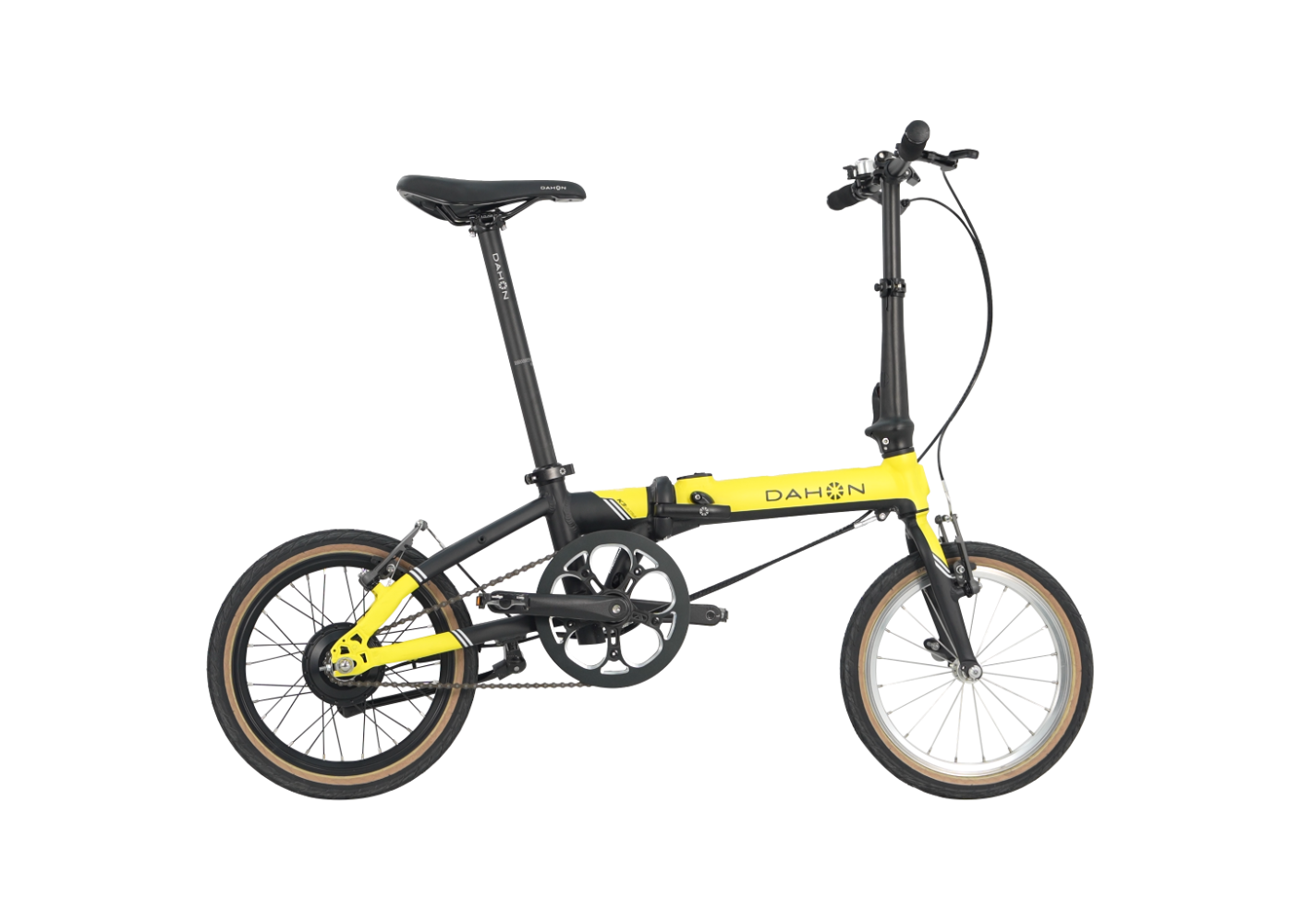
- Read the specified folding design: Only accept what the respective product page explicitly states. For the Curl Ei4 with a vertical folding mechanism, the manufacturer's page specifies a vertical mechanism and a triple-fold 16-inch design.
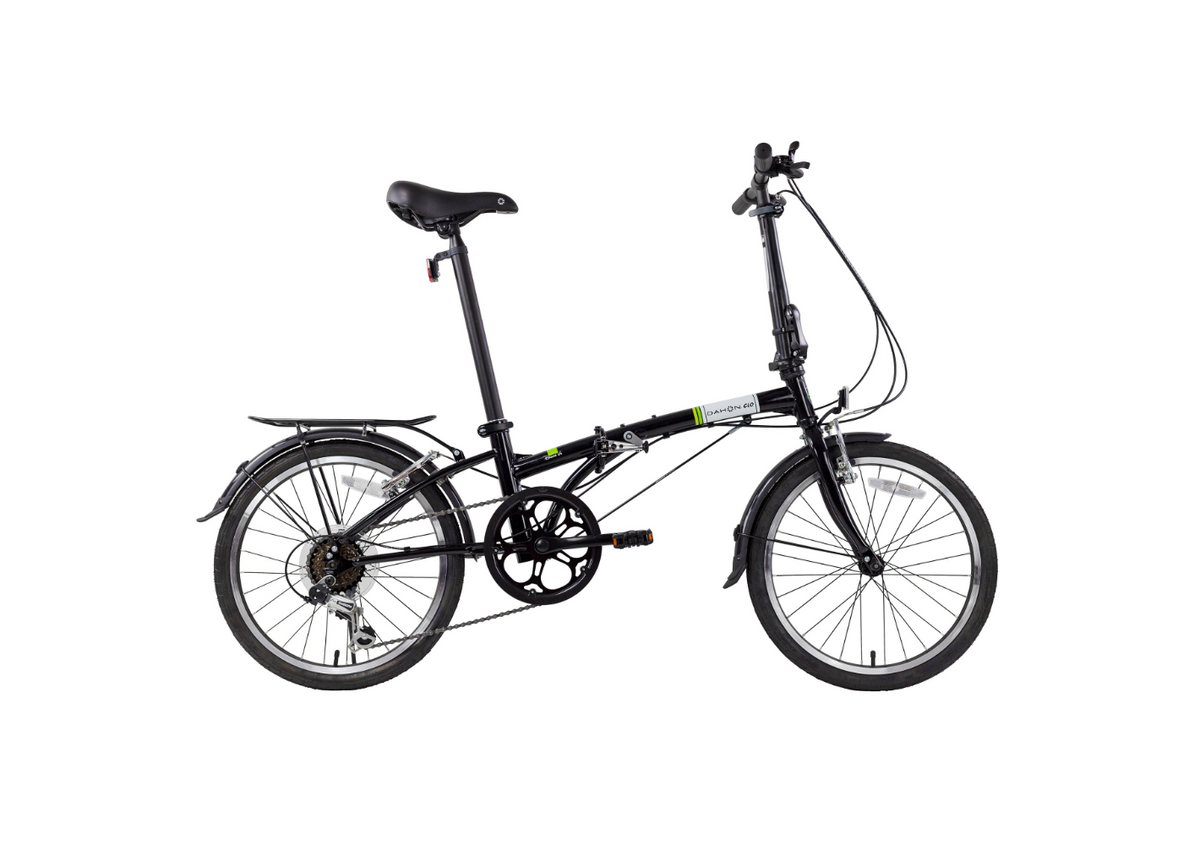
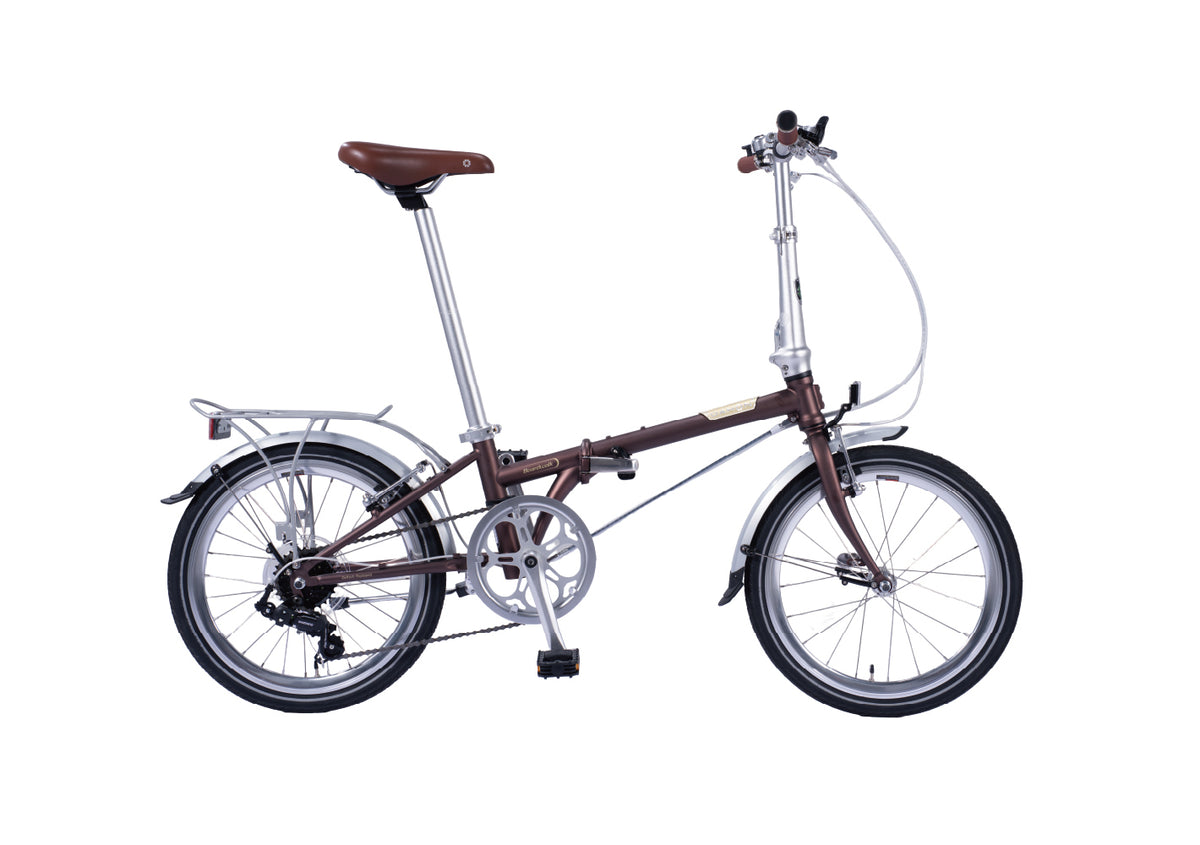
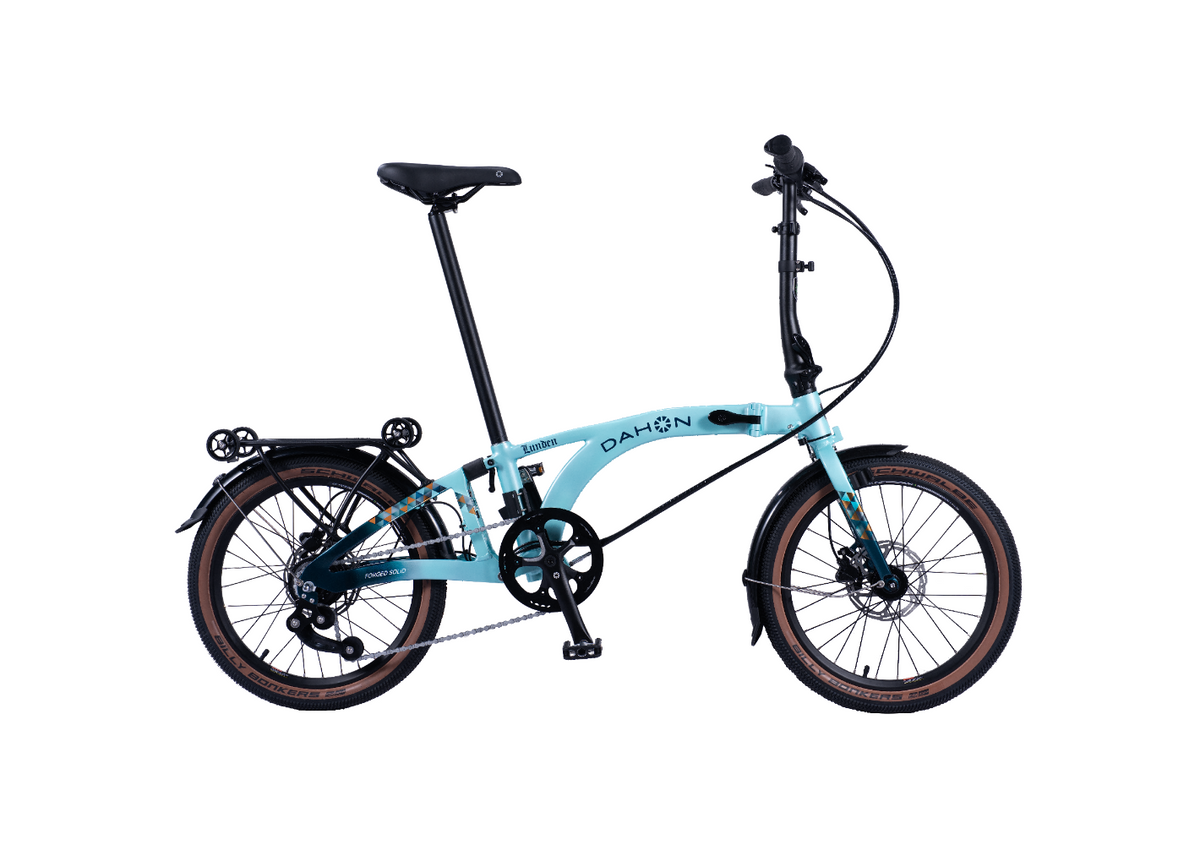
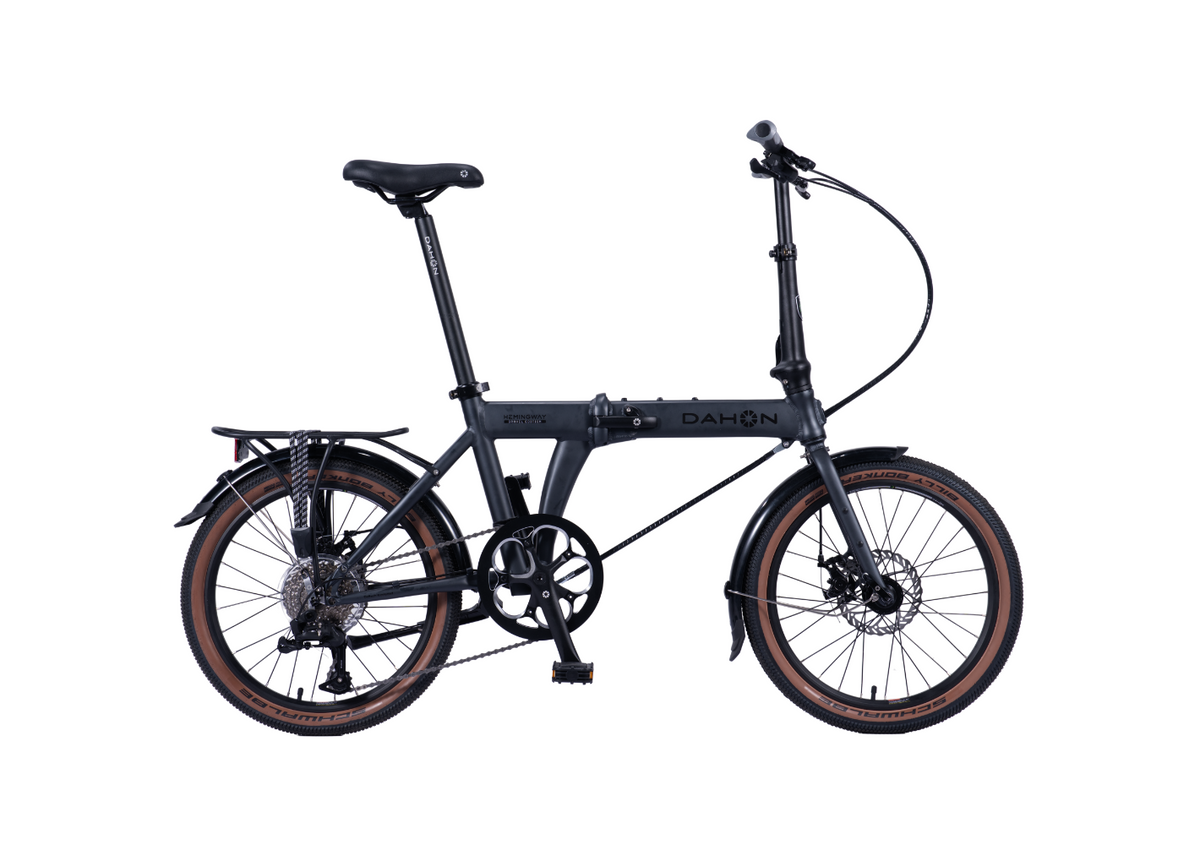
- Check folded size and shape: Compare the stated dimensions with your actual storage space and its orientation. For the Boardwalk D7 as a 20-inch comparison, a folded size of 63 × 30 × 77 cm and 11.86 kg are listed in the specifications.
- Check operation and maintenance access: See if fasteners, locks, and relevant inspection points are described or visible. Check the fastener for protection against accidental opening. The specific design and operation must be understandable on the selected model.
- Have the full process demonstrated: Have the dismounting, folding, locking, carrying, setting down, and reassembly shown to you, or perform the process yourself. A single first step is not enough. Additionally, you can test a folding bike in everyday life before purchasing.
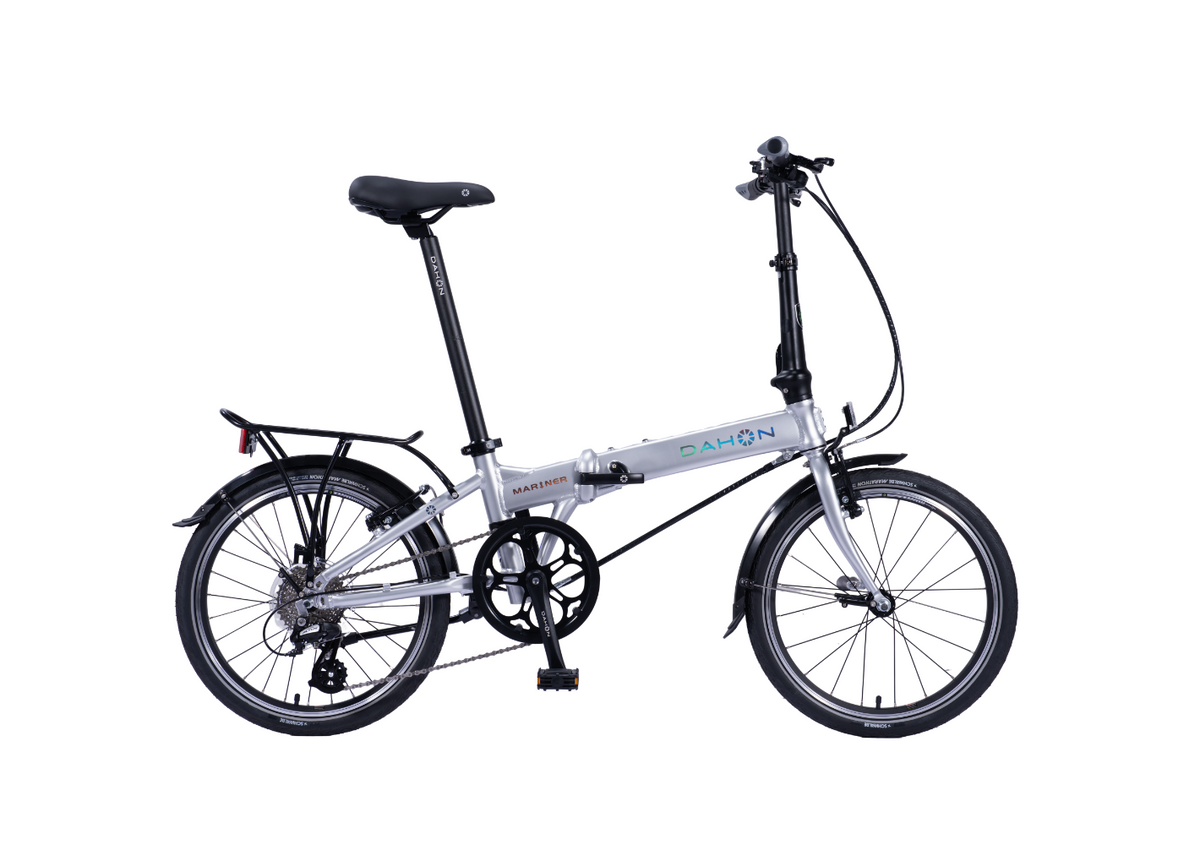
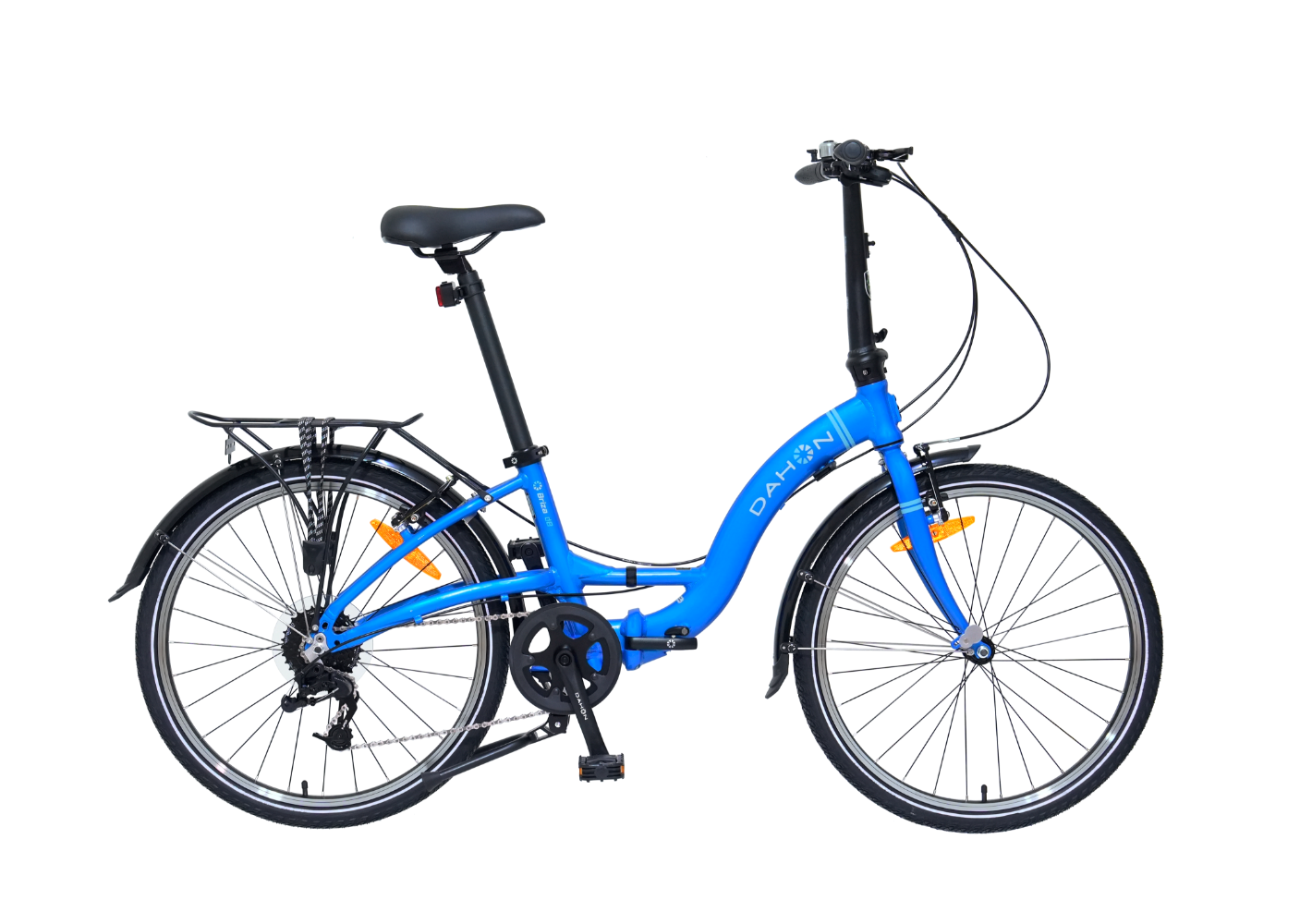
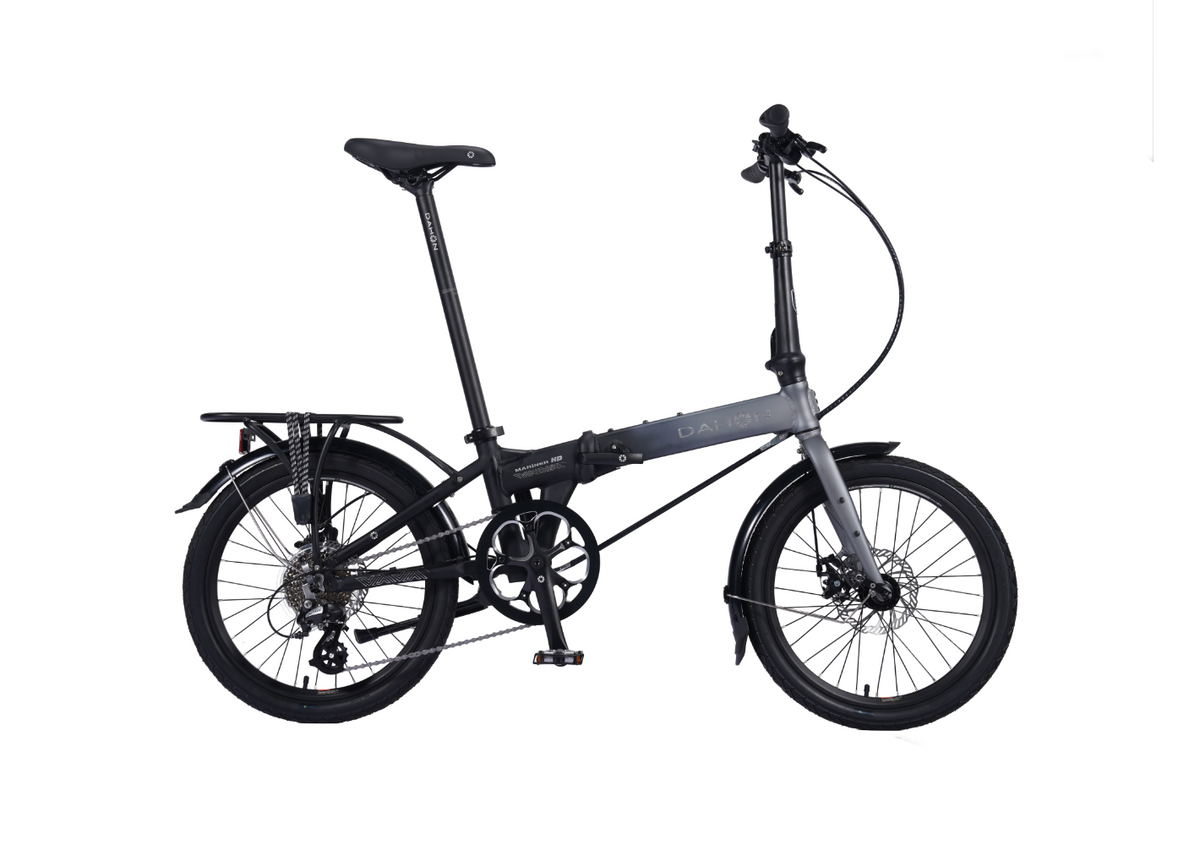
- Compare models only based on available information: Use the option to compare models based on available information, such as specified folded dimensions or weights. For the Mariner D8 for city and train, the product page lists, among other things, a folded size of 65 × 28 × 80 cm, 12.64 kg, 8 speeds, as well as mudguards and a luggage rack.
- Perform a final check on the selected model: Open the page of the preferred model again and match the most important bottleneck with the specified information. If the folding sequence, locking, or maintenance access are not fully described on the product page, clarify these points before purchase through a demonstration or supplementary manufacturer information. For DB travel, also check the conditions of the specific connection and secure luggage storage.
This allows the folding mechanism of a folding bike to be assessed objectively: not via a general ranking, but based on the process, folded shape, and the storage space you actually use. Open the product page of your preferred Dahon model now, check the folding sequence, folded shape, locking, and storage, and test the full process before buying.
Frequently asked questions about the folding bike mechanism
Which folding mechanism fits which folding bike lifestyle?
For daily commuting, a logical process counts; for longer carrying distances, the folded shape is key; and for tight storage, the actually usable volume is decisive. Define your greatest bottleneck first, then check the folding process and specified folded size of the specific model.
What is important when folding a folding bike frequently?
The deciding factor is whether you can master the entire sequence, including locking and reassembly, on your commute. Have the process demonstrated in full or test it yourself without inferring operation time or durability from a brief demo.
How can maintenance access at the folding hinge be assessed?
Compare the product description and demonstration for visible inspection points, fasteners, and maintenance instructions. Missing information proves neither good nor bad accessibility; binding maintenance intervals should come from reliable documentation for the respective model.
Is the smallest folded size automatically the best choice for a folding bike?
No. The folded size must suit the complete folding process, the folded shape, the carrying distance, the stability, and secure stowage. Prioritize the factor that limits your everyday life the most and check this on the specific bike.