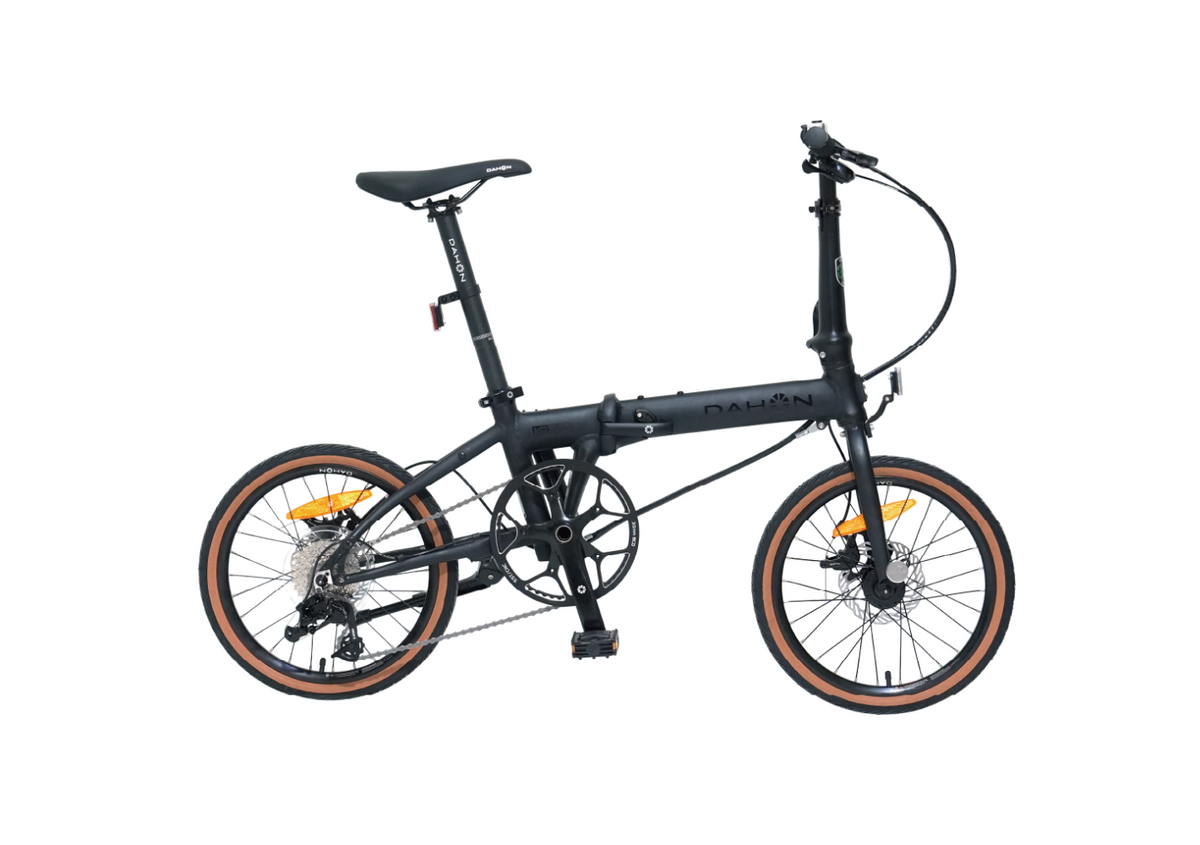
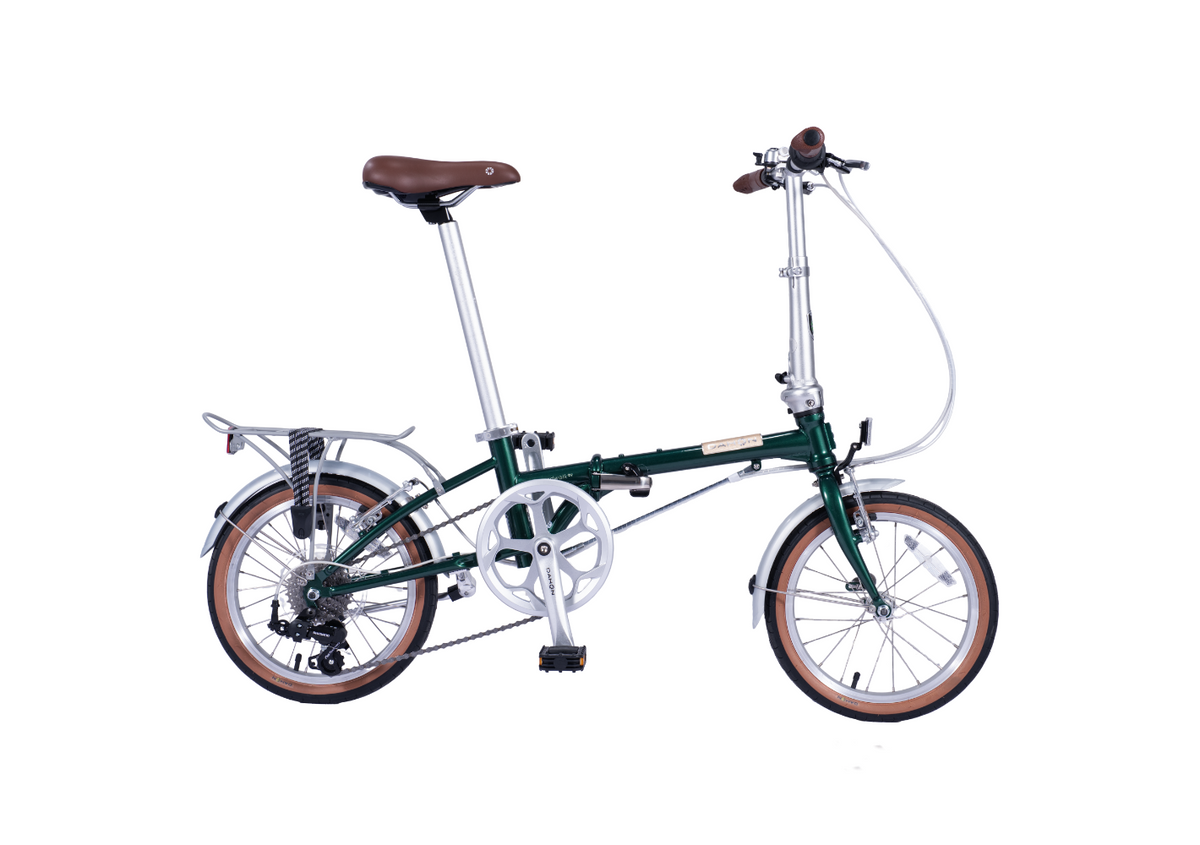
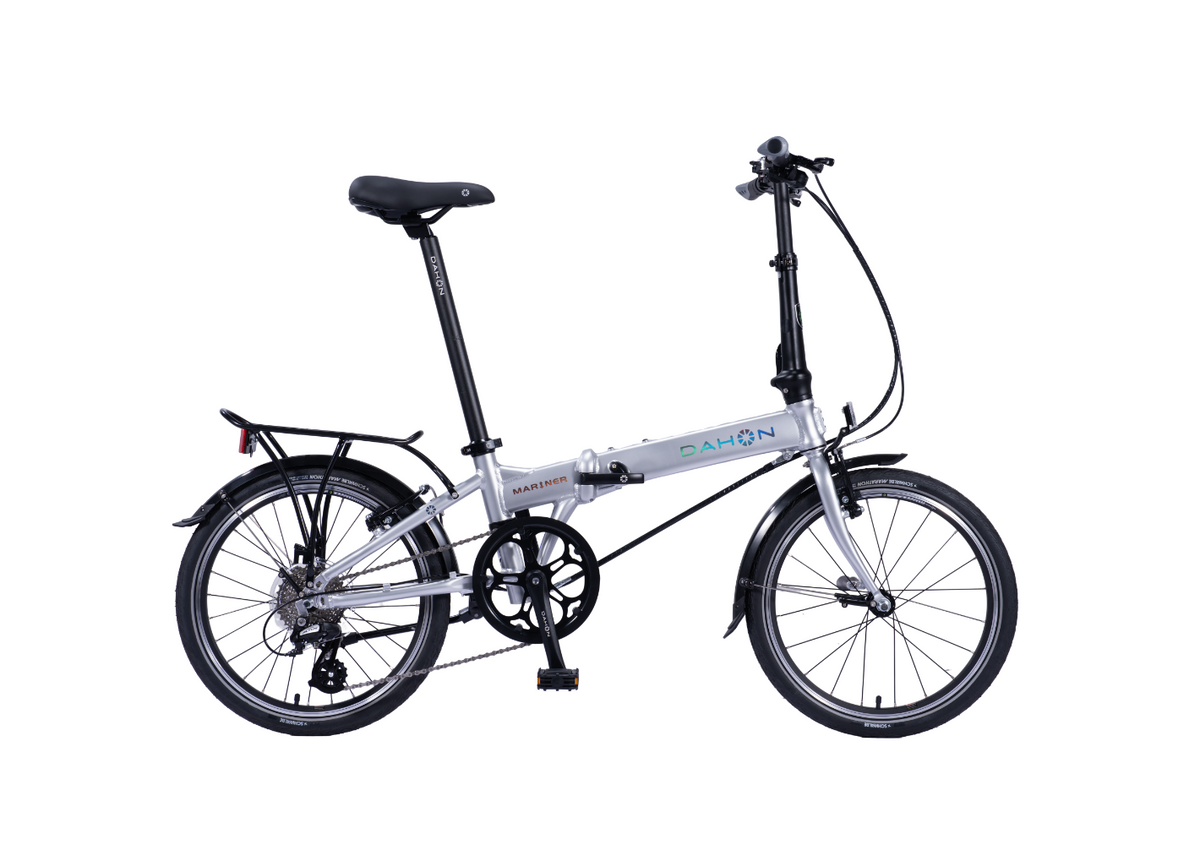
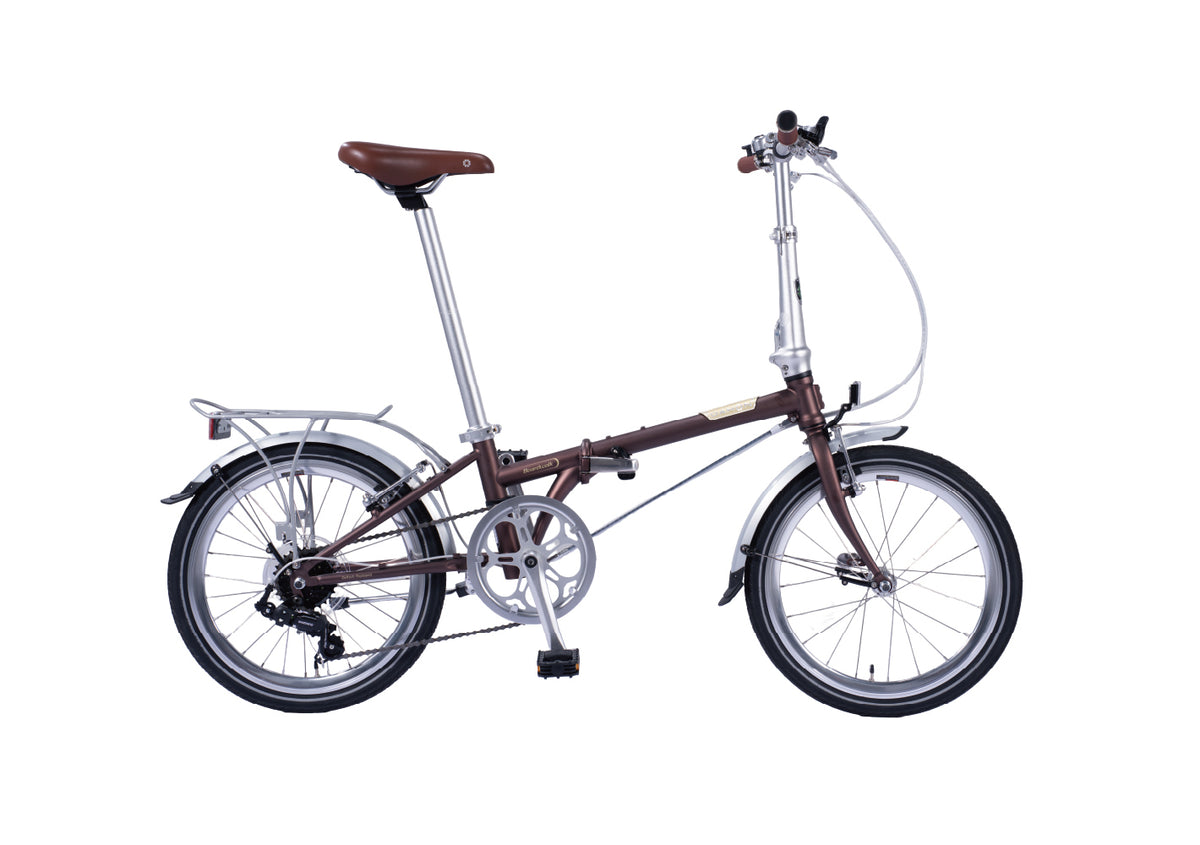
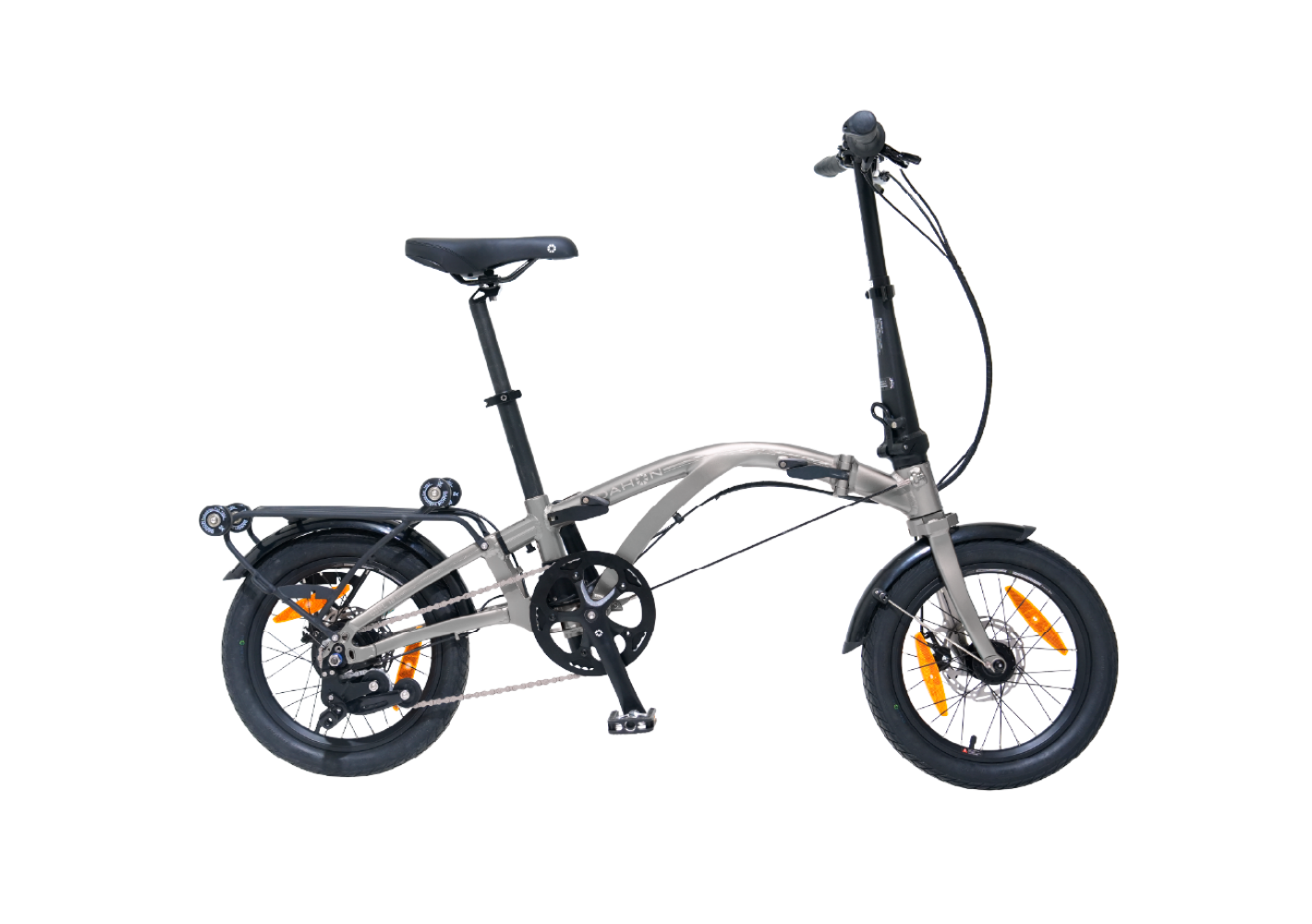
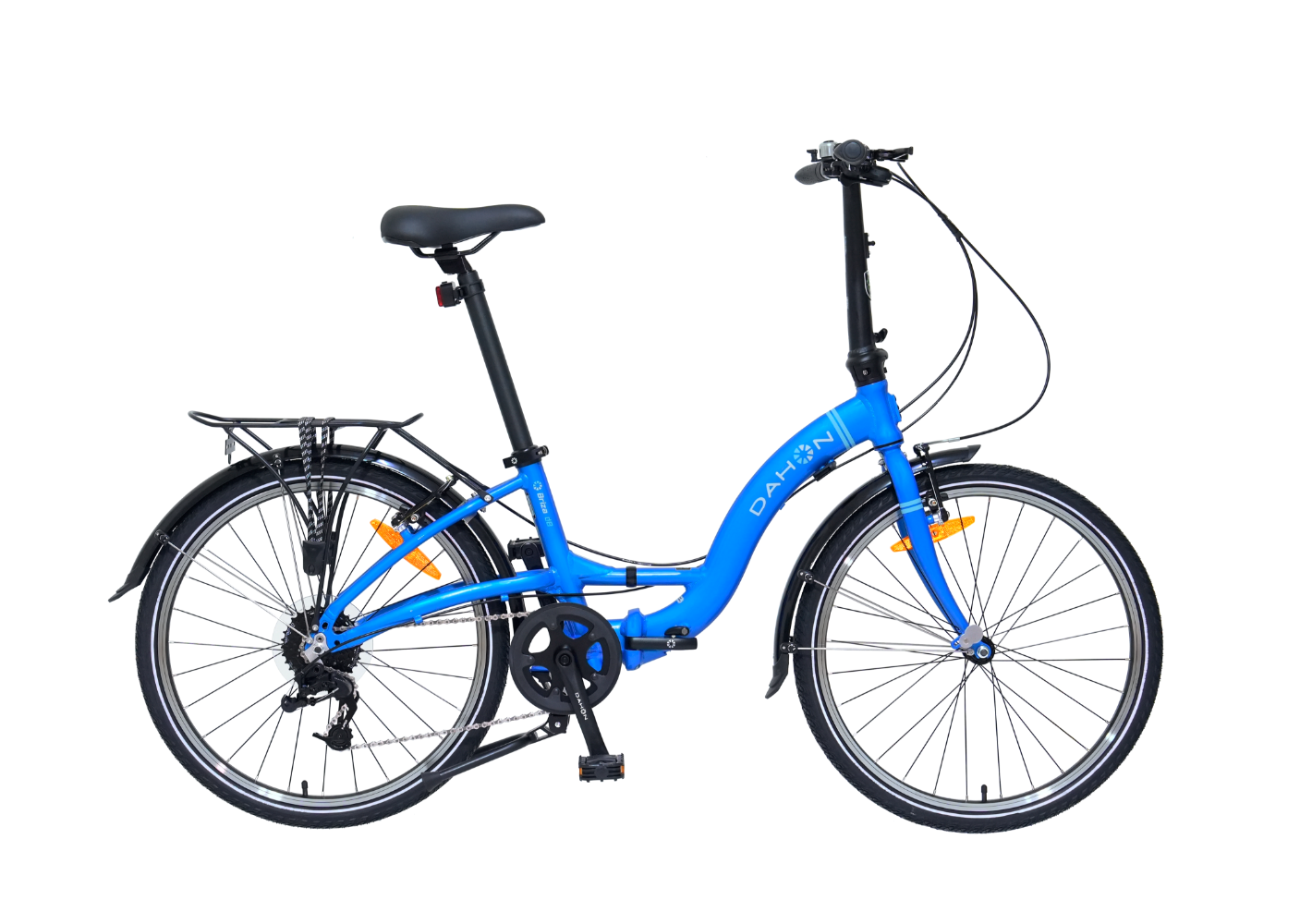
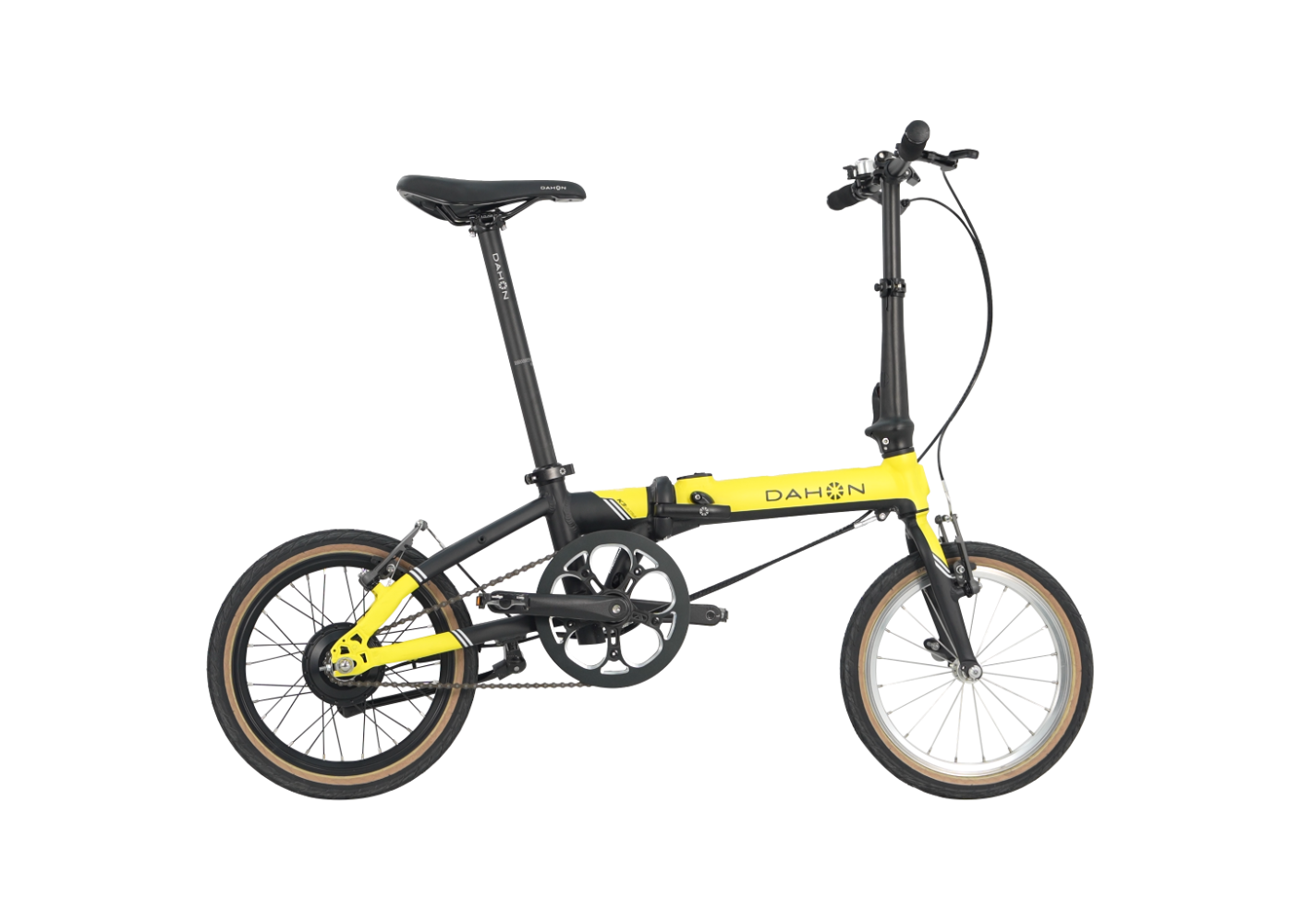
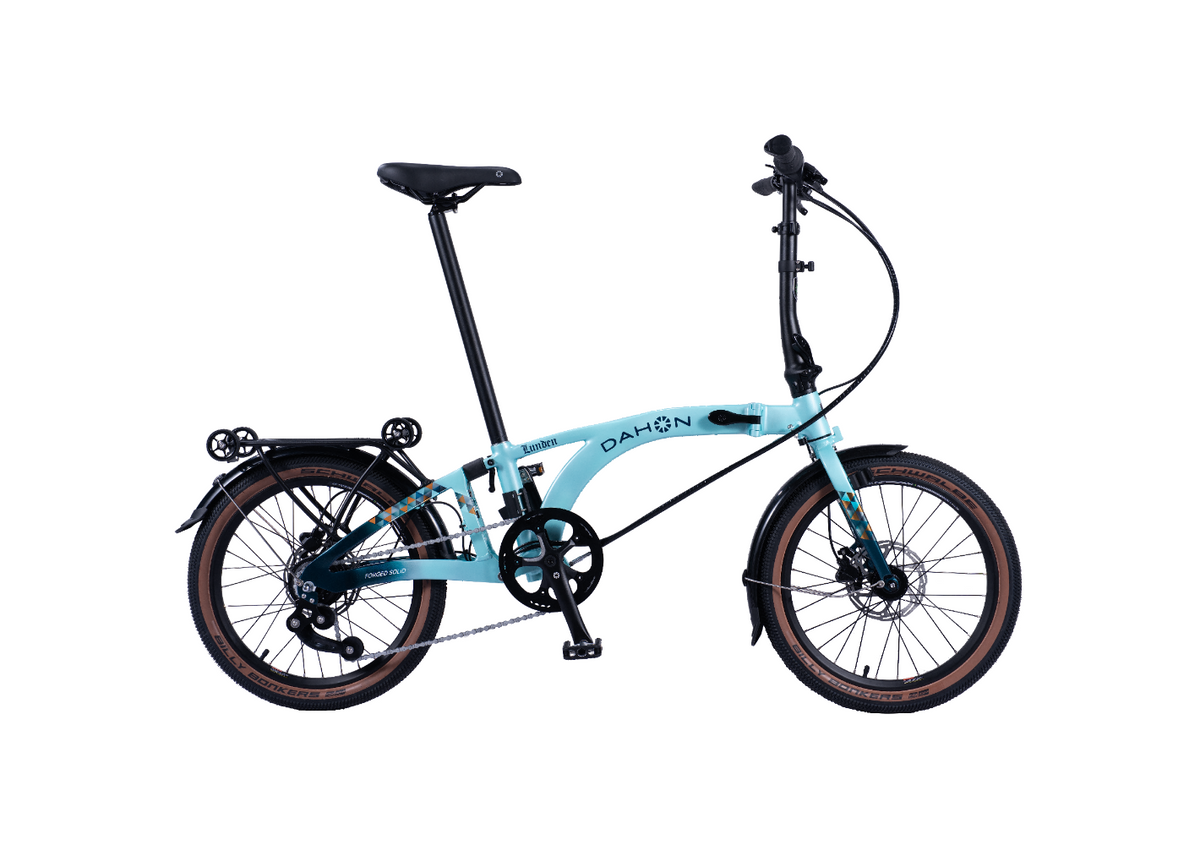
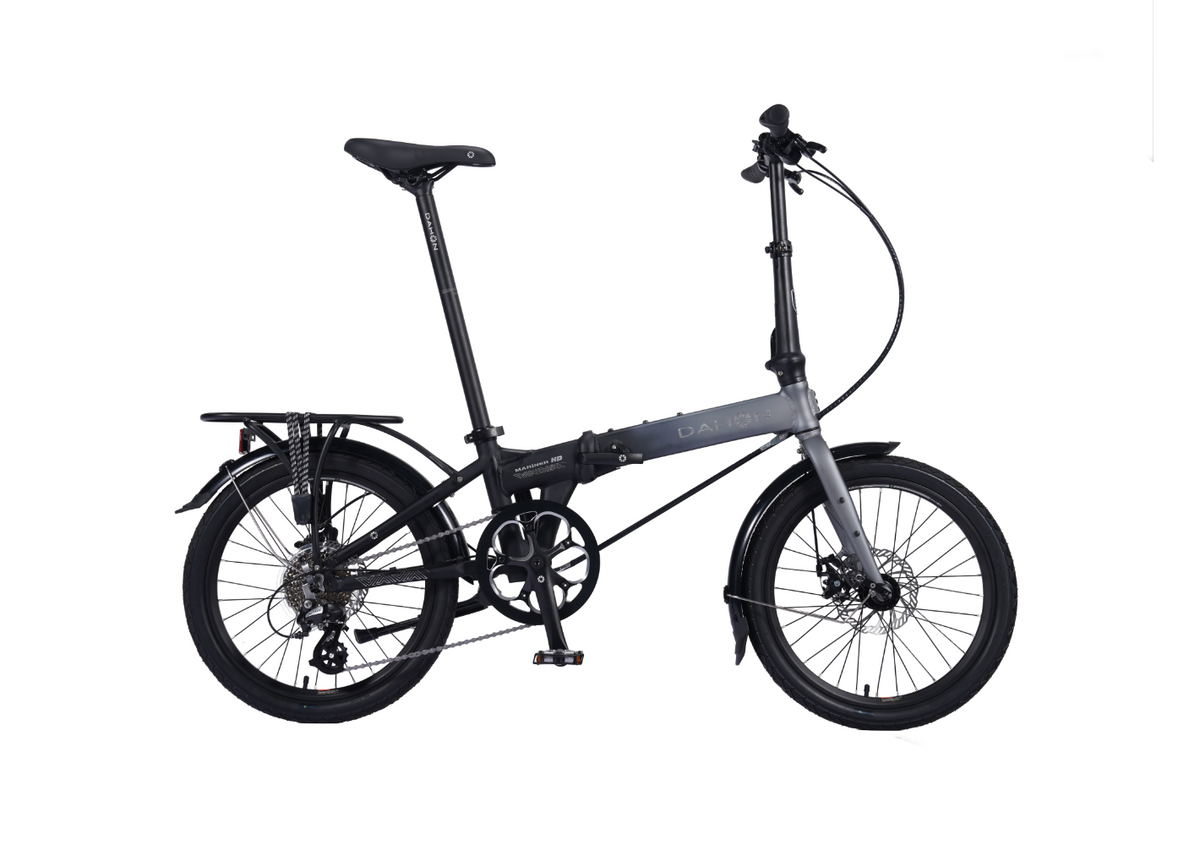
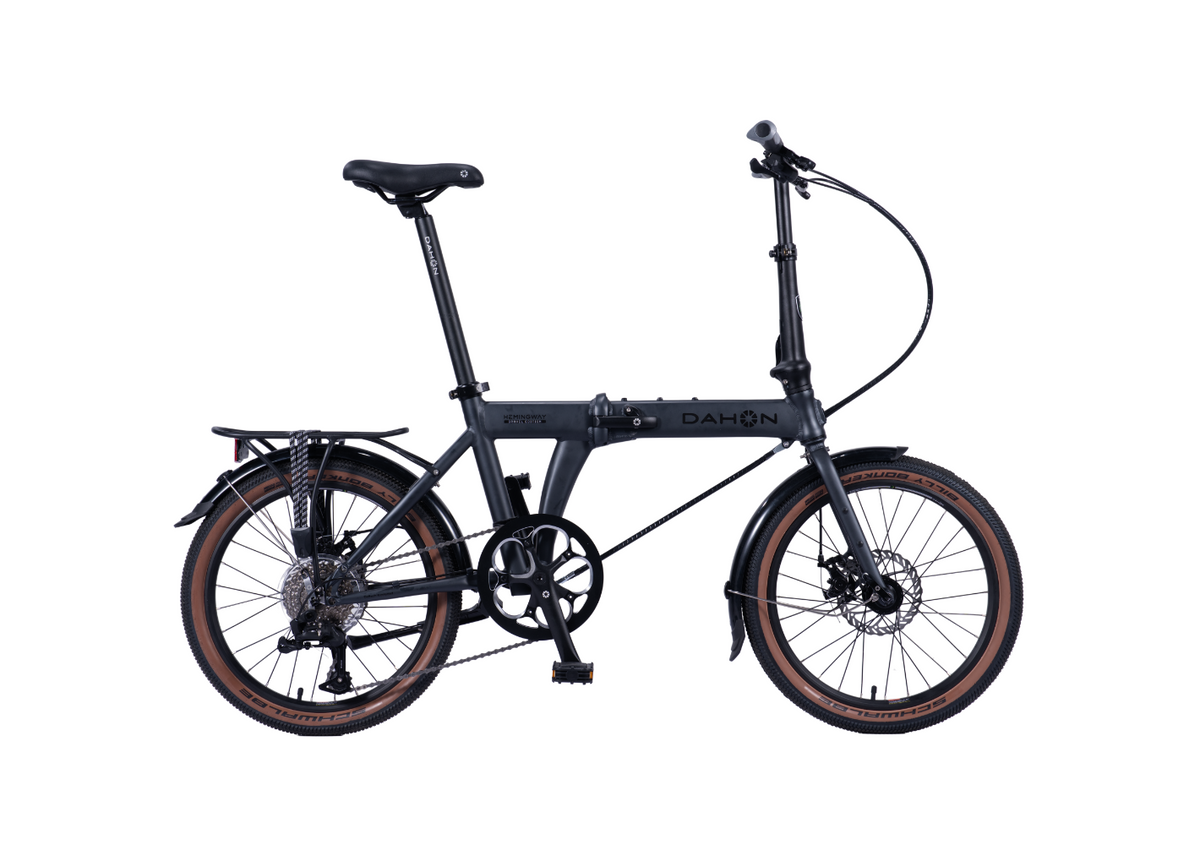
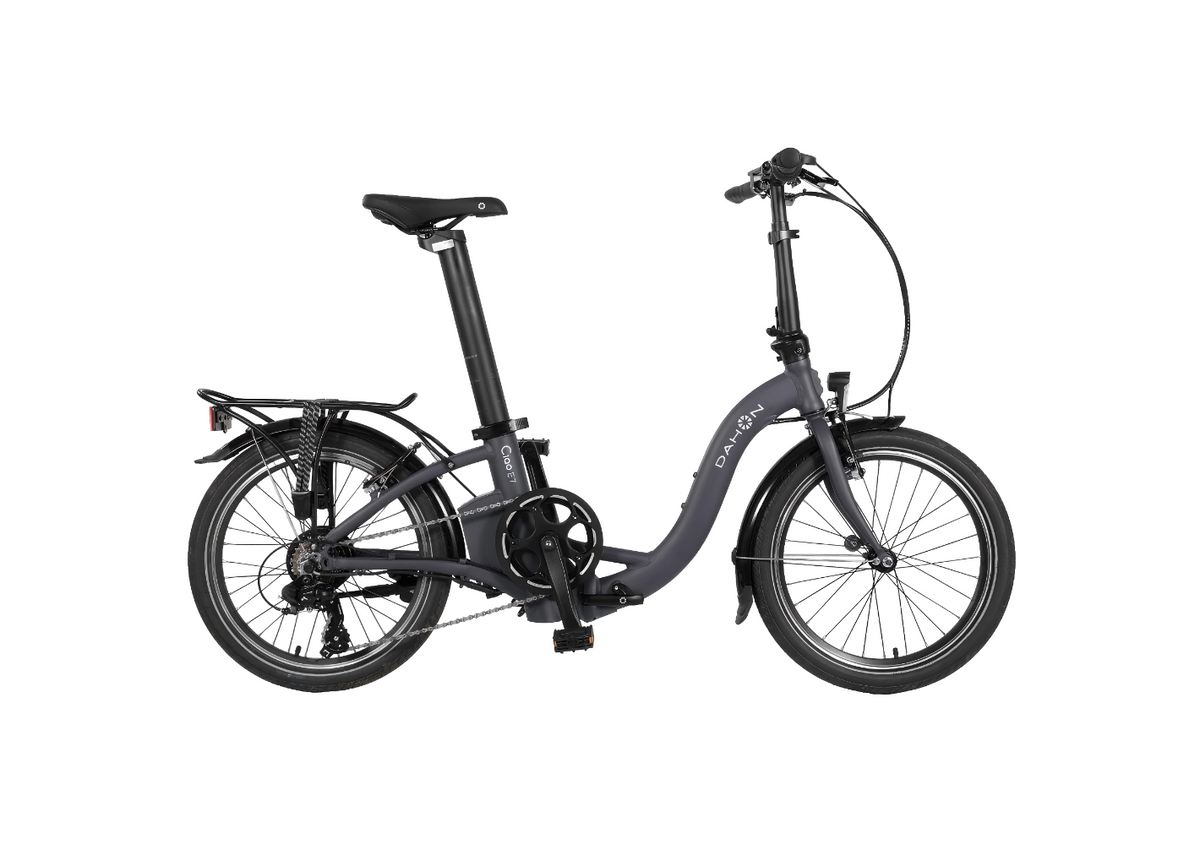
For occasional family outings, renting or sharing is often the easiest way to start, but only when a provider confirms suitable bikes for everyone and a pickup and return plan that fits your day. Buying makes more sense when you expect to ride together again and again, and when storing and transporting your own bikes works for your household.
No option wins by default. Before you compare fold-up bikes for sale with a rental fee, first find out which options can actually serve your group on the planned date. Then compare cost over the same outings.
Which option is most practical for an occasional family outing?
Start with renting or sharing near your destination if it can cover the whole group. You avoid the upfront cost of buying the bikes and pay according to the provider’s tariff, which may include rental, usage, access, reservation or membership charges. That convenience is real only after the provider confirms the bike type, the number of bikes, and how you collect and return them.
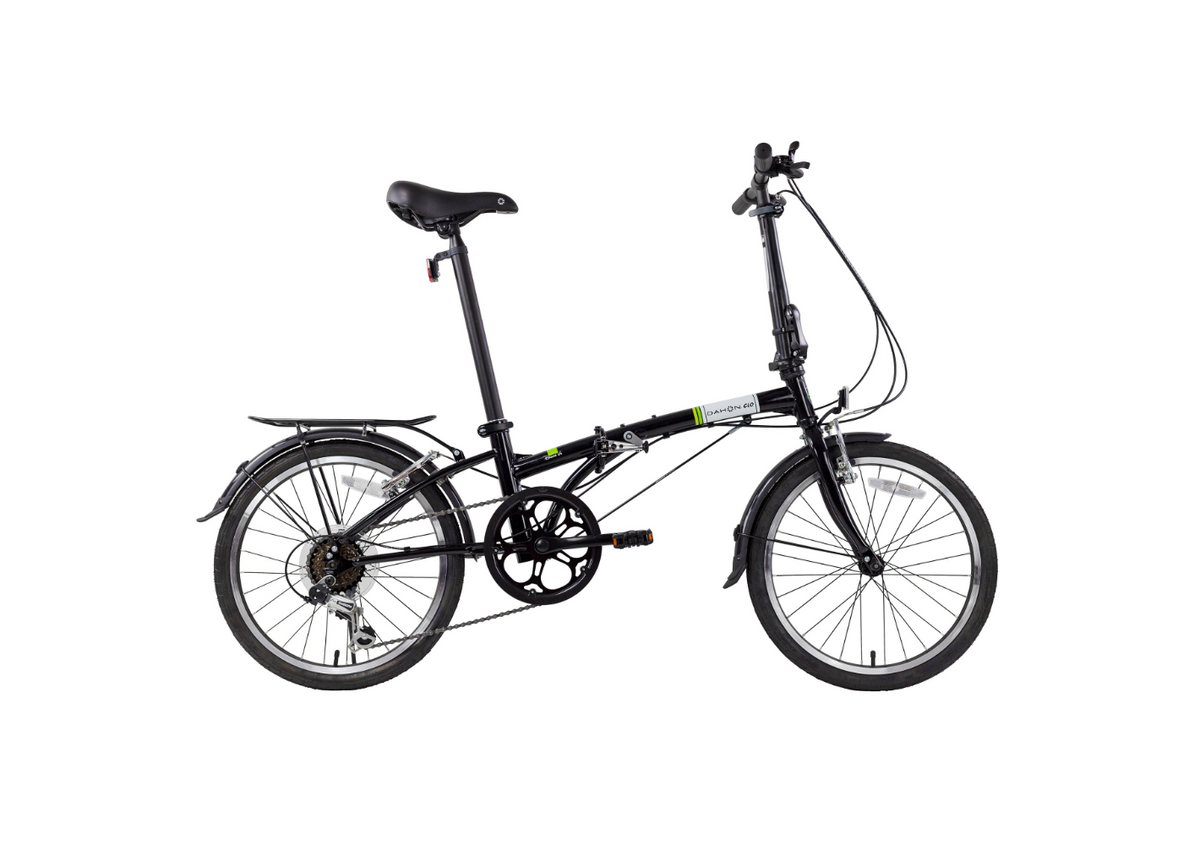
Buying becomes the stronger choice when your outings stop being one-offs. If you plan several trips over a season or a year, owning bikes removes the booking step each time. You also keep the same bikes that already fit your riders. The trade-off is that you carry the full cost, storage and transport yourself. If repeat outings point towards ownership, our folding bike collection lets you browse available models. Check each model’s product page and documentation for folded dimensions, drivetrain specifications, fit and equipment.
One rule ties these choices together. A price comparison only matters between options that actually work for your outing. If a low-cost rental has no bikes free on your date, set that quote aside and compare the options with confirmed availability instead.
Can renting or sharing cover the whole family outing?
Yes, if the provider can confirm bikes for every rider, not just one bike in general. Treat your whole group as the unit you need to book. Then work through these points with the provider before you count the option as real:
- Provider, place and date: Name the exact pickup location and the day of the outing, and ask what will be available then.
- Bike format: Confirm that the service offers folding bikes. Many rental and sharing fleets use standard bikes, so ask directly.
- Number of bikes: Make sure there are enough bikes for everyone riding, on the same date and at the same location.
- Rider suitability: Compare the provider's information about each bike with the riders' needs, such as height and riding confidence for children and adults.
- Booking and access: Find out whether you reserve in advance, unlock through an app, or collect at a counter. Rental and sharing services differ here.
- Handover: Confirm where and when bikes are collected and returned, and whether that fits the start and end of your route.
If any of these points stays unconfirmed, keep that option provisional and plan an alternative.
General bike-share coverage in a city does not answer these questions. The European Environment Agency's selected-city bike-share density figures for 2016 to 2023 show how much supply varies. These figures do not show current availability for a particular provider or date. Your own booking still needs the provider's confirmation.
For an outing in Germany, the DB Call a Bike app shows available bikes and the permitted return locations or areas for the selected city. To end the rental, return the bike as instructed in the app, close the lock and confirm that the rental has ended successfully.
What will getting and returning the bikes add?
Each option adds its own tasks before and after the ride. Compare them for your actual route and group, not for an ideal setup.
Collect or access bikes near the outing
Rental and sharing shift the effort to the destination. Put the provider's confirmed pickup point, opening hours or access conditions, and return location on the same map as your route. If the return point is far from where the ride ends, you may need to ride back, walk, or take a detour that shortens the day. Children who are tired at the end of an outing make this matter more. Plan only around the arrangement the provider actually confirms. Some services use stations, some use a counter, and some may offer other options, so do not assume delivery or a free return anywhere.
Bring owned bikes from home
Owned bikes move the effort to the start and end of the day. Think through each step: carrying the bikes out of storage, loading them, the journey, and unfolding them at the start point. For each bike, compare its folded size and weight with your car boot, train space or storage area, and with the people who will lift it. Our guide to folding bike weight and size explains how these two figures shape daily handling. If you travel by car, check boot dimensions for small cars before you plan for several bikes. An affordable bike still has to fit your route.

How can you compare the full cost of each option?
Compare totals for the same family, the same outings and the same period. Setting a purchase price against one rental fee gives a misleading picture of both options.

Choose a comparison period first, such as one year, and estimate how many family outings you expect in it. Then gather local figures for each option:
| Option | Costs to include for the period | What to gather |
|---|---|---|
| Buy | Purchase, accessories, maintenance, spare parts, trip transport | Shop prices, your own upkeep estimate |
| Rent | Total for all bikes and days, travel to pickup and return, listed fees | Provider quote and local terms |
| Share | Usage charges for all riders and ride time, access and return travel | Operator tariff and local terms |
For buying, add up the expected ownership costs over the period and divide by the number of planned outings to get a cost per outing. Our breakdown of three-year ownership costs shows which items to include. For renting and sharing, use the quoted total for the number of bikes and the length of each trip, then multiply by the outings in your period. Compare all figures in the provider's local currency, because prices and terms differ between EU countries and between cities.
Keep refundable deposits out of the cost total. Note them separately only if tying up that money matters to you.
The lowest total is your cost winner only if that option also passed the availability and handover checks above. If renting is cheapest but cannot supply bikes for everyone, the real comparison is between the options that can. When your estimate of outings rises, run the numbers again with the new figure. Do not rely on a fixed break-even rule.
FAQs
Can we take a rented folding bike home before the outing?
Some rental arrangements may allow this, while others expect you to collect and return bikes at the same location. Ask the provider whether you may transport the bike yourself and how it must be returned. Taking a rented bike from home changes your pickup and return effort, so it can help or hurt depending on your route.
Is a bike subscription the same as renting for one trip?
No. A subscription is usually an ongoing contract rather than a booking for one date, so its terms, service and notice periods matter as much as the monthly price. Our comparison of buying versus subscribing covers costs, service and contract risks if you are weighing that route.
What if a provider can only supply bikes for part of the group?
You can combine options, for example by bringing owned bikes for some riders and renting for others. Plan the handover for the rented bikes, then check that your transport can carry the owned ones. If neither half is confirmed, plan a different outing or provider.
When does looking at fold up bikes for sale make more sense than another booking?
It makes sense when you keep repeating the same booking and transport steps, or when rental bikes rarely fit your riders. At that point, compare owned folding bikes for sale using your same-period cost total and your storage and transport space.