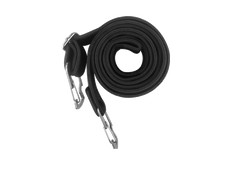
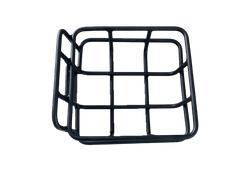
An open bike basket carries your groceries, but it does not keep the rain off them. To keep them dry, put a separate cover over the load or pack it in a closed bag that fits inside the basket. Pick the option that suits the shape of your shopping, then try it at home with a typical load before you ride in wet weather.

Use a Separate Cover or Closed Bag
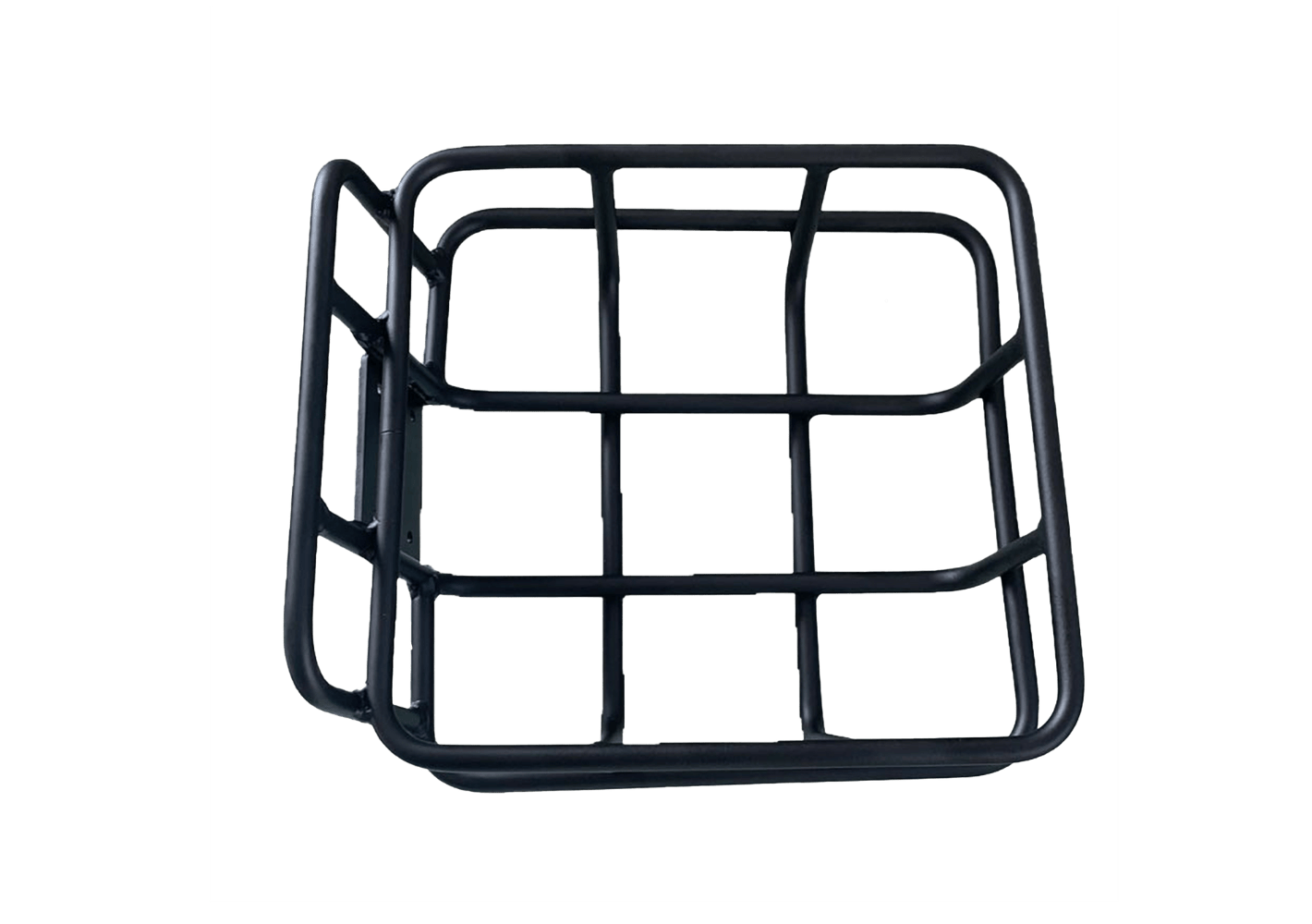
Good bike basket rain protection comes from something you add to the basket, not from the basket itself. A wire or open basket supports and contains the load, but it does not necessarily secure every item against movement or prevent rain from reaching it. Rain still falls through the open top and the gaps in the sides, so anything inside gets wet.
That leaves two practical options. The first is a cover that sits over the loaded basket. ADFC Schleswig-Holstein, the regional branch of the German cyclists' association, describes keeping rain off a shopping basket with a matching tarp over the basket. A cover like this keeps off the rain that falls from above. It works when it reaches over the whole load and stays in position while you ride.
The second option is a closed bag that sits inside the basket. You pack the groceries into the bag and close it. The basket then just carries the bag. Here the protection comes from the bag and the way it closes, so the type of closure matters a lot. The next section shows how to choose between the two.
Both options keep the basket as your carrier. If you are still deciding whether a basket is the right way to carry your shopping at all, we compare basket, bag and backpack options by volume, folding and centre of gravity.
Choose by Load Shape and Closure
Choose the option that can cover or close over your loaded shopping, not the empty basket. Judge it by the shape of the load you usually bring home.
| Option | Good fit when | Condition to keep |
|---|---|---|
| Cover over the basket | Load is bulky, tall or uneven | Reaches over every item and stays in place |
| Roll-closure bicycle bag | Load packs in with room to spare | Bag still rolls closed as intended |
A cover is the more flexible choice for awkward shopping. A long loaf, a pack of kitchen roll or a box may extend above the rim only if the load remains stable and securely contained, the cover fits properly and nothing interferes with steering, lights, controls or moving parts. The tarp example from ADFC Schleswig-Holstein works this way: the shopping stays in the basket and the tarp goes on top. If tall items lift the cover so its edges no longer reach past the load, the sides are left open to rain.
A roll-closure bag suits a load that packs down neatly. The national ADFC describes roll-closure bicycle bags as easy to use, reliably waterproof and not easily damaged. The same guide adds a clear limit: if the bag is packed full, it may no longer roll closed watertight. So this option fits only when your usual shop leaves enough spare material at the top to roll it down properly.
If your shops vary in size, you can plan for both. A cover handles the bulky days. A roll-closure bag suits the smaller, regular trips where everything fits with room to roll the top down.
Check the Loaded Fit Before the Trip
Do a dry run at home with a typical shop before you need it in the rain. This shows whether the setup fits and covers the load. It does not test how water-resistant the cover or bag is.

- Measure the usable space inside the basket. Measure length, width and depth inside the wires in centimetres. Note any handle, bracket or lid hinge that takes up room.
- Gather a representative load. Use items you buy regularly, including the tallest and bulkiest one, such as a bottle, a loaf or a multipack.
- Place the bag in the basket, then fill it. It passes if the loaded bag sits inside the basket without being forced in or bulging far over the rim.
- Close the bag the way its maker intends. For a roll-closure bag, roll the top down and fasten it. It passes if it closes fully without strain. If it does not, take items out until it does, and plan to carry the rest separately.
- For a cover, lay it over the loaded basket. Look from above and from each side. Every item should be under the cover, with no corners or tall items poking out. Then fasten or position the cover as its design intends. It passes the initial fit check if it is securely fastened, cannot reach any moving parts and remains in position when you gently move and steer the stationary bike. Follow this with a short, low-speed test ride in dry conditions before relying on it in the rain.
- **Check the total load against the lowest applicable limit for the basket, its mounting system, the rack or carrier and the bicycle itself. **A full shop is heavier than it looks. Our guide to a removable basket's load limits explains how to check the load limit, steering and stability.
If every step passes, the setup has passed the initial fit check. Confirm the product’s stated water resistance and complete a short, low-speed test ride in dry conditions before relying on it in wet weather. If one step fails, change one thing and test again: a larger cover, a bag with more spare height, or a smaller load.
FAQs
Will an ordinary shopping bag in the basket keep groceries dry?
Only if it closes over the top. A carrier bag with an open top lets rain in from above, just like the basket does. Use it to keep items together, then put a cover over it or switch to a bag that closes fully.
Are all closed bags waterproof?
No. The ADFC statement about reliable waterproofing refers to roll-closure bicycle bags that are closed as intended. Zip, flap or drawstring bags work differently. For those, look at the manufacturer's information on water resistance before you trust one with groceries in heavy rain.
What if my shopping does not fit in one covered container?
Split the load instead of overfilling one bag or stretching one cover. A compatible bag on an approved rear rack may be one way to divide the load. Check the rack, bag and mounting system for compatibility with the specific bicycle model, and observe the lowest applicable load limit.
Does a folding bike change how I set this up?
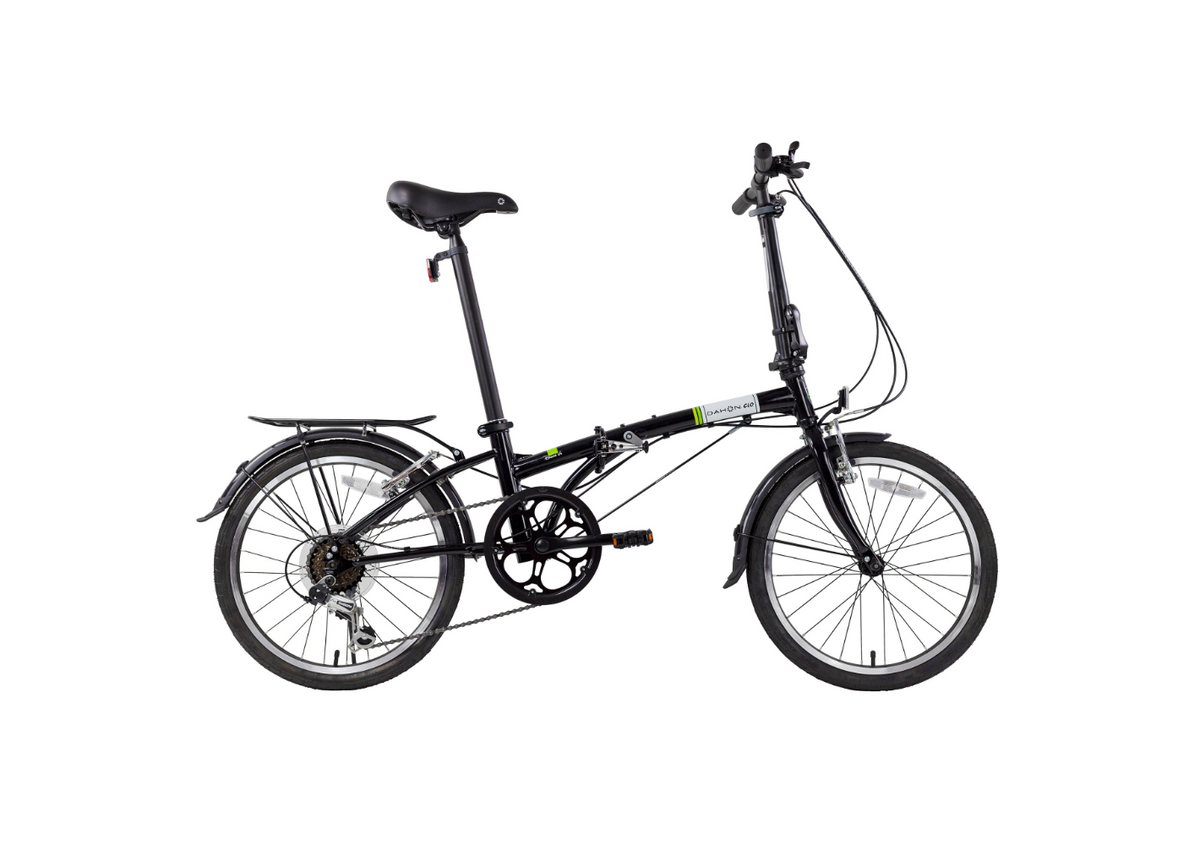
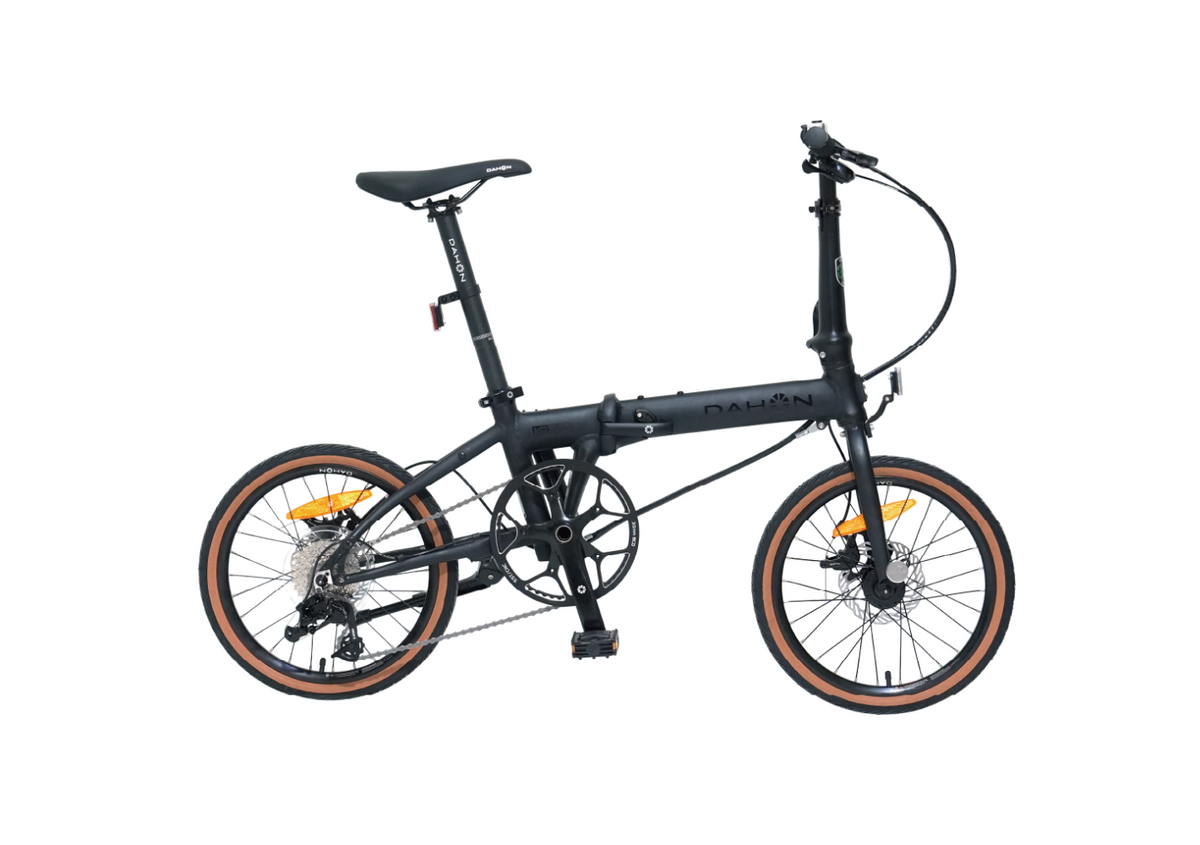
The rain protection stays the same: a cover or a closed bag. What changes is where the luggage sits and whether it gets in the way when you fold the bike. We compare luggage options for folding bikes by fold path, mounting point and load. That helps you place the covered load where it still clears the fold.