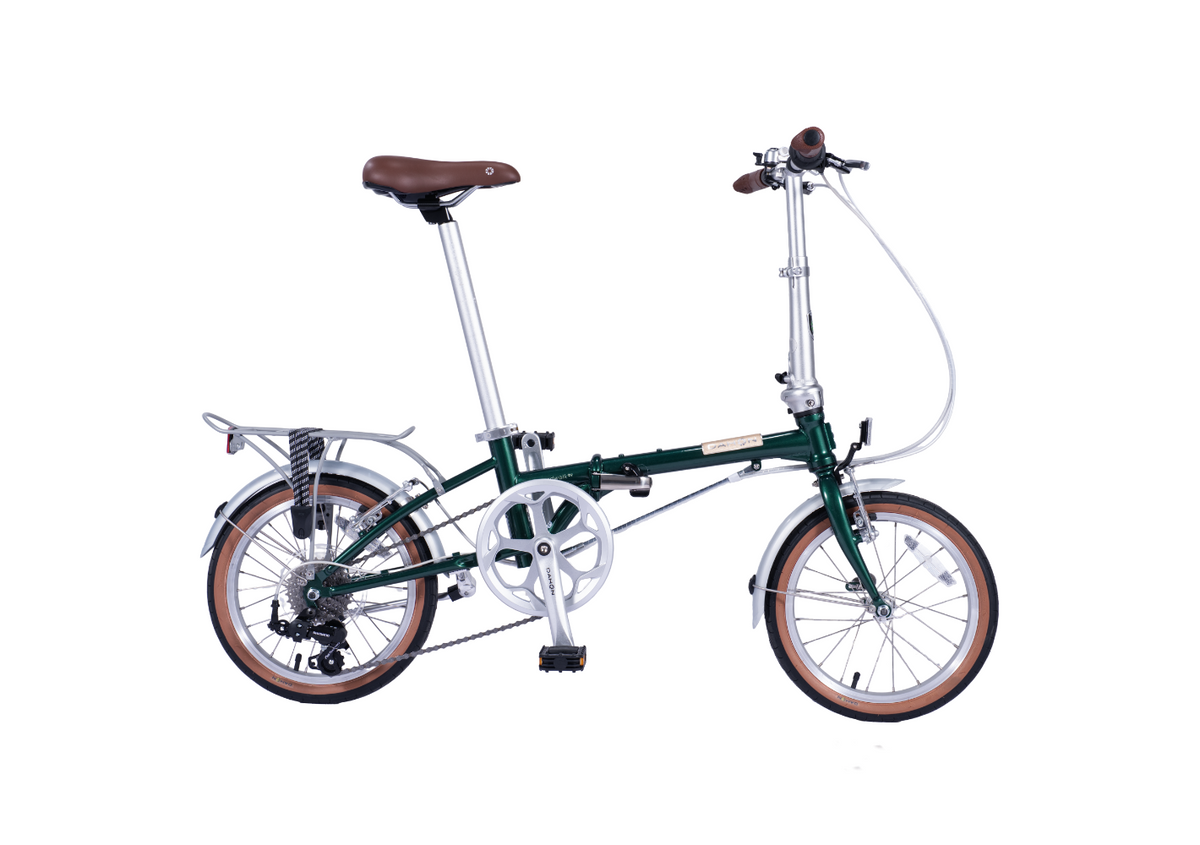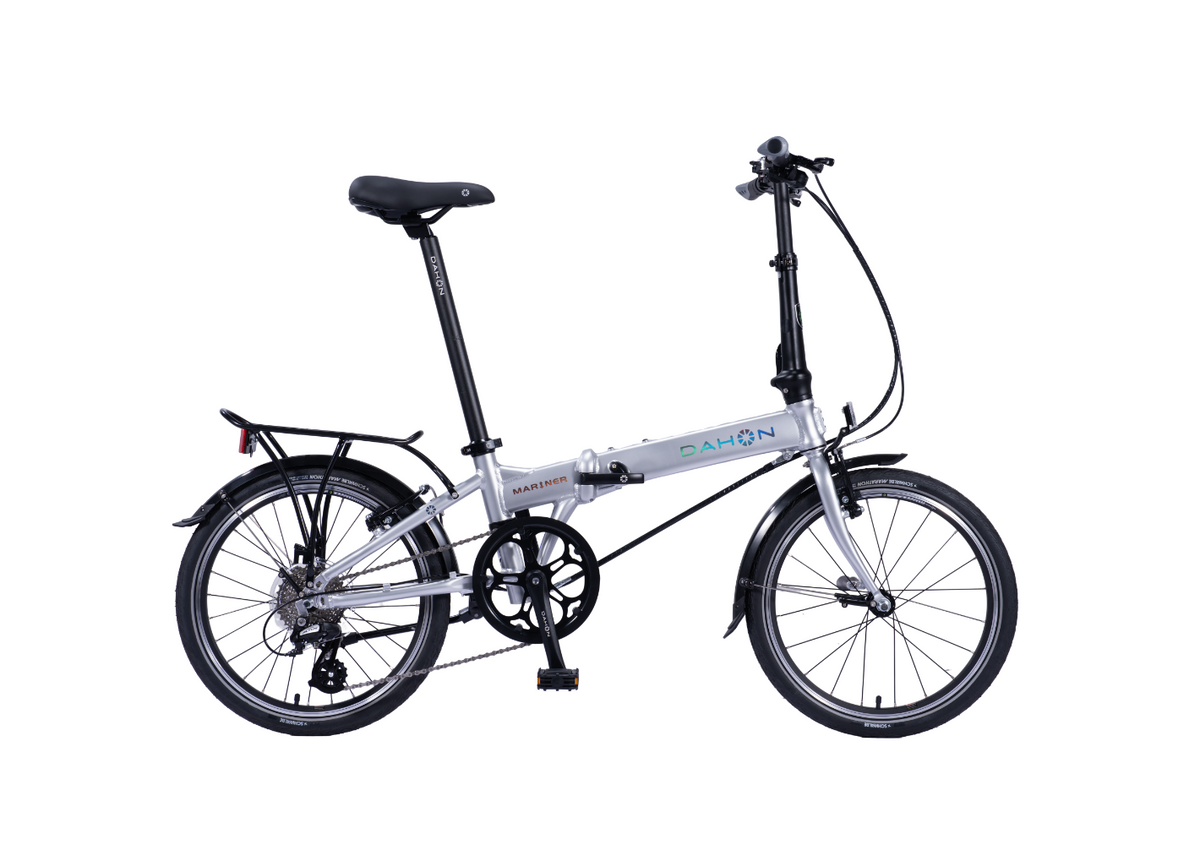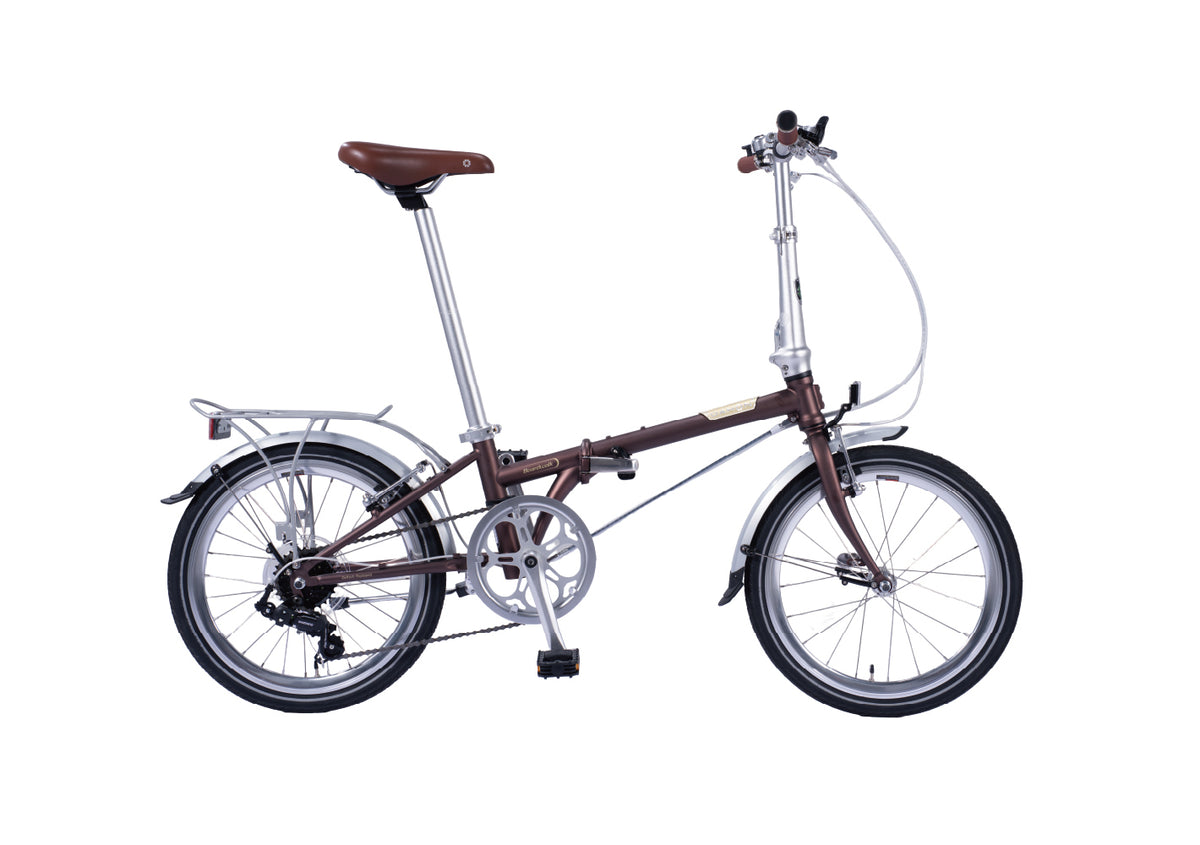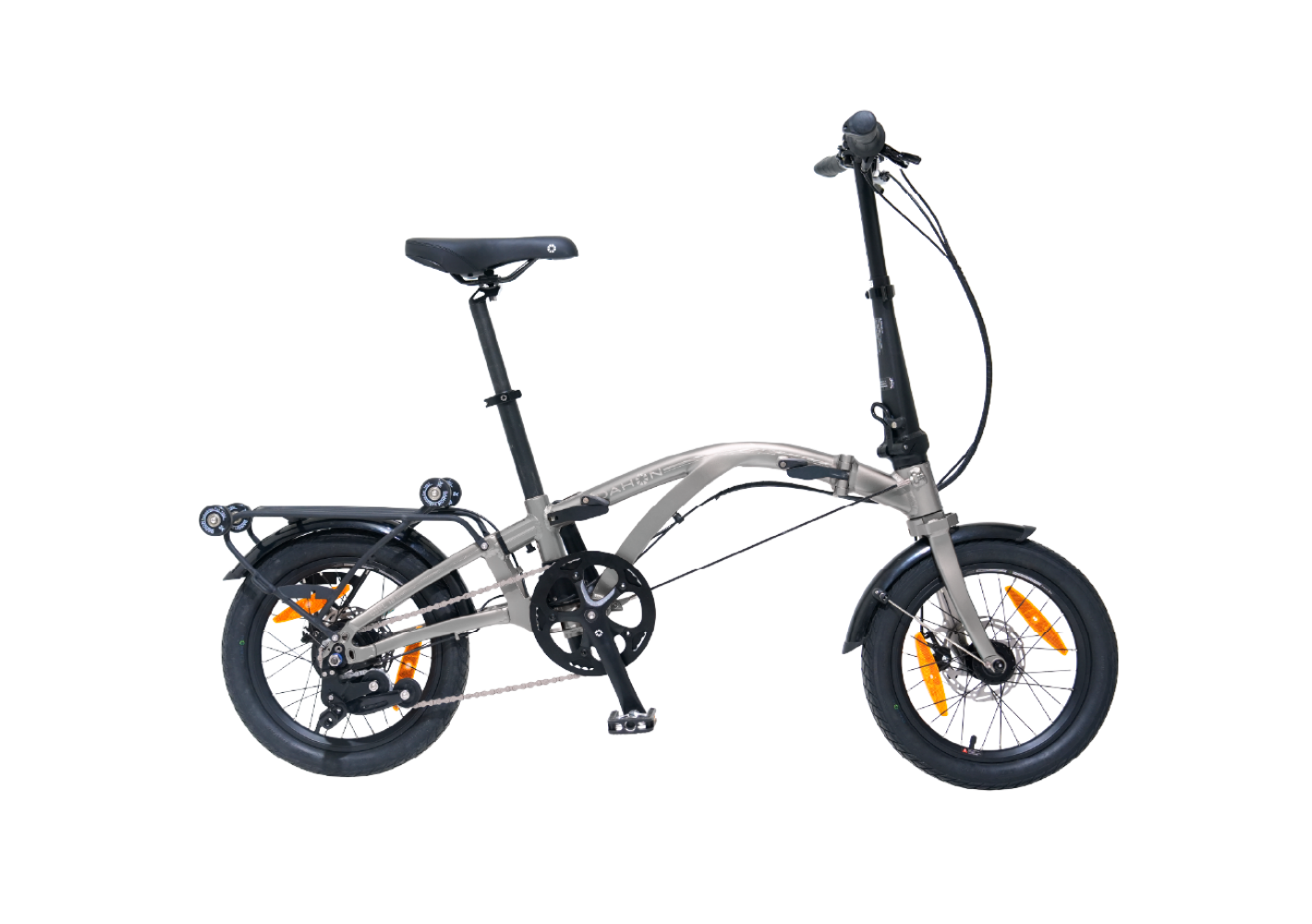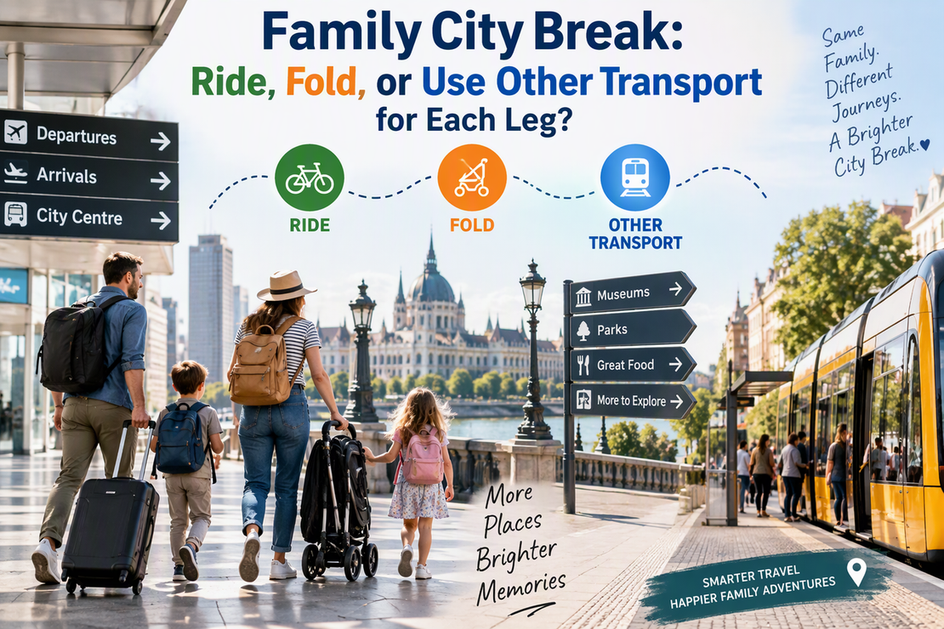
Choose one of three options for each leg of a family city break. Ride when the route and your family's pace make cycling the better way to get from door to door. Fold and carry the bikes for a connection only after the operator confirms your arrangement, and walk or use other transport when that keeps the leg simpler.
Folding bikes on a city break earn their place one leg at a time. A short journey does not have to become a cycling journey just because the bikes came along.
Build a Leg-by-Leg City-Break Plan
Split the itinerary into point-to-point legs, then give each leg one choice, one reason and one check or fallback. Treat transfers as separate legs when they change what you have to do with the bikes. A walk from the station to a tram stop is one example.

Start with the fixed points: accommodation, stations, the activities you have booked, and meal stops. Every move between two of them is a leg. Write the reason in terms of that leg, such as "quiet route the children can manage", rather than a general rule like "we cycle anything short". Where a leg relies on carrying the bikes on a service, add the confirmation you still need and what you will do if it does not come through.
The rows below are illustrative examples to adapt to your own trip. They do not describe a particular city, route or service.
| Start → destination | Choice | Decisive reason | Check or fallback |
|---|---|---|---|
| Accommodation → morning activity | Ride | Route suits family pace | Review current route; walk or other transport if unsuitable |
| Arrival station → accommodation | Fold and carry on rail | Saves a separate transfer | operator directly and keep your fallback until you receive a clear answer |
| Activity → nearby lunch | Walk | Bikes add steps, not benefit | Plan where bikes stay meanwhile |
| Accommodation → departure station | Ride or other transport | Depends on luggage and time | Choose the night before; keep a backup option |
Once every leg has a row, you can see quickly which days actually need the bikes and which connections still need a confirmation.
Ride When the Route Improves the Whole Leg
Riding makes sense when the actual route from your start to your destination suits your family's comfort and pace, and cycling gives a clear practical benefit for that complete leg. Judge the real route, not the straight-line distance or how "bike-friendly" the city feels in general.
Look at the leg from door to door. Think about the slowest or least confident rider in the group, and whether the route lets everyone ride at a pace that still feels relaxed. Include the steps at both ends: unfolding and setting off from the accommodation, and finding a sensible place to leave or fold the bikes when you arrive. If those steps take more effort than the ride itself saves, the leg may not be a good cycling leg.
Then compare the ride honestly with walking or another available option for the same leg. Cycling is worth choosing when it makes the journey easier, more flexible or more enjoyable for this family. It is not automatically the better choice because the bikes are already with you.
If a particular route will decide the choice, look up current local route information before the trip and again on the day. Conditions on a named street or path can change, so record the route you checked in the table row's fallback column.
Fold and Use a Connection Only When It Works
A fold-and-carry connection belongs in the plan once the operator’s current published conditions permit folded bicycles on that service, or the operator has confirmed the arrangement directly. If either point is open, treat the leg as unconfirmed and keep its fallback ready.
For rail, EU passenger guidance on rail bicycle restrictions explains that railway companies may restrict bicycle carriage for operational or safety reasons. This can apply on some trains at peak times when bike space is limited, when the trains or carriages in use do not permit bicycles, or because of a bicycle's weight and size. The same guidance tells travellers to check the official website of their rail company for any fees and restrictions.
That guidance covers bicycles in general. Whether a folded bike travels on your specific train, and on what terms, comes from that operator's own information. Look for how it treats folded bicycles, any size or weight terms, fees, and times when restrictions apply. Our guide to packing a folded bike as luggage shows how to record the operator, fare, cover and dimensions for each section of a rail trip. For a bus, tram or other service, use that operator's terms instead, because the rail guidance is not their rule.
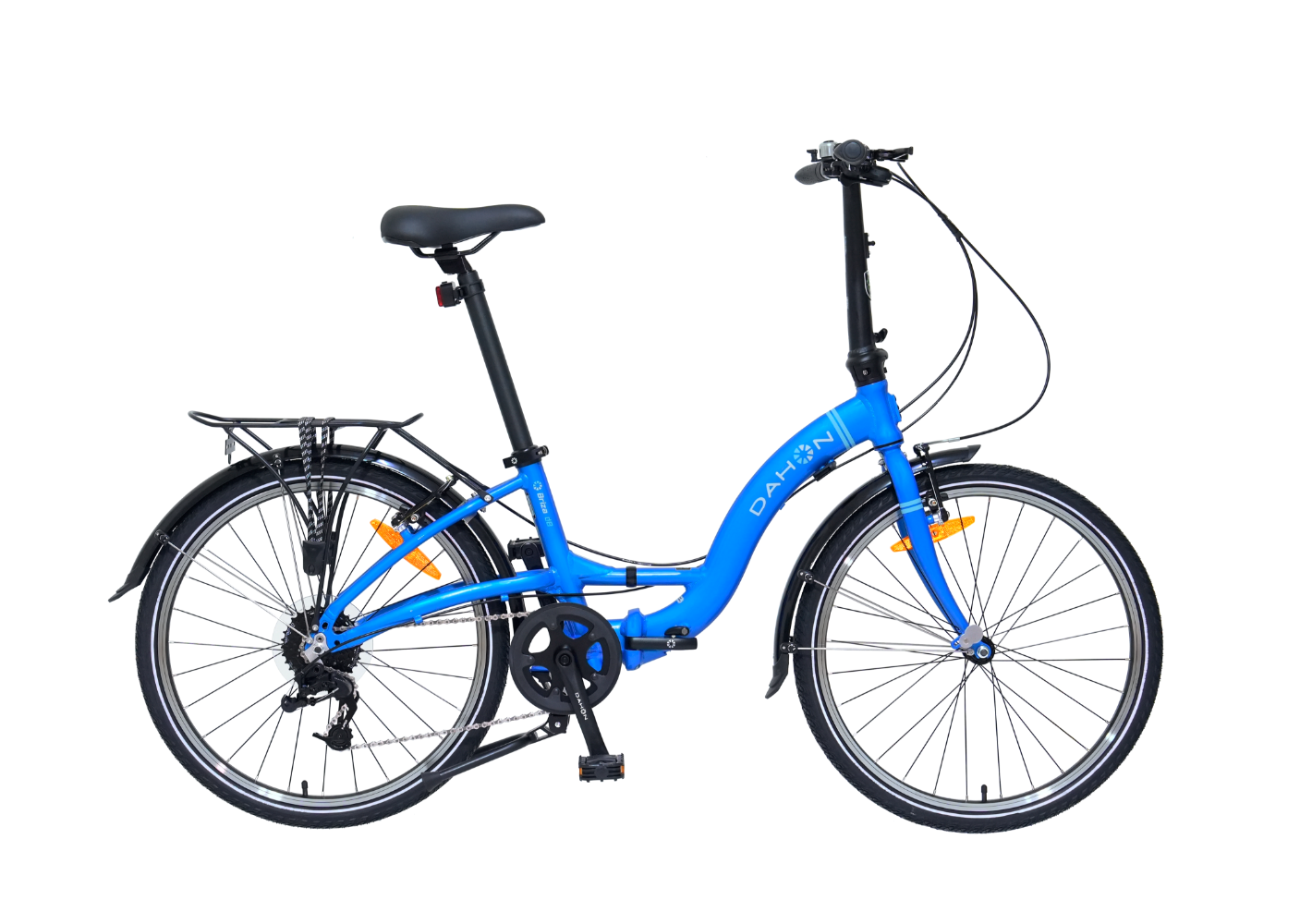
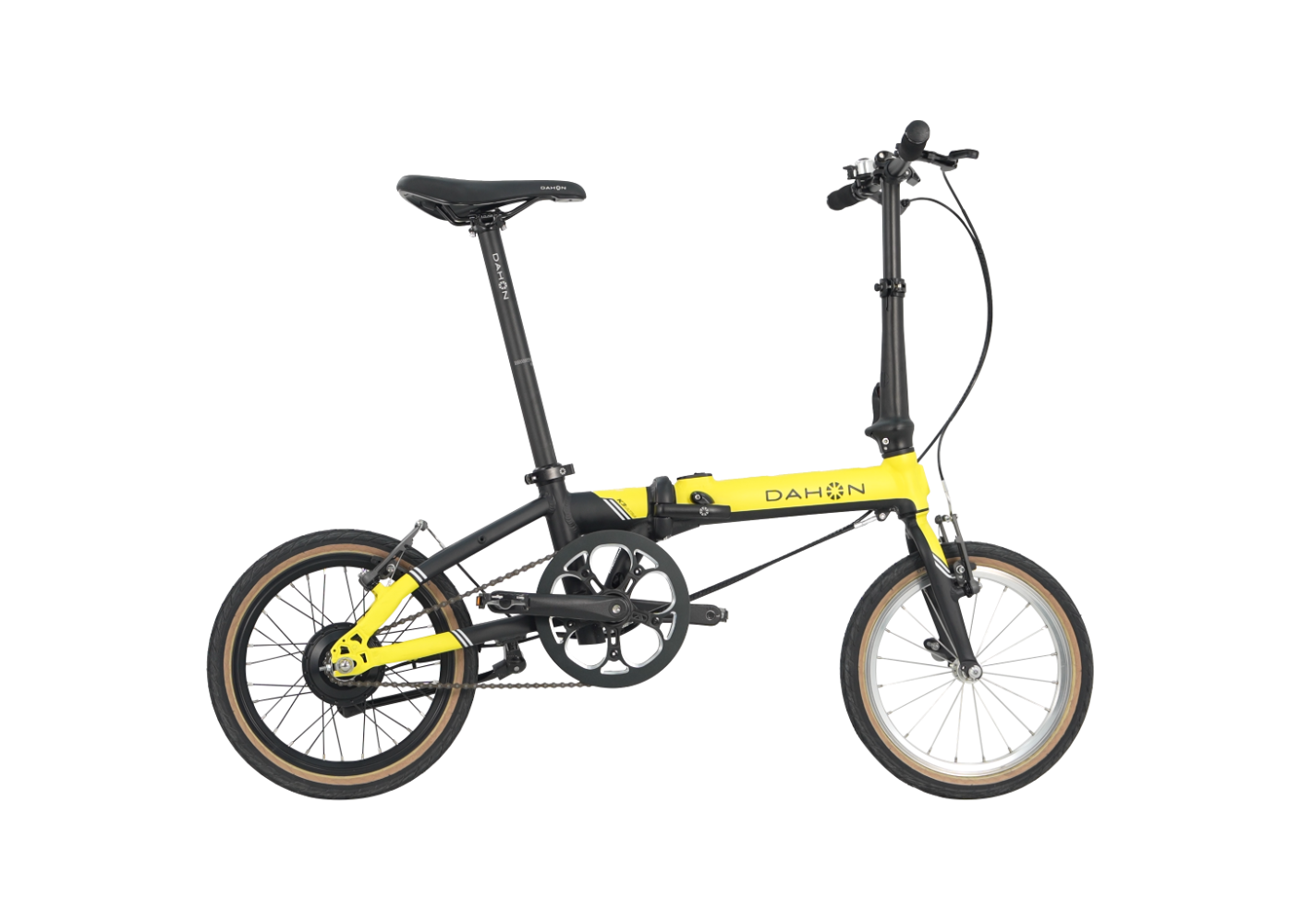
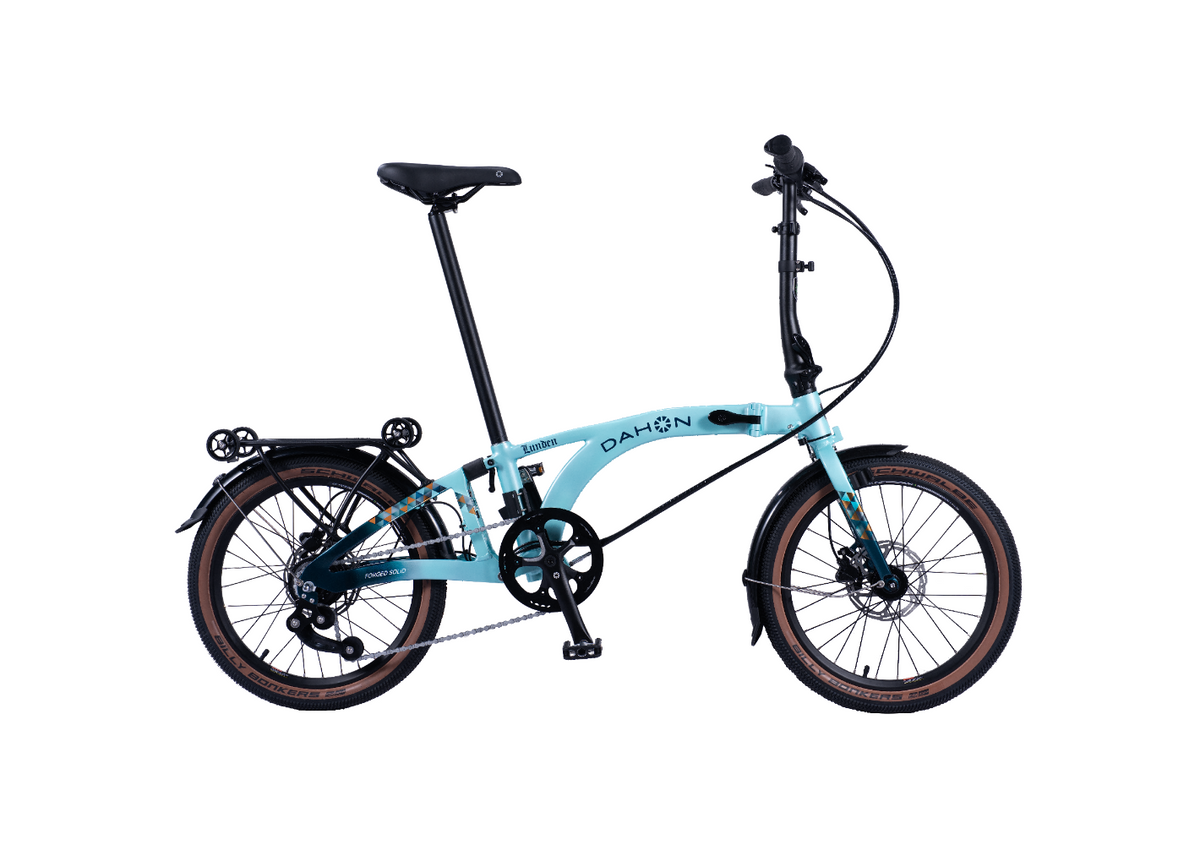
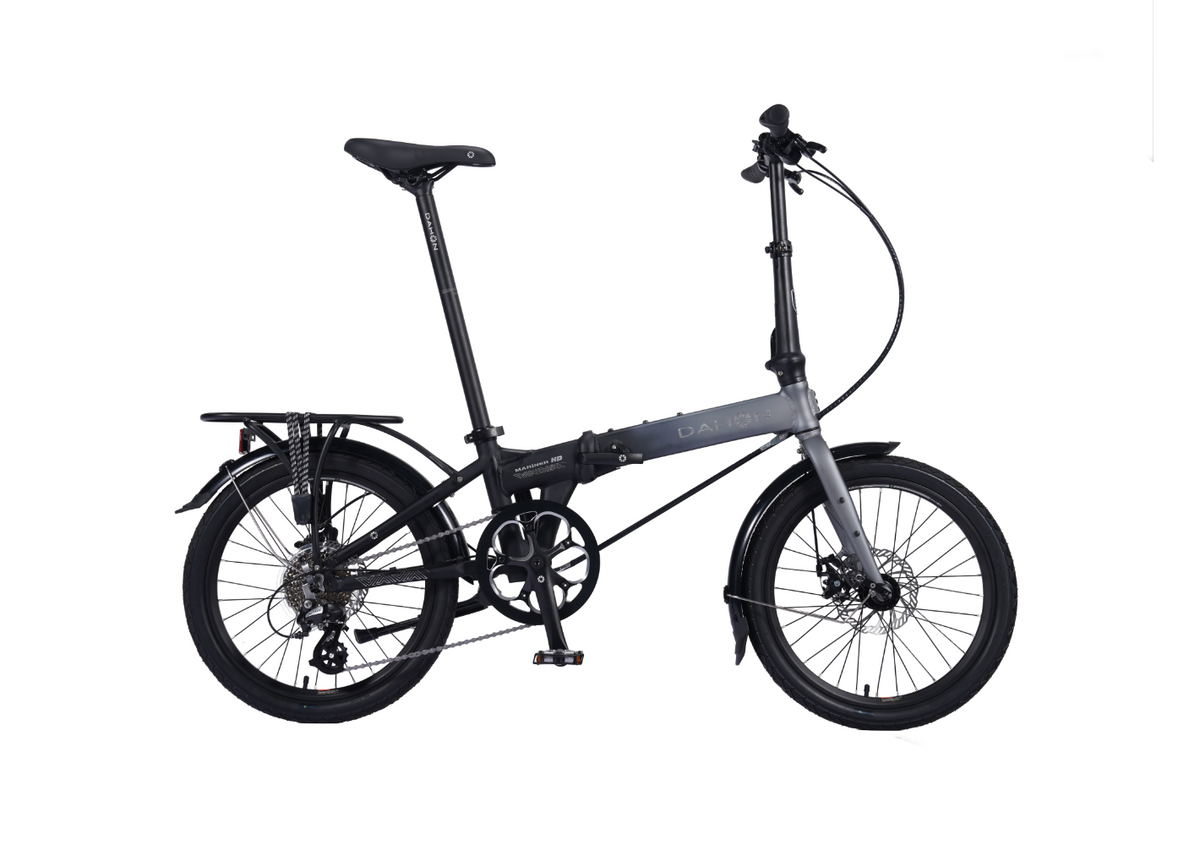
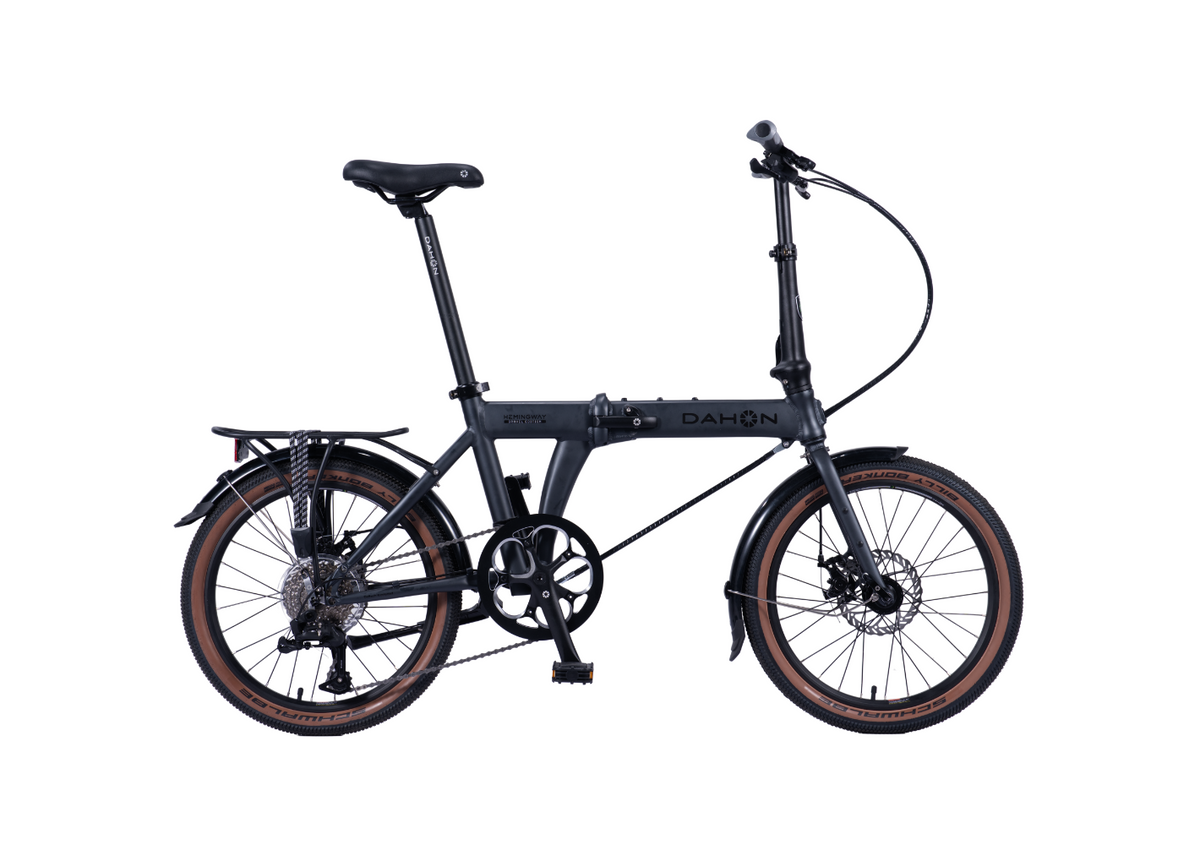
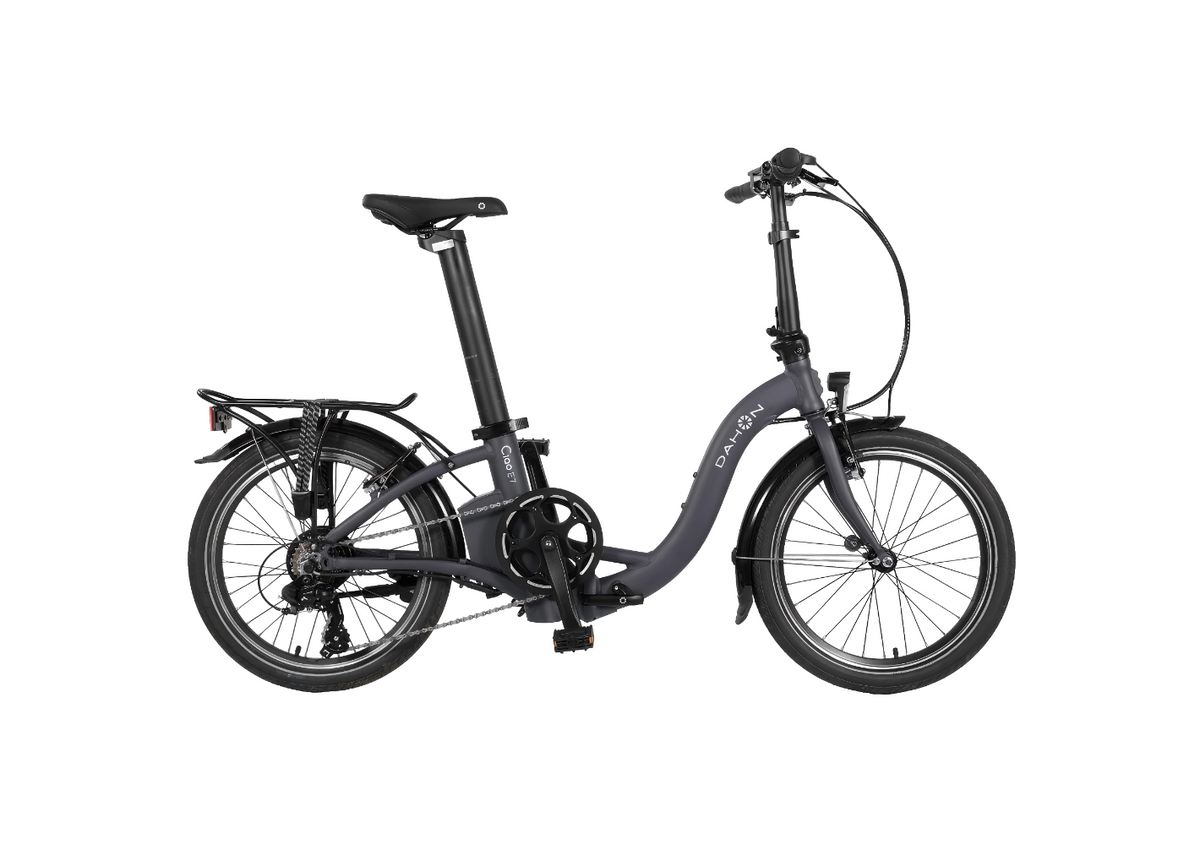
Note each bike’s folded dimensions and weight from its individual product page, technical specification or model documentation. Use our folding bikes range to find the relevant model page.
Then test the practical fit. Count how many adults are free to fold and carry bikes while also keeping an eye on children and luggage. If a change of train is part of the leg, our advice on changing trains with a folding bike covers time buffers, the carrying route and stowage. For broader routines, these multi-modal folding-bike tips cover folding steps, transit rules and packing. If the operator does not confirm the arrangement or the carry feels too much for the group, switch that leg to riding or another option in your table.
Walk or Use Another Option When It Works Better
Walk or use another available option when it gets the family from door to door more simply than riding or handling the bikes for a connection. Selecting an alternative mode for a specific leg keeps the overall itinerary flexible and well matched to your group.
Compare the whole leg. A short walk to lunch may involve no setup at all, while riding the same distance means unfolding, riding, then finding somewhere to leave the bikes. A leg with tired children at the end of a long day, or with bags in hand, can also tip the balance away from the bikes. In those cases the simpler option usually serves the family better, without any fixed distance deciding it.

When you pick walking or other transport, write down the preparation it needs in the same row. That might be where the bikes stay while you are away from them, a ticket you need to buy in advance, or the walking route you plan to take. Then the bikes are ready for the next leg where riding really helps.
FAQs
Does every family member need to ride on every leg?
No. The plan works leg by leg, so the group can ride some legs and walk or take other transport on others. Base each choice on whether the whole family can manage that leg comfortably, not on getting the most use out of the bikes.
What if an operator's website does not mention folded bikes?
Treat the connection as unconfirmed. Contact the operator directly and ask how it handles a folded bicycle on your exact service, including any fees or times with restrictions. Keep the fallback from your table until you have a clear answer.
Does the EU rail guidance also cover buses and trams?
No. The EU passenger guidance on bicycles discussed above is about rail travel. For a bus, tram or other local service, use that operator's own published terms or ask it directly before planning to carry folded bikes on board.
When should we decide the mode for each leg?
Set a first choice for every leg before you travel, especially legs that need an operator confirmation or advance tickets. Review the plan each evening, because the weather, the family's energy and your luggage can change which option works best the next day.