Your 2-mile drive to the coffee shop might be the most polluting trip you make all week. Not because you drove far, but because of a mechanical quirk that makes cold-engine trips far dirtier per mile than longer ones. Here's what's actually happening under the hood, and one practical fix that doesn't require getting rid of your car.
Why Short Car Trips Pollute More Per Mile
The Cold-Start Problem
Your car has a catalytic converter that filters carbon monoxide, nitrogen oxides, and unburned hydrocarbons from the exhaust. The catch: it only works once it heats up to between 400–600°F (204–315°C). Until then, those pollutants go straight into the air.
Researchers at Empa, a Swiss federal science lab, found that the first 500 meters (0.3 miles) of a cold-start drive can produce as much particulate pollution as the next 5,000 kilometers (3,100 miles) of warm-engine highway driving.
A study in Transportation Research Part D found that cold-start emissions can make up as much as 80% of total emissions for some pollutant types on short drives.
On top of that, a cold engine burns more fuel than it needs to while warming up, which pushes out even more harmful gases. Add in extra friction from cold engine parts, and those first few miles are doing a disproportionate amount of damage.
Why Longer Trips Look Cleaner Per Mile
Once the engine warms up, everything starts working as designed. The same cold-start cost gets spread over more miles, so a 20-mile commute looks much better per mile than a 2-mile errand, even though it uses more fuel overall.
|
Trip distance |
Cold-start proportion |
Relative per-mile emissions |
|
Under 2 miles |
Nearly the entire trip |
Highest |
|
2–5 miles |
Majority of trip |
Significantly elevated |
|
5–20 miles |
Small fraction |
Moderately elevated |
|
Bicycle / folding bike |
None |
Near zero |
Relative figures reflect cold-start window as a share of total trip distance. Actual rates vary by vehicle age, temperature, and fuel type.
Most Driving Is Short Driving
U.S. Department of Energy data shows that nearly 60% of all vehicle trips in the U.S. are under six miles. Grocery runs, school pickups, quick errands: these are the trips Americans take most often, and they're also the ones where the cold-start penalty hits hardest.
The most polluting driving isn't the highway commute. It's the everyday short stuff.
How Much CO₂ You Save by Swapping a Few Trips with Bikes
These figures are based on the EPA's average of about 400g per mile for a typical gas car, with a higher rate applied to short cold-start trips based on emissions research. Annual savings assume 3 round trips per week over 50 weeks.

|
Trip |
Car (cold-start adjusted) |
Bike |
Estimated annual CO₂ saving |
|
2-mile errand |
~900g CO₂/mile |
Near-zero tailpipe |
~500–550 lbs (227–250 kg) |
|
3-mile commute |
~700g CO₂/mile |
Near-zero tailpipe |
~530–580 lbs (240–263 kg) |
|
5-mile commute |
~550g CO₂/mile |
Near-zero tailpipe |
~600–650 lbs (272–295 kg) |
Bikes produce no tailpipe CO₂. The small amount of emissions tied to manufacturing or extra food eaten while cycling doesn't meaningfully change these savings.
What Those Numbers Actually Mean
Abstract tonnage is hard to picture. Here's some context:
|
Annual saving |
Roughly equivalent to |
|
~500 lbs (227 kg) |
Driving an average car for about 1,200 miles |
|
~700 lbs (318 kg) |
What 10–15 mature trees absorb in a year |
|
~1,000 lbs (454 kg) |
Cutting out beef for several months |
And none of this requires selling the car. You keep it for everything else; you just stop using it for the trips it handles worst.
Why Most People Still Drive Those Short Trips
The Ownership Gap
The U.S. Census Bureau consistently puts bike commuting at less than 1% of American work trips, despite tens of millions of people owning bicycles. The gap isn't about motivation. It's about three practical problems that keep showing up:
l No safe place to lock up at the destination
l Can't bring a regular bike on the subway for multi-leg trips
l Not comfortable leaving it outside overnight
These aren't excuses. They're real friction points, and a standard bike doesn't fix any of them.
What a Folding Bike Actually Solves
|
The problem |
The folding bike fix |
|
Nowhere to lock up |
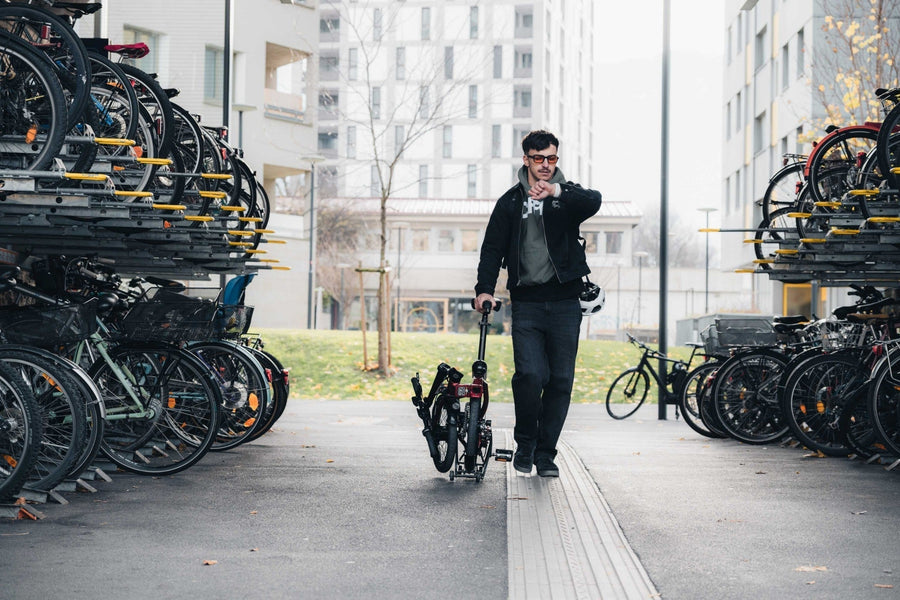
It comes inside with you: café, desk, store |
|
Can't take it on transit |
Folds to carry-on size; permitted on most U.S. metro systems when folded, though policies vary by city |
|
Theft risk overnight |
It's never left outside |
A bike that stays in the garage doesn't cut emissions. One that actually gets ridden does.
The Real Environmental Argument
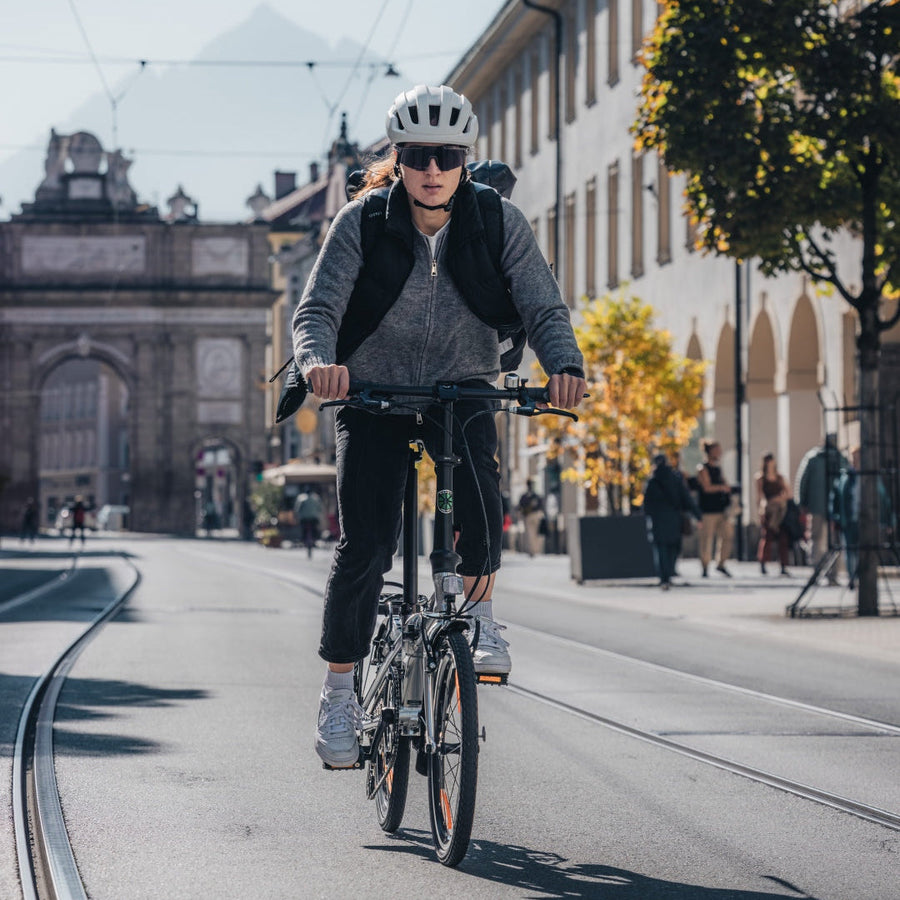
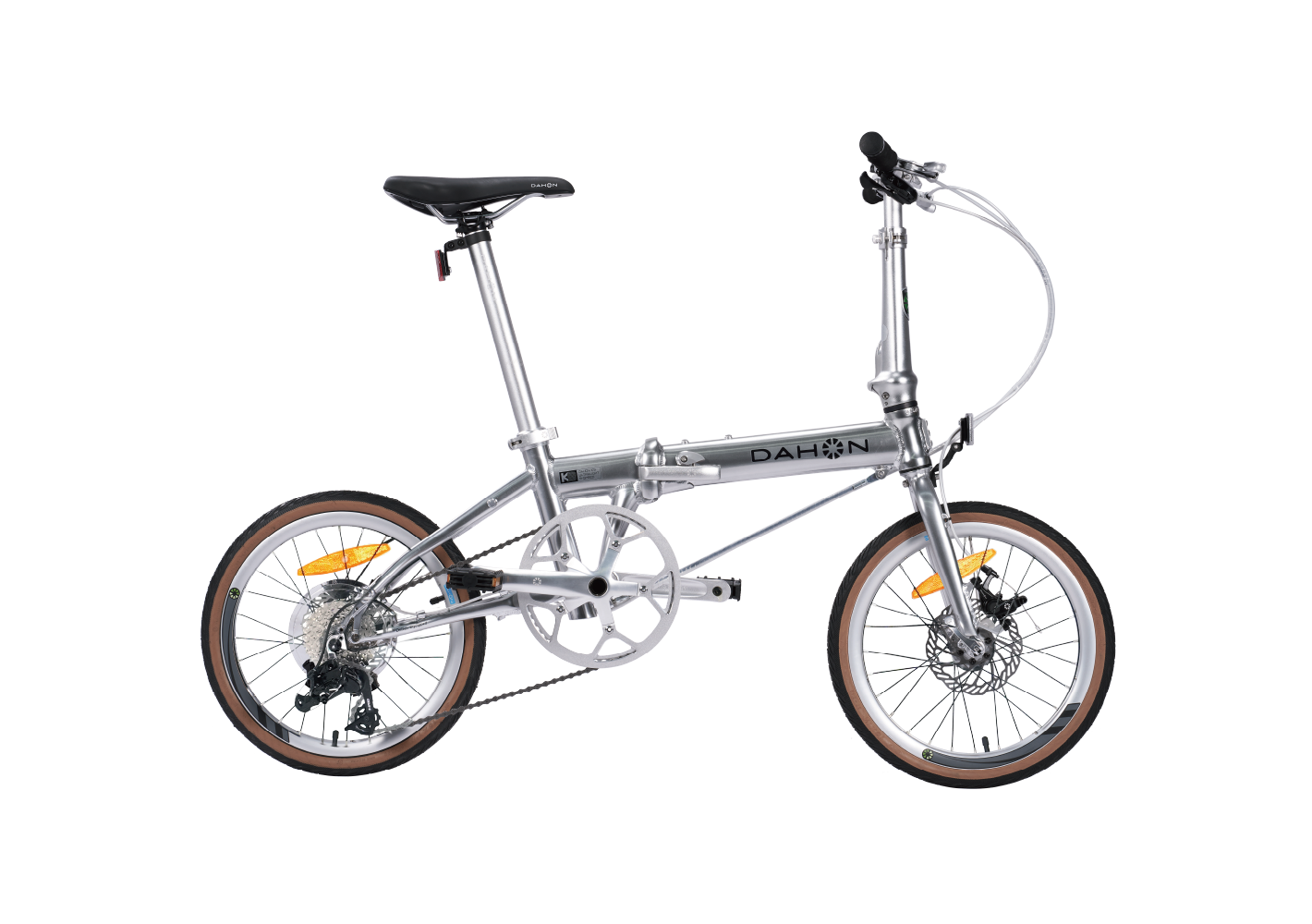
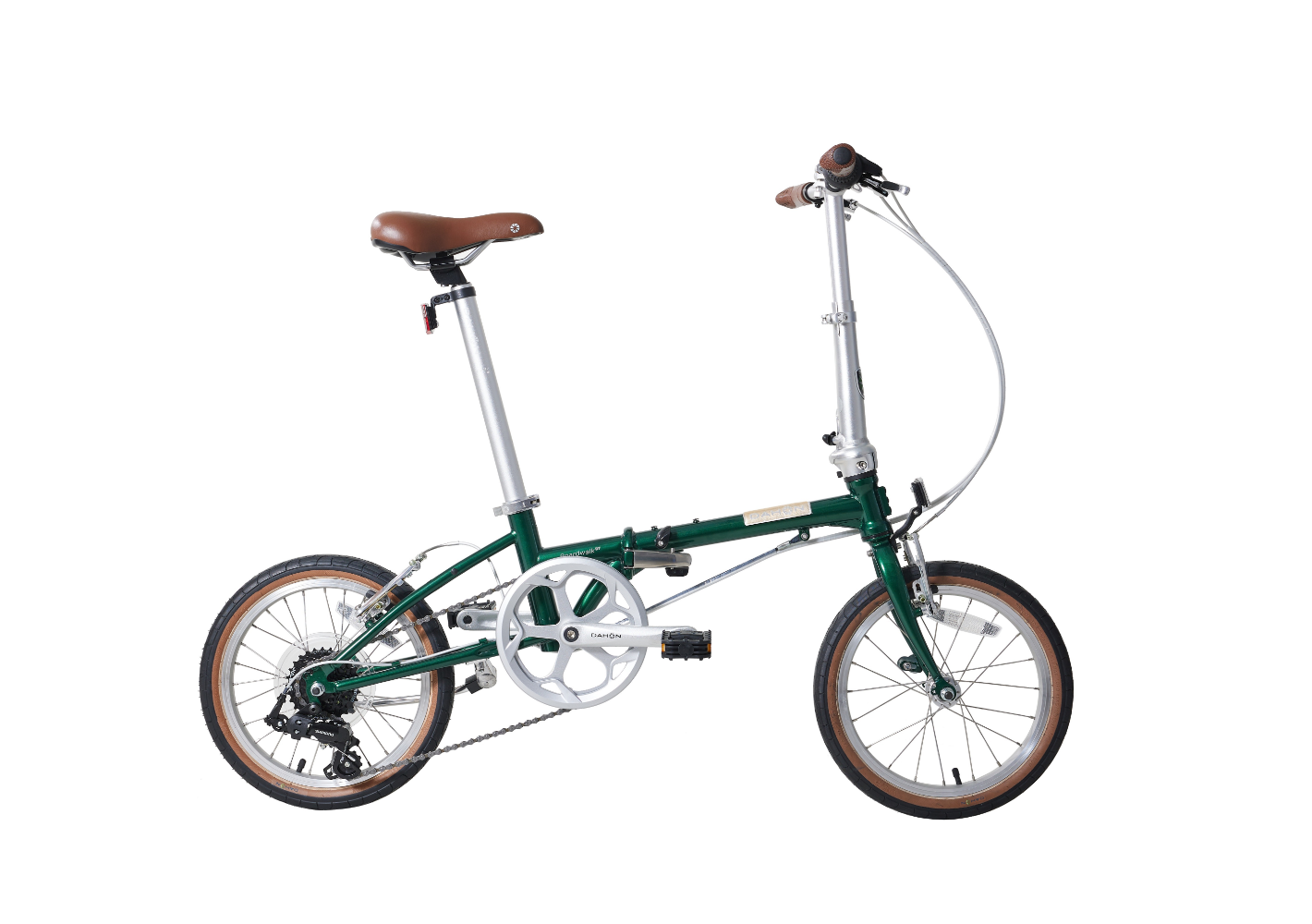
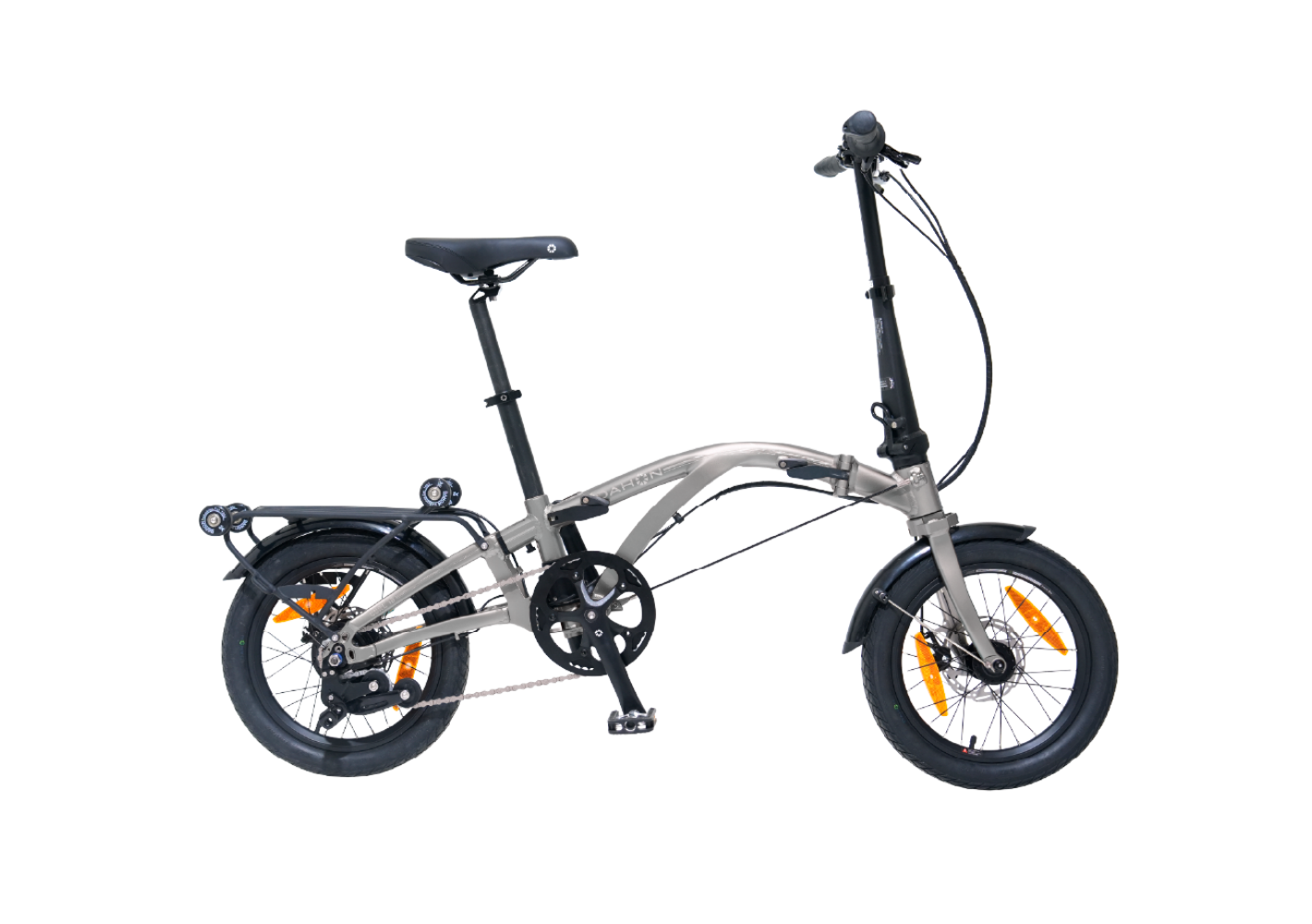
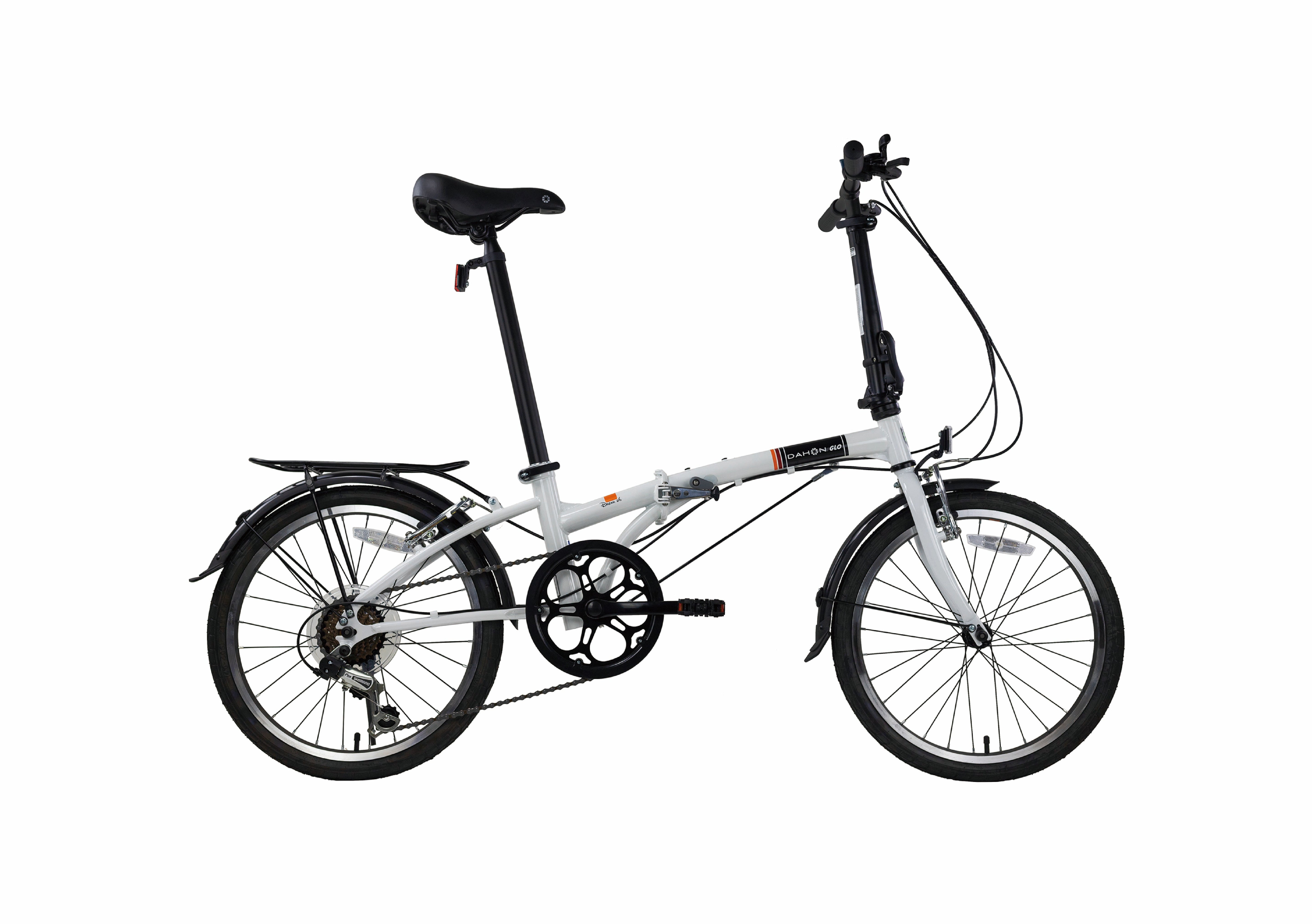
The carbon case for a folding bike isn't about manufacturing materials. It's about what actually gets ridden. Most people don't skip cycling because they don't care. They skip it because there's nowhere safe to park, or they need to take the subway halfway. A folding bike removes those obstacles, which means it actually gets used for the short errands that pollute the most per mile.
That's been DAHON's focus since 1982, when founder Dr. David Hon, a physicist who left aerospace to work on urban mobility, pioneered the modern folding bicycle category.
Four Ways to Start Replacing Short Car Trips
Map Your Nearest Trips First
Open your maps app and note the places you visit most within 3 miles (5 km) of home. These are the best places to start: cold-start penalties are biggest here, cycling often saves time, and parking costs the most. If your route has a bike lane or a quieter side street, great. Either way, many short urban errands work fine on standard roads at city speeds. Pick just one to start. Try it for two weeks and see how it goes.
Time the Trip Once
A short city drive often takes longer than it looks. In dense urban areas, finding a parking spot can easily add 5–10 minutes before you even start walking to the door.
A 1.5-mile drive might mean 6 minutes driving, 8 minutes finding parking, and 4 minutes walking. That's close to 20 minutes total. At a comfortable 10–12 mph (16–19 km/h), a 2-mile bike ride takes about 10–12 minutes and parks right at the entrance. For a lot of short urban trips, cycling is genuinely faster, not just comparable.
Too Far to Cycle? Add Transit
Not every commute works as a full bike ride, and that's fine. Ride 2–3 miles to the subway, fold and carry on board, then ride the last stretch from the station. That combination covers most commutes that feel too long to cycle the whole way, and the legs you're replacing by car are exactly the short, cold-start ones that pollute the most.
On bad weather days, shorten or skip the riding segments. A folding bike is compact enough to bring along regardless.
Start with the Easiest Trip
It's much easier to replace one trip at a time than to overhaul everything at once. The weekend coffee run, the gym visit, the quick errand: find whichever has the least friction and make that one the default. Once that one feels normal, the next is easier to swap too. One shift, repeated through the year, already adds up to hundreds of pounds of avoided emissions.
Ready to Replace Your Shortest Trips?
Short car trips are, mile for mile, the most polluting driving most people do, and they're usually the ones that feel most harmless. A folding bike doesn't ask you to change your whole lifestyle. It gives you a practical way to replace the trips where driving is both dirtiest and slowest.
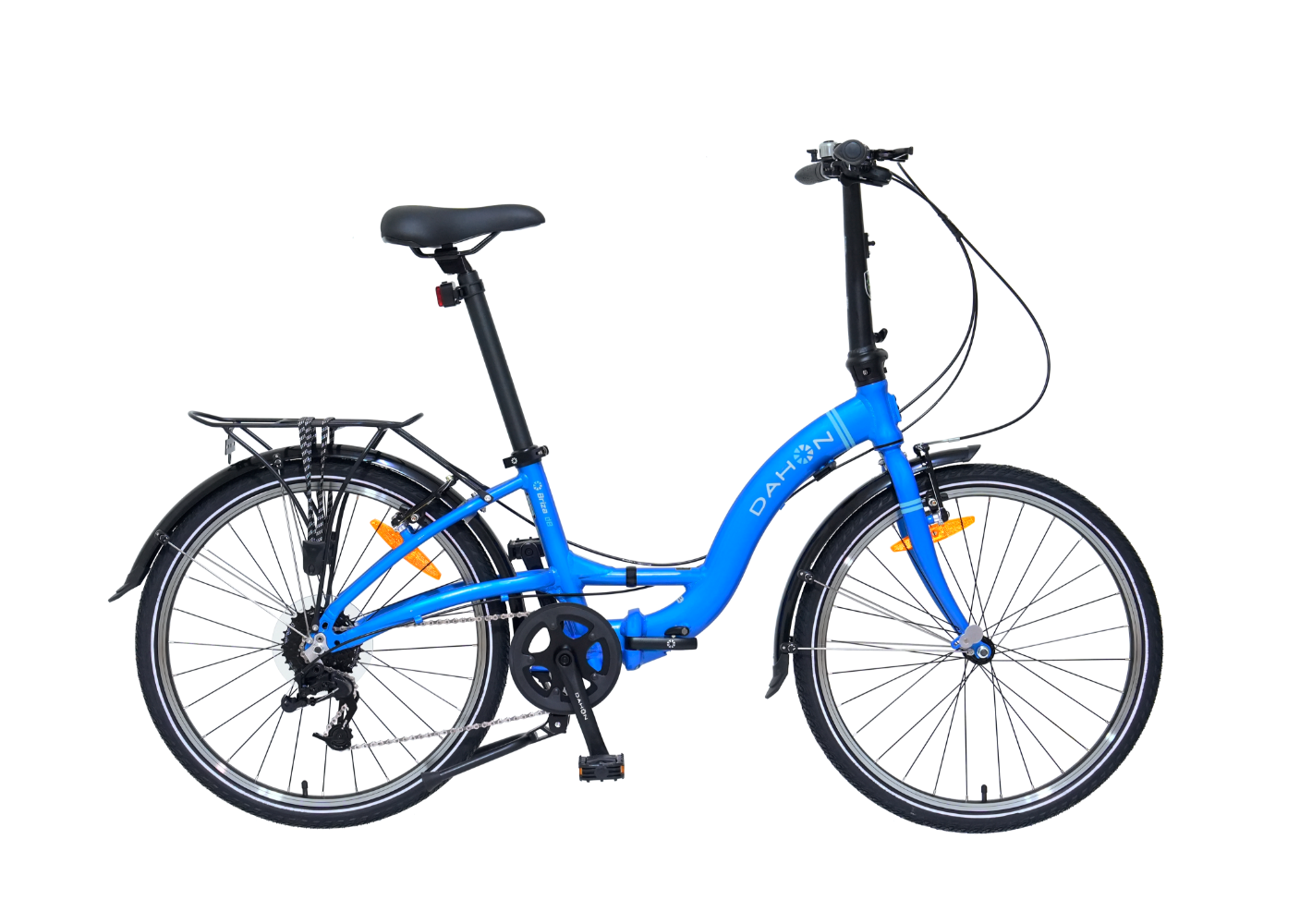
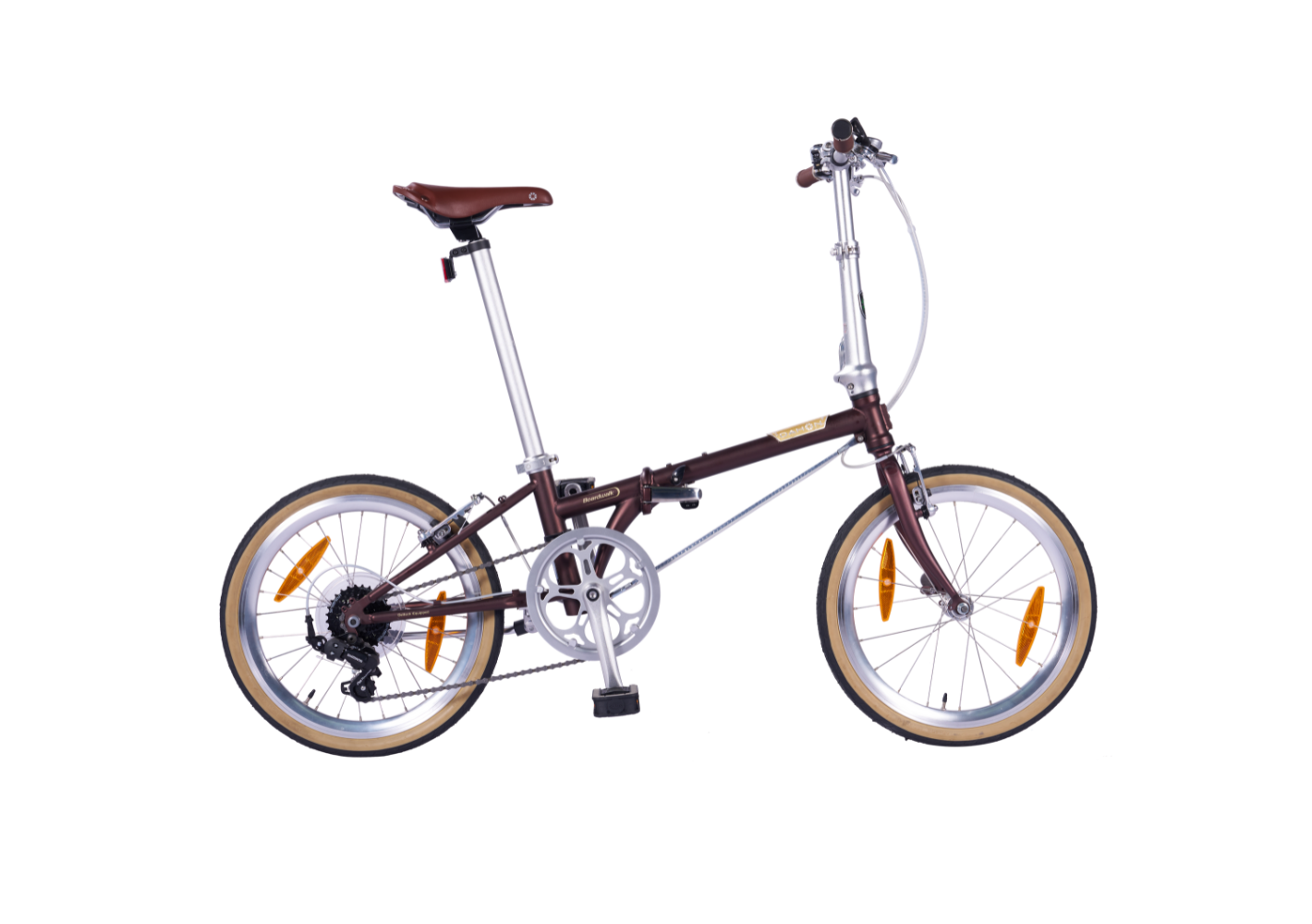
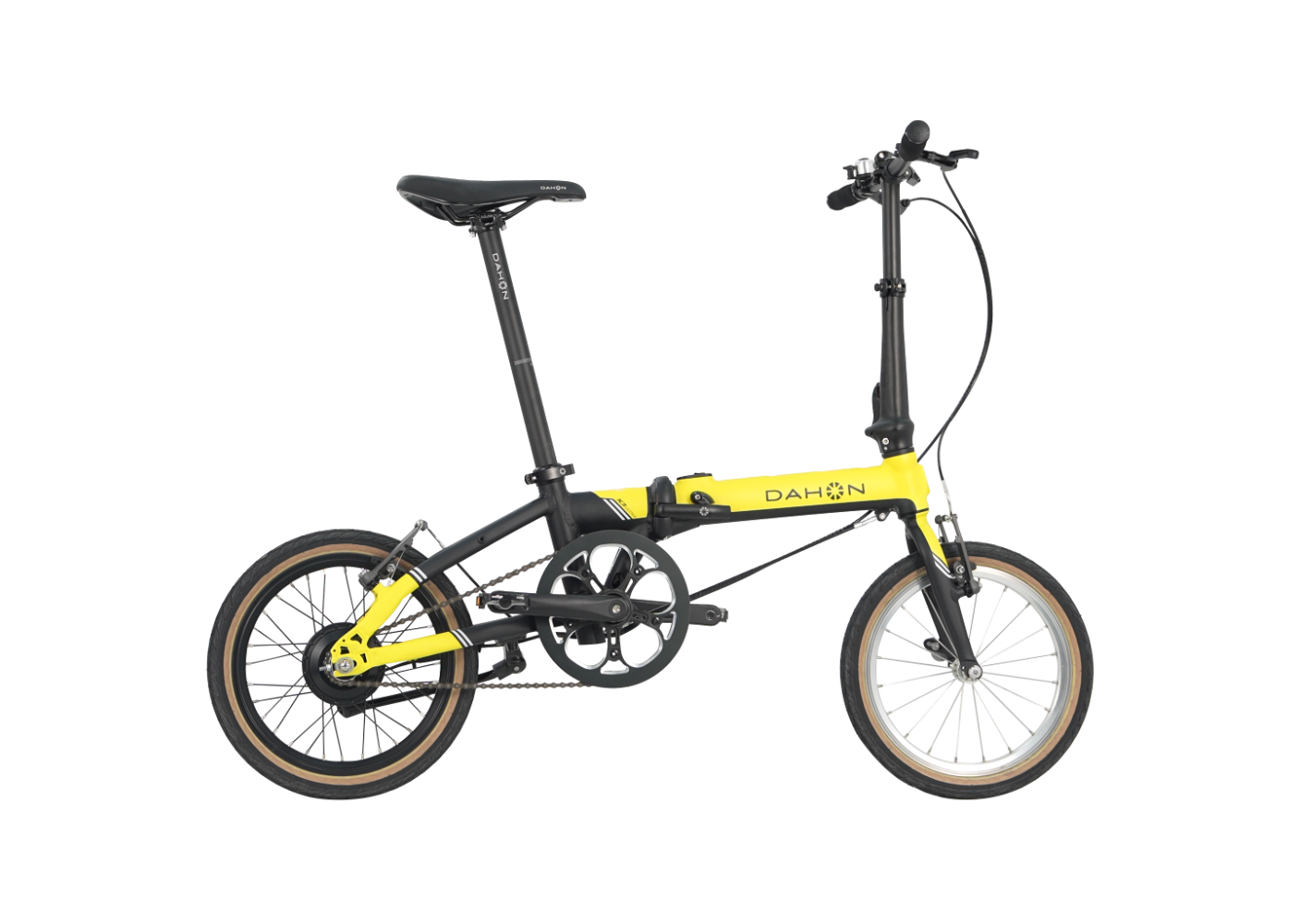
Browse DAHON's folding bike lineup at Dahon Folding Bikes and find the right one for your commute.
Frequently Asked Questions
Q1: How long does it take for a car to warm up past the cold-start window?
Most catalytic converters need to reach 400–600°F (204–315°C) to filter properly, which typically takes 3–5 minutes of driving, or roughly 1.5–3 miles in city conditions. Any trip shorter than that runs in high-emission mode for most of the drive.
Q2: Won't I show up to work sweaty if I bike everyday?
For trips under 3 miles (5 km), usually not. At a comfortable 10–12 mph (16–19 km/h), a 2-mile ride takes around 10–12 minutes at an easy pace. If the route has hills or it's a hot day, go slower and give yourself a few extra minutes.
Q3: Is biking to work actually faster than driving?
For city trips under 3 miles, often yes. The comparison isn't top speed; it's door-to-door time. Driving means finding parking (add 5–10 minutes in a busy area) and walking from the spot. A folding bike parks at the entrance. Total time often tips in cycling's favor.
Q4: What if I can't bike every day?
It still adds up. The trips you're skipping by car are the worst ones per mile for emissions, so even a few swaps a week make a real difference. A folding bike handles irregular use naturally: on days when weather or logistics don't cooperate, it folds onto the subway or sits in the car trunk. No all-or-nothing commitment needed.
Q5: Does a folding bike actually ride like a normal bike?
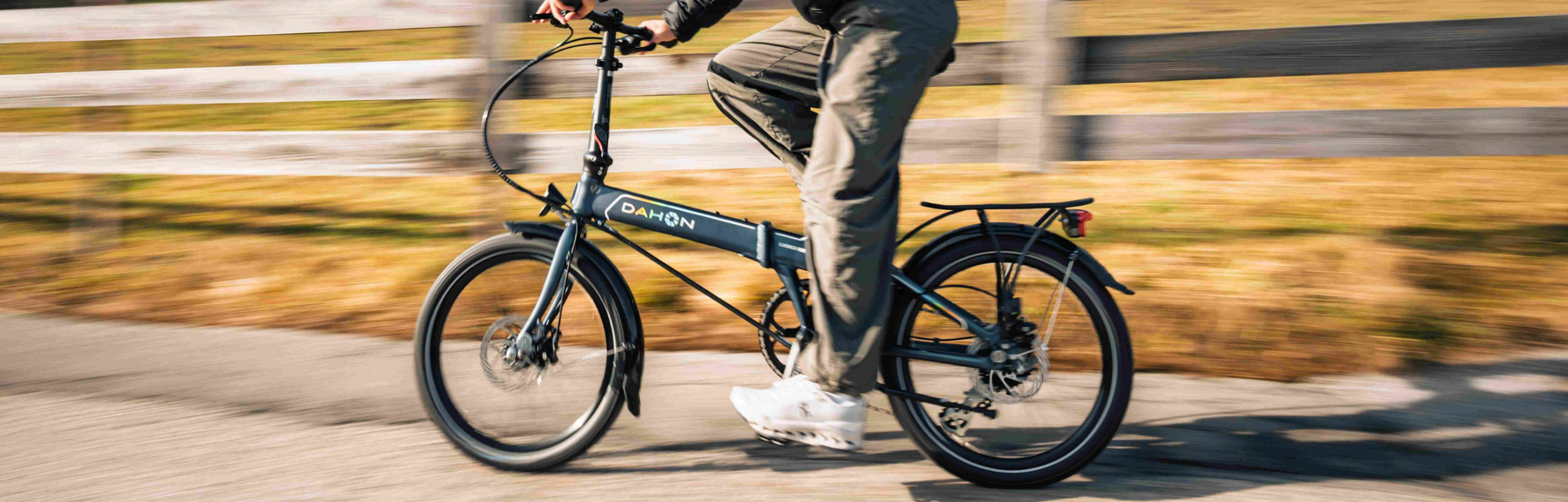
Different, but not worse for short city trips. The smaller wheels (typically 20 inches / 406mm) accelerate quickly and handle stop-and-go traffic well. Many folding bike models use an upright riding position that gives good sightlines in urban traffic. The main difference is feel, not performance. Modern designs have ironed out the flex that older folders were known for. Folding takes about 15 seconds with no tools required.