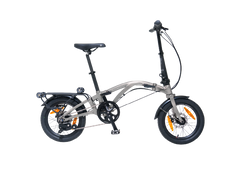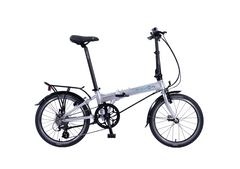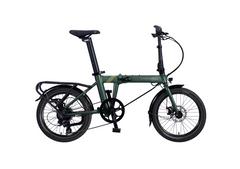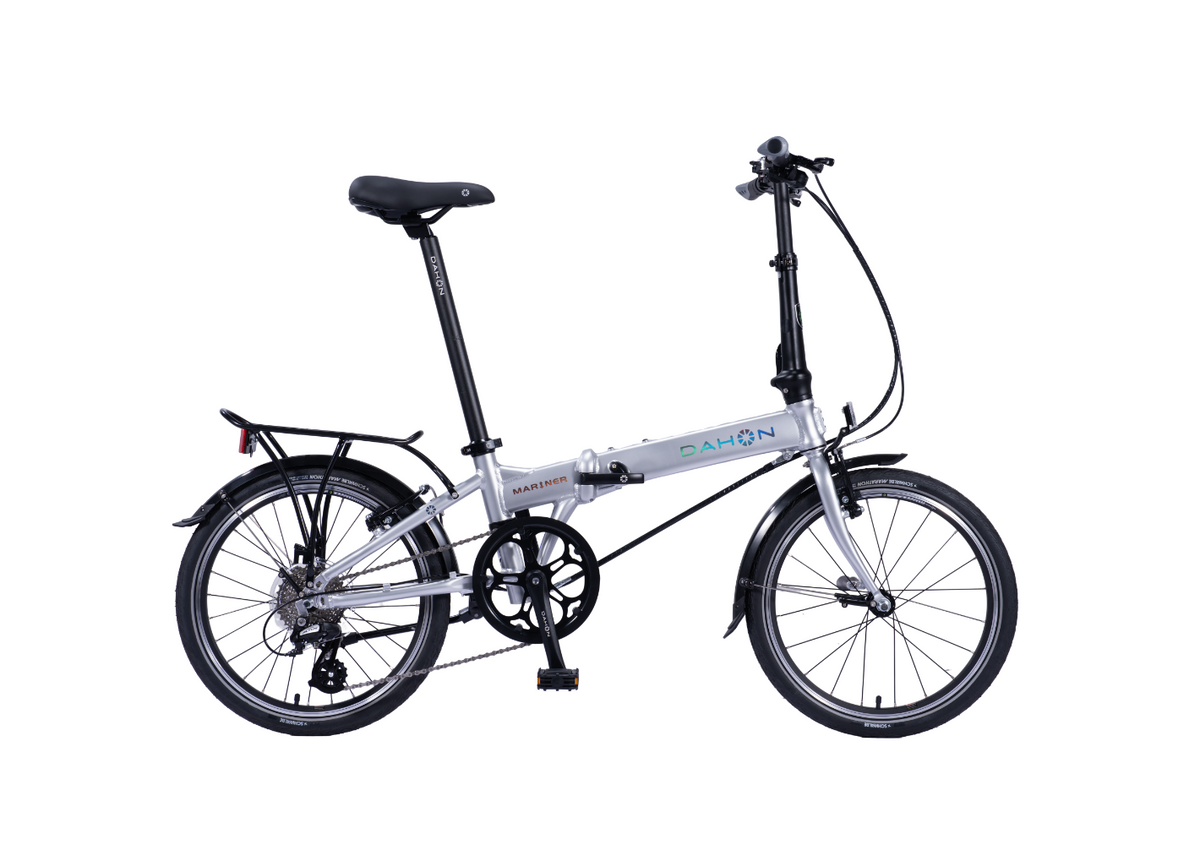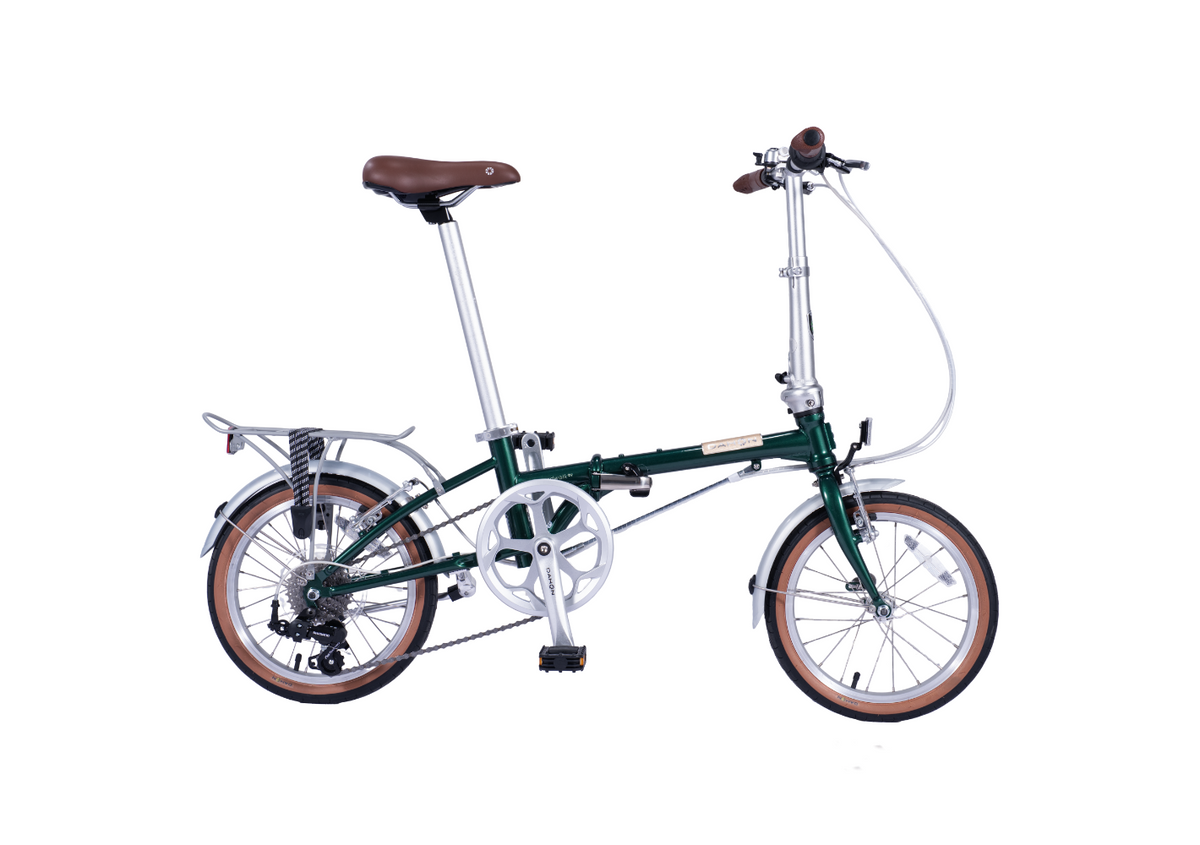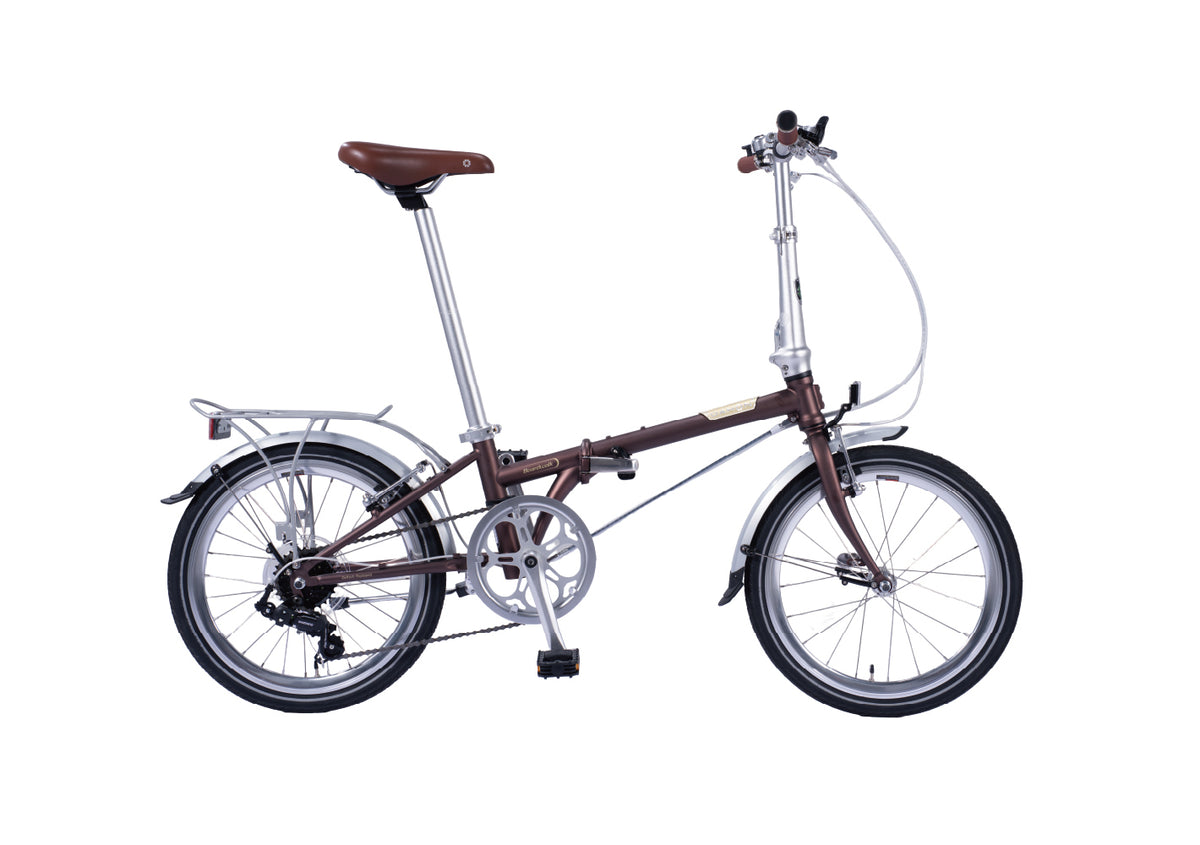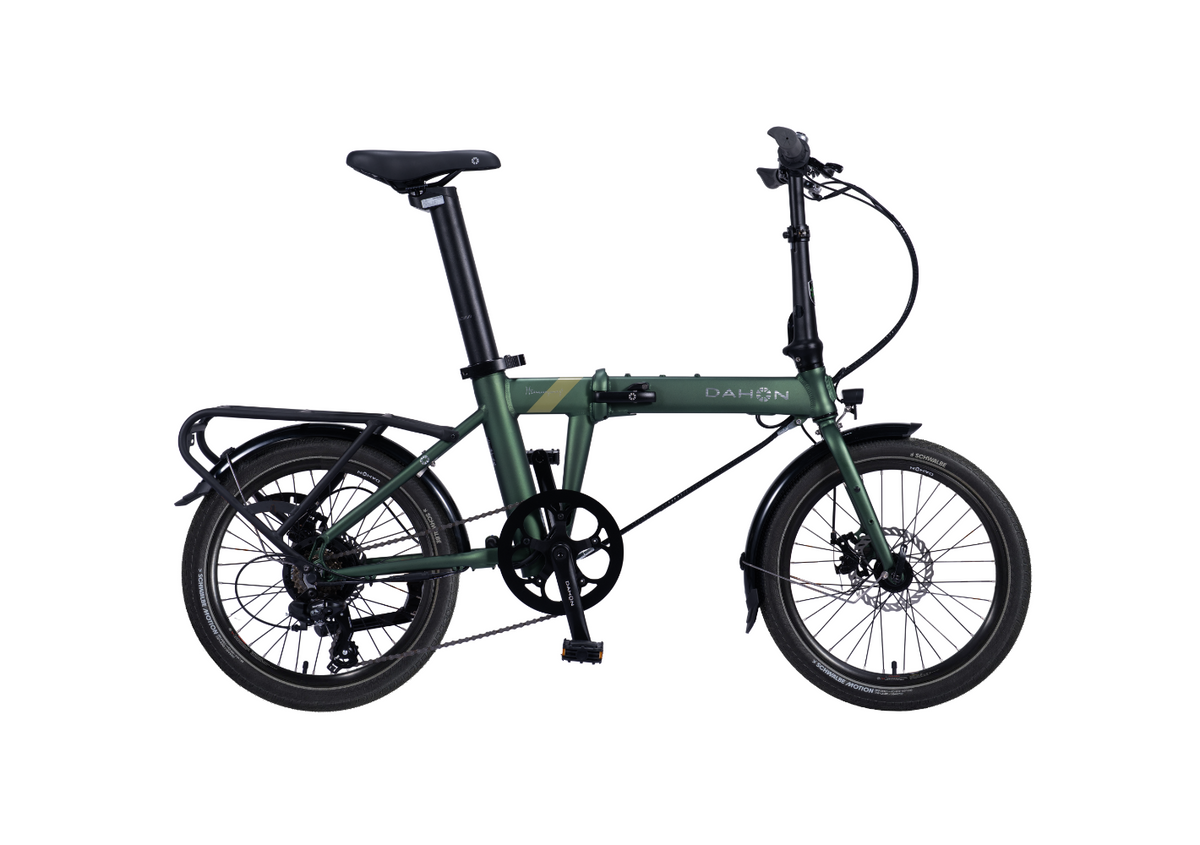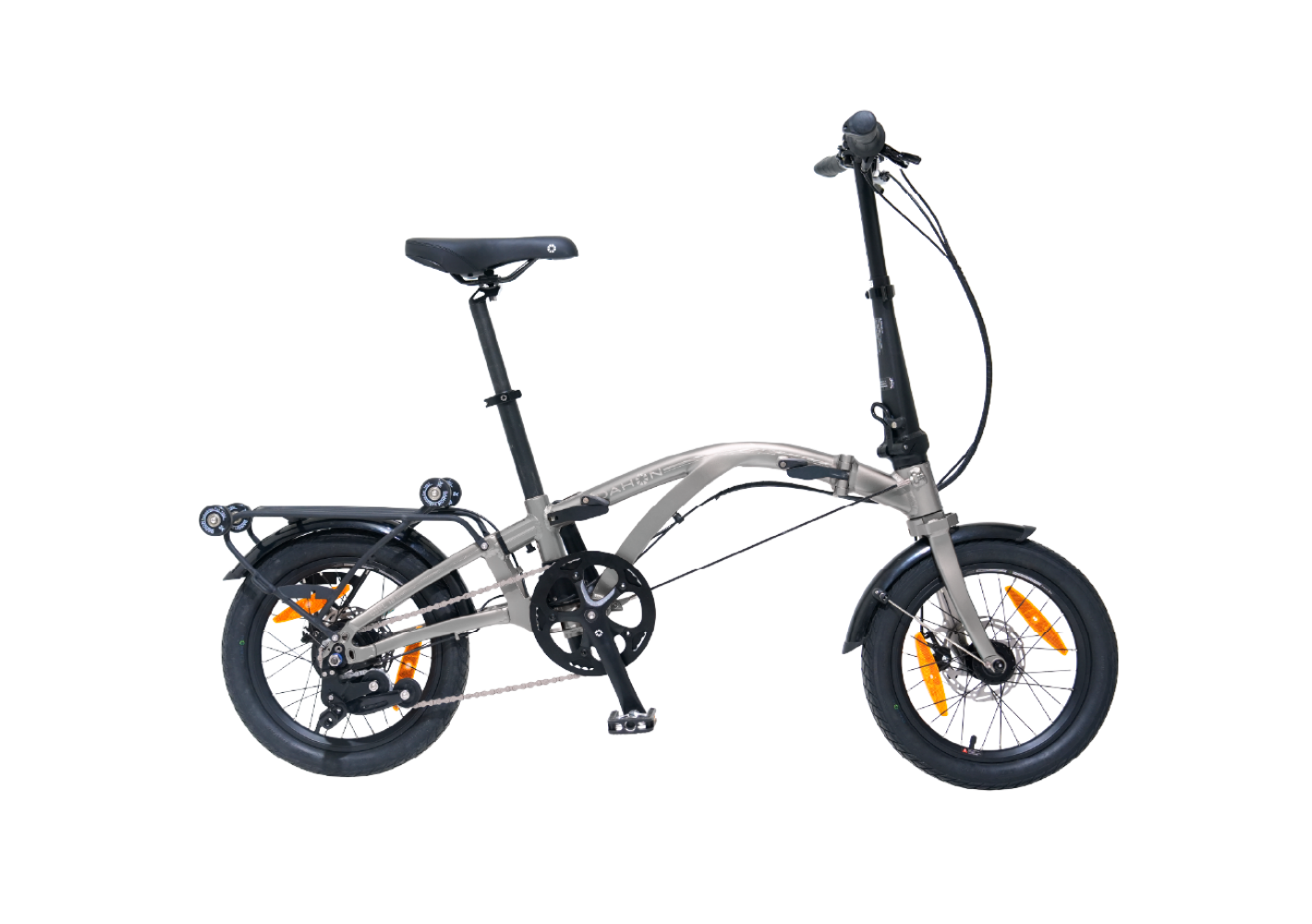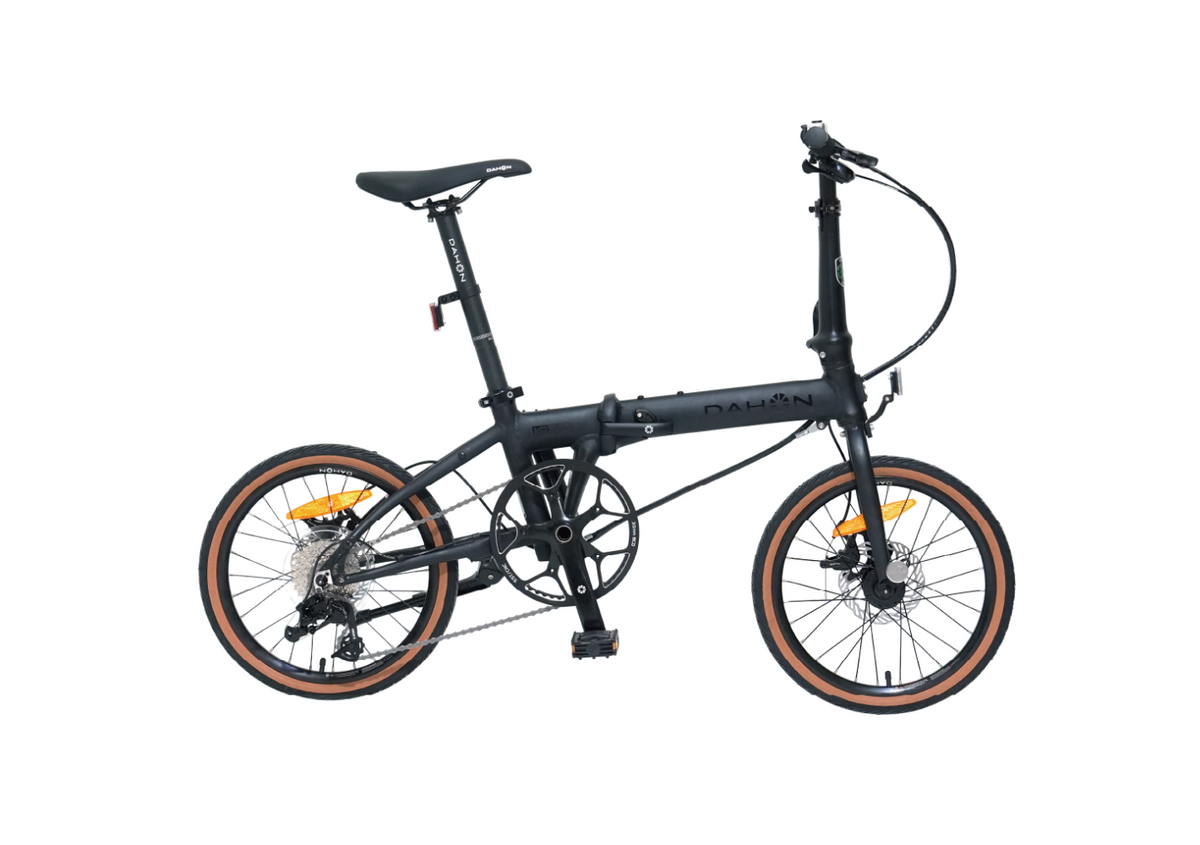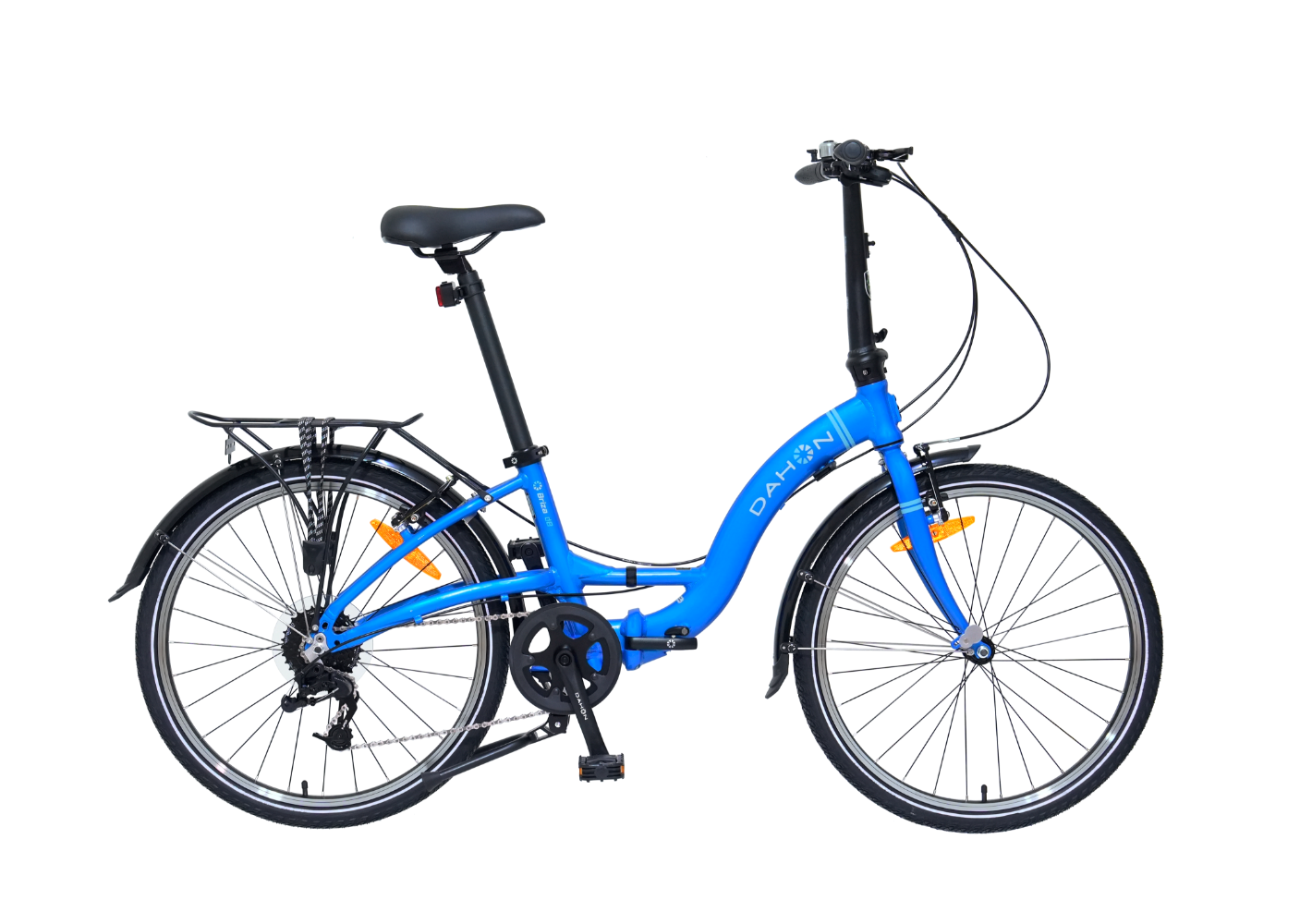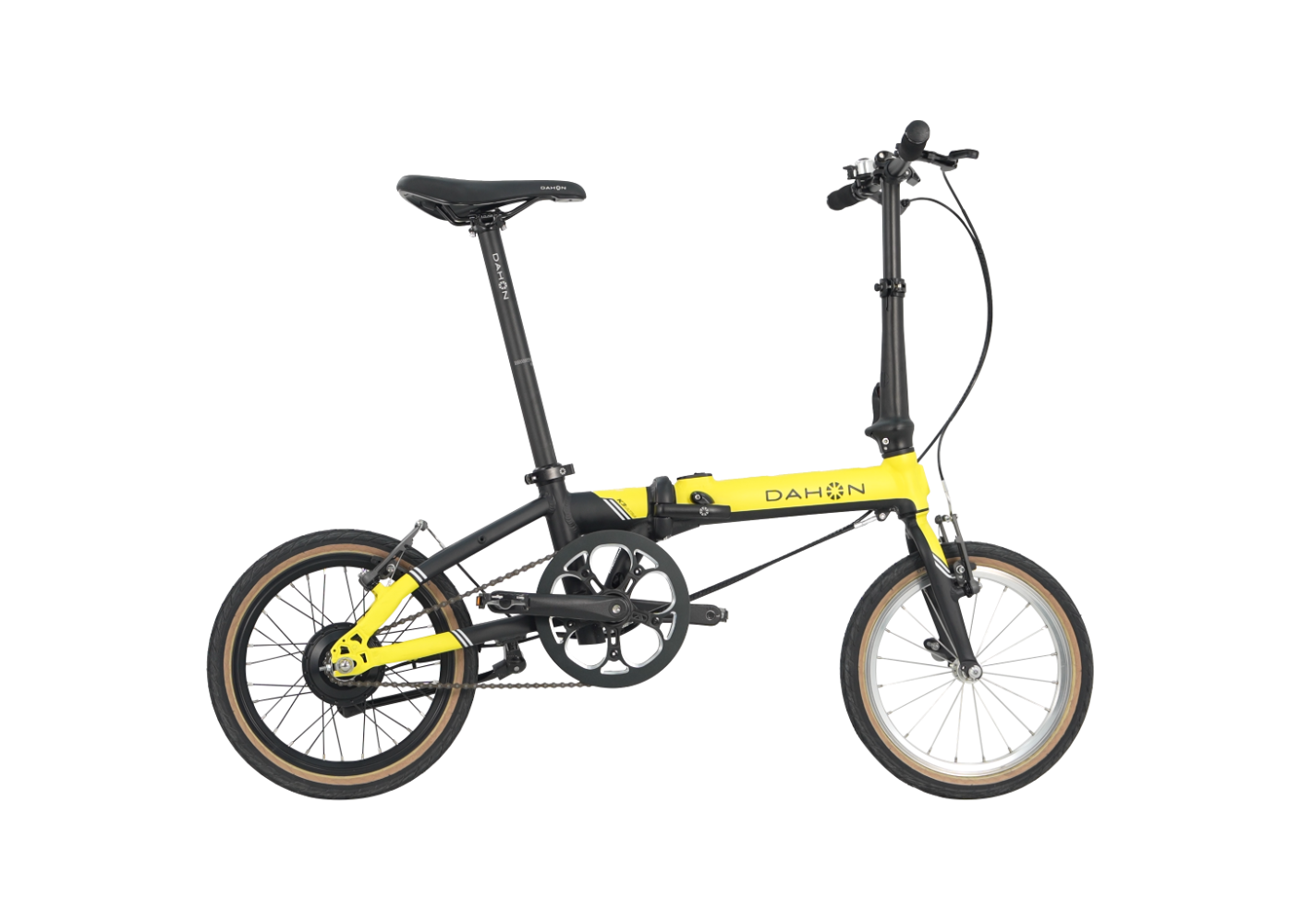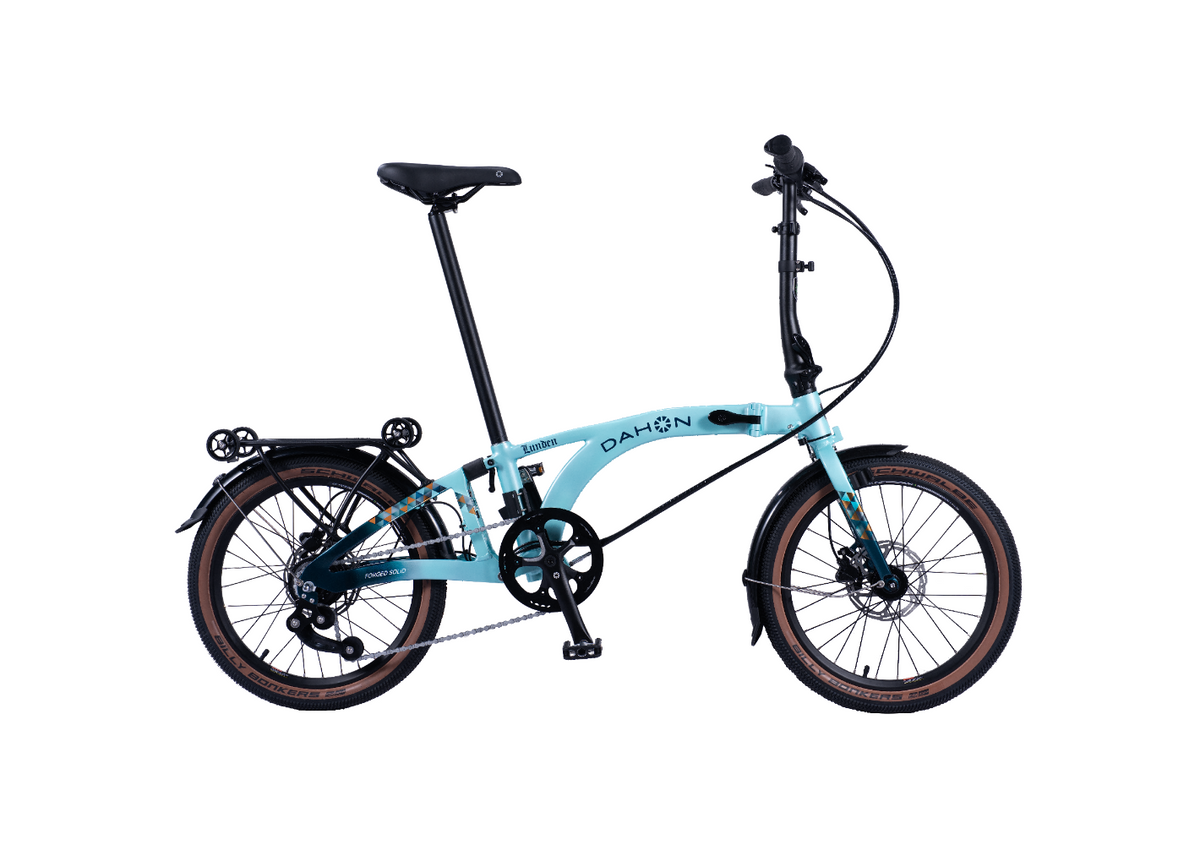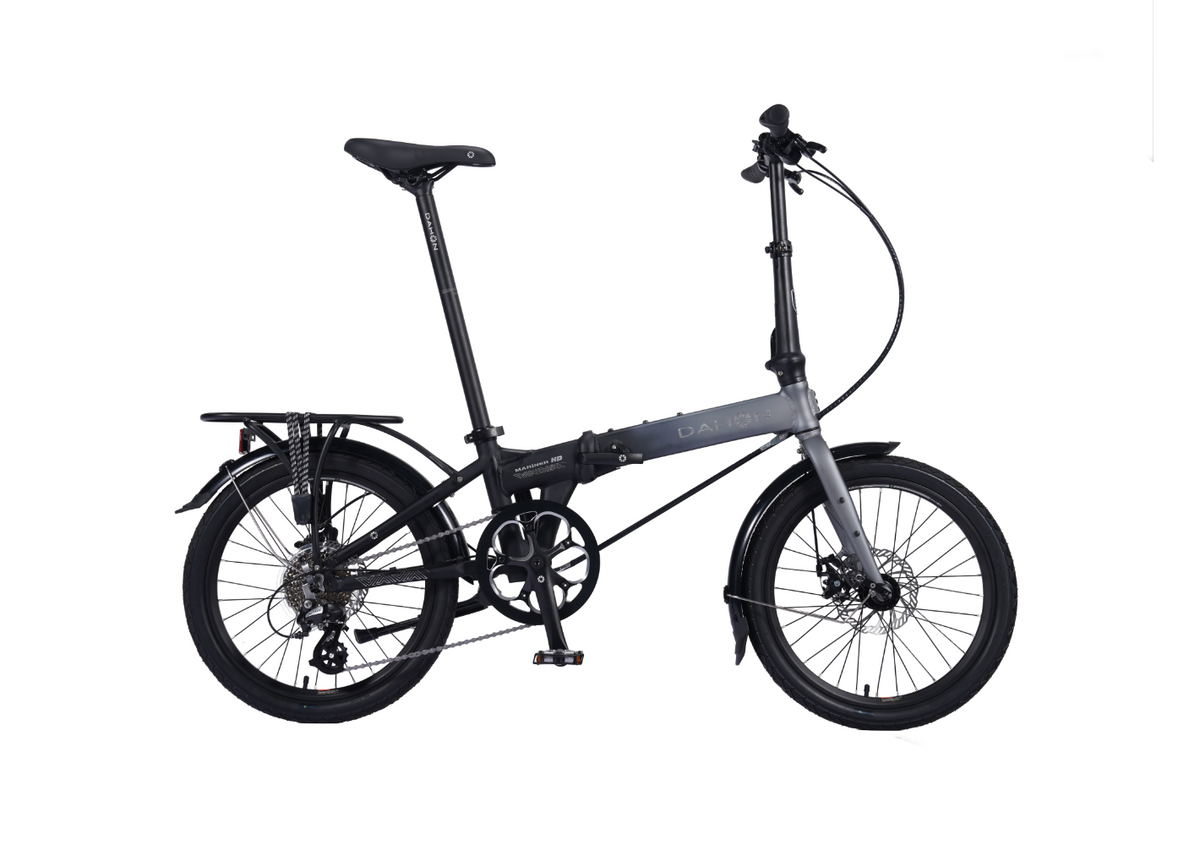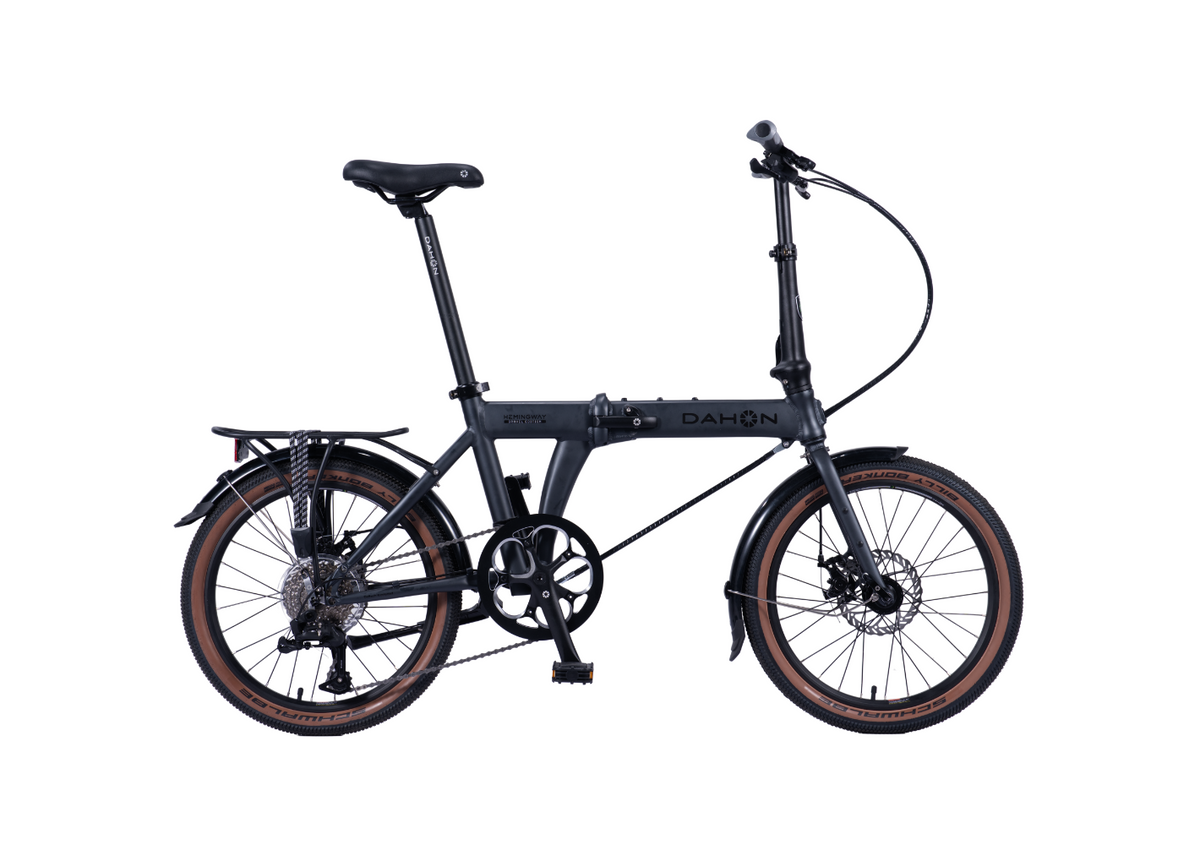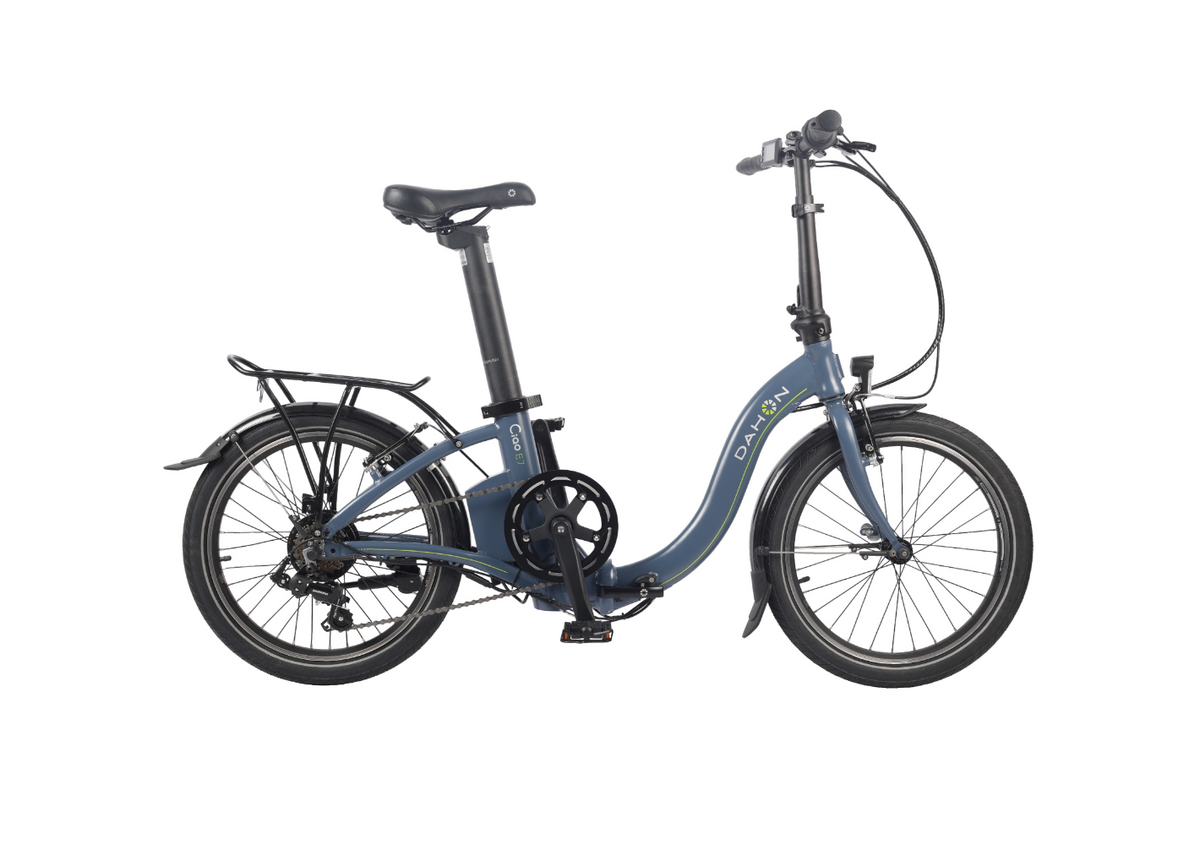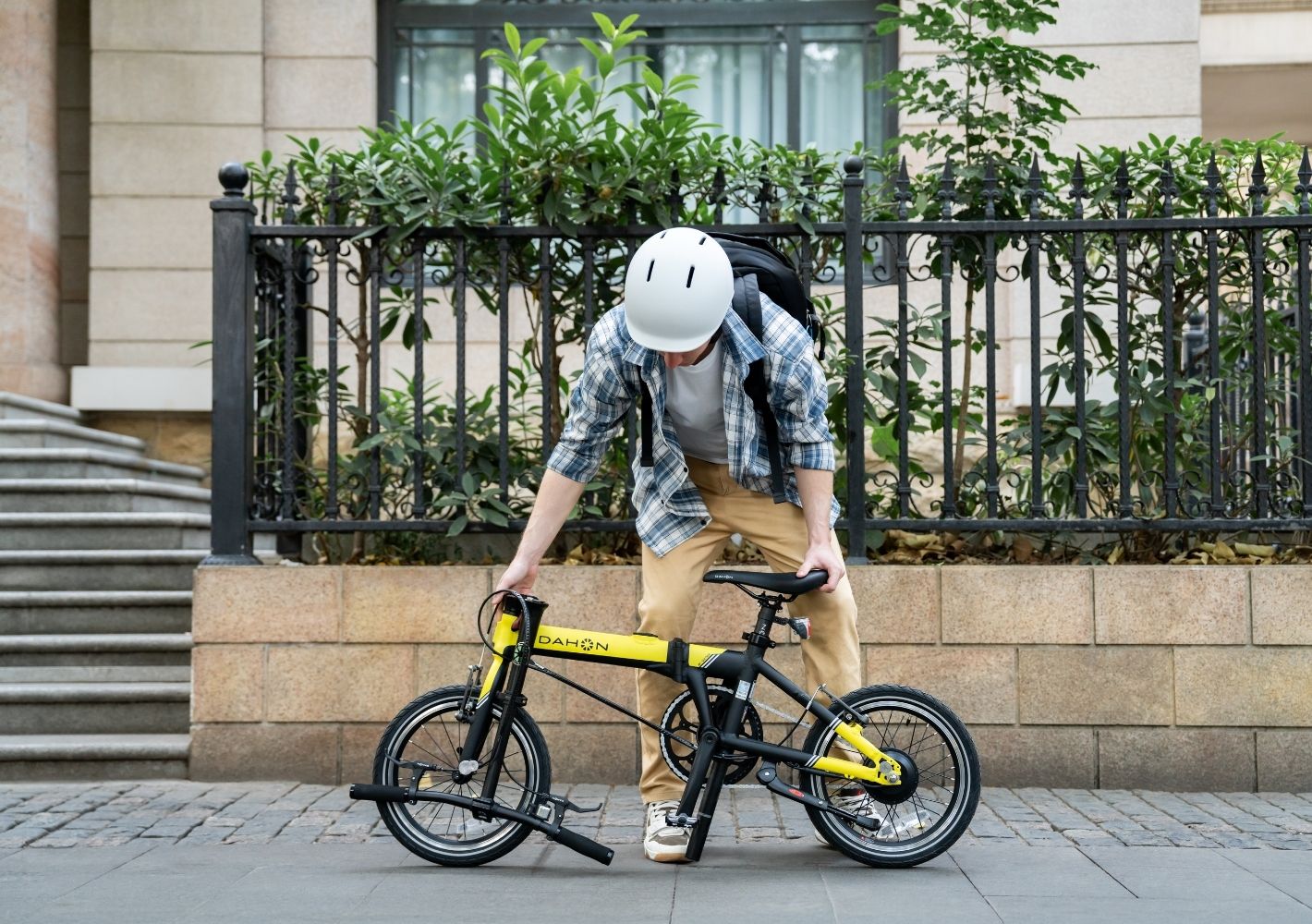
A folding bike can connect cycling with rail or car travel by changing from rideable form to a compact package. Folding speed and sequence vary by model, so the correct manual remains the primary reference. The sections below explain common frame hinges, latches, safety catches, and other parts found on foldable bikes.
The Main Hinge That Lets a Bike Fold
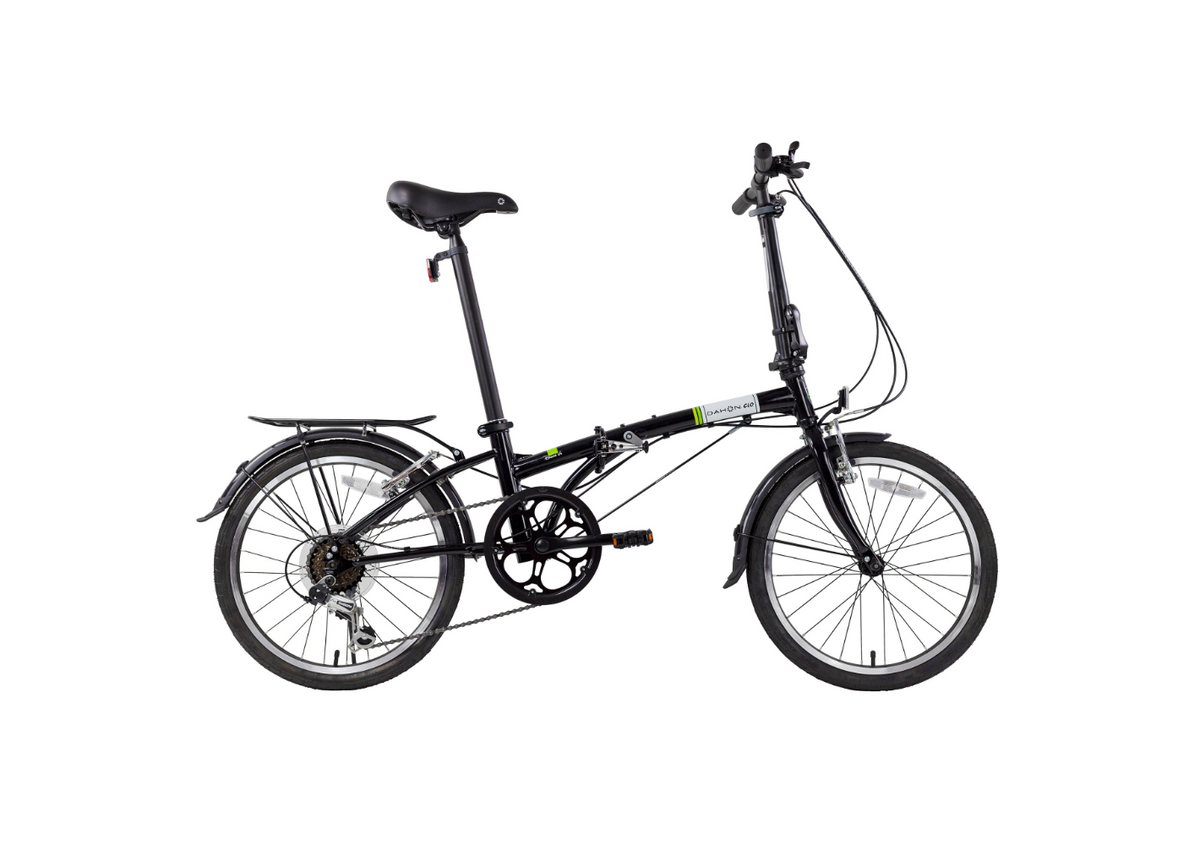
On many mid-fold bicycles, a main hinge in the frame allows the front and rear sections to swing together. It must carry riding loads, align the frame sections, and open and close consistently. Other folding layouts use different pivot locations, so not every folding bike has a single hinge in the middle of the frame.
Hinge performance depends on material, geometry, manufacturing tolerances, latch adjustment, and maintenance. When the mechanism is correctly closed and adjusted, the frame sections should align without unintended movement.
Different Ways a Bike Can Fold
Folding bikes use several frame layouts. The design affects folded dimensions, folding sequence, component placement, and ride characteristics. Three broad layouts are described below, although manufacturers may use different names and combine features.
- Mid-Frame Fold: A central frame hinge lets the front and rear sections fold toward each other. It is a widely used layout, but folding speed and final size depend on the complete design.
- Rear-Triangle Fold: The rear wheel or rear frame section pivots beneath or alongside the main frame. Multiple pivots can produce a compact package, although the result varies by model.
- Vertical Fold: The frame rotates so the wheels come alongside each other in a narrow package. Some vertical-fold designs are quick to operate, but speed and folded width remain model-specific.
Here’s a simple chart to show the differences:
| Folding Design | How It Works | Key Advantage | Best For |
|---|---|---|---|
| Mid-Frame Fold | Folds in half at a central hinge, bringing wheels together. | Often straightforward to operate, depending on the model. | Everyday commuting and a straightforward fold. |
| Rear-Triangle Fold | The rear wheel or rear frame section pivots beneath or alongside the main frame. | Can create a compact package, depending on the model. | Compact storage and multimodal travel. |
| Vertical Fold | The frame rotates vertically so that the wheels sit alongside each other. | Can offer a quick fold and narrow package, depending on the design. | Potentially narrow storage spaces, subject to the model's folded dimensions. |
How Locking Systems Keep You Safe
A hinge relies on a correctly adjusted latch to hold the frame sections together during normal riding. Locking a folding bike for riding means fully closing the primary latch and engaging any secondary safety catch specified in the model manual. A loose, damaged, or partly closed mechanism is unsafe.
Many systems use a lever-operated clamp, and some add a secondary safety catch to help prevent unintended lever movement. Do not rely on a click alone: confirm the lever position, closing resistance, safety-catch engagement, and final checks described in the model-specific manual.
Other Parts That Fold or Retract
To reduce the packed size, other components may fold, retract, or be removed.
- Folding Handlepost or Stem Assembly: A hinge near the base allows the handlebar assembly to fold toward the frame. Its latch and any safety catch must be fully engaged before riding.
- Folding or Removable Pedals: Depending on their design, folding pedals collapse inward or removable pedals detach to reduce the folded bike's width. Follow the manufacturer's instructions when installing or removing the pedals, and confirm that they are fully locked before riding.
- Seatpost Adjustment: Many folding bikes use a long single-piece seatpost that lowers into the frame. Some models use a two-piece telescopic seatpost for additional adjustment or a more compact fold. Always respect the minimum-insertion marks.
Are Folding Bikes Built to Last?
A hinge does not automatically make a folding bicycle unsuitable for daily use. Durability depends on the complete design, rated load, manufacturing quality, correct operation, inspection, and maintenance.
A well-designed folding mechanism manages loads through its hinge, latch, and surrounding frame structure. These components can provide long service when used within the bicycle's limits and inspected and maintained correctly, but wear or damage may still require adjustment or replacement.
How Folding Affects Your Ride?
The folding layout contributes to frame stiffness, geometry, weight distribution, and handling. Designers balance those factors with folded size, ease of use, comfort, and durability rather than maximising stiffness in isolation.
Unintended movement at a hinge or latch can affect handling and requires inspection. On compatible models, the DAHON DELTECH system works with the Super Downtube to form a triangular structure. DAHON's internal testing reports a 15% increase in frame rigidity for this configuration; the result should not be applied automatically to every folding bike.
Simple Care for Your Folding Parts
Regular inspection and model-specific maintenance help folding parts operate safely. The owner or service manual should take priority over generic intervals or adjustment instructions.
- Keep It Clean: Use a clean cloth to remove accessible dirt and moisture from hinge and latch areas. Avoid forcing debris into the mechanism.
- Lubricate Only as Specified: Use the lubricant and application points stated for the exact model. Keep lubricants away from brake pads, disc rotors, and rim-braking surfaces.
- Check Before Every Ride: Confirm that each lever and safety catch closes correctly and that the frame and handlepost have no unintended movement. Do not ride with a loose latch. Follow the DAHON service instructions for the applicable mechanism, or ask a qualified bicycle technician to inspect it.
- Investigate Noise or Movement: Creaking may come from dirt, lubrication, adjustment, another component, or damage. Stop riding and arrange an inspection if noise is accompanied by looseness, visible damage, or a change in handling.
Why Good Engineering Matters?
A well-designed mechanism balances secure locking, predictable operation, durability, folded size, and ride quality. Correct setup and maintenance remain essential; the presence of a hinge alone does not determine whether a bicycle is safe or suitable for a rider.
DAHON has specialised in folding bicycles for more than four decades and has developed hinge systems such as ViseGrip alongside newer frame technologies. The DAHON technology overview explains current systems such as DELTECH and the JAWS hinge. Riders should still follow the instructions for their exact model.
Final Thoughts
A folding bike depends on more than compact dimensions. The hinge layout, latch adjustment, safety catches, handlepost, pedals, seatpost, and final checks must work together. Understanding these parts helps you compare models and recognise when a mechanism needs professional attention.
Compare the folding sequence, folded dimensions, weight, fit, and model-specific instructions in the current DAHON folding bike range before choosing a bike.