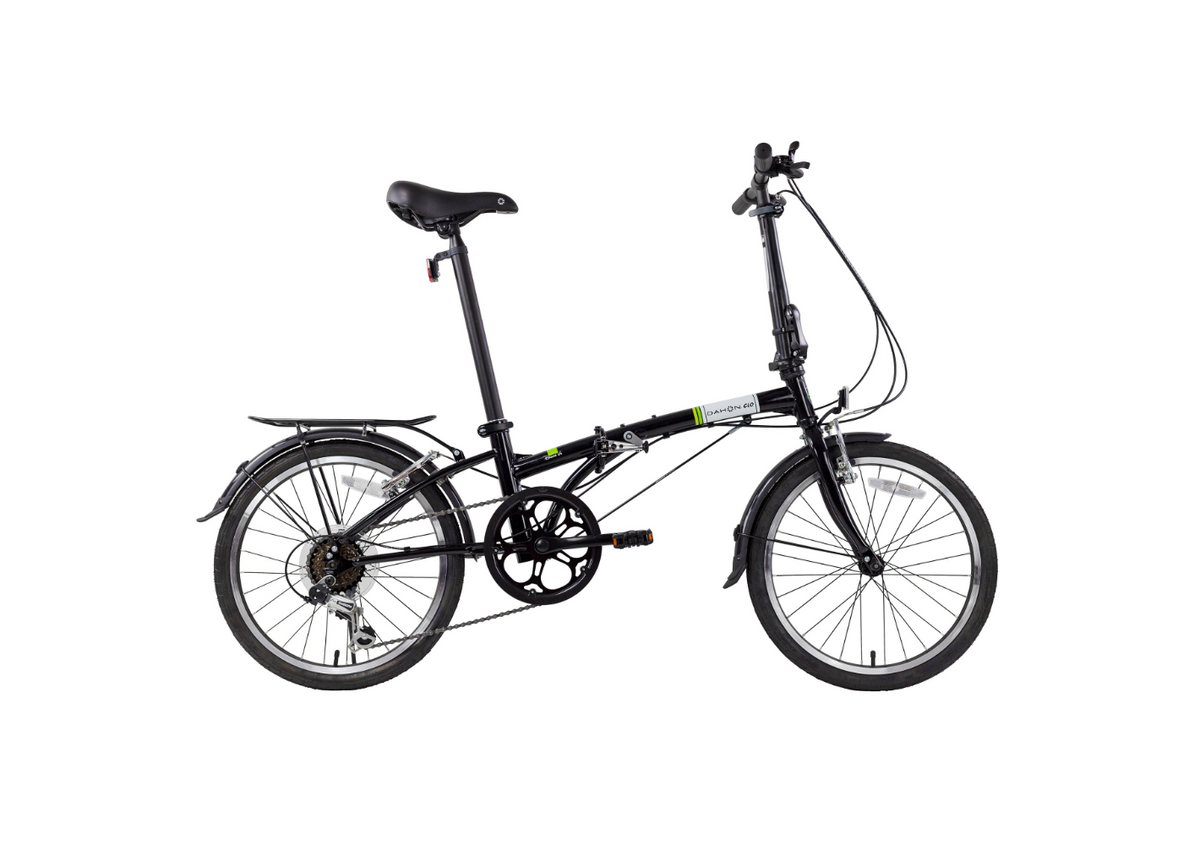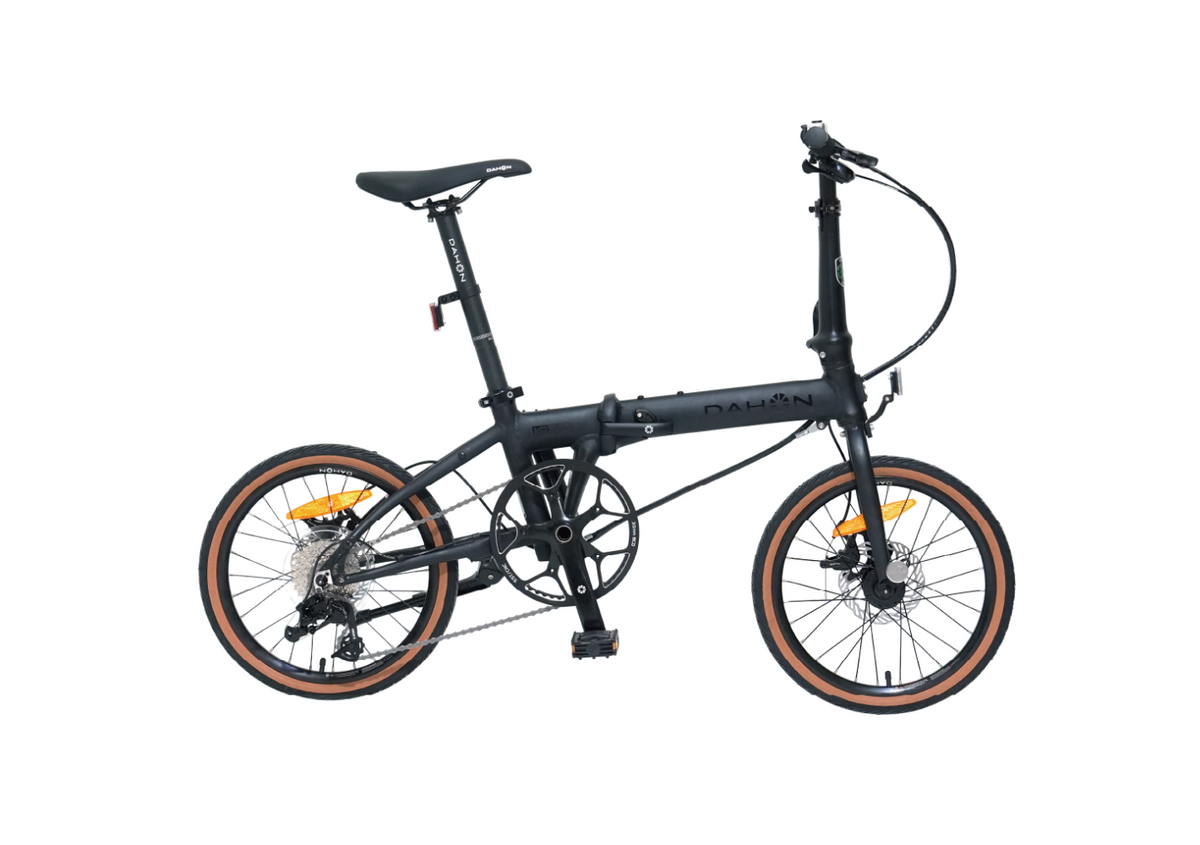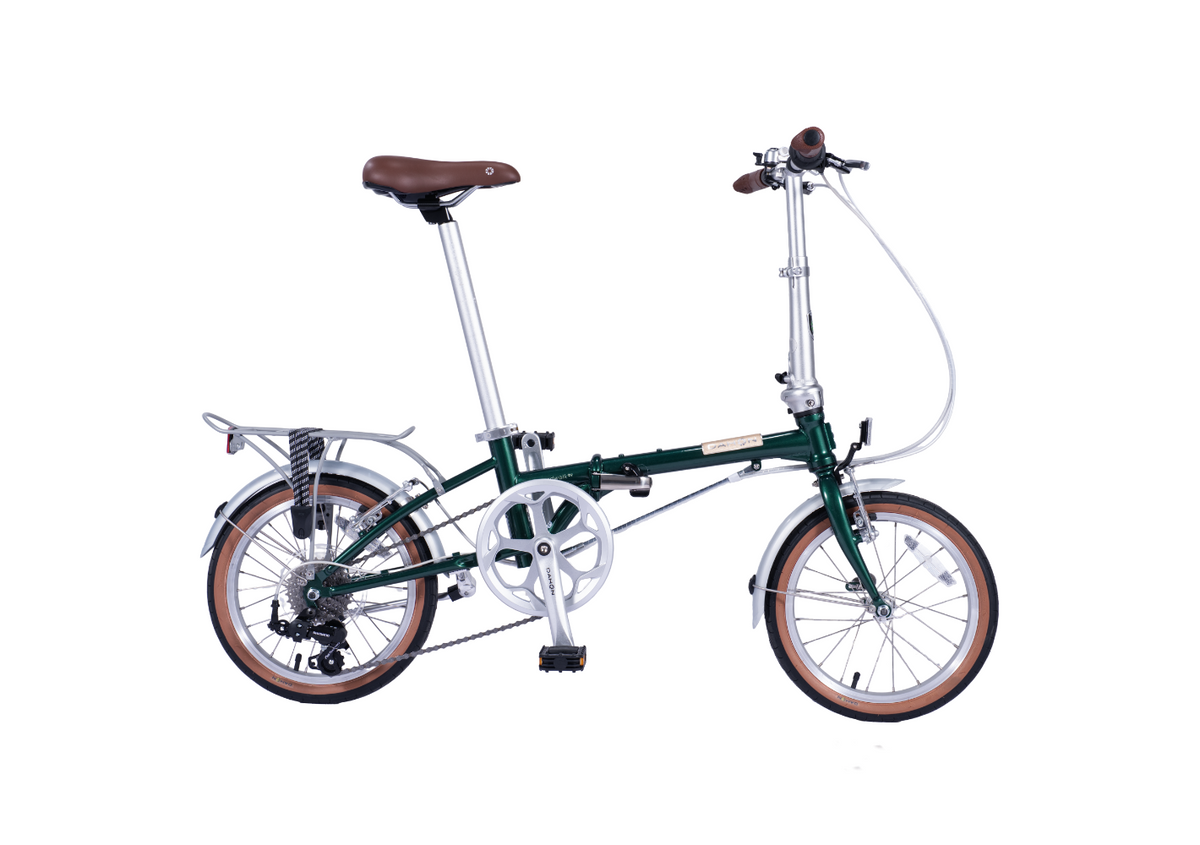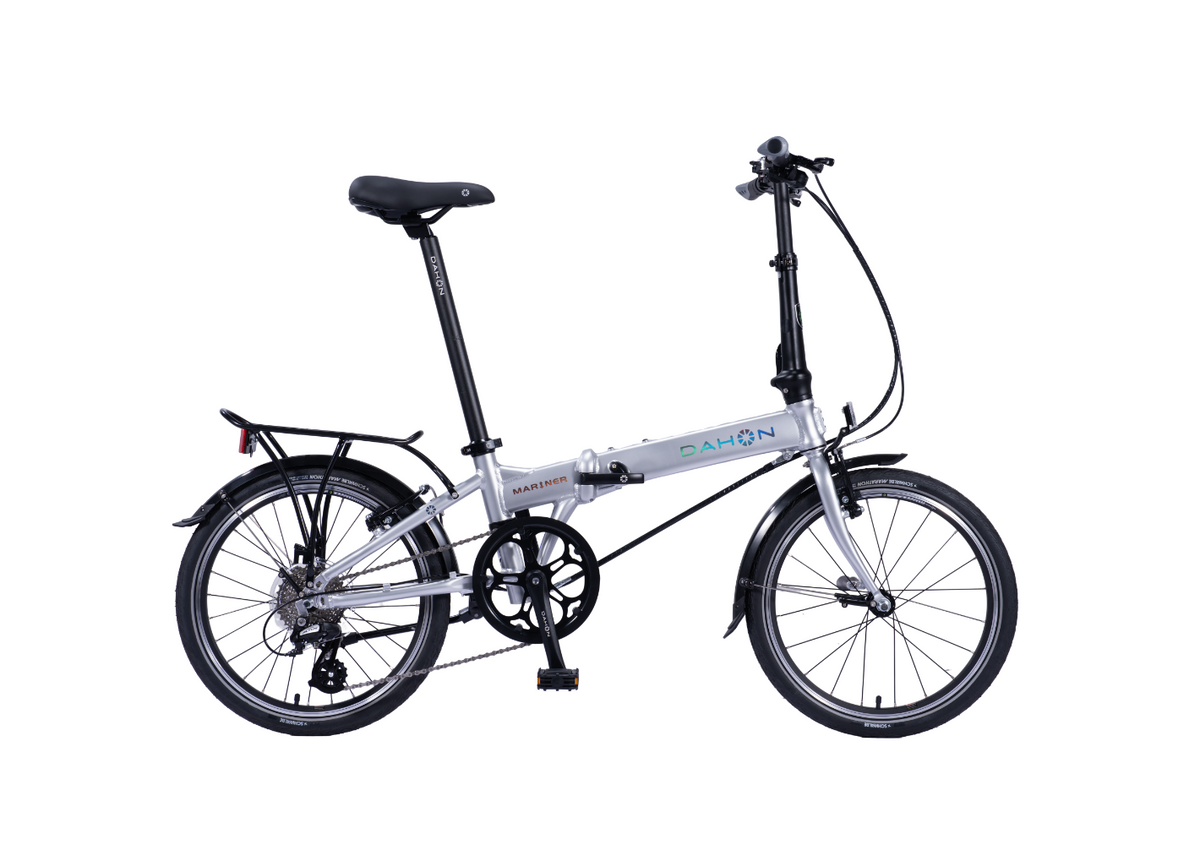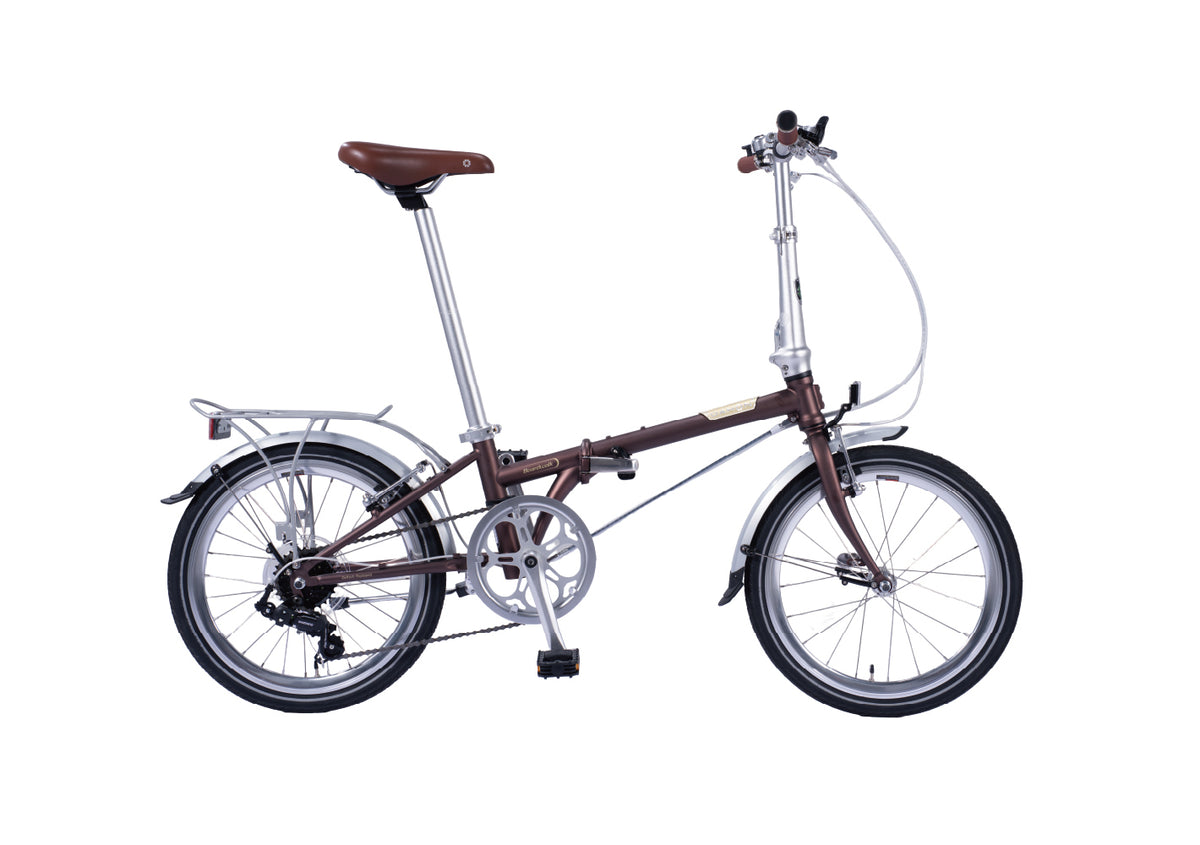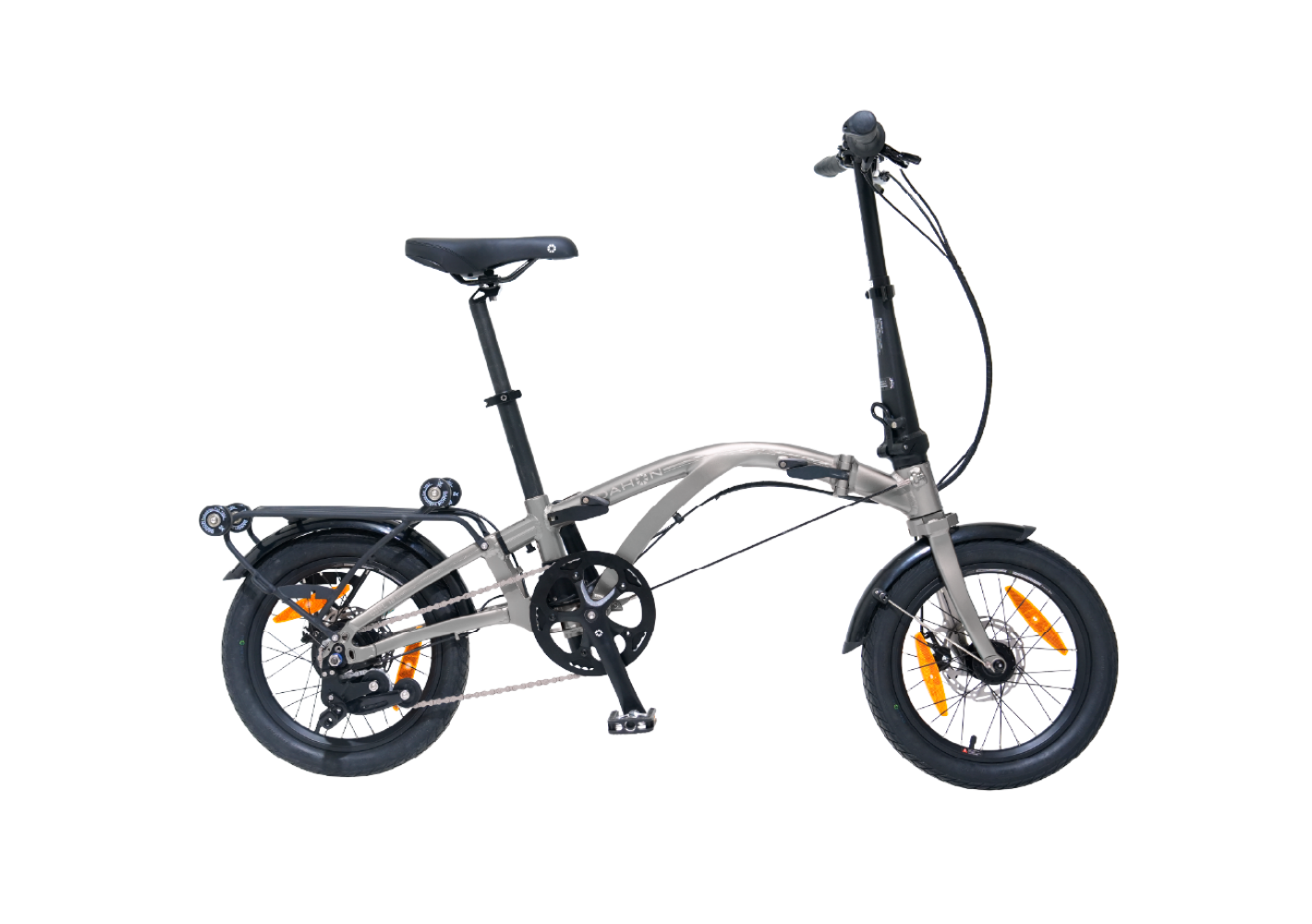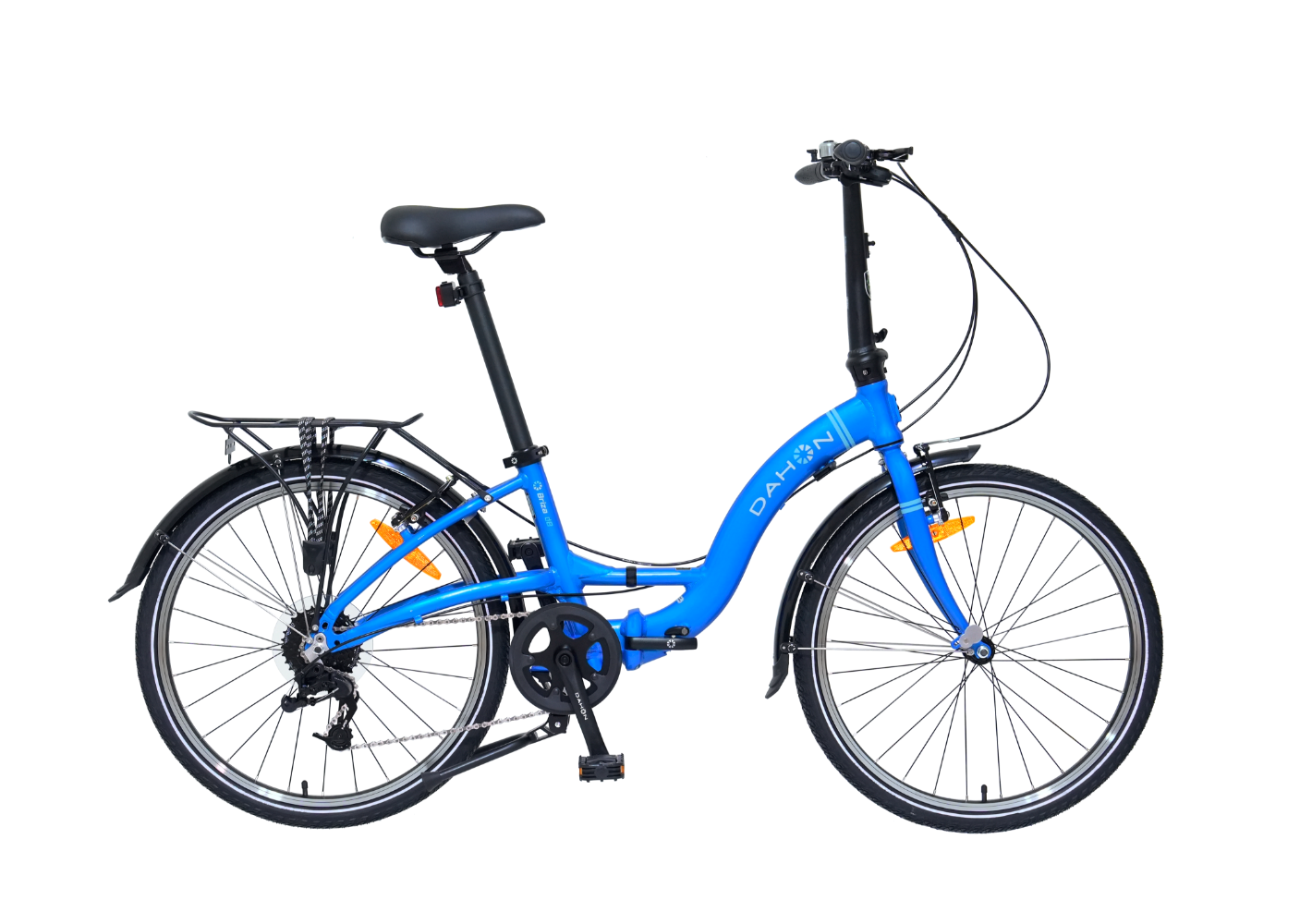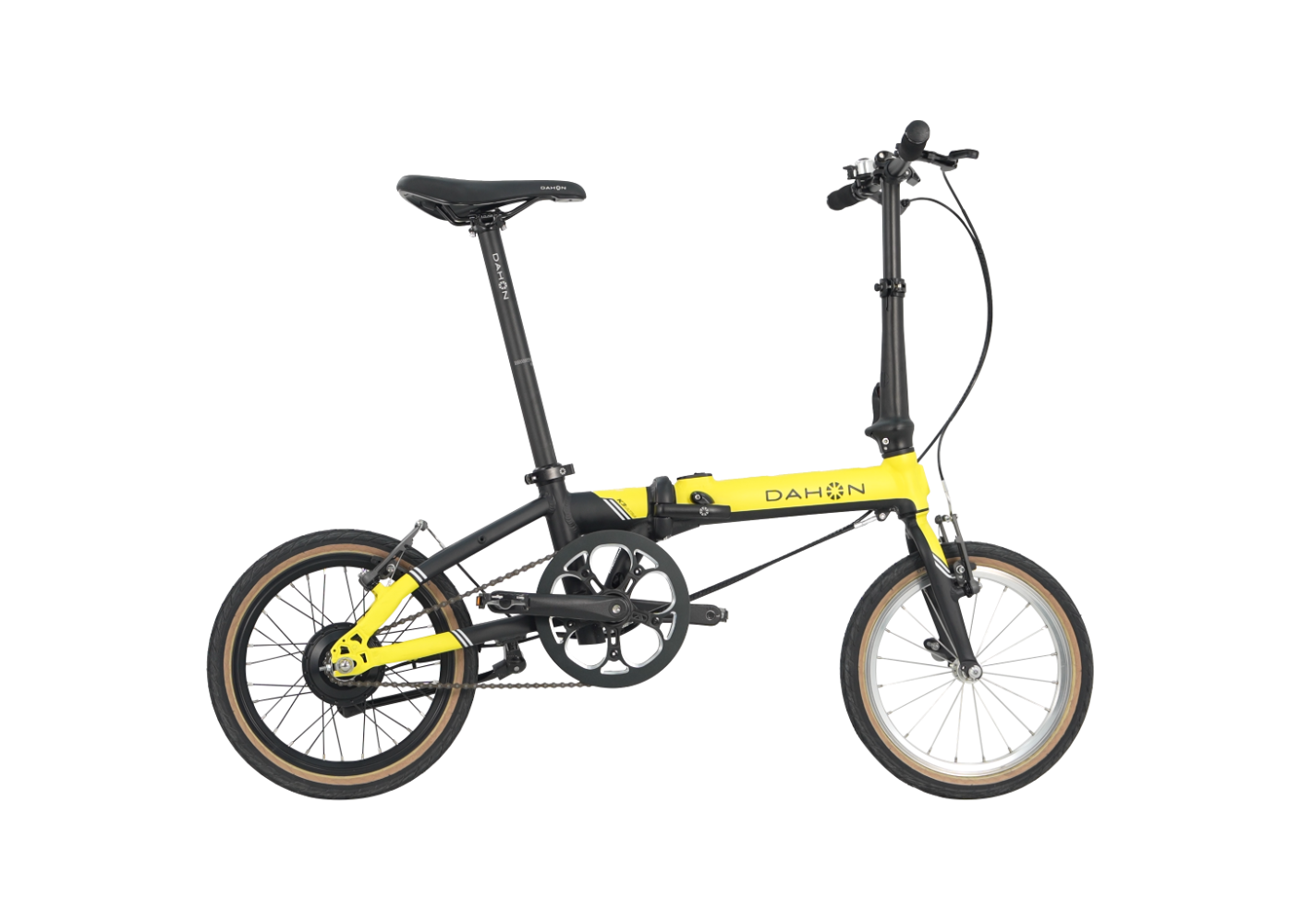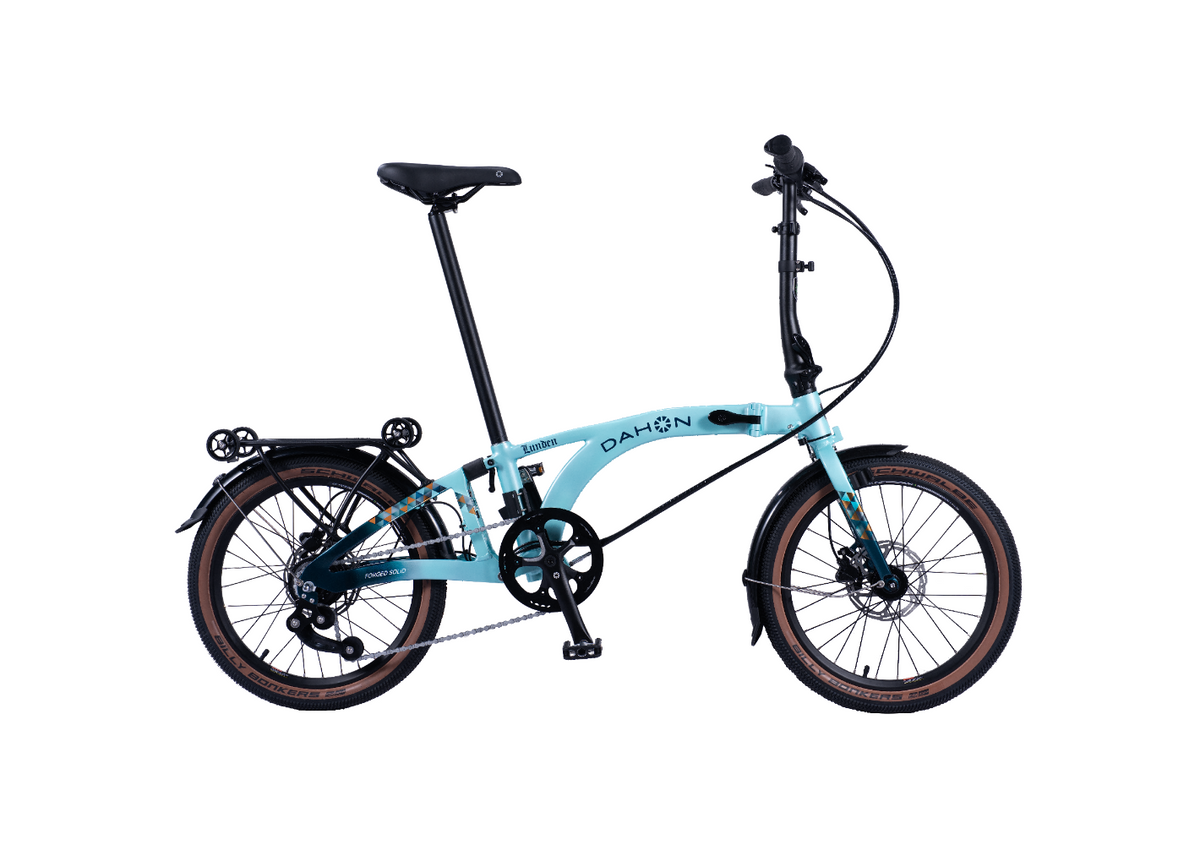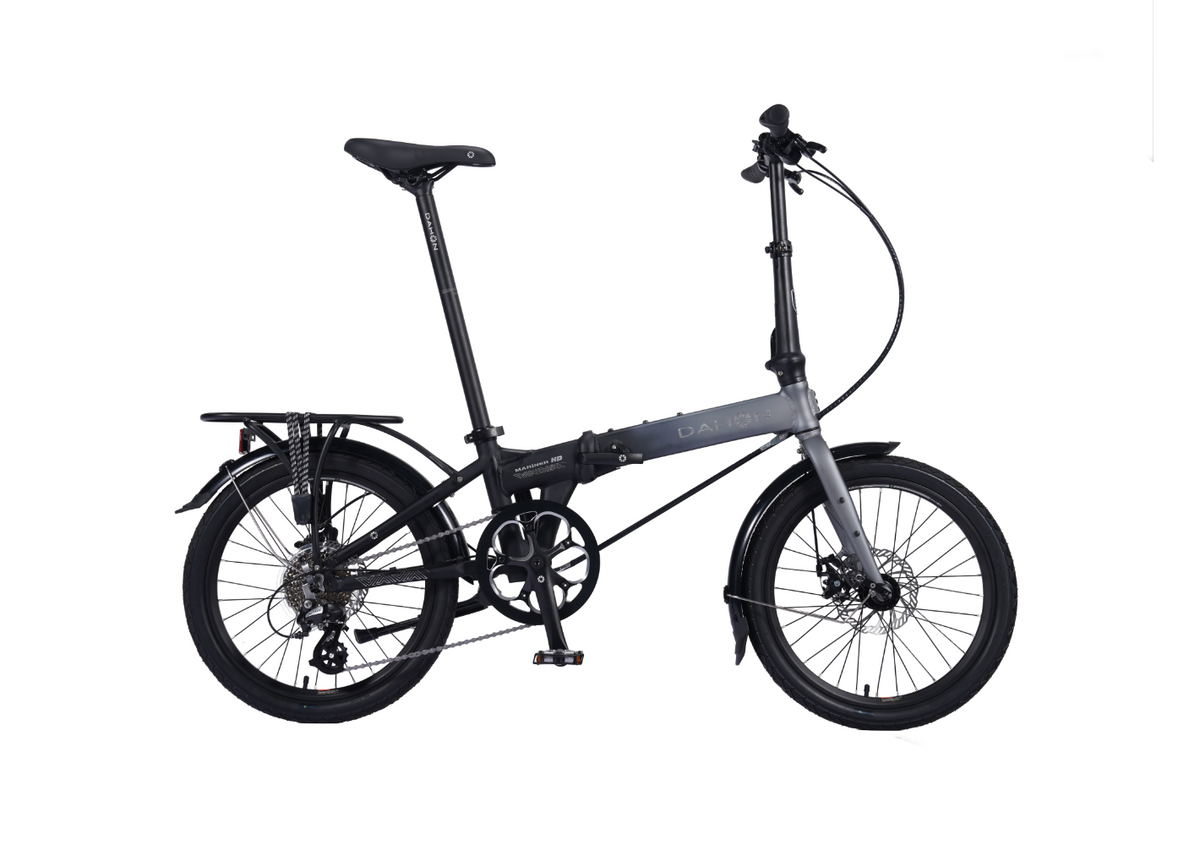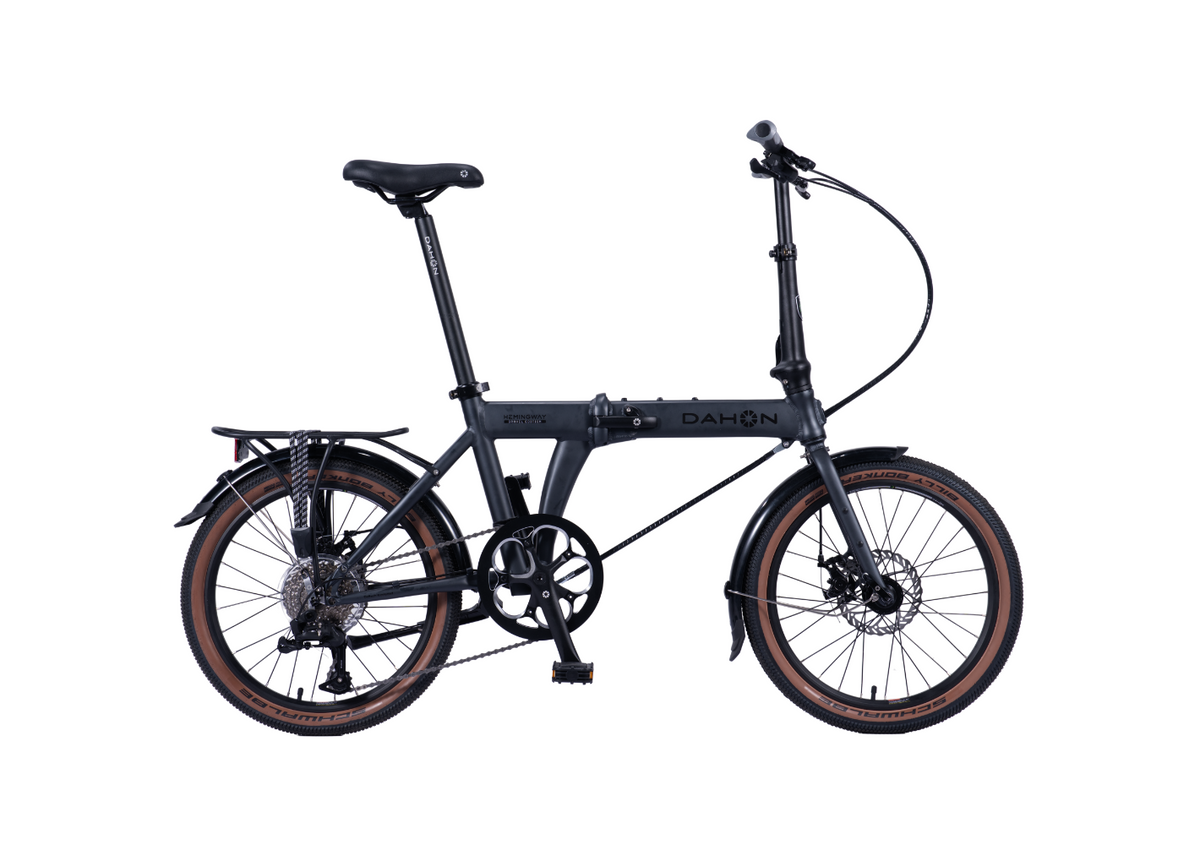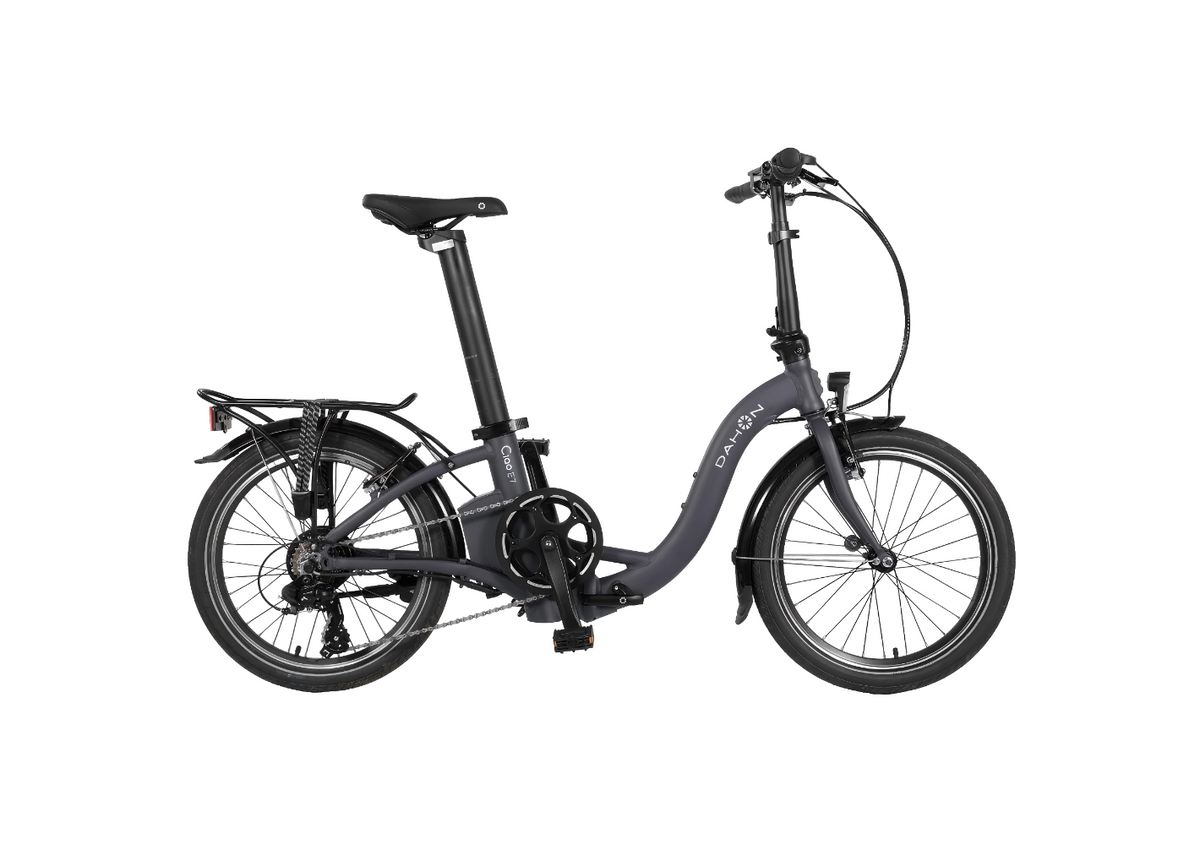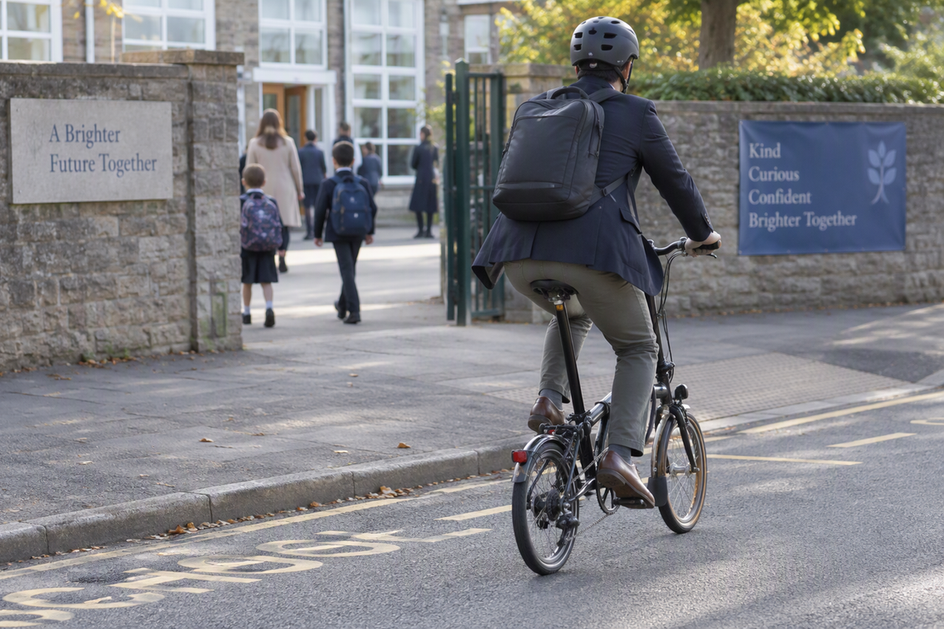
Yes, a folding bike can work for a parent who rides to the school stop and then continues to work. It works when the bike suits your own ride and any storage or train leg after the drop-off, and folding is most useful when it solves a concrete problem on that onward stretch. If the bike stays unfolded for the entire ride, folding adds little to that travel leg, though it may still help once you arrive if you need indoor desk or office storage.
Can a Folding Bike Work for the Whole School-to-Work Routine?
It can, as long as you assess the adult's journey from the school stop onward. This is about your own commute, not about carrying a child on the bike. When using a folding bike for the school run, the first question is simple: does folding change anything after the drop-off?

Most school-to-work routines fall into one of two versions. In the first, you ride straight from the school to work and the bike stays unfolded the whole time. In the second, you reach a point where folding helps, such as a small storage room at work or a train you need to board.
The second version is where a folding bike has the clearest job. The first version can still work well, but then the fold is a secondary feature, and the ride itself decides the choice. Keep the fit of any particular model open until you have tried that exact bike on your own routine.
What If the Bike Stays Unfolded on the Ride to Work?
If the bike stays unfolded for the whole onward ride, folding does not change that riding leg. Judge the direct route on its own: the distance, the roads, the hills and how you feel on the bike when you arrive. This distinction simply separates your riding checks from potential folding needs, helping you evaluate comfort and handling on their own merits.
Start by tracing the ride from the school stop to your workplace. Then note where you leave the bike when you arrive. Is it a rack outside, a shared bike room or a spot beside your desk? If the bike is never folded at any real point in this version of the routine, your choice rests on ride comfort and handling, not on the fold.
Keep the ride and the parking question apart. A later need, such as bringing the bike indoors or catching a train on rainy days, belongs to a different part of the routine and gets its own check in the next section. If you are unsure whether a particular bike suits the ride, try the actual route, or a stretch of it, on that exact model before you rely on it every school day.
When Does Folding Change the Onward Journey?
Folding makes a practical difference at two points: when you store the bike at work and when you take it on a train. Each one needs a different check.
Storing the Bike at Work
Start with the real place where the bike will stand. Find the storage spot, then walk the route into it: doors, stairs, a lift or a narrow corridor. Compare the exact model's published folded dimensions with the space you have, measured in centimetres. The word "compact" on its own does not tell you whether it fits under a desk or in a cupboard.
Then try the fold and the carry. Fold the bike, lift it and move it the way you would on a working morning. Our guide to workplace bike storage compares office, flat and cellar spots by access, carrying distance, manoeuvring space, damp and security.
Taking a Train After the School Stop
Rules can vary by country, operator, transport authority, service and ticket type, so check the conditions for the exact connection you plan to use. There is no single EU-wide rule to assume for every service.
In Germany, Deutsche Bahn's condition for carrying a folded bicycle is that folding bikes may travel when folded, provided they can be stowed safely, for example in the luggage rack, and do not obstruct or injure other passengers or damage the carriage. This applies to Deutsche Bahn services only. On a DB train, the practical test is whether your folded bike fits a safe storage spot without blocking anyone.
If you travel with SNCB-NMBS in Belgium, first check its current rules for folded bicycles and luggage. If the bike will remain unfolded, the BikeOnTrain journey planner can help identify connections based on bicycle facilities and station accessibility. For other countries, use the information from the operator on your route. Our tips on planning a train-bike trip cover folding steps, route apps and what to pack.
How to Test the Route Before Relying on a Particular Bike
Map the whole routine first, then test the exact bike at the points where folding matters. These steps take you from the school gate to your workplace in order:

- Mark the route. Note the school stop, your workplace, any storage point and any train or other transit connection.
- Circle the folding points. Mark each place where folding changes the routine. If you circle none, focus your test on the ride and on parking at work.
- Match the folded size to the space. Compare the exact model's published folded dimensions with the storage spot you measured. When you compare our folding bike options, open the individual product page or model documentation and compare its published folded dimensions with the space you measured.
- Try the fold and the carry. Fold the bike, lift it and move it as you would in your routine. A structured folding-bike test ride covers the folding mechanism, brakes, gears, seating position, carrying and parking. You can use our store locator for demonstrations to find a place to try a bike in person.
- Confirm the transit leg. If your route includes a train, check the current conditions from the operator that runs that service.
If the bike fits every circled point and the ride feels right, the routine is ready to try on a real school morning. If one point fails, such as a storage space that is too small, plan an alternative for that point before you commit.
FAQs
Does This Advice Cover Carrying a Child on the Folding Bike?
No. These checks cover the adult's own ride from the school stop to work. If you are thinking about a child seat or any other way to carry a child, look at the exact model's manufacturer information and manual first, and ask the manufacturer or dealer to confirm before you fit anything.
What If My Routine Changes from Day to Day?
Plan for the most demanding version. If you ride directly on most days but take a train when it rains, the train day decides whether folding matters. Run the storage and transit checks for that day, even if it only happens a few times a month.
What Can I Do If My Workplace Has No Room Even for a Folded Bike?
Look for another point in the routine where the bike can be stored, such as secure parking near the building or a shared bike room. Talk to your employer or building manager about the options before you buy. If no suitable space exists, folding will not solve the storage problem at that workplace, and the ride and outdoor parking become the deciding factors.
Is a Folding Bike Worth It If I Only Fold It Now and Then?
It can be, when that occasional fold solves a real problem, such as a train on bad-weather days or a one-off meeting at another office. Write down how often each folding point comes up. Then weigh that need against how the bike rides on your everyday direct route.