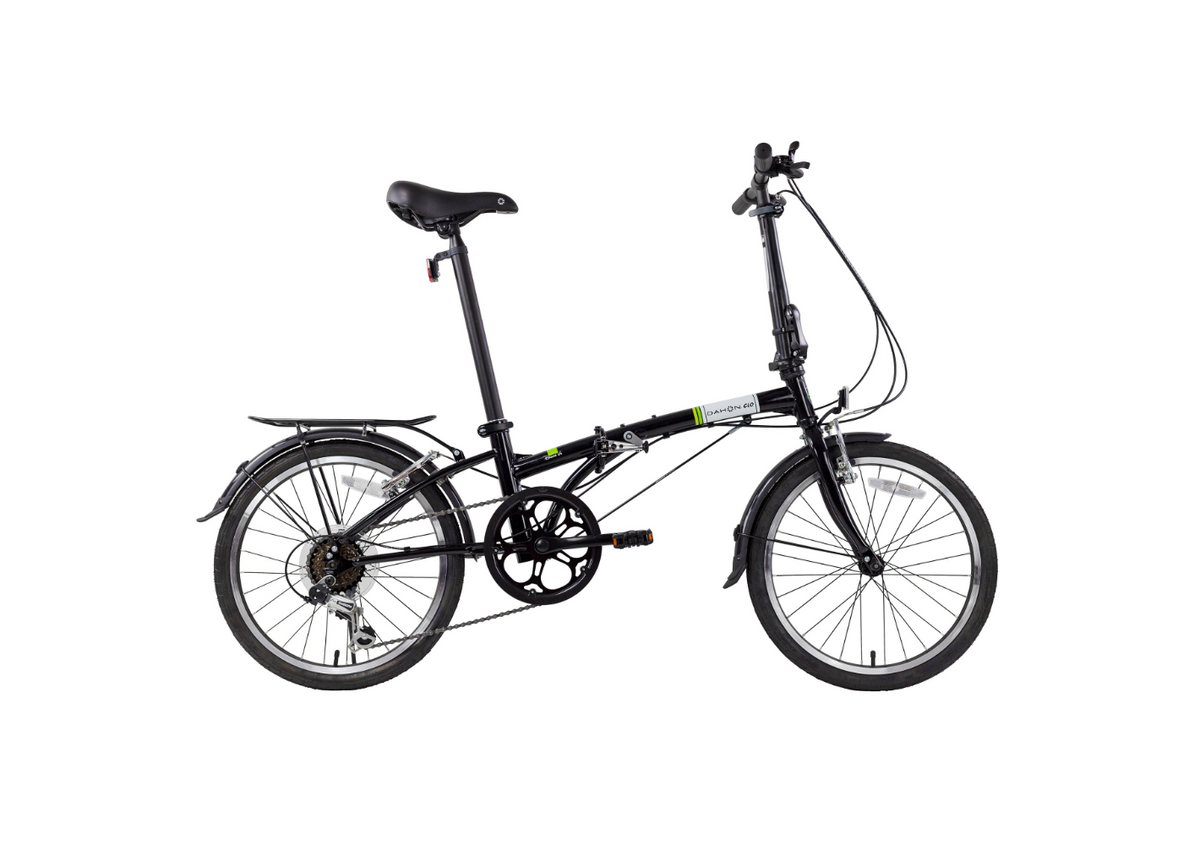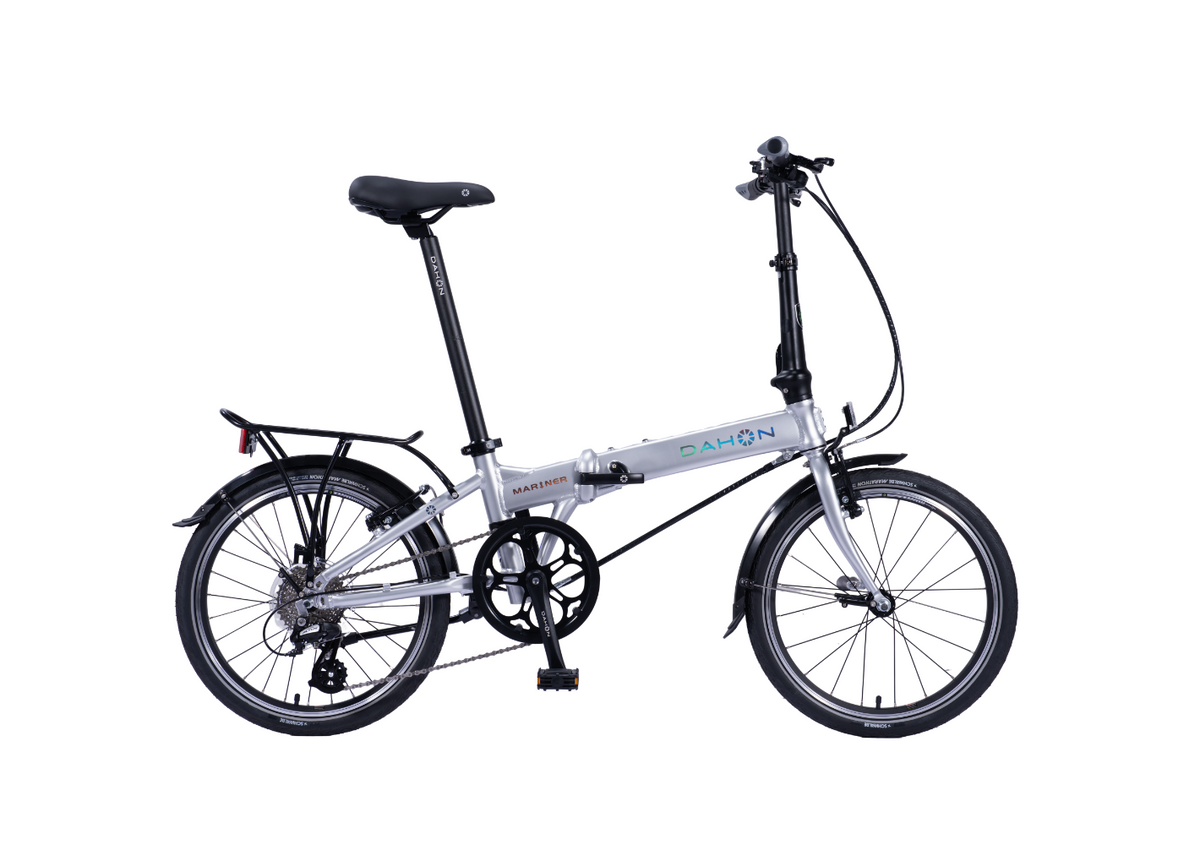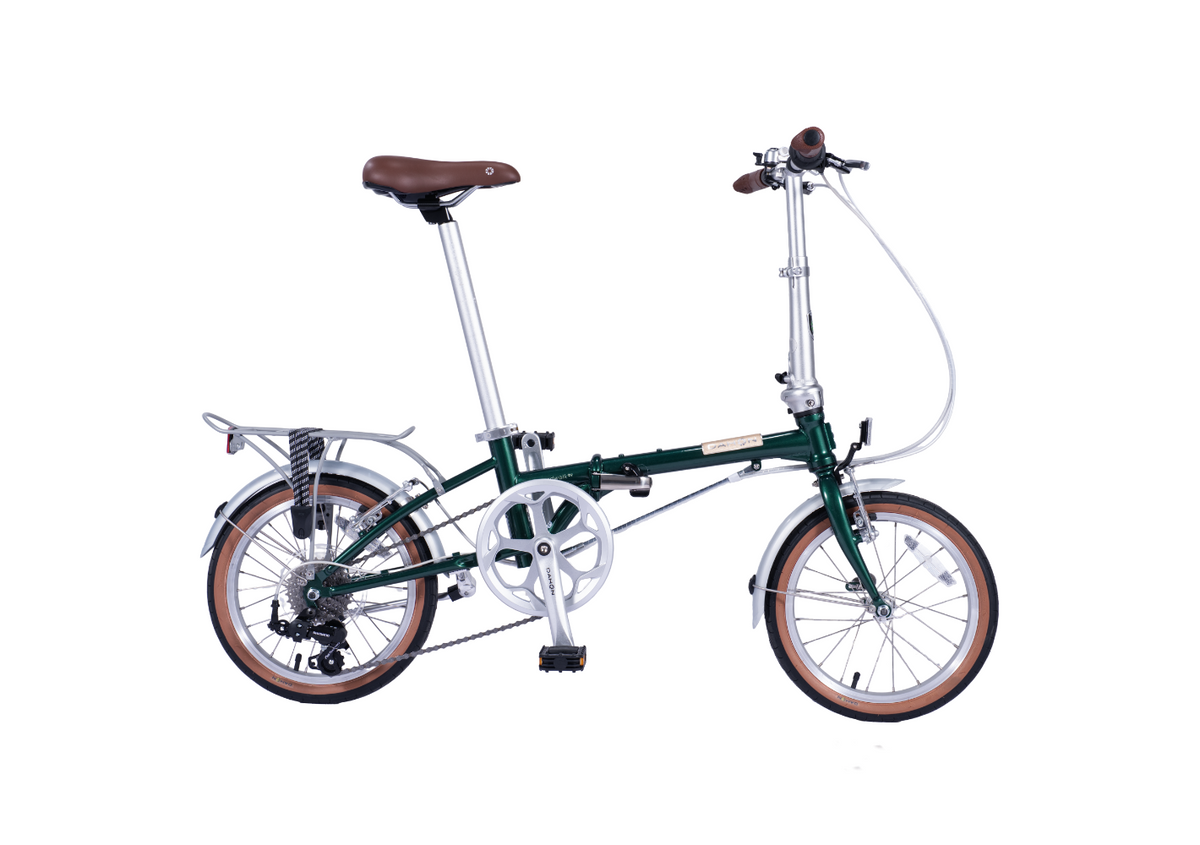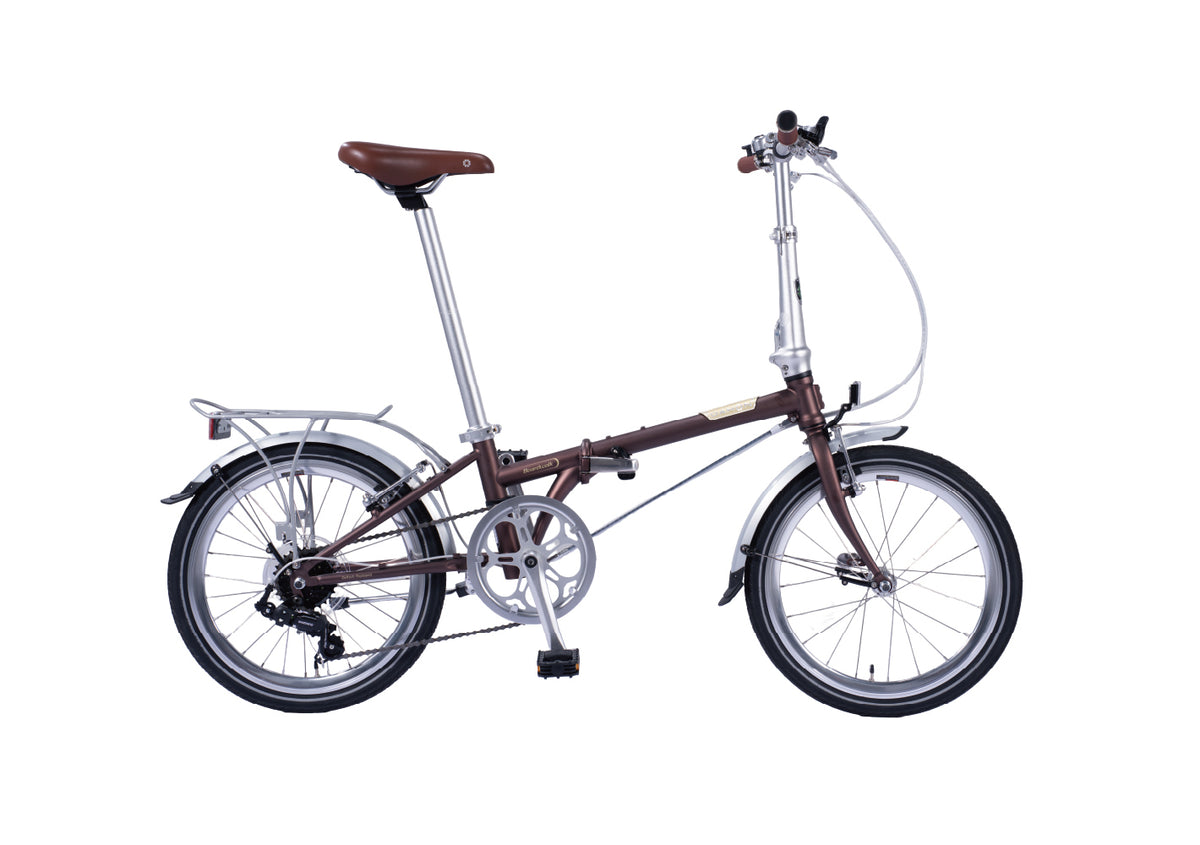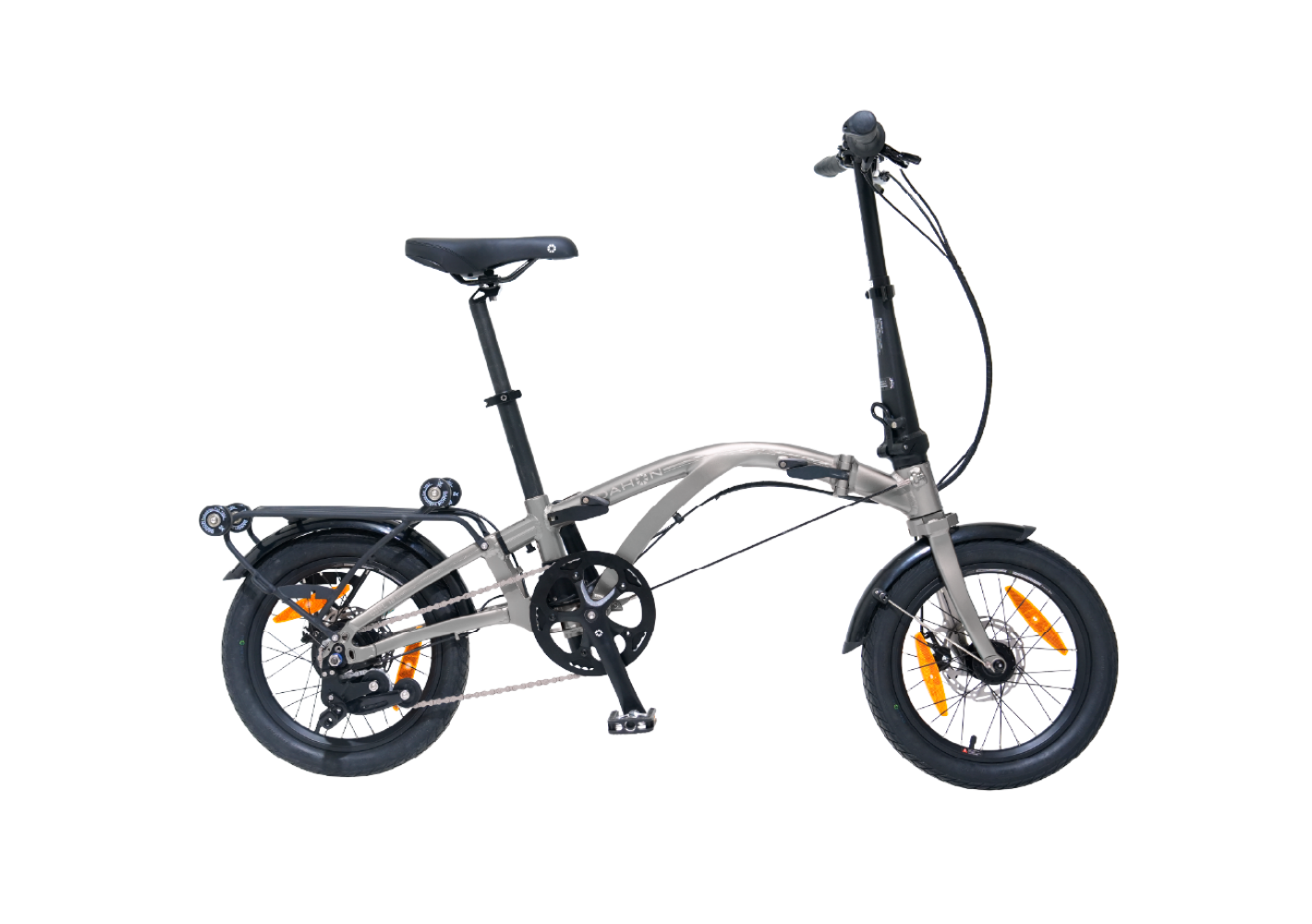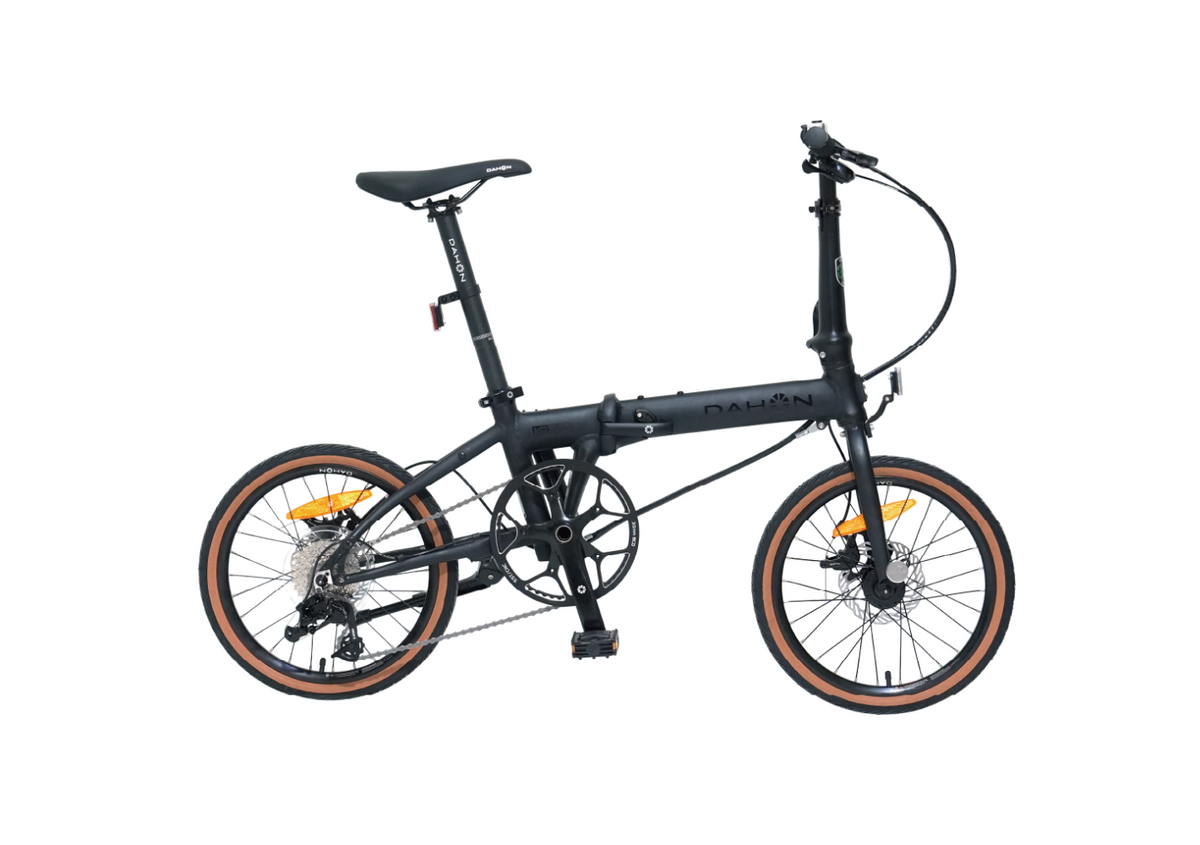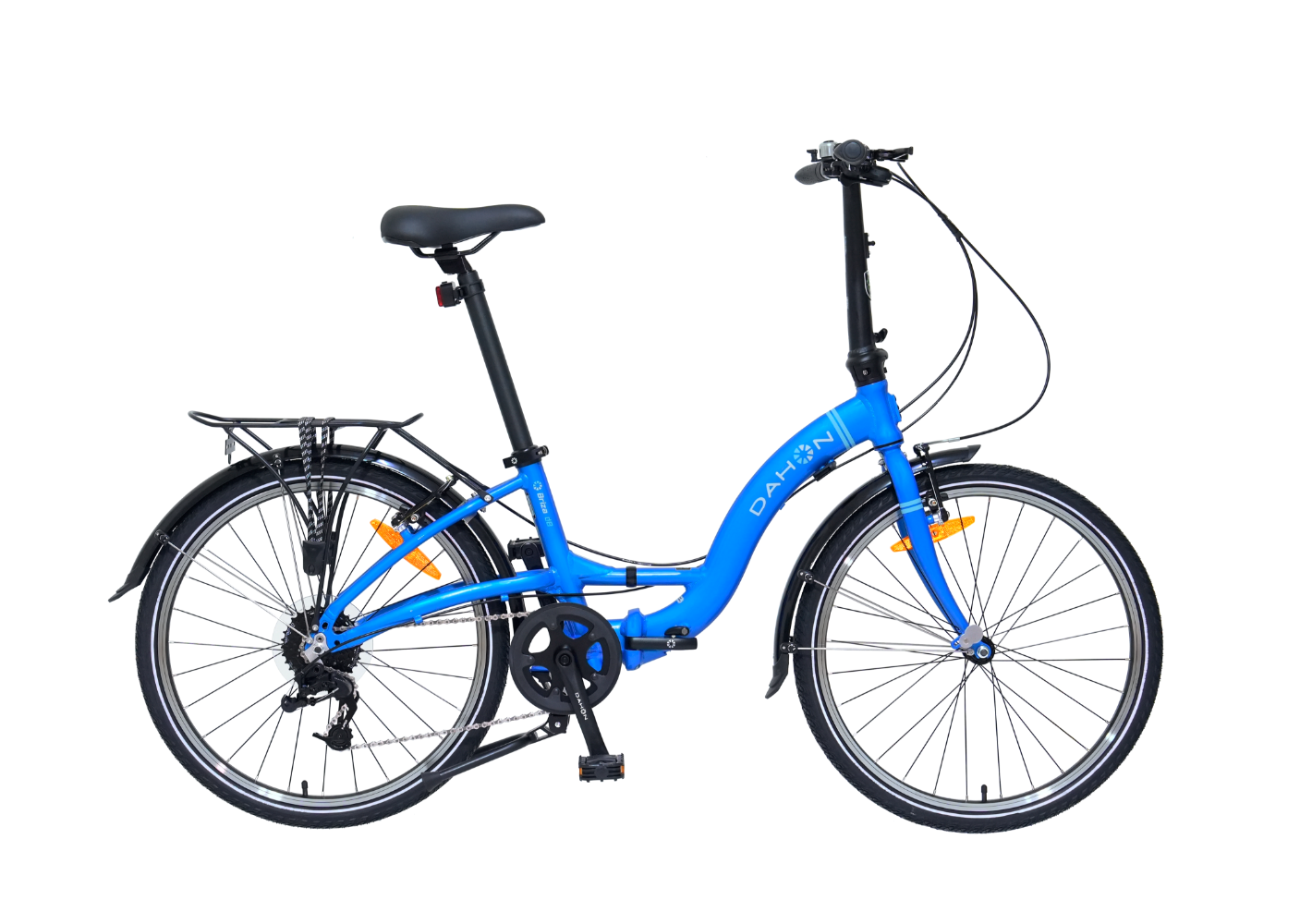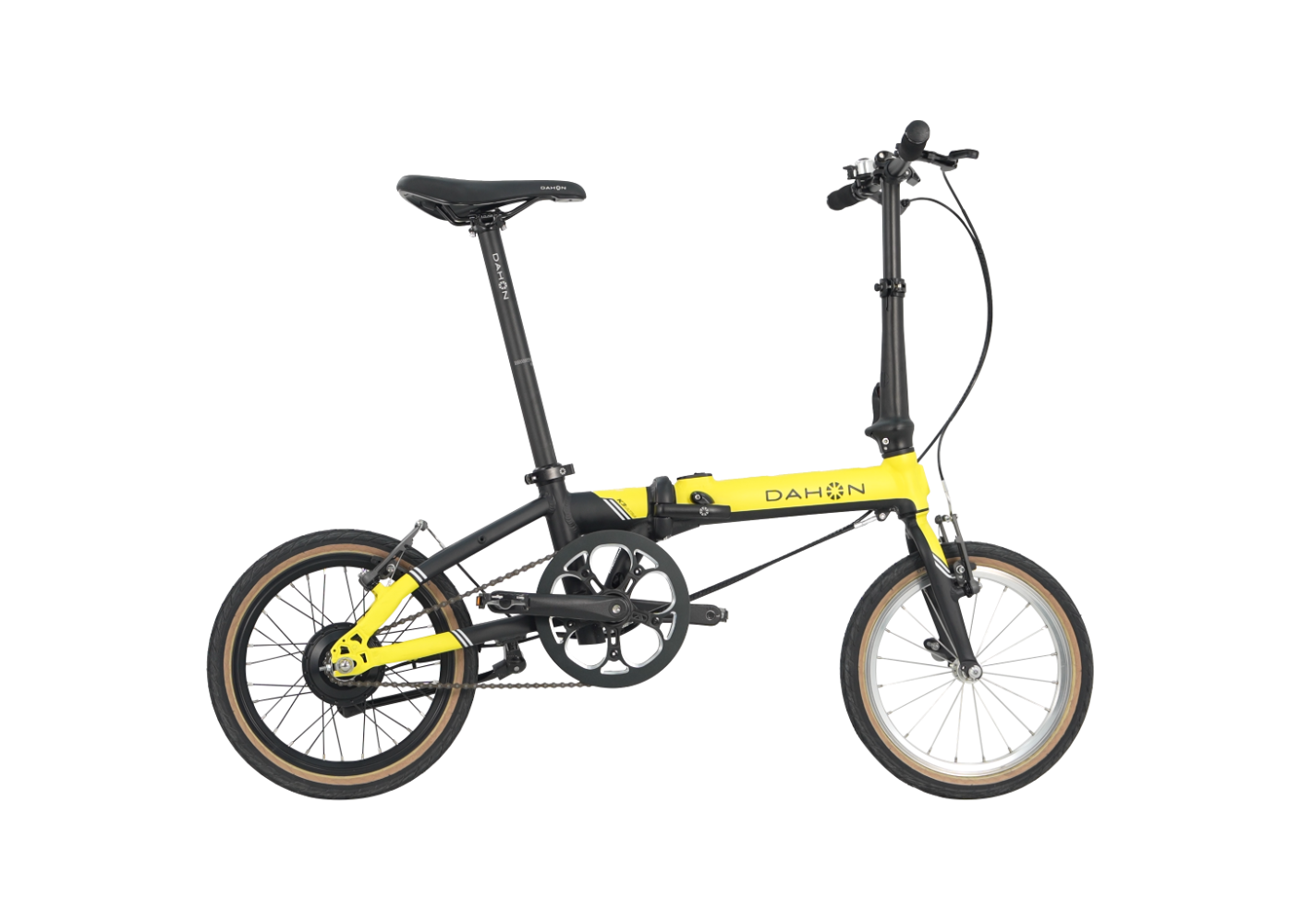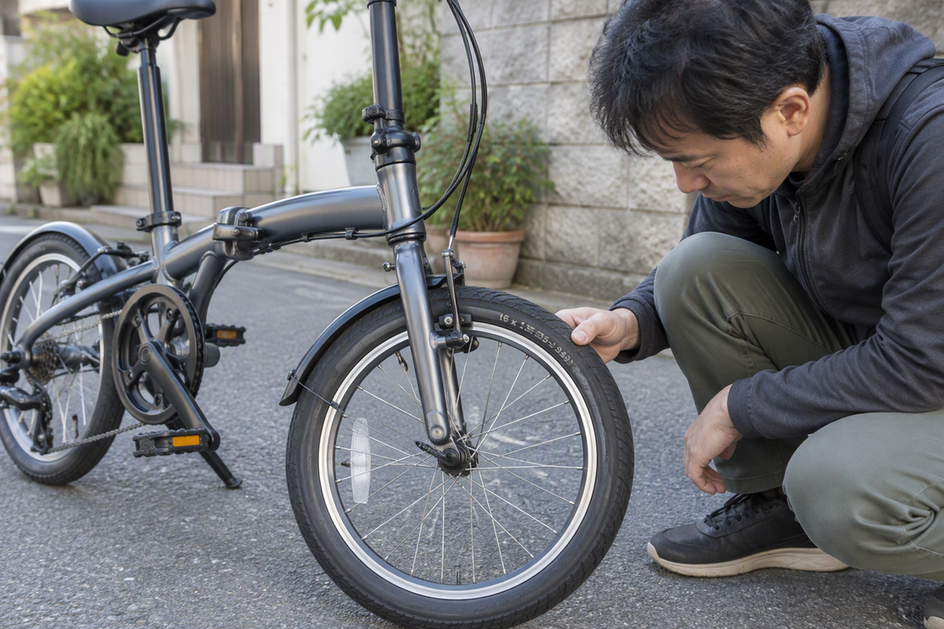
To choose the right folding bike inner tube, you need two matches. The tube's stated diameter and width range must cover the size printed on your tyre. Its valve must also suit the rim's valve hole and the depth of the rim.

The inch figure people use to describe a folding bike's wheels is not enough on its own. Check the tyre first, then the rim. If a marking is unclear, gather a few details and confirm the size before you buy.
Match the Tube to the Tyre's Marked Size
The tyre sidewall carries the size information that matters. Compare it with the range printed on the tube packaging or in the product specification.
Read the Tyre's Full Size Marking
Look on the side of the tyre for the full size marking, not just the inch figure. The second, usually larger ISO/ETRTO number is the bead-seat diameter. The tire and rim must have the same bead-seat diameter, but that match confirms diameter only; rim width, tire width, rim type and pressure limits must also be compatible.
An approximate inch label can describe more than one actual diameter. That is why it cannot confirm fit by itself. If the marking is worn, missing or in a format you cannot read with confidence, avoid guessing a conversion. Use the confirmation steps further down instead.
Compare the Tube's Stated Range
A tube package normally states the sizes it covers. Run these checks against your tyre marking:
- Diameter: Confirm that the tube manufacturer’s stated size range explicitly includes the tire’s full printed diameter and width. Do not assume compatibility from a similar inch label, but do not reject a tube solely because one nominal diameter differs if the manufacturer specifically lists your tire size as compatible.
- Width: your tyre's width should fall inside the tube's stated width range. Because tubes are elastic, one tube may fit a range of tyre widths. A tube that is too narrow for the tyre can be more susceptible to punctures and failures.
- Too wide: a tube made for wider tyres than yours may be difficult or impossible to fit inside the tyre casing and seat properly in the rim. Choose a range that includes your actual width rather than one that only comes close.
Choose a Valve Type and Stem Length for the Rim
Match the valve type to the hole in the rim, then pick a stem long enough for the rim's depth. The wheel size label tells you nothing about either check.

- Valve type: the rim's valve hole should match the tube's valve. Look at the valve on your current tube and the size of the hole it passes through. A Presta valve may be used in a rim drilled for a Schrader valve only with a suitable adapter sleeve, provided the valve is held securely and the rim or wheel manufacturer permits the arrangement. Treat that as a workaround for this one pairing, not a fix for every valve and hole combination.
- Rim depth: the valve length can vary and should be longer for tall or deep rims. Park Tool names 60 mm or 80 mm stems for rims with a very tall cross section. These are examples for very tall rims, not default lengths for a folding bike.
- Starting estimate: a technical guide from Velo suggests that, in most cases, rim height plus about 15 mm is a reasonable valve length, because the extra length gives the pump head room to attach. If your rim height is stated in centimetres, add 1.5 cm.
- Illustrative example: for a rim height of 25 mm, the estimate is 25 mm + 15 mm = 40 mm. The same guide gives 40 mm for low-profile rims of around 25 mm. If tubes are sold with fixed stem lengths, pick a listed length of at least your calculated target.
- Pump check: after fitting, confirm that your own pump head attaches firmly to the exposed valve. The 15 mm rule is a starting estimate rather than a guaranteed minimum for every rim, valve or pump. If the pump cannot attach, or you do not know the rim height, confirm the requirement from the rim or bike specification before you buy again.
When a Marking or Rim Detail Is Unclear
Gather the following details first. Then confirm the size from a source that covers your exact bike or rim.
- Full tyre marking: photograph the tyre sidewall and note every size number on it.
- Bike make and model: take these from the frame or your purchase documents.
- Rim identification: note any brand, model or size label printed on the rim, plus its height if stated.
- Current valve: record the valve type on your old tube and its stem length if it is printed.
- Confirmation: check the exact bike or rim manual, the manufacturer's information, or ask a qualified repair professional.
For a DAHON bike, you can contact our team with these details, or take the bike to a DAHON store near you. Our guide to standard and model-specific parts explains which replacement parts follow common standards and when a dealer or workshop is the better route.
FAQs
Can I use the size printed on my old tube?
It shows what was fitted before, which is a useful clue. It does not prove that the old tube matched the tyre that is on the wheel now, especially if the tyre has been replaced. Compare the printed range with the current tyre marking before you rely on it.
Is it worth carrying a spare folding bike inner tube?
A spare helps only if it already passes the size and valve checks for your wheels. Buy it at the same time as your replacement tube so both match. Our article on a compact roadside repair kit covers what else to pack and which repairs are realistic on the road.
Do I need a new tube if I fit wider tyres?
You need a different tube when the new tyre width falls outside your current tube's stated width range. A wider tyre also has to suit the rim and fit within the frame's clearance. Our guide to switching to wider balloon tyres explains how to check clearance, rim fit and manufacturer approval first.
Does the inch size on my folding bike tell me which tube to buy?
No. The inch figure is an approximate label and can cover more than one actual diameter. Buy by the tyre's full size marking and the tube's stated range, then match the valve to the rim.