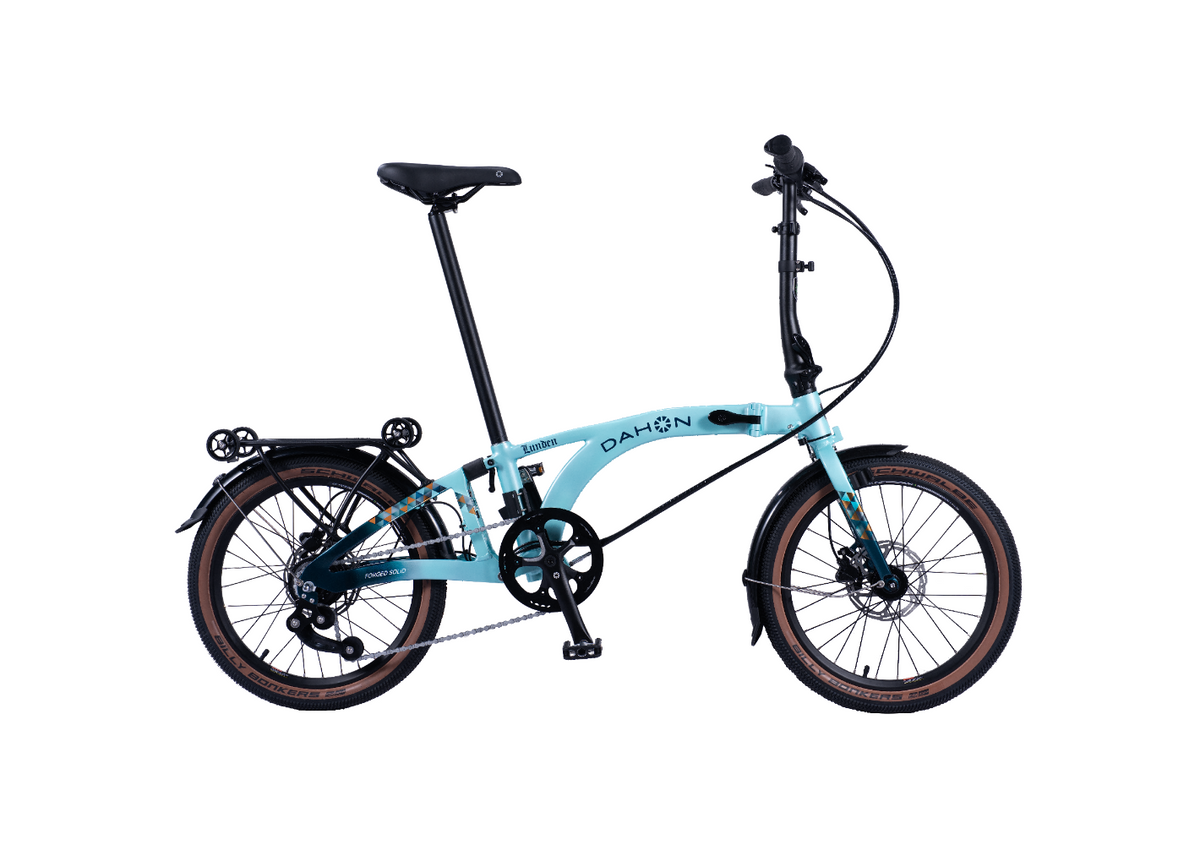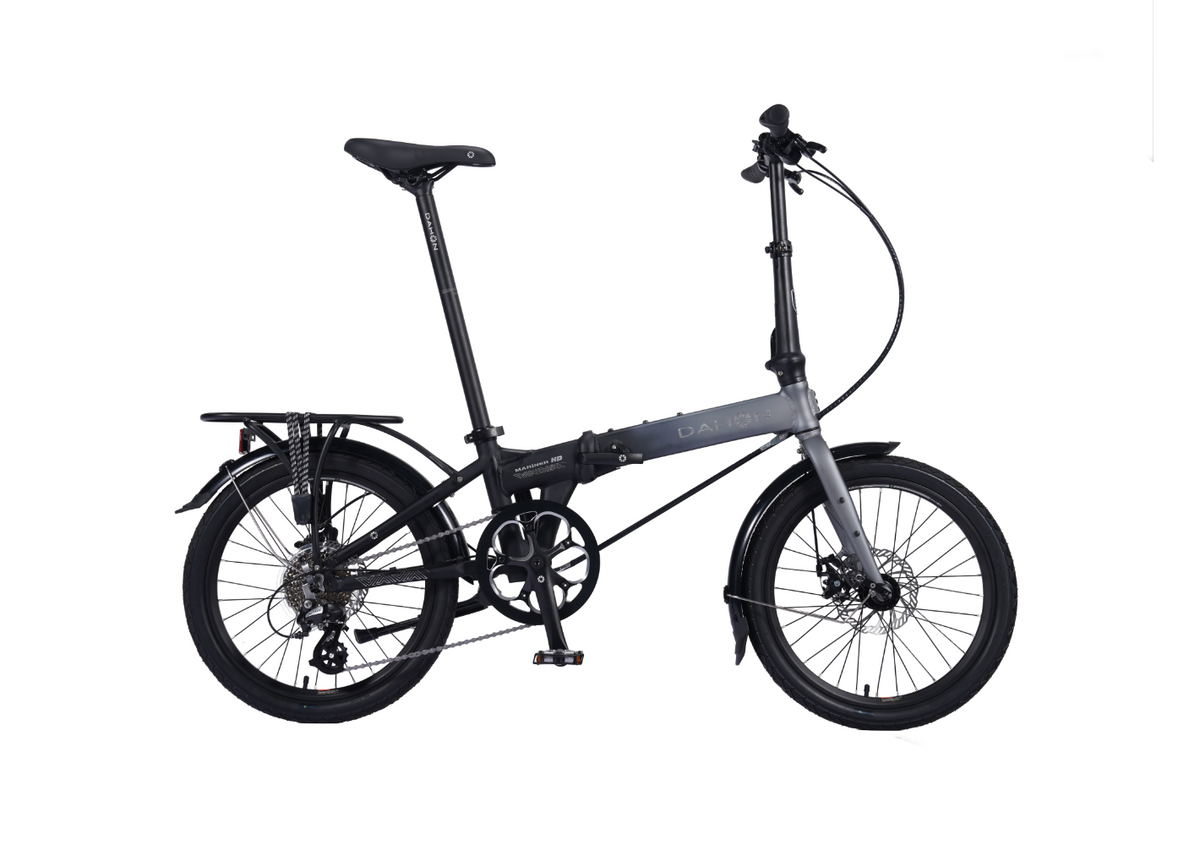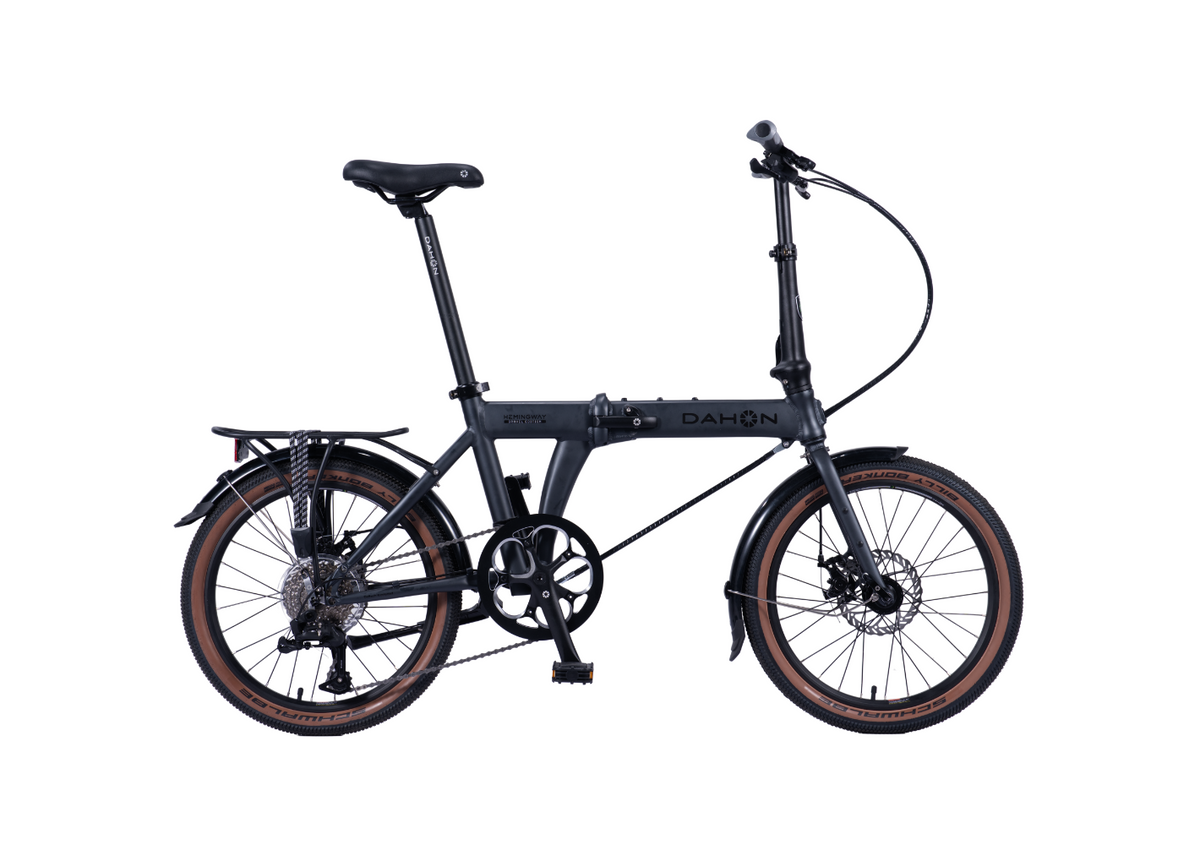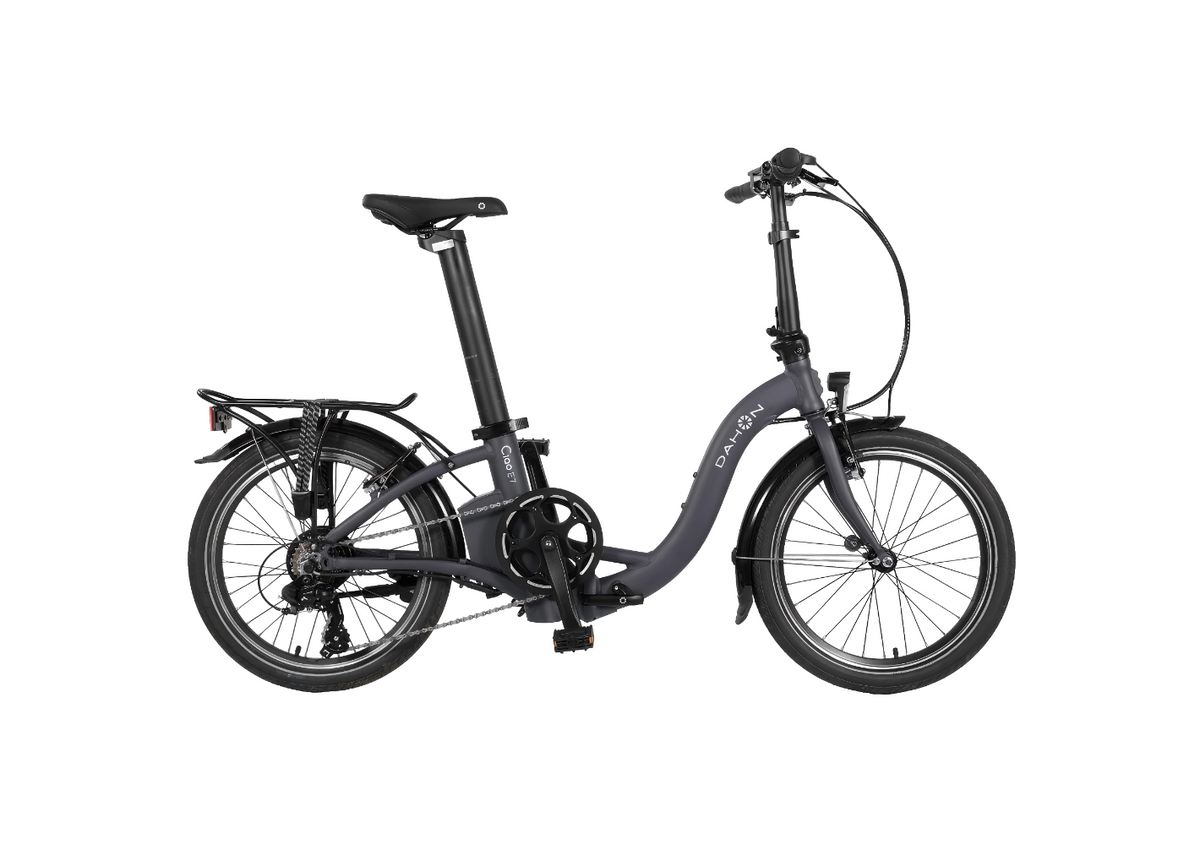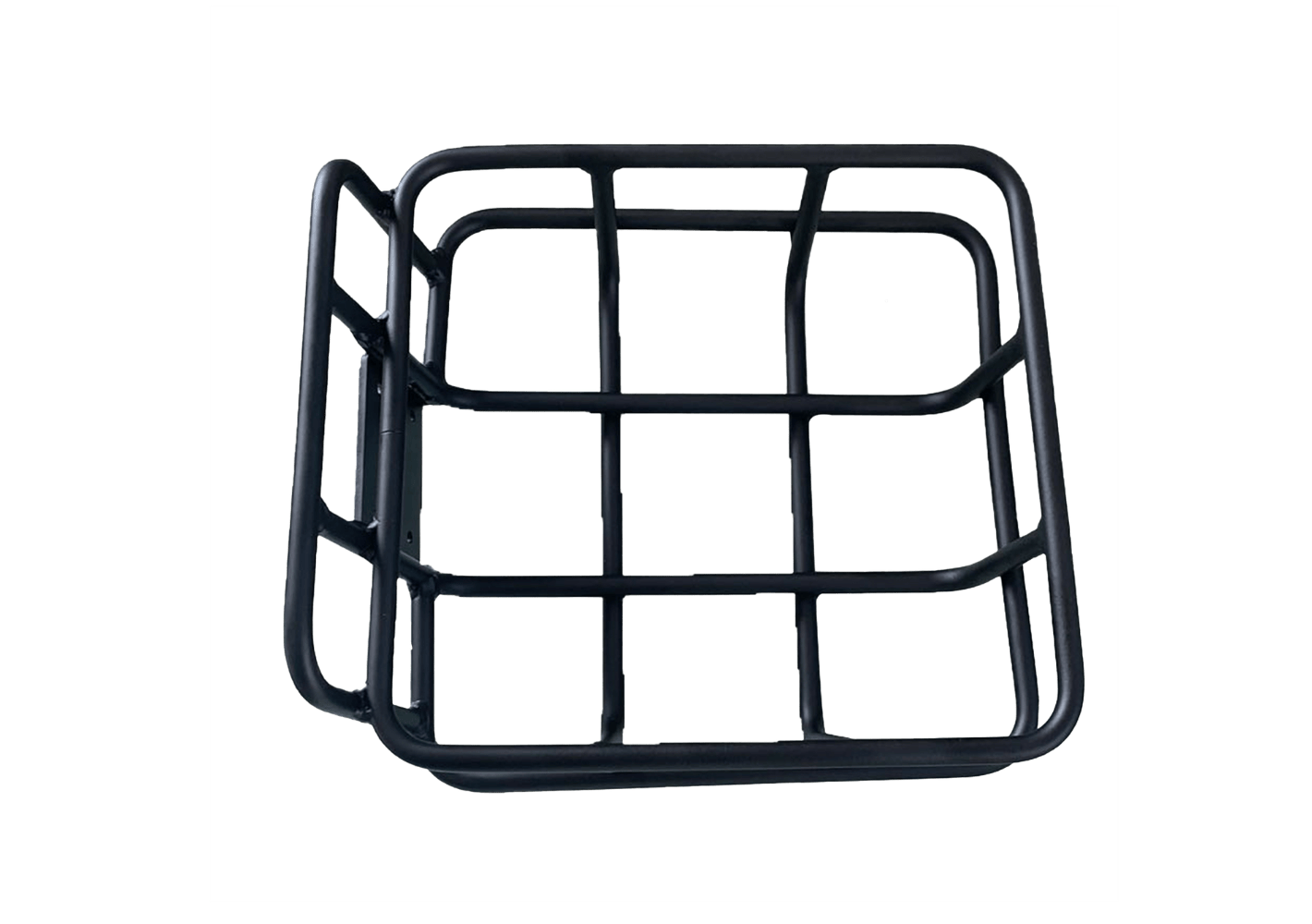
Front luggage on a folding bike can make shopping and the commute easier. Whether this solution fits your daily life is shown by a comparison: First, classify the model and mounting, then ride without accessories and with an empty front solution, and repeat the test with realistic load. Afterwards, check the folding process first without load and only with load if the manufacturer's documentation explicitly allows it.

Classify the Front Solution and Define the Test
For front luggage on a folding bike, the complete combination of folding bike, mount, fastening, luggage, and load counts. Clarify this assignment before mounting and define three comparable test states: without accessories, with an empty mounted front solution, and with realistic everyday loading.
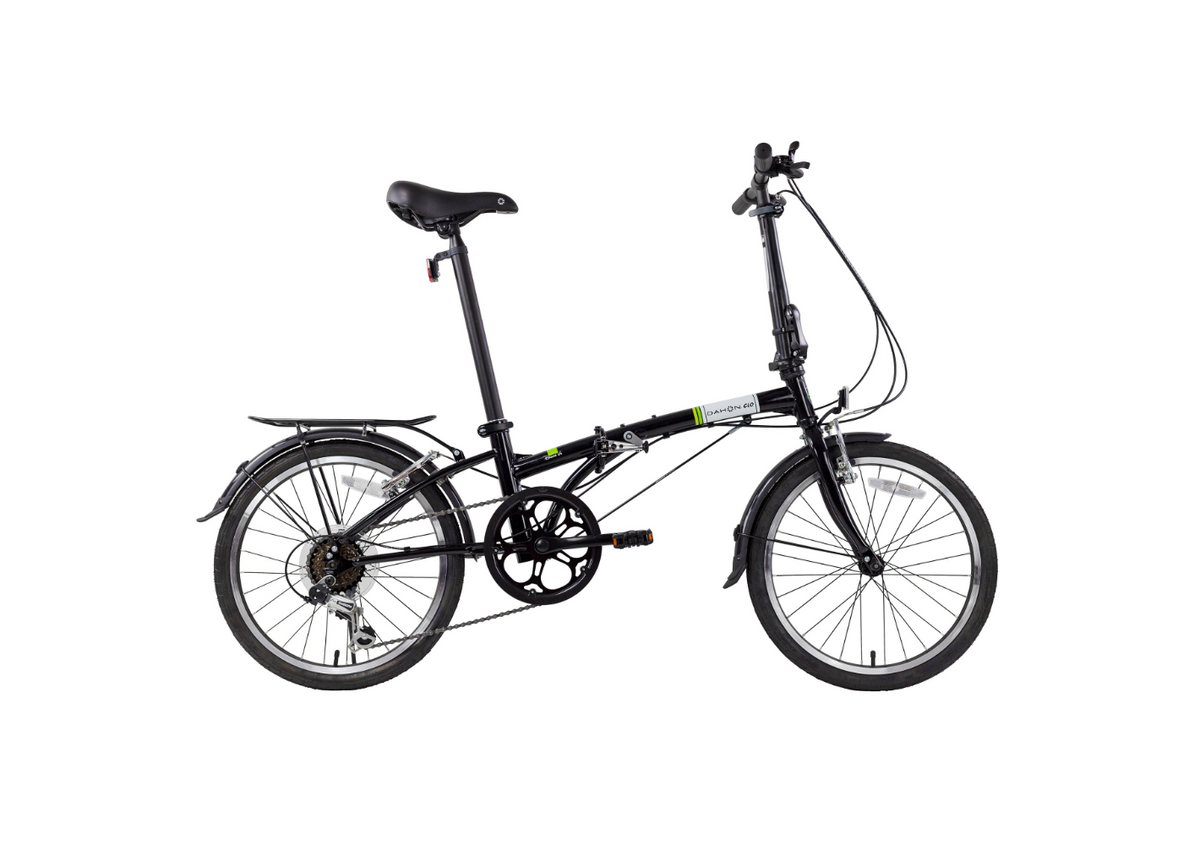
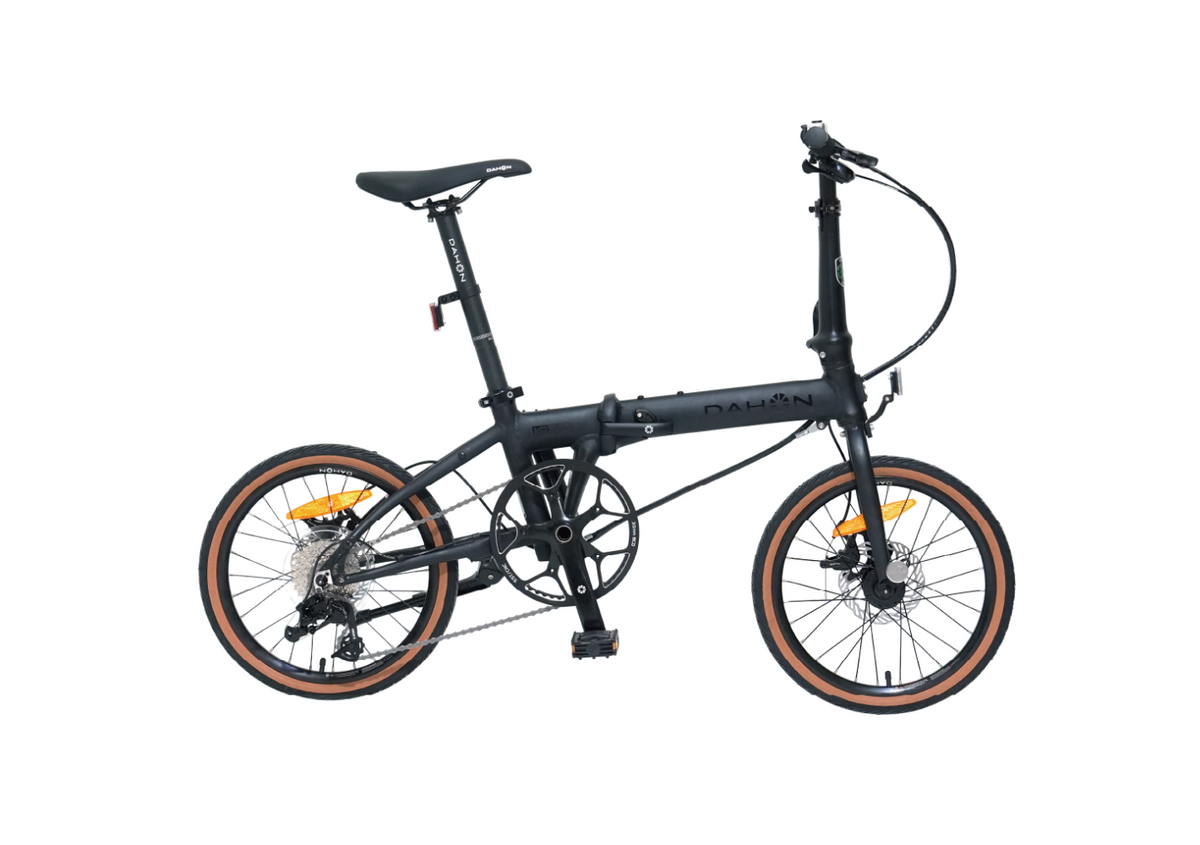
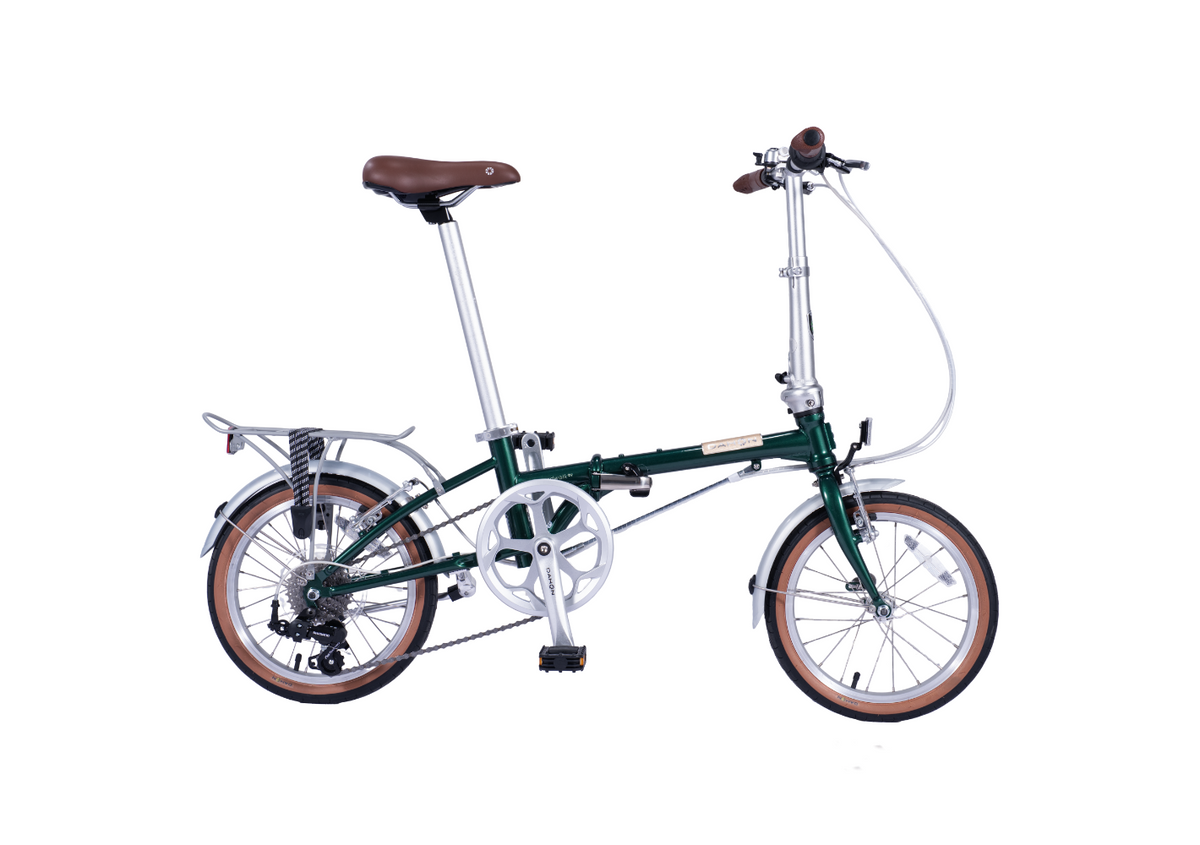
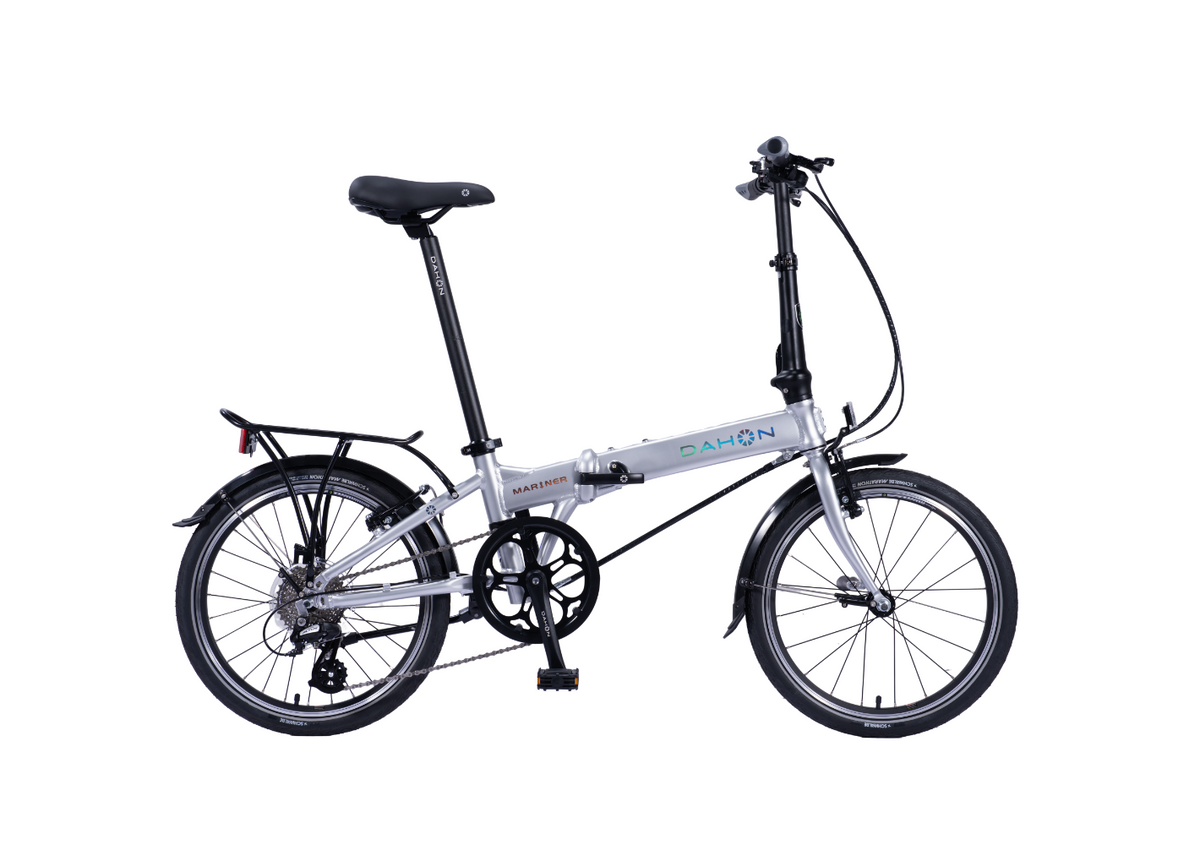
- Record the model and model generation: Note the exact name of your DAHON folding bike. Older model generations can differ in terms of mount and accessories.
- Assign the fastening and luggage: According to the product page, the DAHON Valet Truss is intended for front racks and cargo baskets on DAHON folding bikes. The page also points to possible incompatibilities with older models. Use this information as a starting point and cross-check the specific combination with your model's documentation.
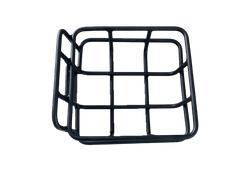
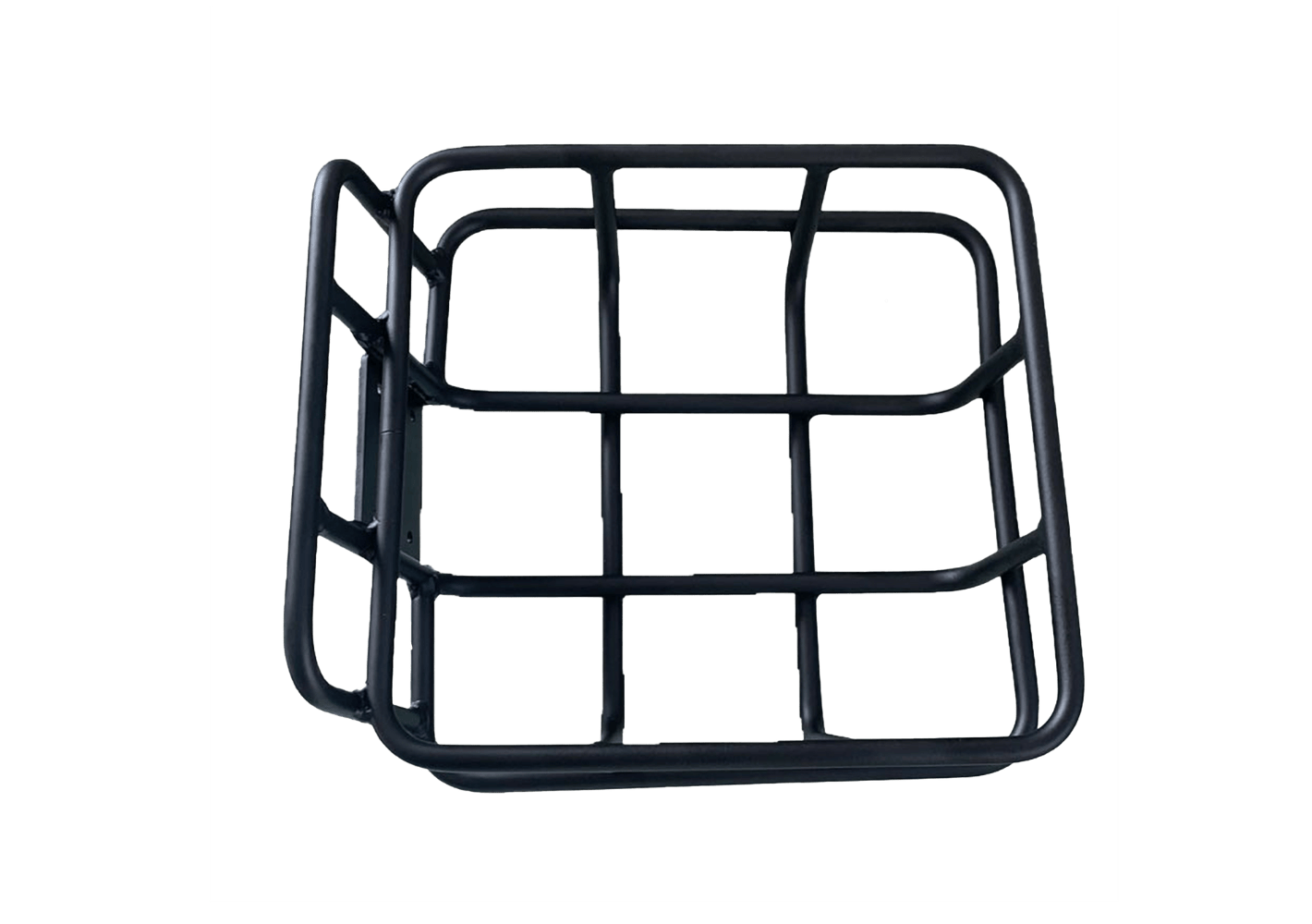
- Check the accessory combination: The Aluminum Cargo Basket is described for front or rear racks. Also assign the mount, clearance, dimensions, load ratings, and folding path for your bike. The specific model approval results from this cross-check.
- Confirm load ratings separately: Document the permissible front load for exactly this combination and additionally the permissible total weight in the owner's manual or accessory documentation. The total weight includes the bike, the rider, and luggage; the front load is a separate figure.
- Prepare three states: Compare the same folding bike without accessories, with an empty mounted front solution, and with the planned work or shopping load. Use as far as possible the same seating position, the same short test route, and the same observation points.
For a clear test basis, have the model assignment, front load, and folding sequence confirmed by DAHON, an authorized dealer, or as part of a demonstration before purchase or mounting, if the documentation does not conclusively describe this combination.

Test the Folding Bike First with an Empty Front Solution
An empty front solution serves as a reference for the later load comparison. First ride without front luggage, then with a correctly fastened, empty basket or empty bag on a short, clear section with little traffic.
- Ride the baseline state: With no front accessories, start off calmly, ride through slow curves, turn, brake, and do a U-turn. Note specific observations such as extra steering corrections or a changed steering angle.
- Check the empty solution: Before setting off, check that the fastening, brakes, controls, and handlebar movement work freely. Also watch whether the basket or bag changes the balance when you stop.
- Repeat the comparison: Repeat starting, curves, turning, braking, and U-turns with the empty front solution under as similar conditions as possible. This makes it easier to recognize whether a change is actually related to the mounting.
- Record the result: Write down whether steering, balance, steering angle, or stopping changed compared with the state without accessories. Attribute the observation to the tested combination, not to a general property of every folding bike.
- Use control as a prerequisite: If the fastening is unclear or the brakes, handlebar movement, or control are restricted, end the test and clearly restore the fastening before the loading stage.
The ADFC recommends including luggage in the test ride. Use this note as an experimental setup and continue to assign the specific accessory combination to the manufacturer's documentation. You can prepare further everyday tests with the article on preparing a folding bike test ride.
Check Front Luggage on a Folding Bike for Steering, Visibility, and Center of Gravity
Realistic everyday load determines whether riding behavior with a front basket on a folding bike fits your commute or shopping. Pack the bag or basket as in everyday life and only add load in traceable stages within the previously confirmed manufacturer limit.
Reproduce the Planned Everyday Load in Stages
Start with the smaller planned load and add only as much as the confirmed data for model, fastening, and luggage allows. After each stage, check that the fastening holds, nothing slips, or is loaded on one side. Keep the same realistic load ready for the later folding check, if manufacturer data and the intended folding sequence allow it.
The permissible total weight includes the bike, the rider, and luggage. The ADFC refers to the owner's manual of the bike for the specific limit. Consider this total figure in addition to the separate check of the front load. A light and as evenly distributed as possible front load can be a useful packing guideline, but is not a DAHON front-load limit.
Observe Steering, Visibility, and Controls Separately
Attribute each change to a specific load stage. Start off slowly, repeat curves and U-turns, and watch whether you steer against more strongly, the steering angle is limited earlier, or the balance feels different when stopping. Evaluate the result for your specific combination.
From the normal seating position, check the immediate field of view. The basket, bag, and contents should not adversely affect your view of the road. Also check the free handlebar movement and the reachability of brake levers, gears, and lighting. The following qualitative matrix helps with the assessment:
| Test State | Observe | Consequence if Result Is Unfavorable |
|---|---|---|
| Without accessories | Steering corrections, U-turns, braking, and visibility as a reference | Record the reference for the two following states |
| Empty front solution | Fastening, balance, steering angle, and free controls | Clarify fastening and assignment before loading |
| Realistic load | Slipping, one-sided loading, steering, visibility, center of gravity, and controls | Keep the load at this level or redistribute the luggage |
If the realistic load adversely changes the field of view, controls, handlebar movement, or control, plan a different luggage position. One option may be to use the front solution with less content and distribute additional items elsewhere on the folding bike. Then re-check the complete everyday situation.
Repeat the Folding Sequence with Mounted and Loaded Front Luggage
The folding process must be reproduced with exactly the combination you want to use in everyday life. Have the folding instructions for your DAHON model ready and repeat the intended movement first empty, then with the permissible realistic load, slowly and without force.
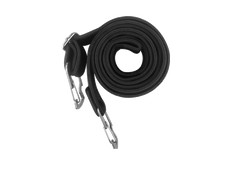
- Have the model's folding sequence ready: Your model's instructions determine whether the Valet Truss, quick coupler, basket, or bag may remain mounted when folding or must be removed. Supplementary notes on the front basket classify the product description and further check criteria.
- Fold with empty mounted: Perform the model-appropriate folding sequence with the mounted, empty front solution. Observe the basket, bag, coupler, handlebar, cables, and frame.
- Repeat with realistic load: Repeat the folding movement with the planned permissible everyday load, if the manufacturer's documentation provides for this combination. Watch for contact, pinched straps, resistance, and whether removal is required.
- Check carrying and stowing: Lift the folded bike, carry it over the intended short distance, and stow it where you would park or transport it in everyday life.
With front luggage on a folding bike, contact or resistance is a stop signal. Stop the folding movement and clarify the model, system, and accessory assignment using the respective instructions before continuing. The folding path with luggage can differ depending on the specific model.
Decide on Luggage Distribution After the Ride and Folding Test
Make the decision based on three results: confirmed assignment, controllable realistic load, and a traceable folding process. One of three actions follows from this.
- Use the front solution: Choose this option if the model and system are confirmed, the realistic load does not adversely change your control and visibility, and the folding sequence remains traceable without unclear contact.
- Distribute the luggage differently: Choose a different position or lower front loading if steering, balance, visibility, controls, or regular folding become noticeably more difficult in everyday life.
- Confirm the assignment: Obtain confirmation before ordering or regular use if the model approval, permissible front load, or folding sequence do not yet form a clear test basis. Until then, do not use a higher front load.
Briefly record the result of your test in writing. This lets you compare at a later loading whether you are using the same combination of folding bike, fastening, and luggage. If there is an unfavorable change, choose confirmation or a different luggage distribution as the next step.
Frequently Asked Questions
How does front luggage change the riding behavior of a folding bike?
Depending on the fastening, position, and load, front luggage can make steering, balance, and steering angle feel different. For this reason, ride without accessories, with an empty mounted solution, and with realistic loading on comparable routes. Note specific steering corrections and decide on a different luggage distribution if control is unfavorable.
How much front load may I carry on my folding bike?
The authoritative kilogram figure comes from the manufacturer's documentation for the combination of folding bike, fastening, and front luggage. Confirm the permissible front load for your model there and also consider the permissible total weight of bike, person, and luggage. For reliable use, obtain confirmation in advance if the figure is missing from the documentation.
How do I test visibility with a front basket on a folding bike?
Pack the basket as for the commute or shopping and check the immediate field of view from your normal seating position. Also check the free handlebar movement as well as the brake levers, gears, and lighting. If the basket, bag, or contents adversely affect control, redistribute the luggage.
Can I fold with mounted front luggage?
Your specific model's instructions, together with the information on fastening, luggage, and load, specify the appropriate folding sequence. Perform the intended movement first empty and then slowly with the permissible realistic load. If components collide or resistance occurs, stop and clarify whether the front solution must be removed or the combination assigned differently.