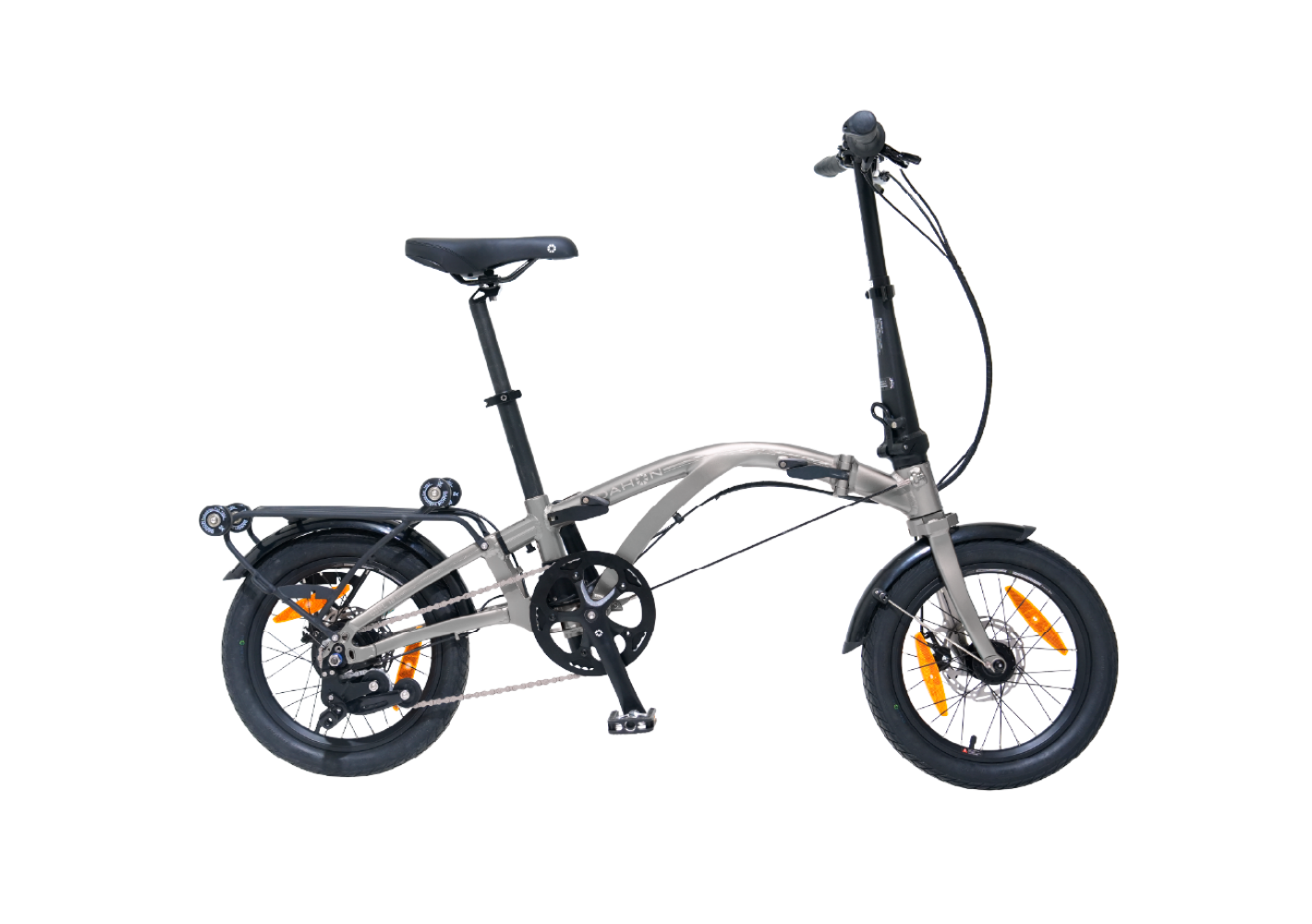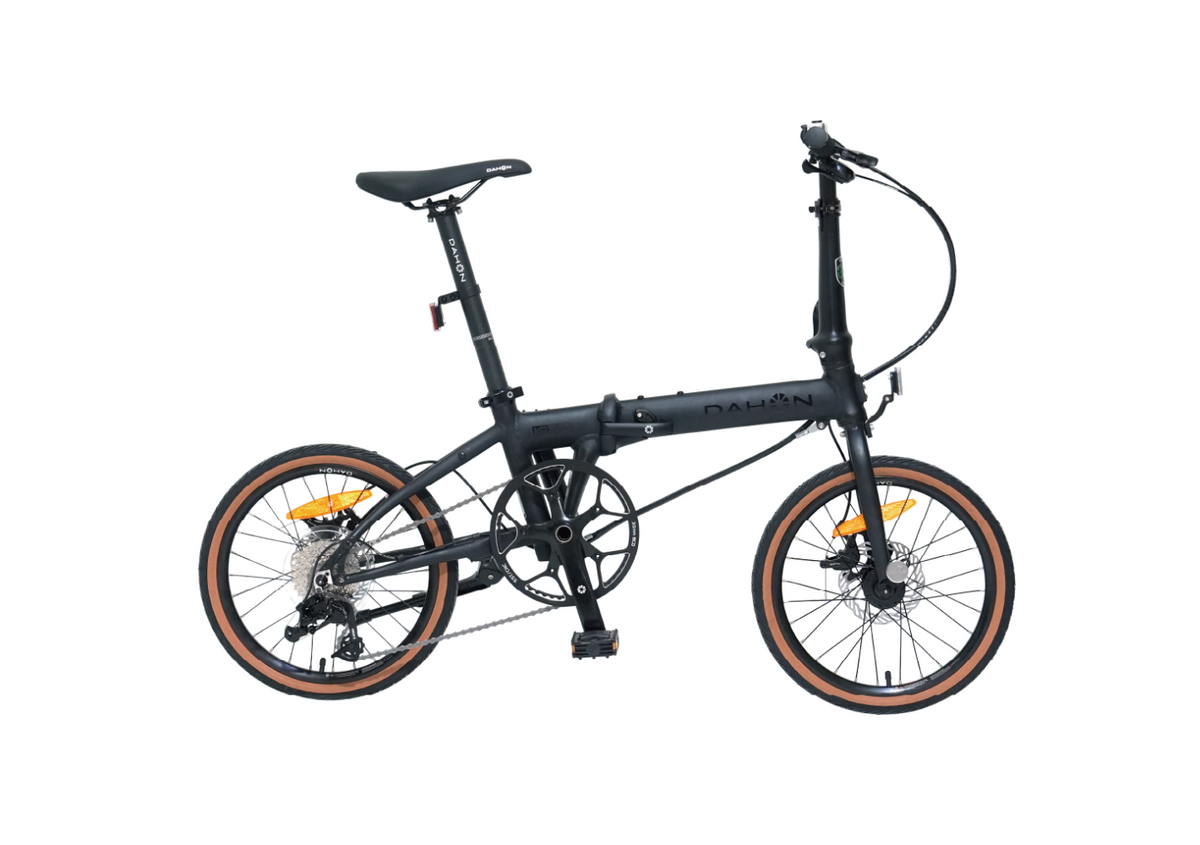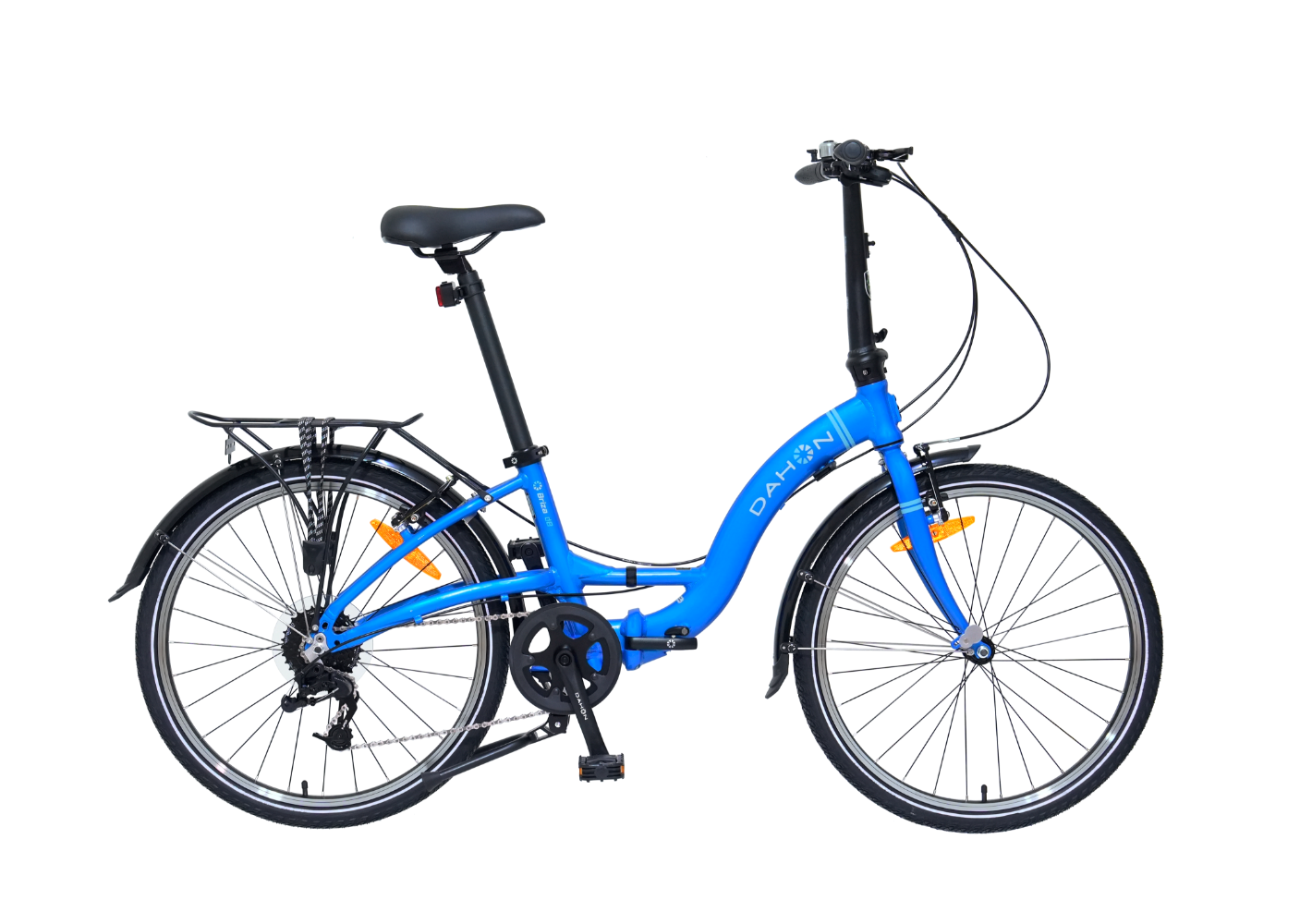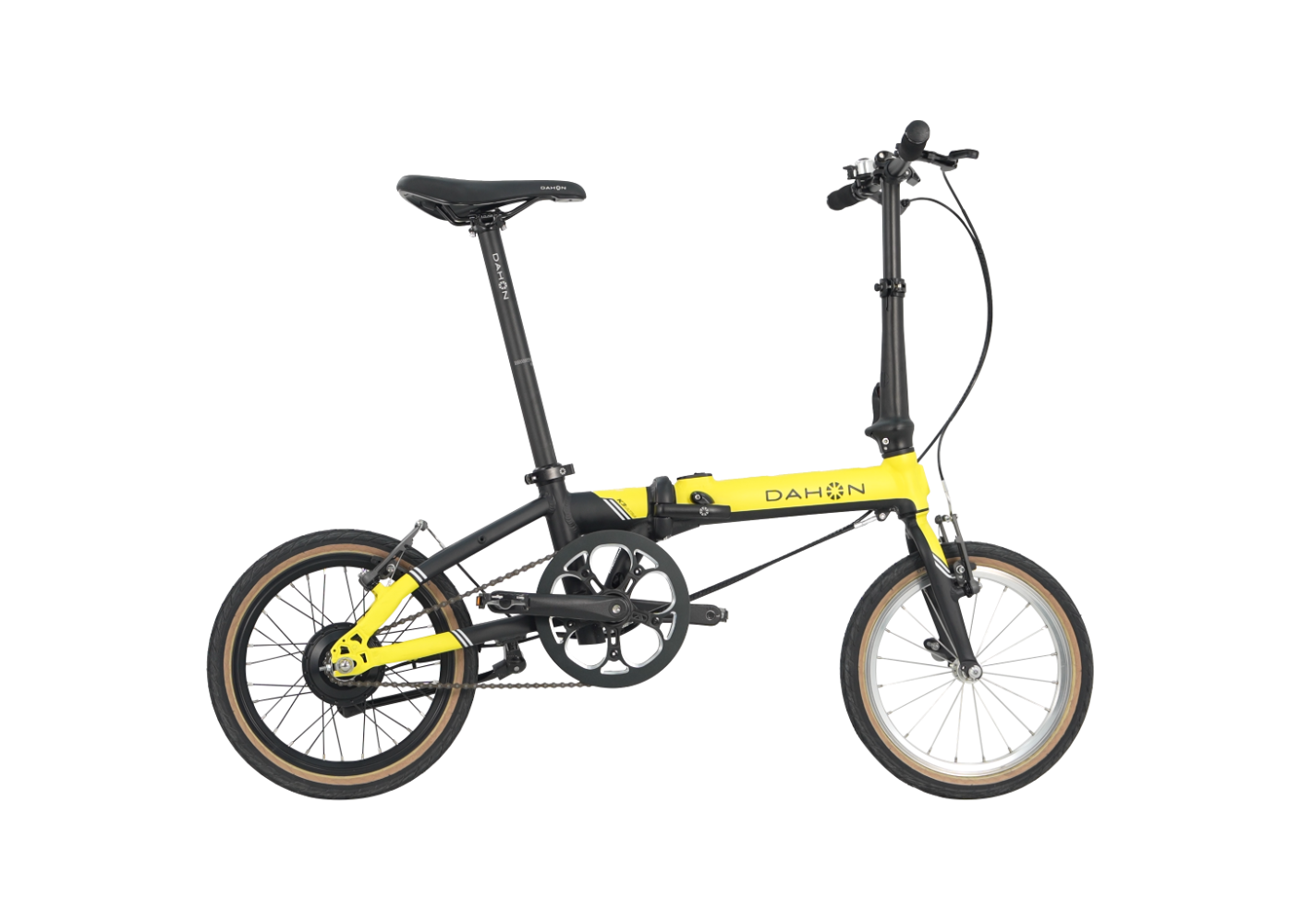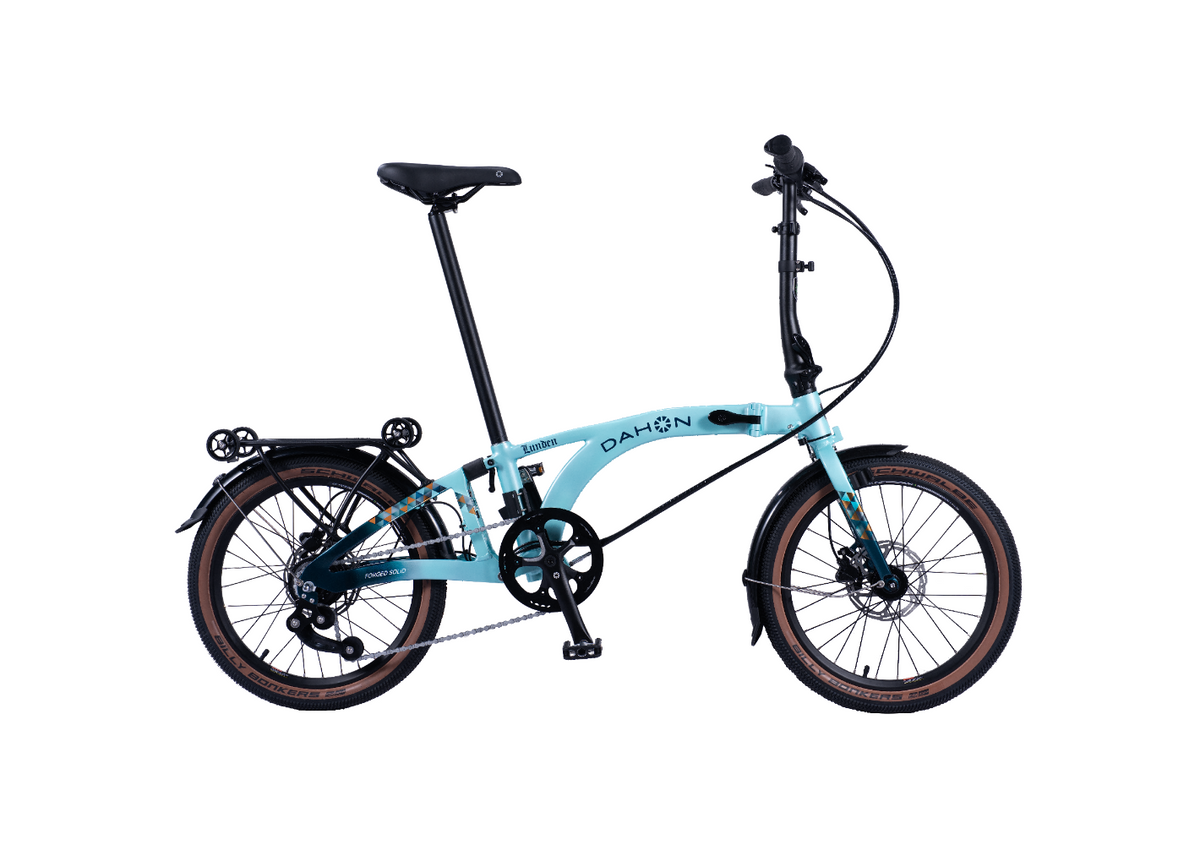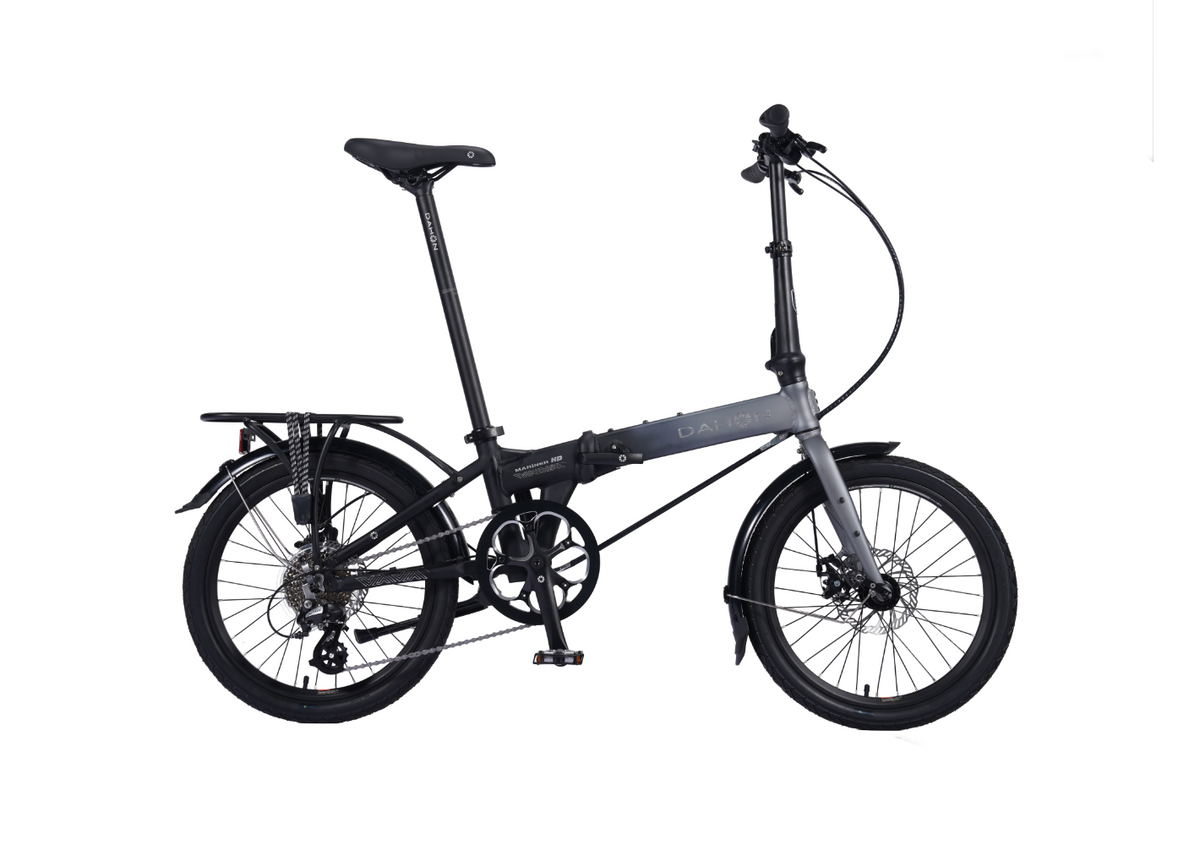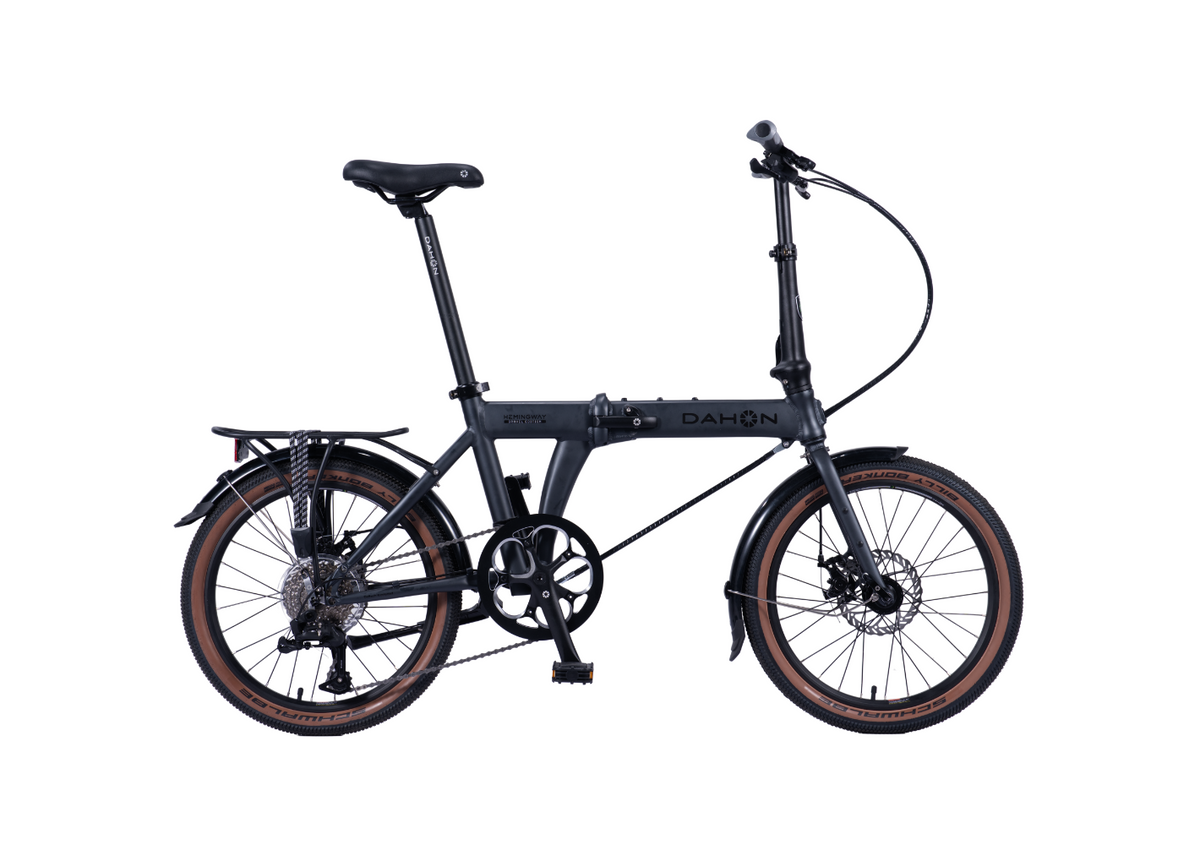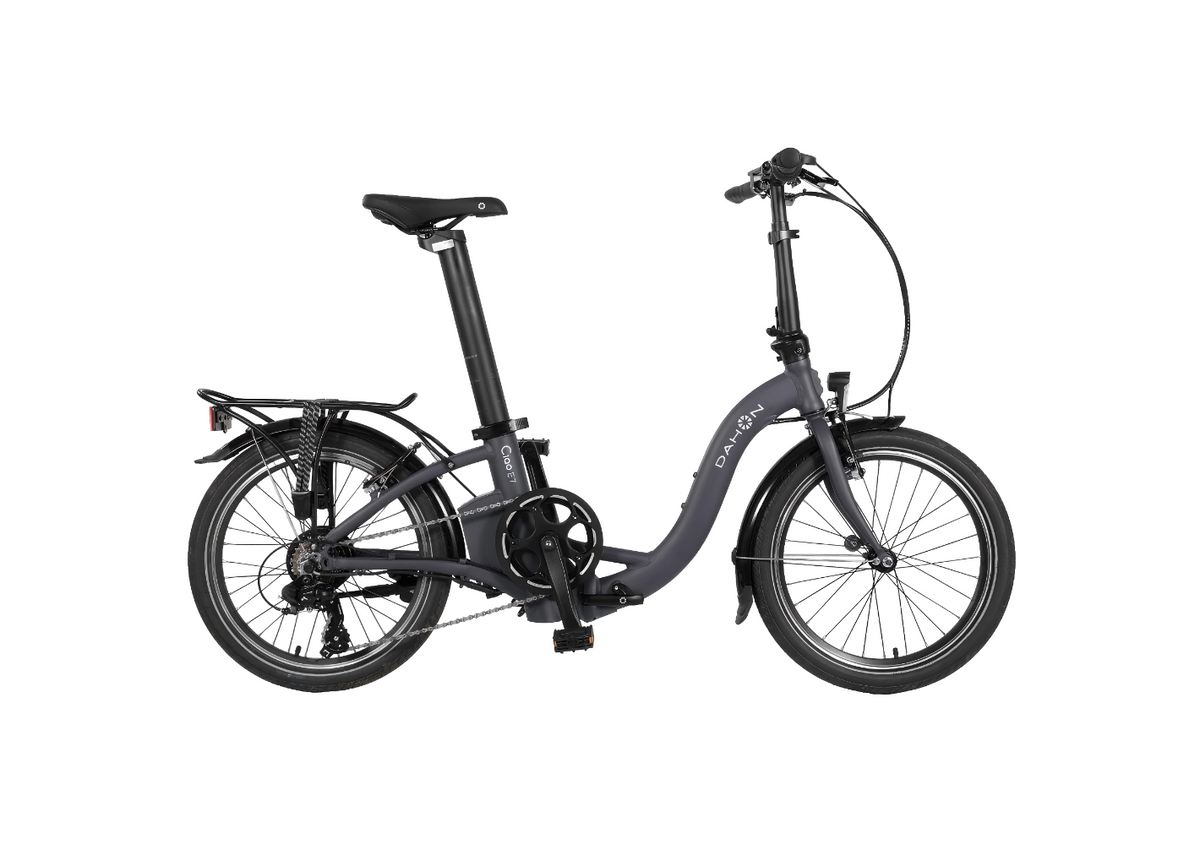
When you charge an e-folding bike on holiday, plan five points together for every travel day: route, expected use of the motor, return time, a confirmed charging location, and a reachable backup option. This way, trip planning relies on concrete information rather than a blanket range or charging-time assumption. For your e-folding bike on the road, accommodation, transport, and a failure plan belong in the same travel note.

Charging an E-Folding Bike on Holiday: Set a Charging Plan for Every Travel Day
A reliable charging plan starts with the daily routine, not with a single range figure. Before setting off, decide where you can charge the e-folding bike and what decision applies if that location fails.
- Record the route and return: For each holiday day, note the planned route, the expected use of the electric drive, and the return time to the accommodation. A day tour with a return to a known charging option is easier to assess than several unresolved intermediate stops.
- Assess the charging demand qualitatively: Take into account climbs, detours, headwinds, luggage, and delays. Keep range figures model-specific and align the plan with the return and the charging location. For this reason, plan route, return time, and charging location together.
- Set the main charging location and time: Assign a concrete, confirmed charging location to the daily routine, such as the accommodation after returning or an explicitly approved charging point along the way. The charging time must fit your presence and the operator's rules.
- Add a backup and fallback location: Note a reachable alternative, such as a confirmed external charging location or a shortened tour with an earlier return. If the main and fallback options are not yet fixed, use the known return option as the planning basis and assign the tour to that option.
- Check the manual and conditions: Before departure, verify the specific model, the intended charger, the charging location, and the accommodation's rules. Note any open points in the failure plan. For a supplementary overview, you can plan charging time and location and only adopt the values there if they match your specific model.
Coordinate the Charging Location with Accommodation, Campsite, or Motorhome
The right charging situation depends on the operator, the surroundings, and the specific electrical system. Confirm the intended location before plugging in, because charging approval results from operator rules, the charging environment, and technical suitability.
Hotel, Guesthouse, and Holiday Apartment
Ask before arrival whether charging is allowed, where a dry and protected charging location is, and how the folding bike should be stored. Also clarify house rules for charging in occupied rooms and whether the battery must be supervised during charging. The ADFC recommends protected charging locations for hospitality businesses and keeping escape and emergency routes clear in its recommendations for protected charging locations. For your stay, follow the accommodation's house rules. If the requirements differ, agree on a confirmed external charging location. Keep escape and emergency routes clear.
Campsite, Tent, and Parking Pitch
Clarify with the operator which connection is intended for your specific charger and whether charging at the pitch is allowed. The connection, weather protection, dry surroundings, and storage option must fit together. Use an outdoor socket only after this coordination. If the connection is open or moisture protection is unresolved, choose another approved charging location.
Motorhome and Caravan
Assess on-board power, the charger, the vehicle manual, and the available energy reserve together. Plan the suitability of the mobile electrical system based on this vehicle and system data. The technical classification depends on several vehicle and system data points, as a guide to charging in a motorhome also illustrates. If individual details are missing, plan with shore power or an externally confirmed charging location.
Assign Battery, Charger, and Transport to Your Specific E-Folding Bike
Before the trip, assign each component to the specific model and the chosen mode of transport, and use the intended or model-manual-approved charger. A dry, suitable charging environment is also part of the preparation; adopt concrete temperature limits only from the model manual. For choosing a charger, the Bavarian Consumer Advice Centre recommendation applies: the specific assignment is made via the model manual and the matching system.
| Component | Check Before Departure | Derive From It |
|---|---|---|
| Battery | Model, system data, connections, and manual specifications | Take the clearly assigned battery with you and transport it protected |
| Charger | Designation, approval for the specific system, and charging environment | Plan a charger intended for the system |
| Folding bike | Folded dimensions, weight, folding mechanism, and storage option | Prepare suitable storage space in car, train, and accommodation |
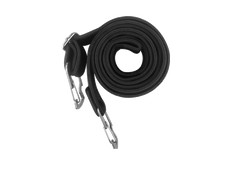
| Transport accessories | Vehicle, traffic, and operator conditions as well as protection during transport | Stow the battery, charger, and folding bike according to the respective requirements |
Different checks apply for car and train. By car, cross-check rack, vehicle, and manufacturer specifications and stow a removable battery protected in the interior, if this is intended for your model. By train, check the conditions of the respective transport operator. The Bosch notes on battery transport by car and train serve as background for Bosch systems; DAHON assignment is made via the respective model manual.

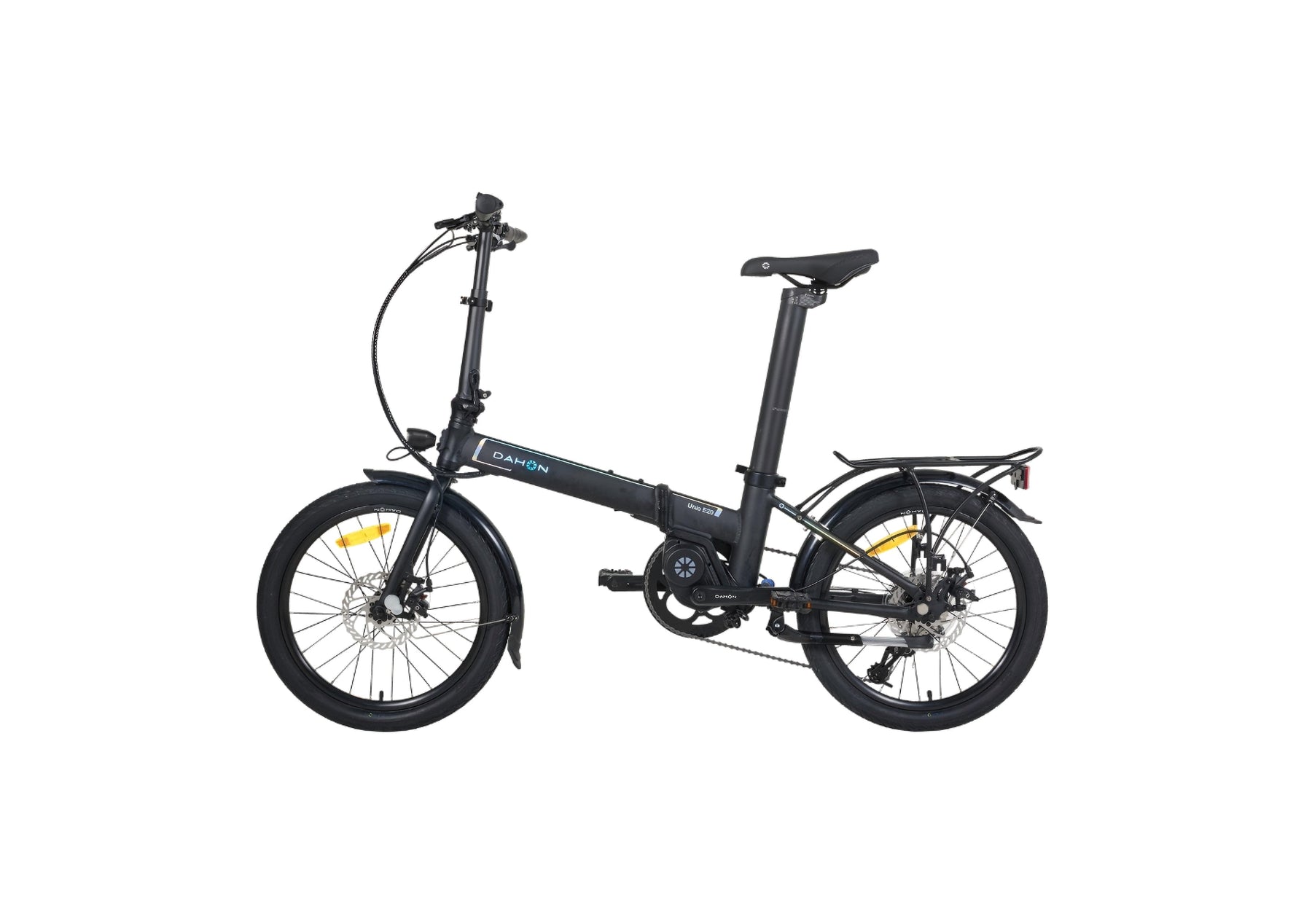
The DAHON Unio E20 and the DAHON Curl Ei4 show why trip planning must start with the model: The Unio E20 specifies, among other things, a mid-drive motor, 9-speed gearing, and a seat-post battery; the Curl Ei4 has a three-part folding mechanism and a removable 1.6 kg bottle battery. These differences help with storage space and battery provision; compatibility, charging approval, and range remain model-specific details. Take a look at the DAHON Unio E20 or the DAHON Curl Ei4 if one of these models is part of your trip planning.
For a spare battery, the model, system, connections, and current availability matter. Have these details confirmed by the manual, a dealer, or the manufacturer before planning a spare battery.
Set Up a Failure Plan and Document It Before Departure
Assign each possible failure a simple, safe response as far as possible. This replaces untested technology with a staged travel decision.
| Situation | Priority | Next Action |
|---|---|---|
| No charging access | 1 | Use a confirmed fallback charging location or an operator-approved alternative |
| Reserve running low | 2 | Shorten the tour, bring the return forward, or postpone the activity |
| Charger missing or damaged | 3 | Clarify the model and system via the manual, dealer, manufacturer, or a suitable service contact. Do not connect a replacement charger until its approval for the specific model and system is confirmed. |
| Battery or system problem | 4 | Plan a spare battery only after model-specific confirmation; suspend charging in case of damage, unusual heating, or unclear assignment |
If no safe charging or backup option can be confirmed, plan an alternative activity without the e-folding bike. If the battery and charging system are unclear or damaged, secure the system and use expert help or the model specifications.
Make the travel decision based on a single note: If the daily route, return time, main and fallback charging locations, operator approval, and model and charger assignment are all recorded, your charging plan for the e-folding bike on holiday is fully prepared. Create this note before departure and enter the appropriate service contact in it. If any detail is missing, clarify exactly that point before setting off on the trip with the e-folding bike.
Frequently Asked Questions
May I charge my e-folding bike in a hotel room?
That depends on the approval and house rules of the accommodation. Ask in advance about a dry, protected charging location and clarify whether charging in occupied rooms must be supervised. If the house rules differ, arrange a confirmed external charging location.
How do I plan charging at a campsite or in a motorhome?
At the campsite, coordinate the connection, operator conditions, weather protection, and storage location. In a motorhome, additionally check on-board power, the charger, the vehicle manual, and the energy reserve. If technical data is missing, plan with shore power or an externally approved charging location.
What do I do if the charger is missing on the road?
For this, use only a charger whose approval for the model and system is confirmed. Clarify these details via the manual or through a dealer, manufacturer, or suitable service contact. Until then, adapt the tour and return to the available reserve.
What applies to a day tour with unresolved charging access?
Before departure, set a return time, sufficient reserve, and a reachable fallback option. If charging access remains unresolved or is unavailable on the way, shorten or postpone the tour and plan a confirmed charging option.