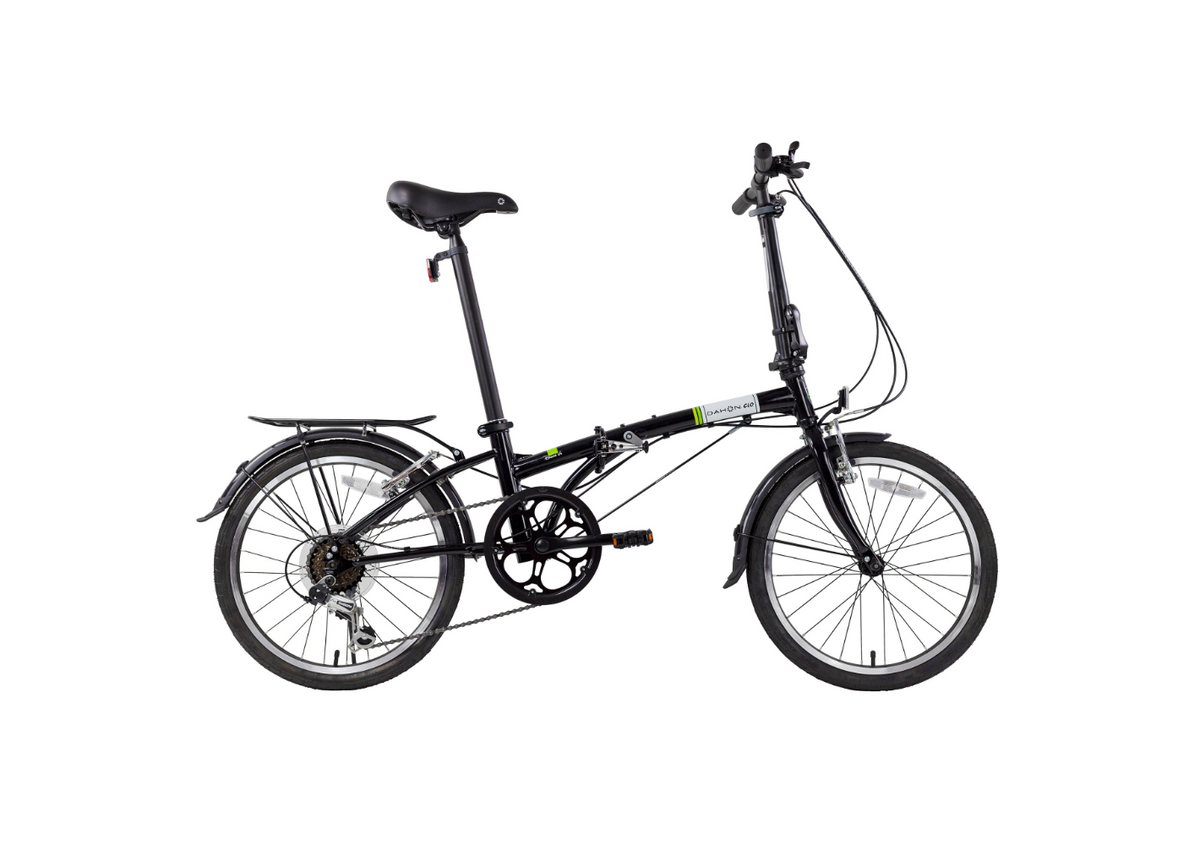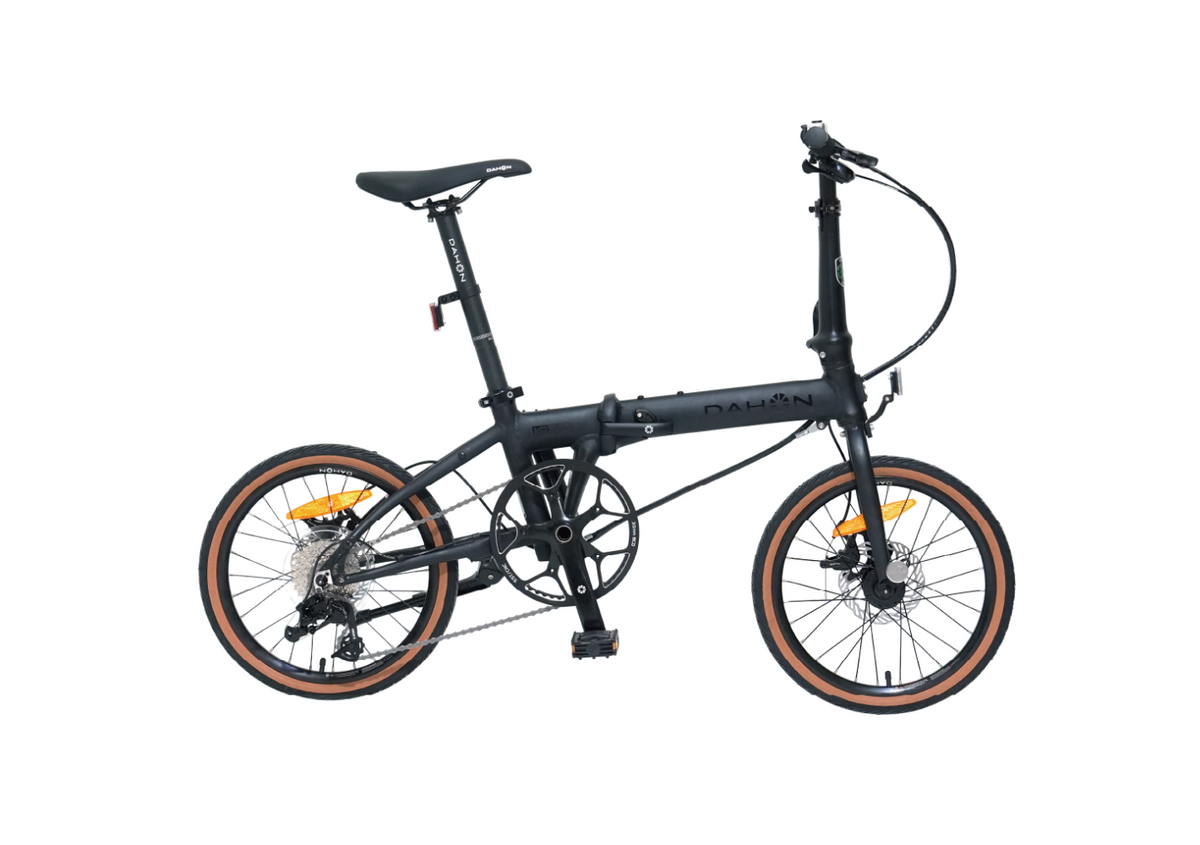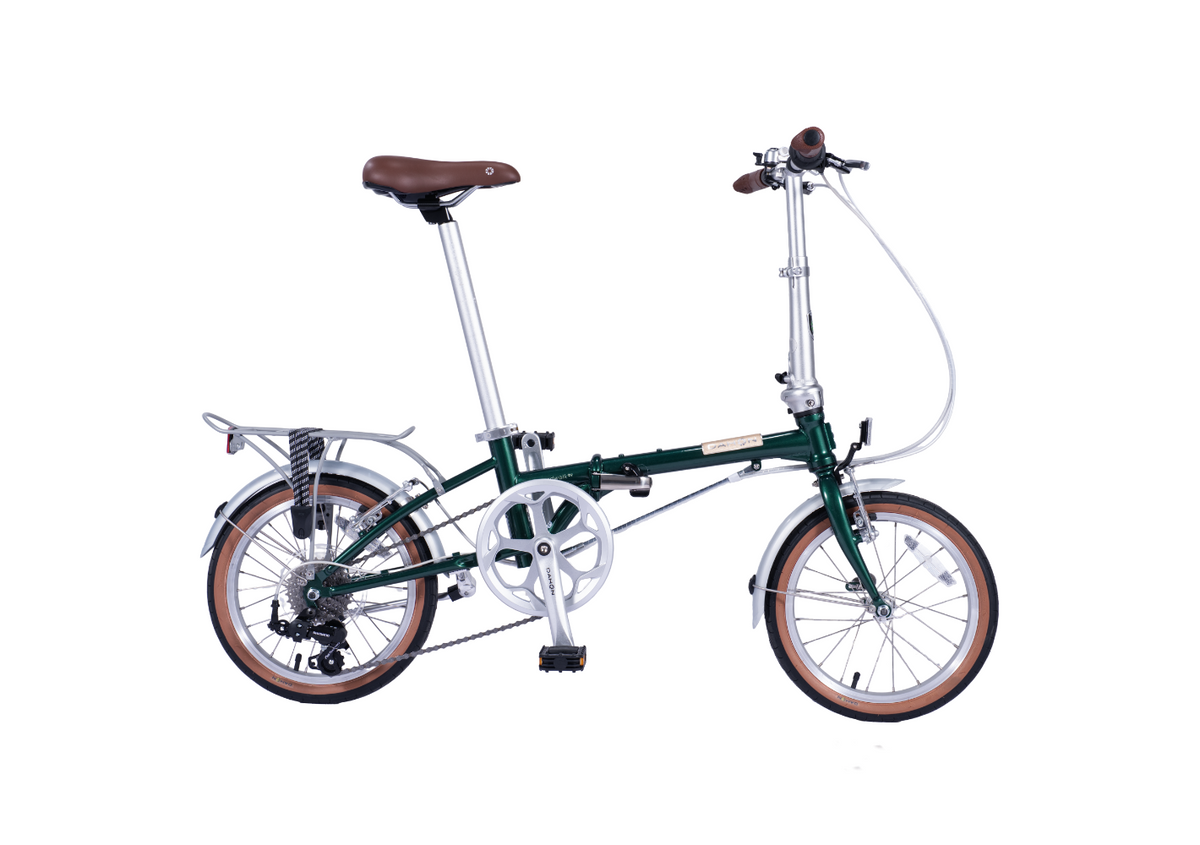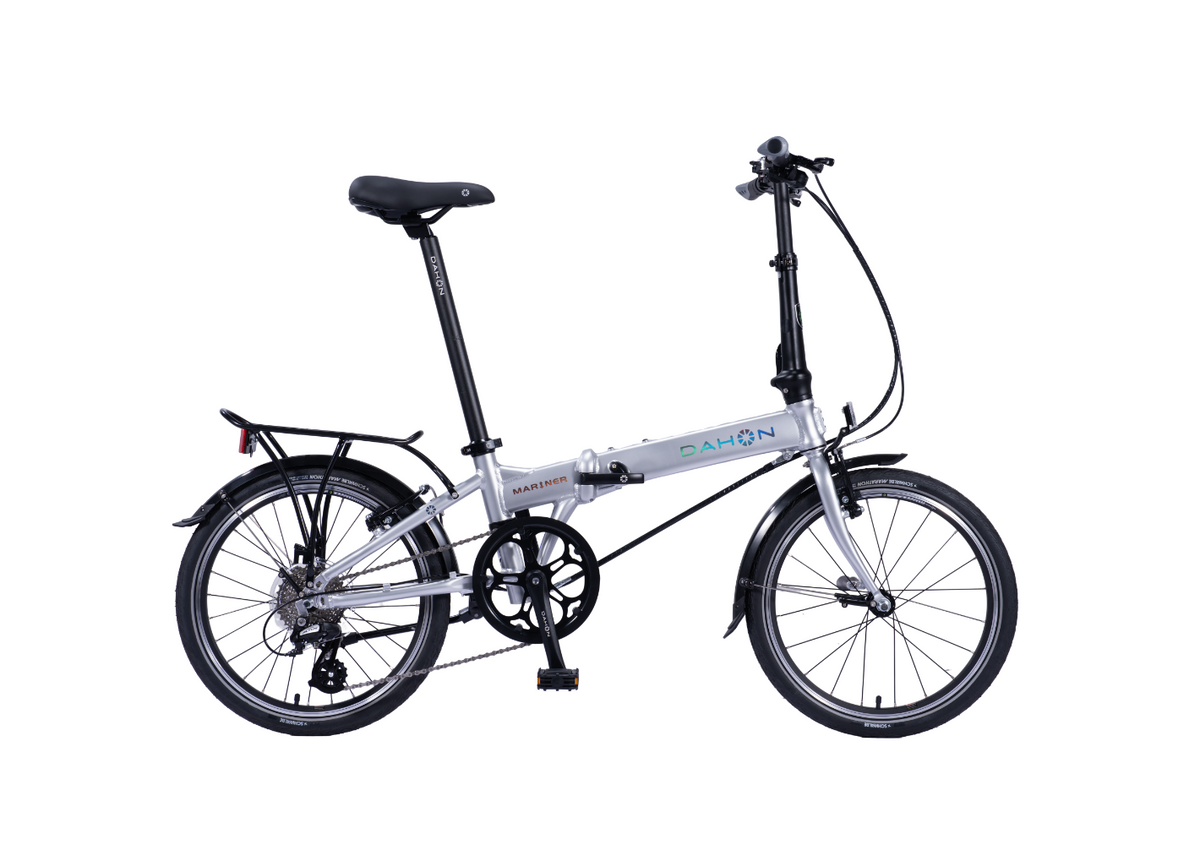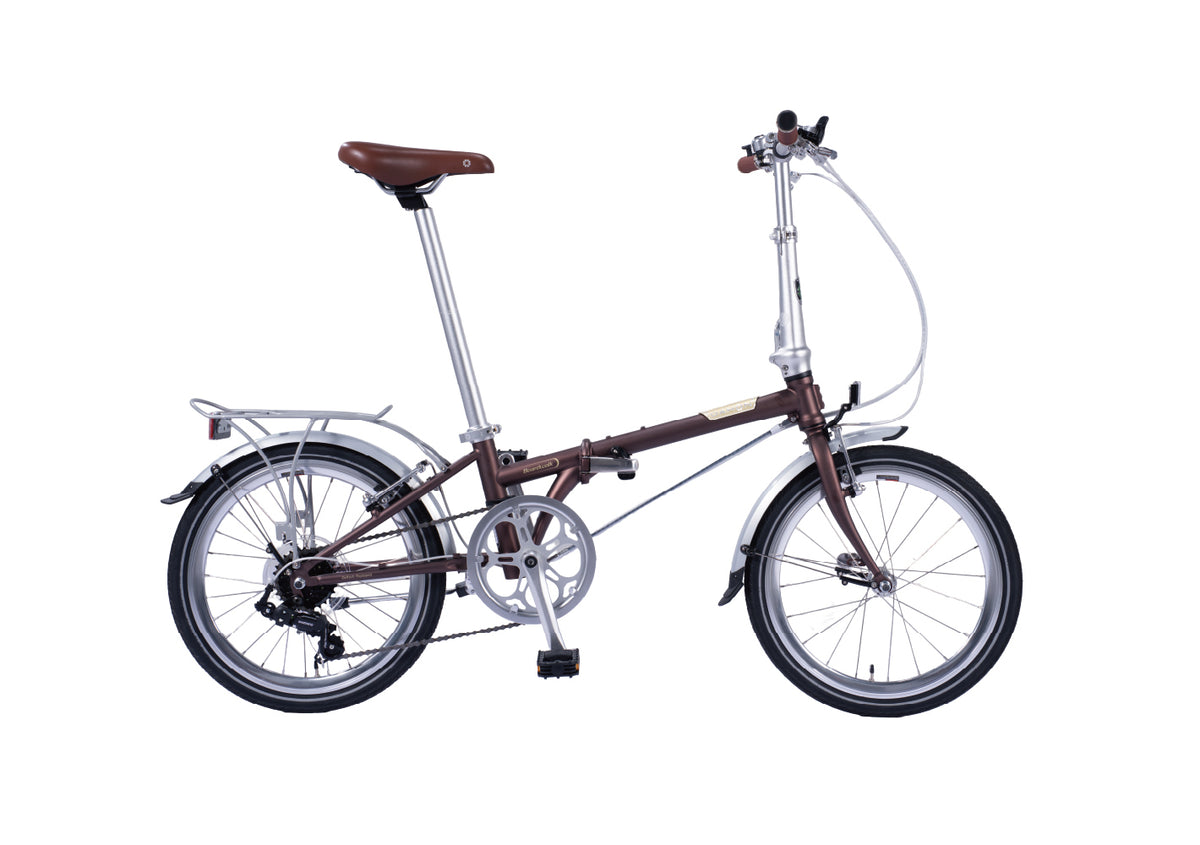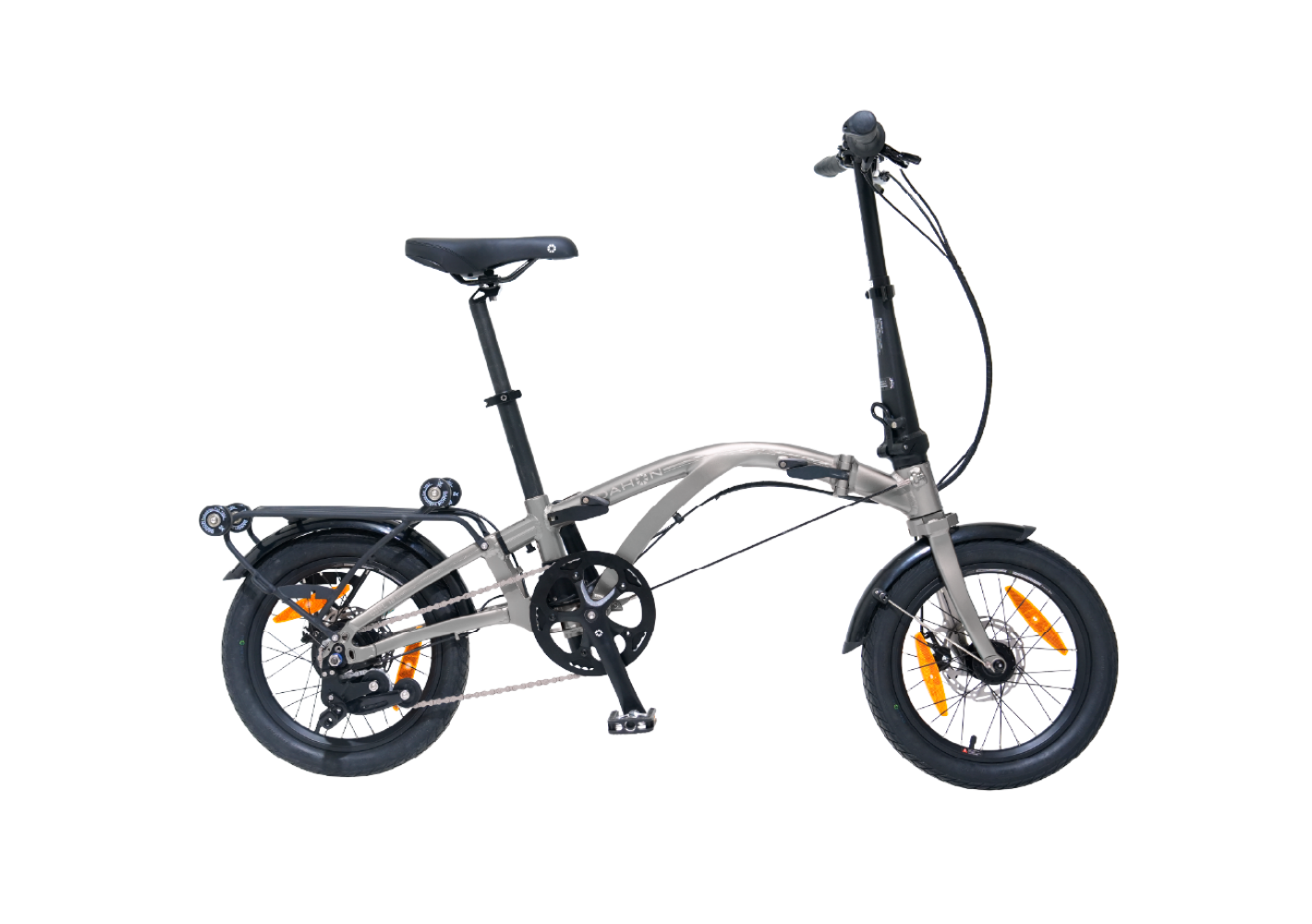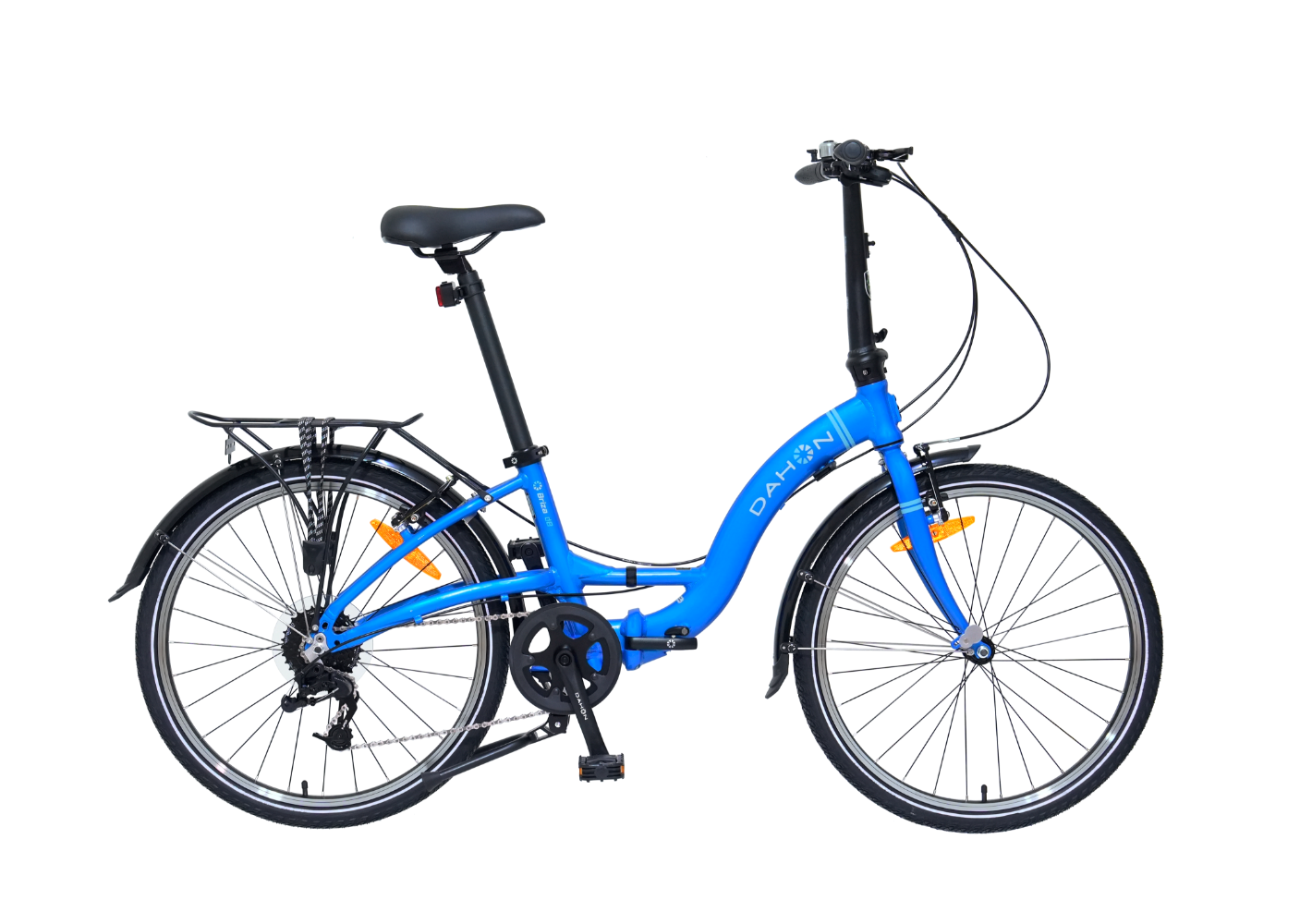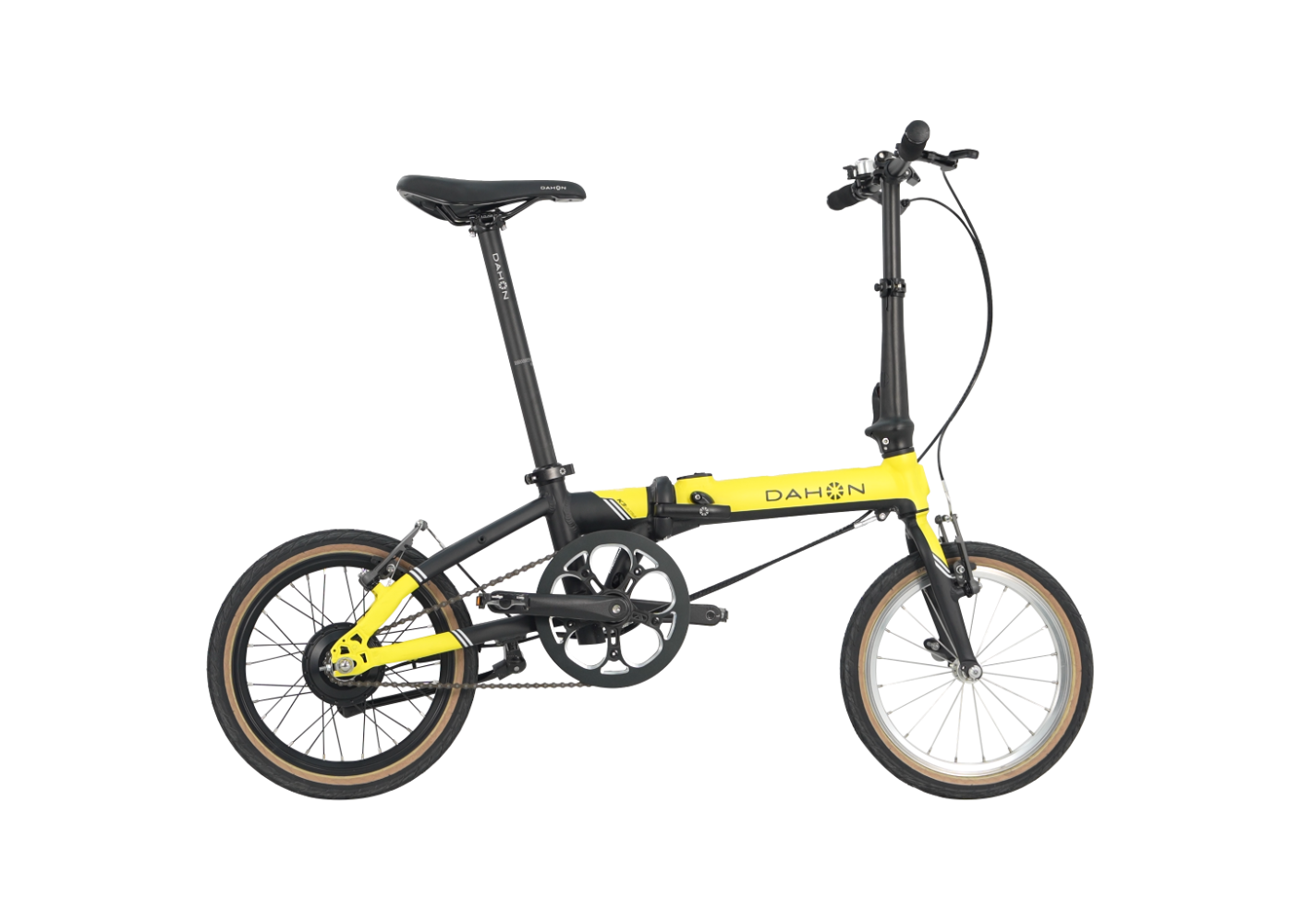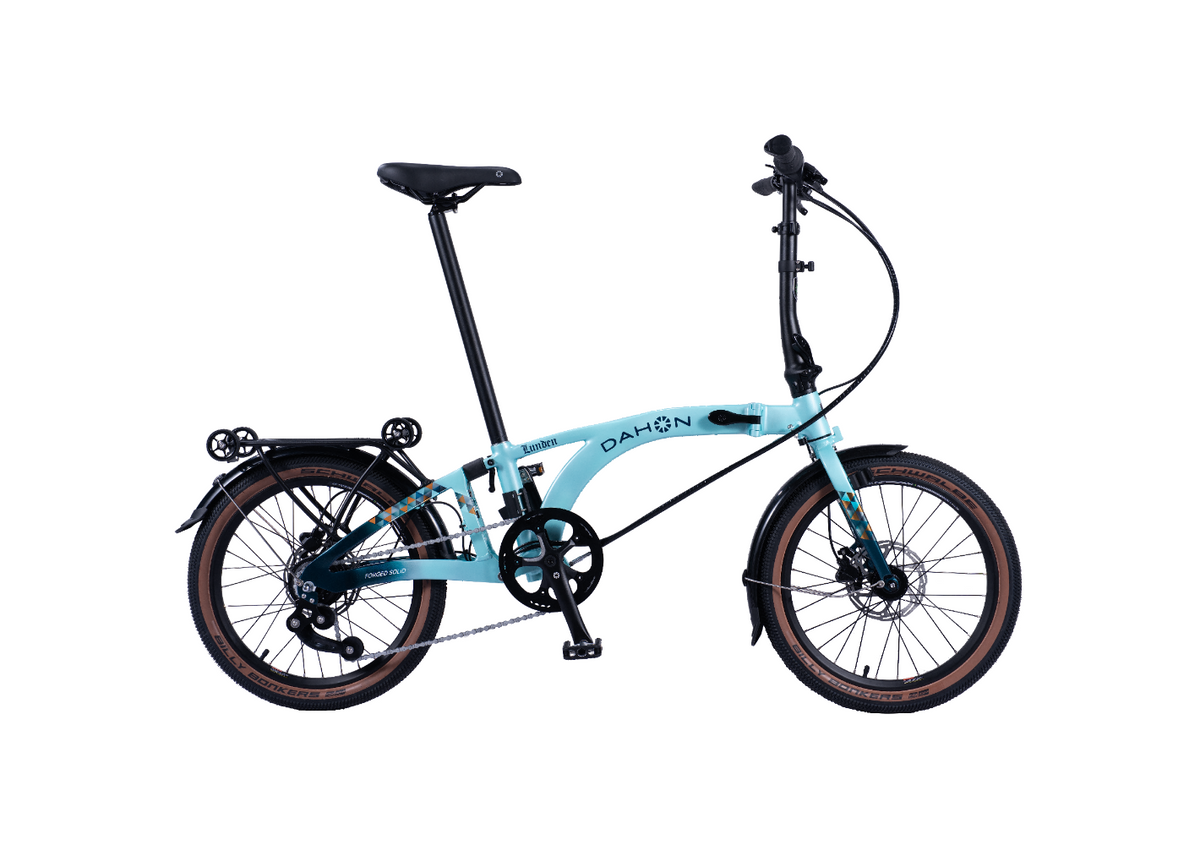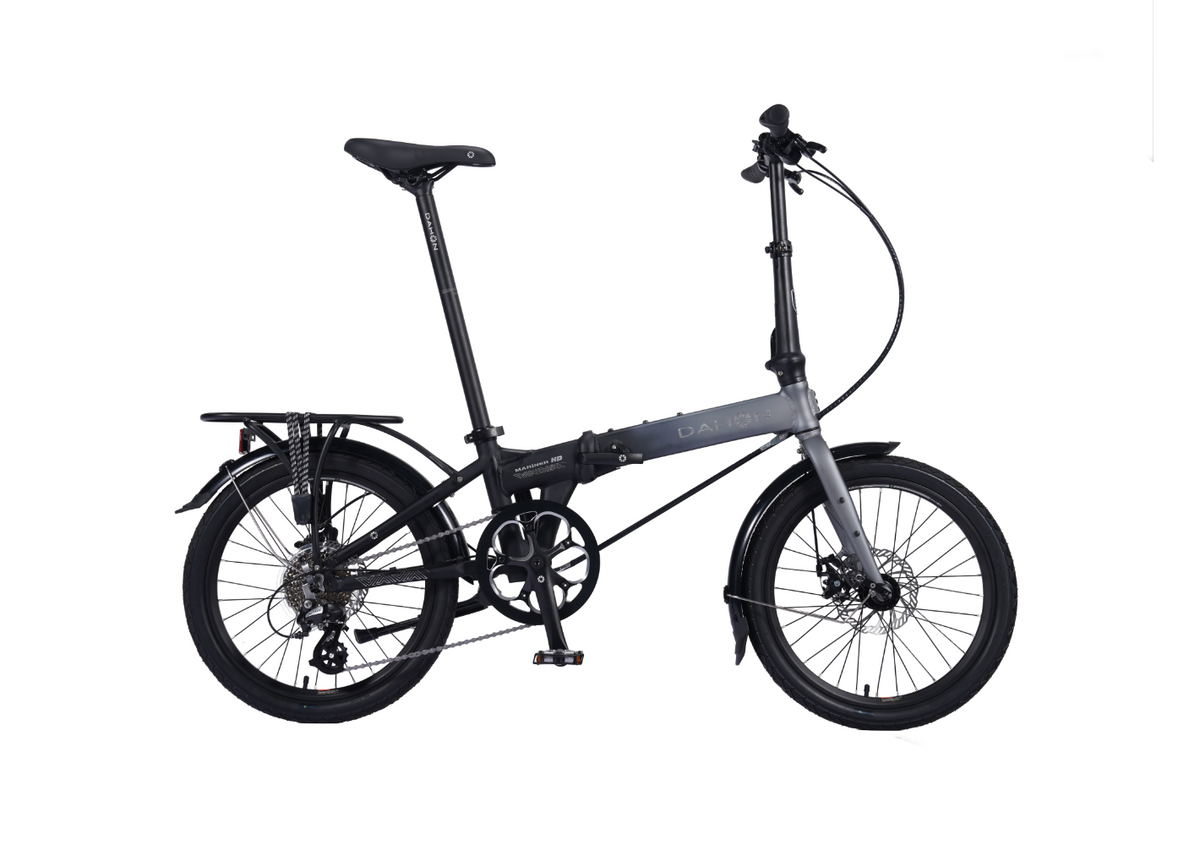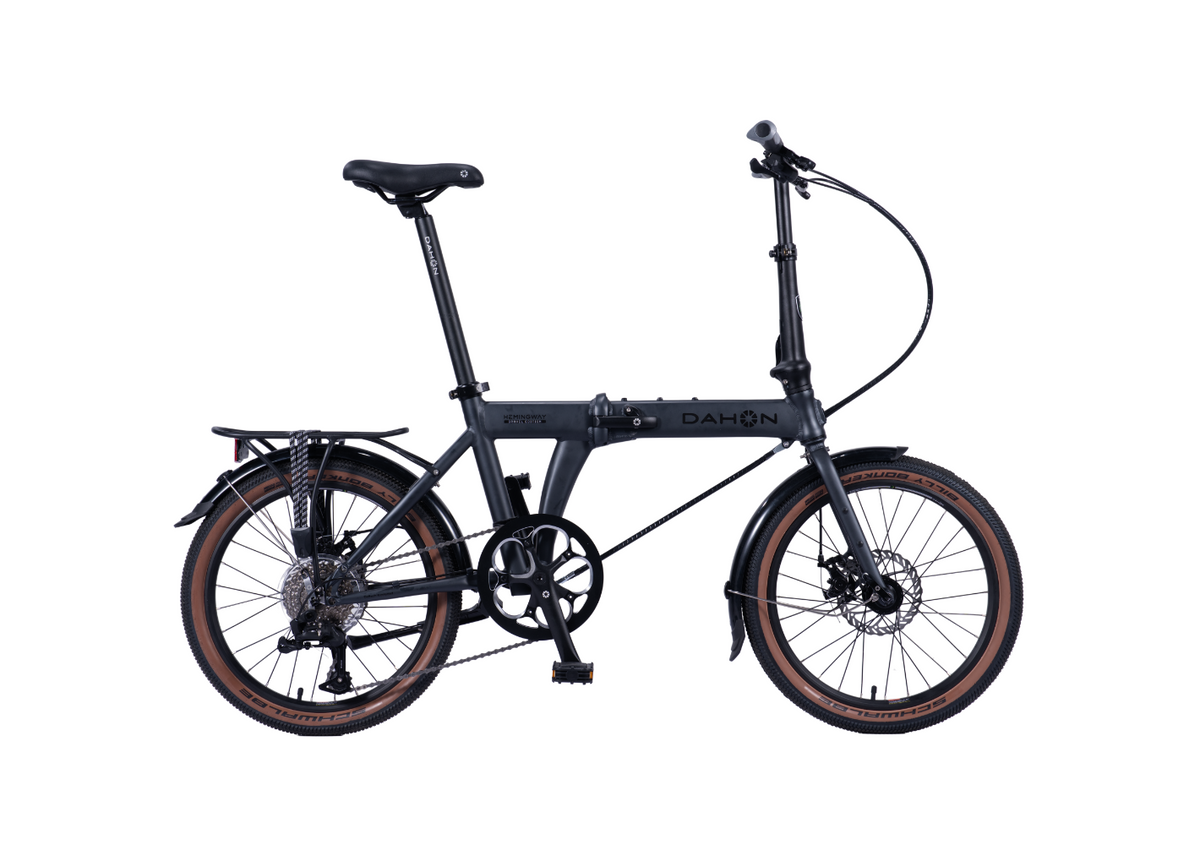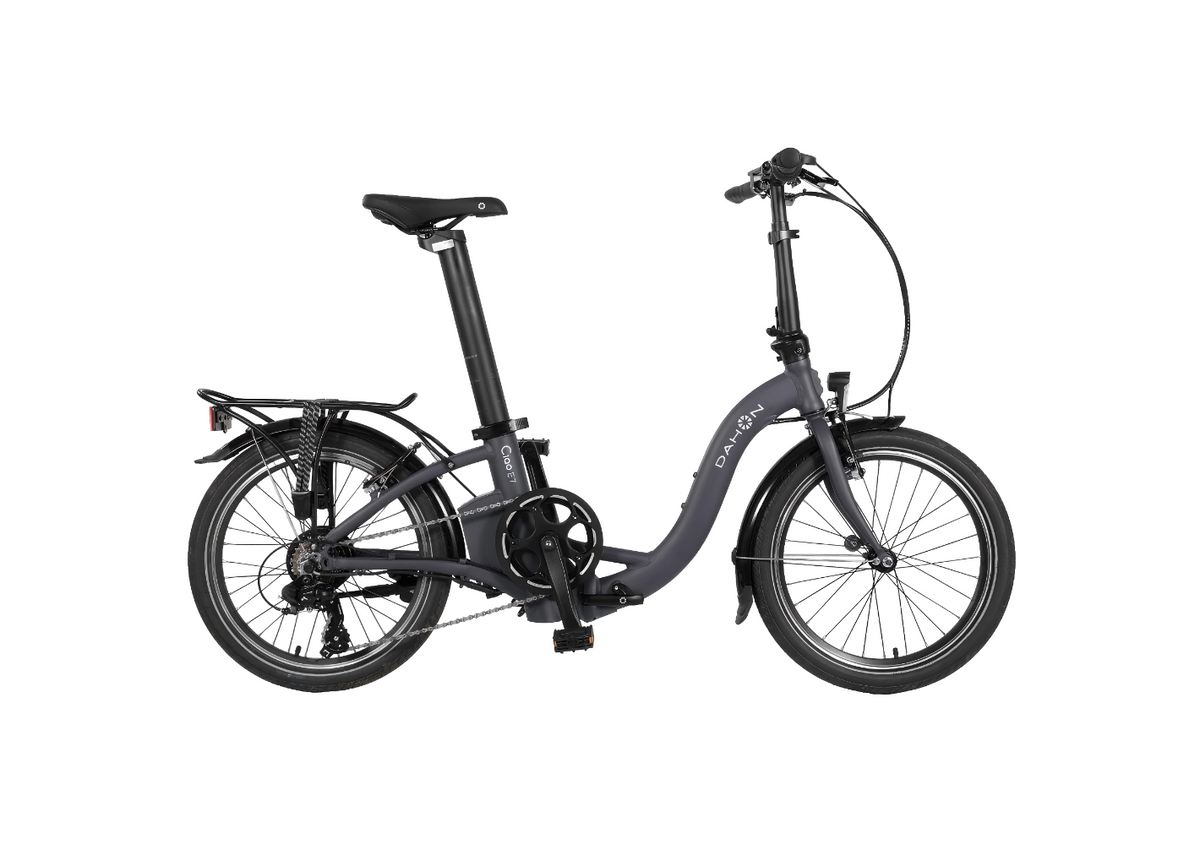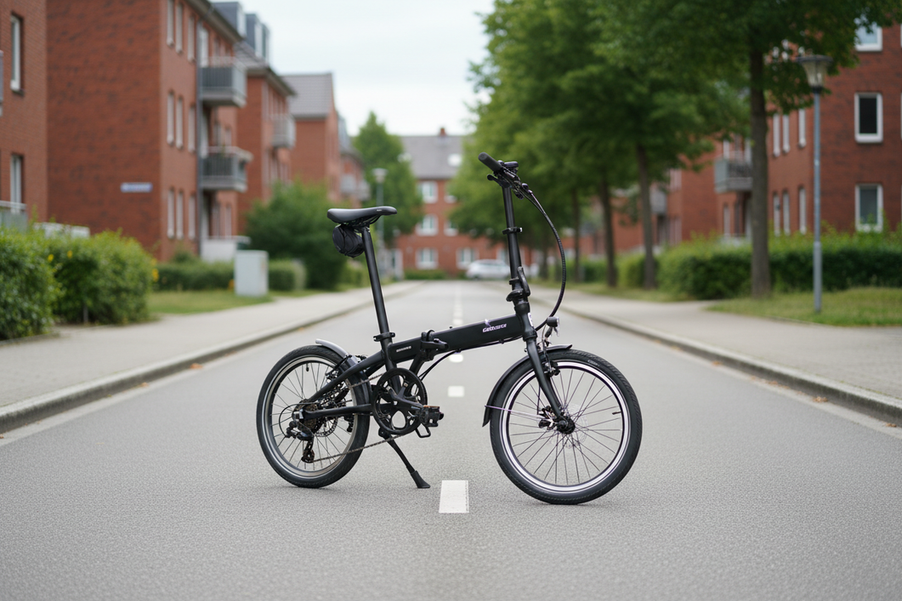
Anyone riding a folding bike in urban everyday life quickly realizes: there is no single perfect tire pressure. The right pressure depends on the tire width, rider weight, luggage, and the surface. For folding bike comfort through tire pressure, measure the pressure before every longer ride, don't reduce it without reference to the actual load, and note the value that works on your route.
Check Folding Bike Tire Pressure: Read These Specifications First
To change the tire pressure on a folding bike, first determine the permissible starting framework. Begin with the tire actually mounted.
Read the tire sidewall:
Check the tire size and the minimum and maximum values indicated there. These specifications belong to the specific tire, not to every folding bike. The permissible pressure range on the tire sidewall forms the first limit.
Consult the model documentation:
Place the owner's manual or the official documentation of your folding bike alongside it. Note any specific information about the recommended pressure for your model. The manufacturer's specifications for tire pressure form the second framework.
Record the current values:
Note which folding bike tires are mounted, roughly how high the usual total load is, and what surfaces you ride on most often. Measure the existing pressure with a gauge and write down the value together with the tire, load, and temperature. Now you have a starting point for the following adjustment.
This does not yet establish a "correct" universal value. But you have a reliable starting position from which you can approach the suitable pressure step by step.

Tire Width and Air Pressure: Classifying Comfort, Control, and Rolling Resistance
Tire width and air pressure influence the riding feel together. Wider tires can be ridden at lower pressure with similar rolling resistance to narrow tires at higher pressure. But "lower pressure" must always remain within the range specified on the tire sidewall. For folding bikes, a tire width between 40 mm (1.5 inches) and 60 mm (2.4 inches) is common. Use the following tire width and pressure orientation as a reference:
| Tire width | Rider weight | Orientation pressure (front/rear) |
|---|---|---|
| 1.50–1.75 inches | under 65 kg | 3.0–3.5 bar / 3.5–4.0 bar |
| 1.50–1.75 inches | 65–85 kg | 3.5–4.0 bar / 4.0–4.5 bar |
| 1.50–1.75 inches | over 85 kg | 4.0–4.5 bar / 4.5–5.0 bar |
| 1.75–2.00 inches | under 65 kg | 2.0–2.8 bar / 2.8–3.2 bar |
| 1.75–2.00 inches | 65–85 kg | 2.8–3.2 bar / 3.2–3.8 bar |
| 1.75–2.00 inches | over 85 kg | 3.2–3.8 bar / 3.8–4.2 bar |
| 2.00–2.40 inches | under 65 kg | 1.5–2.0 bar / 2.0–2.5 bar |
| 2.00–2.40 inches | 65–85 kg | 2.0–2.5 bar / 2.5–3.0 bar |
| 2.00–2.40 inches | over 85 kg | 2.5–3.0 bar / 3.0–3.5 bar |
These values serve as orientation. The best tire pressure varies depending on the bicycle model and accessories. The critical factor is that the pressure remains within the sidewall specification and produces a balanced riding feel for your application. The pressure from the table is a starting point; fine-tuning is done step by step.
When the Pressure Changes: Temperature, Load, and Surface as Influencing Factors
Cold reduces tire pressure by about 0.1 bar per minus 10 °C. With a temperature drop from 20 to 0 °C, the pressure in the tire drops by about 0.2 bar without air loss. Therefore, measure the pressure after a sudden cold snap and adjust it. In summer, the pressure can rise on asphalt with strong sunlight. The air pressure at the folding bike in cold weather requires a separate check.
Every additional load increases the pressure requirement at the rear wheel. As a rule of thumb: for every 15 kg of luggage, increase the rear tire pressure by about 0.3 bar, provided the tire sidewall allows it. For everyday use, it is sufficient to adjust the pressure on heavy shopping days or when using a luggage rack. On light days, keep the standard value.
20-Inch Folding Bike Tire Pressure on Cobblestones and Gravel
Even at optimal pressure, 20-inch wheels are less smooth on cobblestones and gravel than large wheels. What matters is whether the comfort gain from lower pressure still keeps the handling rideable. Use the values from the table and reduce the pressure in 0.3 bar increments until the tire no longer rolls on gravel but works noticeably. Test the control on a short section. If the tire squirms or the rim is at risk, increase the pressure again. The tire pressure on cobblestones for the folding bike is a compromise between comfort and puncture protection. Read more about the folding bike on cobblestones in the linked article.
Check Tire Pressure at the Folding Bike: Gauge, Frequency, Valve
Use a gauge with a pressure range that covers your tire width. A simple pencil-type gauge is sufficient; a digital gauge offers better readability. Check the pressure before every longer ride or at least every two weeks. With daily use or temperature changes, a weekly check is recommended. The folding bike tire pressure check takes two minutes and prevents punctures and poor rolling. Always check when the tires are cold.
Frequently Asked Questions
What tire pressure is optimal for a 20-inch folding bike?
The optimal pressure depends on tire width, rider weight, and load. The table provides reference values. Measure the pressure before every longer ride.
How often should I check the tire pressure on my folding bike?
At least every two weeks. With daily use or temperature changes, we recommend a weekly check.
Can I lower the tire pressure to get more comfort?
Yes, within the range specified by the tire sidewall. Reduce the pressure in 0.3 bar increments and check the riding feel. If the pressure is too low, the risk of punctures increases.
Do I need to adjust tire pressure in cold weather?
Yes. Measure the pressure after a cold snap and add air. For every minus 10 °C, the tire loses about 0.1 bar.
Do wider tires on a folding bike always provide more comfort?
Yes, in combination with suitable pressure. However, the frame and fork must provide enough clearance for the wider tire. Check the clearance before switching.