Nine speeds sound fantastic – but they won't do you much good at a red light or on a hill if the gear ratio simply isn't right.
Anyone who only looks at the sheer number of gears on a folding bike will quickly be in for a nasty surprise in everyday use. How easily you can start from a standstill or tackle a steep incline depends on entirely different factors: the lowest gear, the gear development, and a consistent gear spacing.
To ensure you don't get lost in the jungle of gear systems, a simple three-step check is the most reliable way to reach your goal: define your route profile, evaluate traffic light stops and inclines, and only then compare the gear ratio values. This guide will show you, step by step, how to find the perfect folding bike gear system for your daily commute.

Assess your riding profile before choosing a gear system
Your route first determines the desired gear range. Note traffic lights, starts, flat sections, recurring inclines, and typical loads on your route before evaluating the number of gears or the type of shifting system.
The required gear range depends on the terrain and your personal riding profile. A gear range that is as large as possible is not necessary for every flat route.
Flat inner-city routes
On a predominantly flat inner-city route, a steady cadence and suitable medium to high gears are more important than maximum uphill reserves. A compact, adequately spaced folding bike gear ratio can be sufficient if it allows you to reach your usual city speed while still being able to start without high pedal pressure.
Pay special attention to the gaps between gears. If the steps are too large, it can be difficult to find a comfortable gear when speeds vary. A high number of gears is not automatically required for this.

Stop-and-go with frequent starting
With many traffic lights and short start-up phases, an easily accessible starting gear should be more important than the pure number of gears. Check three points in the data sheet and, if possible, during a test ride:
- How easy is it to engage and pedal the starting gear from a standstill?
- Can you reach the next gear without an unpleasantly large jump?
- Are the lower gears sensibly spaced for repeated starting?
A light gear alone does not replace a suitable overall setup. Operation also counts: if shifting gears in heavy city traffic is not intuitive, a technically suitable gear ratio can still be impractical in everyday life. Further general purchasing criteria can be found in the purchasing criteria according to area of use.
Short and moderate inclines
On recurring short or moderate inclines, the lowest gear is the most important reserve when your cadence drops on a climb. A folding bike gear ratio for inclines should therefore not be judged by its maximum speed, but by whether the lightest gear suits your fitness level, load, and the duration of the incline.
A general incline limit cannot be derived from this. Body weight, luggage, road surface, and the actual length of the incline change the strain. Anyone who regularly rides with a bag or child seat should weight the lowest gear more heavily than someone with light luggage on exclusively flat paths.
Understanding folding bike gear ratios and gear spacing
A lower gear ratio generally makes slow riding, starting, and climbing inclines easier at the same cadence. A higher gear ratio tends to support higher speeds on flat sections. The decisive factor is the ratio of chainring to sprocket together with your cadence, not the number of gears alone.
Reading the gear range correctly
The gear range describes the span between the lightest and heaviest gear available. For your purchase decision, you should look at these two ends separately:
- Lowest gear: It shows how much reserve is available for slow starts, loads, and inclines.
- Highest gear: It shows whether a suitable gear is available for higher speeds on flat sections.
- Total range: It describes how far the setup extends between light and heavy.
More technically informative than a mere claim of "many gears" are the specific lowest gear ratio and – if stated – chainring and sprocket sizes. A change in gear ratio changes the required cadence at the same speed. As a result, a gear can feel lighter or heavier. However, concrete target values cannot be seriously determined without the data of the specific bicycle and your own riding profile.
Gear spacing and cadence
The gear spacing determines how finely you can adjust your speed. Smaller, more uniform jumps are often more pleasant at varying city speeds. A wider range can be useful if there is a broader range of use between very light starting and quick riding.
| Feature | Look for in the data sheet | Significance in city traffic |
|---|---|---|
| Lowest gear | lowest gear ratio or specific chainring-sprocket info | Important for starting, slow riding, and short inclines |
| Highest gear | highest gear ratio or upper range limit | Relevant for quick speed on flat sections |
| Jump distance | spacing between adjacent gears | Influences how finely you can adjust cadence |
Therefore, do not compare the differences in folding bike gear systems based on the number of gears alone. Two gear systems with a similar number of gears can feel different when starting or shifting to normal city speeds if the lowest gear or the jump distance differs.
Checking gear data in product comparisons
First check the lowest gear and the stated gear range. Only then can the number of gears, gear system type, and operation be sensibly categorized. If a crucial value is missing, its suitability for your riding profile remains unknown and should be clarified before purchase.
- Search for the lowest gear and gear range: Pay attention to the lowest and highest gear ratios. If only the number of gears or general terms like "Urban" are listed, this is not sufficient for a reliable assessment.
- Check gear spacing: Look for a complete gear ratio table or specific information on chainrings and sprockets. If the spacing is missing, ask about the jump distance or the individual gears.
- Compare gear type and operation: A derailleur gear, internal hub gear, or other types can differ in operation, folding concept, and required maintenance. There is no general ranking for city traffic based on this.
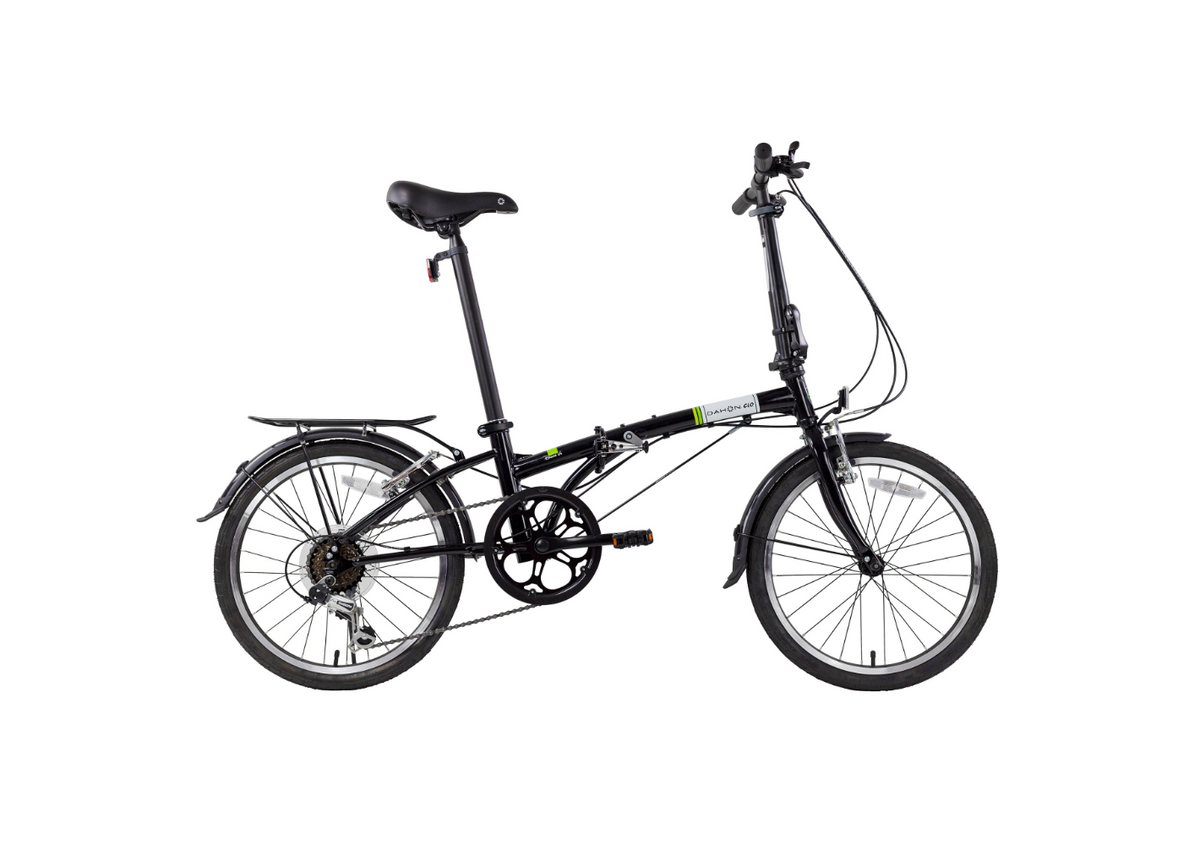
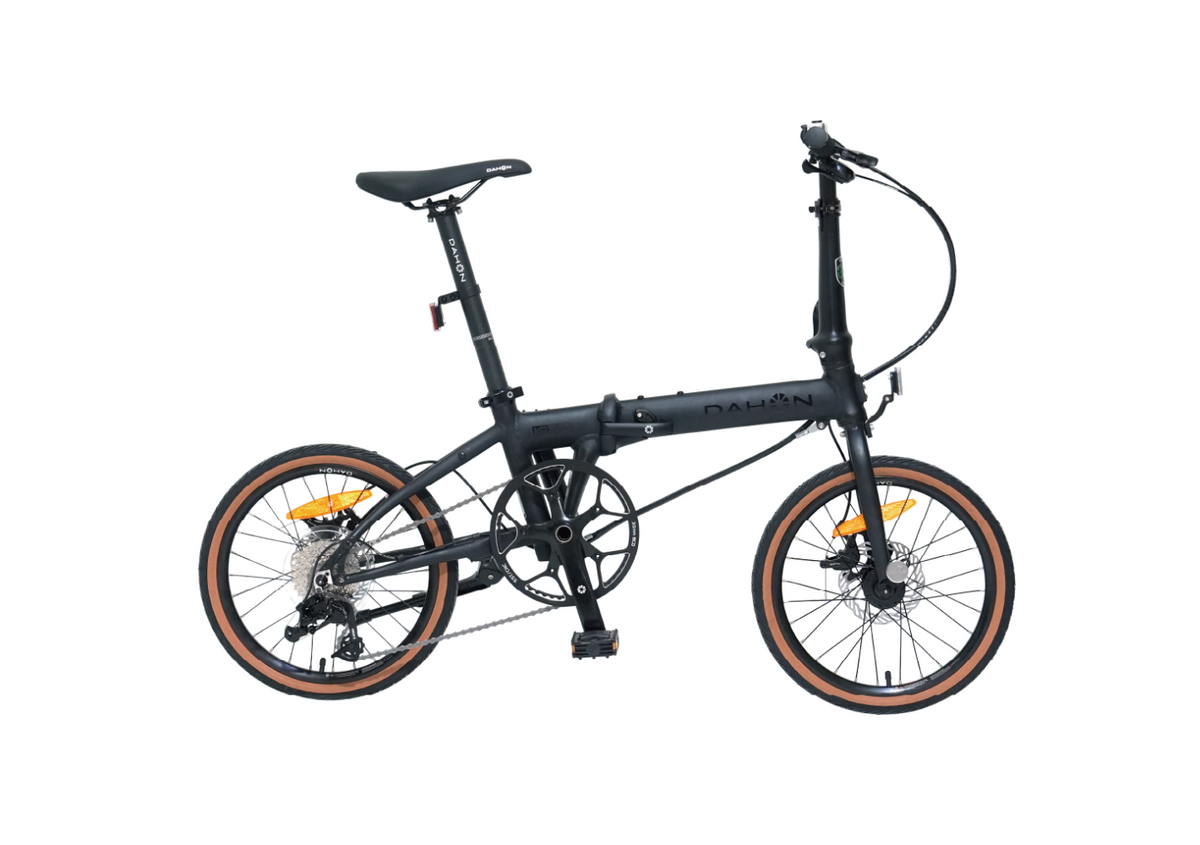
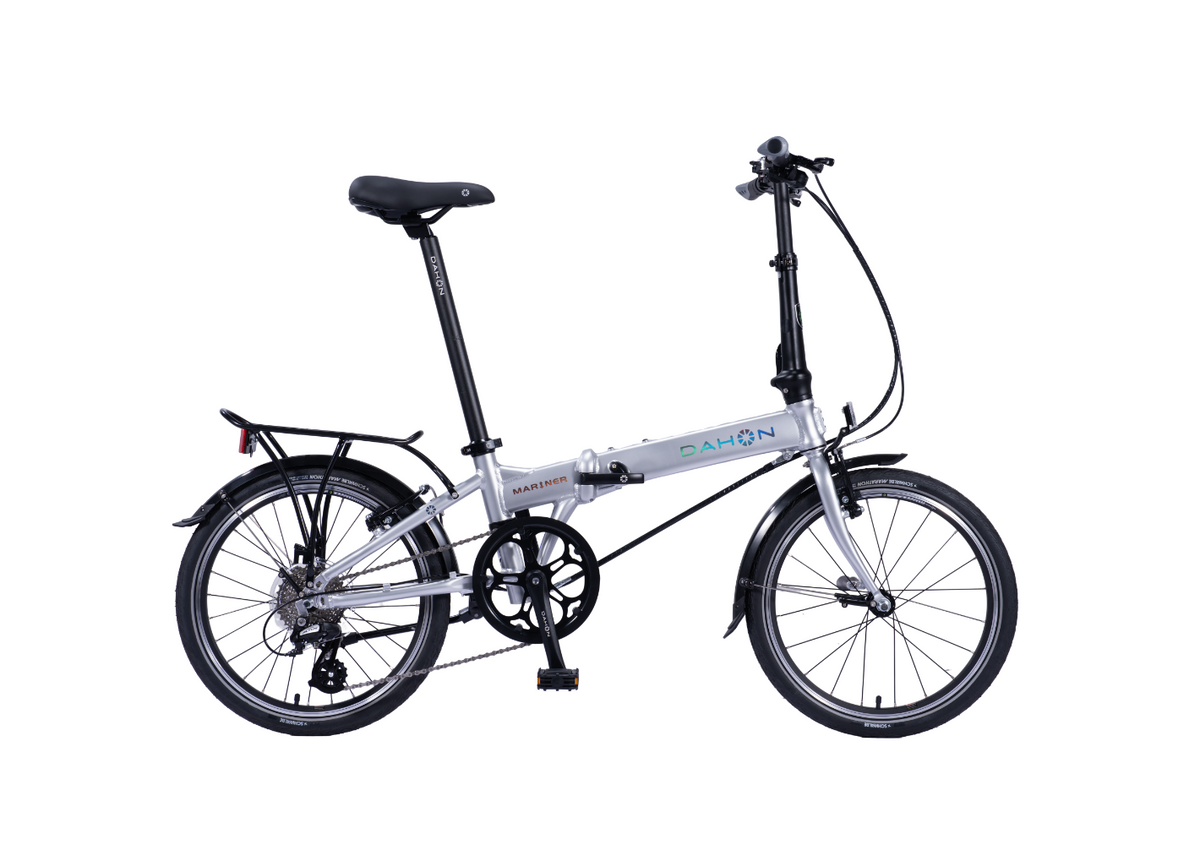
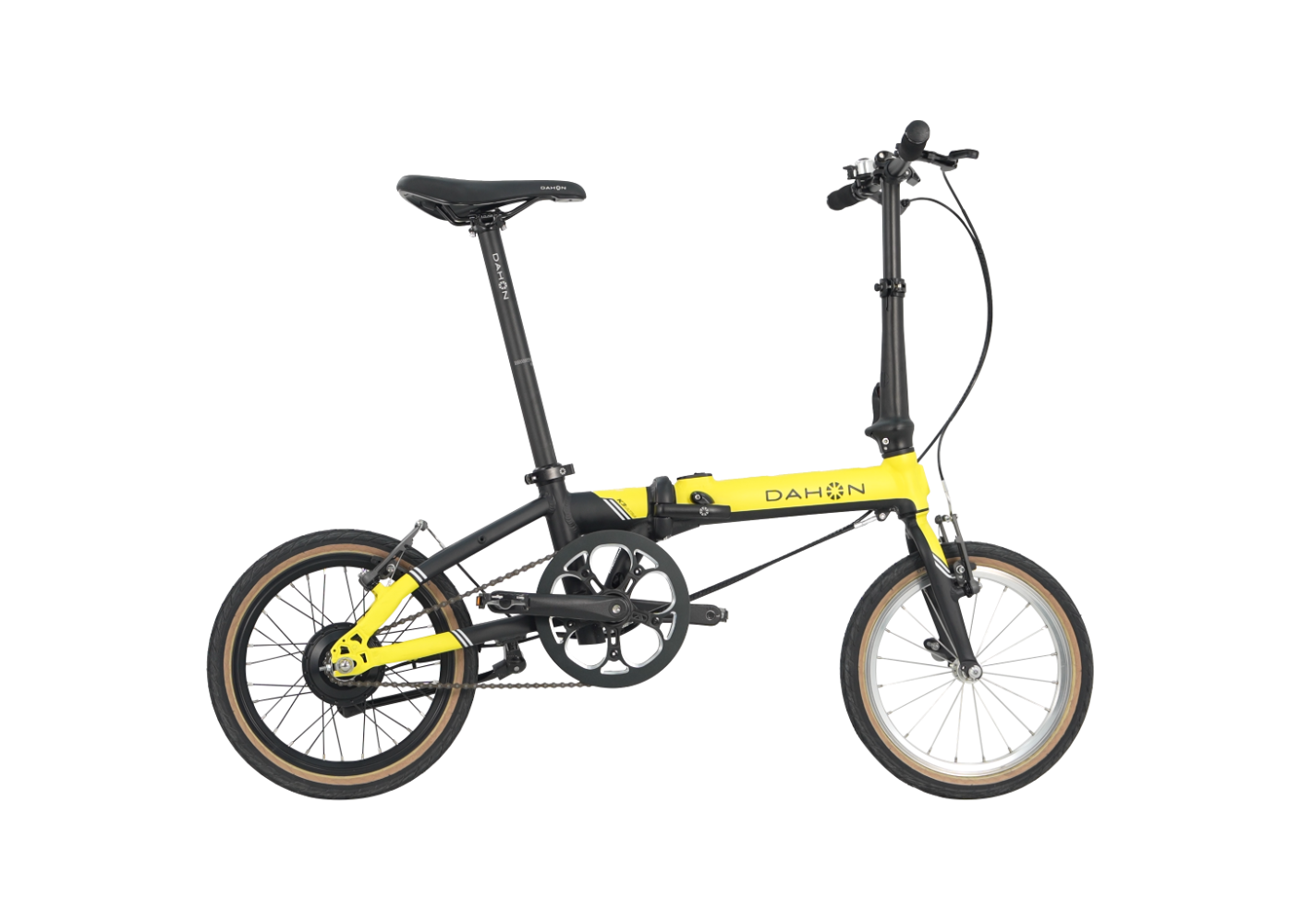
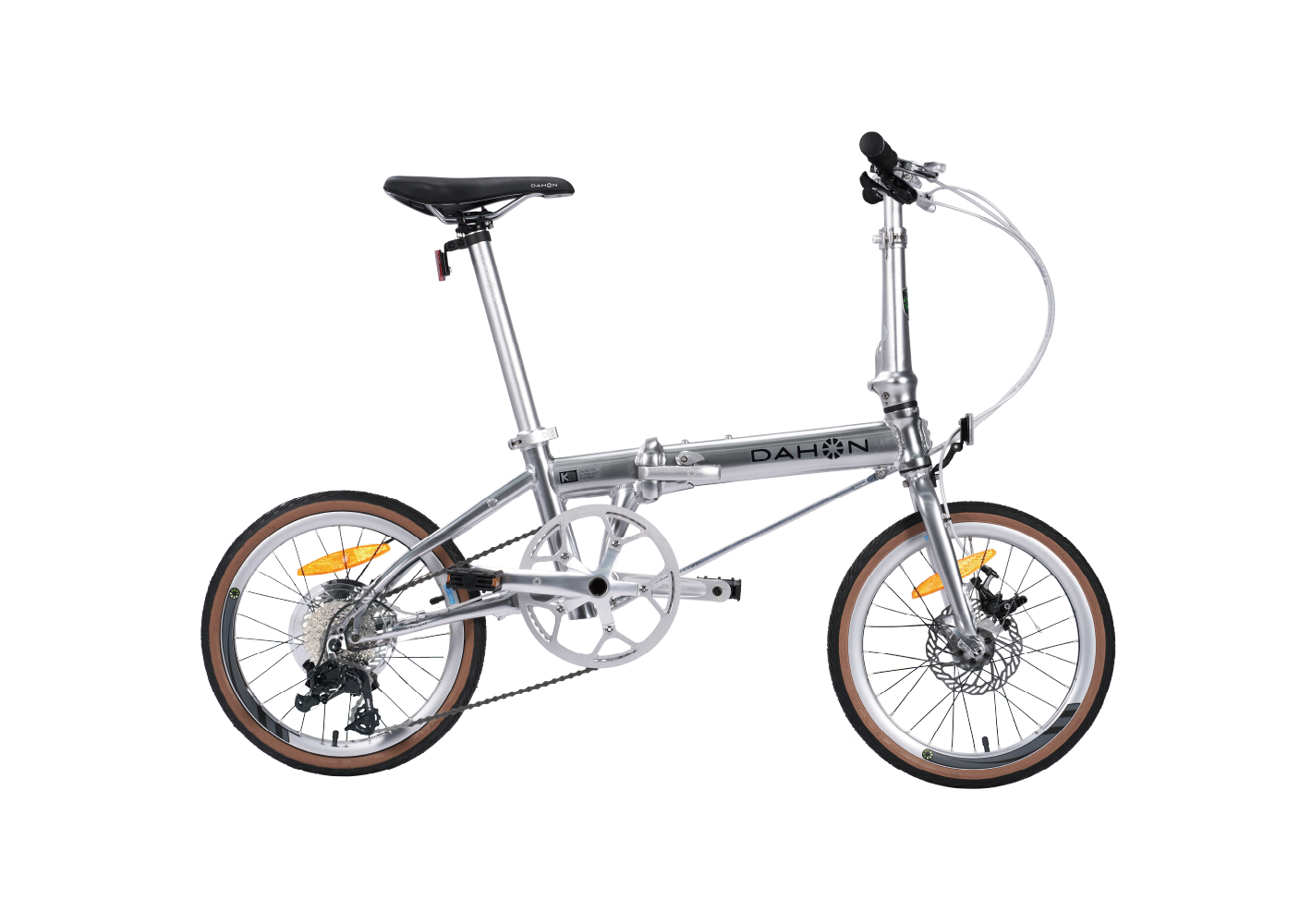
- Determine the exact model variant: Model name, model year, market, and equipment can differ. For instance, when looking at the K9 or the Mariner D8, compare the specifications of the specific German version offered. Neither the lowest gear nor the gear range can be derived from the product name.
- Clarify missing data and test ride: Ask the dealer or manufacturer about missing gear data. A folding bike test ride can then show whether the operation and gear shifting fit your daily routine. However, it does not replace missing technical specifications.
This verification sequence prevents a higher number of gears from being prematurely equated with better climbing ability. Especially for a folding bike derailleur gear: purchasing advice, you should therefore document the lowest gear, spacing, and exact variant together instead of just comparing a product headline.
Aligning equipment with the city profile
As a practical guide, you can distinguish between three directions: a lower gear ratio for frequent starting and inclines, a balanced setup for mixed city routes, or a setup more geared towards quick riding for flat routes. This assignment is a trend. The lowest gear, spacing, load, and actual route remain decisive.
Comfort-oriented stop-and-go
With many traffic lights and frequent starting, the lower gear ratio direction should be checked first. It is crucial that the start succeeds easily and that the medium gears follow logically afterwards.
- Check the light lowest gear for starting.
- Compare uniform medium spacing for the shift after starting.
- Only then assess whether the range is sufficient for normal city speed.
Flat route with quick speed
On longer, predominantly flat sections, a balanced to slightly speed-oriented setup can be more pleasant. A particularly light mountain gear may offer little additional benefit there if inclines are rare and you usually ride with a light load.
This does not mean the lowest gear becomes unimportant: traffic lights and short ramps remain part of city traffic. Therefore, check whether the start remains comfortable despite the more speed-oriented setup.
Daily route with moderate inclines
For regular short climbs, you should weight the lowest gear more heavily than the maximum possible speed. A lighter gear ratio is generally more sensible here if luggage, body weight, or your own fitness level make the climb particularly challenging.
Before purchasing, compare four points: route with incline sections, typical load, lowest gear, and jump distance in the lower gears. If the gear range or model variant is unclear, clarify these details before assigning the bicycle to your riding profile. You can then find a suitable selection, for example, among the Urban folding bikes; the collection is a navigation point, not proof of a specific gear system.
Frequently asked questions about folding bike gear systems
How many gears does a folding bike need in city traffic?
There is no reliable general minimum number. Instead, check whether the lowest gear is sufficient for your most frequent starts, whether the spacing fits your usual speed, and whether the specific model variant actually has the stated gears.
How can I identify a light starting gear on the data sheet?
Look for the lowest gear ratio or a specific chainring-sprocket combination. If only a number of gears is listed without these details, the starting comfort cannot be reliably assessed. Ask for the data for the exact variant offered.
Is a derailleur gear generally the better choice for a folding bike in city traffic?
No. Compare the gear type, gear range, spacing, and operation together with the folding concept and desired maintenance effort. If frequent folding, transport, or a certain operating logic are important, that can influence the selection just as much as the lowest gear.
Which details should I ask about on an unclear product page?
Ask for the number of gears, lowest and highest gear, specific chainring and sprocket sizes, complete spacing, gear type, and the equipment of the exact model variant offered. Also, ask for clear confirmation if product images, model name, and data sheet suggest different variants.