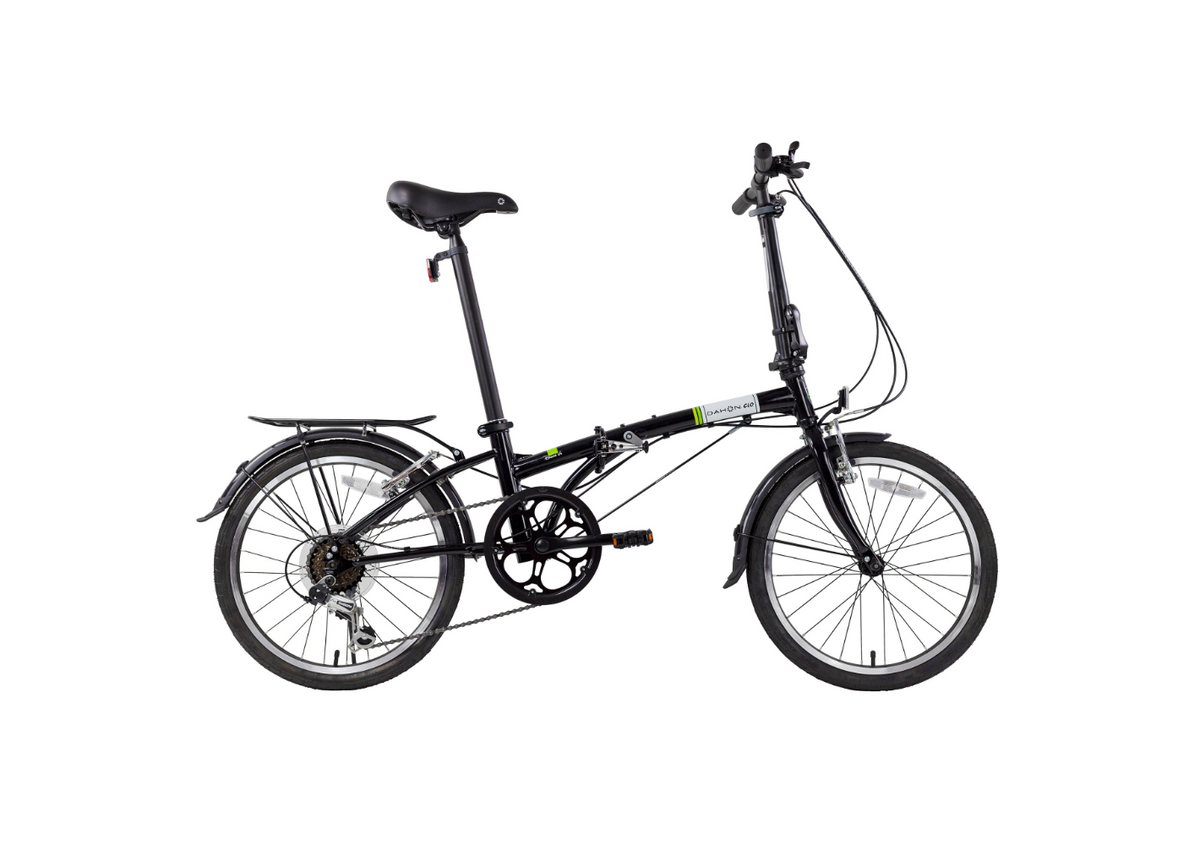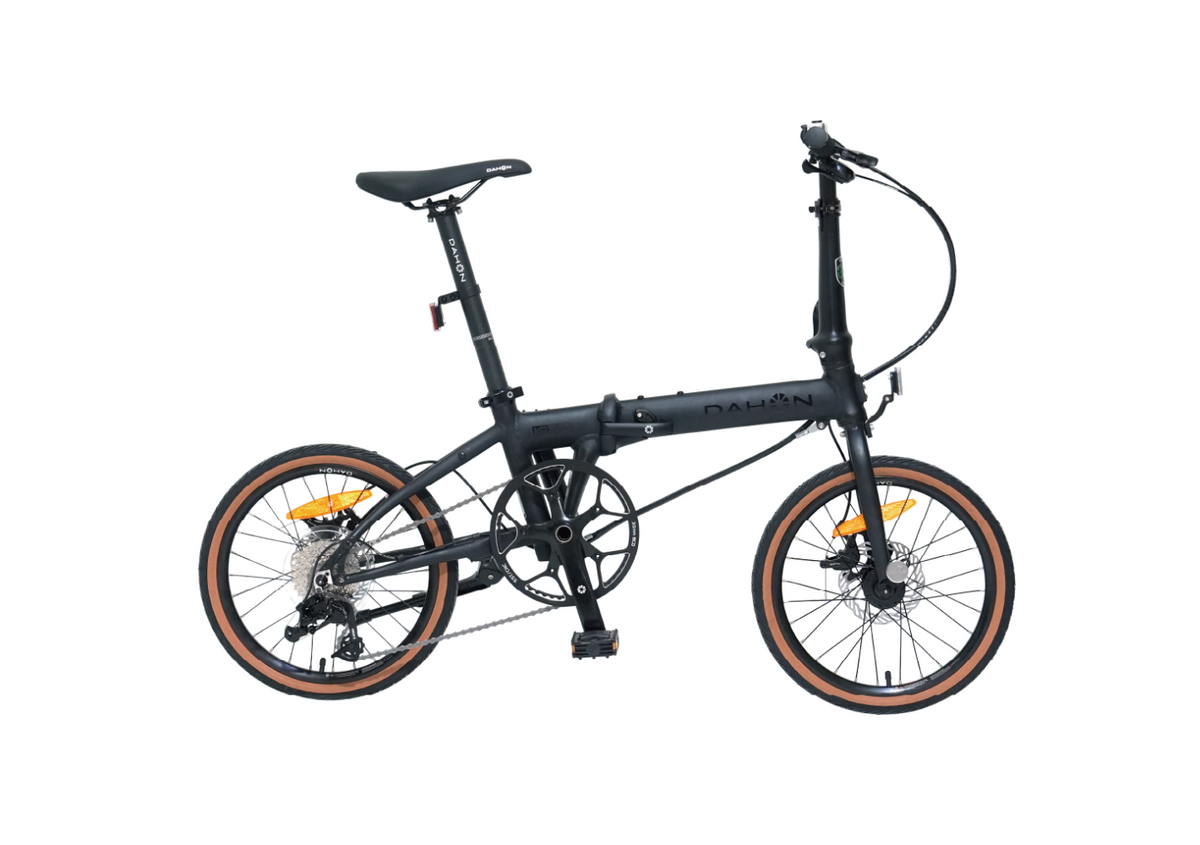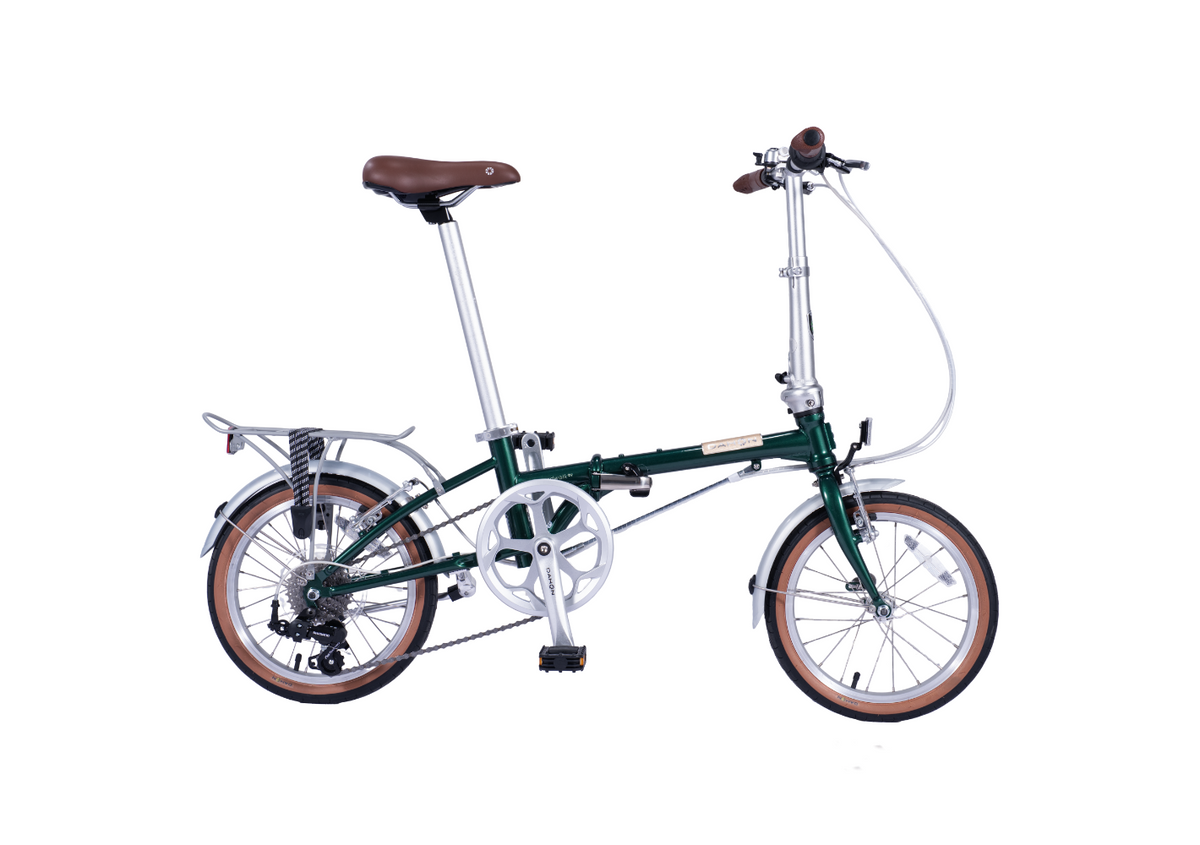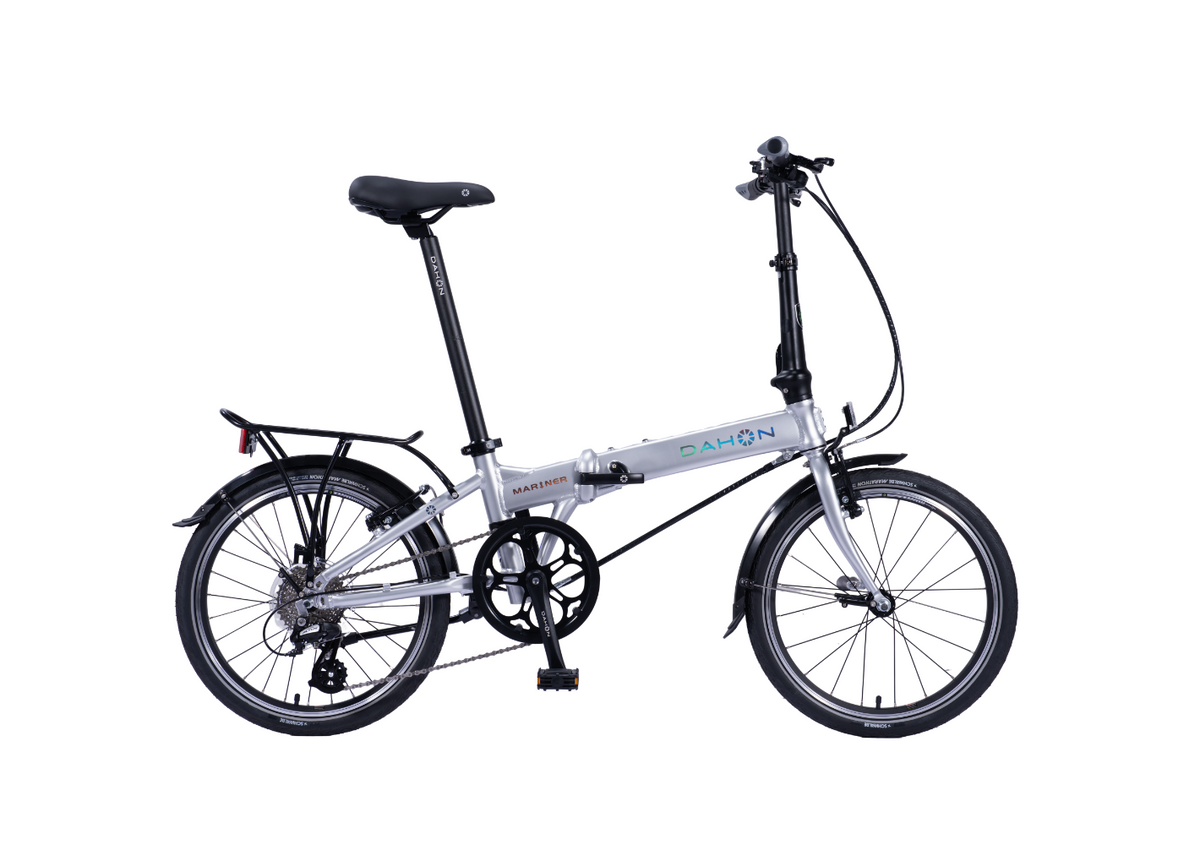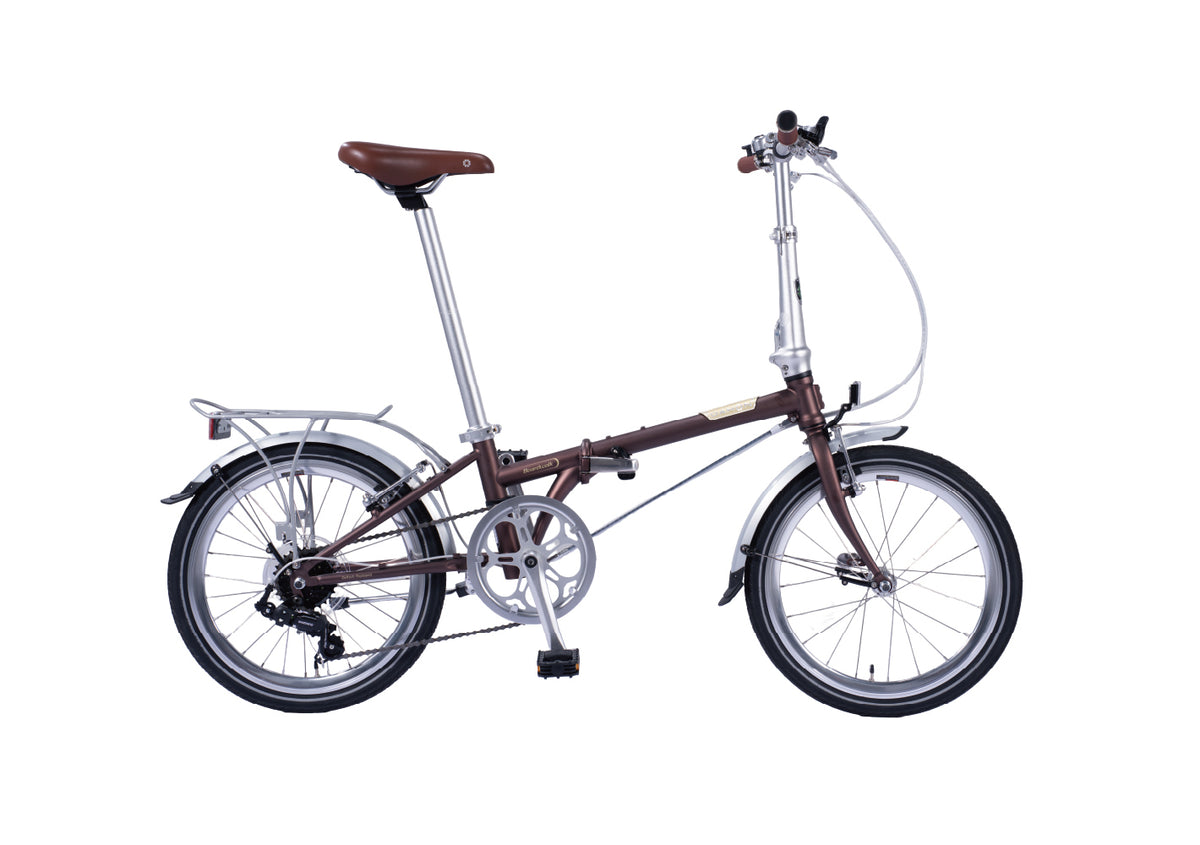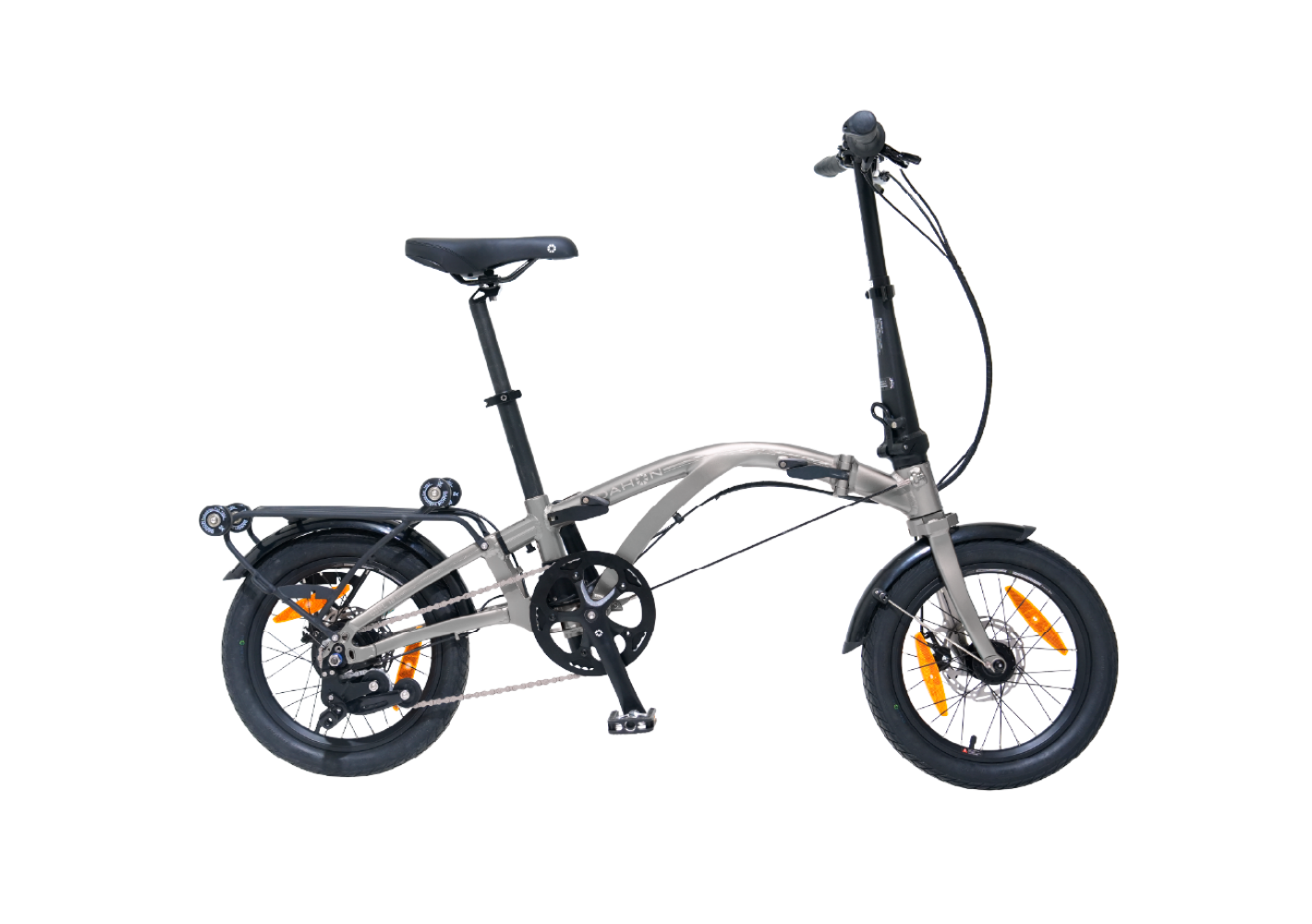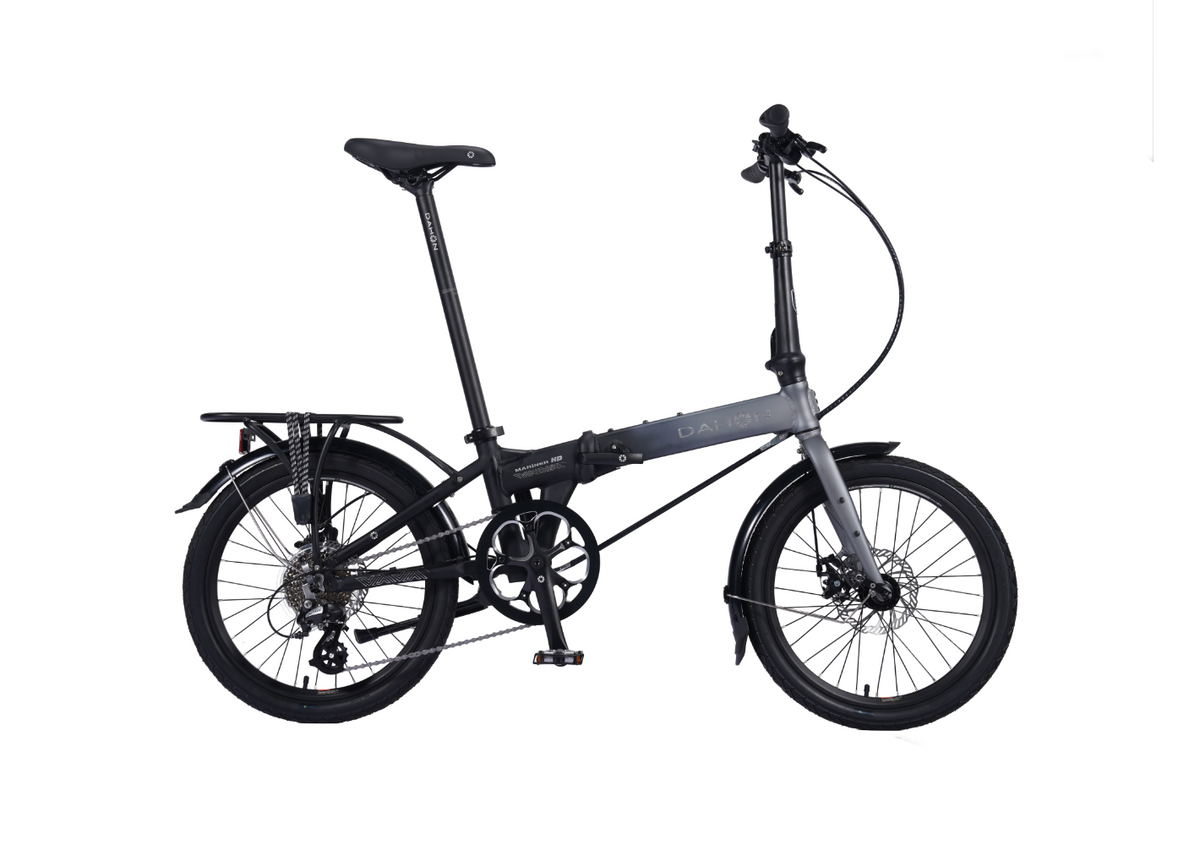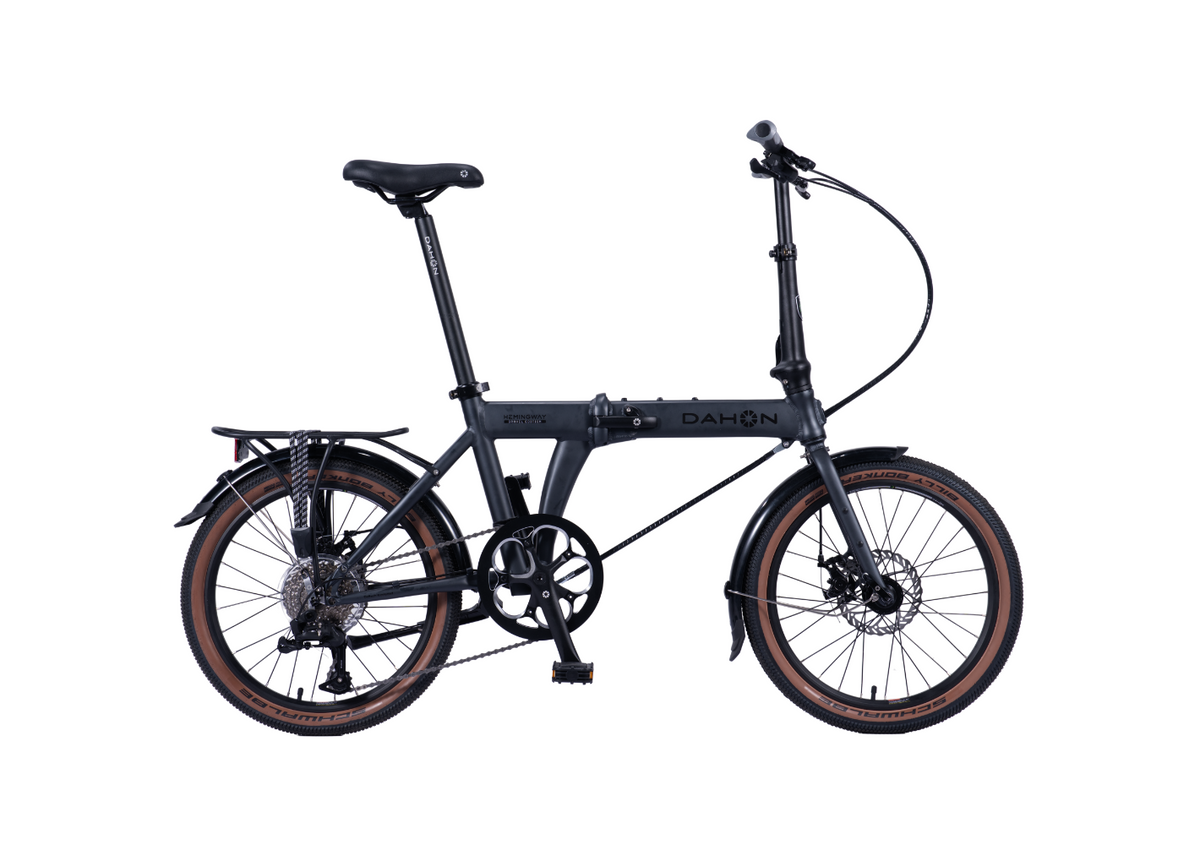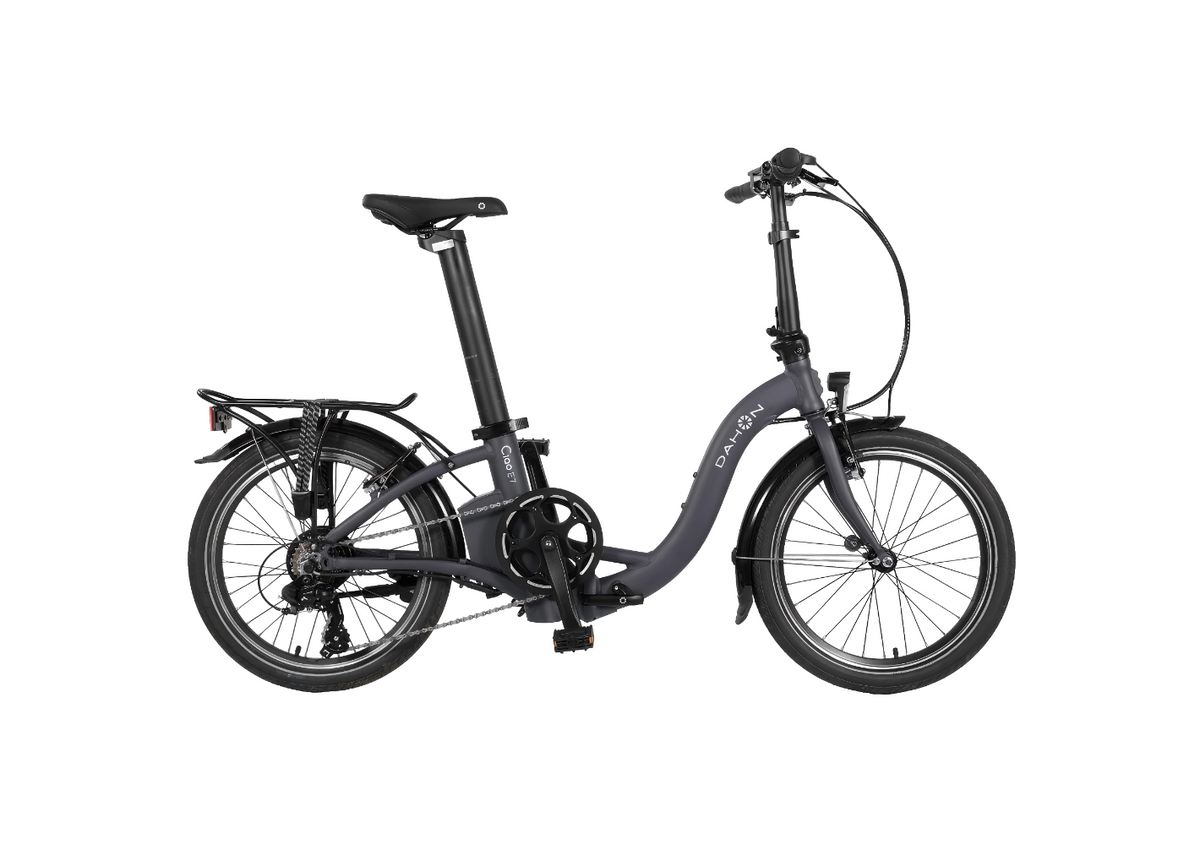
Wider balloon tires can provide more comfort on folding bikes and other mini-velos when riding on rough asphalt and cobblestones. With a folding bike, you must also check whether the wider tires interfere with the folding process. However, a reliable percentage value or a fixed gain in comfort cannot be derived from the tire width alone. The tire construction, air pressure, and road surface are the deciding factors. Before purchasing, ensure that the fork, rear triangle, brakes, mudguards, and rim offer sufficient clearance and are compatible with the intended tire-rim combination.

Wider balloon tires can increase comfort – but not without checking for clearance
With the right air pressure, a wider tire can cushion bumps more effectively, especially on poor asphalt or cobblestones. The extent of this effect depends on the tire construction, the chosen air pressure, the surface, and the specific folding bike model.

Cross-reference the model specifications, available clearance, and rim for your desired tire width. A 20-inch folding bike can have different original tires and rims depending on the model, and the name of a specific balloon tire is not a universal approval for your bike.
If you want to check whether the upgrade is worth it, you should first match the expected comfort to your typical route and only consider the specific tire width as a purchasing option after the compatibility check.
How this concretely affects rides on rough surfaces can be understood by looking at the example of comfort on cobblestones, which also describes the operational limits of such surfaces.
Step-by-step guide to measuring tire clearance on a folding bike
To reliably measure the available tire clearance, start with your existing tires and work your way toward the tightest components. This is the only way to create a solid basis for checking specific models and rims.
Determine baseline dimensions and ETRTO marking
First, read the ETRTO marking and the nominal tire width from the sidewall of your current tire. Additionally, document your rim, mudguards, and braking system with photos. The existing tires are only a starting point and do not constitute approval for a wider option.
Measure the fork and rear triangle at the tightest point
On the front wheel, find the narrowest point between the tire and the fork or fork crown. On the rear wheel, check the chainstays and seat stays as well as the area near the tire tread. Pay attention not only to the lateral distance but also to the space above the tire, as this is often where clearance becomes limited with wider tires.
Include the brake area and mudguards
Check the brake calipers, brake bosses, and the area around the rotor or rim brake for lateral and upper narrow points. If mudguards are installed, measure the distance to the tire and the width of the mudguard again, as both values change with wider tires. Additionally, check the front mudguard stay and its corresponding safety clip.
Document measurements for your purchasing decision
Compile the measurements, tire marking, rim data, and all affected components into a note. Only then should you compare the desired tire-rim combination with the manufacturer's specifications. If the information contradicts itself, prioritize the narrowest documented point and the model documentation over general inch specifications.
Cross-check rims, tire size, and manufacturer approval
Before purchasing, the tire size, rim, component clearance, and model documents must all align. Use the following preliminary checklist before ordering a specific tire-rim combination:
- Note the ETRTO marking and tire width of the desired tire and compare it with your current marking.
- Compare the internal rim width with the tire manufacturer’s specifications, as the inch size alone does not describe a technically suitable combination.
- Check the fork, rear triangle, brake area, and mudguards based on the previously recorded dimensions.
- Confirm the folding movement with the planned configuration and check for specific model approval before purchasing.
The ETRTO dimension describes the combination of tire width and inner diameter but does not replace checking the internal rim width. Do not confuse the ETRTO inner diameter with the existing wheel size, as both provide different information. Current DAHON product data also shows that the original tire setup varies by model. Therefore, "20 inches" is not a universal approval for a specific tire width. Include the mudguard clearance and safety clip as a separate purchasing criterion: The ADFC reference value for mudguard clearance is approximately 5 mm; thicker tires may require more space and wider mudguards. This information is for planning purposes and is not a universal safety limit or DAHON approval. If you are unsure which wheel size makes sense for your application, check our guide on wheel sizes for folding bikes.
Consider foldability and components as an independent limit before purchase
A tire width that fits when the bike is unfolded may still cause contact when folded. Therefore, the folding check is a separate step and not a repeat of the previous measurement.
Brakes, mudguard stays, and folding joints must maintain their function and freedom of movement even with wider tires. Perform the full folding process slowly with the planned tire and mudguard configuration, watching for any contact points between the tire and the frame, mudguard, stay, or brake.
If contact occurs, the braking function is restricted, or the bike cannot be folded completely, stop the installation and clarify the cause using the user manual or by contacting DAHON support. In this case, the purchasing decision is not "probably fits," but "verify beforehand." Obtain this information from the manual or contact DAHON support with your documented measurements.
Weighing comfort, rolling behavior, and weight for your route
Wider tires can allow for more comfort on rough terrain if the pressure and clearance are appropriate. On smooth asphalt, however, rolling feel, weight, and direct response might be more important than maximum width. The actual rolling resistance depends not only on the tire width but also on pressure, tire construction, and the road surface.
| Usage situation | Potential effect of wider tires | Potential disadvantage | Practical selection aid |
|---|---|---|---|
| Smooth asphalt, daily commuting | Hardly noticeable comfort gain | Slightly more weight, less direct rolling feel | A narrower, lighter setup may be a better priority here |
| Poor asphalt, cobblestones | Possible comfort gain with appropriate pressure and sufficient clearance | Higher weight, potential rubbing on mudguards | Prioritize comfort, provided clearance and rim fit are confirmed |
| Mixed everyday routes | Partial comfort gain depending on the route share | Compromise between comfort and agility | Weigh based on the majority of your routes, not individual trips |
Wide tires can roll comfortably at low pressure—provided it remains above the minimum pressure—as explained in the ADFC note on tire width and air pressure. Therefore, use the pressure range specified on the tire sidewall as a starting point and only adjust the pressure within the manufacturer’s specifications. If the tire feels unstable under load, bottoms out, or rubs against components, stop testing and resolve the pressure and clearance issues before riding further. The article on adjusting tire pressure and comfort shows how to set tire width and air pressure in everyday use.
Finalizing your purchase decision with documented measurements
The next logical step is to record all gathered measurements and have the planned combination confirmed before purchase. Document the existing tire and rim data as well as all measured narrow points on the fork, rear triangle, brakes, and mudguards.
If the manufacturer documentation does not provide a clear answer, we would be happy to provide an assessment once you send us the model name, ETRTO marking, rim data, planned tire width, mudguard configuration, and photos of the narrow points via DAHON support. Do not purchase the specific width until compatibility for your model has been confirmed.
FAQs
How do I correctly measure the tire clearance on my folding bike?
First, note the ETRTO marking of your existing tire. Then, measure the narrowest points on the fork and rear triangle, check the brake area and mudguard distance, and finally, verify the full folding movement. If you want to continue using your mudguards, measuring without the guards mounted is not sufficient.
Do wider tires affect the foldability of a folding bike?
Yes, that is possible. Tires, mudguards, or stays may hit each other in the folded position, even if the tire fits when unfolded. Therefore, check the complete folding movement with the planned configuration and have uncertain combinations confirmed for your specific model.
What should I keep in mind regarding internal rim width for wide tires?
The internal rim width must be evaluated together with the ETRTO inner diameter, tire width, and manufacturer specifications. The inch specification alone is not sufficient to select a suitable tire-rim combination.
Are balloon tires more comfortable on a folding bike on every surface?
A gain in comfort is possible, especially on rough surfaces like poor asphalt or cobblestones, but it is not guaranteed. On smooth asphalt, weight, tire construction, air pressure, and your desired rolling feel can be more important than maximum tire width.