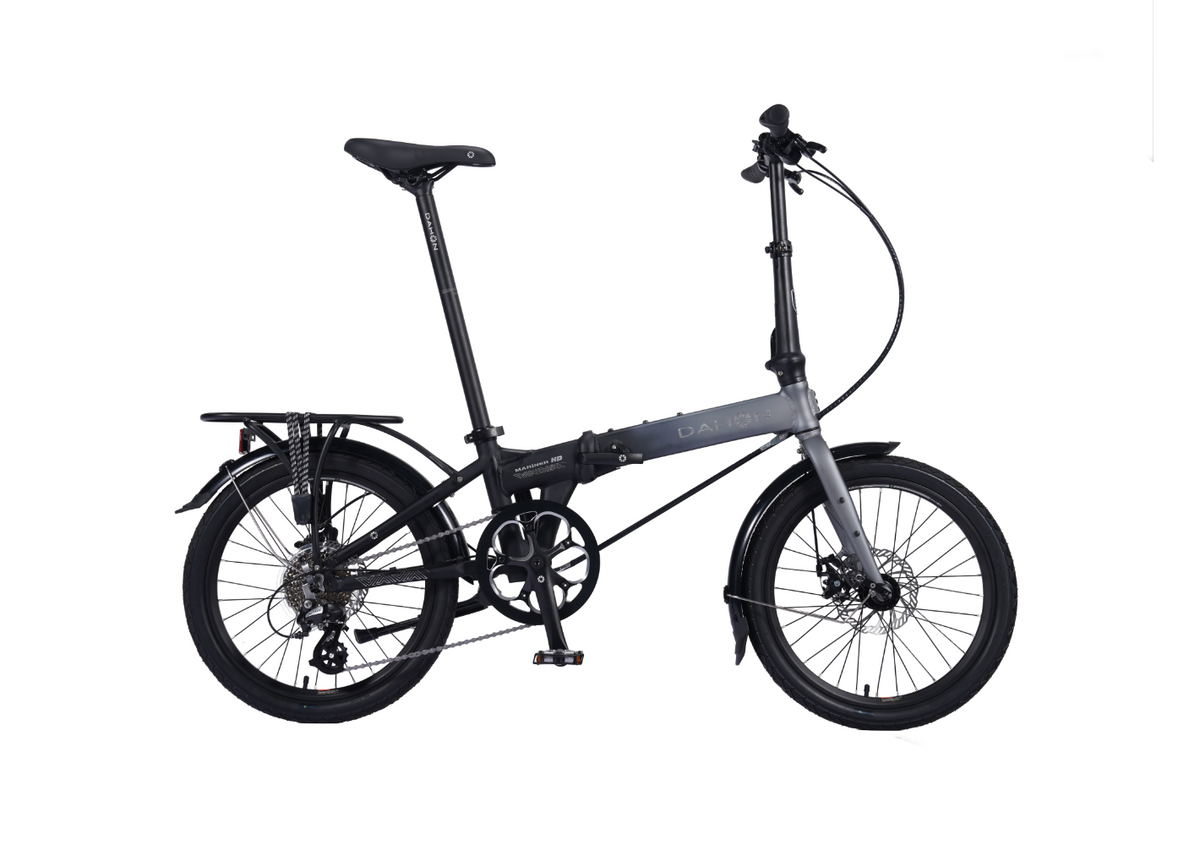
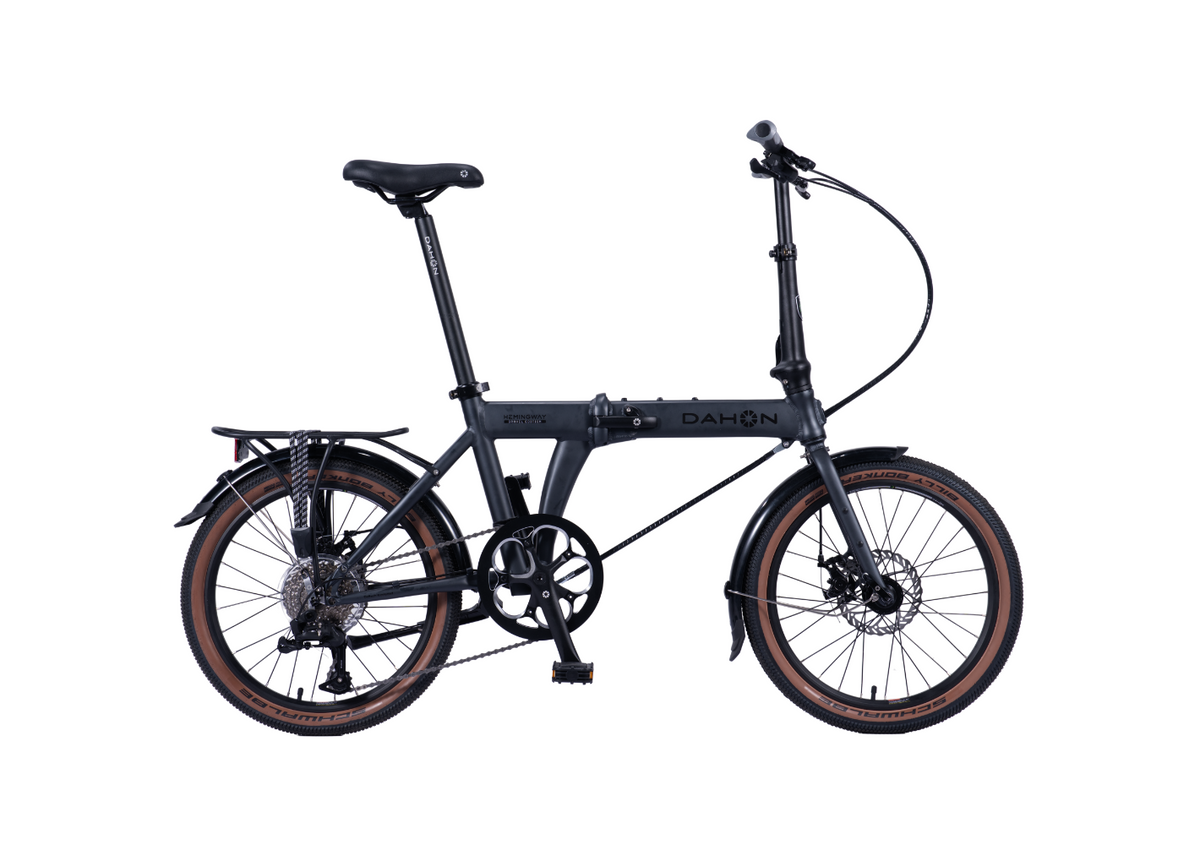
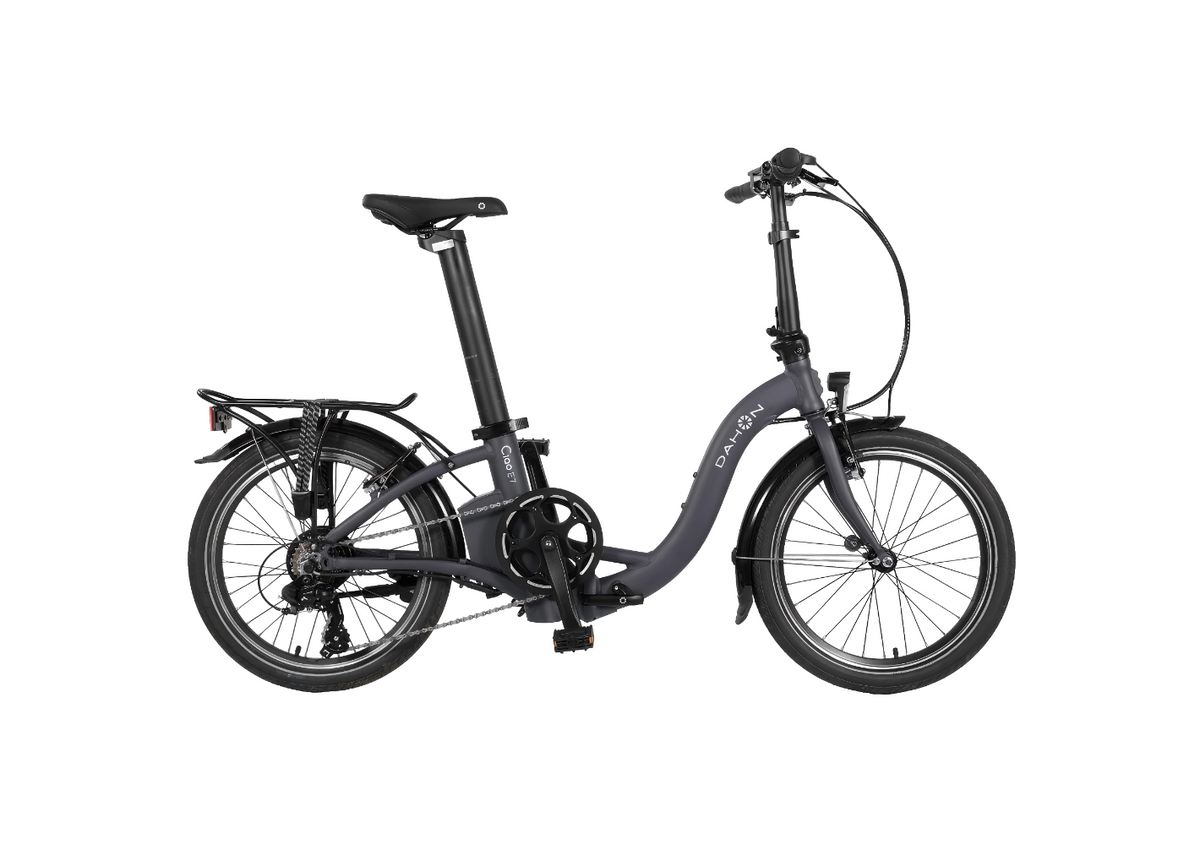
For a suitable e-bike for seniors, it is less about the model name and more about how the bike behaves in three everyday situations: starting off, getting on and off, and handling the battery. A model is a good fit if the motor assistance is easy to dose when starting, the low step-through combined with tires, brakes, and seating position ensures stability, and the battery can be removed and charged without uncomfortable bending. Whether this applies in your individual case can only be determined during a test ride with the specific bike. This guide walks you through these three situations, explains the difference between torque and movement sensors, and concludes with a clear checklist for your purchase decision.

Starting safely: Torque vs. movement sensors in a practical test
For controlled starting at frequent stops and short inclines, a torque sensor is generally more suitable because it links the assistance to your pedaling force. A movement sensor can also be a good fit, provided that switching on, switching off, and braking response remain predictable during repeated test rides.

Torque sensor: Aligning assistance with pedal pressure
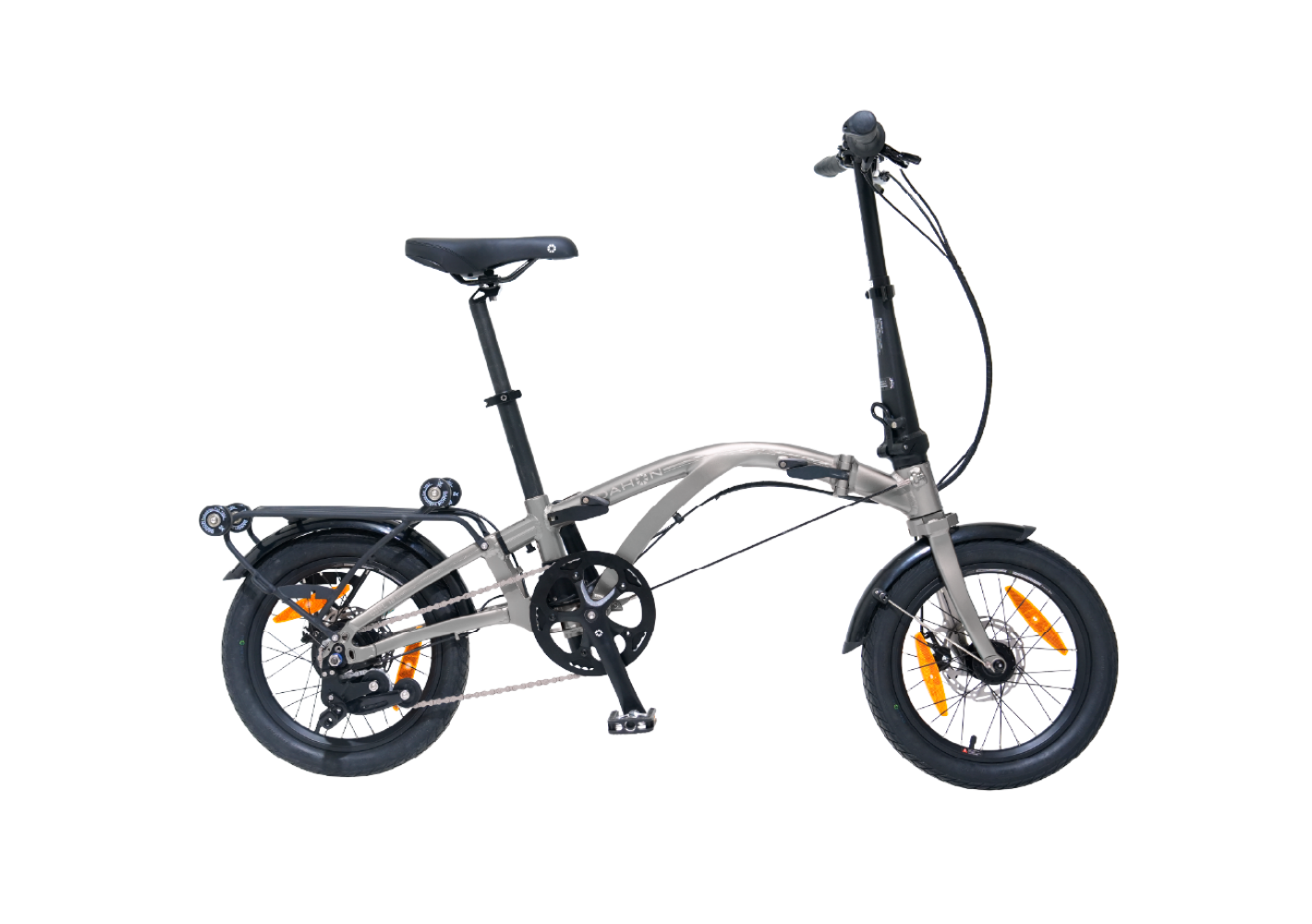
A torque sensor measures how hard you are pedaling and adjusts the level of assistance accordingly. This can make starting off more gentle, but it is not a substitute for safety: even with this sensor, you should test the engagement of the motor multiple times with light pedal pressure. Our Curl Ei4 is documented as having a torque sensor; this makes the model a sensible starting point for a test ride regarding this criterion, but it does not replace your own personal evaluation. According to ADAC test results, a torque sensor actually measures the force applied to the pedals, whereas other systems primarily detect motion.
Movement sensor: Testing activation timing and overrun
A movement sensor, often called a cadence sensor, primarily detects that the pedals are rotating, not how hard you are pushing. Therefore, test several short stops and, if possible, a slight incline in a safe environment: pay attention to whether the assistance starts without a noticeable jolt and whether it cuts out predictably when you brake or stop pedaling. If the electric assistance does not stop predictably when braking or after you stop pedaling, or if the bike continues to push unexpectedly, do not continue the test ride; have the cause investigated before using the bike.
Low step-through and stable contact: Checking mounting, tires, and controls
A low step-through makes it easier to shift your legs when getting on and off, but it does not replace the need to check stability, tires, brakes, and control ergonomics. Only the interaction of these points shows whether the bike truly fits your daily life.
Getting on and off from a secure stance
Check leg clearance, foot positioning, and saddle height in a realistic everyday scenario, such as at a curb, a bike rack, or in a tight parking space. Especially when comparing e-bikes for seniors, a low frame is particularly beneficial, according to ADAC buying advice, for people who have limited mobility or feel insecure when getting on and off. Additionally, check whether you can reach the brake levers and controls while standing without having to stretch.
Evaluating tires, brakes, and seating position together
Wider tires often offer more grip, control, and comfort; a test on the actual surface at slow speeds will show if this holds true for your routes. Check the braking response at low speeds at a safe distance and test the riding stability without motor assistance as well. You should be able to reach the handlebars and display without a cramped posture. Further practical tips on geometry and seating position can be found in our article on entry and seating position for e-folding bikes for older people.
Removing and charging the battery: Posture is key
For regular charging at home, how the battery is actually removed matters more than the mere label "removable." Check the handle, the removal path, your body posture, weight, and the charging location together.
Removal path, handle, and body posture
Do not just check if a lock is present; have the entire sequence demonstrated: removing, carrying, and setting down the battery. Simulate the posture you would actually adopt in everyday life. According to battery care guidelines, a removable battery is more flexible during charging than a permanently installed one; if you intend to charge it indoors, it should be easy to remove and have a weight you find acceptable. Our Curl Ei4 model is documented to have a removable battery weighing approximately 1.6 kg; this is a proven starting point for a demonstration, though you should still test the personal handling yourself.
Combining charging location and manufacturer instructions
Plan for a dry charging location, such as in your home or basement, and only charge using the provided charger in accordance with manufacturer instructions. For our Curl Ei4, both charging on the bike and separate battery charging are documented; you can decide which variant suits your charging location better based on the current product page and user manual. Our article on charging batteries in everyday life shows how charging time and location can be planned.
Folding mechanism in daily use: Safe demonstration of hinges and setup
Have the entire folding process demonstrated and perform it yourself: locking, lifting, setting down, and preparing for the ride again. The deciding factor is whether you can master this process independently and in a controlled manner, not an unproven promise of special lightness.
Check the folding process from the ride-ready position to the compact state in the intended order, and ensure that the hinges and locks engage without excessive manual force. Afterward, pick up the folded bike, set it down, and make it ready to ride again. Our Curl Ei4 model is documented with a vertical folding mechanism; however, the sequence, locking, and the manual force required remain points for individual demonstration. Our guide to testing folding mechanisms provides a structured overview for this process.
Your test ride and purchase checklist
Only buy once starting and braking responses are controllable, entry and seating positions are suitable, the battery and folding mechanism can be mastered independently, and the open model specifications have been confirmed. Follow these five steps and note for each step whether it "fits," is "open," or "does not fit your profile":
- Define your everyday scenario: Choose an intersection, incline, curb, or charging location as you would actually use the bike.
- Start and brake multiple times: Check the activation time, power curve, and the end of assistance repeatedly.
- Test entry, stance, and seating position: Evaluate getting on/off, tire contact, and reachability of brake levers and display.
- Handle battery and folding mechanism yourself: Perform removal, carrying, folding, and setup without assistance.
- Verify model specifications: Confirm weight, range, and other technical values against the current product page and manual.
Only decide to purchase once all five check points yield a clear positive result. Arrange a personal on-site demonstration for the next step: We are happy to help you select the right models from our range of compact e-bikes for your test ride.
Frequently asked questions
Is a torque sensor generally preferable for a senior e-bike?
A torque sensor links the assistance more closely to your pedaling force and is the more logical check point if you frequently start on inclines. A movement sensor remains an option for predominantly flat use if switching on, switching off, and braking responses remain inconspicuous during repeated test rides.
How do I know if the battery can be removed without bending?
Have the handle, the removal path, and the necessary body posture demonstrated to you in full, rather than relying on the "removable" label. Check whether the weight and storage space fit your intended charging location.
What should absolutely be demonstrated regarding the folding mechanism?
The complete sequence from the ready-to-ride position, through locking, to setting up and making it ready to ride again belongs in the demonstration. Only then will you know if you can master the process independently and without excessive manual force.
Is the Curl Ei4 suitable for seniors?
With a torque sensor, a removable 1.6 kg battery, and a vertical folding mechanism, our Curl Ei4 provides documented starting points for a demonstration focused on these three priorities. You should additionally confirm the low step-through, seating position, and personal handling during a test ride and by referring to the current user manual.