A rear light with a brake light function can be a useful additional warning in city traffic, provided the mounting, alignment, and operational readiness are correct. However, it does not replace a guaranteed protective effect and does not imply automatic approval for every model. Decisive factors are your riding profile, the mounting options on your bike, and the willingness to check sensor behavior and the legal situation before purchasing.
Who a rear light with a brake light function is useful for
This function is particularly suitable for frequent riders who encounter frequent deceleration in everyday life. Those who plan for a fixed mounting position and a stable operating procedure can benefit from the additional warning signal.
Benefits in city traffic
In city traffic, you often brake briefly and repeatedly, for example before intersections or in heavy traffic. A sensor-based bike brake light can change the red light output in such moments, thereby indicating your deceleration in addition to the standard tail light. This additional function supplements the prescribed lighting; it does not replace it.
When another solution makes more sense
If your bike lacks a suitable mounting surface—such as with unusual seat post shapes or heavily obstructed rear areas—the brake light function offers little benefit. Automatic detection during every deceleration or a general safety guarantee cannot be derived from this. If you expect this, you should clarify the mounting compatibility before the sensors become a selection criterion.
How the sensor system triggers the brake light signal
Simply put, the sensor system converts a detected deceleration into an altered red light signal. The exact triggering behavior remains dependent on the respective model.
From deceleration to visible signal
The process can be described in four steps:
- When braking, a measurable deceleration of riding speed occurs.
- An internal sensor detects this change in movement.
- The controller evaluates the signal and activates the brighter or altered red light output as a brake light signal.
- After the braking process, the light returns to its normal operating mode, depending on the model.
This sequence explains the basic principle. It says nothing about how sensitively an individual model reacts or how quickly the switch occurs.

Why the behavior remains model-dependent
Sensor type, triggering threshold, mounting angle, and the type of riding movement can influence the result. Reliable values regarding reaction time or sensitivity are not generally available for individual models. The most reliable source of information remains the manufacturer's specific operating manual, supplemented by a cautious practical test in a safe environment.
Which criteria determine the selection
Before brightness, you should first clarify the mount, visibility, and power supply. The ADAC evaluates bicycle lights based on handling, light effect, battery life, charging behavior, and weather resistance, among other things, and not based on a single brightness value, as the criteria in the ADAC bicycle light test show.
Mounting and compatibility
- Check whether the seat post diameter, shape, and available mounting surface match the mount.
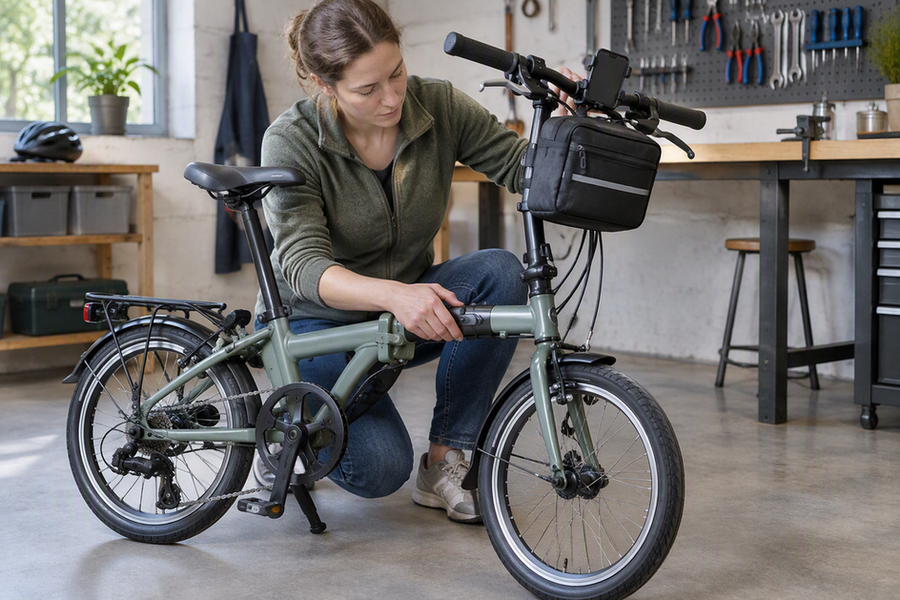
- Ensure that luggage racks, mudguards, or luggage do not obscure the light.
- Clarify whether the mount can be securely fixed against twisting.
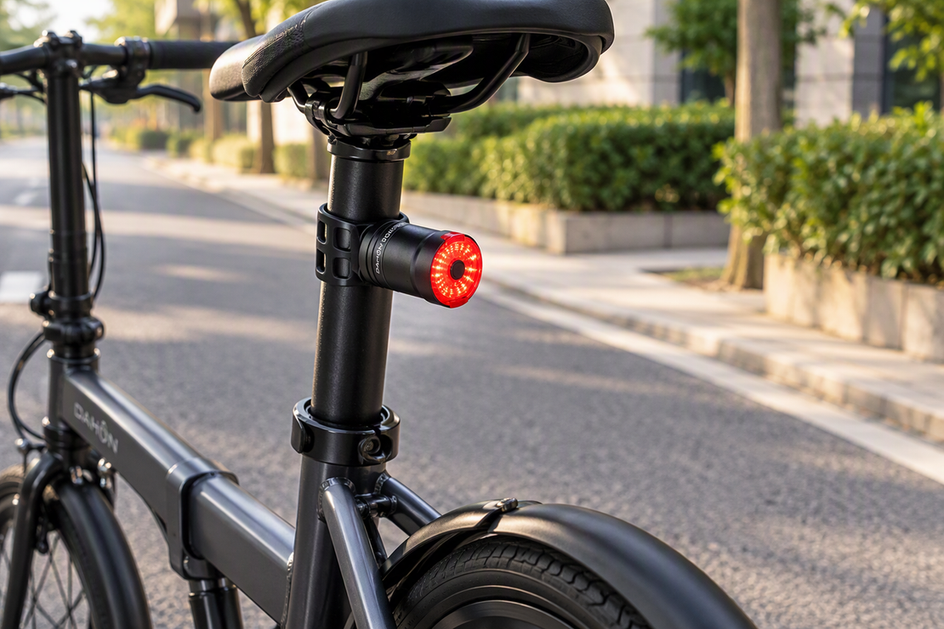
For the DAHON DH-1075 rear light, a tool-free strap attachment is intended according to manufacturer specifications; this facilitates retrofitting on many seat posts but does not replace checking your own mounting surface.
Visibility and alignment
- Keep the red light surface clearly visible from the rear.
- Align the light toward the rear according to the product manual. Check from multiple positions whether the red light surface remains visible and is not obscured by luggage or other components.
- Avoid an alignment that blinds other road users instead of warning them.
Sensor, battery, and operation
- Compare automatic and manual modes as well as the specified charging method.
- Use runtime and charging information as manufacturer values, not as independently measured values.
- Consider weather resistance and cleaning effort for everyday use.
For a city bike with USB charging needs, a bike rear light with a brake light such as the DH-1075 with automatic brake detection, auto and manual mode, up to 60 lm, 220° beam angle, and IPX6 protection could be a suitable example. Nevertheless, you should confirm the exact sensor characteristics and legality in individual cases based on product documents and the test mark before committing. If you are planning the rear light as part of commuter equipment, you will find further equipment for commuting summarized.
How to mount the rear light correctly
First, mount the light securely, unobscured, and aligned toward the rear. While standing, first check the normal lighting operation, the set mode, the fastening, and visibility.
Fastening and alignment
- Choose a stable position on the seat post that fits the strap mount, where the light does not wobble or get obscured by luggage. Mounting on other components is only an option if explicitly provided for in the product manual.
- Fasten the mount securely and align the light surface straight toward the rear.
- Check by carefully turning the housing whether the light can be unintentionally adjusted, and secure it if necessary.
Checking function while stationary
- Switch on the normal lighting operation and check visibility from the rear.
- Check the operating mode and the secure fit of the light while standing.
- Test the brake light triggering afterward through several controlled decelerations on a safe, traffic-free area.
- Only then carry out a cautious practical test in a quiet, safe environment before riding in normal traffic.
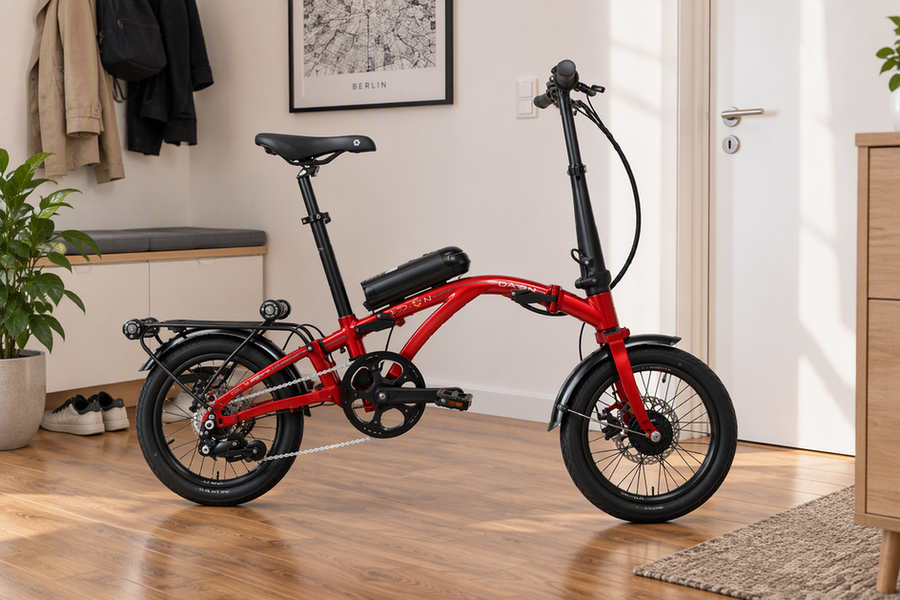
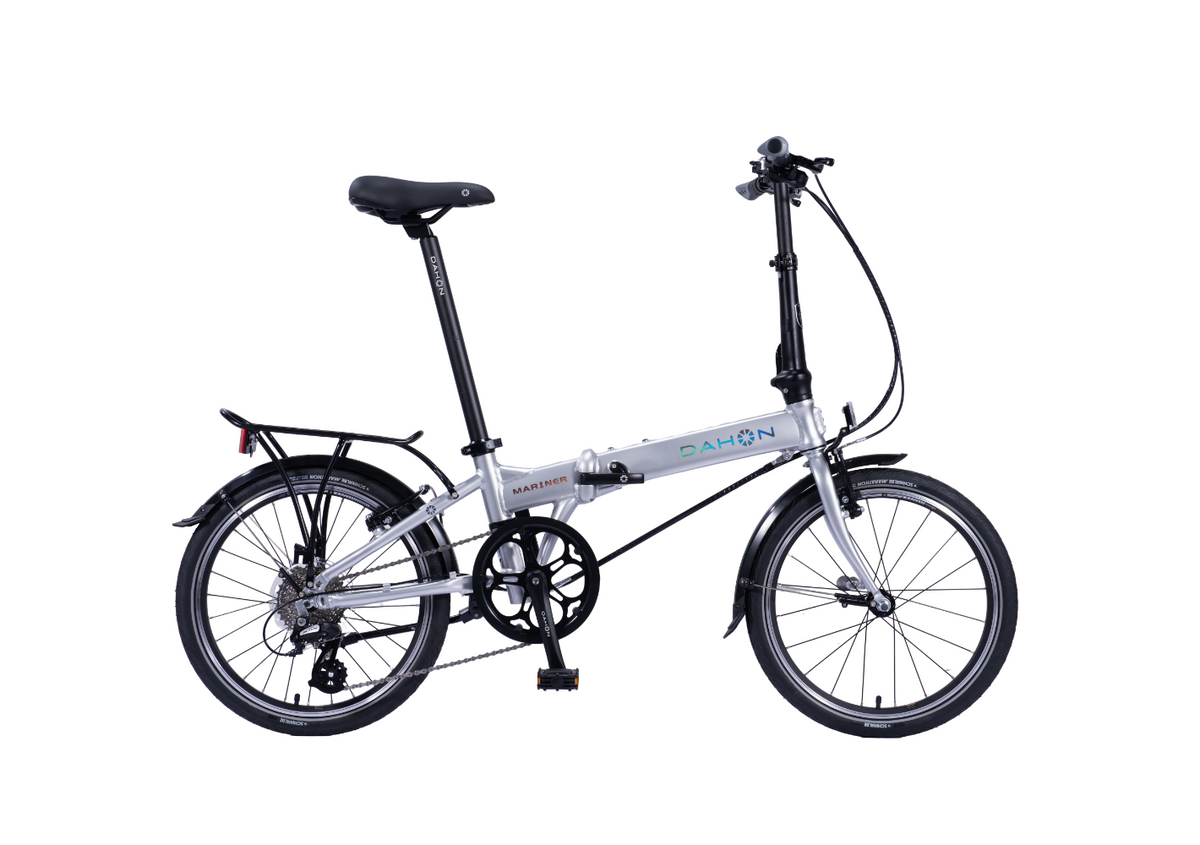
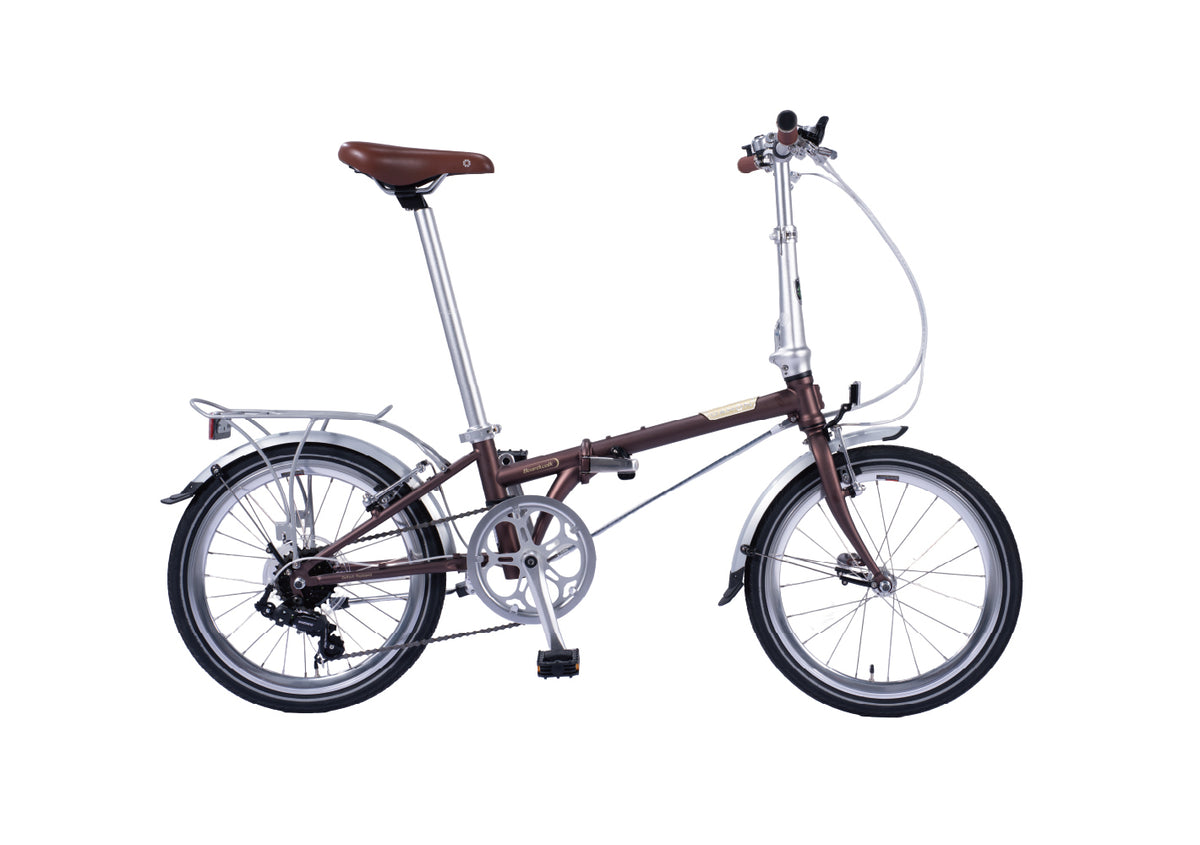
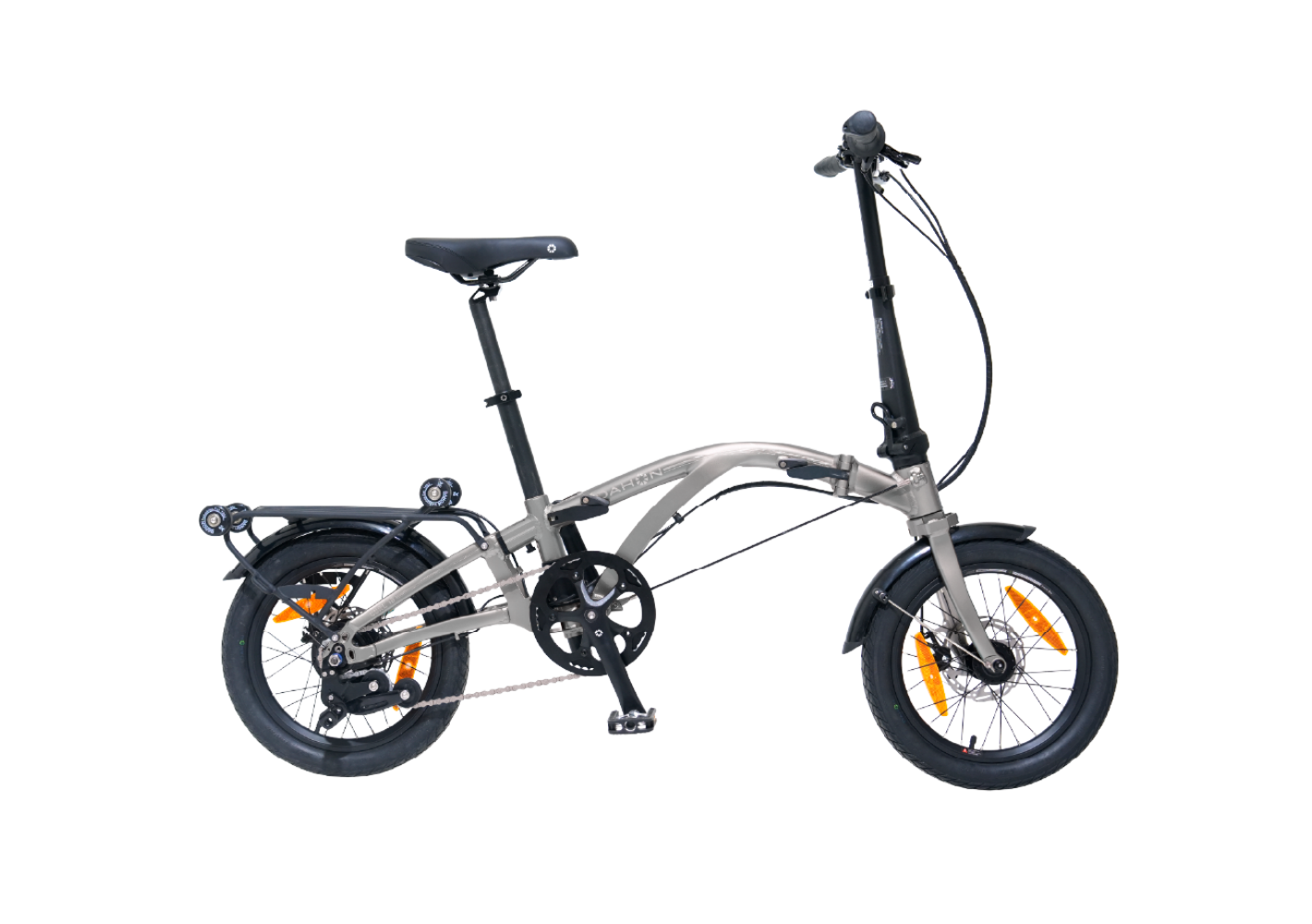
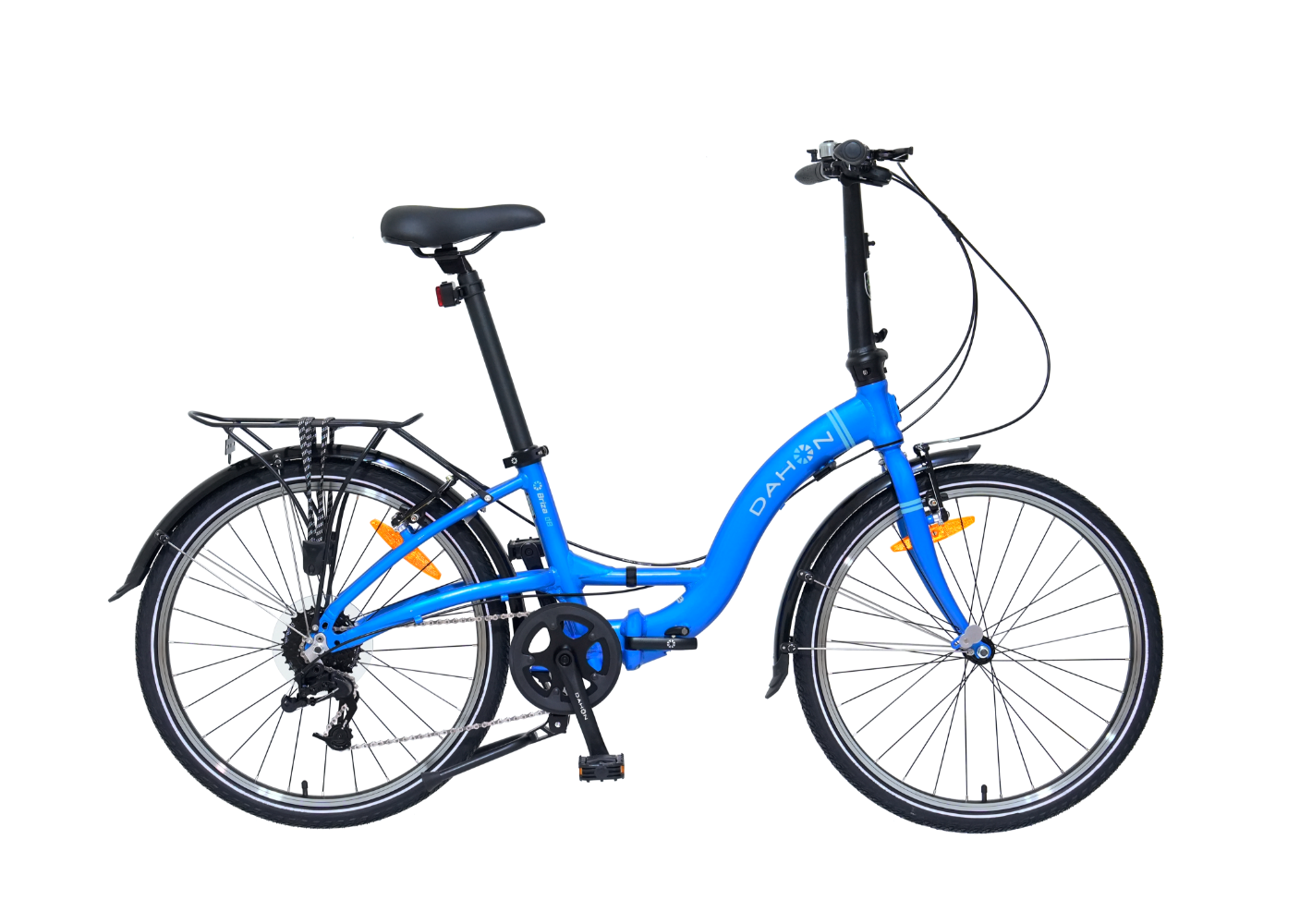
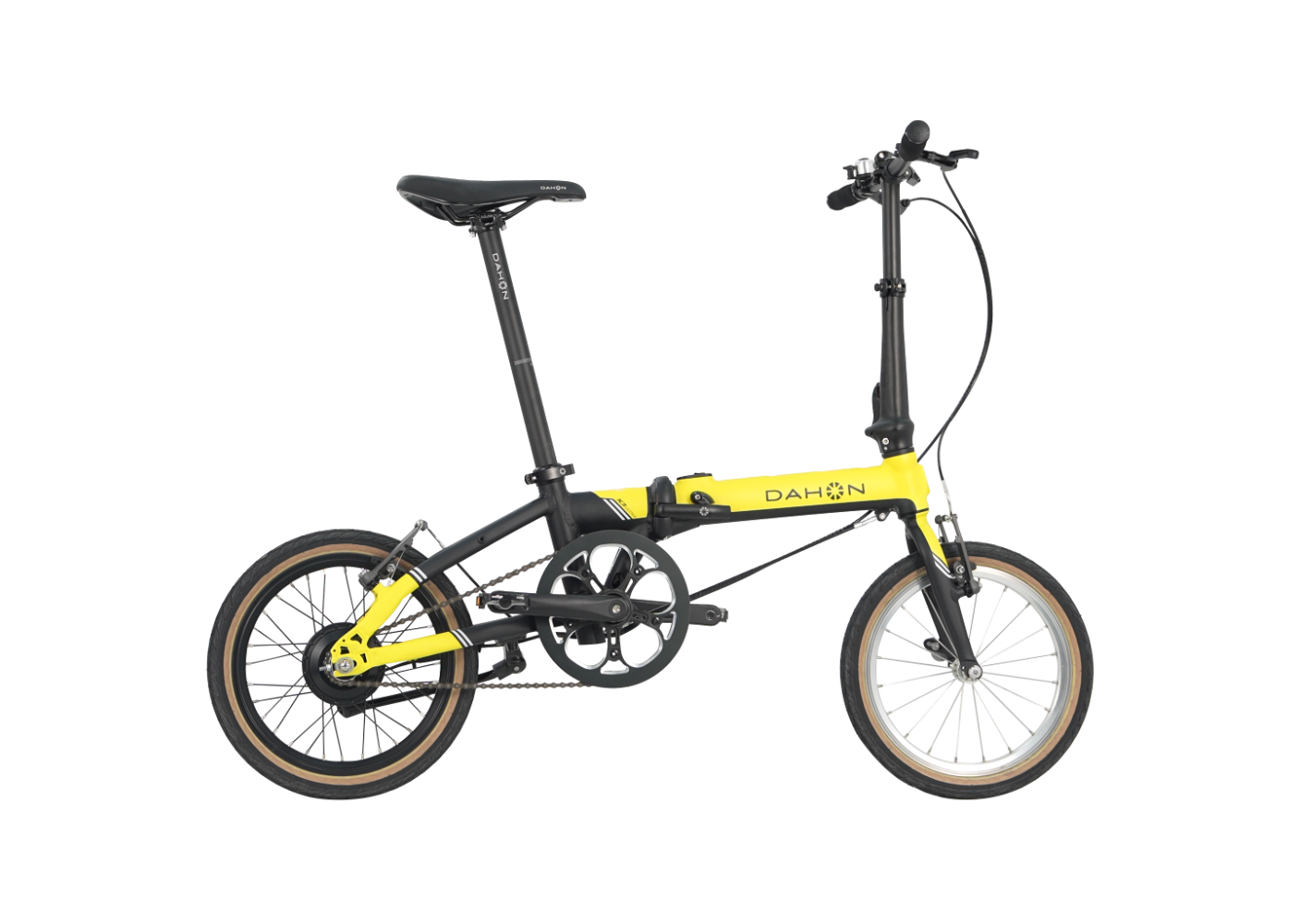
For folding bikes, it is also worth taking a look at the folding movement: the light should not be damaged even when folded. We have summarized more about what is important for folding bike light and visibility in everyday life separately.
How to test and maintain the function in everyday life
Operational readiness comes from a short, repeatable routine: charge the battery, keep the light surface clean, and check the fit of the mount. These three points decide more often on functionality in everyday life than the sensor technology alone.
Charging and keeping clean
Include the battery charge level in your daily departure routine, especially if commuting regularly. Occasionally wipe dirt off the light surface and mount so that the signal remains visible. The IPX6 protection class designates protection against strong water jets under specified test conditions. It does not prove suitability for submersion and does not replace cleaning or the inspection of the housing, charging port, and seals.
Observing behavior in everyday life
Observe the normal rear light and brake light signal separately, especially after mounting or after a fall. Evaluate slow decelerations and typical city maneuvers only in a safe environment. If the signal remains absent repeatedly, check the operating mode, charge level, and alignment first before assuming a technical defect.
What is legally applicable in Germany
A red tail light with an additional brake light function is generally permitted in Germany. For the specific model, an officially approved design or the prescribed test mark as well as a fixed, unobscured attachment that is secured against unintentional adjustment are decisive.
Test mark and fastening
According to the requirements in § 67 StVZO, tail lights may additionally be equipped with a brake light function for red light, provided the requirements mentioned therein are met. Important remains the type approval of the respective model, a fixed attachment during the ride, as well as protection against unintentional adjustment. Legality cannot be derived from the product name alone; you should check the specific test mark before use.

Detachable lights and brake light function
Detachable headlights and lights must be attached to the bicycle during twilight, in darkness, or when visibility conditions otherwise require it. During operation, they must be firmly attached, ready for use, unobscured, and secured against unintentional adjustment.
The additional brake light function does not change this obligation for the prescribed red tail light; it merely supplements it. Flashing tail lights are not a permitted variant, regardless of a built-in brake light function.
Frequently asked questions
What labeling and fastening must a rear light with a brake light function have?
Decisive is the type approval of the specific model as well as a fixed, unobscured attachment during the ride. In darkness or restricted visibility, the light must be attached to the bicycle and ready for use. The requirements for attachment and operation arise from § 67 StVZO. Whether the light complies with an officially approved design can be recognized by the prescribed test mark; the basis for this is § 22a StVZO.
How reliably does a sensor-based rear light detect slow decelerations?
A general reliability statement cannot be made for this, as sensor type and triggering threshold differ depending on the model. Check the normal lighting operation, the selected mode, and the secure fit of the light while stationary. Test the automatic brake light triggering afterward through several controlled decelerations on a safe, traffic-free area and compare the behavior with the operating manual.
What can you do if the brake light does not trigger?
First, check the set operating mode, the battery charge level, and whether the light is aligned firmly and unobscured. Additionally, clean the light surface, as dirt can reduce the visibility of the normal rear light and the brake light signal. If the brake light triggering remains absent despite this check, compare the installation position and sensor instructions with the operating manual or have the light checked.
May a detachable battery light with a brake light function be used on a bicycle?
Yes, provided it is attached to the bicycle and ready for use in darkness or restricted visibility, and the light is not obscured or unintentionally adjustable. The additional brake light function does not change this fundamental obligation for the prescribed red tail light according to the mentioned StVZO requirements.