A folding e-bike can make a mixed-pace outing more manageable by reducing an individual rider's pedalling effort on climbs. Motor assistance changes personal effort rather than creating an automatic group pace, so keeping everyone together still depends on shared route choices.
A shared ride still needs a route and pace that suit the least confident rider. Treat the motor as extra help on harder sections. Folding matters only if carrying or transporting the bike is part of the day.
Can a folding e-bike help a mixed-pace group ride together?
Motor assistance can ease one common physical demand: an individual rider's effort on an incline. Staying together as a group also relies on picking a suitable route, rider confidence and agreeing on a comfortable speed.

In one indoor study, 19 healthy adults who were not athletes rode a pedelec (a pedal-assist bike whose motor normally provides assistance in response to pedalling, subject to the applicable local rules) on simulated slopes of 1.0% and 2.5%. The study findings on assistance and incline effort showed that both the assistance level and gear ratio significantly affected the riders' physical responses. The paper also summarises earlier research in which assistance reduced oxygen use, energy use, heart rate and muscle activity compared with riding without it.
For your group, motor assistance offers a practical way to lower individual physical strain on an incline, with the exact effect depending on the chosen support setting and gearing. This tested mechanism applies to individual effort under specific conditions rather than mixed-fitness group speed.
Group dynamics also involve subjective coordination. A 2024 study of 10 pairs of older cyclists examined “simultaneous flow”—the shared experience of being fully engaged in the ride together. In that sample, personalised motor assistance seemed to disrupt simultaneous flow, possibly because the existing pairs were already closely matched in rhythm.
A rider with lower fitness may reach the top of a climb less tired with motor assistance. That could make it easier to stay with fitter friends. Confidence, route choice and the agreed pace still shape how well the ride works.
What route and pace will work for the whole group?
Plan the ride around the least confident rider. Then treat assistance as help on the climbs, rather than the basis of the plan.
- Distance: Ask that rider what distance feels comfortable and how they felt after their longest recent ride. Set the route length based on their answer, not the fittest rider's usual loop.
- Climbs and open stretches: Review the route's hills and exposed sections together on a map. If any part feels doubtful to them, choose a flatter alternative or leave out that section.
- Pace: Agree a speed they can maintain comfortably for the whole route. Letting them set the pace at the front helps everyone follow it.
- Regroup points: Choose a few places to wait, such as a parking area or a safe stopping place away from traffic. This lets faster riders stop without putting pressure on the group.
- Shorter way back: Plan an early route back in case the ride feels longer or harder than expected.

If climbs are the main challenge for your group, our guide to assistance and gearing on climbs explains why motor position, torque and gear choice matter on steep ramps. If you are deciding whether the slower rider needs a motor, our comparison of folding bikes and electric folding bikes covers effort, carrying and charging on hilly routes.
For more ideas on group organisation, riding guidance suggests that the leader adjusts the pace to suit the group and regroups in a safe place away from junctions. Its road examples refer to Britain, so follow your own country's traffic rules for legal requirements.
Which assistance and battery details should you check?
Use the exact bike's information to plan the ride; general range figures are only a starting point. A rider who needs assistance on hills should know what the bike offers and how far its battery is expected to go.
- Find the assistance settings. Check the manual or model page for the number of support levels and how to switch between them while riding. Try the levels before the outing so the rider knows which suits a climb.
- Check the battery and range guidance. Note the manufacturer's range information and the conditions it is based on, such as assistance level or terrain.
- Compare it with your route. Match the guidance to the planned distance and climbs. If the route has more hills or uses more high assistance than the stated conditions, plan for less range.
- Choose a suitable plan before setting off. If the range guidance covers the planned ride, charge the battery fully. If the route is longer or hillier than the guidance allows, choose a shorter or flatter option, or ask the dealer or manufacturer for advice on that model.
When you compare our electric folding bikes, check each model's page and manual for these details. Our guide to battery range factors explains how capacity in Wh, riding conditions and riding position affect realistic range.
When does folding matter to the outing?
Folding matters when the day includes carrying or transporting the bike. While riding, pace depends on motor assistance, gearing and the plan you agreed.
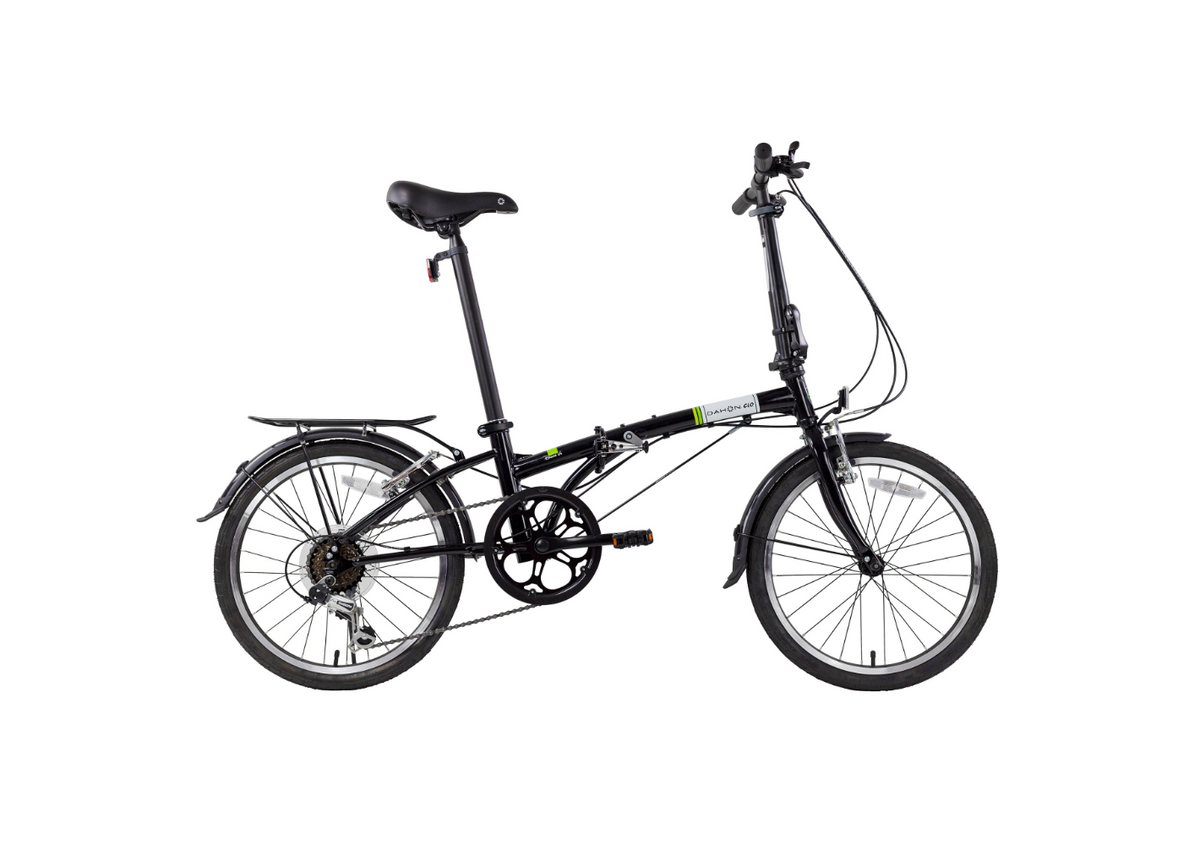
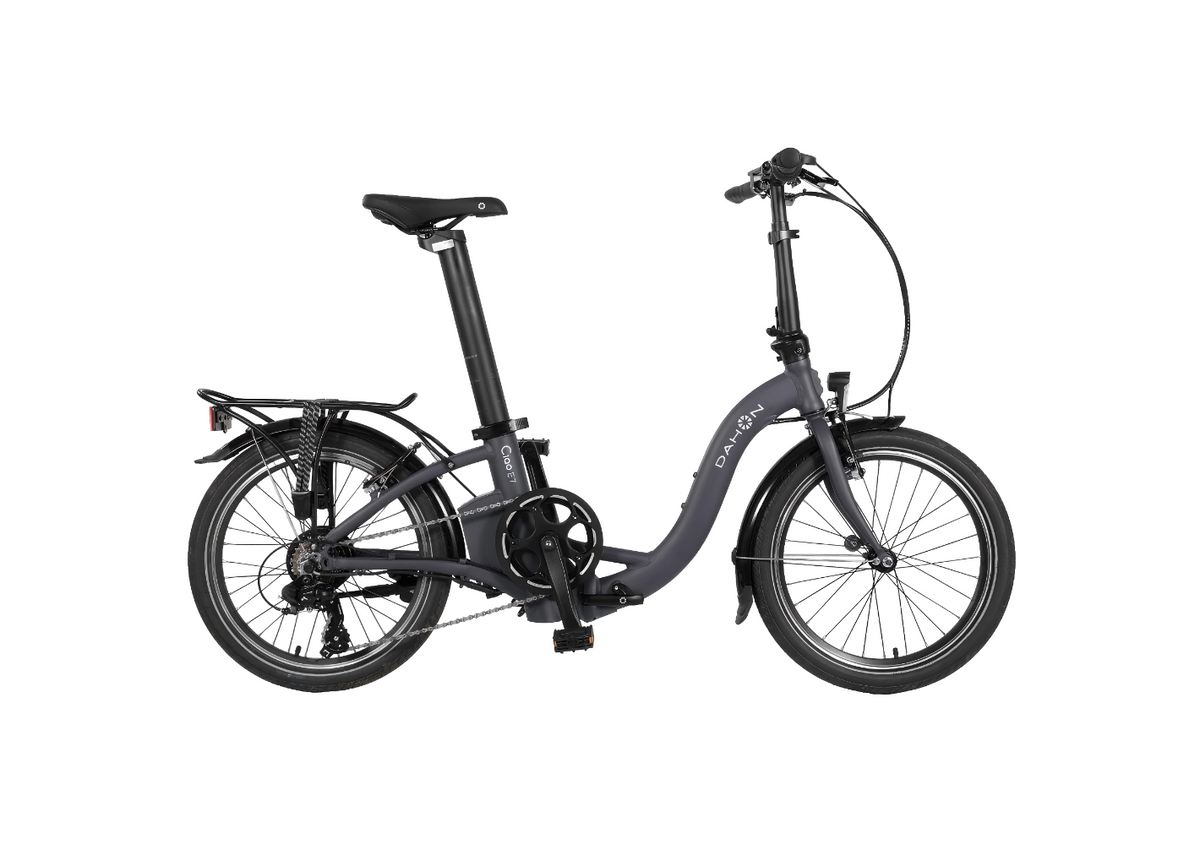
Will anyone take a train to the start, fit the bike in a car's luggage space, carry it up stairs or store it at a café or holiday flat? If so, compare the exact model's official folded size and weight with that step, and choose a meeting point that works. If the ride starts and ends at someone's home, folding need not affect the choice. Our folding bike options can be compared by folded size, gearing and comfort when transport is part of your plans.
FAQs
Will an e-bike make a slower rider as fast as the rest of the group?
Electric assistance helps by reducing an individual rider's physical effort, especially on climbs, rather than ensuring everyone travels at the same speed. Overall pace still depends on confidence, terrain and motor settings. The best approach is to agree on a group pace that suits the least confident cyclist first, using motor support to keep individual effort comfortable.
Does folding help riders keep the same pace?
Folding helps with carrying, storage and transport before or after the ride. On the road, pace depends on motor assistance, gearing and the group's agreed plan.
Can I rely on a quoted range figure for a group outing?
Check the manufacturer's stated test conditions against your planned route, taking into account hills, stops and higher assistance levels. Choose a route that fits the guidance comfortably and plan a shorter way back.