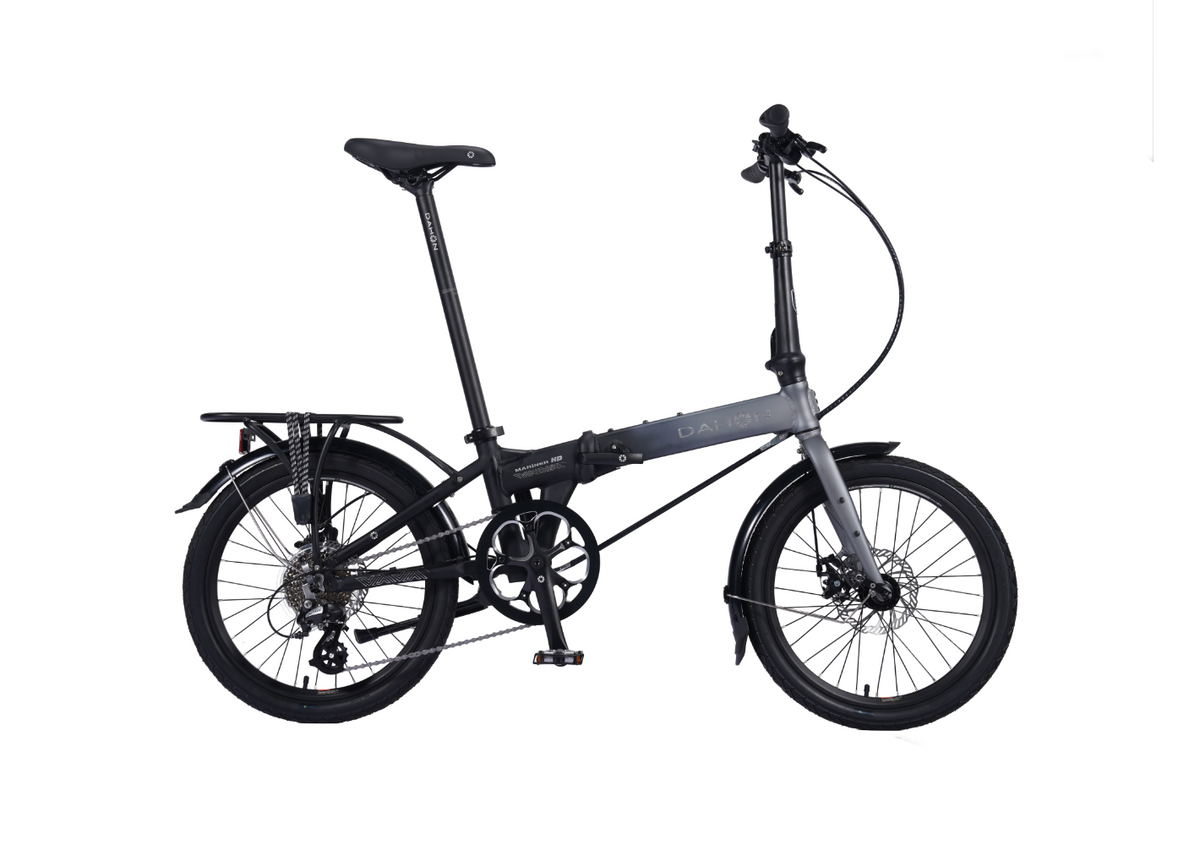
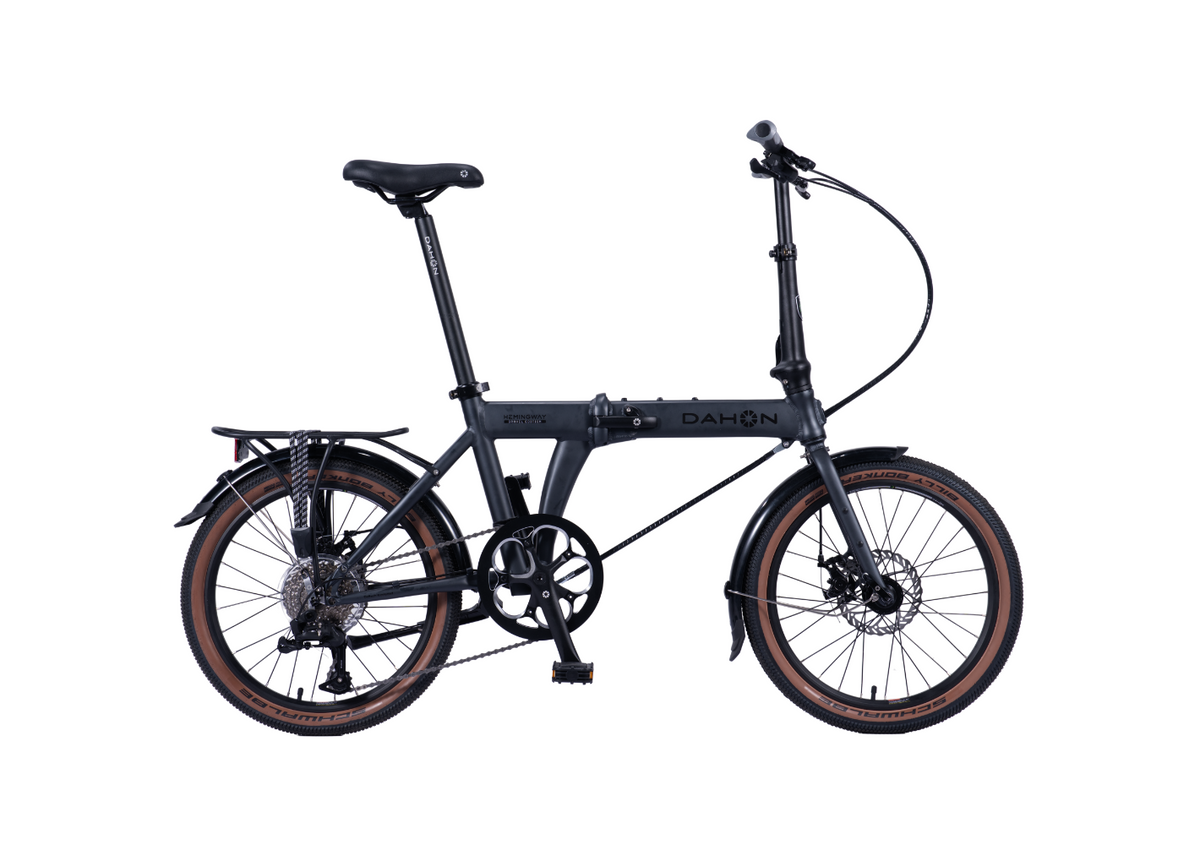
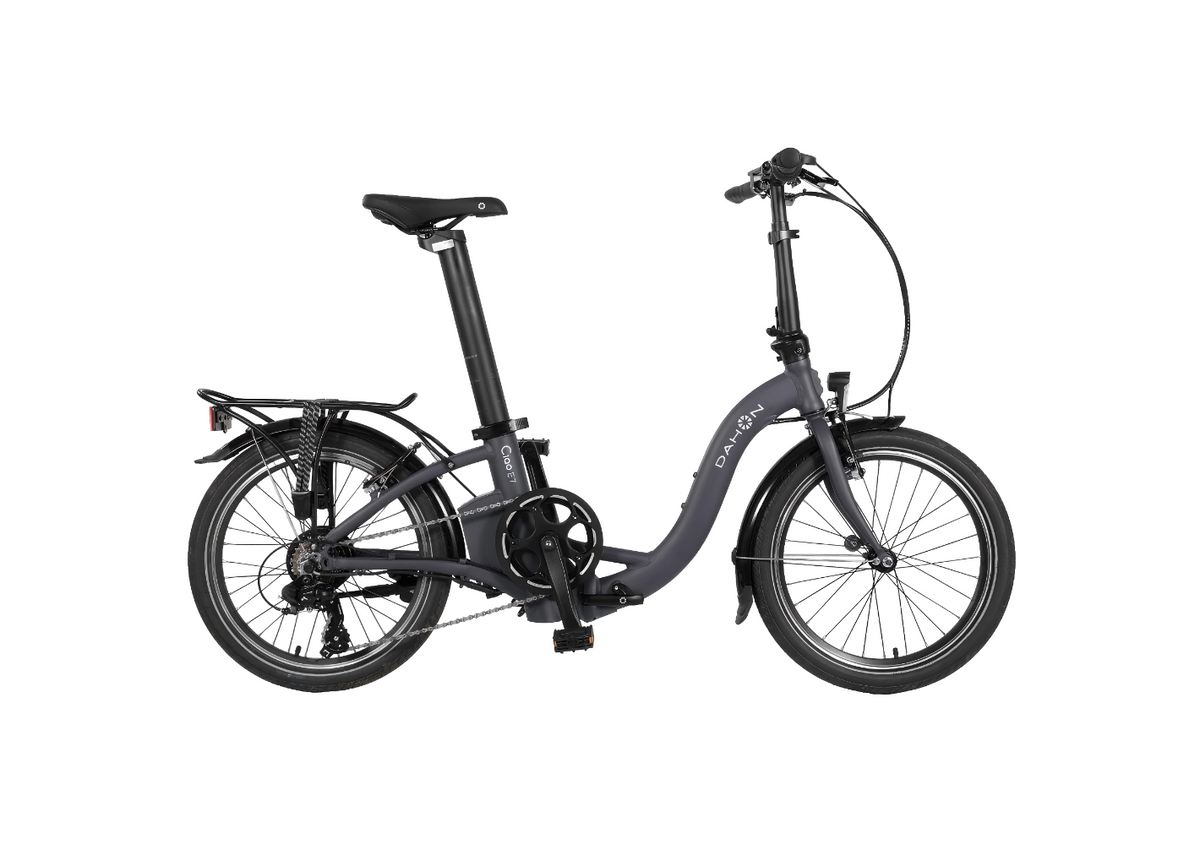
A folding bike can give you more options when your train is delayed or cancelled, but it does not replace the train by default. It helps when you can ride all or part of the way on a route that suits you right now, or when the next train has confirmed it will carry the folded bike.
Key Takeaways
- Check live disruption status before unfolding to see whether waiting or rerouting works better.
- Assess distance, weather, road conditions and personal readiness before deciding to ride.
- Verify carriage, dimension and reservation rules for the specific replacement or onward service.
- Keep your passenger journey and bike logistics distinct if onward carriage cannot be confirmed.
If neither is true, treat your own onward journey and the bike as two separate problems. Find a confirmed way to keep travelling, then make a separate plan for the bike that you are allowed to use.
Check the live train status first
Before you unfold anything, find out whether your train is still running. The EU's real-time disruption information rules say operators must tell passengers about delays or cancellations as they happen, along with their rights and obligations. Some services may be exempt, so use the operator's own app, displays and announcements as your main source.


- Delayed but still running: Compare the new arrival time with the time you can actually spare. Wait if it still works for you. If it doesn't, ask the operator about a confirmed reroute.
- Cancelled or replaced: Look for the operator's rerouting information before you choose anything else. Then decide whether riding, or a ride plus another train, is realistic.
Keep one thing in mind on both paths. A reroute that works for you as a passenger says nothing about whether the bike can come on that train or bus.
Decide whether cycling all or part of the journey is suitable
Decide whether cycling suits your journey by checking current conditions against your route and schedule. Use this practical self-check:
- Remaining distance: How far is it to your destination, or to another station with a working service?
- Current route conditions: Think about weather, light, traffic and roadworks on the roads you would actually use.
- Available time: Would the ride get you there in time, or does waiting still win?
- Bike readiness: Are the tyres, brakes and lights ready to use straight away after unfolding?
- Your circumstances: Consider how you feel, what you are carrying and what you are wearing today.
If the route seems wrong for you in current conditions, don't ride it. Pick a confirmed option without cycling instead. A short urban bike ride to another station can work well, but only once the onward train and its bike carriage are both confirmed.
Confirm the exact train will carry the folded bike
Before you count on any bike-plus-rail plan, confirm the conditions for the exact train you will board, not just the rail company or route. Rules differ between operators and services, and a replacement may be run by someone else.
- Which operator runs this specific service, including any replacement train or bus?
- Does your ticket or fare cover the bike, or is an extra ticket needed?
- Does the bike have to be folded, packed in a cover or kept under a size limit?
- Is a fee or a reservation required?
Deutsche Bahn in Germany is a useful example of how these conditions work. Its Deutsche Bahn folded-bike conditions say folding bikes may be carried when folded, as long as they can be stowed safely, for example in the luggage rack, and do not obstruct or injure other passengers or damage the carriage. On DB-ÖBB cooperation trains to Italy, DB lists a 90 × 60 × 40 cm limit for folded bikes and excludes bikes that don't meet it. Unfolded bicycles are a separate category. The DB long-distance bicycle conditions say bikes go only on marked trains and need a bicycle ticket plus a storage-space reservation. Regional rules and fees can differ.
These are DB rules only. For packing covers, folded dimensions and how to match operators to each leg of the trip, see our guide to folded-bike train conditions.
Choose a confirmed fallback if either option fails
If riding does not suit you and no onward train has confirmed carriage for the bike, treat your personal transit and bike logistics as separate tasks. Confirm carriage terms directly with the operators running the available services.
- Secure your own journey. Ask the operator for a confirmed way to continue. Under the EU rules, the qualifying delay and cancellation options include rerouting or a refund when a cancellation is expected to delay your arrival by more than 60 minutes. Options also apply to delays of 60 minutes or more.
- Know the 100-minute rule. If your train is cancelled and the railway company hasn't told you about rerouting options within 100 minutes of the scheduled departure, the conditional alternative-transport option lets you arrange other public transport (rail, coach or bus) without its agreement. The company must then reimburse necessary, appropriate and reasonable costs. Some services may be exempt. This rule covers public transport for you, not carriage of the bike.
- Plan for the bike separately. Ask the operator of the alternative service what it allows, and choose an arrangement it accepts.
- Prepare before the next disruption. Save your operator's disruption and bike-carriage pages, note a possible riding route and a passenger fallback, and check both again when trouble starts. Our tips on multimodal commute preparation cover folding steps, route apps and what to pack.
FAQs
Does a replacement bus have to take my folding bike?
There is no general rule that it must. A replacement bus or train may be run by a different company with its own conditions, so ask about that exact service before you rely on it.
Can I claim back the cost of cycling the rest of the way?
The EU passenger-rights rule covers qualifying public transport such as rail, coach or bus under stated conditions. Personal cycling expenses are not included in those public transport reimbursement rules.
Do Deutsche Bahn's rules apply to trains in other EU countries?
No. They apply to DB services, and DB even sets extra conditions for some international trains. For any other operator, check that operator's own carriage rules for the train you plan to take.
Is folding the bike always enough to take it on board?
Carriage depends on the specific service. Train operators may set dimension limits, require a dedicated protective cover, or mandate an additional ticket. On Deutsche Bahn, for example, the folded bike must be stowed safely in areas like luggage racks without obstructing passengers or safety gear.
Where should I start if I'm still choosing a commuter folder?
Compare folded size, weight and how easily the bike fits your train's luggage space. Our folding bike range lets you compare models by folded size, gearing and comfort.