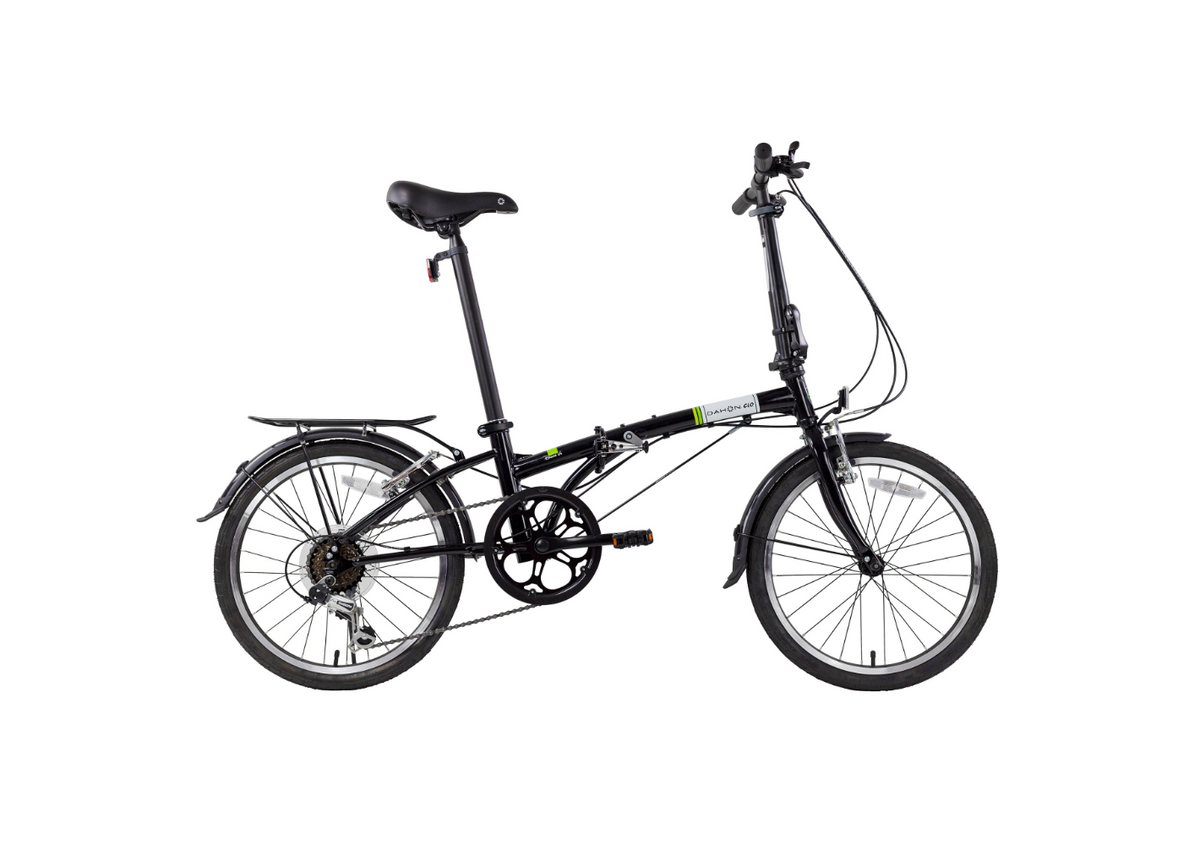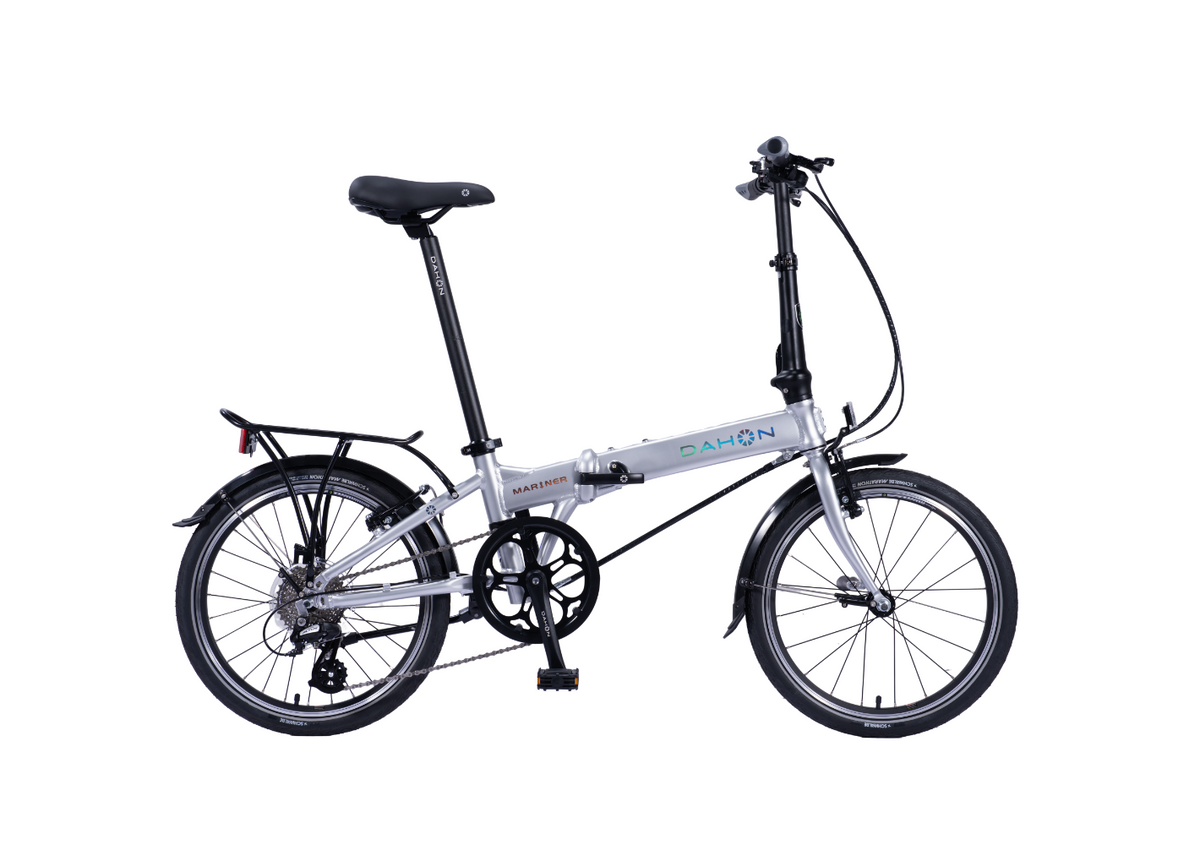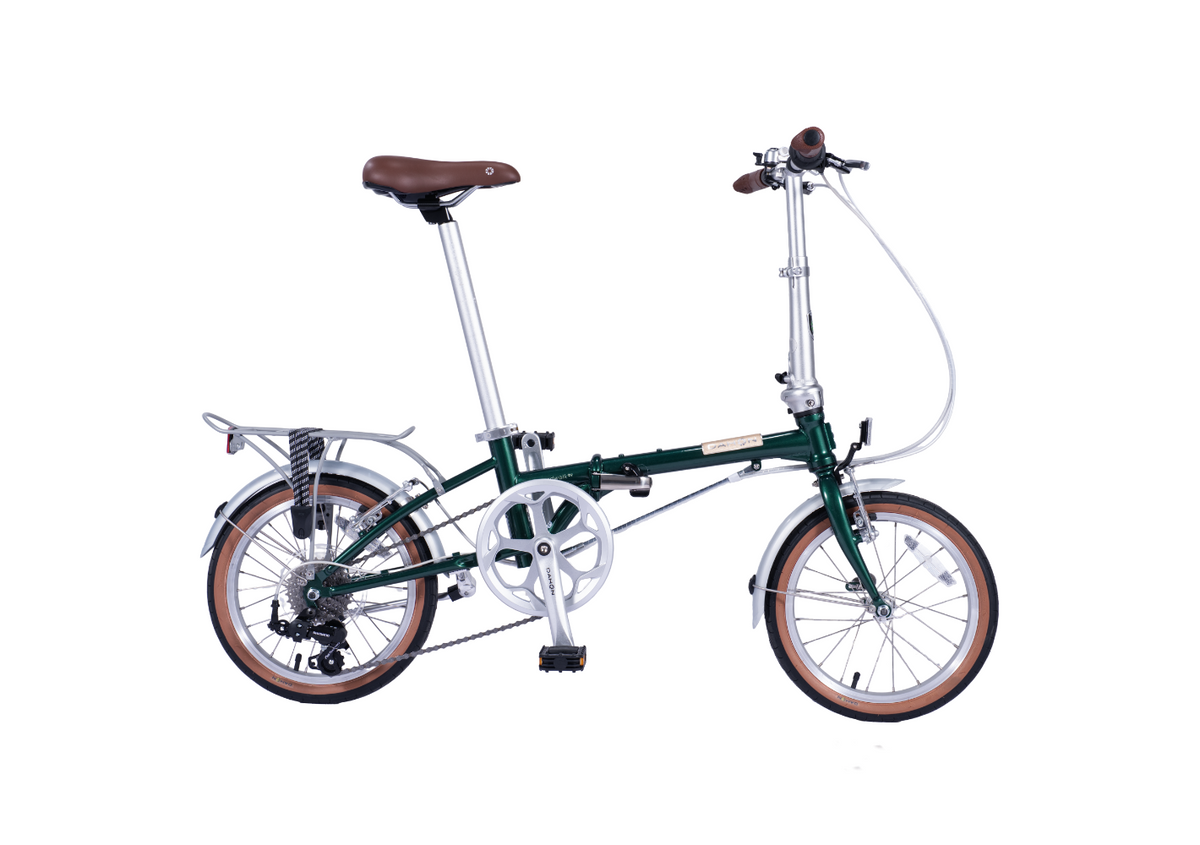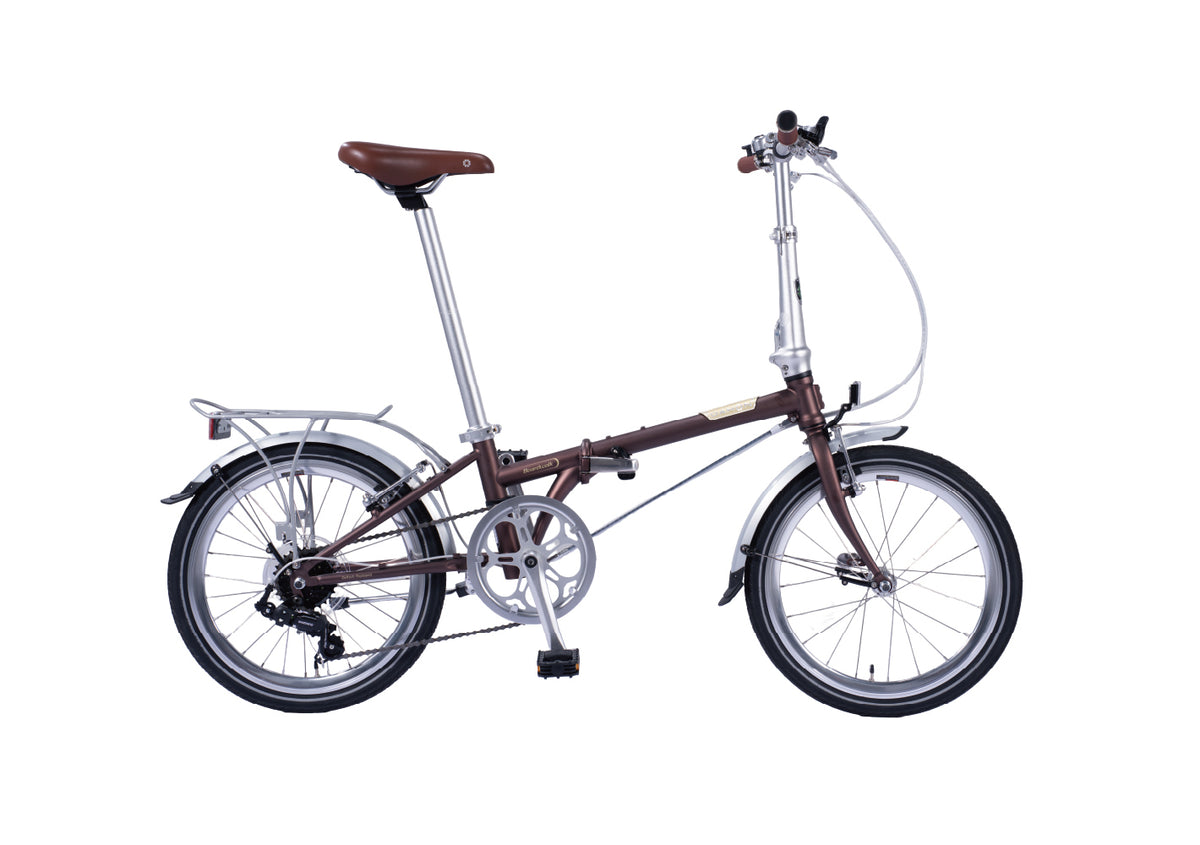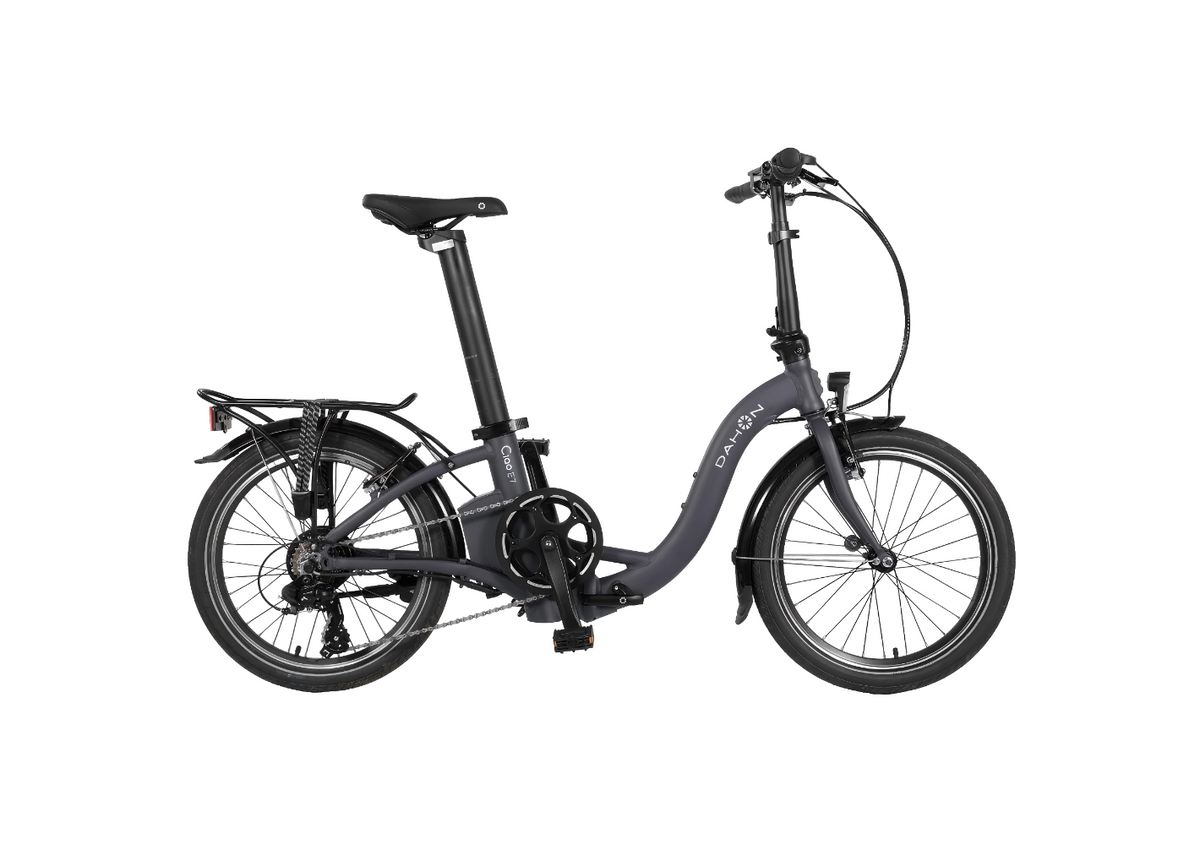
A folding bike fits family life well when it solves a problem your household runs into again and again. Two examples are a flat with no room for a full-size bike and a regular trip that mixes cycling with a train, bus or car. Being compact is not enough on its own.

What decides it is whether the specific bike works in your real storage spot, for each person who will ride it, and across the whole outing you have in mind. If the problem only comes up now and then, another bike or another way of travelling may serve you better.
When does a folding bike make family life easier?
Cycling Weekly's buying guide names two practical uses for collapsible bicycles: storing a bike in less space, and combining cycling with other transport.
Start by naming the repeated moment the fold is meant to fix. Maybe the bike has to live in a hallway because there is no bike cellar. Maybe it needs to go under a desk or into a cupboard at a place you visit often. Or maybe your weekend outings start with a train ride or a drive before anyone pedals. If you can point to a situation like this that happens every week, a folding bike is a serious option.
Now compare that with an occasional wish. Taking a bike on one holiday a year, or wanting a smaller bike "just in case", is a weaker reason. In those cases, a standard bike, a rental at your destination or a different travel plan may be simpler.
Once you know the recurring friction, three checks decide the fit: the storage place, the riders and the full journey. The sections below cover each one.
Will it fit the places you actually store it?
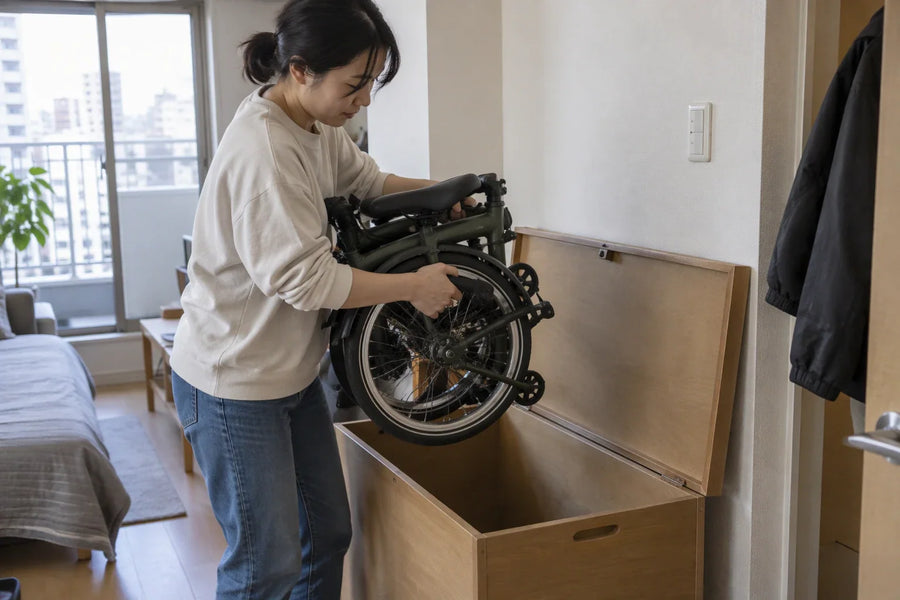
You can only tell by putting the specific bike, folded, into the real space and along the real route into it. A label like "compact" tells you little about your hallway, lift or car boot. Cycling Weekly recommends seeing a folding bike in person and practising the fold and unfold before you buy, because some designs are easier to use than others.
- Measure the storage spot. Note the width, depth and height of the space where the bike will sit. Then compare folded dimensions against those numbers before you shortlist a model.
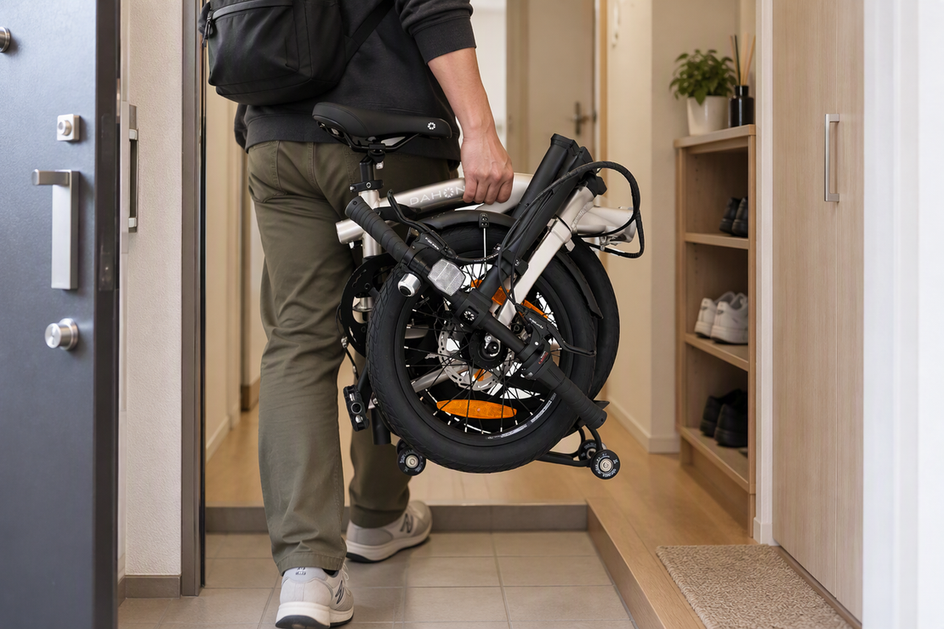
- Walk the access route. Follow the path from the front door to the storage spot, including stairs, tight corners and doors. The bike has to get there, not just fit there.
- Practise the fold. Fold and unfold the bike several times. Watch whether the person who will usually do it can manage the steps calmly.
- Carry and place it. Lift the folded bike, move it along the route and set it down in its spot. If it feels too awkward to carry, the weight and folded size need a closer look. Our guide to weight and folded size explains how both affect everyday use.
- Check the destination too. A bike that fits at home may still be awkward at work, school or a relative's flat. Test each place where it has to be parked often.
If home is the main limit, our article on storage in a small home covers how to plan floor space and folded size when there is no bike cellar.
Can everyone who plans to ride it use it?
Each person who will ride the bike needs to fit it and be able to adjust it. One rider's good fit says little about the next. If only one adult will use the bike, this check is short: that person rides it and confirms the position feels right for their usual trip.
Sharing changes the job. Cycling Weekly advises that if several household members will share a folding bike, you should make sure the model has a wide range of adjustments that are easy to use. In practice, have each intended rider sit on the bike, set the saddle and handlebar to their own position and ride a short distance. Then watch whether they can make those changes themselves, quickly enough that swapping riders does not become a chore.
If an in-person check is not possible, check the individual product specifications or manual for available fit and adjustment information. If the published information is incomplete, ask an authorised dealer before deciding.
Compare it with each rider's needs before deciding. When one rider cannot get a good position, plan a different bike for that person instead of hoping the shared bike will work.
Will it work on the full outing?
An outing only works when every leg of it works, including any part where someone else carries the bike. Rules for carrying bikes on trains, buses, coaches and ferries may be set by the operator, transport authority or local fare network, and they can vary by country, route, service and ticket type. So confirm the conditions for your actual trip rather than assuming one rule applies everywhere in the EU.
- Map the whole trip. List each leg from your front door to the final stop and back, such as cycling, train, bus or car.
- Name each operator. Write down the actual rail company, bus service or ferry line for every leg that is not on the bike.
- Confirm current conditions. Check each operator's official website or customer service for how they handle folded bikes on that route and ticket type. Note whether they require bags, covers or reservations.
- Test any car leg. If the car is part of the trip, put the folded bike into the boot alongside the bags and gear you normally carry.
- Plan a fallback. If you cannot confirm a leg, choose another arrangement for that part of the trip before you rely on the bike.
How can your family test the fit before deciding?
Rehearse one typical routine from start to finish with the specific bike, then judge whether the friction actually goes away. Pick a trip your family does often, not a rare special outing.
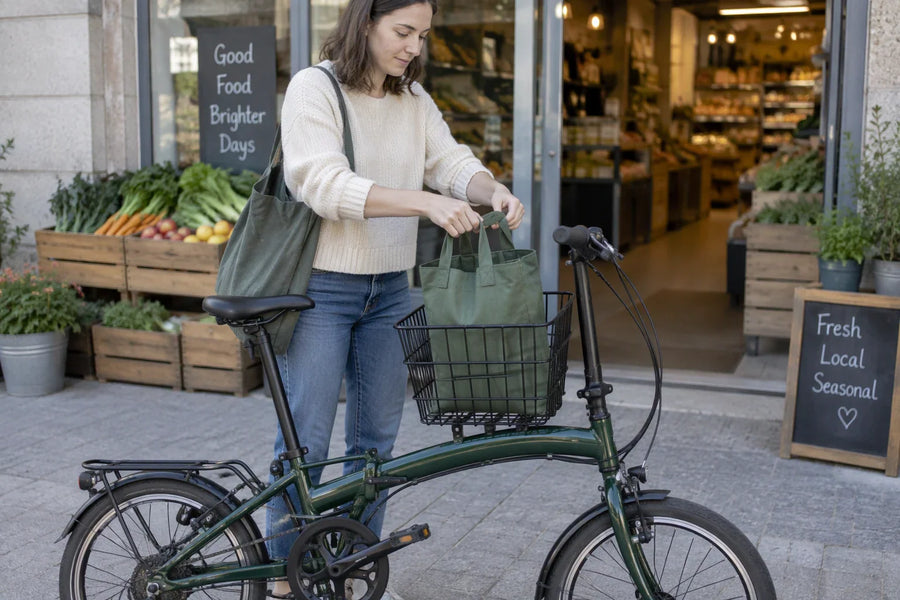
- Choose the routine. For example, the weekly shopping run, a school-day errand or the regular Sunday trip that starts with a train ride.
- Start at the storage spot. Take the folded bike out, carry it along the access route and unfold it. Note any step that feels slow or awkward.
- Let the intended riders ride. Each person who will use the bike in this routine adjusts it and rides their usual part.
- Run the transport leg. Fold the bike where the trip requires it and place it in the car boot or the space the operator allows, using the conditions you confirmed earlier.
- Finish the loop. Park or store the bike at the destination and again at home.
- Decide. If the routine was easier than before, the folding bike fits. If one step still blocks you, solve that step or choose another bike or travel plan.

Our list of everyday test ride checks helps you plan what to look at during this rehearsal. If the result points to buying, our guide to choosing by intended use helps you weigh folded size, weight and comfort against your routine.
FAQs
Are collapsible bicycles only worth it for commuting?
No. Commuting is one use, but the same logic applies to errands, visits and leisure outings. What matters is whether a trip where folding helps happens often enough to justify the bike, not what kind of trip it is.
What if we cannot try the bike in person?
Use the manufacturer's folded dimensions, weight and adjustment information. Compare them with your measured storage space and each rider's needs. A demonstration from the seller or the manual can show how the fold works. Treat this as a first filter, and run the full routine rehearsal once you have the bike.
Can a folding bike replace our family's regular bike?
It can if it handles the rides that the regular bike covers today, as well as the trips where folding helps. List those rides and check them during your rehearsal. If some rides still suit a full-size bike better, keeping both may be the more practical setup.
Should we start with one folding bike or buy several?
Start with the one routine that causes the most friction and the riders involved in it. If a single shared bike passes the rider and outing checks, that may be enough. If the routine needs several people riding at the same time, plan a separate fit check for each bike.