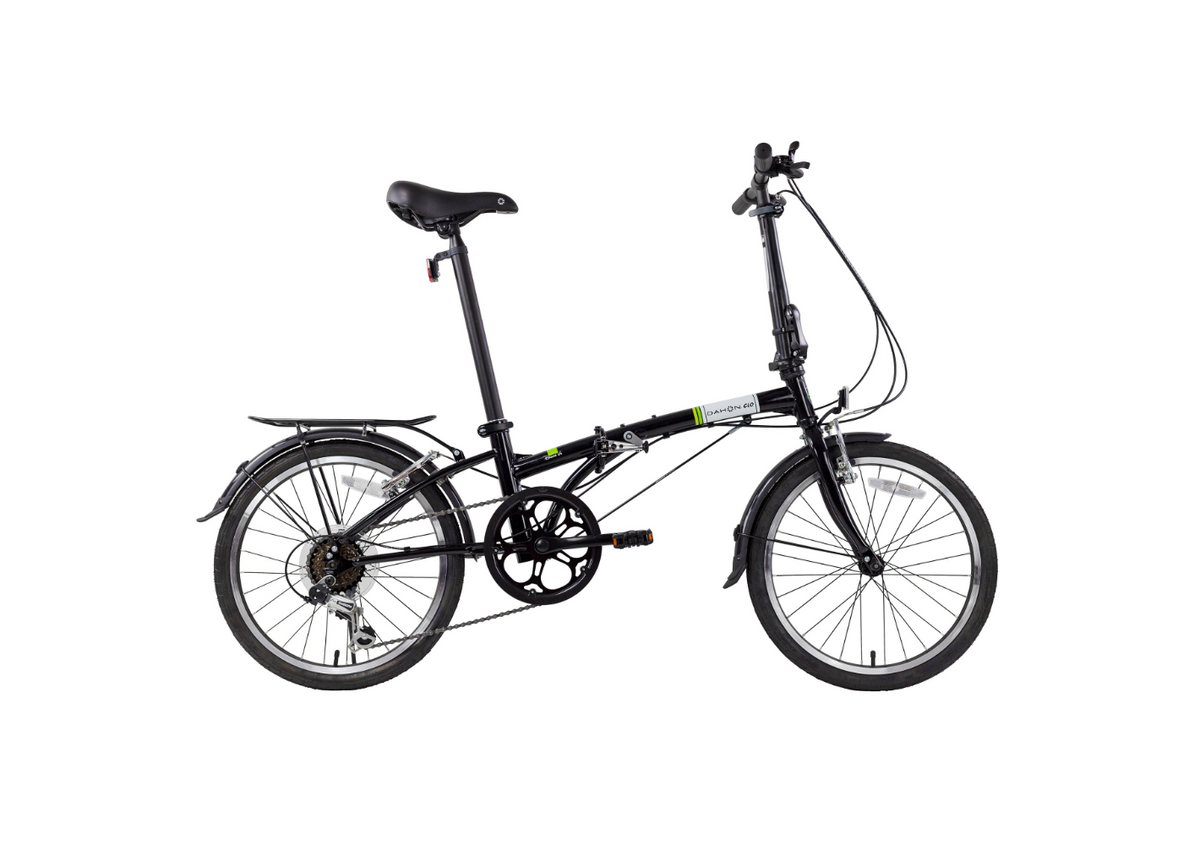
Combining a folding bike with public transport can cost less than taking public transport for the whole commute. That happens when the bike removes a fare or paid connection you would otherwise buy, and the fares you still pay plus any bike charge come to less.
If the ride you replace is already covered by a pass you keep paying for, your fare outlay stays the same. So start by naming the payment that disappears. Then confirm the bike charges and folding rules for your actual route and operator.
When a folding bike can reduce commute fares
The combined commute costs less only if a real payment disappears and the total of what remains is lower. Compare both options for the same origin, destination and period, such as one month, using the ticket products you would actually buy.
| Cost item | Public transport only | Folding bike plus public transport |
|---|---|---|
| Fare or pass for the period | Full-journey ticket or pass | Fares still payable |
| Paid connection removed | None | Name the specific fare dropped |
| Bike charge | Not applicable | Operator's bike ticket, if any |
| Total trip outlay | Baseline total | Combined total |
Work out the difference as baseline total minus combined total. A positive number means the combined trip has lower fare outlay. Zero means no change, and a negative number means the bike option costs more in fares.

Two details often change the result. First, a pass you keep paying for counts in full, even if you ride part of the route instead of using it. You only save money on the pass if you can cancel it, skip it or switch to a cheaper one. Second, a bike ticket on one segment can cancel out the fare you avoided on another. Without current prices for your own route, treat the result as unknown until you have filled in both columns.
Check the actual route's fares and folding-bike rules
Fares, bike charges and carriage conditions are set by each operator and tariff area. They are not one rule across the EU. Germany shows how two rules from the same operator can affect your estimate differently.

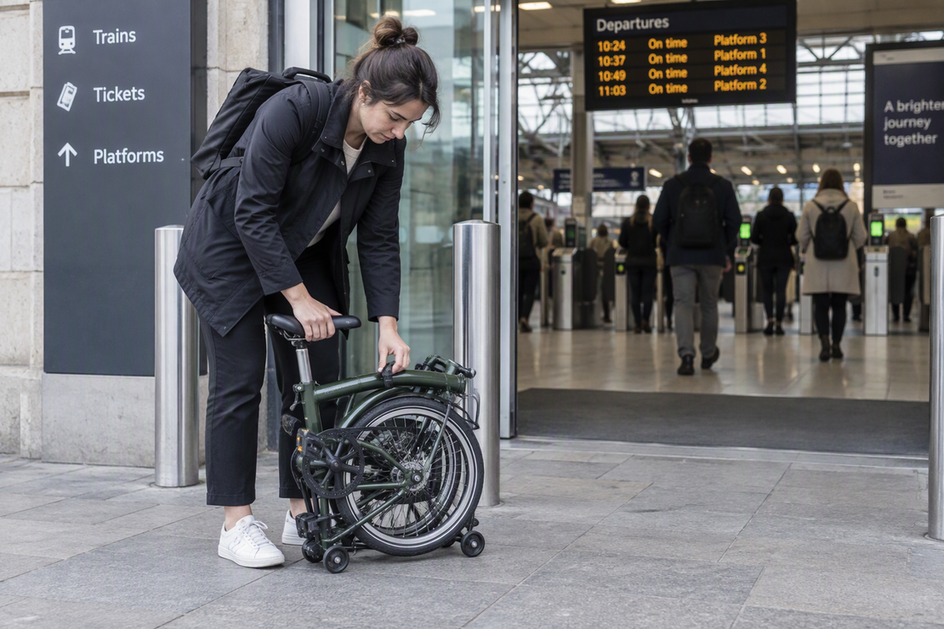
On Deutsche Bahn trains, DB's folded-bike hand-luggage guidance says folded bicycles travel free as hand luggage. You need no bike ticket and no space reservation. The bike has to be stowed safely, for example in luggage racks or multi-purpose areas, and aisles, doors and safety equipment such as fire extinguishers must stay clear. If you cannot stow it that way, plan another option before you rely on the free carriage.
Bike carriage in general works differently. DB's Deutschland-Ticket bike rules say carriage follows the tariff of the line or area you travel through. If that area requires a bike ticket, you still need one with the Deutschland-Ticket. Some regions also ban bike carriage at certain times. Our guide to planning the last kilometre looks at that German setup in more detail.
For a commute in another country, use that operator's own sources. In the Netherlands, for example, NS's ticket and season-ticket fares help you find the fare products to price. They do not set a price for your route or a bike rule. Before you trust your estimate, go through each part of the journey:
- List every segment of the trip and the operator that runs it.
- Confirm the passenger fare, or whether your pass is valid on that segment.
- Find out whether a bike charge applies and how much it is.
- Check folding, stowage, reservation and time-of-day restrictions.
- Price the full journey with these figures and fill in the comparison table.
Our article on folding bike train rules explains how folded size and storage affect daily train travel. For route apps and switching between modes, see our tips on multi-modal folding bike travel.
Keep fare savings separate from bike ownership costs
A lower fare total means your fare outlay drops, not that your commute saves money overall. To assess total commute spending, add bike purchase, servicing, and ownership expenses over the same comparison period. Then compare that full figure against your baseline fare reduction.
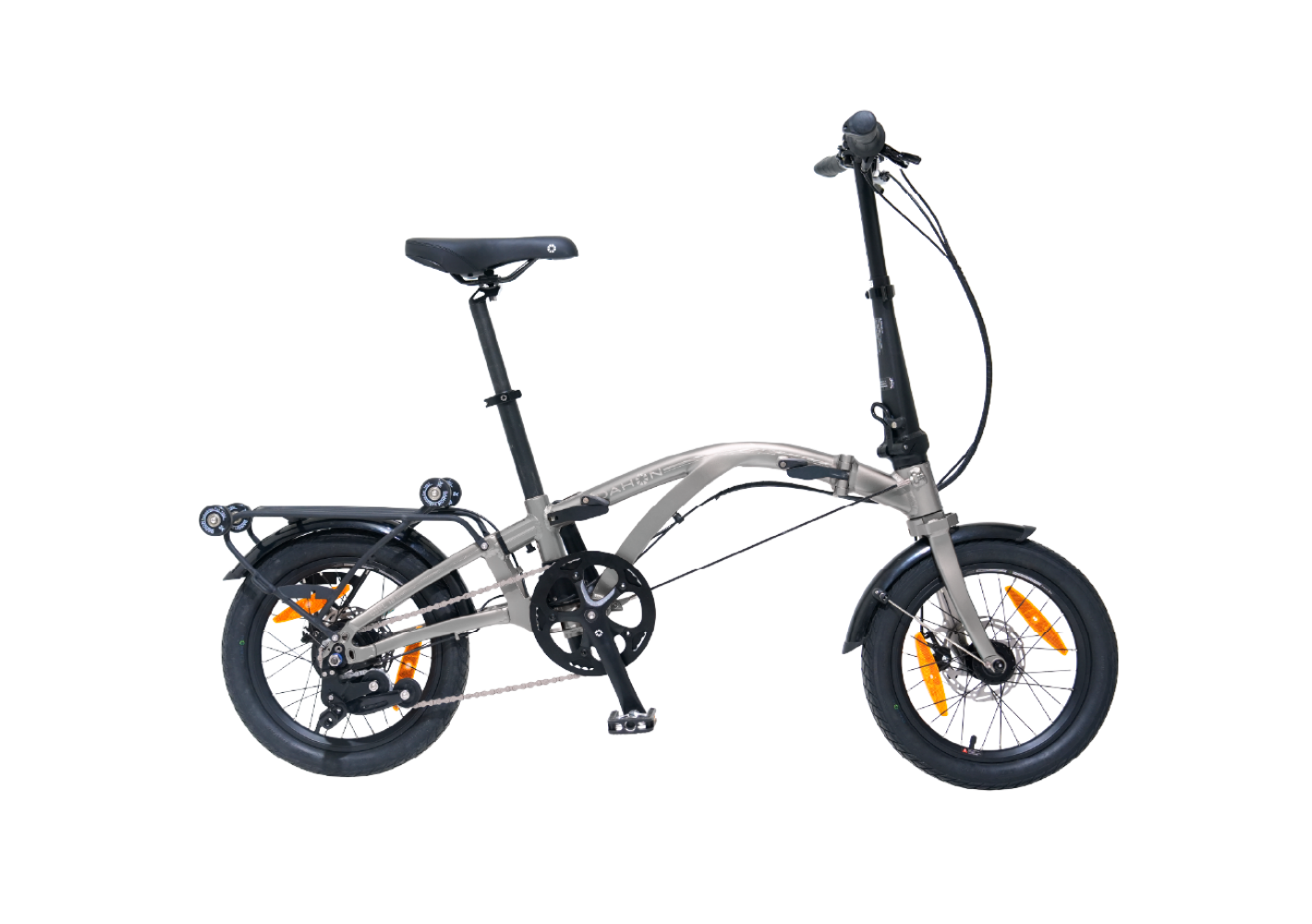
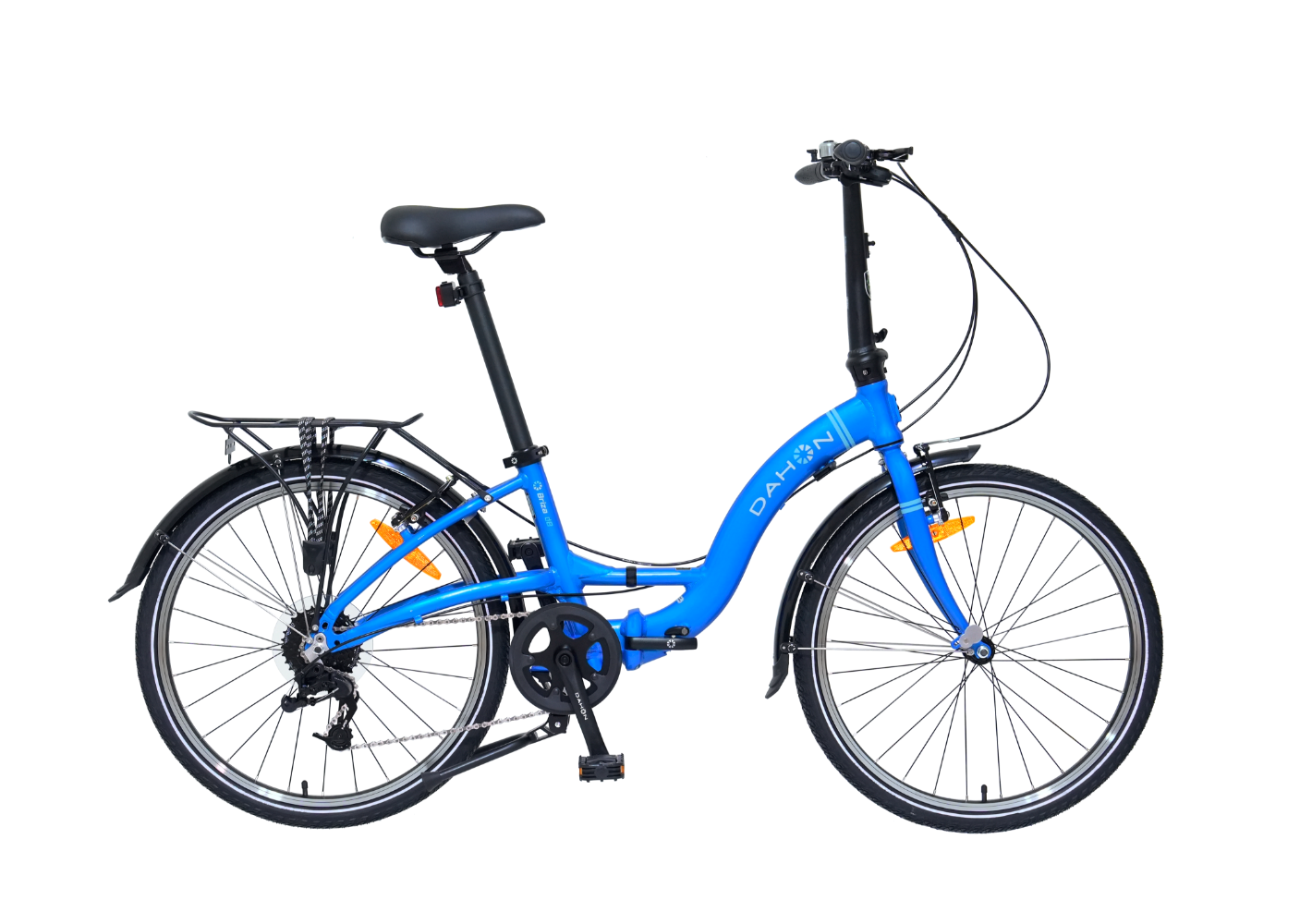
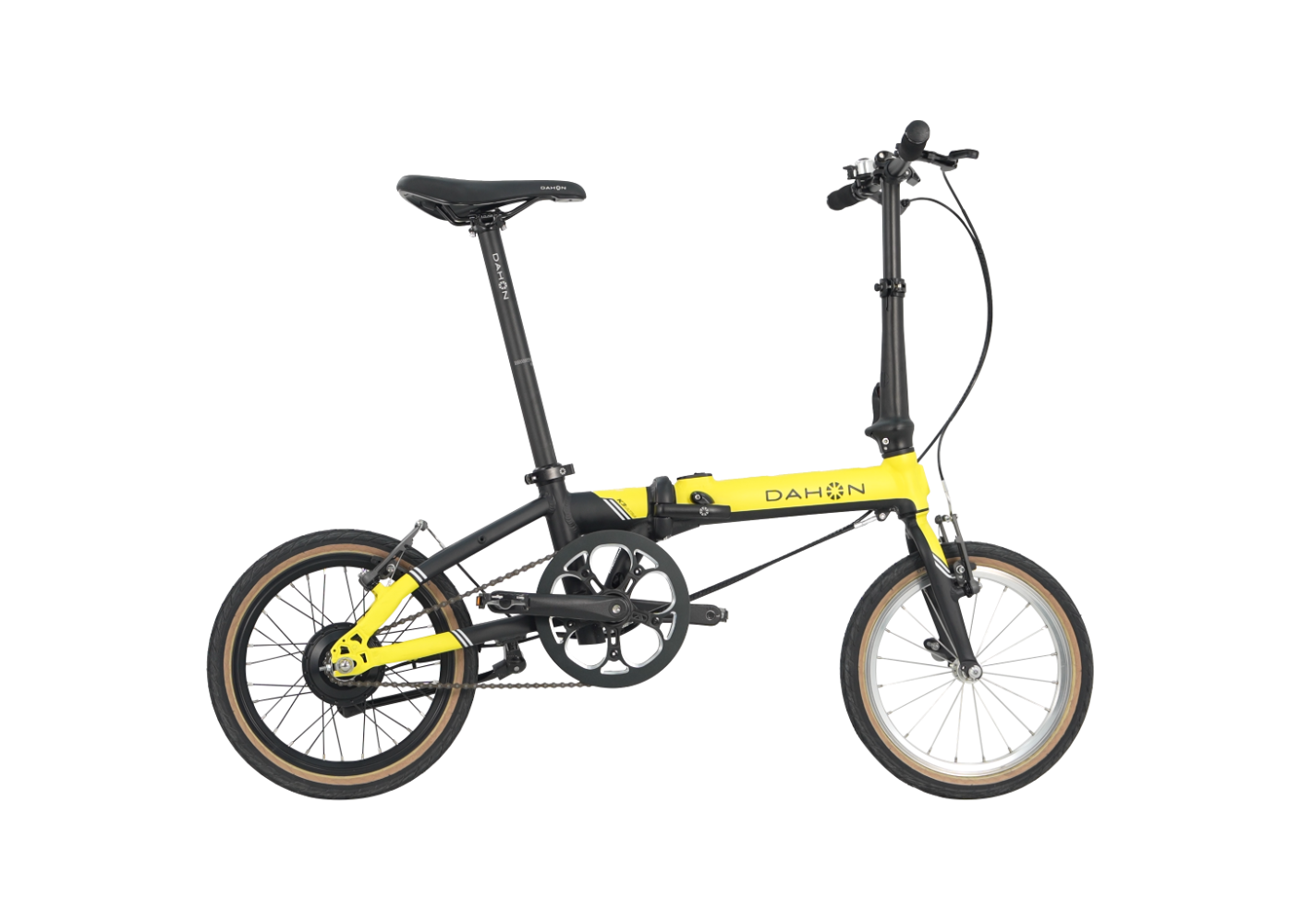
Leaving ownership costs aside means reporting only a fare saving. If you are still selecting equipment, compare folded size and gearing across our folding bikes for commuting alongside your route's actual carriage conditions.
FAQs
Does a Deutschland-Ticket make bike carriage free?
Not by itself. Deutsche Bahn says bike carriage with the ticket follows the tariff of the line or area. Where a bike ticket is required, it still applies, and some regions limit carriage at certain times.
Do I need a reservation for a folded bike on DB trains?
According to DB, no. A folded bike counts as free hand luggage without a bike ticket or space reservation, as long as it is stowed safely and keeps aisles, doors and safety equipment clear.
What if my commute uses more than one operator?
Check each segment on its own terms. One operator's free folded-bike rule does not cover another operator's buses, trams or regional trains, so confirm fares and carriage conditions with every provider on the route.
Can I compare a single trip instead of a whole month?
Yes, if both options use the same trip and the same ticket types. If you hold a monthly or season pass, a monthly comparison is usually more accurate because the pass cost only changes if you can drop or downgrade it.
Where do I confirm a rule that is unclear?
Ask the operator or transport association that runs the segment. Their fare and carriage pages, apps or customer service can confirm the current rule.