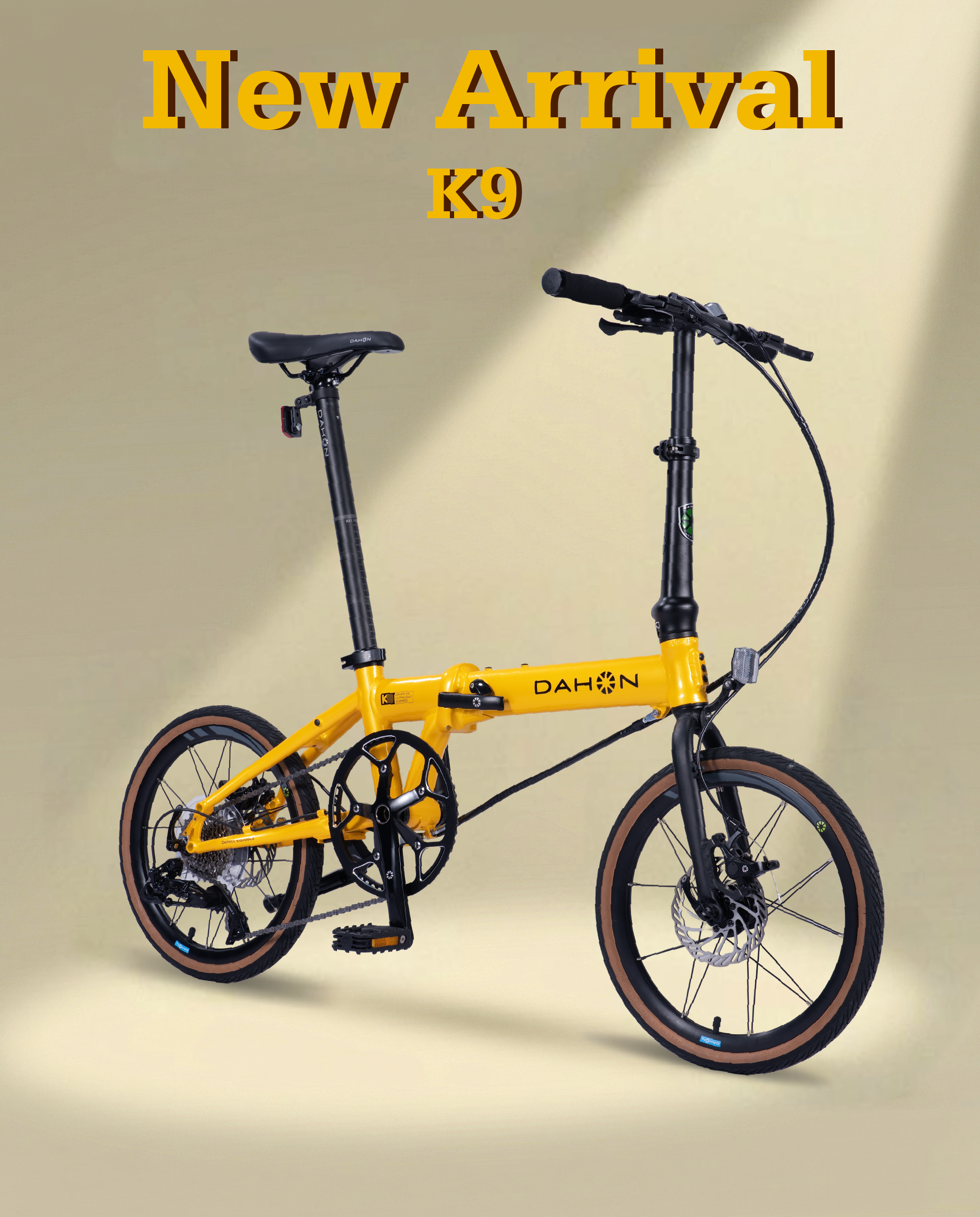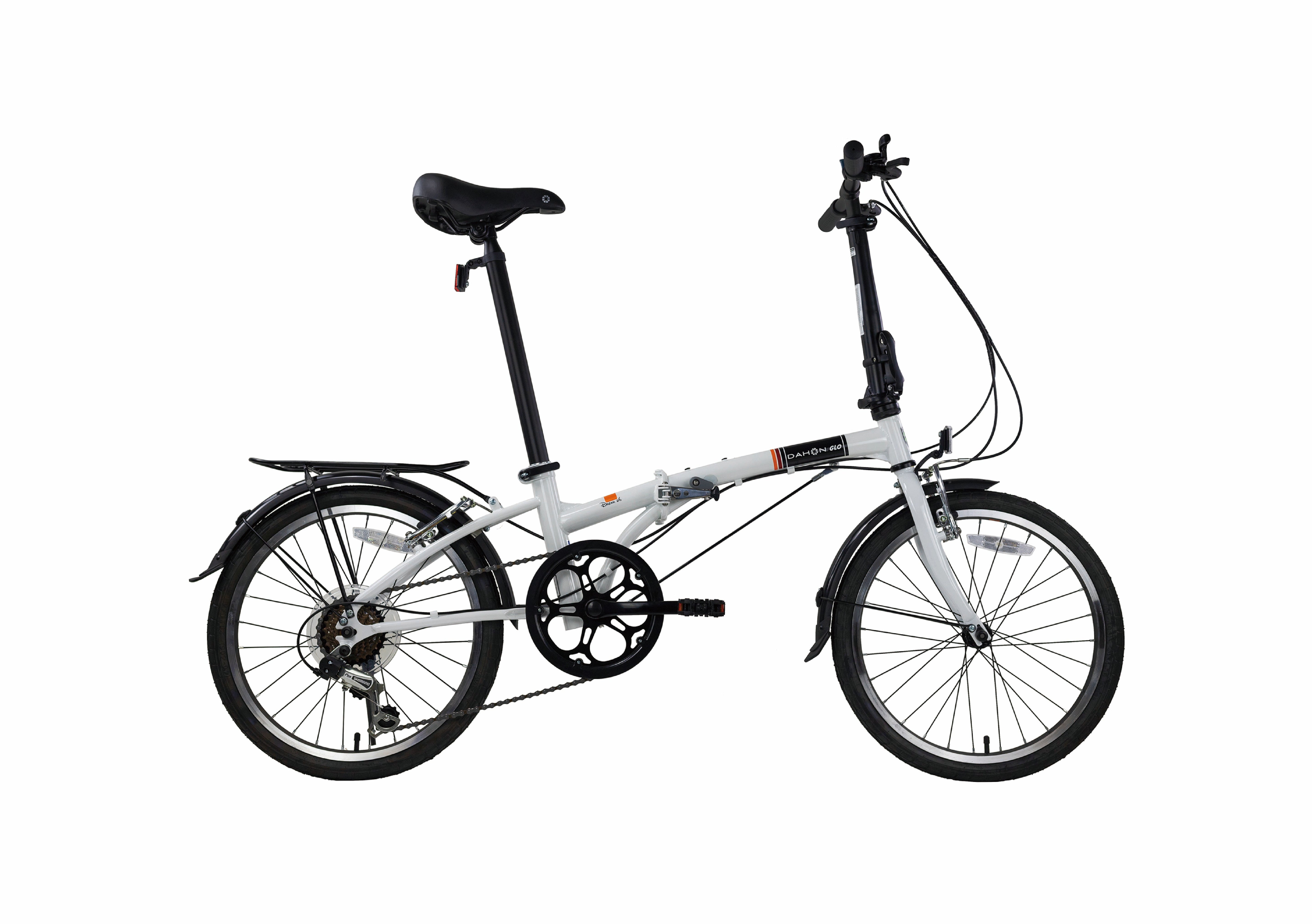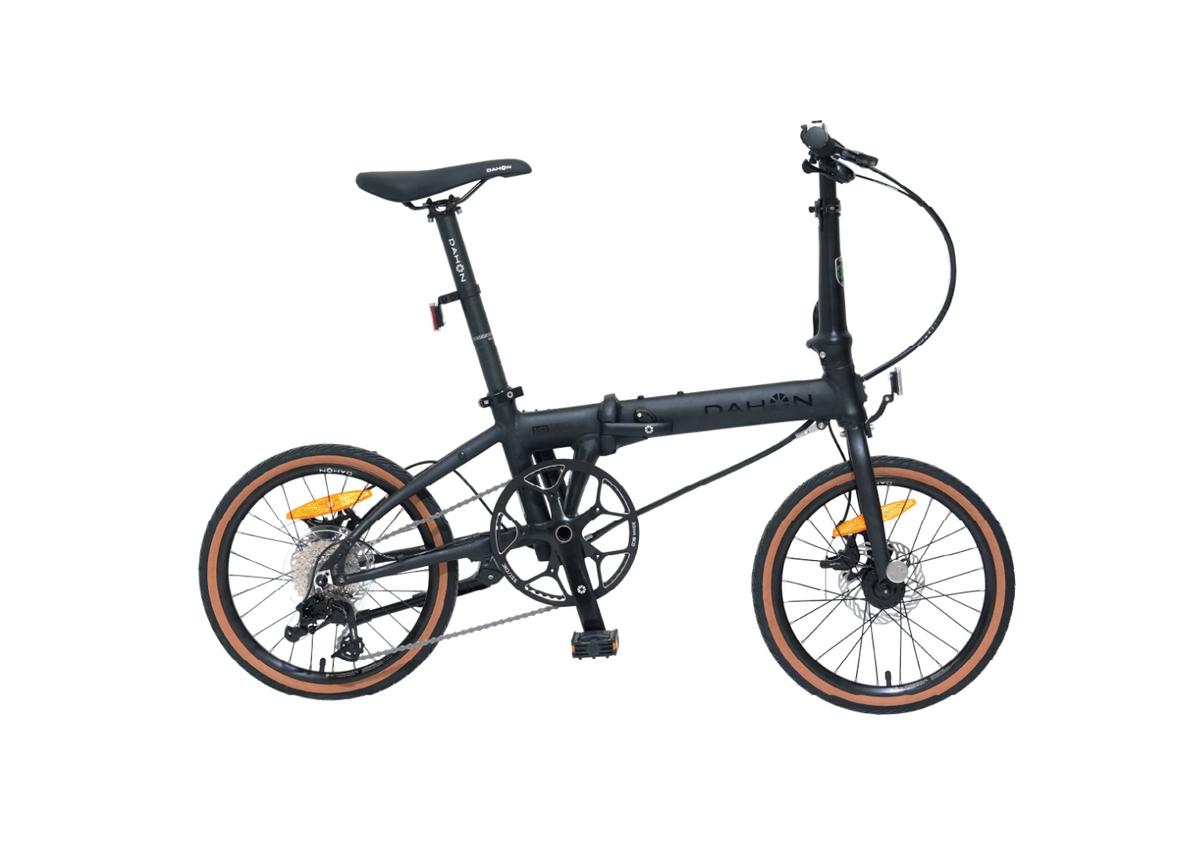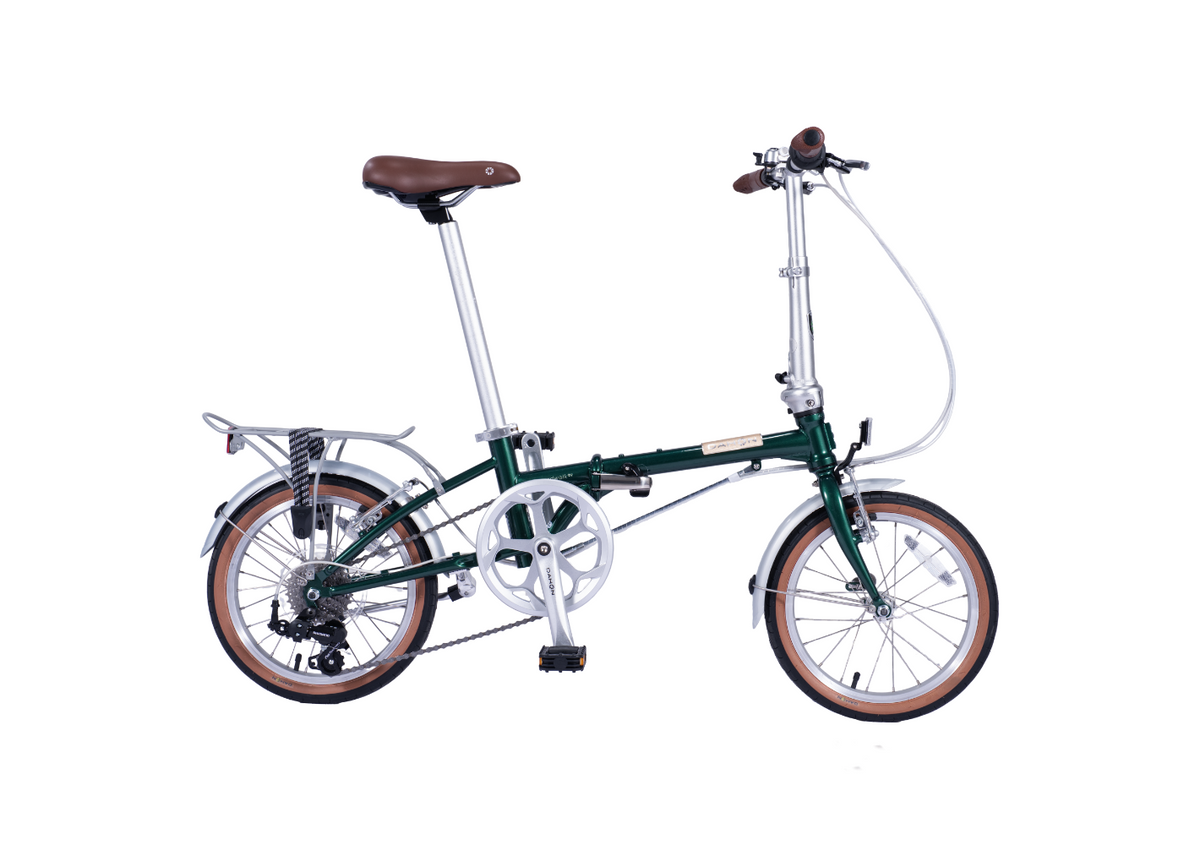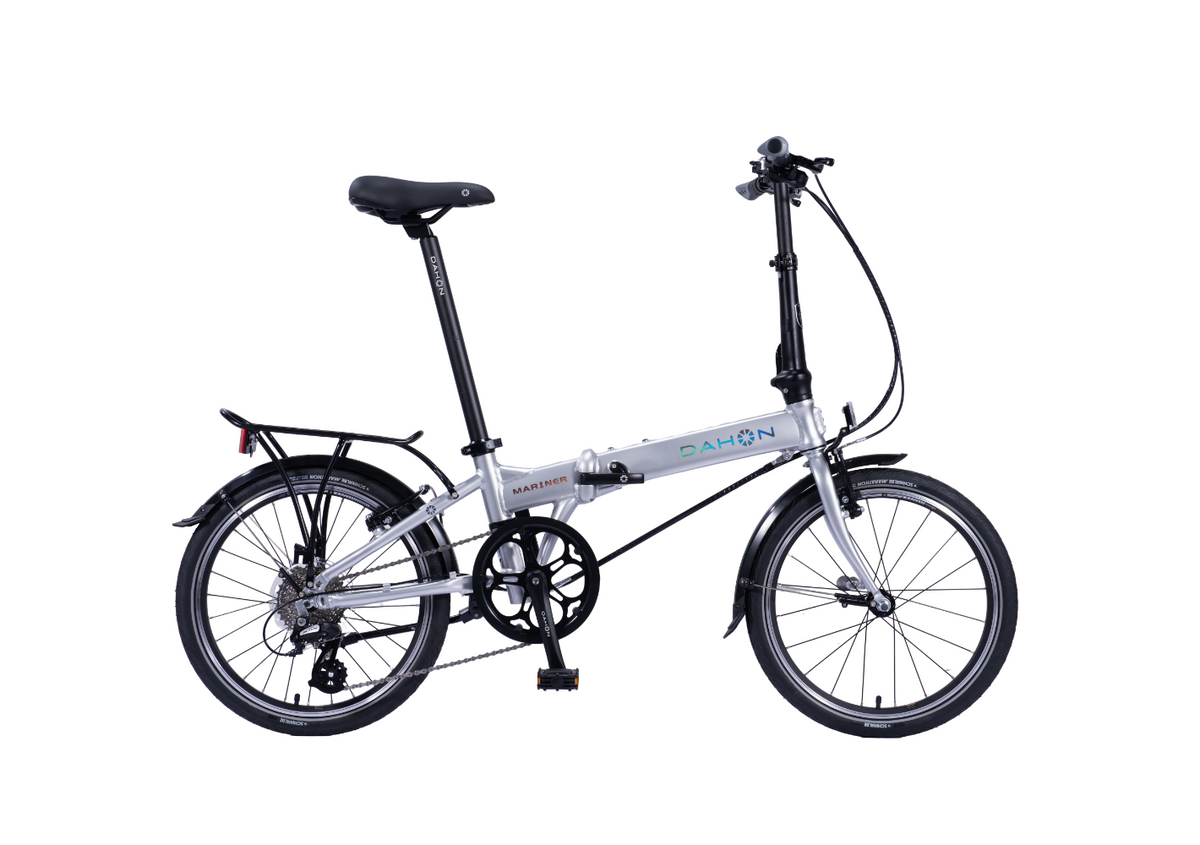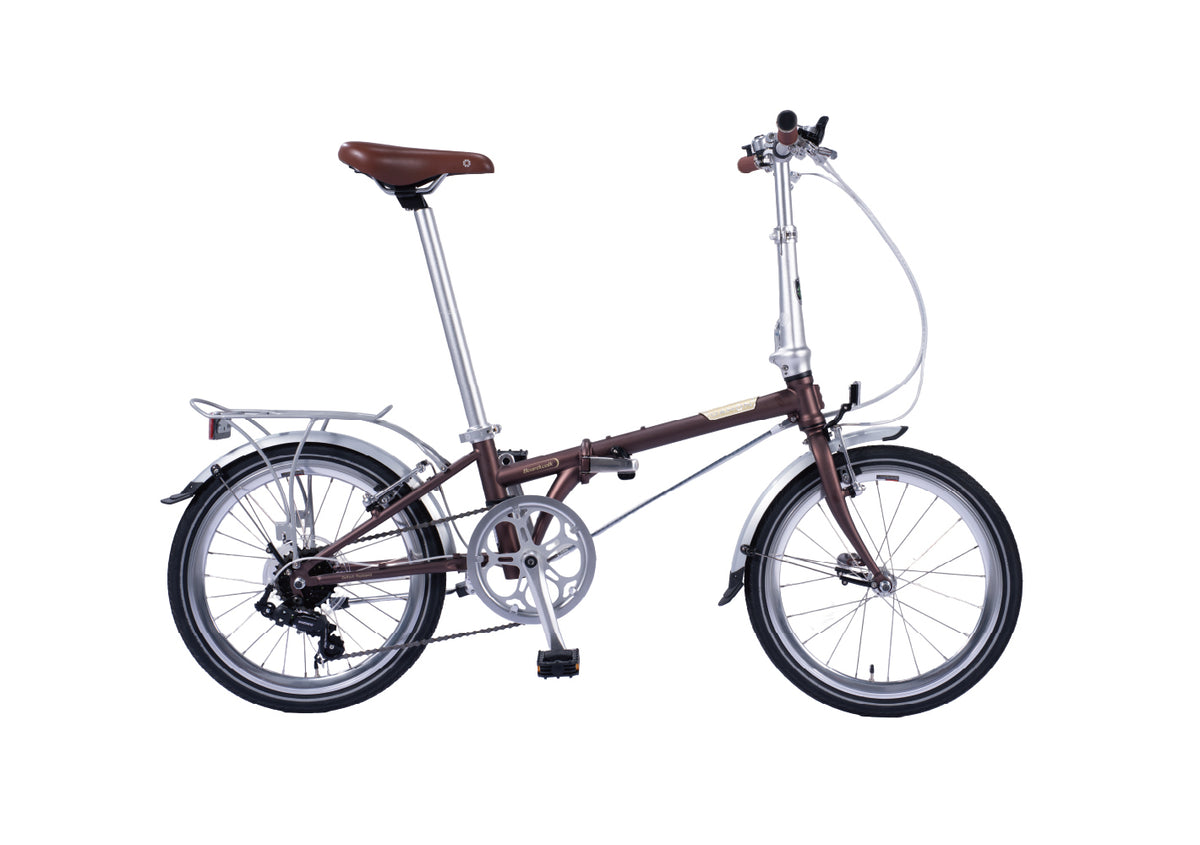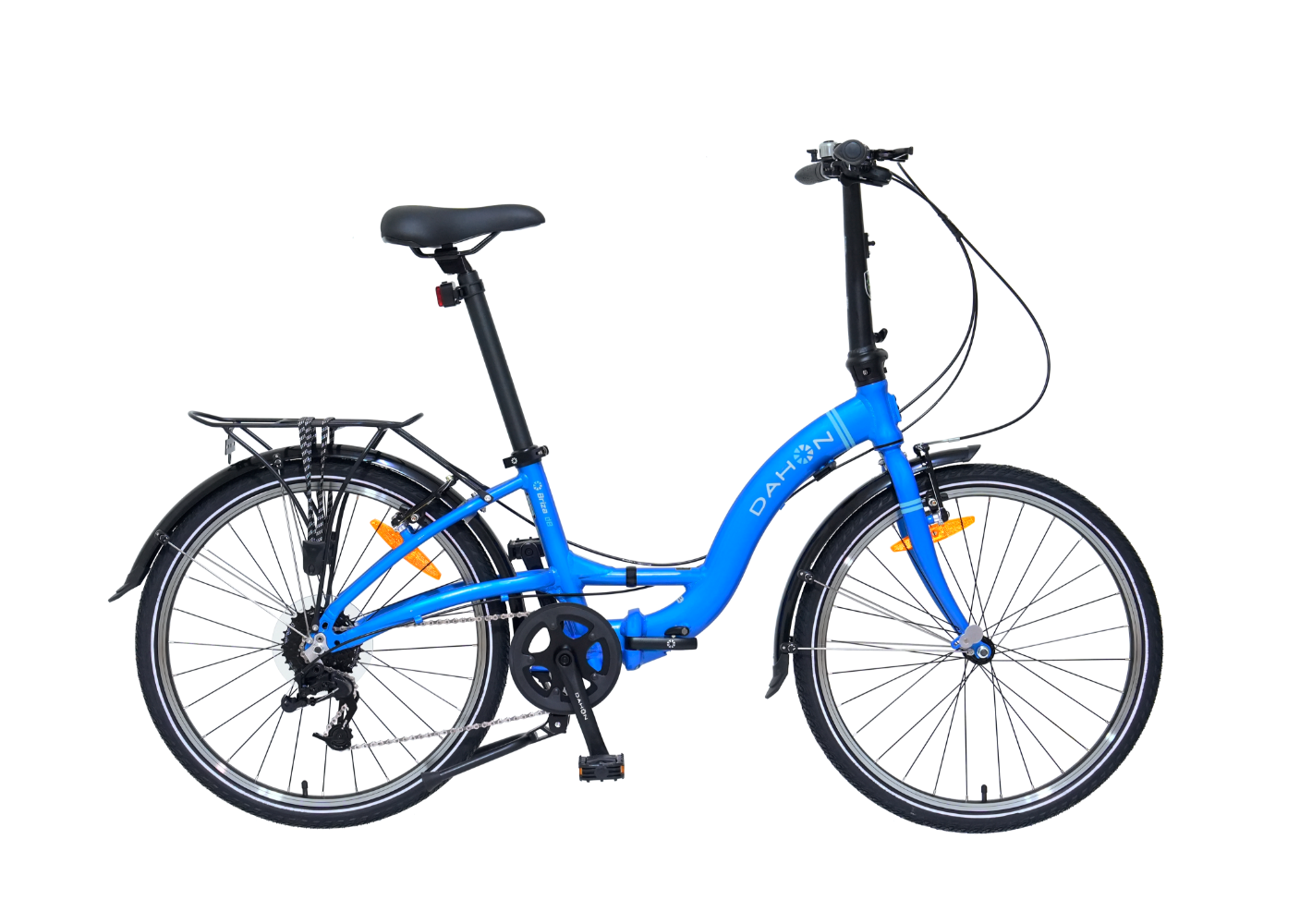
Whether tried-and-tested 20-inch folding bikes under 1,000 euros are sufficient or a premium model is worth the extra cost depends primarily on how you use it, not on the purchase price alone. The ADAC test on folding bikes shows that models ranging from 535 to 2,969 euros perform very differently in terms of ride quality, handling, safety, and durability. For short, occasional trips, a more affordable model may suffice, while a premium price premium is only worthwhile if there is a proven advantage for your specific route.
Key takeaways
- According to independent tests, the purchase price does not reliably rank 20-inch folding bikes by quality.
- Models under 1,000 euros can be sufficient for short, occasional trips, provided that durability, brakes, and folding operation match your usage.
- A premium model is worth considering primarily for regular commuting or frequent folding, if comfort, folded size, or service provide a demonstrable advantage.
- The frame, folding joint, and locking mechanism should be checked on the specific model rather than inferred from the price.
- You should compare the user manual, service path, and maximum permissible weight with the intended load before purchasing.
Which price category fits your usage?
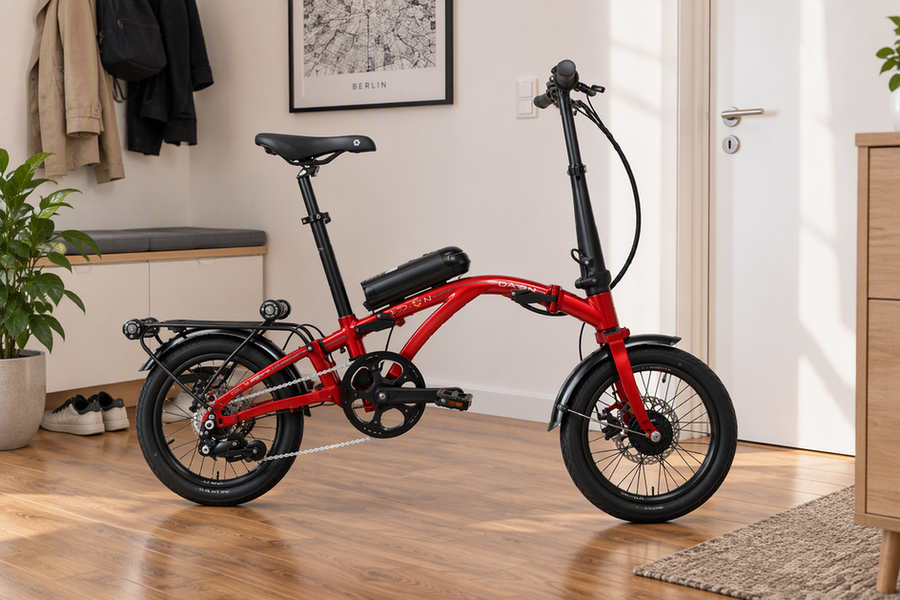
For short, occasional trips, classic 20-inch folding bikes under 1,000 euros can be sufficient if durability, brakes, and folding operation suit the intended use. You can find currently available models and their technical specifications in our overview of DAHON folding bikes.
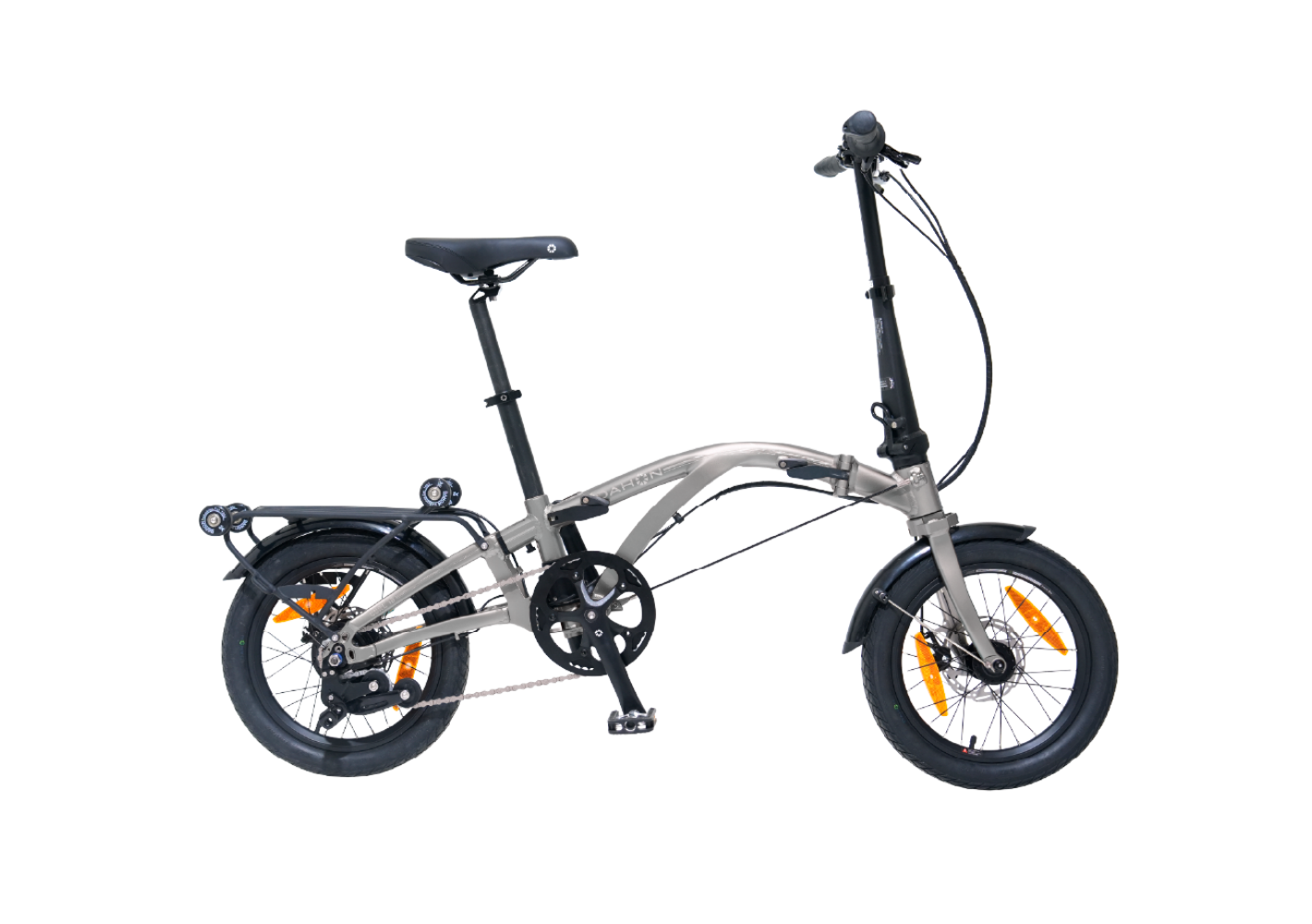
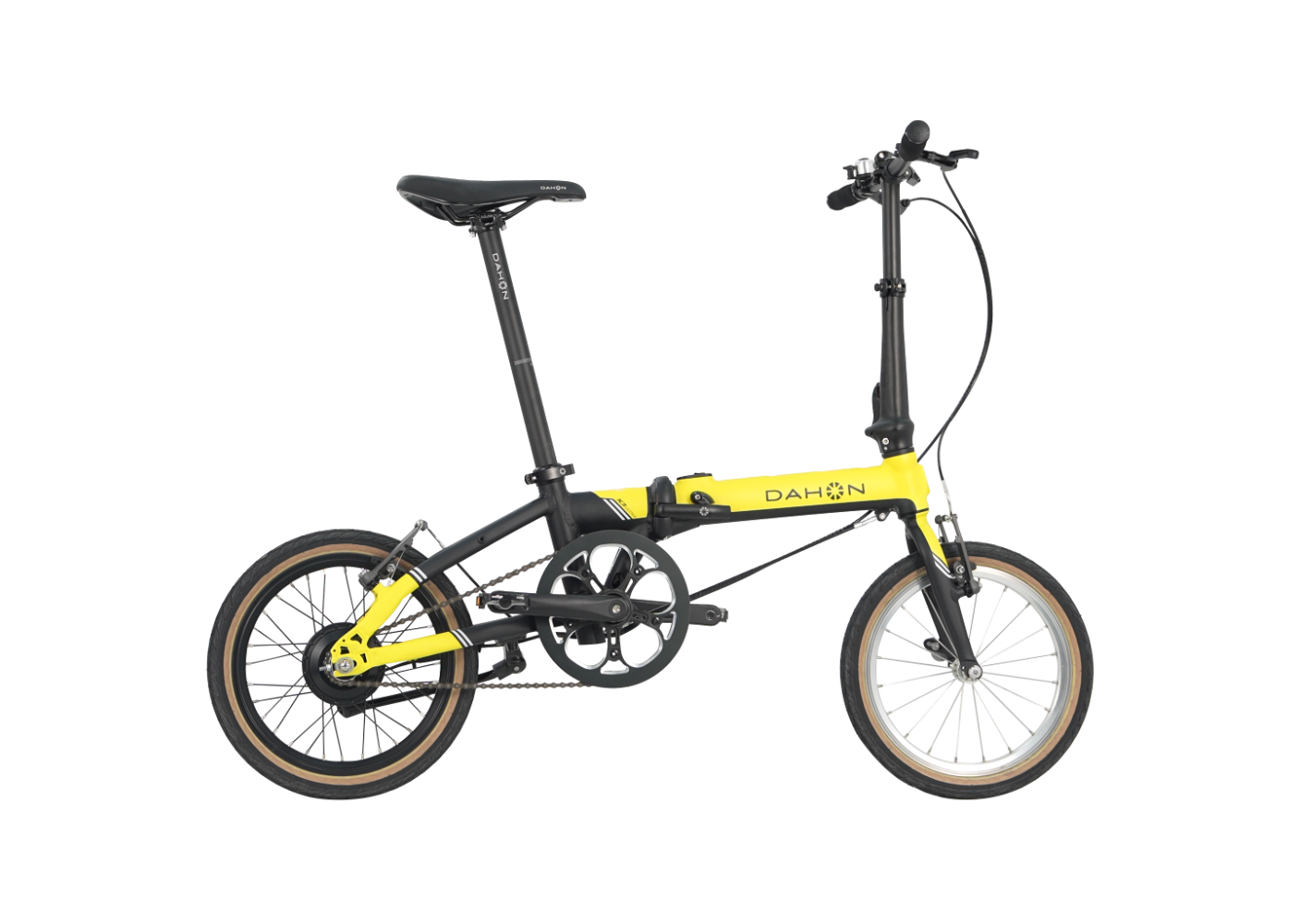
The ADAC folding bike test evaluated eight folding bikes ranging from 535 to 2,969 euros, resulting in very different outcomes regarding ride quality, handling, safety, and durability. A consistent increase in quality proportional to price cannot be derived from this. If you are considering smaller wheels in addition to 20-inch models, you might check the 16-inch DAHON K9. With a price of 999 euros, it falls within the considered budget, although it does not belong to the 20-inch class.
Those who commute regularly, fold frequently, or ride on uneven paths should specifically evaluate a premium candidate rather than favoring it solely because of the price. Our guide on buying a folding bike according to usage helps with categorization, and you can find an overview of folding bikes for commuting in our model overview. In both cases, the decision remains model-specific: price alone is not proof of quality.
Frames and folding joints as a quality check
Whether the extra cost for frames and folding mechanics is worth it is not shown on the label, but rather by documented load specifications and practical folding behavior. Check both directly on the model before justifying the extra cost.

Frames, load specifications, and folding joint
Do not compare material designations, but rather the manufacturer-specified load capacity, construction, and visible workmanship on welds and joints. The ADAC tested frame rigidity, braking performance, and folding mechanisms as specific test points, including standing pedaling tests and endurance tests on the handlebars and seat post. Such test areas do not replace model-specific documentation, but they provide orientation on what you can look for yourself. Operate the folding joint and locking mechanism multiple times before purchasing and ensure a clear, repeatable process without play or jamming.
The practical folding process
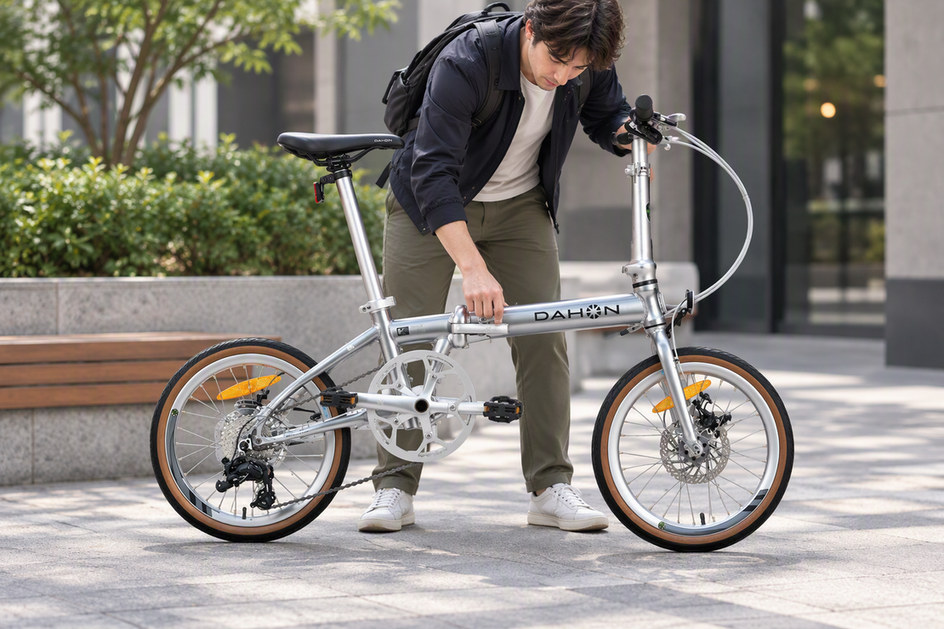
Check the actual folded size, the necessary movements, and potential contact points with cables, gears, or the frame when folding. A higher price is not justified by a more complicated process if it offers no discernible advantage in everyday life. An understandable user manual and a short briefing are just as much a part of product quality as the mechanics themselves; our article on understanding folding mechanisms explains how these joints generally function.
Comparing ride comfort, brakes, and components
Ride comfort and equipment only justify a higher price if the difference is noticeable for your specific route and documented in a verifiable way. For 20-inch folding bikes, you should evaluate folded size, seating position, wheels, and brakes together rather than looking at individual features in isolation.
The ADAC folding bike test shows different model-related results in ride quality and handling, from which no fixed quality level can be derived for an entire price category. The following overview categorizes the most important criteria for a purchase decision instead of just listing equipment.
| Criterion | Under 1,000 Euros | Premium |
|---|---|---|
| Ride comfort | sufficient for short, flat routes | Advantage only if proven in tests on uneven routes |
| Folding process & folded size | simpler, usually fewer steps | more compact, may require more practice |
| Brakes & total weight | check model specifications individually | check model specifications individually |
| Drivetrain & wheels | solid basic equipment possible | higher-quality components possible | Added value proven? | yes, if basic requirements are met | only with documented usage advantage |
For short everyday trips, a model under 1,000 euros is sufficient if the basic requirements for brakes, load capacity, and folding operation are met. A premium model, on the other hand, is only worthwhile if a test report or a test ride confirms a concrete comfort or equipment advantage for your route.
Categorizing maintenance, durability, and service before purchase
The added value of a higher price is only considered proven if documents and service information match the specific model. There is no reliable general evidence for universally lower maintenance requirements or a longer service life for premium folding bikes.
Documents and service information
Compare the user manual, maintenance instructions, spare parts supply, and service path as linked evidence. Warranty coverage and return conditions are not a promise of a longer service life, but independent contractual terms. Those who fold frequently should also pay attention to understandable inspection and operation instructions in the manual. Our article on assessing folding bike lifespan shows how wear and usage can be estimated over time, and the article on folding bike maintenance and follow-up costs offers an overview of realistic ongoing expenses.
Correctly assessing durability and safety specifications
Concrete test values or technical documentation are more reliable than the price or a general material designation. The maximum permissible weight and the user manual instructions must match the planned load from the rider and luggage. According to the DIN consumer brochure, the user manual, standard reference, and maximum permissible weight are concrete inspection points before purchase; however, they do not prove a price or quality advantage of a certain price category. A mere standard reference therefore does not replace a comparison of the specific frame, brakes, and folding mechanism.

Frequently asked questions
How can the durability of a folding bike be estimated before purchase?
Consult test values, load specifications, technical documentation, and your usage scenario together instead of relying on the price. The price alone is no guarantee of longer durability. Request concrete documents for your desired model and compare them with independent test results before making your decision.
Is a premium folding bike automatically lower-maintenance?
No, a general advantage in maintenance requirements or follow-up costs is not proven. The deciding factors are the user manual, inspection instructions, spare parts availability, and the service scope of the specific model. Confirm these details directly with the supplier or manufacturer to match your planned frequency of folding.
Which safety standards should you pay attention to with a folding bike?
Only requirements that can be verified with a suitable source are reliable. The DIN consumer brochure on standardized bicycles lists the user manual, standard labeling, and the maximum permissible weight specified by the manufacturer as concrete inspection points. Evaluate the brakes, frame, and folding mechanism on a model-specific basis and do not consider a mere standard reference an automatic quality or safety guarantee.
What should you pay particular attention to when comparing 20-inch folding bikes?
For 20-inch folding bikes, folded size, seating position, and wheels together influence ride comfort and everyday suitability. Check these features along with brakes and the maximum permissible weight on the specific model instead of evaluating the wheel size in isolation.