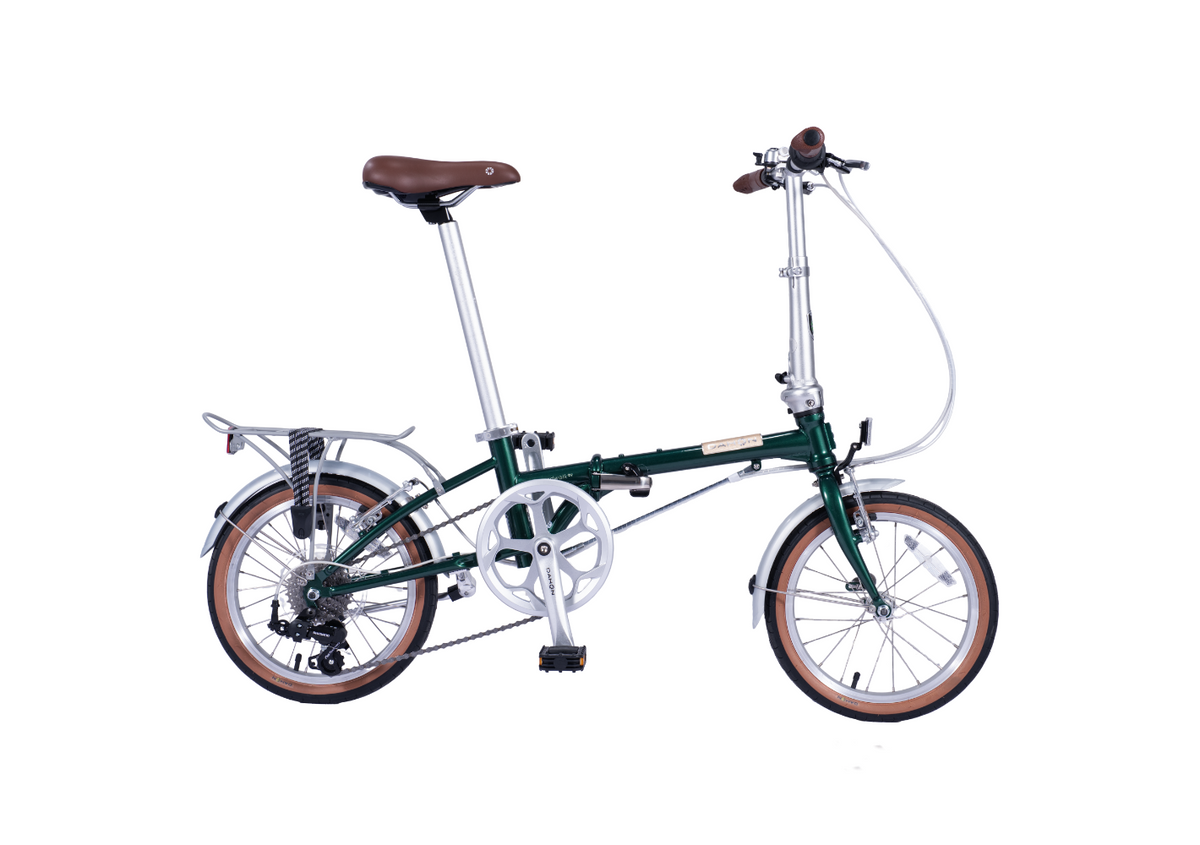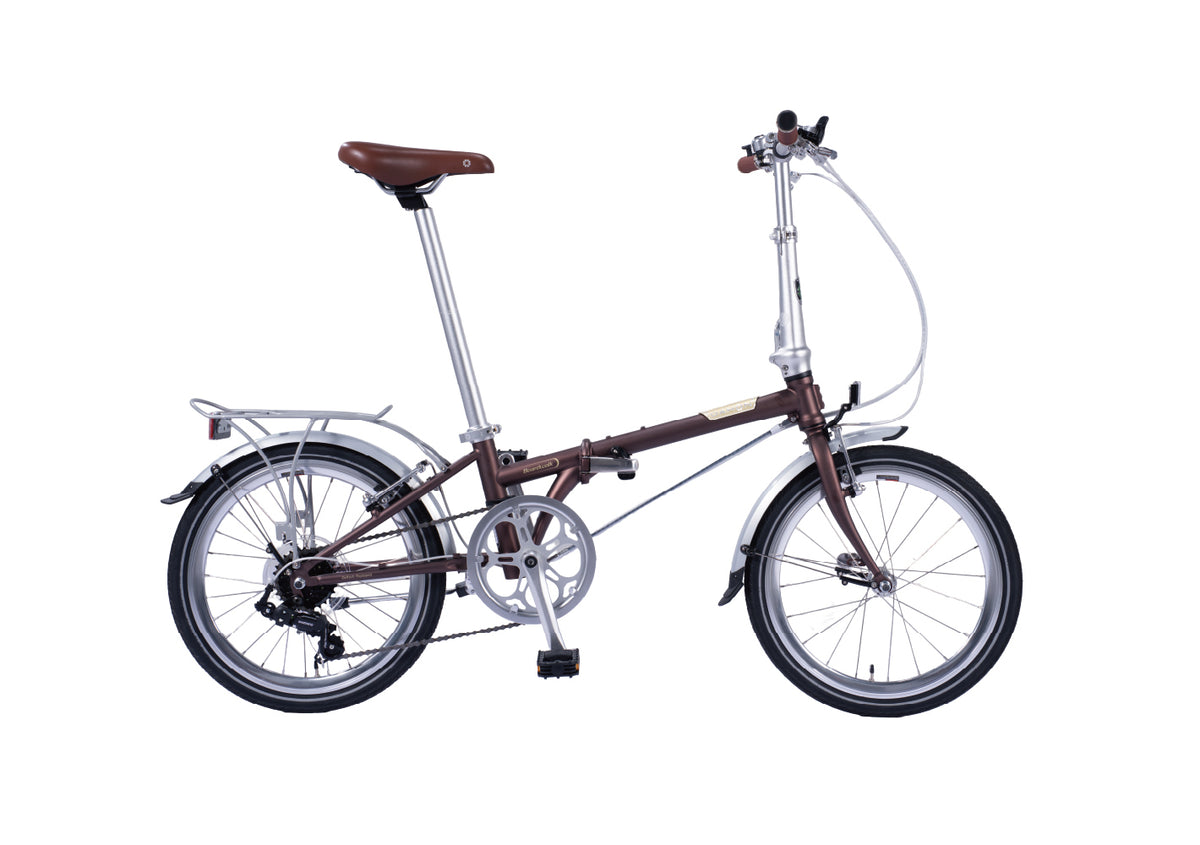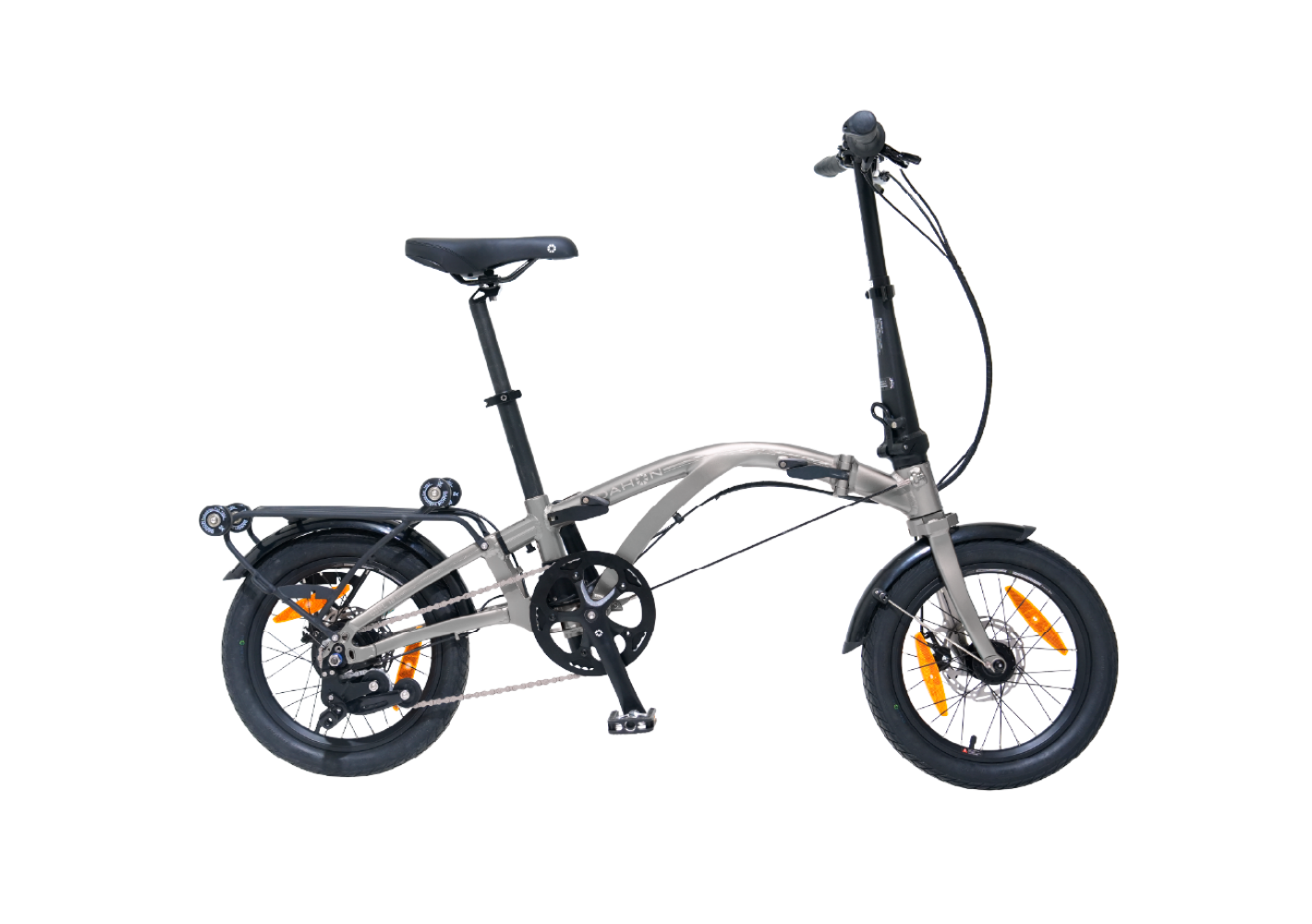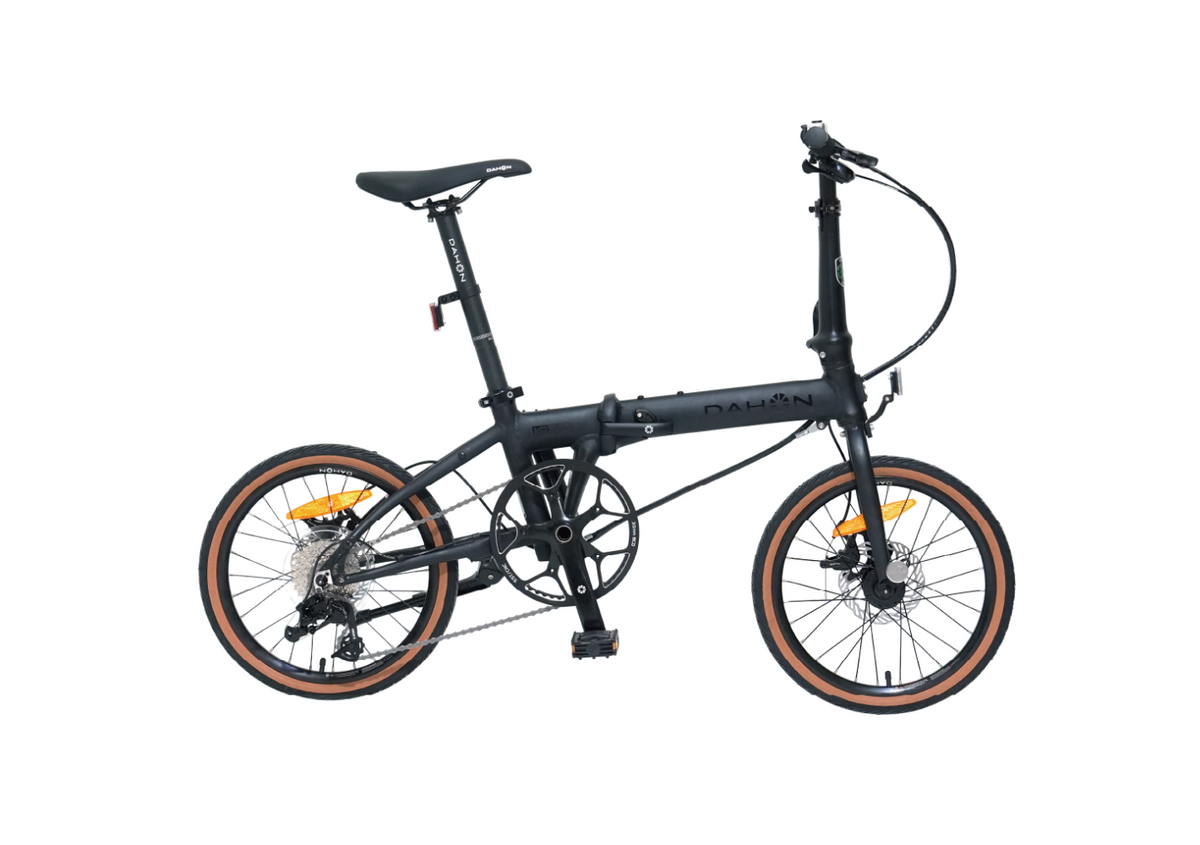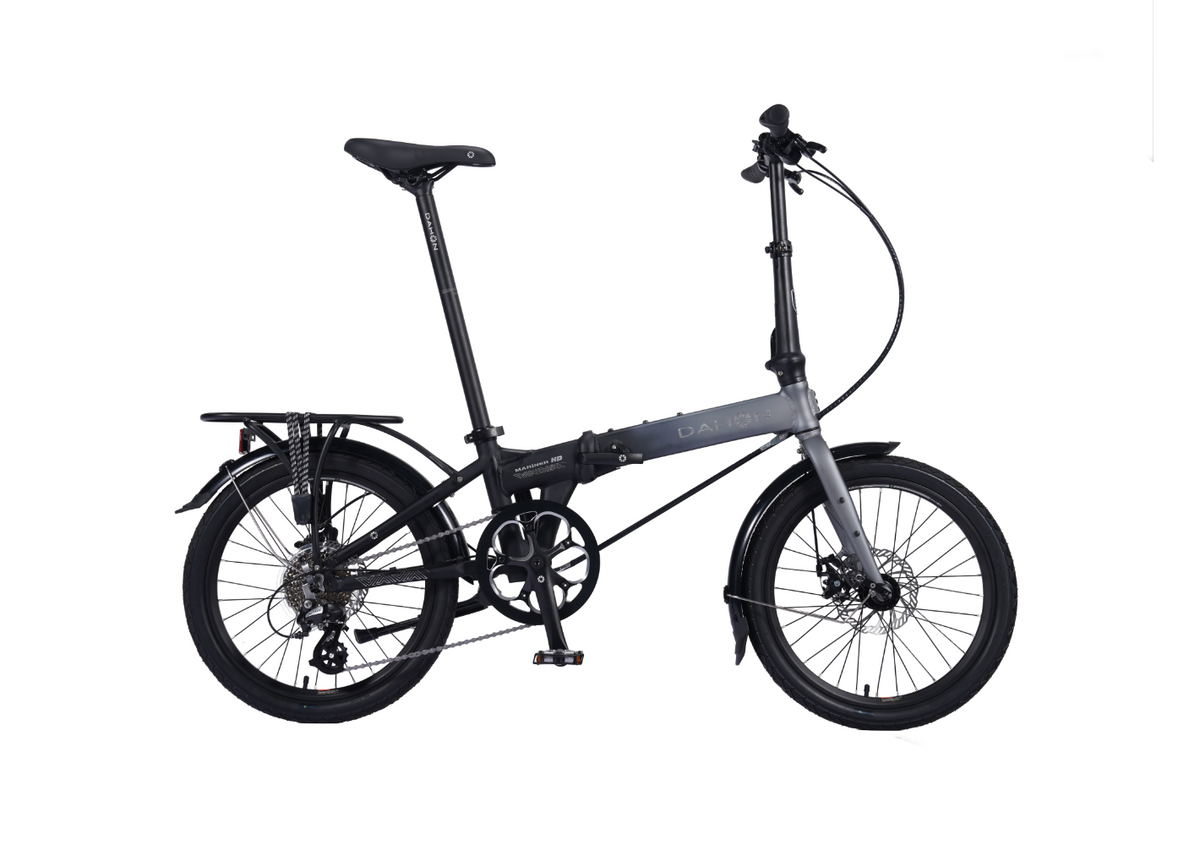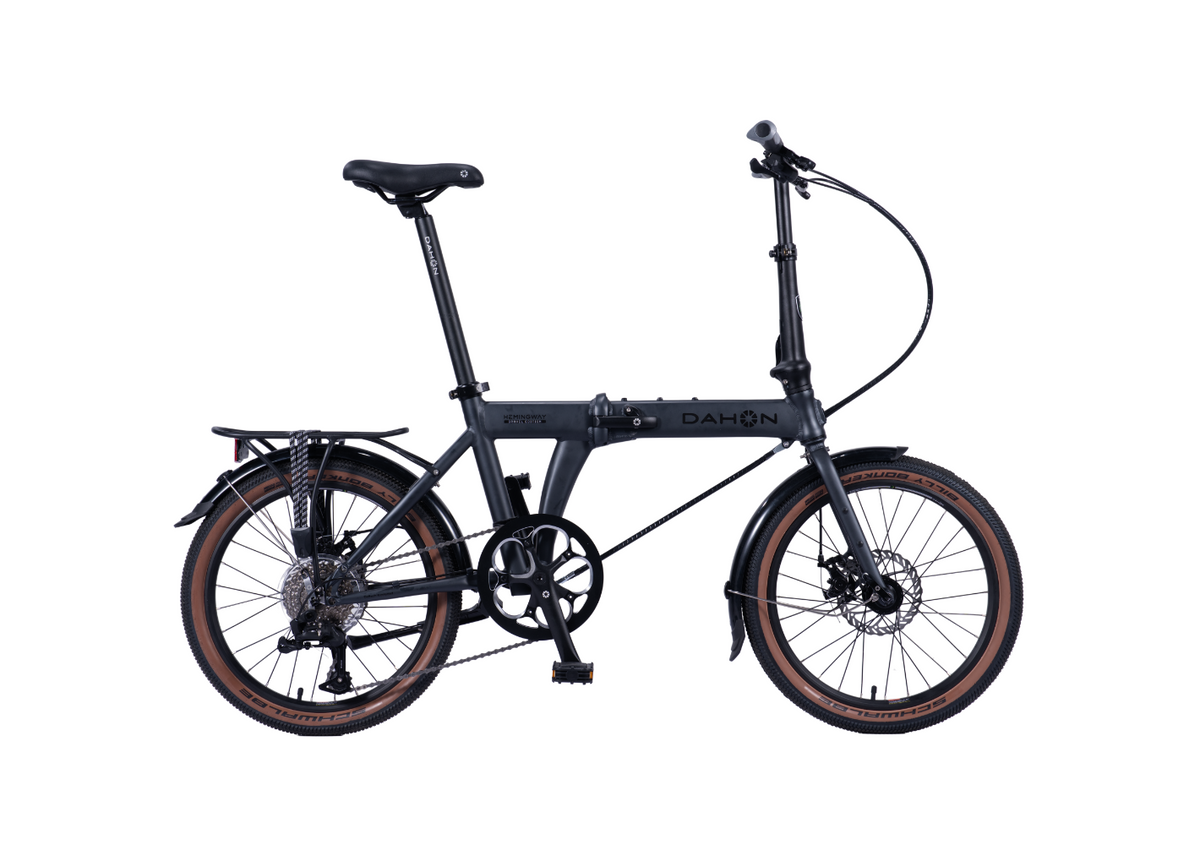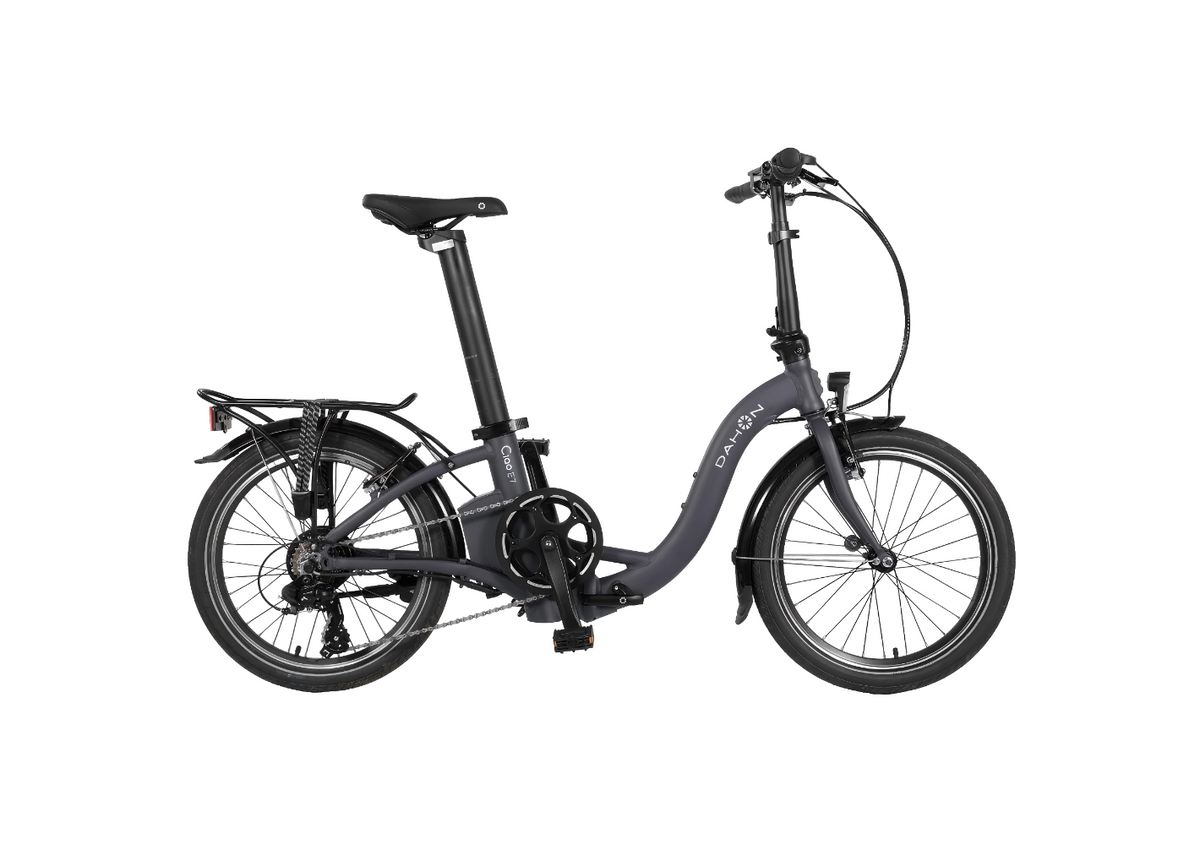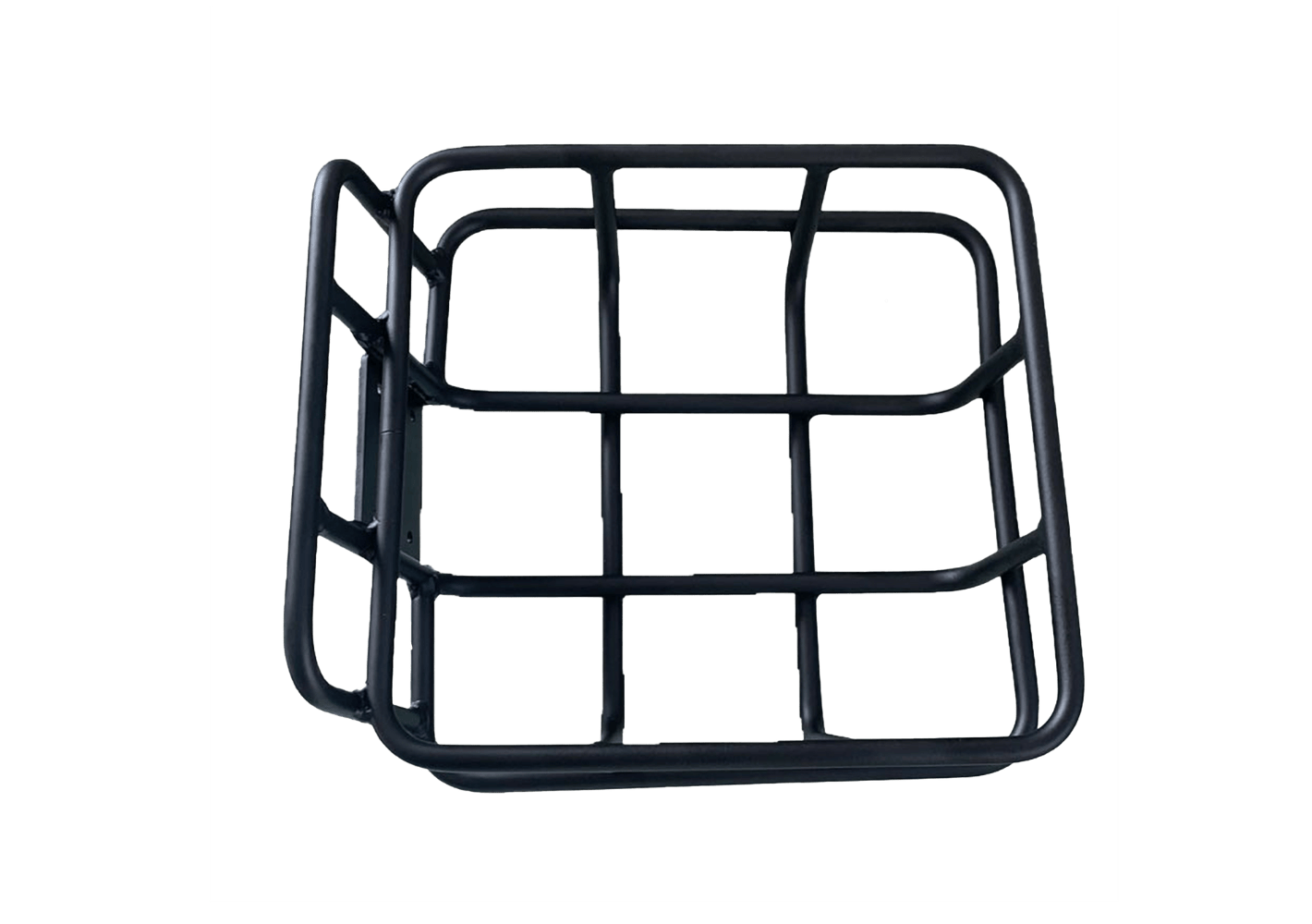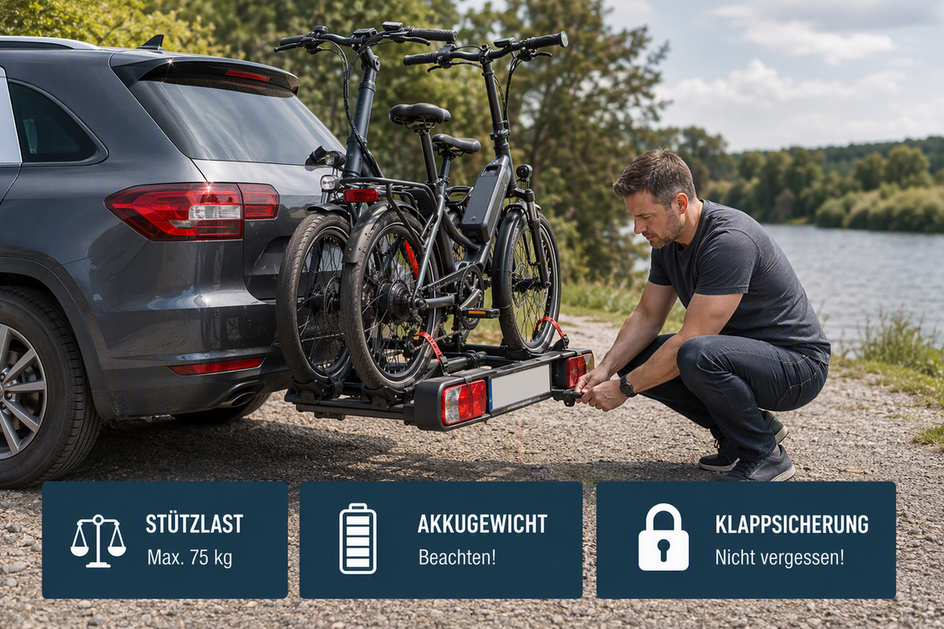
Transporting your compact e-bike on a towbar-mounted rack can work if the vehicle's or towbar’s permissible vertical load, as well as the rack’s load limits, can accommodate the sum of the rack weight, bicycle weight, and any carried accessories. In addition, the rack must be mechanically compatible with the frame, tires, and folding mechanism of your e-bike, and the securing method must adhere to the designated mounting points.
If the vertical load is insufficient or if approval remains unclear, the towbar rack is not a reliable option for this trip. The next step is a concrete weight calculation using your actual values.
Can your compact e-bike go on the towbar rack?
In principle, external transport is an option if three conditions are met simultaneously: the calculated load remains below the lowest permissible vertical load, the bicycle fits the rack's design in terms of dimensions, weight, and tire width, and the intended securing method can actually be applied.
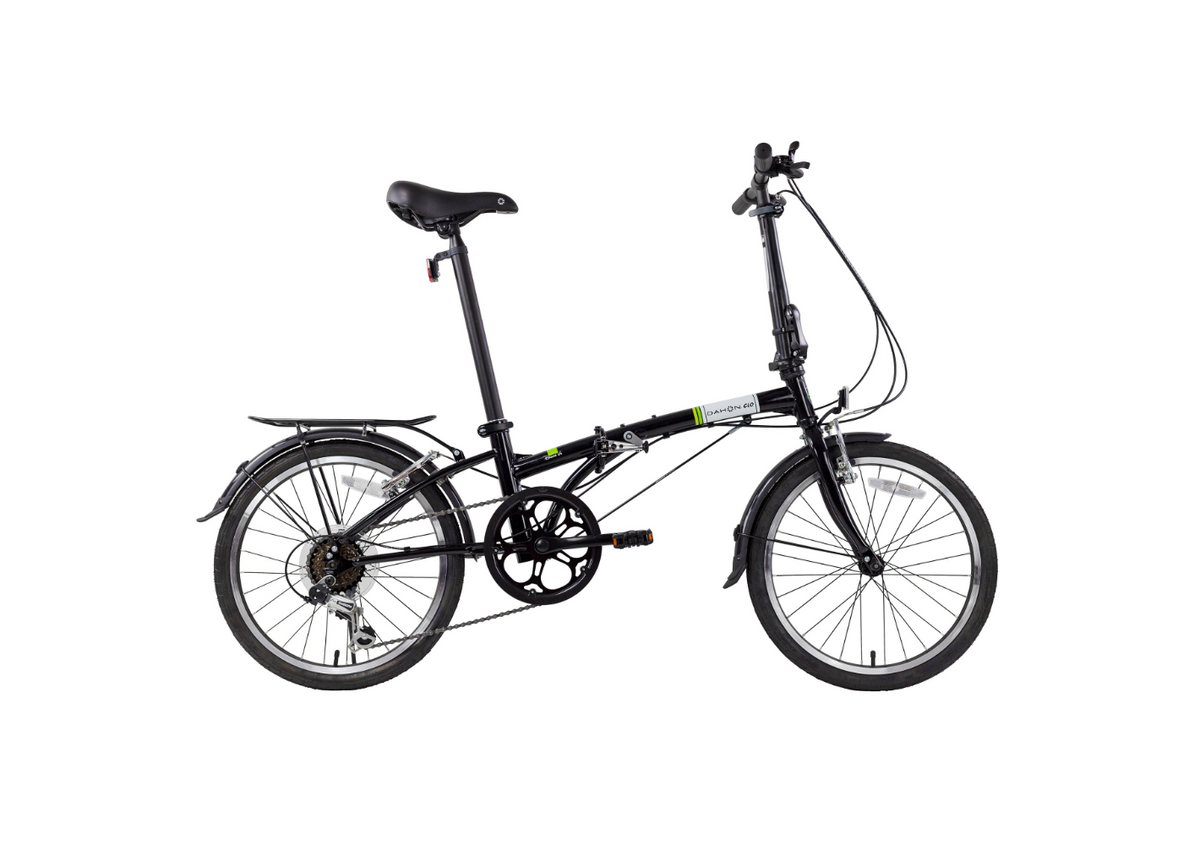
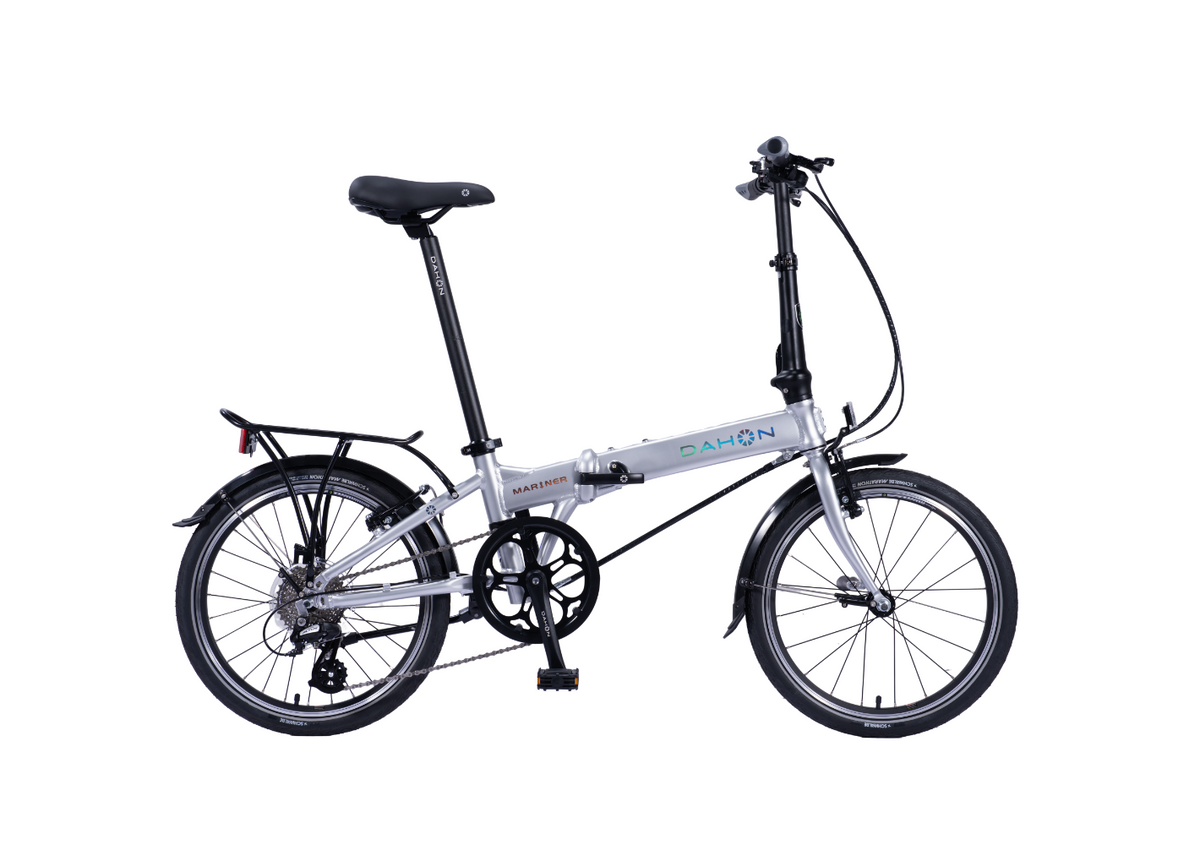
A compact or foldable e-bike does not differ fundamentally from a standard bicycle in this regard. When using a towbar rack, a folding bike is generally transported unfolded, as the rails and holding arms are designed for the standard wheelbase. It is crucial that the frame shape and folded state are compatible with the respective rack mount and that the folding mechanism remains securely locked according to the model manual. If the calculated load exceeds a permissible vehicle, towbar, or rack limit, or if a necessary safety approval is missing, you should not undertake the trip with this external combination and should instead check the interior transport option first.
Calculating vertical load for a bicycle rack
The calculation rule is simple: rack weight plus actual bicycle weight plus any accessories remaining on the rack must not exceed the lowest permissible vertical load. The decisive external weight limit is the one found in the vehicle documentation.
Relevant weight components
The sum must first include the dead weight of the towbar rack itself. Added to this is the actual weight of your e-bike in its transport configuration, i.e., including all parts that remain on the bicycle during the trip. Additional rails, brackets, or accessories permanently mounted on the rack must also be included.
Decisive limit values
If there are different vertical load specifications for the vehicle and the towbar, the lower value approved for the bicycle rack applies. The rack’s payload and the permissible load per rail are separate limits and must also not be exceeded.
Additionally, you must check the total maximum rack payload as well as the load per rail separately, as both values can be exceeded independently of the vertical load. Do not confuse the vertical load with the permissible towing capacity, which describes a different metric.

| Test parameter | Where does the value come from? | Which decision does it influence? |
|---|---|---|
| Vehicle vertical load | Vehicle documents, type plate | Upper limit of the total calculation |
| Towbar rating | Towbar type plate | Can further lower the vehicle value |
| Rack weight | Rack manual, data sheet | First calculation item |
| Bicycle weight | Model documents, weighing | Second calculation item |
| Accessories on the rack | Own recording | Third calculation item |
| Rack payload | Rack manual | Independent additional limit |
| Load per rail | Rack manual | Distribution for multiple bikes |
Racks also differ significantly in terms of brackets, rail width, payload, and load per rail, as an independent overview of dead weight and rack payload shows. Therefore, a mathematically suitable vertical load is not enough if the payload or load per rail is already exhausted.
Removing the battery: reducing weight, securing approval
Removing the battery can create a reserve if the vertical load is tight, but it is neither mandatory nor an automatic approval for the rack. The decisive factor remains what the model and rack manuals specify for your specific combination.
What removing the battery actually changes
Removing the battery reduces the weight exerted on the vertical load of the rack. However, it does not eliminate the limitation caused by the rack payload or load per rail, as these depend on the remaining bicycle weight and the mounting system. After removal, the battery still counts towards the vehicle's cargo and needs a protected, fixed place in the interior.
Model specifications using the example of the Curl Ei4
For our Curl Ei4, the battery is designed as a removable 1.6 kg bottle battery, and the product weight is 17 kg. These values help with classification but do not replace rack approval: for the actual calculation, you must determine which configuration the specified bicycle weight refers to and note the removed battery separately as vehicle cargo.
Folding safety on the rack and folding joints
Secure a compact or foldable e-bike exclusively with the rails, holding arms, and wheel straps provided by the rack manufacturer. A folding joint does not automatically count as a suitable lashing point unless the manufacturer's manual explicitly allows it.
Load-bearing contact points
The actually load-bearing contact points depend on frame shape, tire width, and bike weight and must match the rack's approval. Matching brackets and wheel straps are designed differently depending on the rack model, which is why checking them before purchase is sensible. The folding mechanism itself is locked according to the model manual and remains a mechanical function, not a lashing device.
If the rack covers the rear license plate, a duplicate license plate with the same registration number must be attached to the vehicle or load carrier; stamping by the registration office is not required. If mandatory vehicle lights are obscured, a suitable light board is required. These requirements apply regardless of whether the weight calculation works out.
Control steps during the trip
Check the locking mechanism of the rack and the firm seating of the bicycle before starting the trip. Loose parts such as the battery, bags, or accessories should be removed or stowed securely in the interior according to the manufacturer's instructions. After the first 50 km, we recommend checking straps and fastenings again, as tension can change during the trip. A rack lock and the bicycle lock can offer additional security on the go, without providing full anti-theft protection.
Towbar rack or interior transport: which option fits?
The towbar rack fits if the external load limit, rack compatibility, and securing method are all met. If the external reserve is insufficient, the interior can be an alternative, provided that folding dimensions, vehicle payload, and load securing are indeed compatible.
When the towbar rack is more practical
A low loading height makes it easier to load the bicycle, and a tilt function can maintain trunk access even with the bicycle mounted. A prerequisite remains that rails, holders, and the load per wheel match the specific rack manual.
When interior transport can be more sensible
If the external vertical load is no longer sufficient after deducting the rack weight, the assessment shifts to the interior: the folded bicycle must fit through the trunk opening and must not impair visibility or passengers.
Inside the vehicle, it also applies that cargo must be stowed in such a way that it does not shift, tip over, or fall, even during emergency braking or sudden swerving, as stipulated by the securing against shifting rules according to traffic regulations.
For the Curl Ei4, the documented folding dimension of 58 × 38 × 60 cm makes planning easier but does not replace the check of your specific trunk. Anyone wanting to compare dimensions with their own vehicle in advance can find practical reference points in the article Folding bike in a small car.
Before the first trip: compare model, vehicle, and rack data
The final transport decision is only certain when all six data groups are documented. You should not estimate open values or replace them with general information from the internet.
- Vehicle vertical load: Registration document or type plate
- Towbar rating: Towbar type plate
- Rack weight and payload: Rack manual
- Bicycle weight in transport configuration: Model documents or personal weighing
- Battery status and removal approval: Model manual
- Accessories on the rack: Own recording
Enter for each point whether it is suitable according to the documents or remains open. If folding joint or rack approval is unclear, we recommend confirmation from the manufacturer, dealer, or a specialist workshop with your concrete model and rack data before the trip.

Therefore, make your choice based on the documented values: use the towbar rack as soon as vertical load, rail load, and bracket approval are clearly confirmed. Otherwise, switch to secure interior transport and clarify open approvals directly with us or your specialist dealer before starting your tour.
Frequently Asked Questions
Does a removed e-bike battery still count towards the vertical load?
No, a removed battery no longer rests on the rack as bicycle weight and is therefore not included in the vertical load calculation. It then counts as vehicle cargo and must be secured against shifting in the interior. Document the battery weight and remaining bicycle weight separately.
Am I always allowed to remove the battery for transport?
No, removability alone is not sufficient. The decisive factors are the model and rack manuals, which determine whether and when removal is sensible or intended. If there is conflicting information, you should contact the manufacturer or a specialist workshop before the trip.
Can I secure the folding joint with a tension belt?
A folding joint should not be used as a lashing point without explicit manufacturer approval, as it is not fundamentally designed for this load. Instead, check the bicycle and rack manuals to see which contact points are actually intended.
Is transport in the interior automatically safer?
No, the interior is only the more suitable option if the folding dimensions, vehicle payload, visibility, and load securing all fit together. Measure the folded bicycle in your specific vehicle and determine a suitable fixation before choosing this variant.