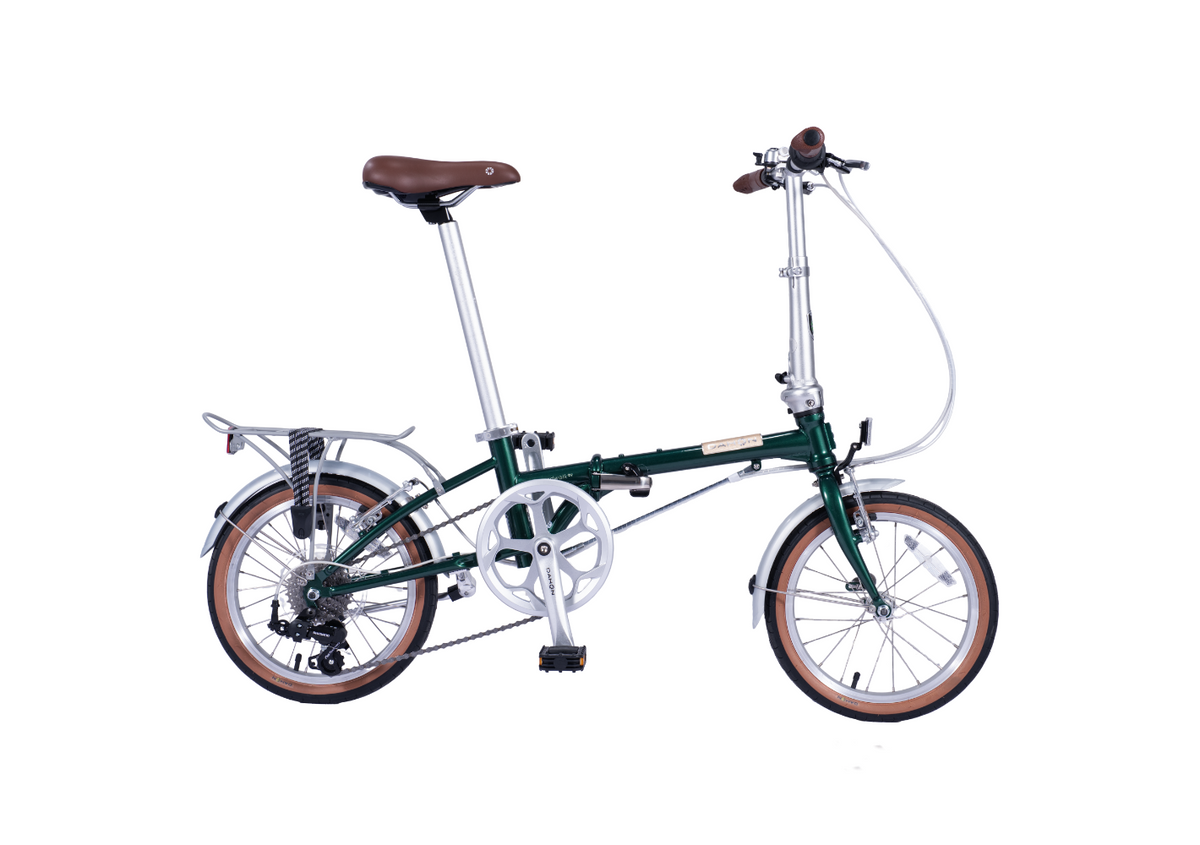
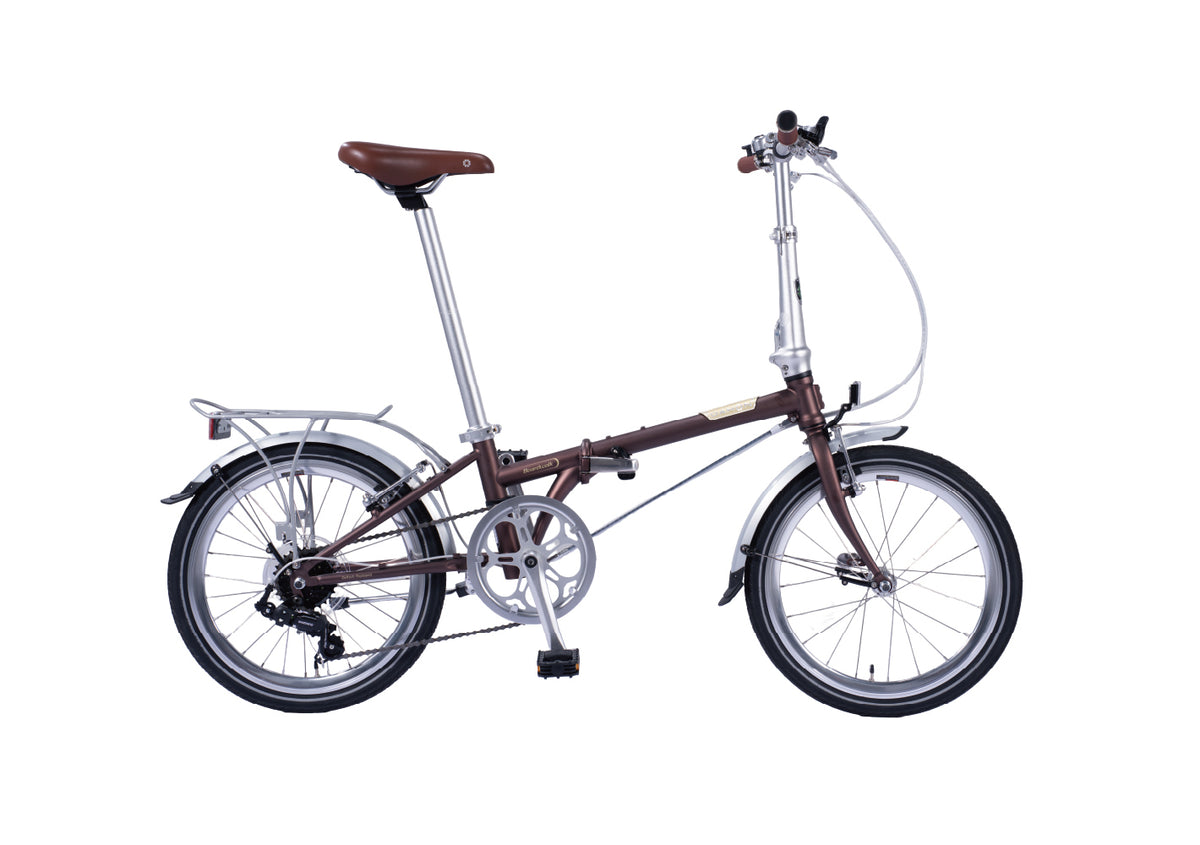
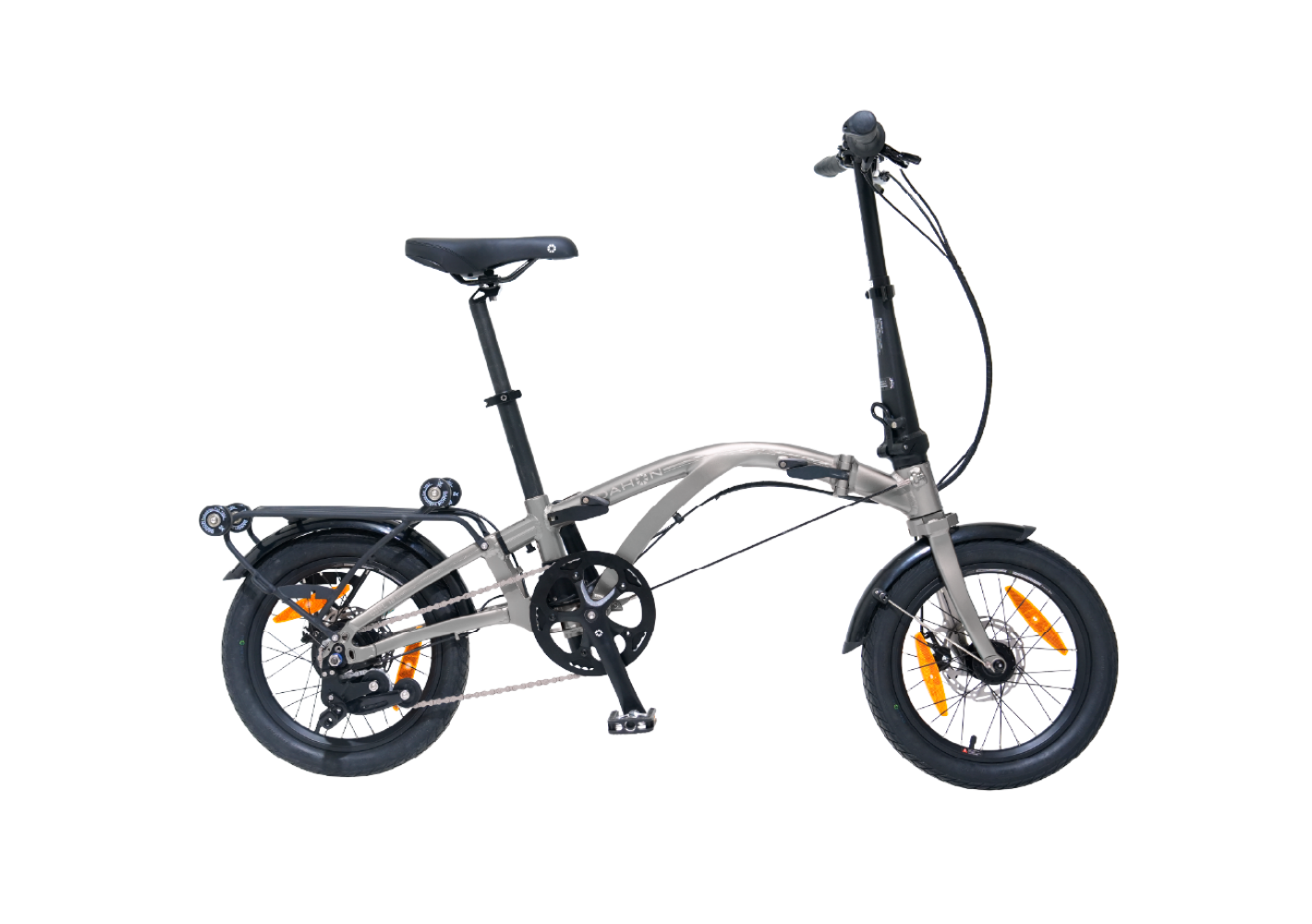
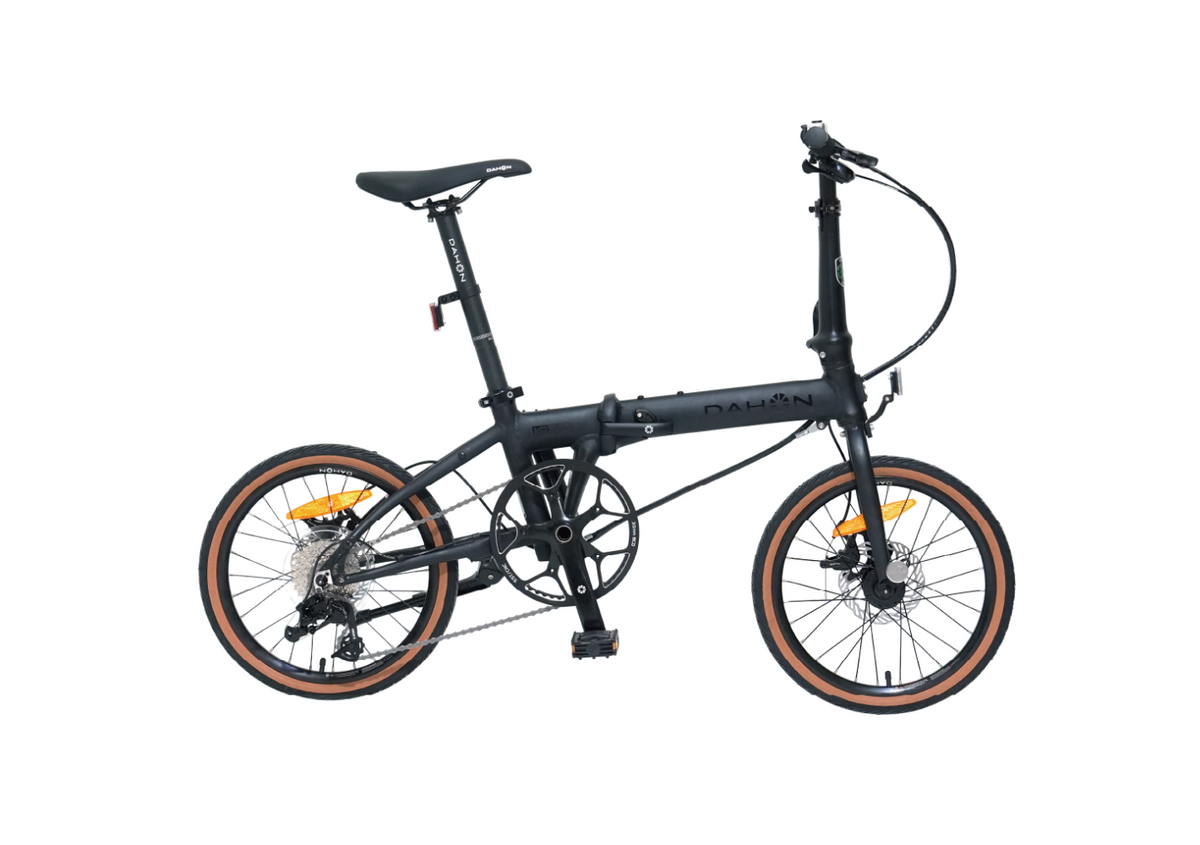
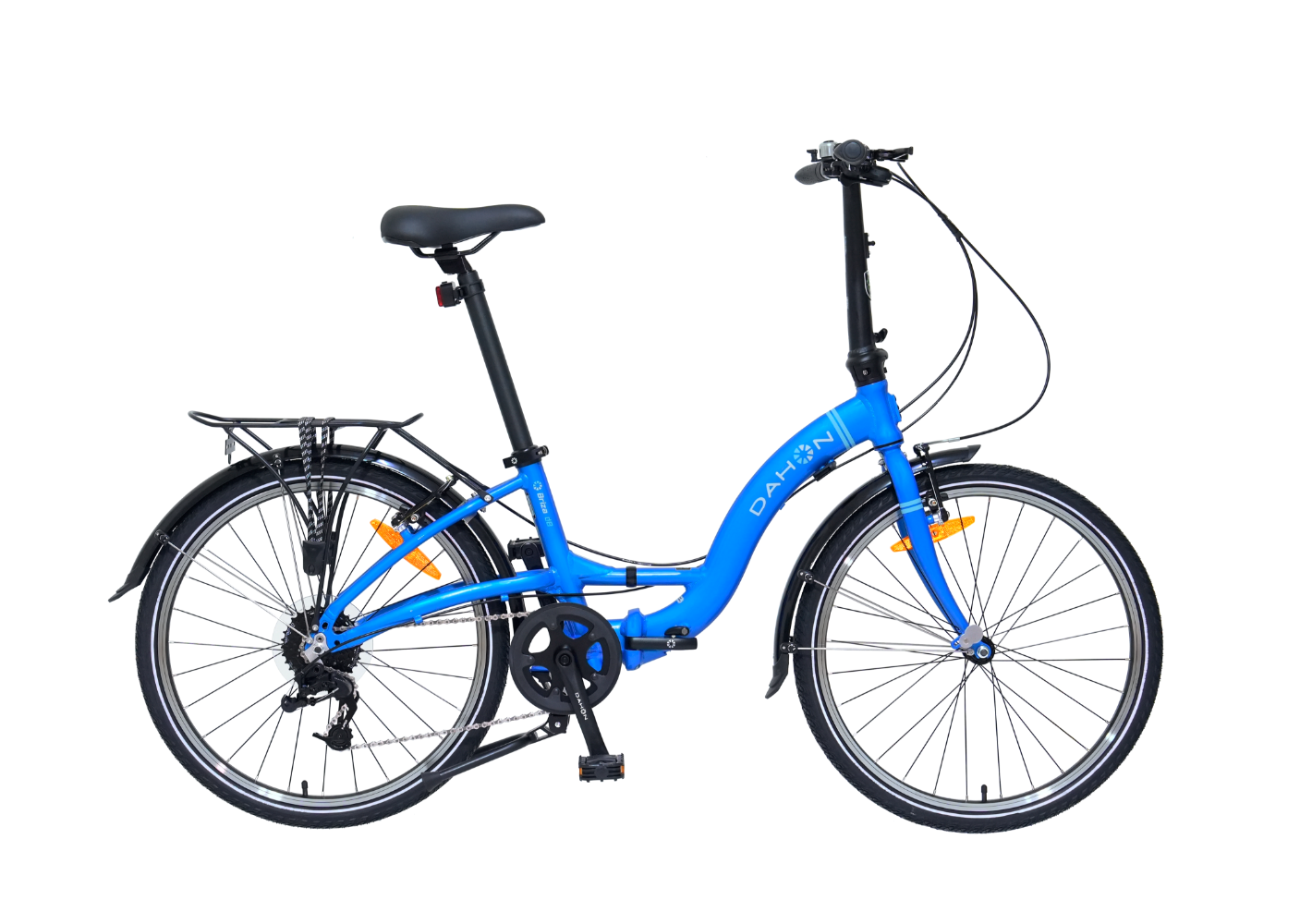
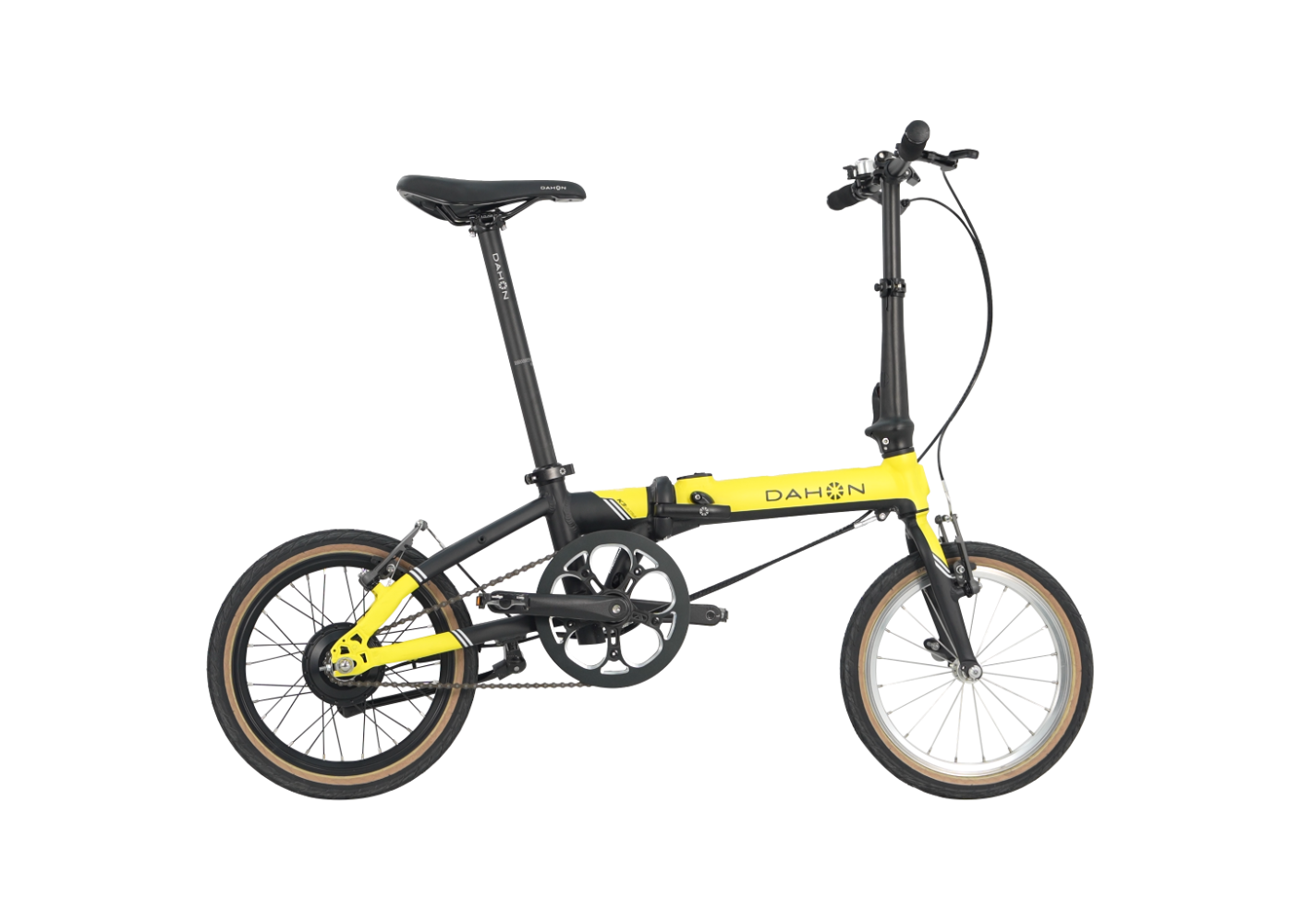
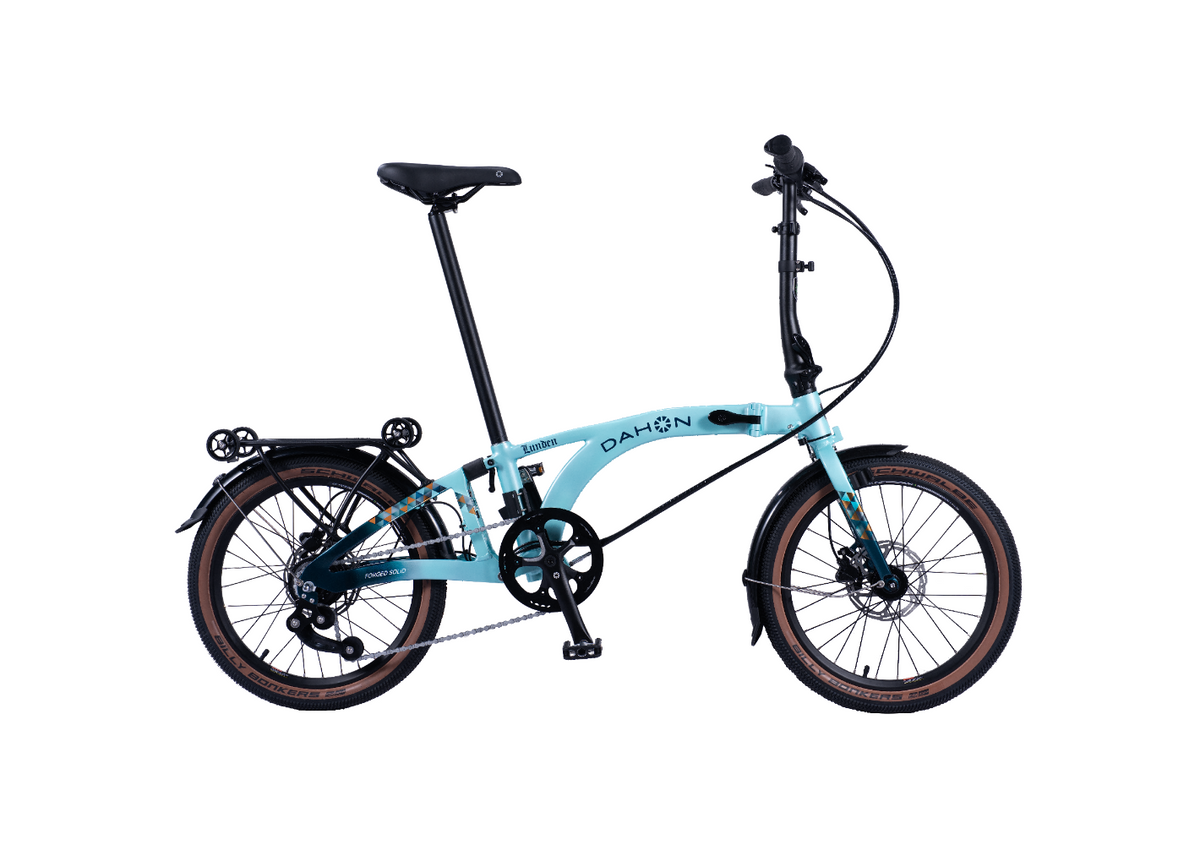
If your commute is long and involves uneven asphalt, 24-inch folding bikes can feel smoother and more stable. If, on the other hand, your trunk is limited in size or you frequently carry the bike on buses and trains, a 20-inch folding bike is usually the more practical first choice.
Both tendencies are just a starting point. Only the specific folded dimensions, weight, and fit of the respective model will show whether the potential comfort advantage actually pays off in everyday life.
Quick Conclusion: Which wheel size fits your commute?
For long, partially uneven commutes, 24-inch folding bikes are a sensible first option to consider because larger wheels tend to roll over bumps more smoothly. If, however, transport is the priority—for example, in the trunk of a small car or when frequently transferring between buses and trains—you should consider a 20-inch folding bike first, as a compact folded size is often more important here than pure ride smoothness.
Neither size is automatically the better choice. Only when the folded dimensions, weight, tires, and seating position of a specific model match your everyday life does this initial tendency become a reliable decision.
20-inch and 24-inch folding bikes compared
The following table shows which priority is typically paramount for each wheel size. However, for weight and package size, the specific model is always the deciding factor, not just the inch size alone.
| Criterion | 20 inch: typical priority | 24 inch: typical priority |
|---|---|---|
| Ride smoothness | solid, but secondary | tends to be smoother on longer stretches |
| Package size | more compact, good for tight storage | larger, to be checked per model |
| Weight | model-dependent, not automatically lighter | model-dependent, not automatically heavier |
| Transport and folding comfort | often an advantage for frequent carrying | plan for more space when folding |
| Suitable everyday use | trunk, public transport, mixed routes | long, uneven commutes |
The table is a decision-making aid, not a ranking. Further check points on wheel size for folding bikes help to apply this tendency to a specific model.
Correctly assessing ride smoothness on uneven asphalt
Larger wheels can roll over bumps more smoothly, especially on longer routes with changing asphalt surfaces. However, this is not an automatic comfort guarantee, as tires and seating position have an equally strong impact on the riding experience.

What the larger diameter can contribute
A larger tire diameter often offers more damping and comfort on uneven surfaces, as independent advice on bicycle tire size shows. On very long commutes, this effect is more noticeable than on short, flat routes.
Which model specifications change the impression
You should check three specifications alongside the wheel size to ensure that the potential comfort advantage actually fits the specific model:
- Tire width and tire type: Wider tires generally offer more traction and comfort, while narrower ones reduce rolling resistance.
- Permissible and correctly adjusted tire pressure: Even a good tire is of little help if the pressure is not suitable for your body weight and the route.
- Seating position, frame geometry, and equipment: These influence how bumps actually feel, regardless of the inch size.
Package size, weight, and folding comfort during transport
Whether a folding bike fits in a trunk or hallway is determined by the folded outer dimensions and the weight, not by the wheel size alone. Therefore, a 20-inch model is not automatically smaller or lighter than comparable 24-inch folding bikes.
Realistically comparing trunk and apartment
Compare the folded length, width, and height with the usable trunk opening and floor space, not just the stated trunk volume. Additionally, check whether you can actually lift and turn the folded bike in the intended position.
Evaluating weight and folding comfort in everyday life
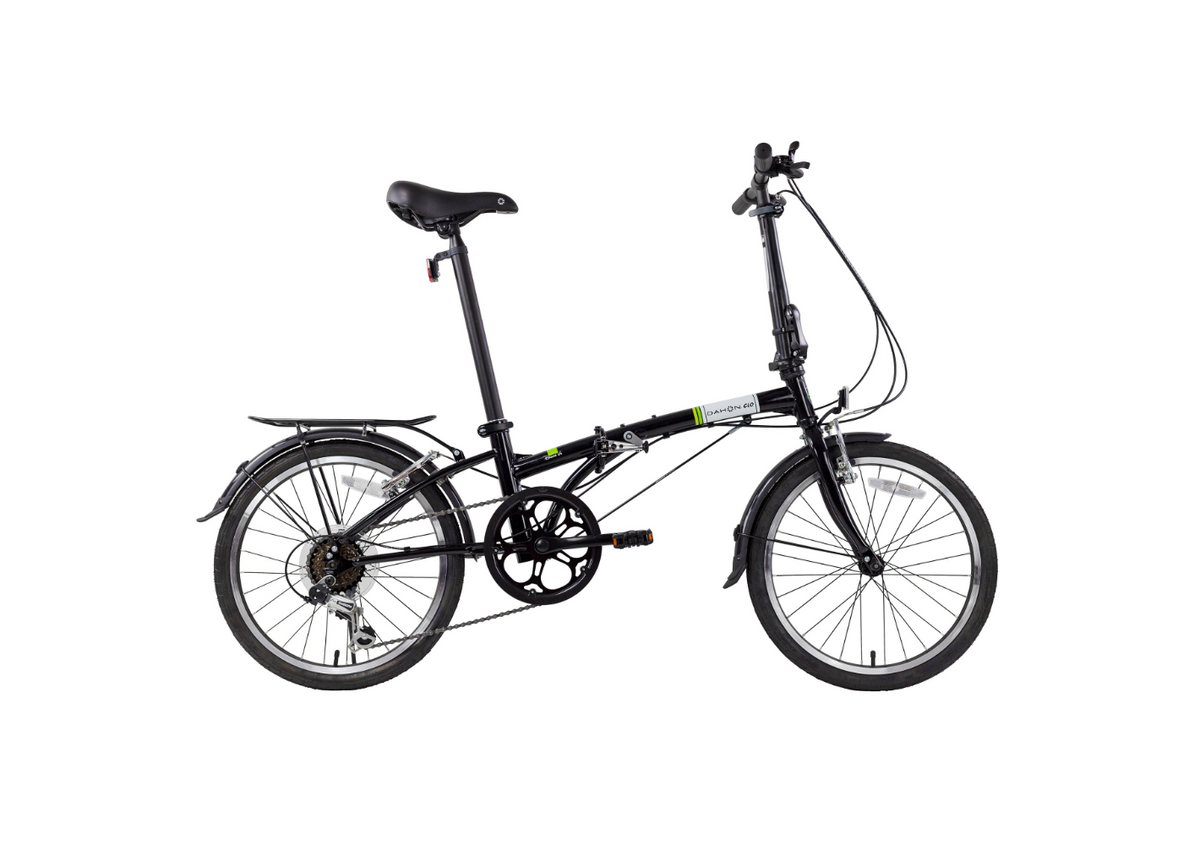
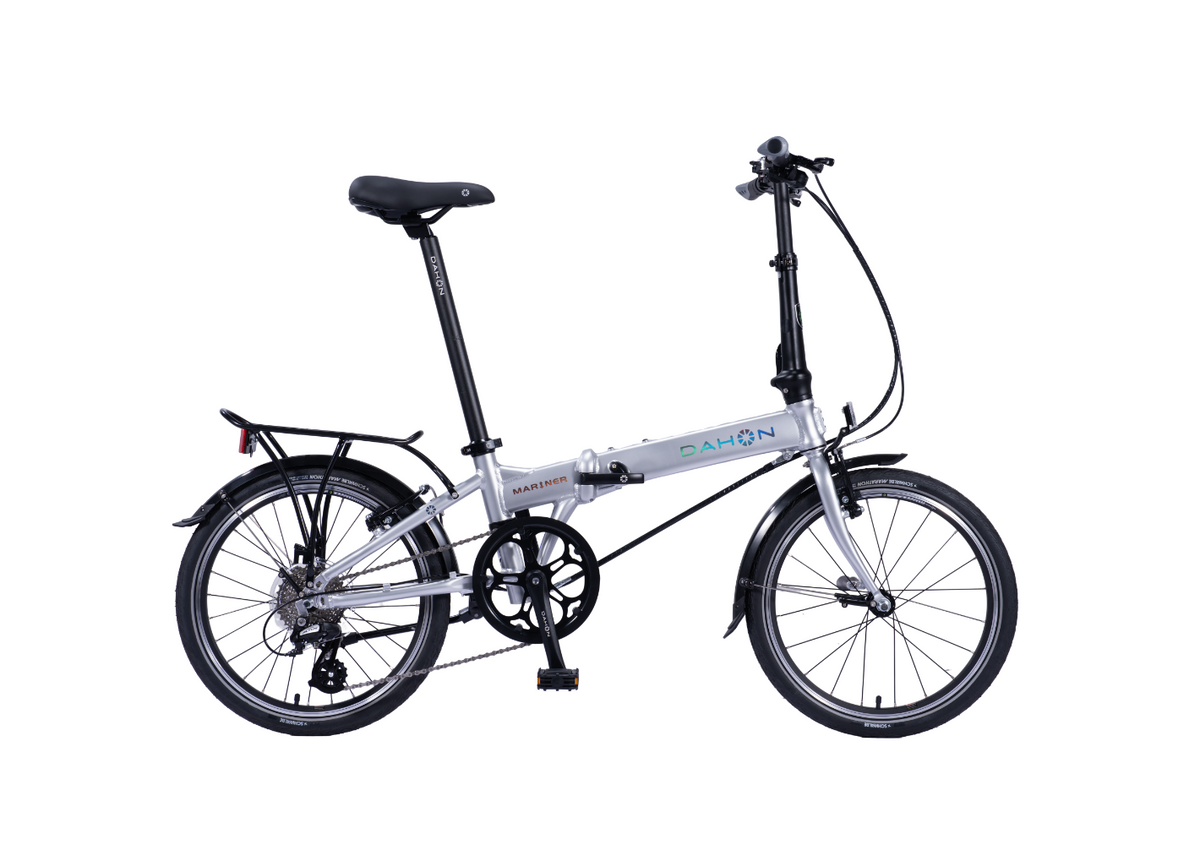
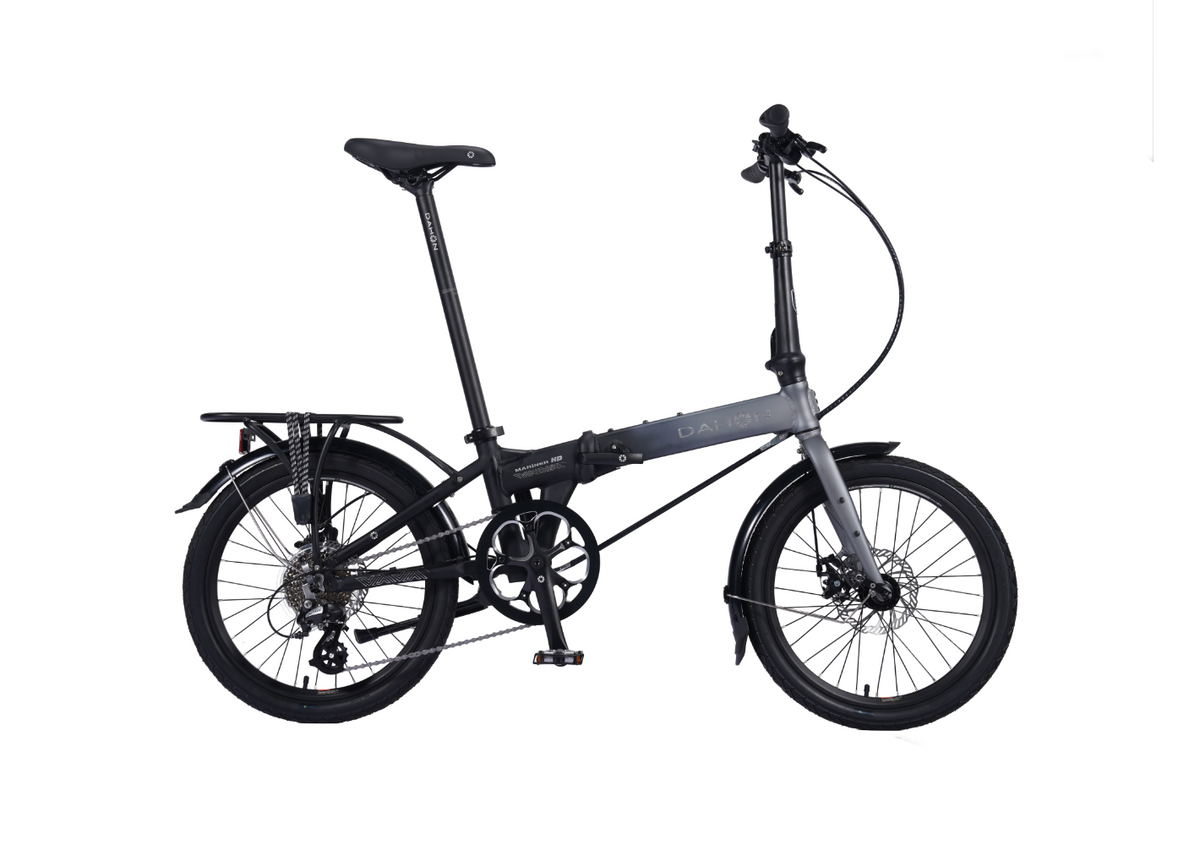
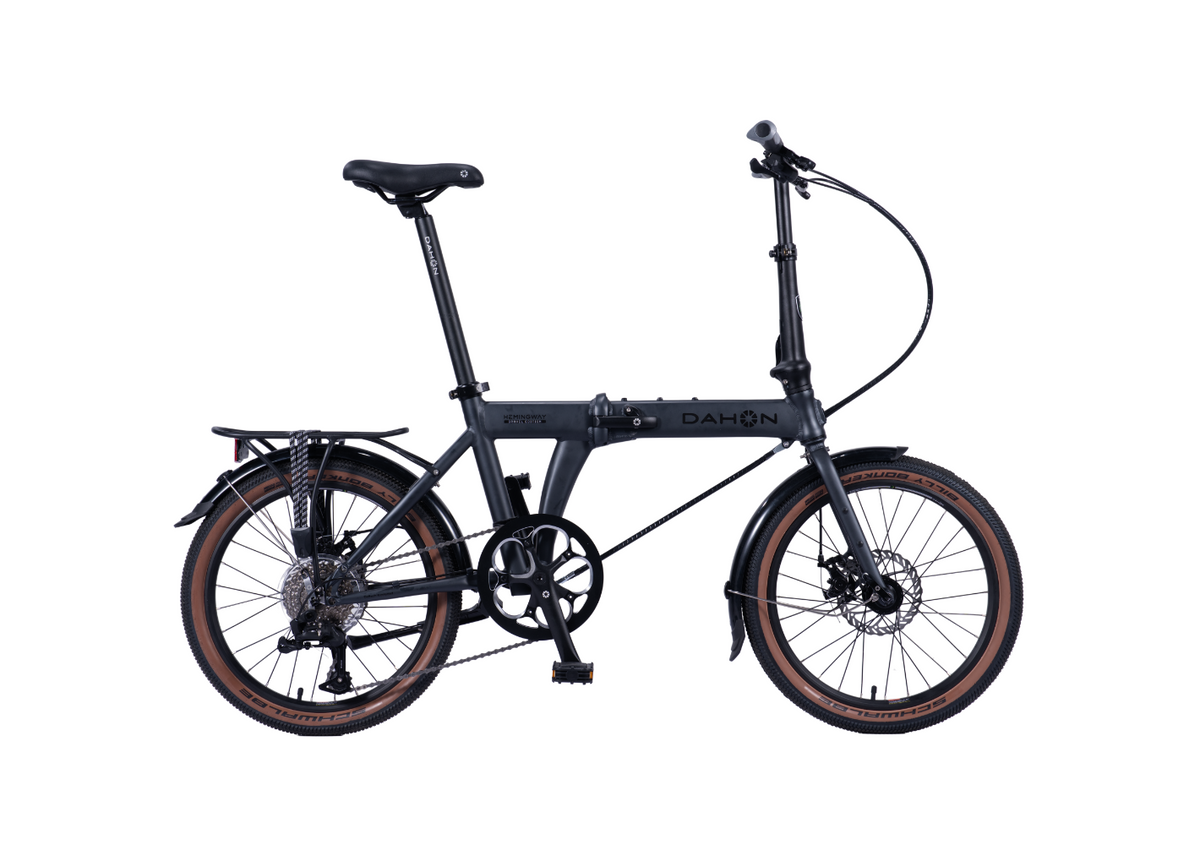
Weight is an independent model value and should be considered separately from the wheel size. A current 20-inch model from our range, for example, weighs around 10 kg and folds to about 66 × 42 × 85 cm. When carrying it for short distances frequently, such as when commuting by car and train, such a weight can be more important than a slightly smoother ride on the route itself.
Which size fits which commuting scenario?
The appropriate wheel size depends on which everyday condition is the most critical. If requirements are equally weighted, the specific dimensions and the fit of the model determine the final choice.
Long and uneven commute
If ride smoothness takes priority on long, partially uneven routes, 24 inches is the first option to examine. Afterward, compare tire width, seating position, and actual folded dimensions to ensure that the advantage is realized in everyday use.
Compact trunk and little storage space
If a limited trunk or little storage space at home defines your everyday life, 20 inches is the more logical starting point. Check the folded outer dimensions and test whether the bike can actually be easily lifted out.
Frequent bus and train travel
When transferring frequently, portability, folding comfort, and the current terms of the respective transport operator count more than the wheel size itself. Clarify the specific connection and the storage situation before settling on a size.
Including body height, seating position, and equipment
The inch size does not replace a fit check, as rider height ranges and adjustment options differ from model to model. Only comparing these with your body height and the remaining equipment makes the choice complete.
Body height and seating position
Compare the stated rider height range as well as the saddle and handlebar adjustment of the specific model with your own body height. Our lightweight 20-inch performance folding bike from the previous section, for example, is designed for a rider height range of about 145 to 190 cm, which shows that a smaller wheel size is by no means only suitable for smaller people.
Equipment for the commute
In addition to the fit, three equipment features influence the suitability for the daily commute:

- Tires and permissible air pressure: determine comfort and rolling resistance on your specific route.
- Gearing: important for inclines and longer distances without unnecessary exertion.
- Luggage racks, mudguards, or other commuting equipment: can make the daily routine easier, provided they are available on the model.
Selection checklist and next step
Before deciding on 20 or 24 inches, you should specifically compare six points. This ensures that a theoretically suitable size works smoothly in everyday life:
- Determine your most important everyday scenario: long, uneven route or frequent transport.
- Measure your trunk or storage area, including the opening, interior, and actual space.
- Note the folded outer dimensions of the specific model in length, width, and height.
- Compare weight and typical carrying distance with your frequency of transfers.
- Check the rider height range, tire specifications, and folding process against your body height and route.
- Confirm the values based on manufacturer specifications or a demonstration before purchasing.
If a sporty 20-inch model fits your trunk and commuting requirements, our Mu Pro with a hydroformed aluminum frame and Shimano 105 drivetrain is a concrete option. Measure your available storage space in advance and test lifting and folding it on-site to make the right decision for your commute.
Frequently asked questions
Can I take a 20- or 24-inch folding bike on public transport?
A folded folding bike does not automatically fall under identical transport conditions. Before commuting regularly, check the current terms of carriage of the respective operator as well as the folded size and secure storage in the vehicle.
Does the maintenance effort differ between 20-inch and 24-inch folding bikes?
Wheel size alone is not a maintenance standard. You should compare tire format, air pressure requirements, shifting, brakes, and folding mechanism based on the operating manual and the equipment of the respective model, not based on the inch count.
Which wheel size is suitable for different body heights?
There is no general inch rule for body heights. Compare the stated rider height range as well as the saddle and handlebar adjustment of the specific model with your own height. Our 20-inch model is designed for a range of about 145 to 190 cm.
Does a 24-inch folding bike offer more comfort on every uneven path?
Not necessarily. A larger wheel diameter can offer more damping on uneven surfaces, but tire width, tire pressure, seating position, and the actual road surface also significantly change this impression.