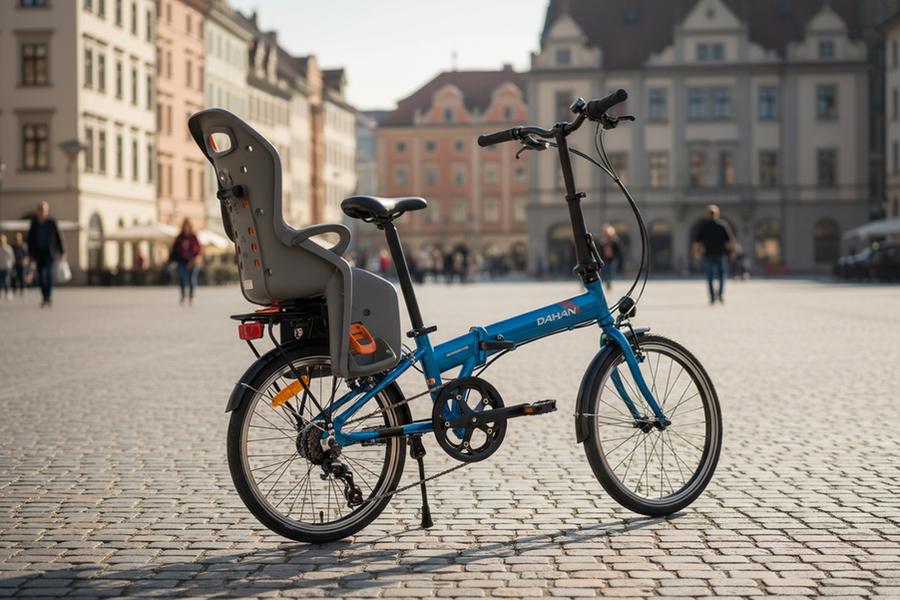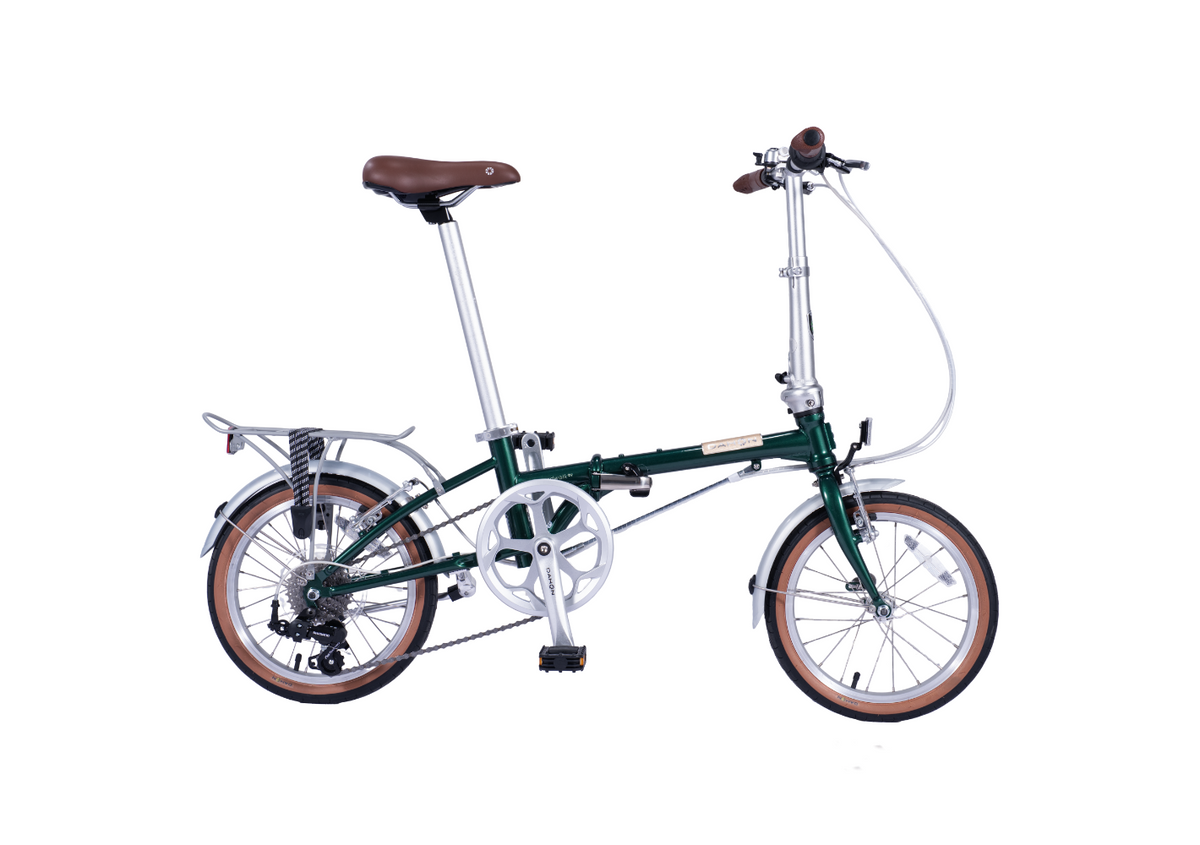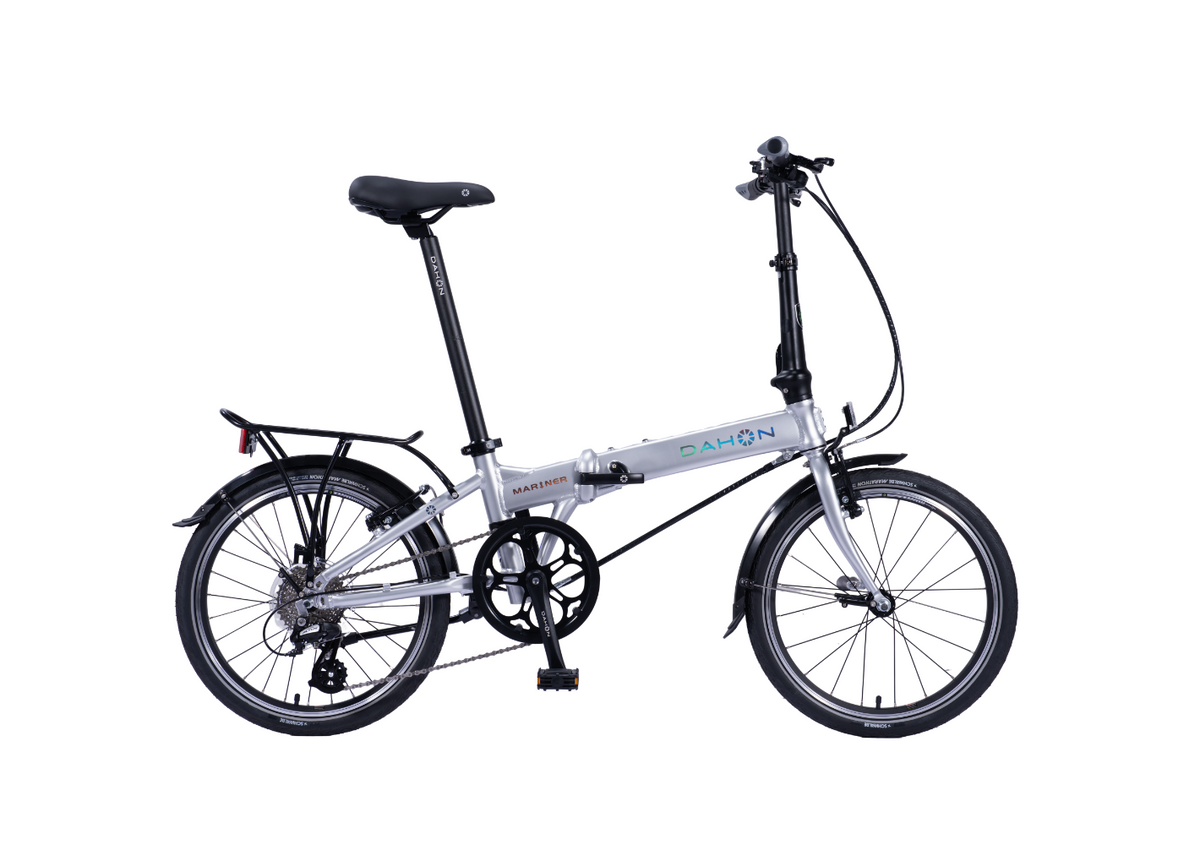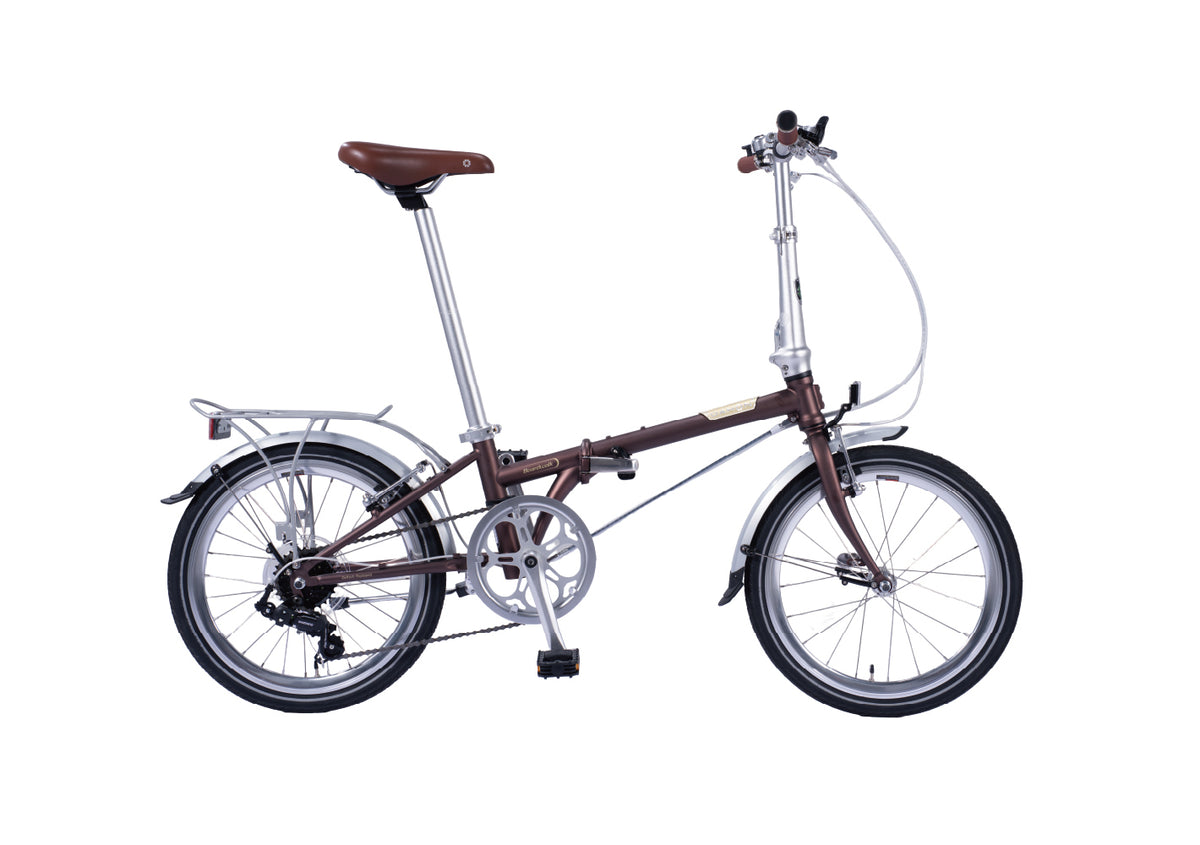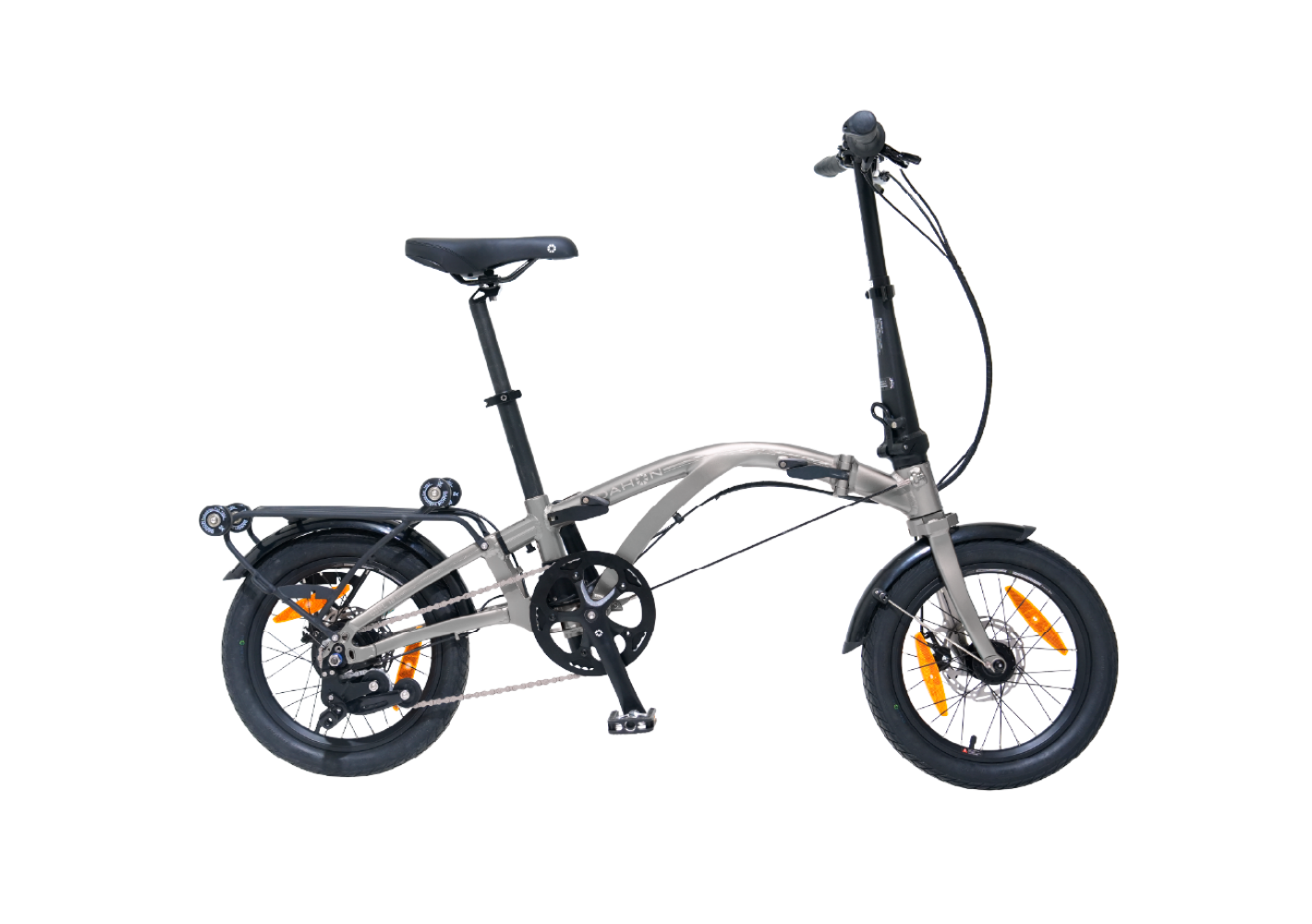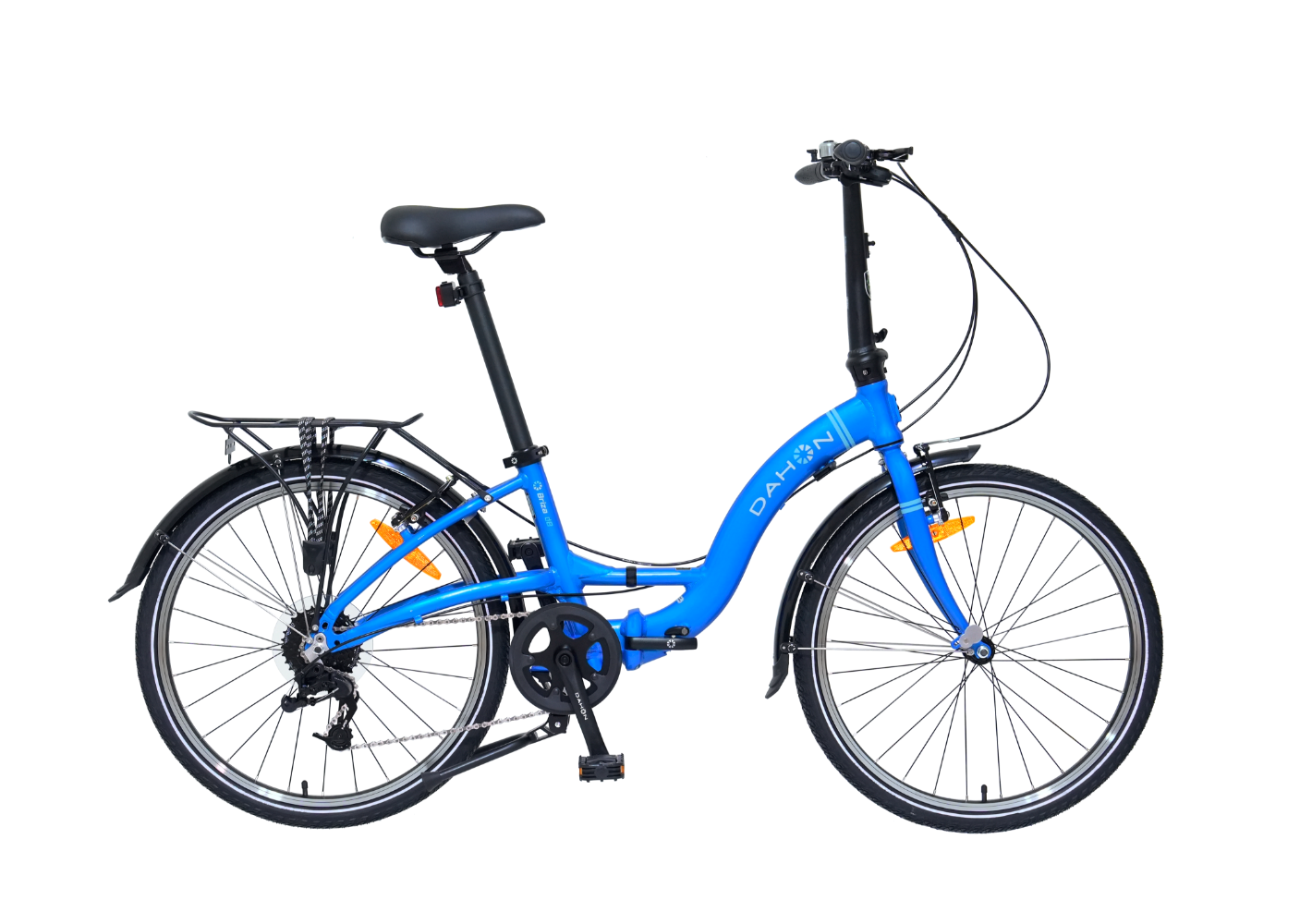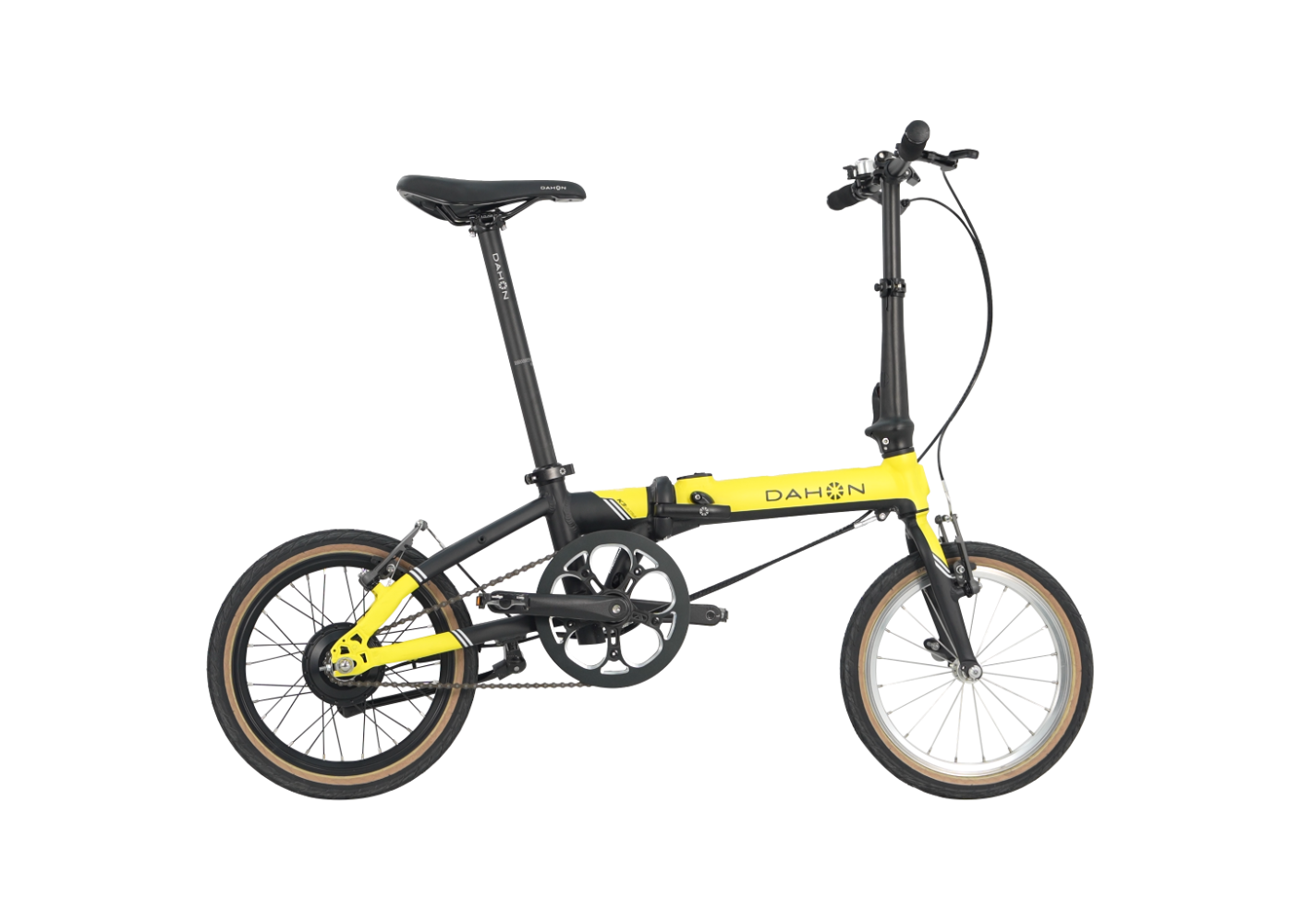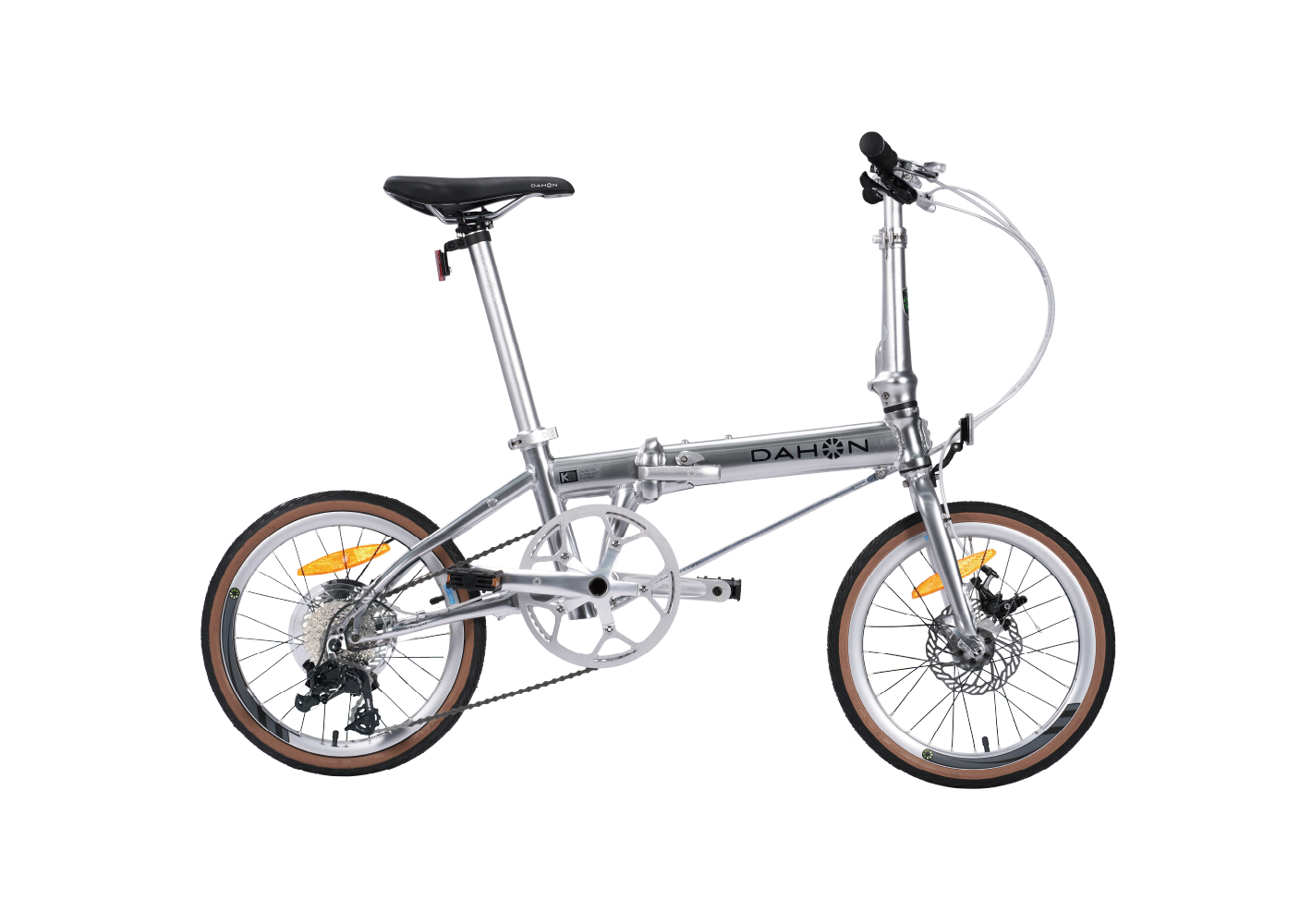
The right gear ratio for a folding bike in city traffic depends on the route profile and the rider's cycling style. For the folding bike gear ratio for city traffic, the criteria are: range of the gear ratios, number of gears, and the type of gear shifting. A well-chosen gear ratio makes riding in city traffic easier and prevents premature fatigue.
Which Gear Ratio for Which City Route?
Before choosing a gear ratio, determine your typical route. A flat city route needs fewer gears than a hilly route. The gear ratio for the folding bike in the city should offer a gear for comfortable starting off and a gear for rolling at moderate speed. A gear ratio with a wide range (e.g., 300–600% range) is suitable for hilly routes. For flat routes, a narrower range is sufficient.
Number of Gears: How Many Gears Does a City Folding Bike Need?
A city folding bike usually needs between 7 and 10 gears. A 7-speed hub gear is sufficient for flat routes. A 10-speed derailleur gear offers a wider range for hilly routes. The number of gears for a city folding bike depends on the route profile. For mainly flat routes, 7 gears are sufficient. For routes with climbs, 10 or more gears are recommended.
| Route profile | Recommended number of gears | Type of gear shifting |
|---|---|---|
| Flat city route | 7–8 gears | Hub gear or derailleur gear |
| Hilly city route | 10 or more gears | Derailleur gear |
| Mixed route | 8–10 gears | Hub gear or derailleur gear |
Hub Gear vs. Derailleur Gear on the Folding Bike
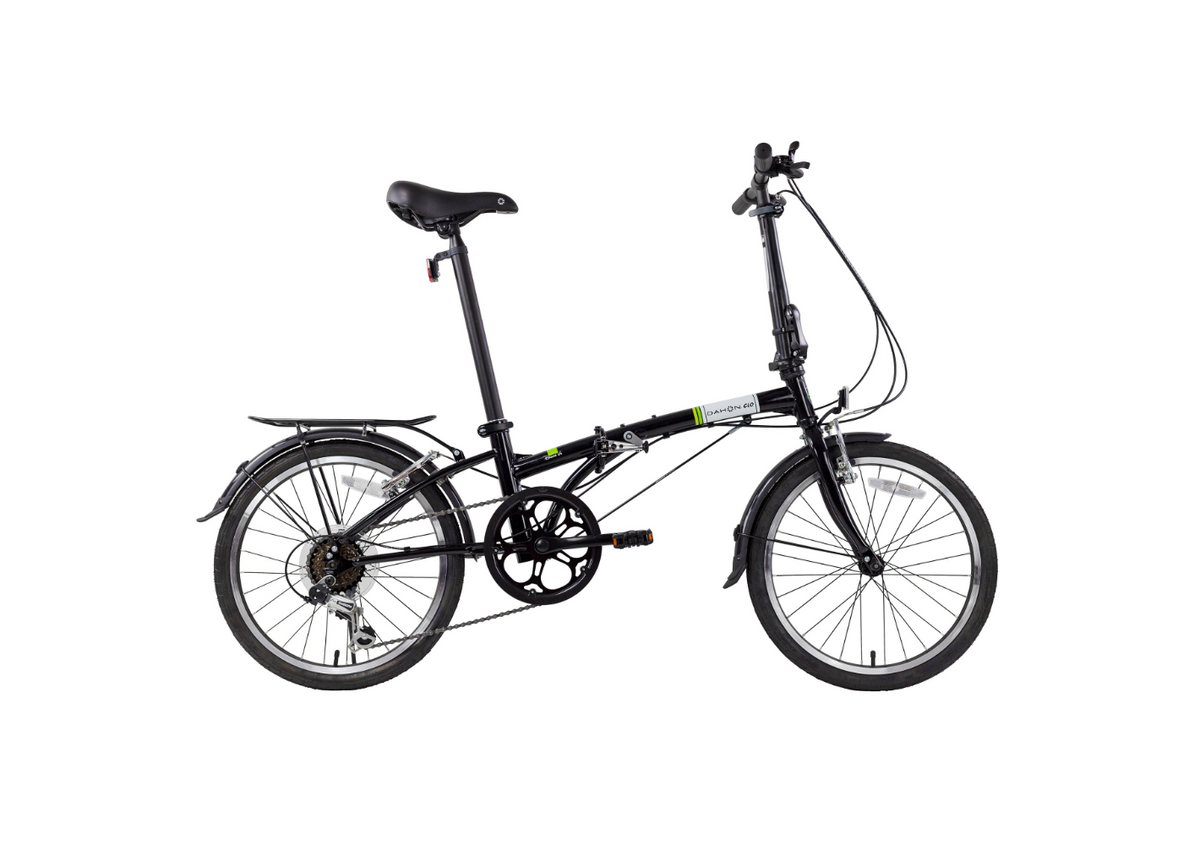
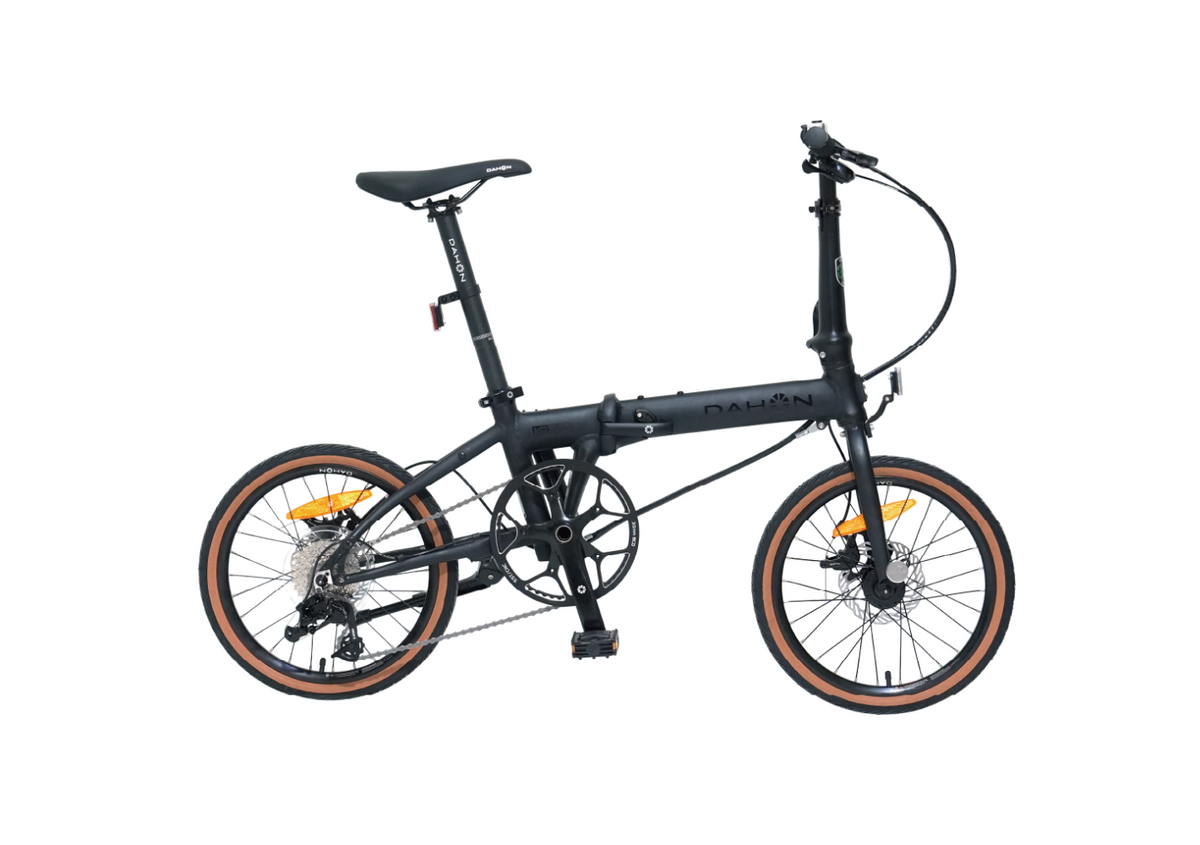
Hub gears are low-maintenance and suitable for city traffic. They are enclosed and therefore protected from dirt and weather. The hub gear on the folding bike offers reliable shifting and requires little maintenance. Derailleur gears offer a wider gear range and are lighter, but more sensitive to dirt and weather. The derailleur gear on the folding bike is suitable for riders who want a wide gear range and are willing to perform regular maintenance.
Gear Ratio and Starting Off
The starting gear should be low enough to start off comfortably at a traffic light. A gear ratio with a low first gear (e.g., gear ratio under 1:1) makes starting off easier. The starting gear on the folding bike for city traffic is the most important gear for daily use. Test the starting gear on a slight incline to get a realistic impression.
Purchase Decision: Which Gear Ratio Is Right for You?
Choose a hub gear with 7–8 gears if: You ride mainly on flat routes and value low maintenance.
Choose a derailleur gear with 10 or more gears if: You ride on hilly routes and need a wide gear range.
Test the gear ratio with a test ride on your typical route. The shifting should be crisp and the gear range should fit your cycling style. For an overview of folding bike models, check the gear specifications.
Frequently Asked Questions
How many gears does a folding bike need in city traffic?
7 to 10 gears are sufficient for most city routes. For hilly routes, 10 or more gears are recommended. The choice depends on the route profile.
Hub gear or derailleur gear for the folding bike?
A hub gear is low-maintenance and suitable for flat routes. A derailleur gear offers a wider gear range and is more suitable for hilly routes. The choice depends on the route and your maintenance preferences.
How do I find the right gear ratio for my folding bike?
Test the gear ratio on your typical route. The starting gear should be low enough for comfortable starting. The top gear should offer a gear for rolling at moderate speed.
Does the gear ratio affect the folding compatibility?
Yes, with a derailleur gear, the folding process can be affected by the chain tension and rear derailleur position. With a hub gear, folding is unproblematic. Check the folding compatibility before purchasing.