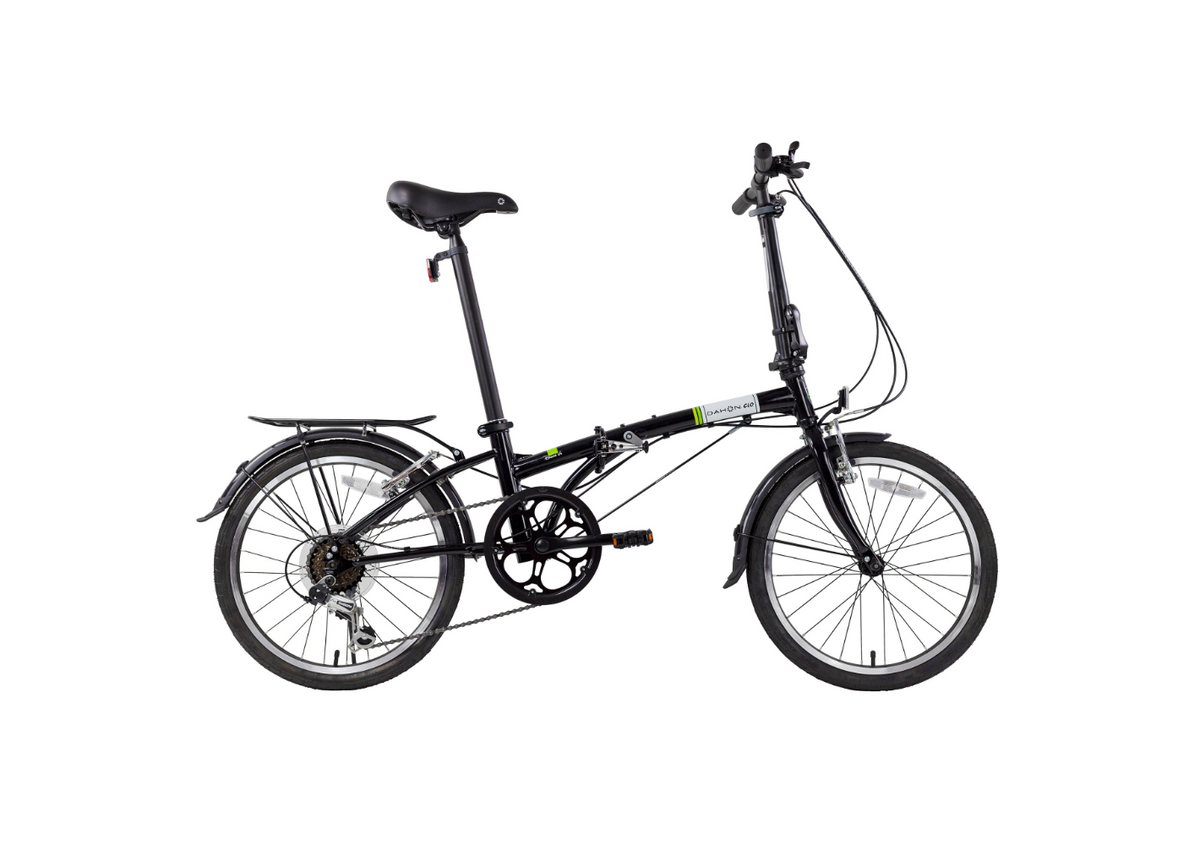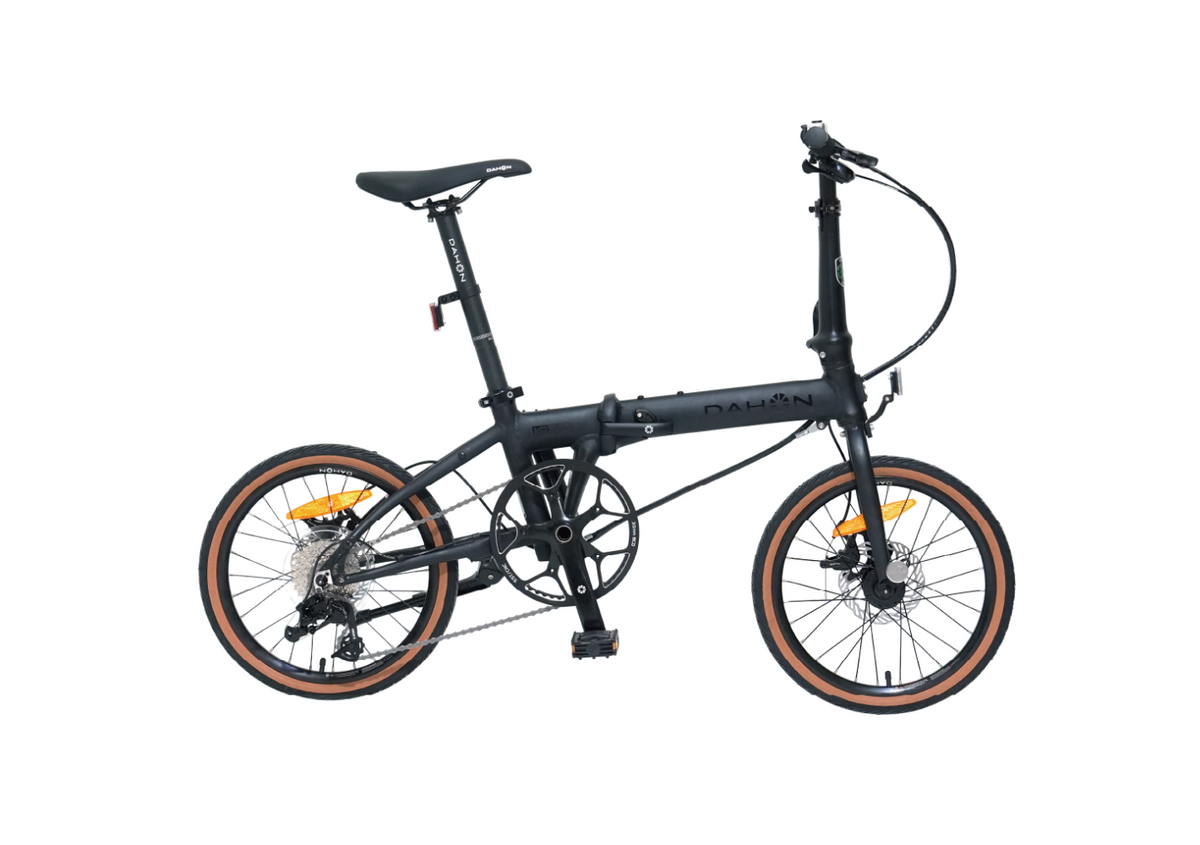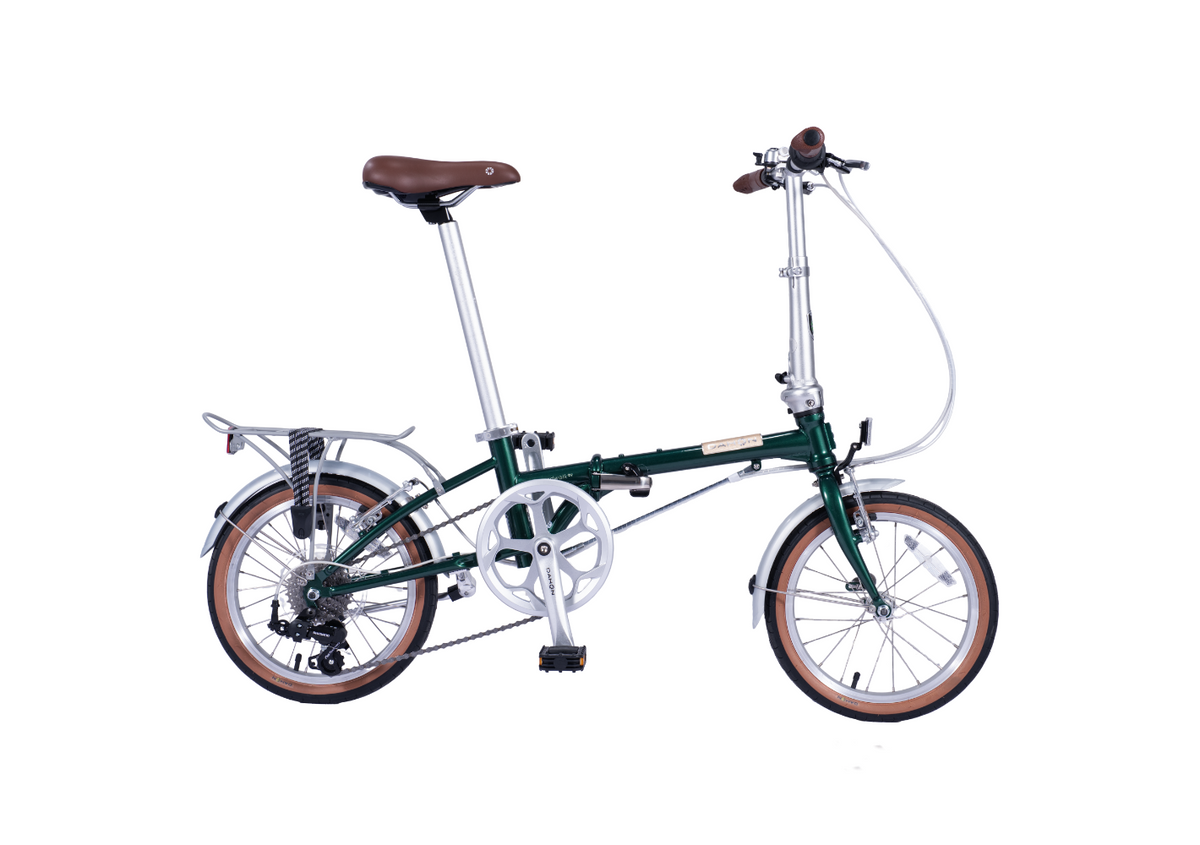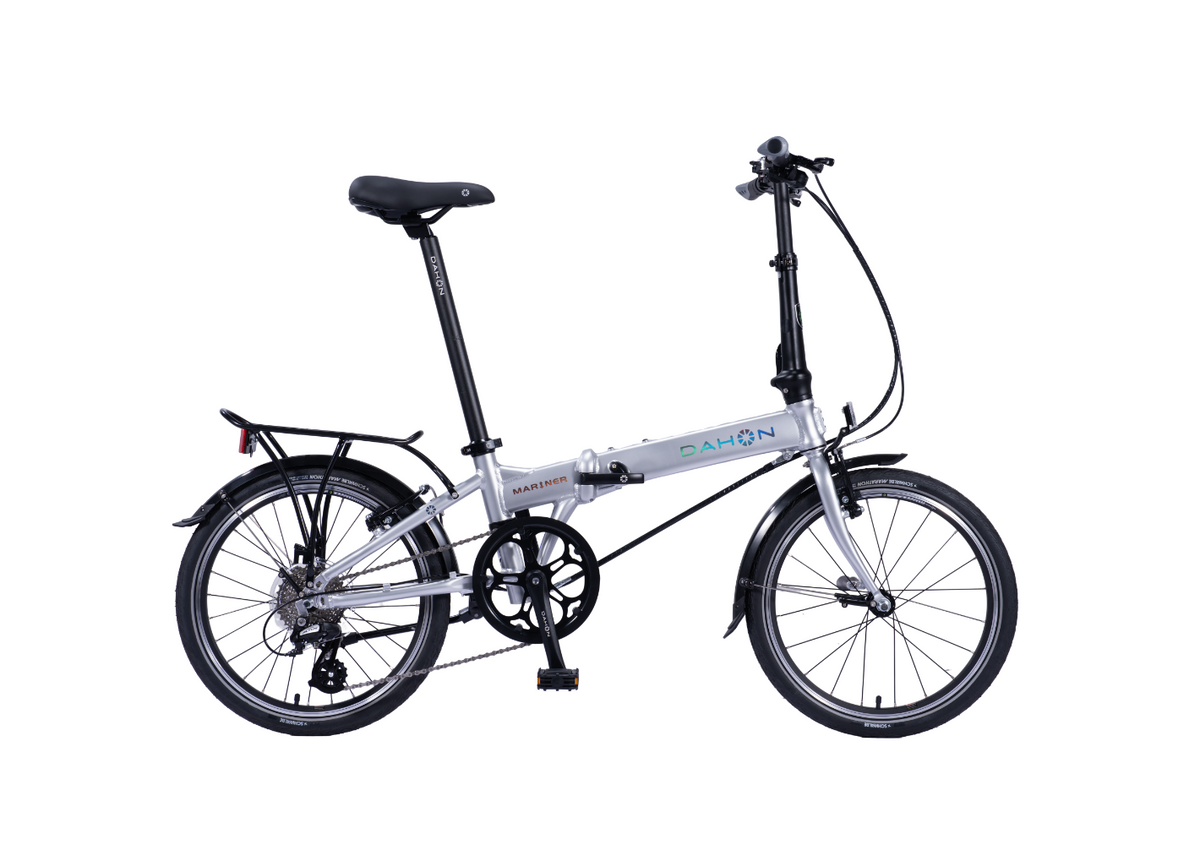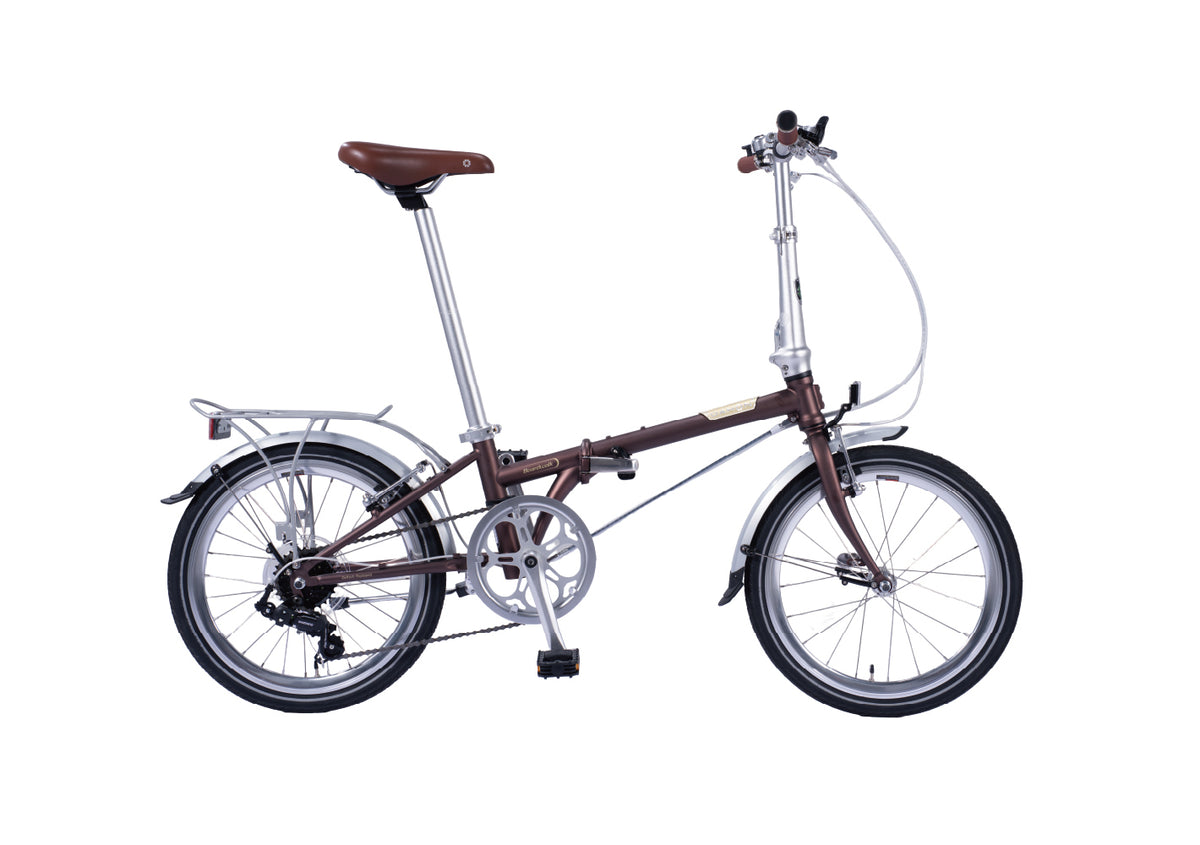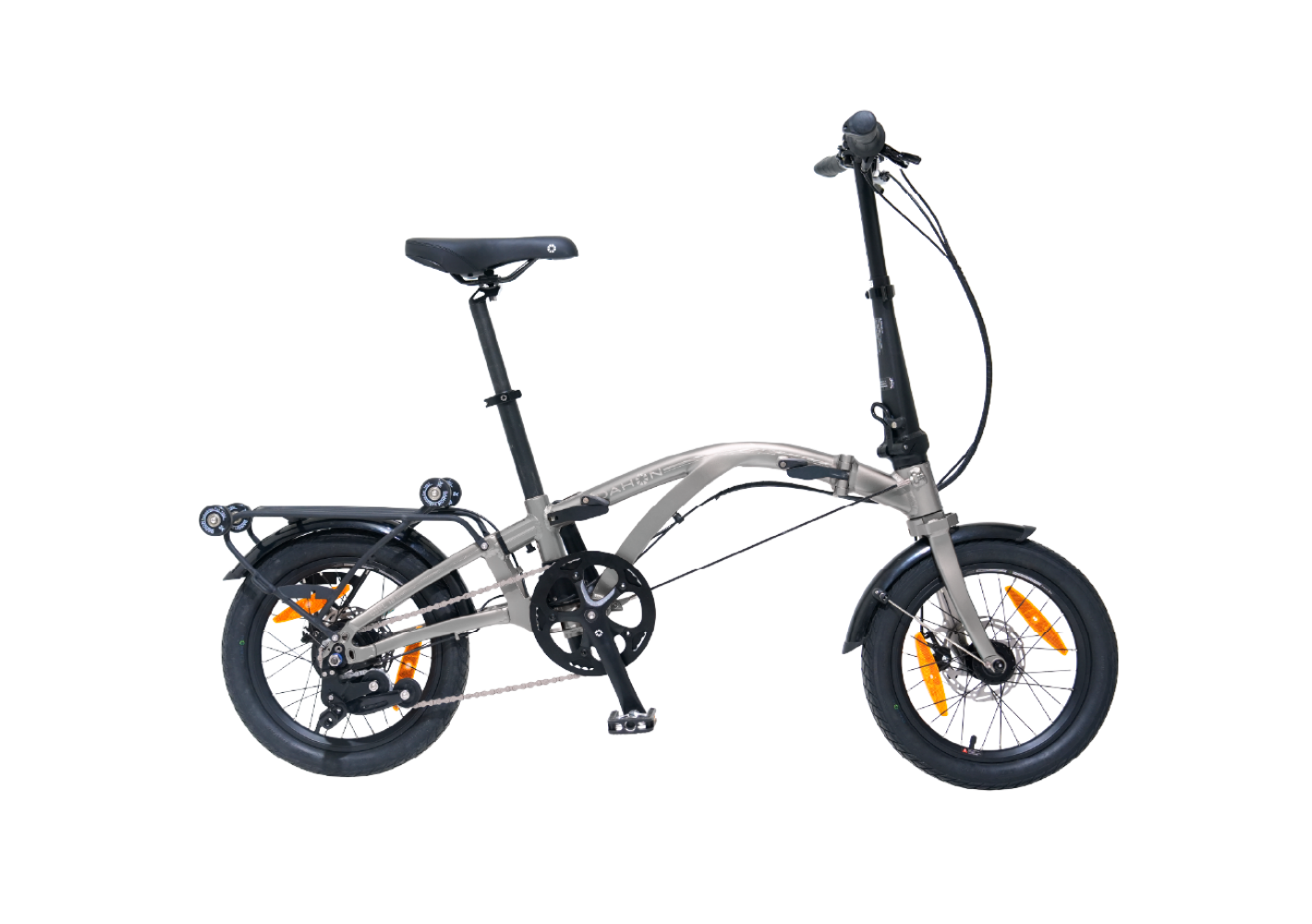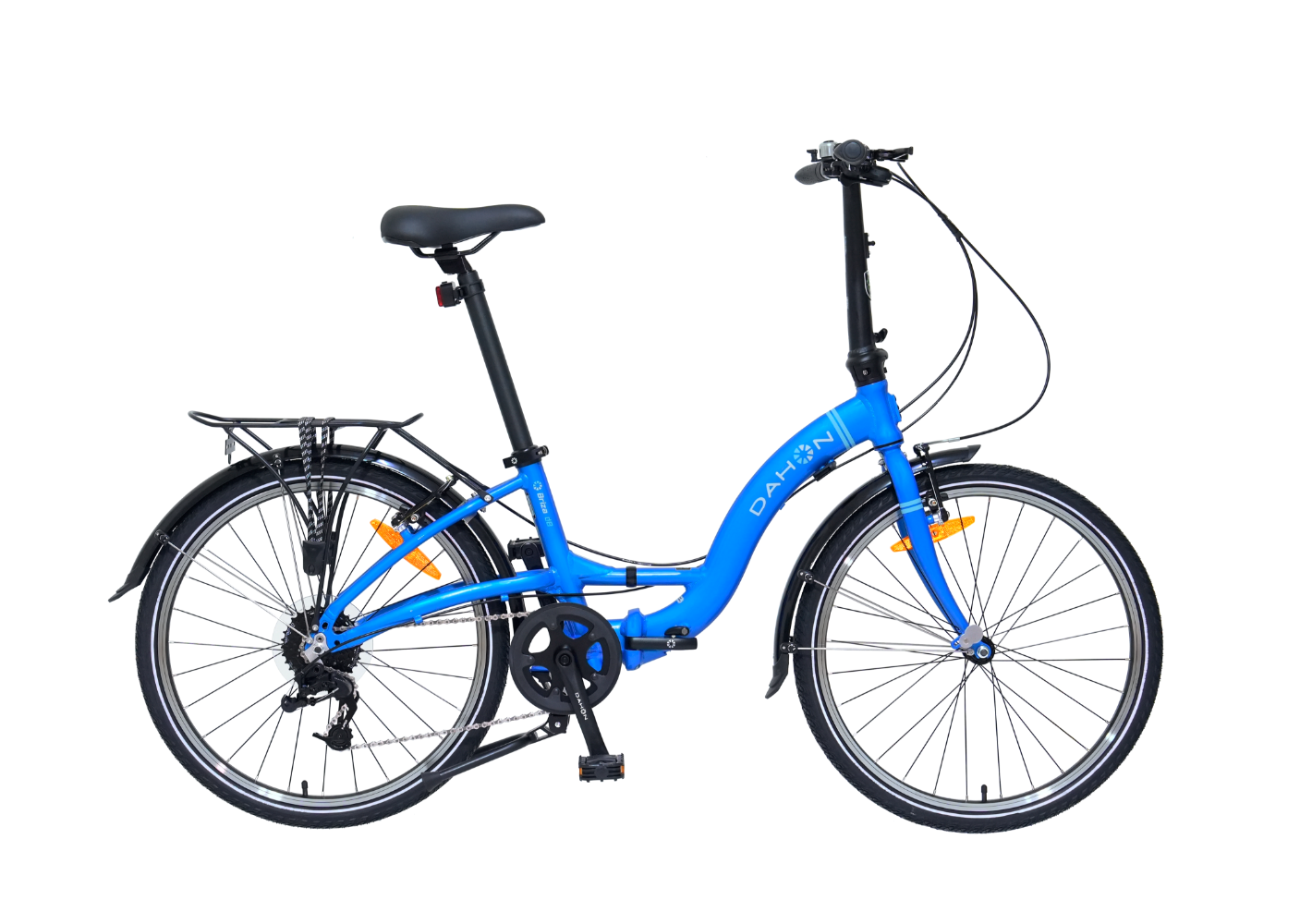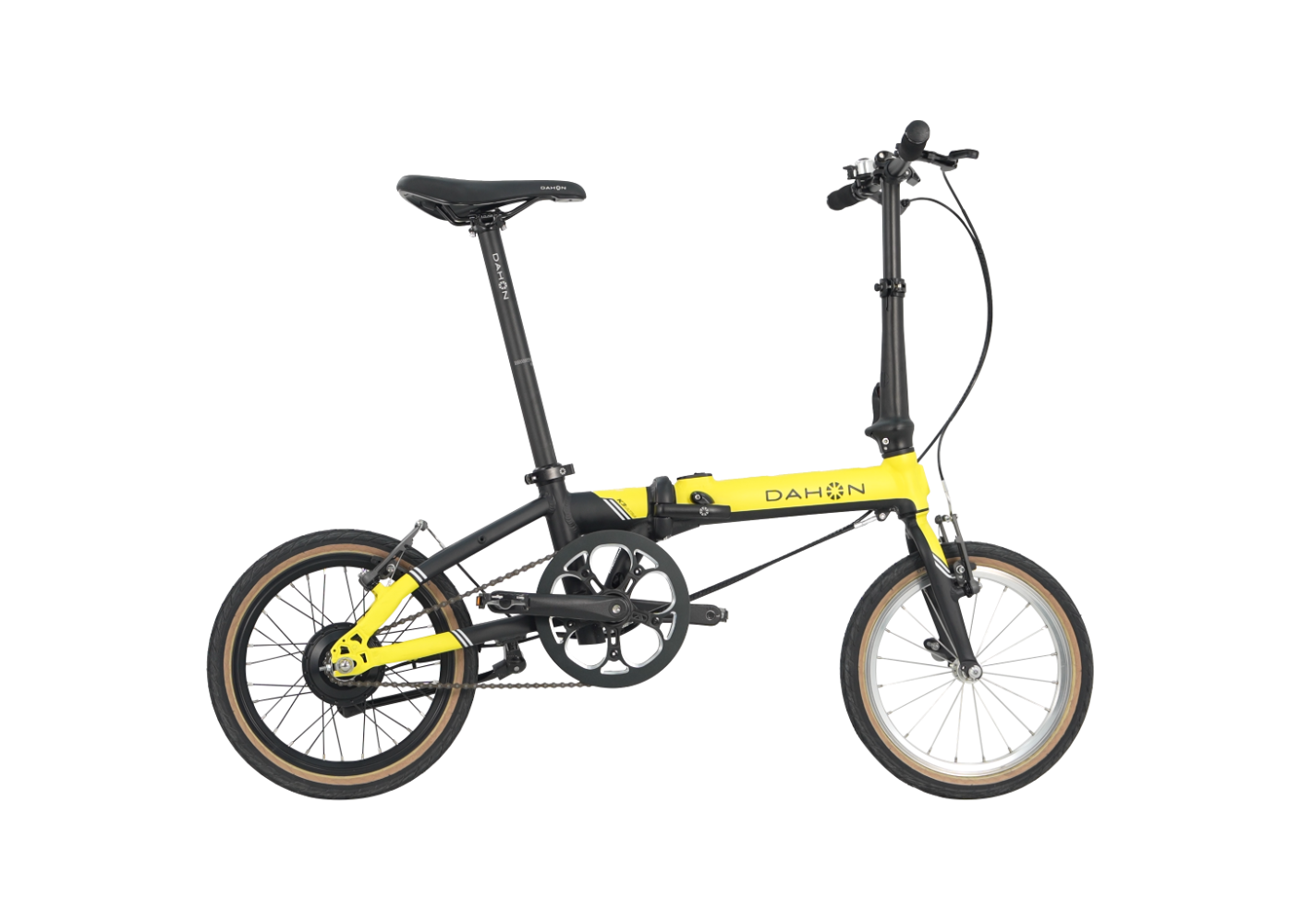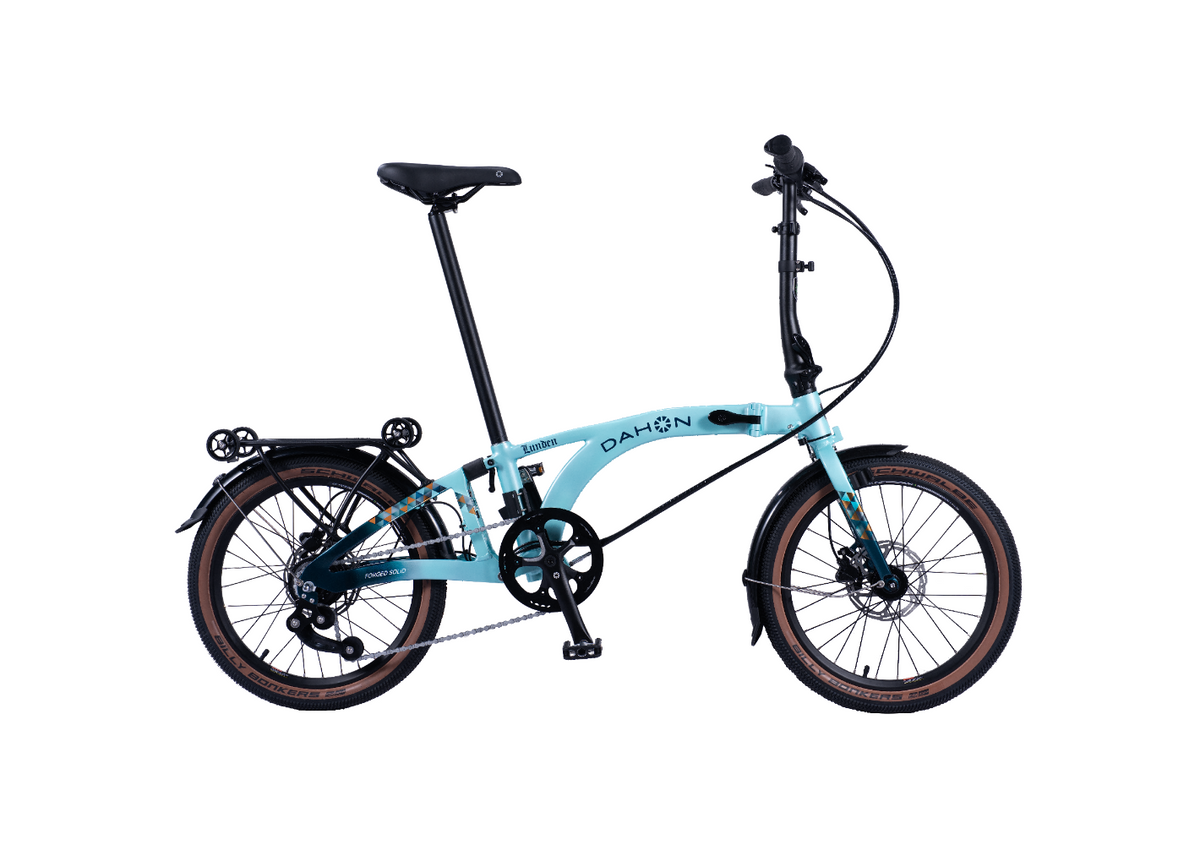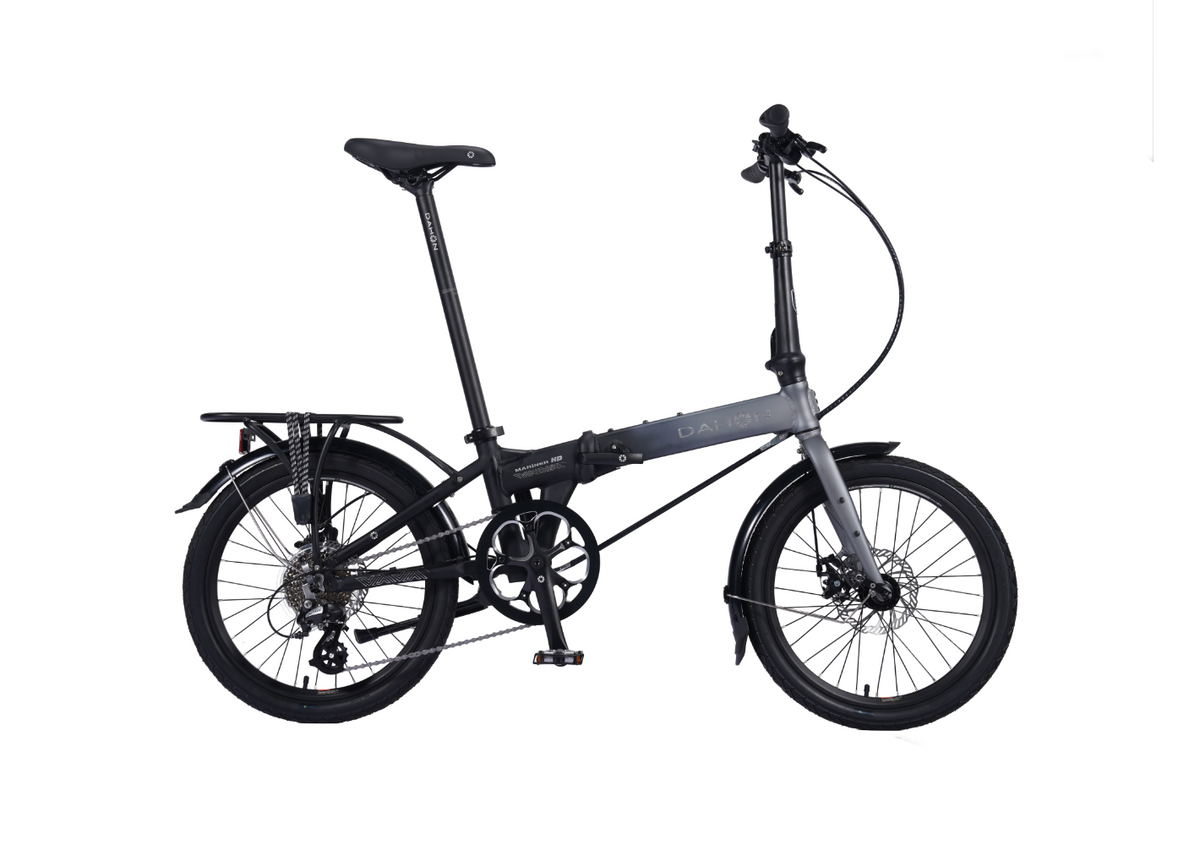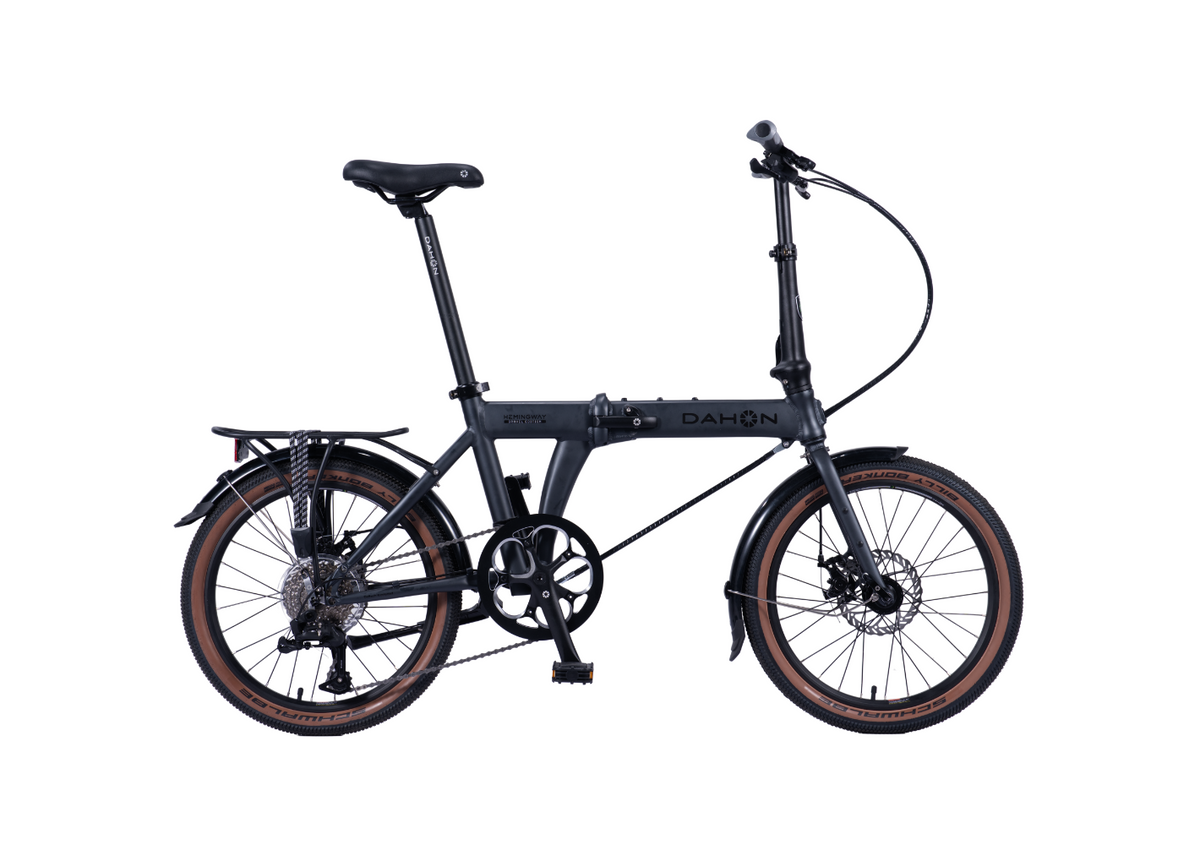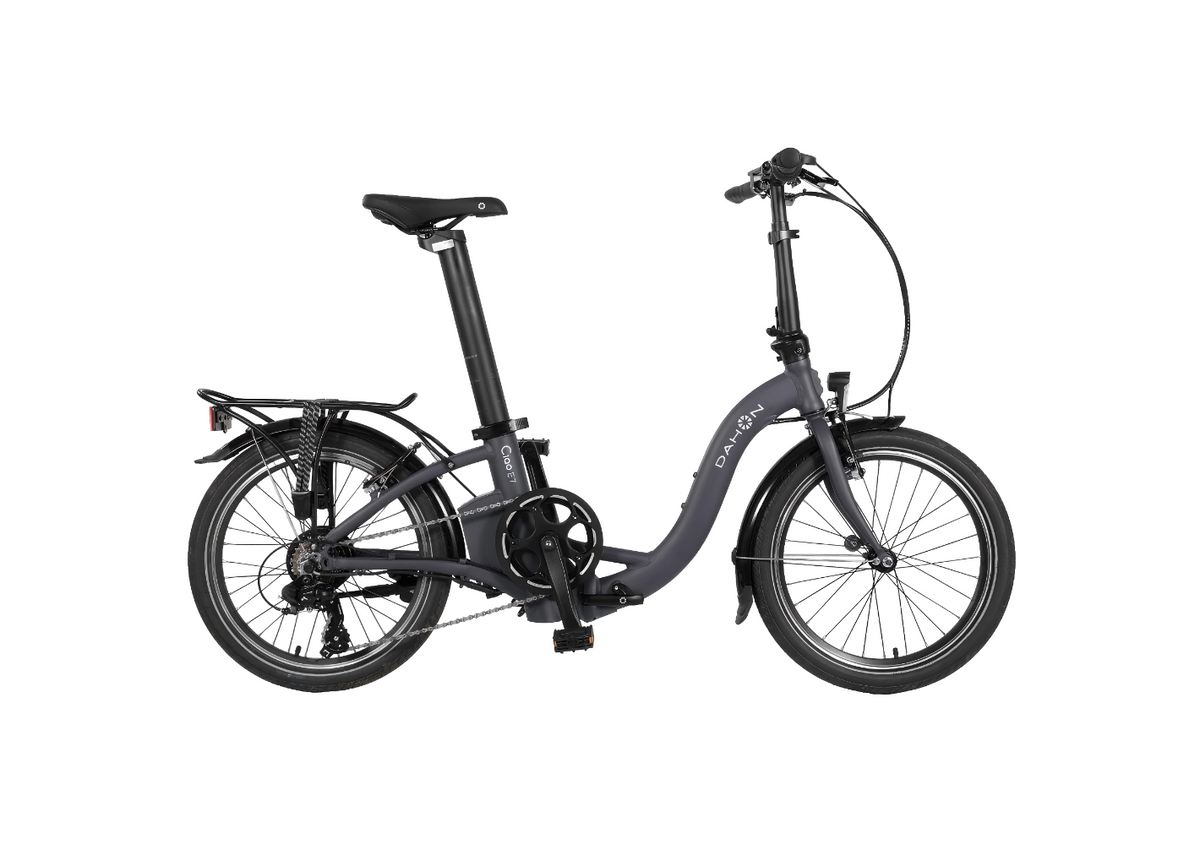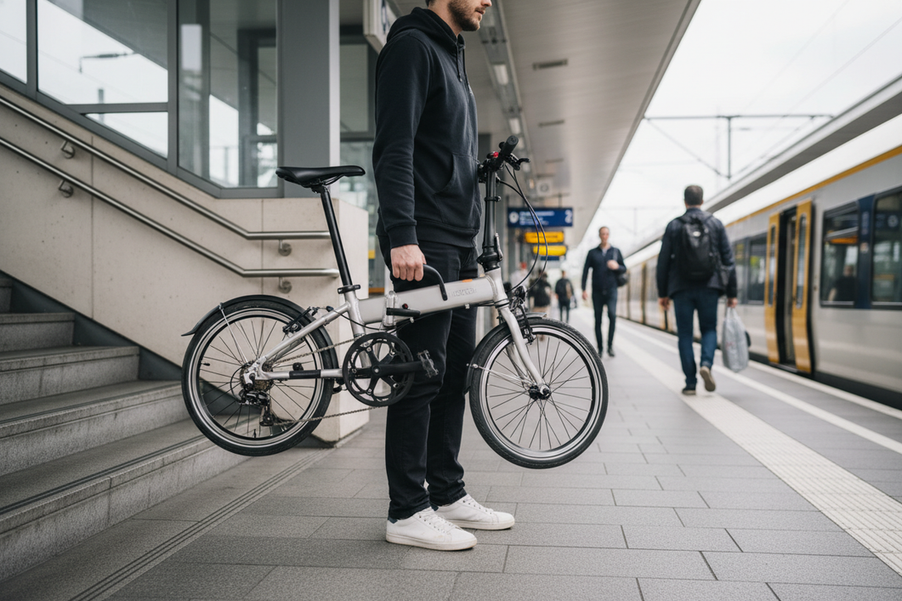
If you carry your folding bike frequently, weight alone doesn't tell the whole story. Carrying grip, folded dimensions, and balance while carrying matter just as much. For lightweight folding bikes for frequent carrying, the total weight is the starting point, but the carrying feel decides whether it suits everyday use. A folding bike that weighs 12 kg can feel heavier to carry than a 14 kg model with better balance if the grip is poorly placed.
Which Carrying Situation Applies to You?
Before you compare folding bikes, note down where and how far you carry them. The carrying requirements differ depending on the route: at the train station, in the apartment stairwell, or in the office. The carrying test for folding bikes should be designed for the longest regular carrying section.
Train station and platform: Do you need to carry the bike up stairs? Is there an elevator? How long is the distance from the platform to the exit?
Apartment stairwell: How many floors? Are the stairs narrow or wide? Is there an elevator?
Office: Do you carry the bike past a reception desk? Through a hallway? To a desk? How far is the carrying section?
Folding Bike Carrying Test: Weight vs. Grip
Test the carrying before purchasing. Fold the bike, lift it, and carry it for at least one minute. Note the following points:
- Initial lift: Can you fold the bike without straining? How heavy does the lift feel? The first lift gives a realistic impression of the weight.
- Carrying grip: Is there a designated carrying point on the frame? Does the bike stay balanced when carried, or does a wheel constantly touch your leg? The carrying grip influences the carrying comfort more than the weight in kilograms.
- Carrying distance: Simulate your usual carrying distance — for example, from apartment door to car or from platform to exit. A 30-second carrying test tells you more than a spec sheet.
For a lightweight folding bike for carrying, the carrying grip is the key criterion. A bike with a contoured carrying handle and balanced center of gravity is easier to carry than a lighter model without a defined carrying point.
Folded Dimensions for Carrying in Apartments and Stairwells
Folded dimensions not only determine storage space but also carrying. A compact folded pack that can be held close to the body is easier to carry. A bulky pack that protrudes increases the carrying effort. The folding bike folded size for carrying should be so compact that the bike does not protrude in narrow passages. Wheels that fold parallel are more practical than wheels that protrude sideways. Test the folded pack: hold it close to your body and walk through a narrow doorway.
What Does the Folding Bike Weigh in Reality?
The specification sheet often shows the weight without pedals, without luggage rack, and without mudguards. The actual weight with accessories is one to two kilograms higher. The folding bike weight for carrying refers to the actual weight with the accessories you use. Weigh your folding bike with all accessories before the carrying test.
| Weight class | Suitable for carrying | Typical carrying sections |
|---|---|---|
| Under 12 kg | Well suited | Stairs, longer platform sections, multi-story stairwells |
| 12–15 kg | Suitable with good carrying grip | Short stairs, elevator sections, ground floor to car |
| Over 15 kg | Limited | Only with elevator, short distances, rolling function |
Tip for e-folding bikes: The battery accounts for a significant portion of the weight. If the battery is removable, remove it before carrying. The carrying weight is reduced by 2–4 kg. Check the battery removal before purchasing.
Additional Features That Make Carrying Easier
Some folding bikes offer rolling aids that make it easier to move the folded bike. A rolling function is helpful on level surfaces. For stairs, however, the carrying grip and weight remain decisive. A folding bike with carrying aid for stairwells can be equipped with transport rollers. However, check whether the rollers attach to the frame or the saddle. The retrofitting transport rollers and landing gear is described in the linked article.
Purchase Decision: Which Folding Bike Should You Choose?
Choose a lightweight folding bike if: You carry it daily up stairs, over longer distances without an elevator, or frequently on public transport.
Choose a folding bike with a good carrying grip if: The weight is less of a concern, but you want to carry the bike balanced in the stairwell.
Decide based on the carrying test. If purchasing online, look for detailed carrying tests in reviews or test reports. Compare models in the folding bike overview and pay attention to the carrying grip.
Frequently Asked Questions
How much should a folding bike weigh for daily carrying?
Ideally under 13 kg with accessories. From 15 kg upwards, carrying becomes a noticeable effort. The carrying grip and balanced weight distribution can partially compensate.
Does a carrying grip on the frame help?
Yes. A contoured carrying grip on the frame makes carrying noticeably more comfortable. Without a defined carrying point, the bike tends to tilt or press against the leg.
Are lighter folding bikes less stable?
Not necessarily. The stability depends on the frame construction, not the absolute weight. Check the folding mechanism and maximum load for a stability assessment.
Can I retrofit a carrying aid for my folding bike?
Yes, there are retrofittable transport rollers or carrying straps. However, retrofitting does not change the weight. A carrying strap only improves the carrying feel.