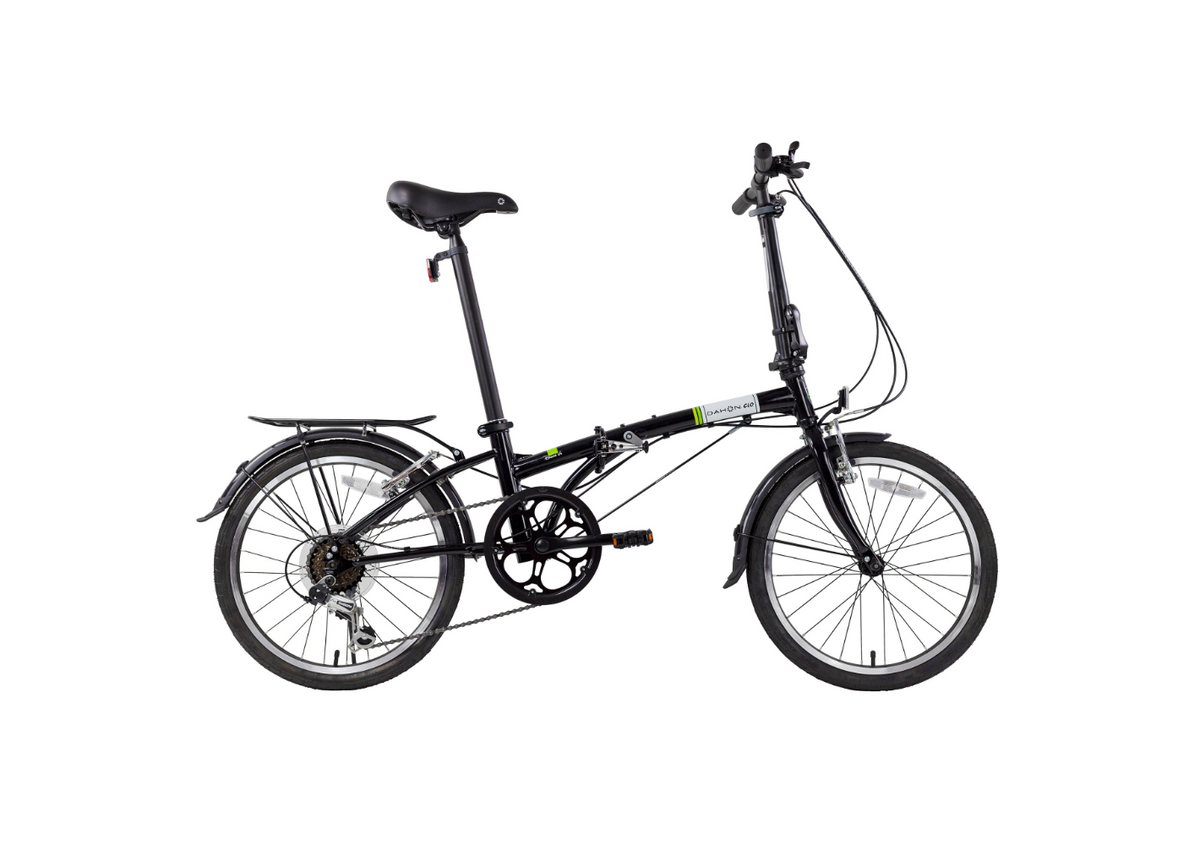
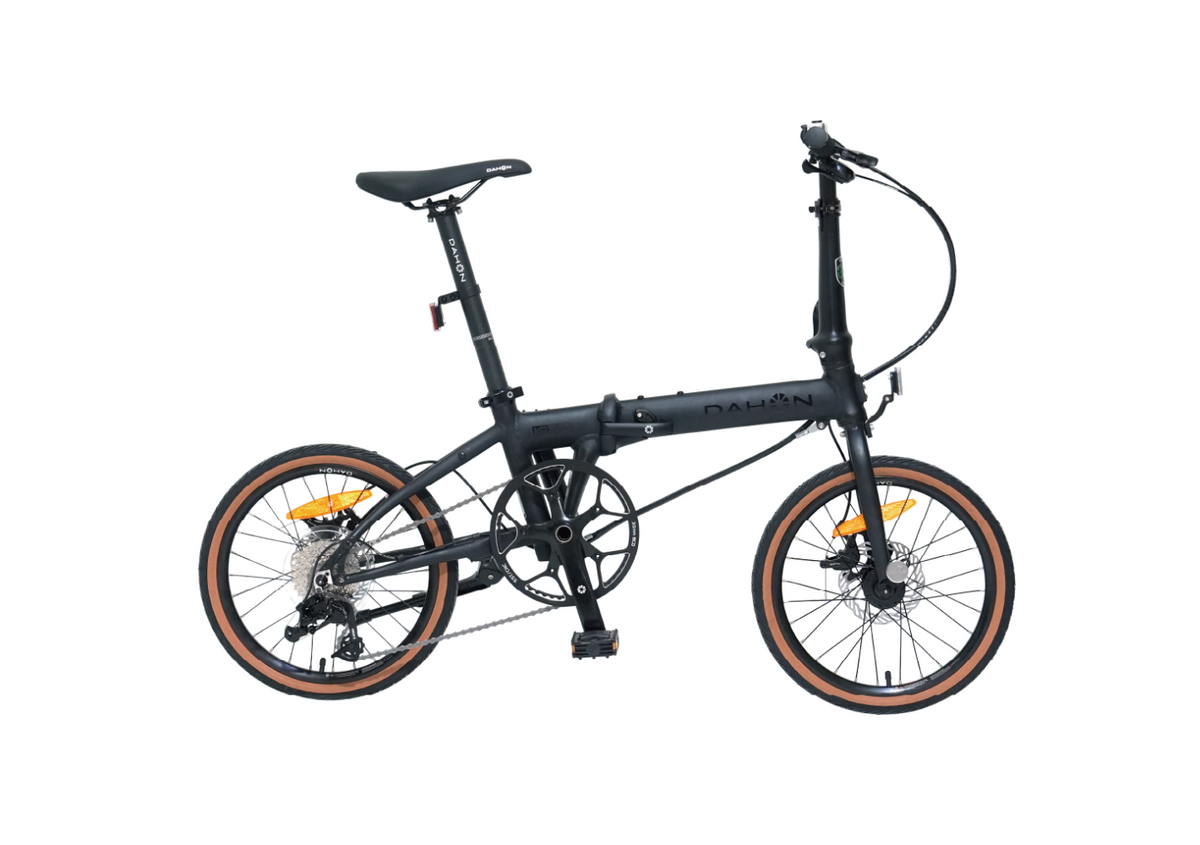
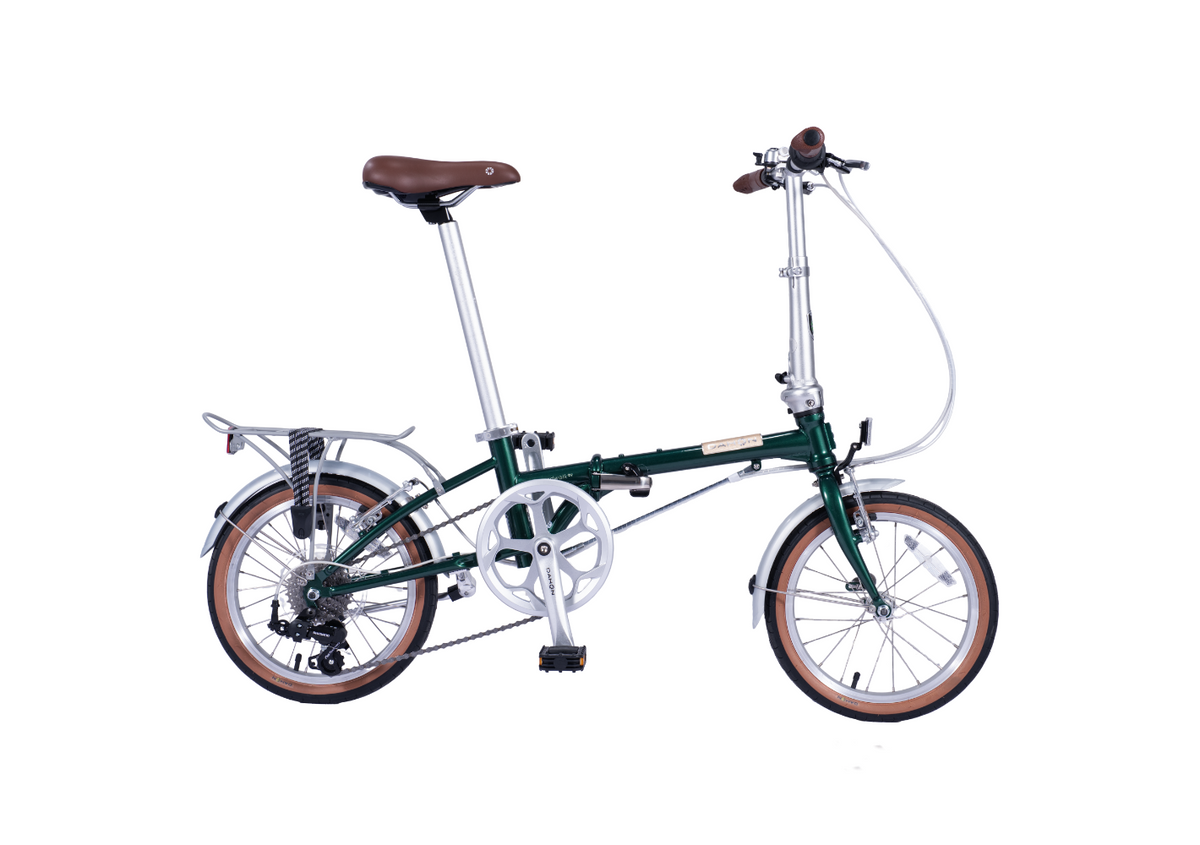
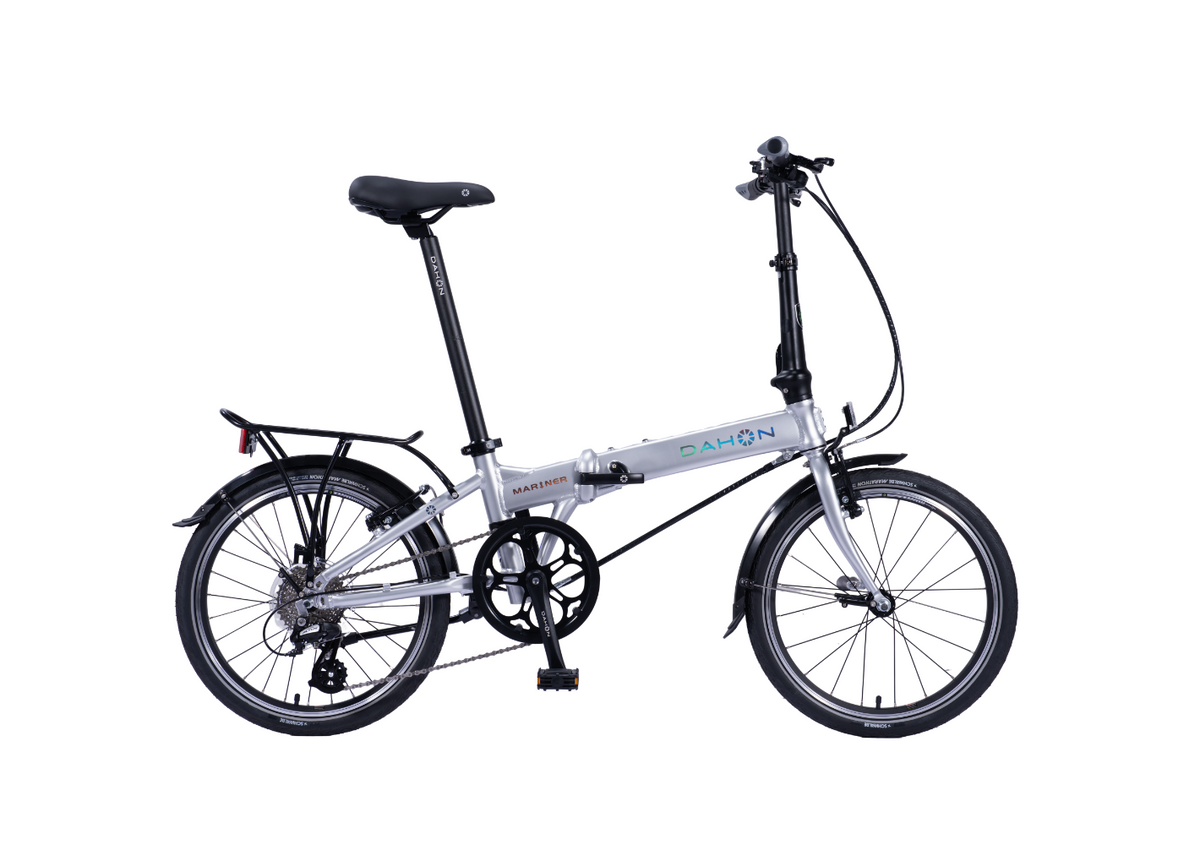
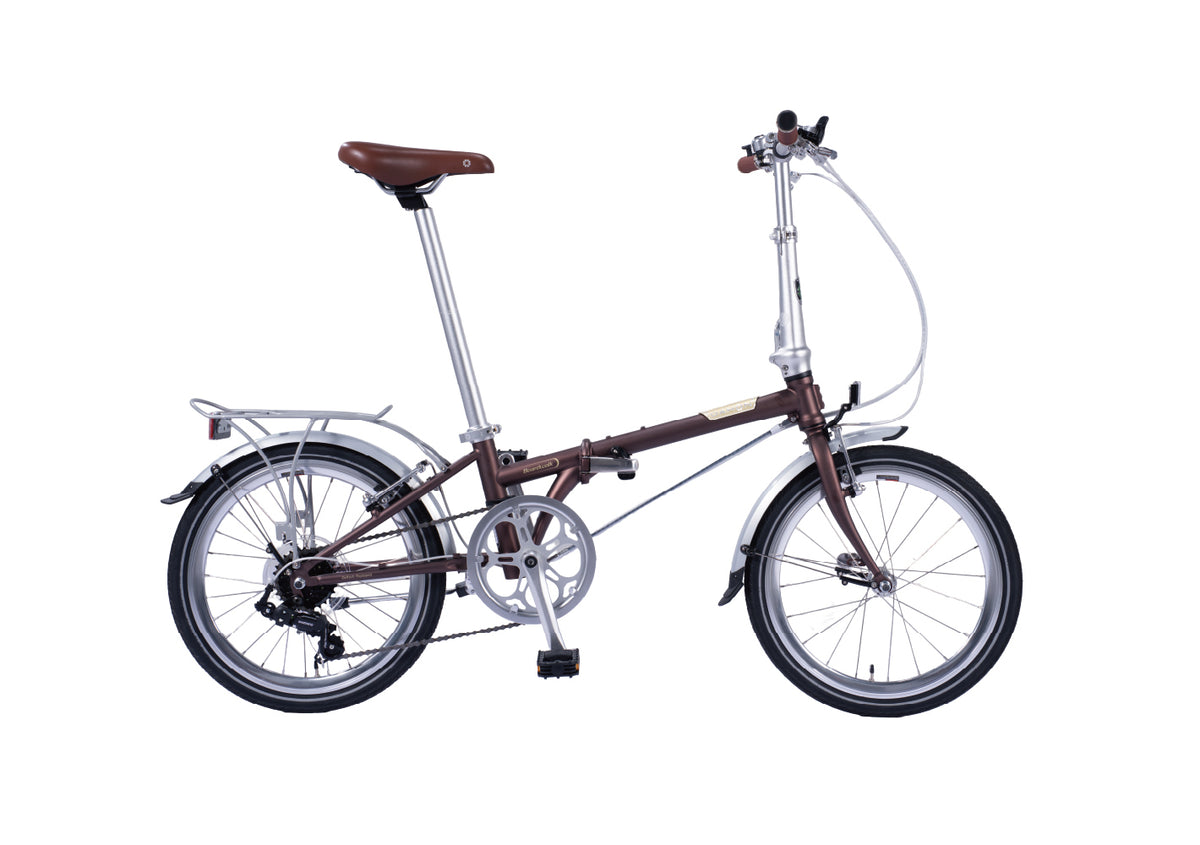
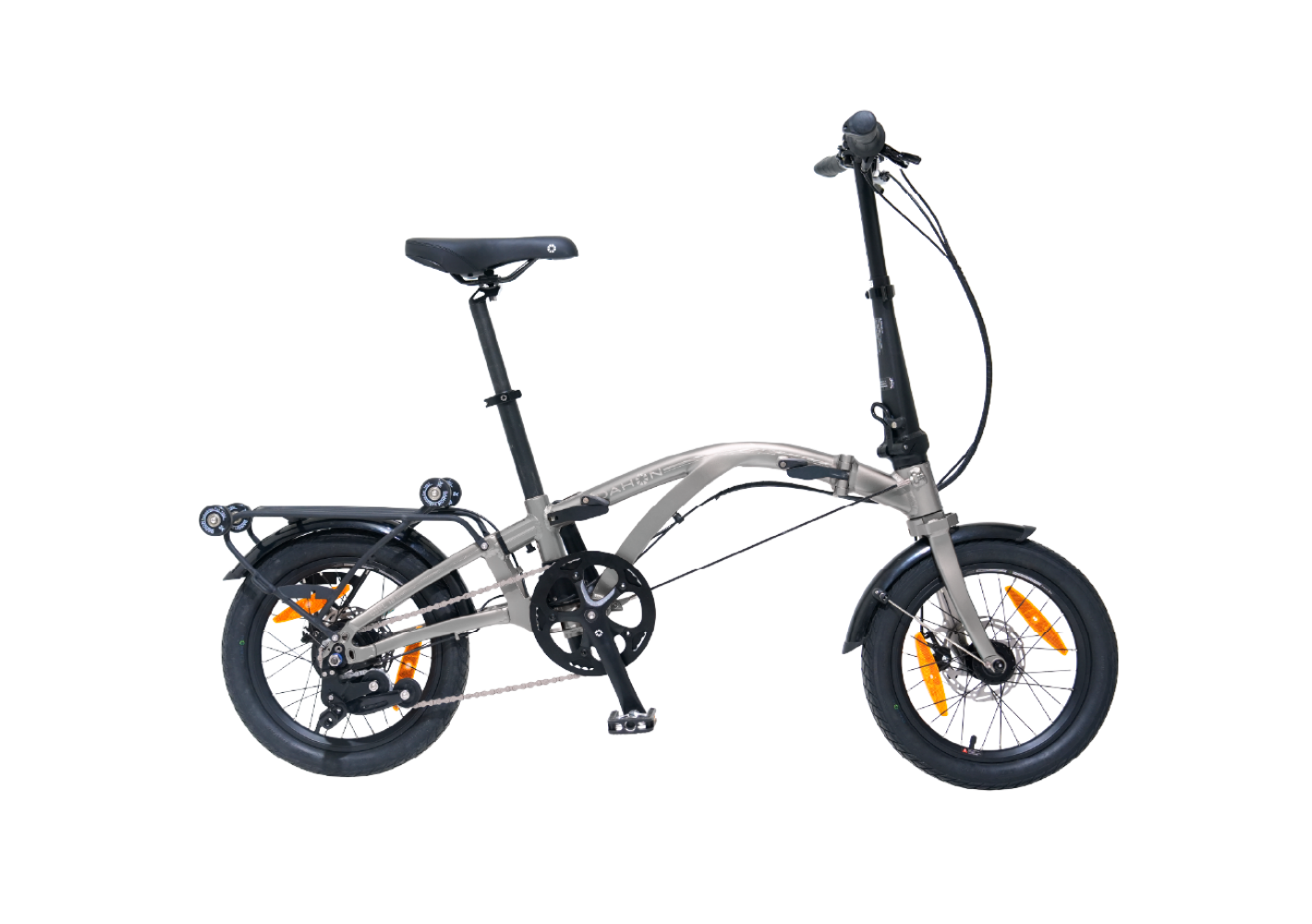
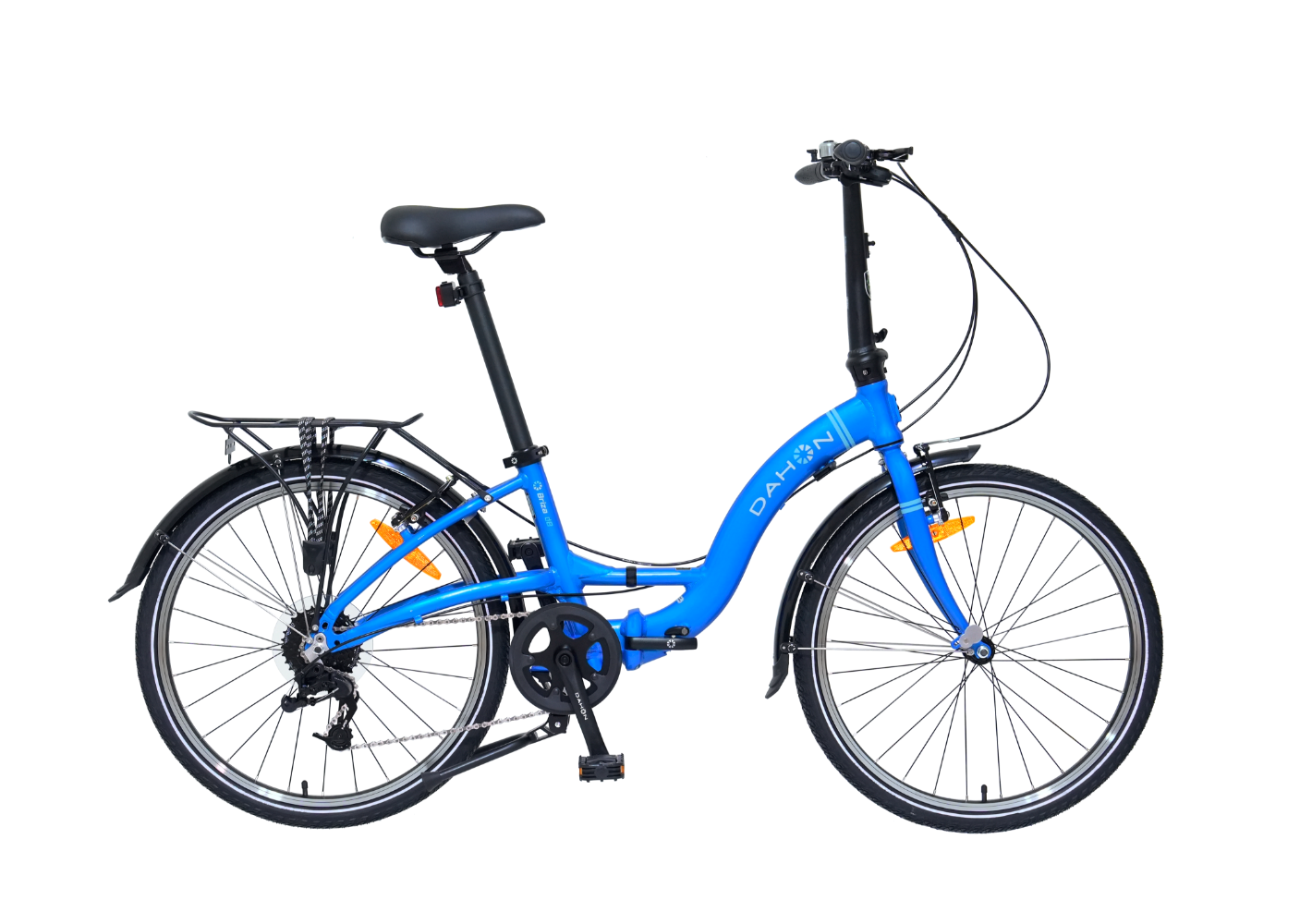
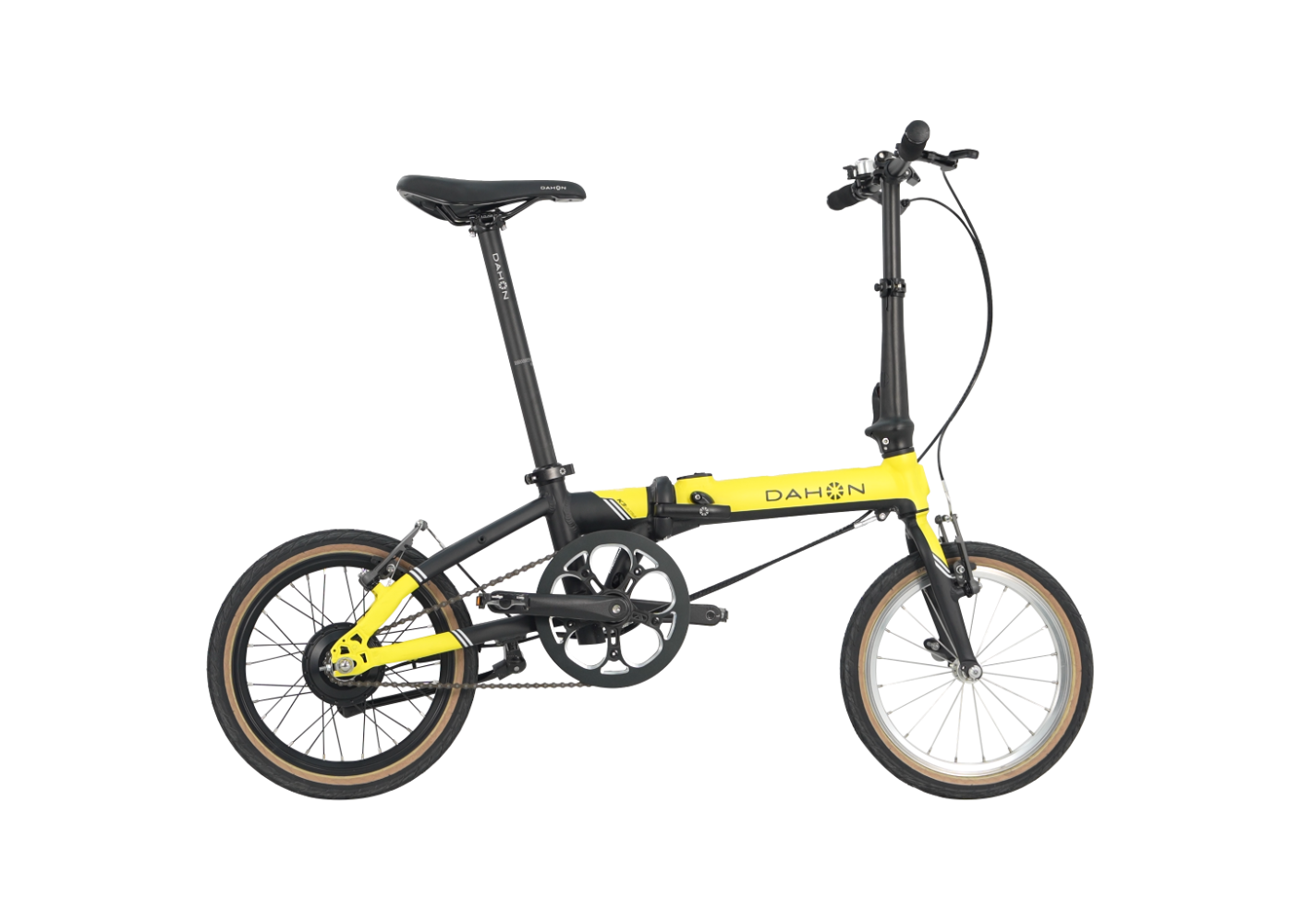
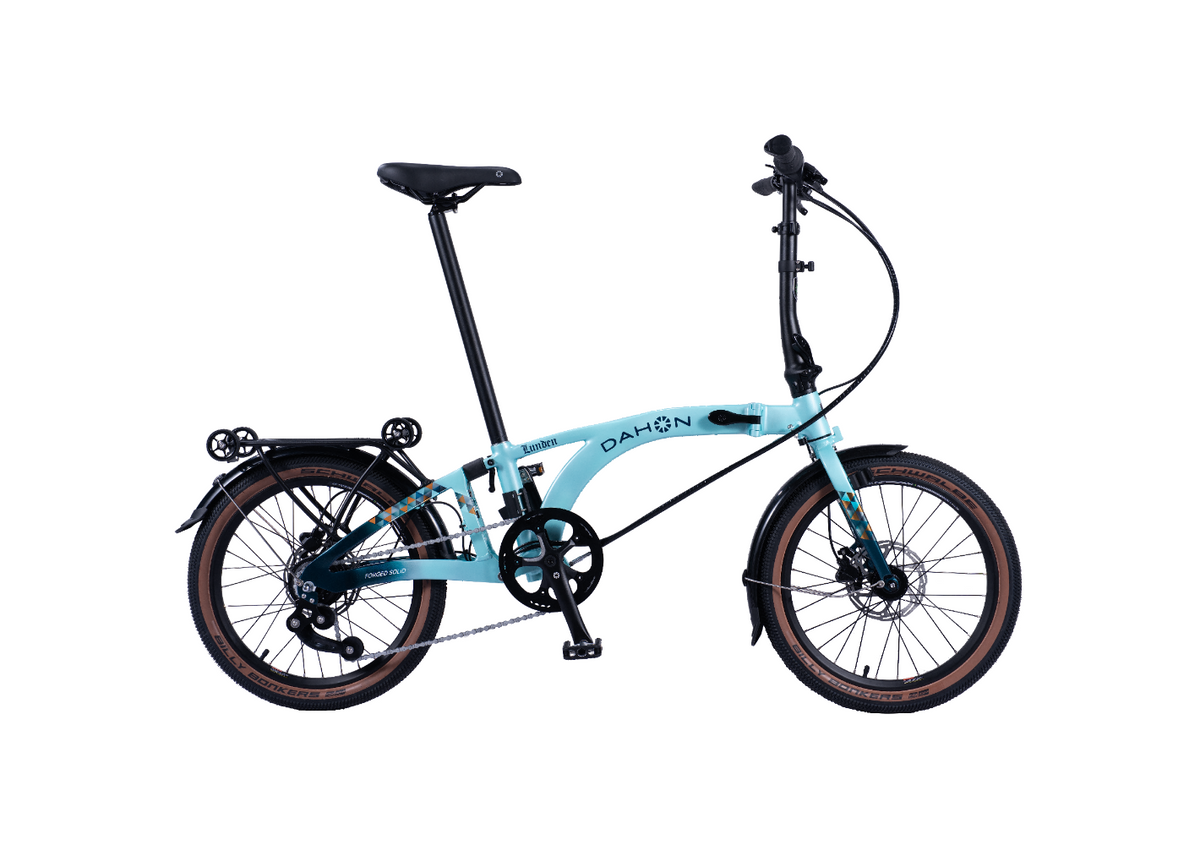
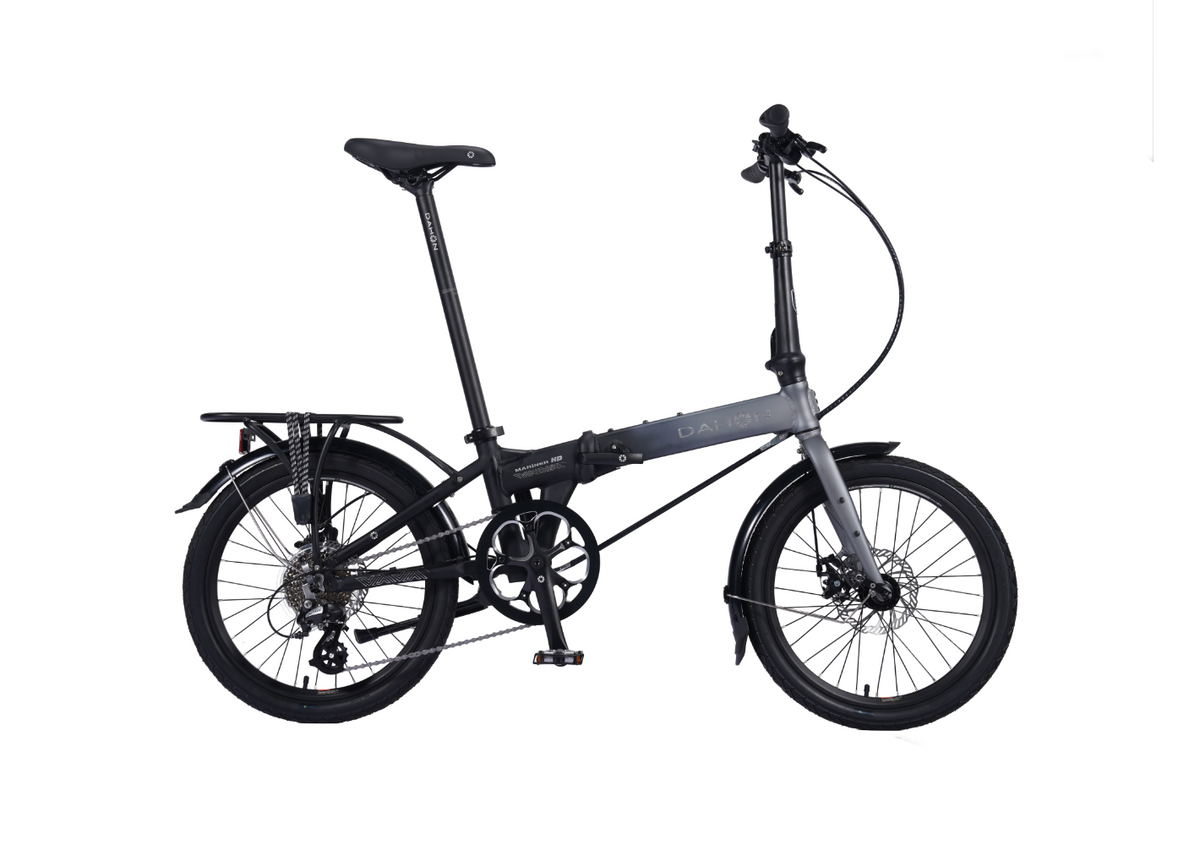
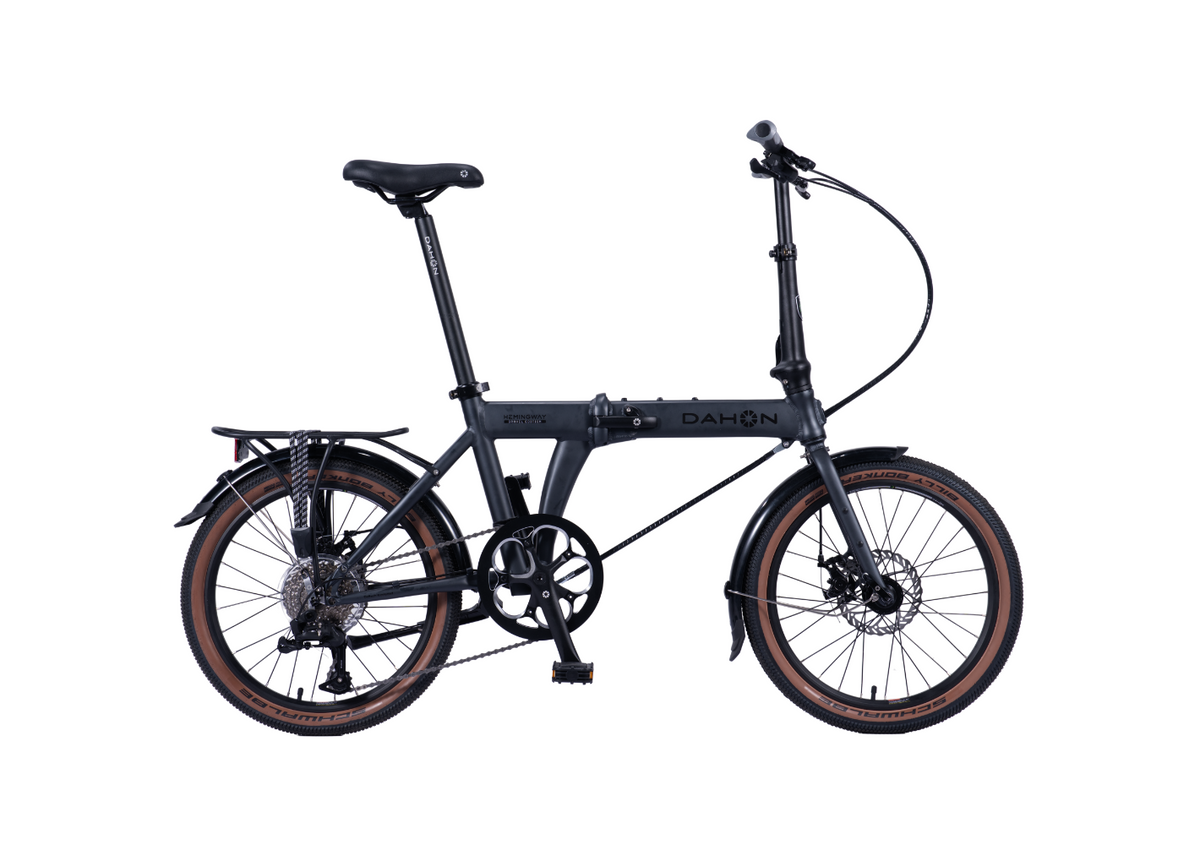
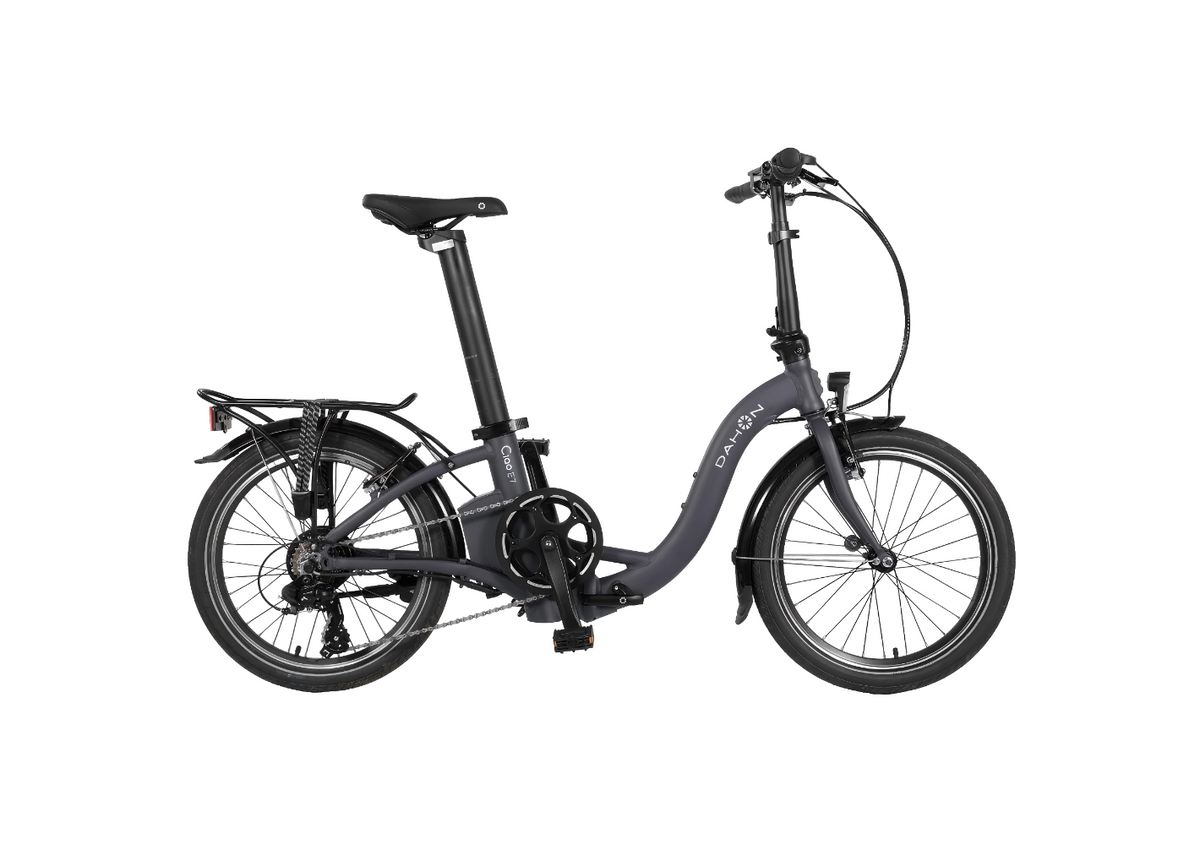
A folding bike can save you money when it lets you cancel a storage fee you really pay, and the payments you avoid add up to more than the bike's price, its upkeep and any storage items you need. It is only a real replacement if your home rules allow indoor storage and the folded bike fits your space.
Before you compare anything, confirm when and how your storage agreement can be cancelled. Then get the price and an upkeep estimate for the exact bike you are considering.
Compare the Costs Over One Ownership Period
Pick one period, such as the number of years you expect to keep the bike, and use it for every cost. Use your own fee and the figures for one specific bike, not an average.
| Cost item | Input and period | Counts as |
|---|---|---|
| A: Storage payments avoided | Payments that stop within the period, minus any cancellation charge | Saving |
| P: Bike purchase price | Price of the exact model | Bike cost |
| M: Upkeep | Servicing and wear over the same period | Bike cost |
| I: Necessary storage items | Only items you need to store it indoors | Bike cost |
Break-even is A = P + M + I. The folding bike saves money only when A > P + M + I. If the two sides are equal, you break even but save nothing. Leave optional accessories out of I, because they are a choice and not a storage cost.
For M, you can estimate upkeep costs for servicing and wear parts. For P, compare folding-bike models by price and folded size, so the price and dimensions you use come from the same bike. If you are still deciding whether to own a bike at all, it helps to weigh buying against subscribing.
Confirm the Storage Fee Can Actually Be Cancelled
Moving the bike indoors saves money only if the payment really stops. Some storage fees are part of a larger rental agreement and cannot be cancelled on their own.
- Find the exact charge on your bill or in your storage agreement.
- Check whether it can be cancelled separately or is bundled with your rent or a parking space.
- Ask the landlord, building manager or provider which amount stops, from which date, and whether a notice period or cancellation charge applies. Get the answer in writing.
- Enter only the payments that stop within your chosen period, minus any cancellation charge, as A.
If the fee cannot be ended, or it ends after your chosen period, count no saving from it for that period.
Confirm Permission and Fit Before Moving the Bike Indoors
Folding a bike does not, on its own, give you permission to keep it in your home. You need two answers: whether your home's rules allow it, and whether the exact folded bike fits.
Check the Arrangements for Your Home
- Read your lease, the house rules and any separate storage agreement.
- Ask the landlord or building manager in writing whether a folded bicycle may be kept inside your flat, and what applies to stairwells, lifts and other shared areas.
- Base your answer on the rules where you live. Tenancy laws differ between countries, so the rules for your own home are the ones that count.
- Germany shows how much the details matter. The ADFC reports differing German court outcomes: a Munich court upheld house rules that banned taking bikes into flats, while a Hamburg-Altona court treated storing bikes in a rented flat as normal use. These cases apply to Germany only. They do not settle any one renter's rights.
- To look up your country's national laws, the EU's N-Lex portal links to each member state's law database. It will not tell you what your own lease allows.
Measure the Bike and the Route to Its Storage Spot
- Get the folded dimensions of the exact model you are considering.
- Measure the spot where it will stand, including enough room to reach it and unfold it.
- Measure the route there: the entrance, stairs or lift, and every door you pass through.
- Compare the figures. If any point on the route or at the spot is too small, plan another location before buying.

Folded sizes differ from model to model, so "folding bike" alone does not tell you it will fit. This guide shows how to measure folded size and route step by step. With very little room, a storage plan for small spaces can help you compare spots in the flat, the office or the cellar.
Choose the Option That Is Both Workable and Lower-Cost
Switch to a folding bike at home only when all of these are true:

- The fee stops: you have written confirmation of the end date and any cancellation charge.
- Indoor storage is allowed: your lease, house rules or landlord permit it.
- The bike fits: the exact folded bike fits the spot and the route there.
- The numbers work: avoided payments are higher than the bike's costs, not just equal.
If any of these fails or is still unknown, keep your paid storage or another permitted option for now. Sort out the home question first, then act on the cost comparison.
FAQs
Can I count the storage fee as savings if I already own a regular bike?
Only if you would cancel the storage after switching. If you keep the regular bike in the paid space as well, the fee continues and A for that period is zero.
Should I count resale value when I compare the costs?
You can, as long as you use a realistic, conservative figure and use the same ownership period. Subtract it from the bike's costs, and leave it out if you cannot estimate it with confidence.
Does a written answer from my landlord matter if the lease says nothing about bikes?
Yes. A written reply gives you a clear record of what was agreed for your flat and the shared areas. If house rules change later, you have a starting point for the conversation.
What if my building bans bikes in shared areas but allows them in flats?
Then the route counts as much as the storage spot. Ask how you may move the bike through the building, for example whether it must be folded or carried in the lift, before you rely on indoor storage.