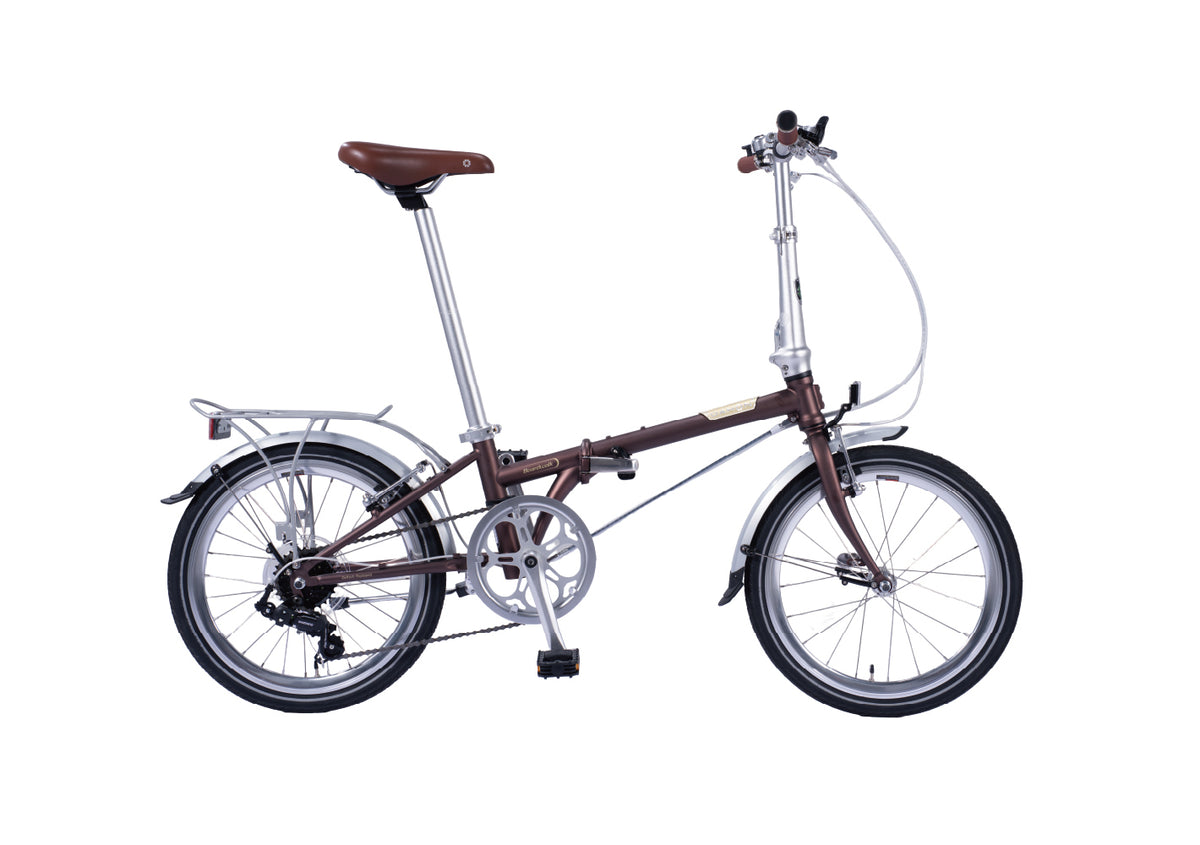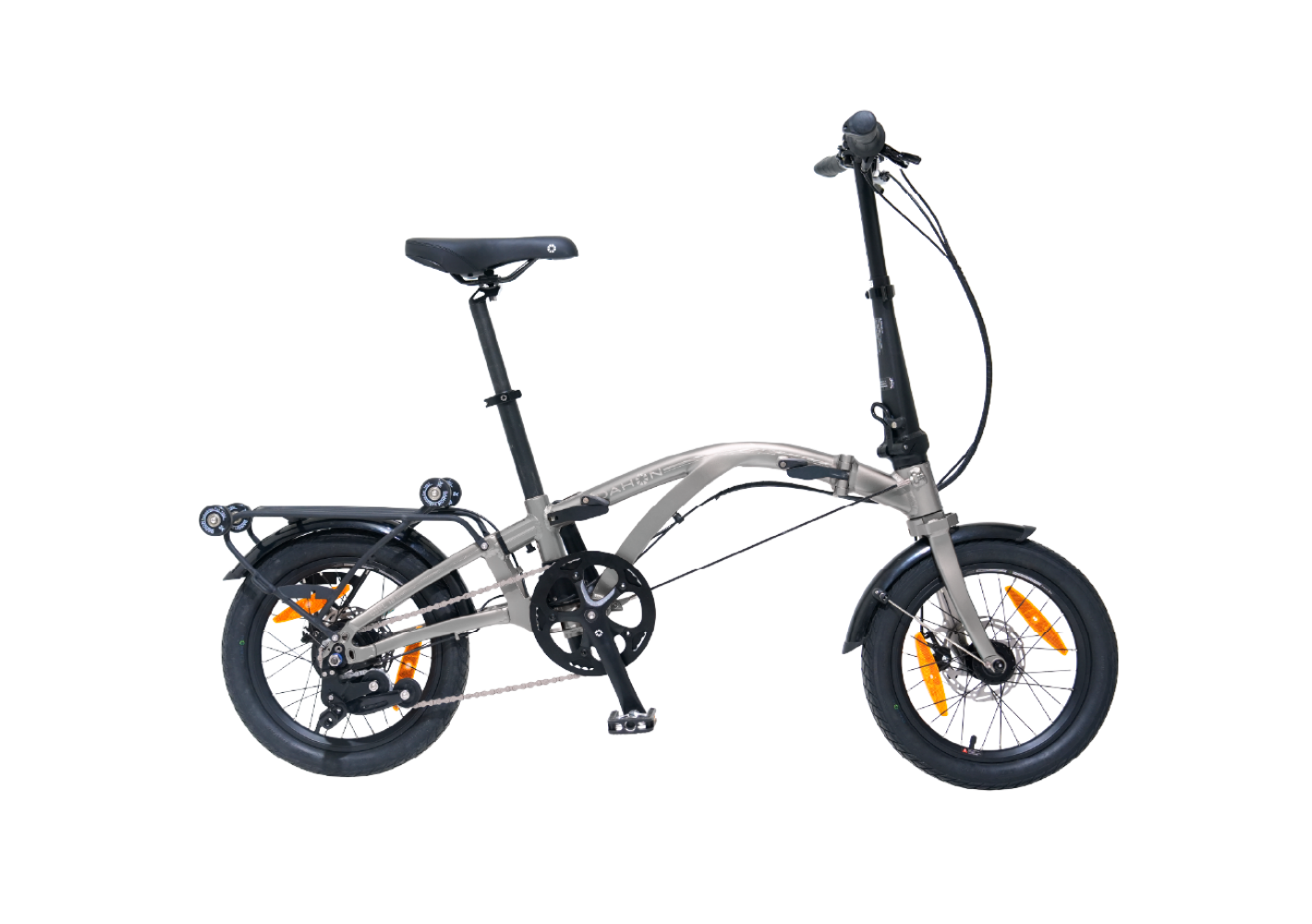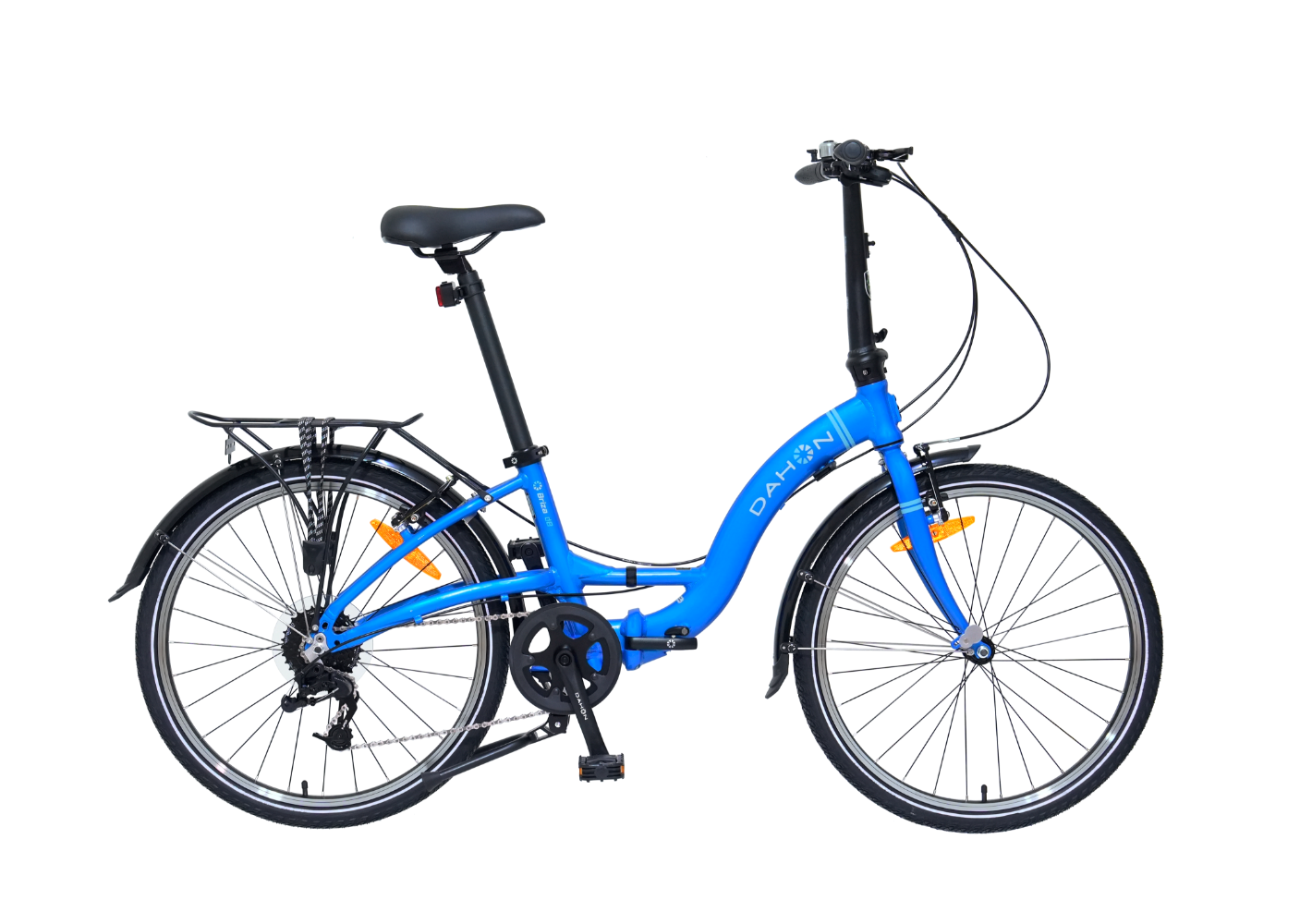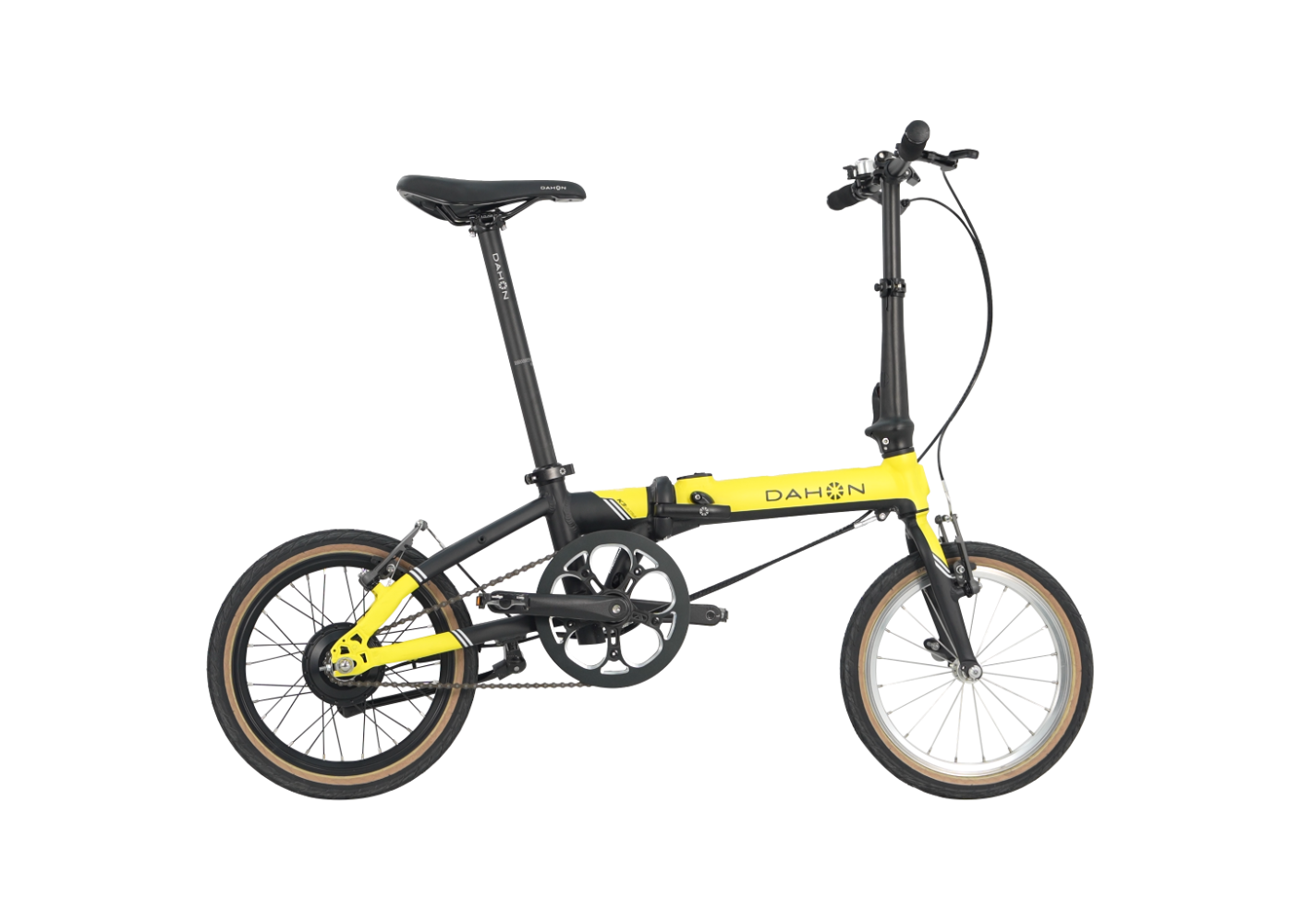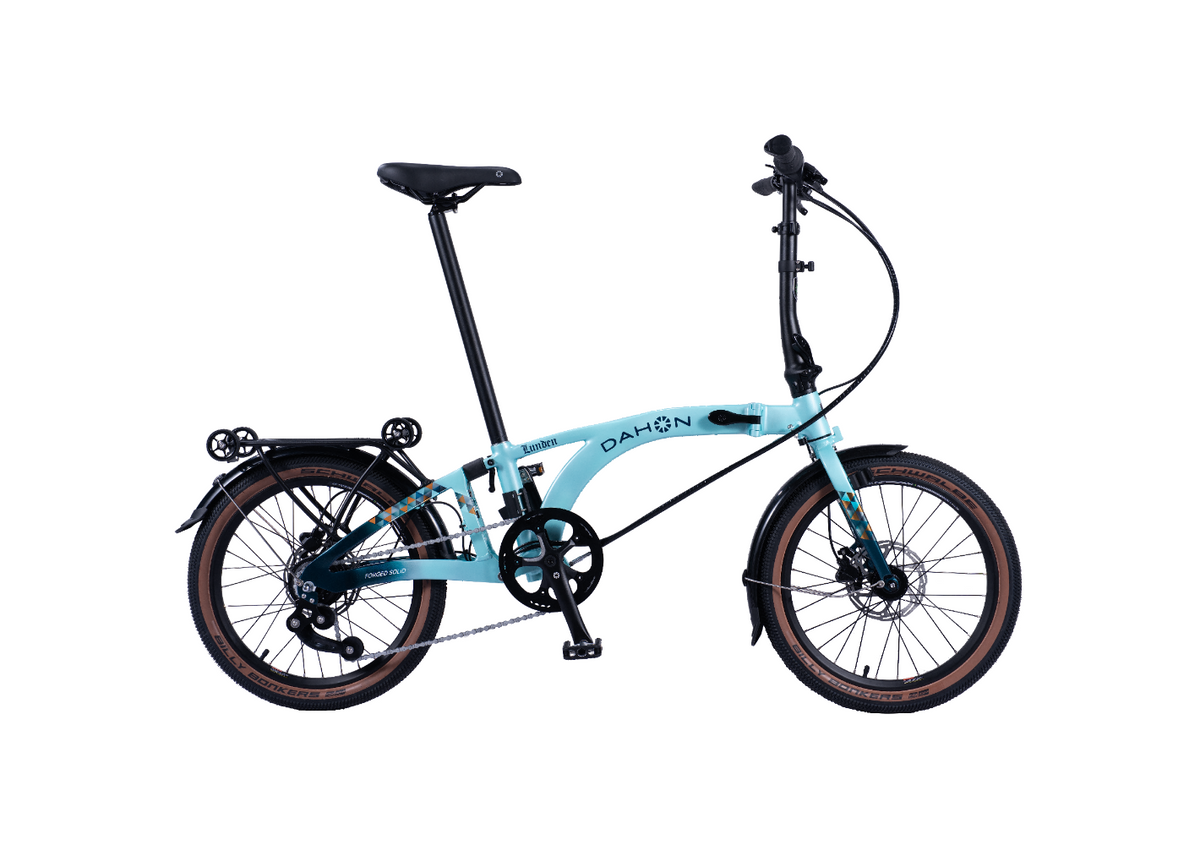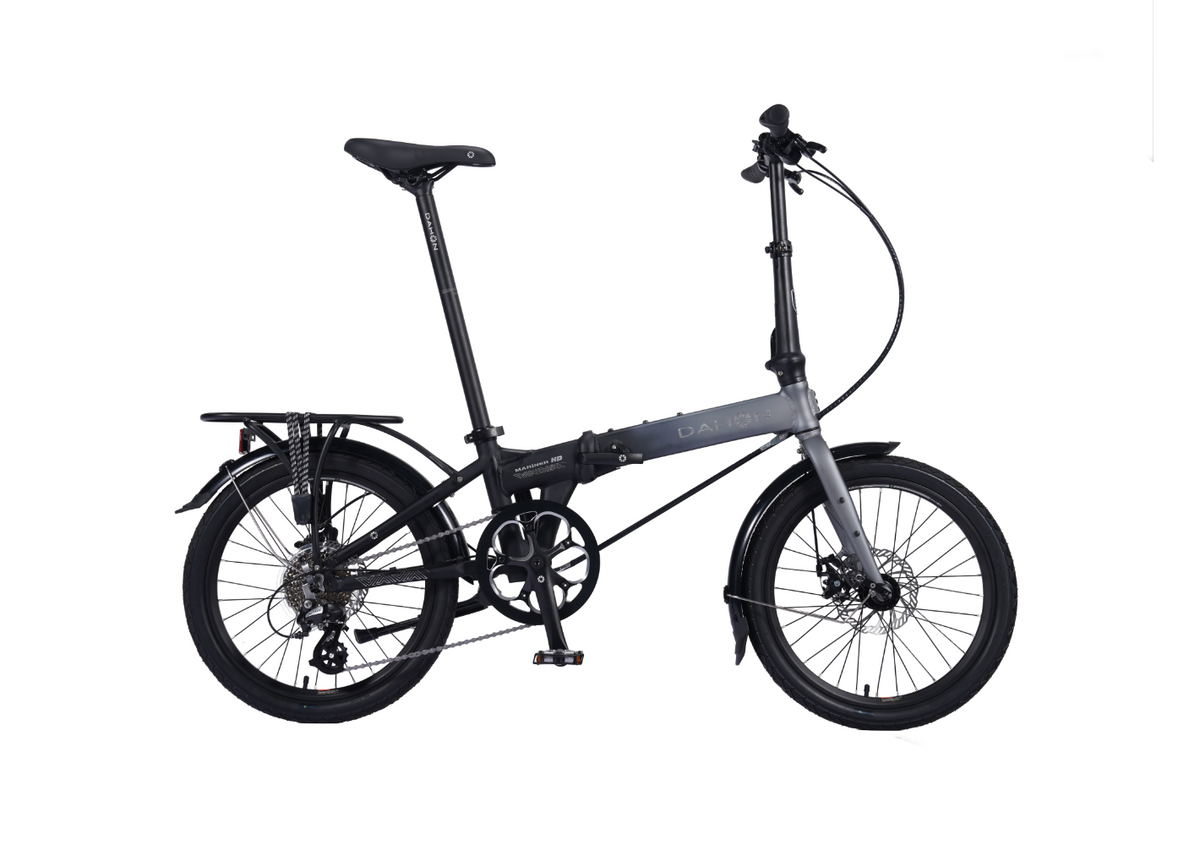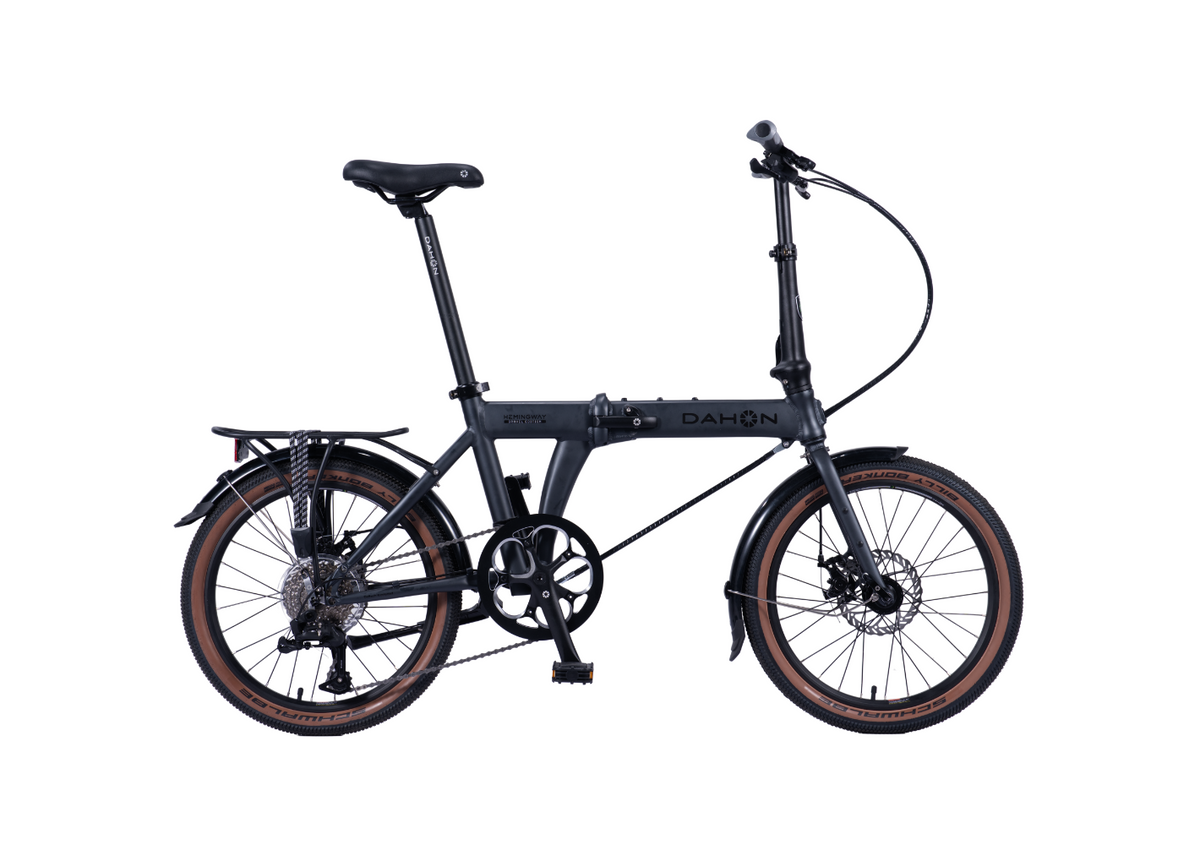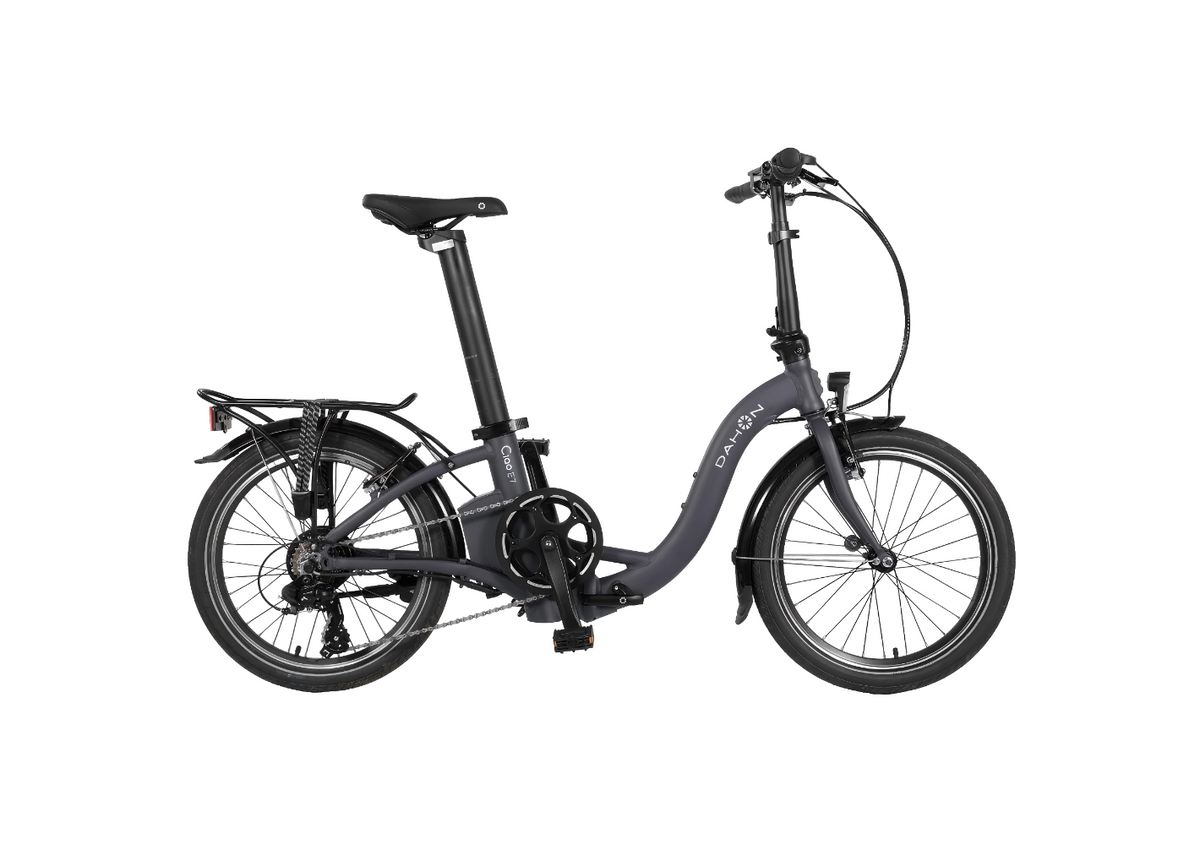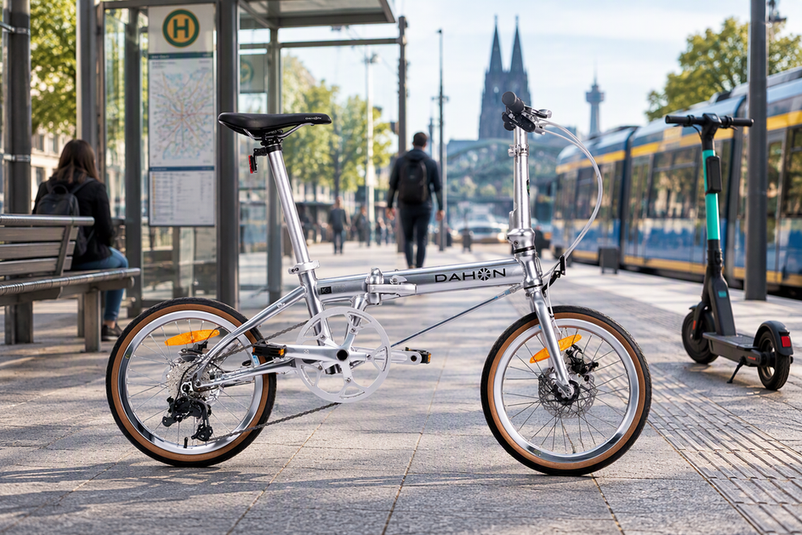
When comparing the sustainability of folding bikes and shared e-scooters, the assessment depends on the individual use case, the service life of the vehicles, and the infrastructure. For the sustainability comparison of folding bikes and e-scooters, the criteria are: COâ‚‚ emissions per kilometer, service life, production costs, and recycling options.
COâ‚‚ Emissions: Folding Bike vs. E-Scooter
Both vehicles produce COâ‚‚ during production. An e-folding bike produces more COâ‚‚ during production than an e-scooter because it uses more materials (frame, battery, motor). Over the service life, the COâ‚‚ emissions per kilometer decrease. The COâ‚‚ folding bike vs. e-scooter comparison shows: with frequent use, the e-folding bike can catch up to the e-scooter in terms of COâ‚‚, as the longer service life (5–10 years vs. 1–3 years) distributes the production emissions over more kilometers.
Service Life and Durability
A folding bike has a longer service life than a shared e-scooter. A folding bike can last 5–10 years with good maintenance. A shared e-scooter has a service life of 1–3 years. The service life of folding bikes vs. e-scooters is a decisive factor for sustainability. The longer service life of the folding bike reduces the environmental impact per kilometer.
| Criterion | Folding bike (private) | E-scooter (shared) |
|---|---|---|
| Service life | 5–10 years | 1–3 years |
| Production COâ‚‚ per unit | Higher (more materials) | Lower (fewer materials) |
| COâ‚‚ per km (over service life) | Very low to low | Low to medium |
| Repairability | Good (standard parts) | Limited (proprietary parts) |
| Recycling | Good (metal, standard components) | Moderate (battery, electronics) |
| Flexibility | Own vehicle (always available) | Shared (depends on availability) |
Production and Recycling
The production of a folding bike requires more raw materials (steel/aluminum, tires, chain/belt, gears). The production of an e-scooter requires fewer materials. The recycling of folding bikes vs. e-scooters is better for the folding bike because the components are more standardized and easier to separate. E-scooters contain proprietary components that are harder to recycle.
Which Is More Sustainable for Your Commute?
A folding bike is more sustainable in the long term if you commute daily. An e-scooter can be a sustainable alternative for short, irregular trips. The sustainability decision: folding bike or e-scooter depends on your use case. If you commute daily, a folding bike is the more sustainable choice. If you take short, irregular trips, an e-scooter can be acceptable.
Frequently Asked Questions
Is a folding bike more sustainable than an e-scooter?
In the long term, yes. With frequent use, the longer service life of the folding bike compensates for the higher production emissions. For short, irregular trips, an e-scooter can be a sustainable alternative.
How long does a folding bike last compared to an e-scooter?
A folding bike lasts 5–10 years with good maintenance. A shared e-scooter lasts 1–3 years. The service life is a decisive factor for sustainability.
Can an e-scooter replace a folding bike for commuting?
For short distances (up to 5 km), an e-scooter can be a practical alternative. For longer distances or with luggage, a folding bike is more suitable. The choice depends on the distance and the transport requirements.
Which vehicle is easier to repair: folding bike or e-scooter?
A folding bike is easier to repair because it uses standard parts that are available in most bike shops. E-scooters often require proprietary parts and specialized workshops.