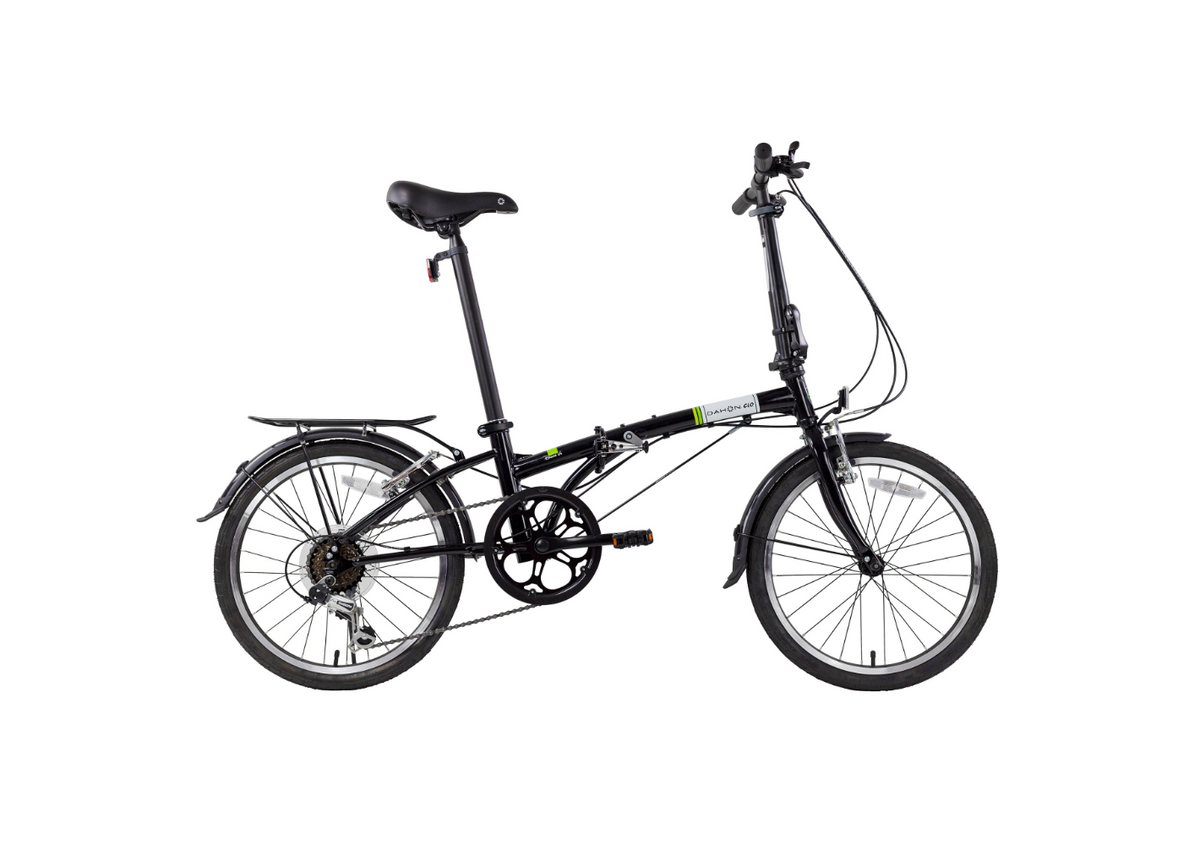
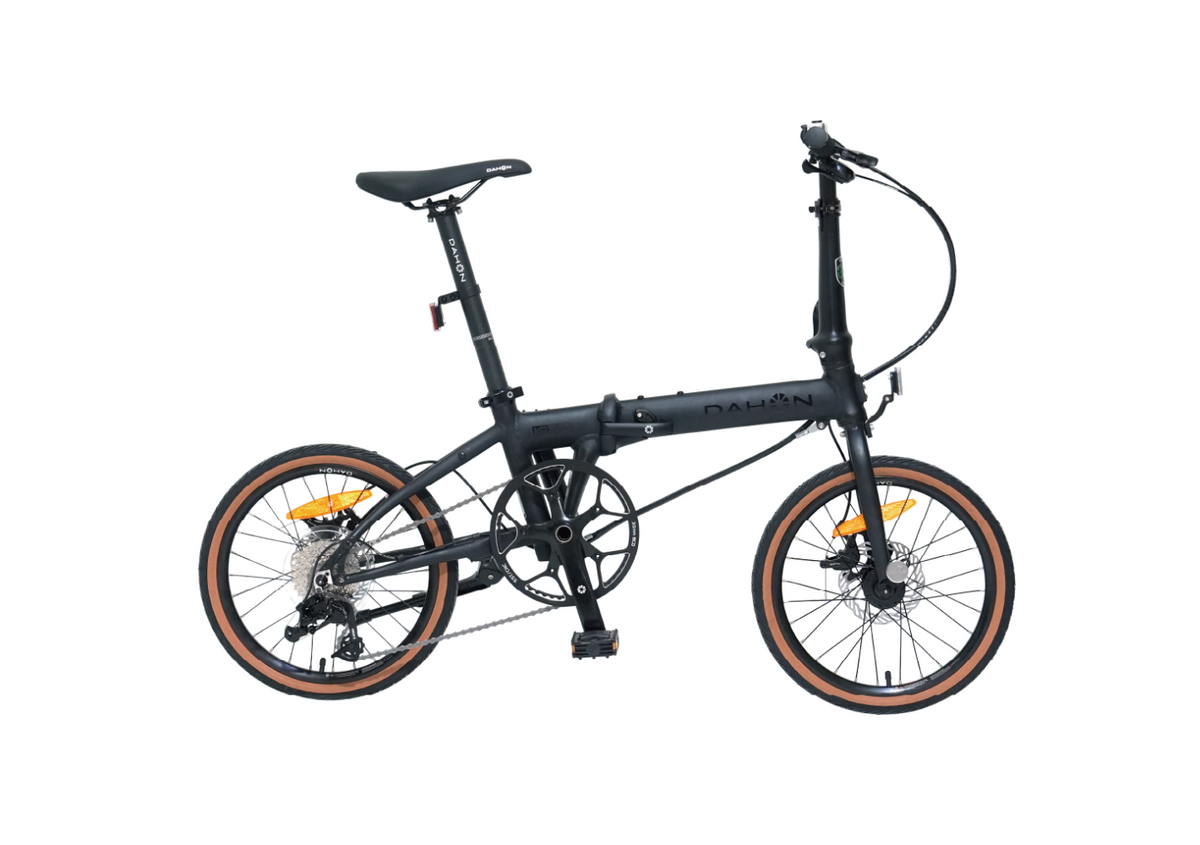
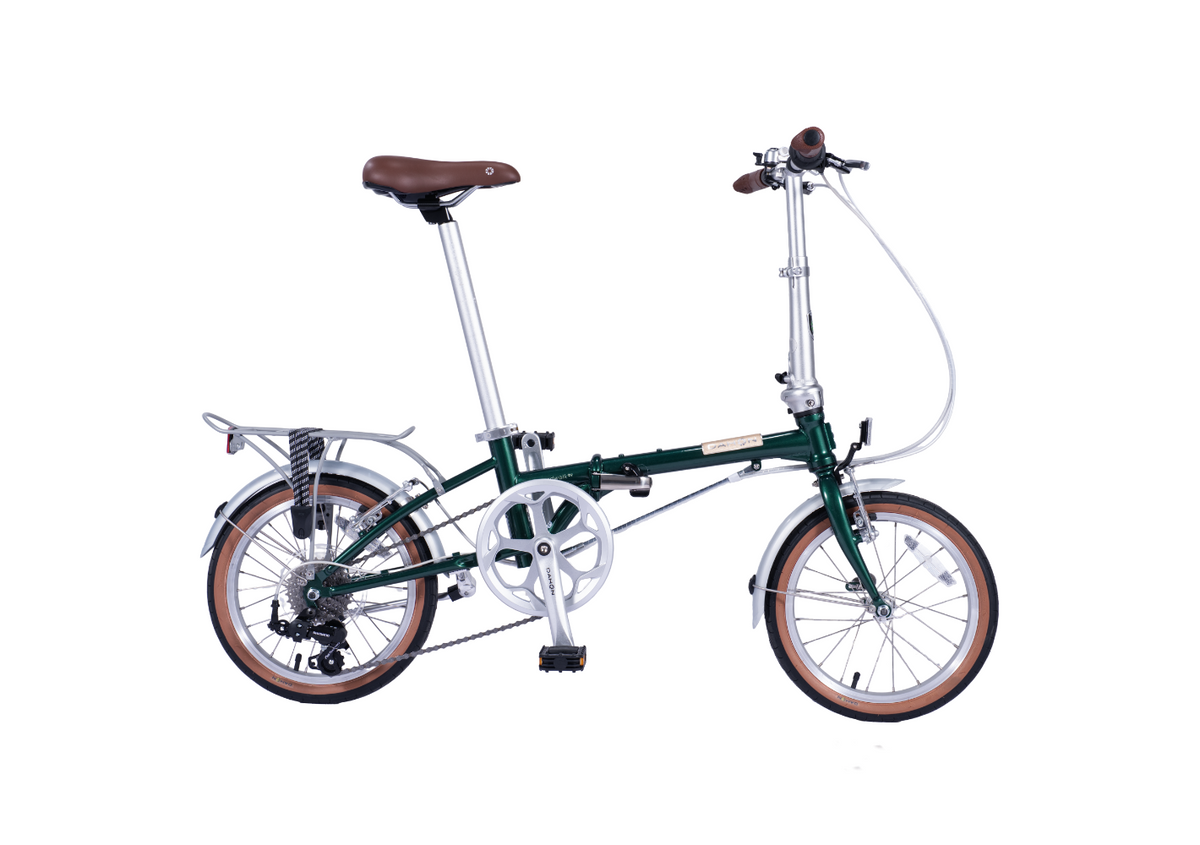
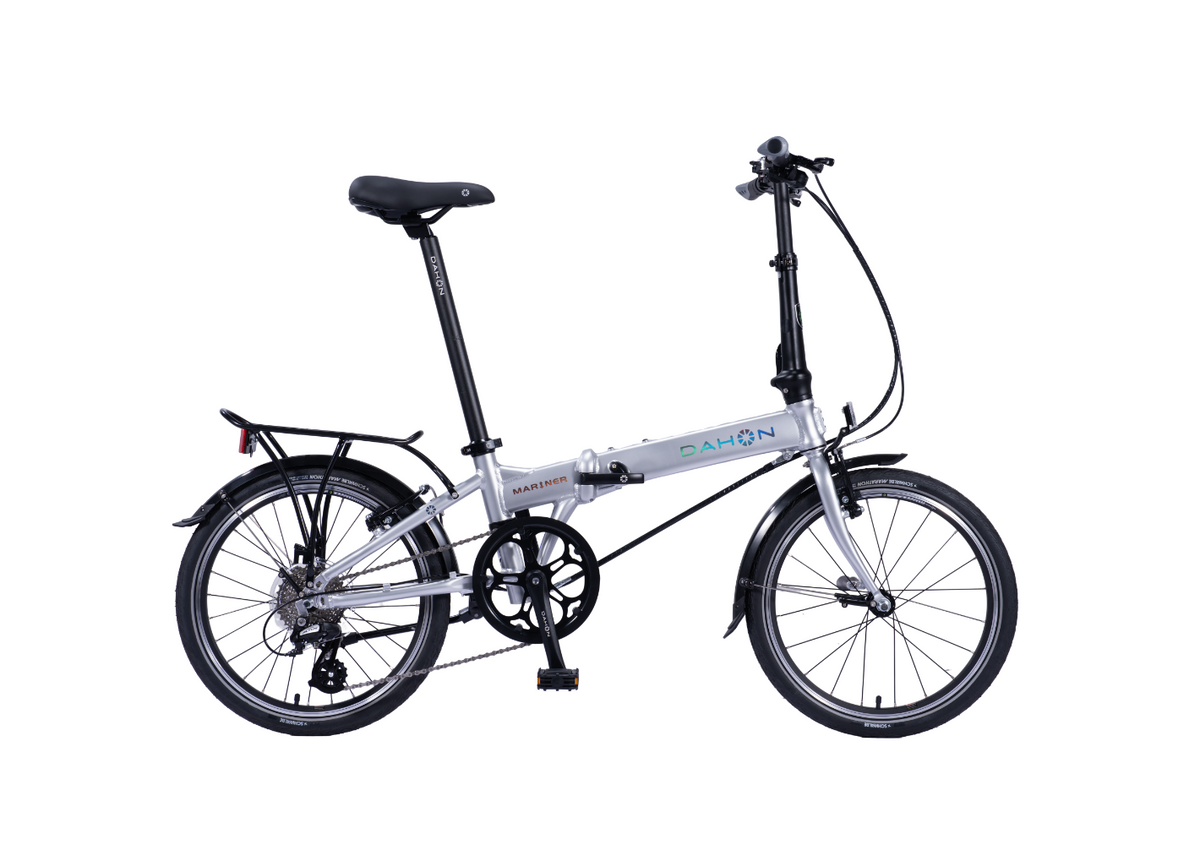
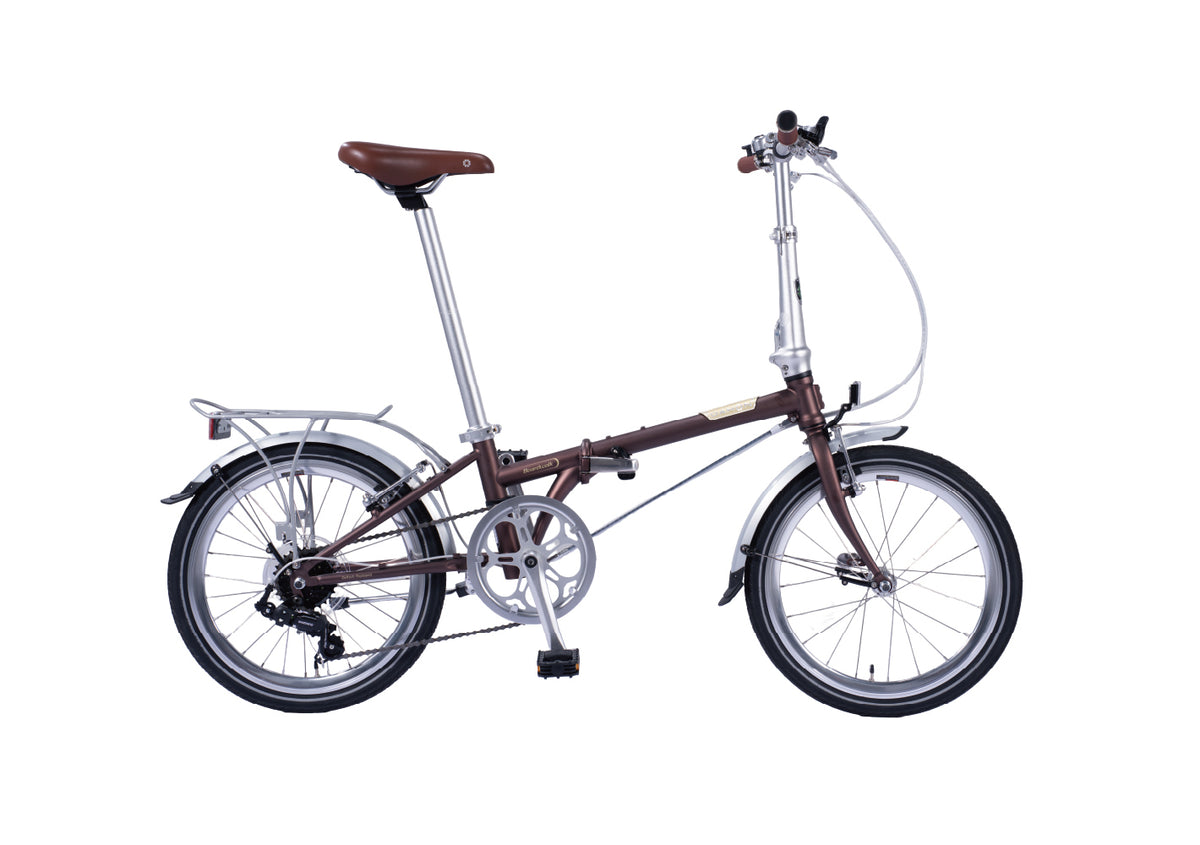
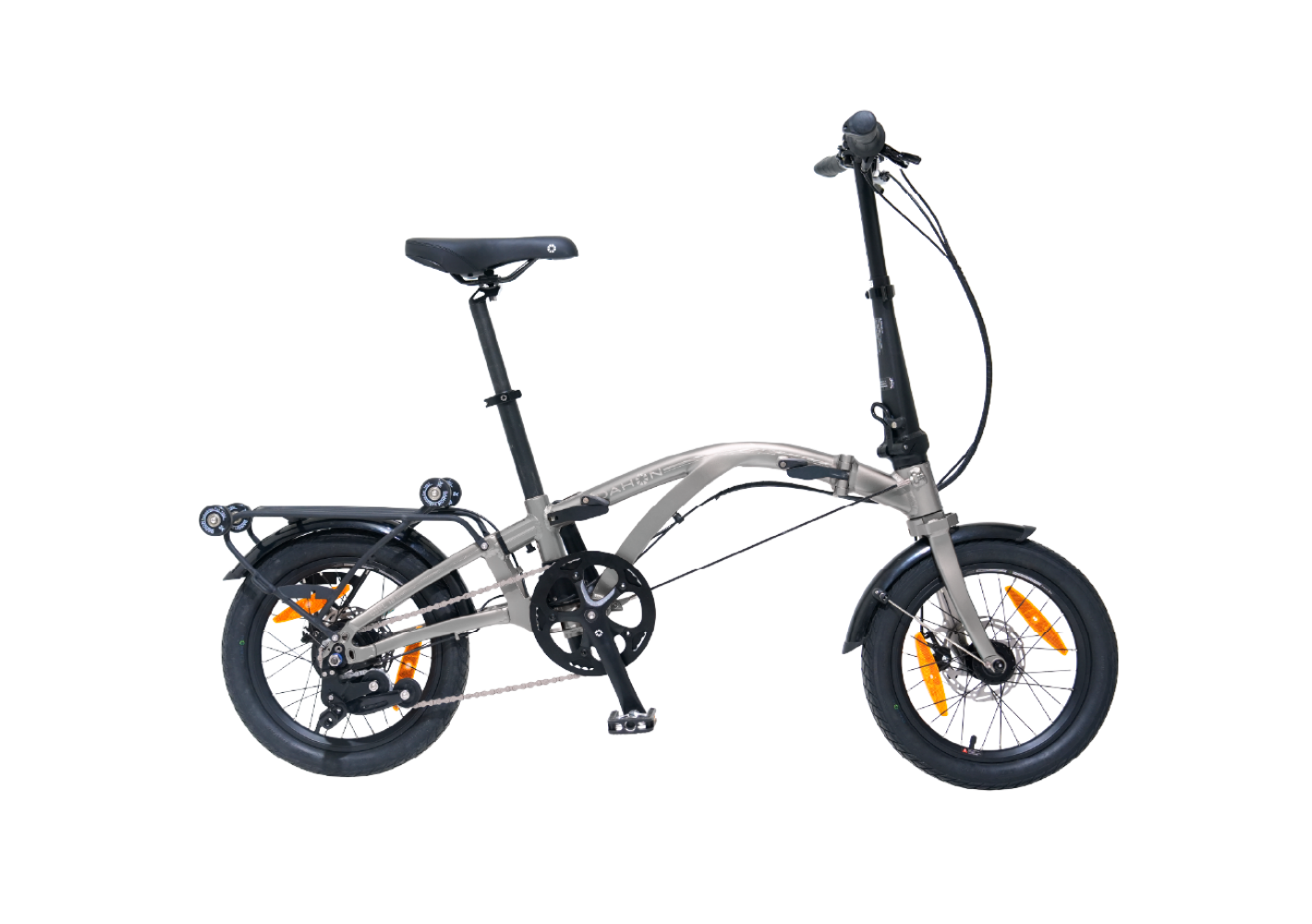
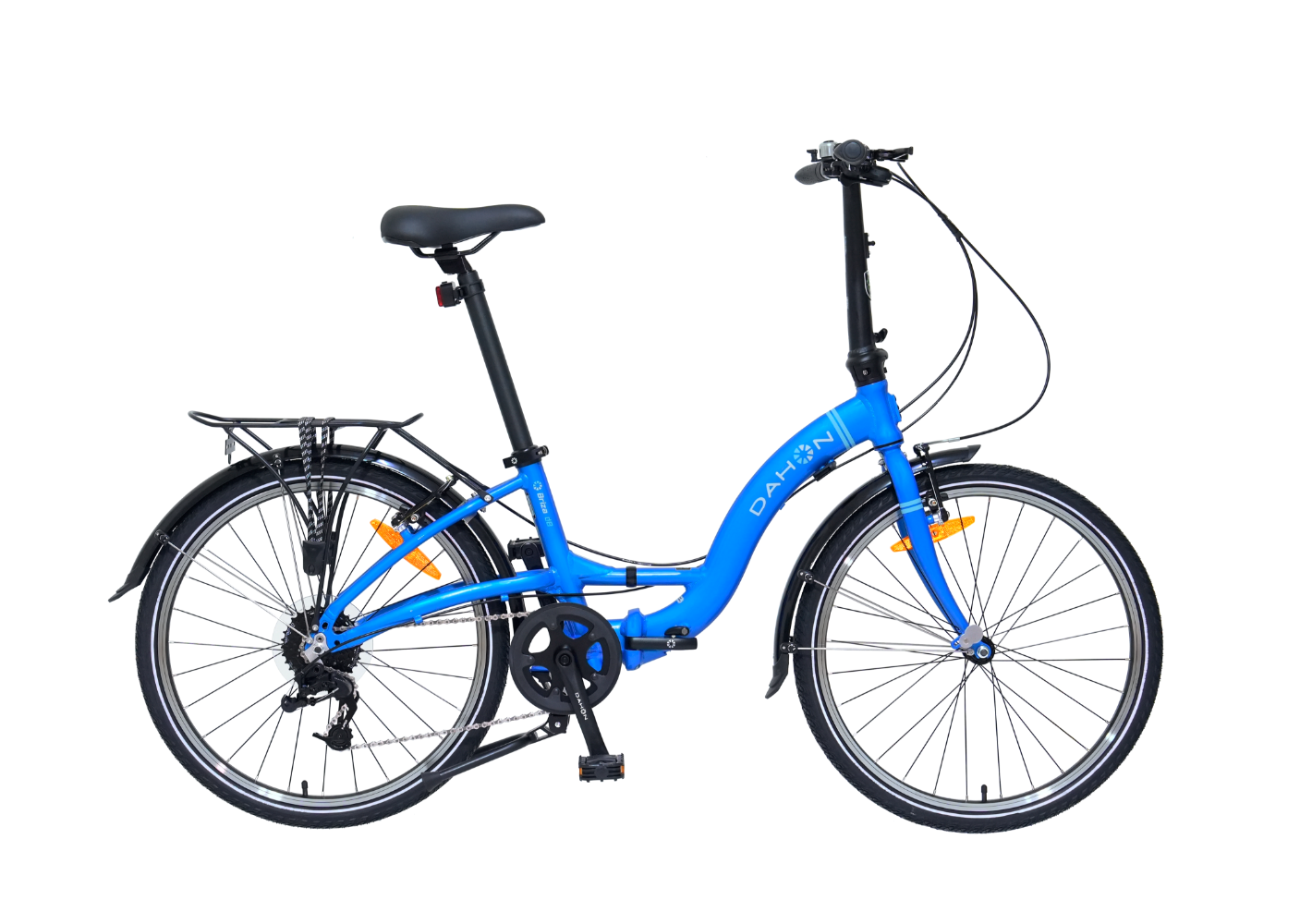
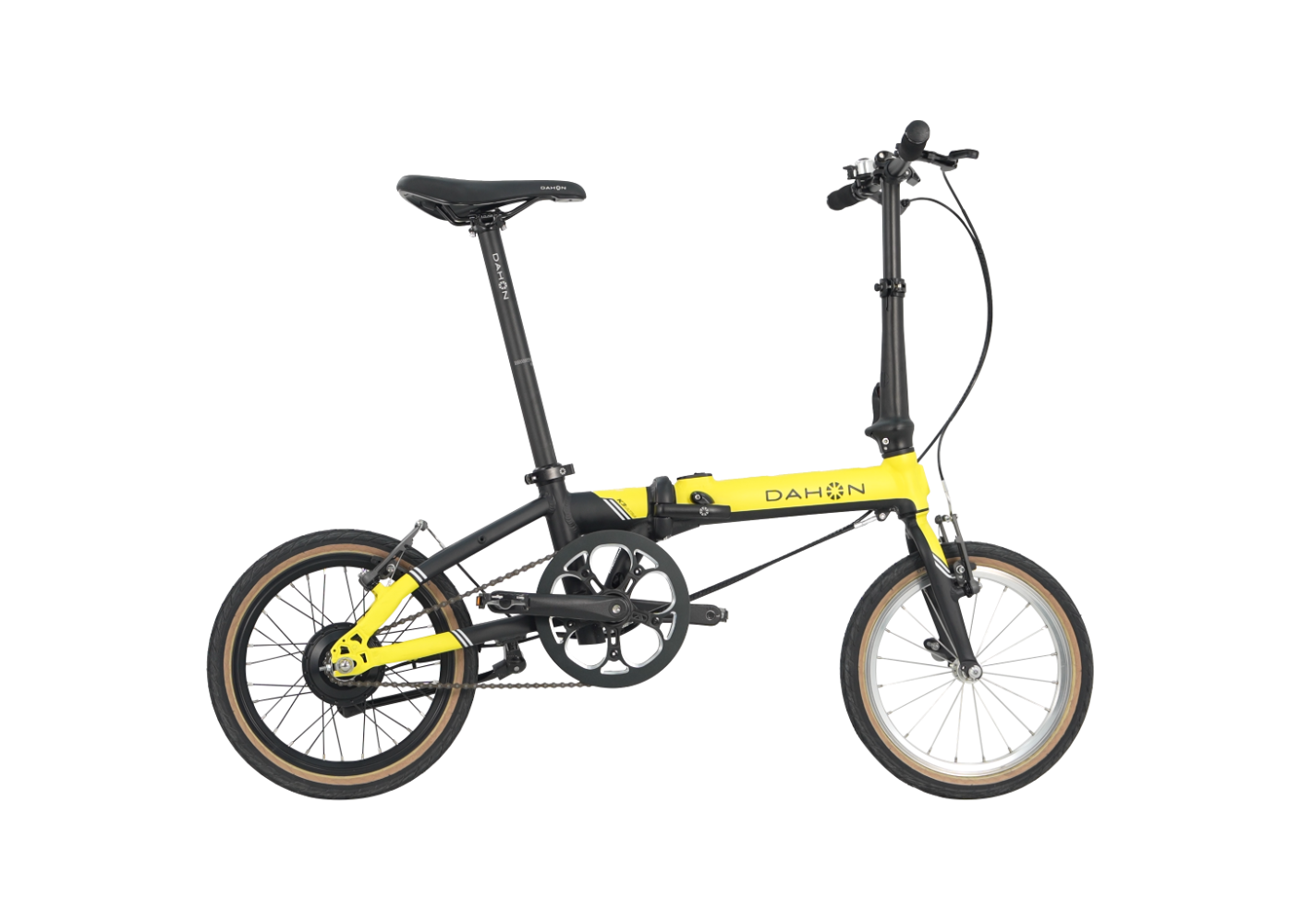
To choose replacement folding bike tyres, start with your exact bike and the full size code on the old tyre. Tread pattern and price come later. A tyre belongs on your shortlist only after its bead-seat diameter, approved rim compatibility, pressure and load limits, tube or tubeless construction, and installed clearance have all been confirmed for your exact bicycle.
Once fit is settled, compare protection, comfort and rolling feel against the routes you ride most. If a fit detail is missing, check with the manufacturer or a bicycle retailer before riding on the new tyre.
Start with the exact bike and tyre markings
You need three details for every later step: the bike model, the wheel or rim details, and the complete tyre code. Collect them in this order:
- Record the exact bike model. Note the full model name and any version details. Also write down any wheel or rim specifications from the manual or from markings on the rim.
- Copy the full tyre marking exactly as printed. The sidewall often shows an inch-style label and a metric ISO code, also called the ETRTO code. Write down both exact figures without converting or rounding them.
- Compare candidates by their ISO code. Inch labels can mislead. Cycling UK's guide to ISO tyre-size equivalence explains that different traditional labels can describe the same tyre size. For example, traditional labels such as 650 × 38B and 26 × 1½ may both correspond to the ISO size 38-584. The ISO code makes the bead-seat diameter and nominal width clearer than the traditional label alone.

Carry the full code forward rather than the inch figure alone. A matching code confirms the nominal size as your first filter; the next steps verify how the tyre pairs with your rim width and clears your frame.
Confirm rim compatibility and clearance for the exact bike
A matching size code is the first of three separate checks. Your rim and your bike each set their own limits, so a candidate passes only when all three checks are confirmed.

| Check | What confirms it |
|---|---|
| Diameter match | Tyre inner diameter equals rim shoulder diameter |
| Width-to-rim pairing | Specifications for your exact rim |
| Installed clearance | Your bike's instructions: frame, fork, brake, mudguard and any folding-related limits |
The first two checks concern the rim. Schwalbe's guidance on tyre-to-rim diameter and width matching says the tyre's inner diameter must match the rim shoulder diameter. Its example is a 37-622 tyre on a 622 x 19C rim. The same guidance says tyre width and inner rim width must also be matched. Use the specifications for your own rim to make that pairing.
The third check concerns the bike. Continental notes that the exact bicycle's width and clearance limits come from the brake system and the frame dimensions. The rims limit possible tyre sizes too. Continental therefore points riders to the bike instructions and the rim specifications. Because width limits vary by model, always use the figure specified for your bike.
Leave some margin when planning for width. Schwalbe also explains that nominal width alone does not establish installed clearance. A tyre is wider at maximum pressure than at low pressure, and a new tyre expands further over time. That can make a difference of 1-2 mm. If you want to see what clearance looks like on a bike, our guide on how to measure frame, fork and mudguard clearance shows the measuring points.
Confirm both the rim pairing and your bike's clearance before riding on a candidate tyre.
If the model or markings are unclear
When a worn sidewall or an unknown model leaves fit information incomplete, rely on verified specifications rather than estimating the size from a partial code. Give the manufacturer or a qualified bicycle retailer the details you have: the exact bike model (or a photo of the frame markings), plus any wheel, rim or tyre markings that are still readable. Ask them for the approved replacement size and the clearance limits for that bike.
If you ride a DAHON, you can contact our support with this information, or use our DAHON dealer locator to find a retailer who can look at the bike in person. Tyres are often standard parts, while other parts depend on the model. Our article on standard versus model-specific parts explains how to tell them apart.
Compare riding priorities against your usual routes
Once you have more than one confirmed tyre, let your usual routes decide which quality matters most. This helps you rank your priorities for the roads and paths you actually ride.
Protection: compare like-for-like evidence
If punctures on glass-strewn streets or thorny paths are your main worry, give protection the most weight. Compare explicit claims or test results for each candidate tyre rather than general marketing words such as "tough". Note how each source tested protection. Two figures compare fairly when they come from similar test conditions. When one tyre has test data and another has only a description, note that difference in your comparison.
Comfort: seek comparable ride information
On rough tarmac, cobbles or uneven paths, comfort may deserve more weight. Look for ride feedback from surfaces and setups similar to yours, since a tyre's size or product label alone tells you little about how it will feel on your bike. If your commute crosses wet cobblestones, our guide to riding on wet cobblestones covers how tyre width, pressure and brakes interact there.
Rolling feel: check the test context
If you mainly ride smooth roads and care about an easy, quick feel, rolling feel may come first. Compare evidence for each candidate measured under comparable conditions, and check what tyre category was tested. A result from a different tyre type or wheel size is not a folding bike result. Treat descriptions such as "fast" as a claim to compare rather than a measurement.
FAQs
Can I fit a wider tyre than the one my folding bike came with?
Yes, provided your bike's instructions and your rim specifications allow that width. Brake, frame and rim dimensions all set the maximum width that can be mounted. If the manual gives no figure, check with the manufacturer or a retailer before buying the wider tyre.
Why can a new tyre seem closer to the frame after fitting?
A freshly fitted tyre expands over time, and it is also wider at higher pressure. Schwalbe puts the possible difference at 1-2 mm. Because installed width can expand after fitting, check your bike's actual clearance again to make sure it still clears the frame and fork.
What should I do if the new tyre rubs the frame, fork or mudguard?
Stop riding on it immediately. Rubbing means the installed clearance is insufficient for your bike. Check the tyre against your bike's instructions, and get model-specific advice before using it again. After any tyre change, add a clearance check to your regular folding bike maintenance checklist.