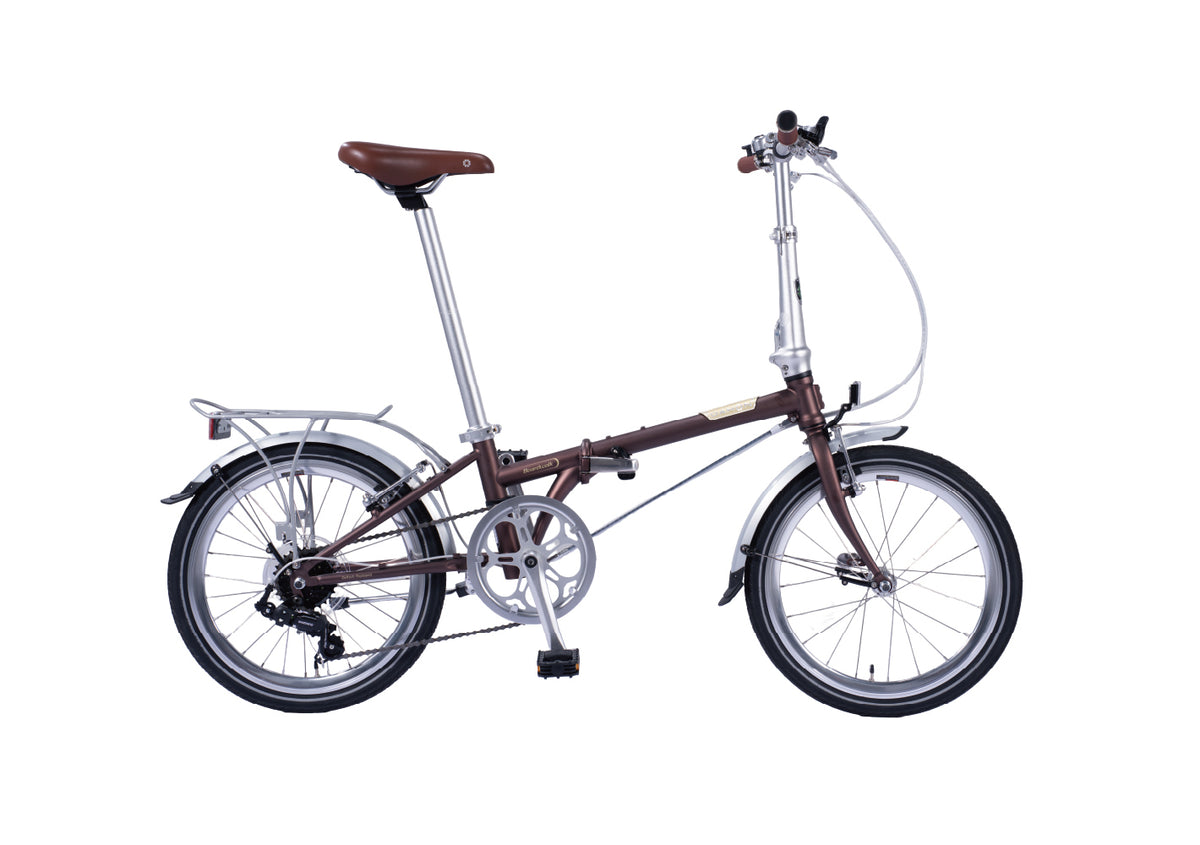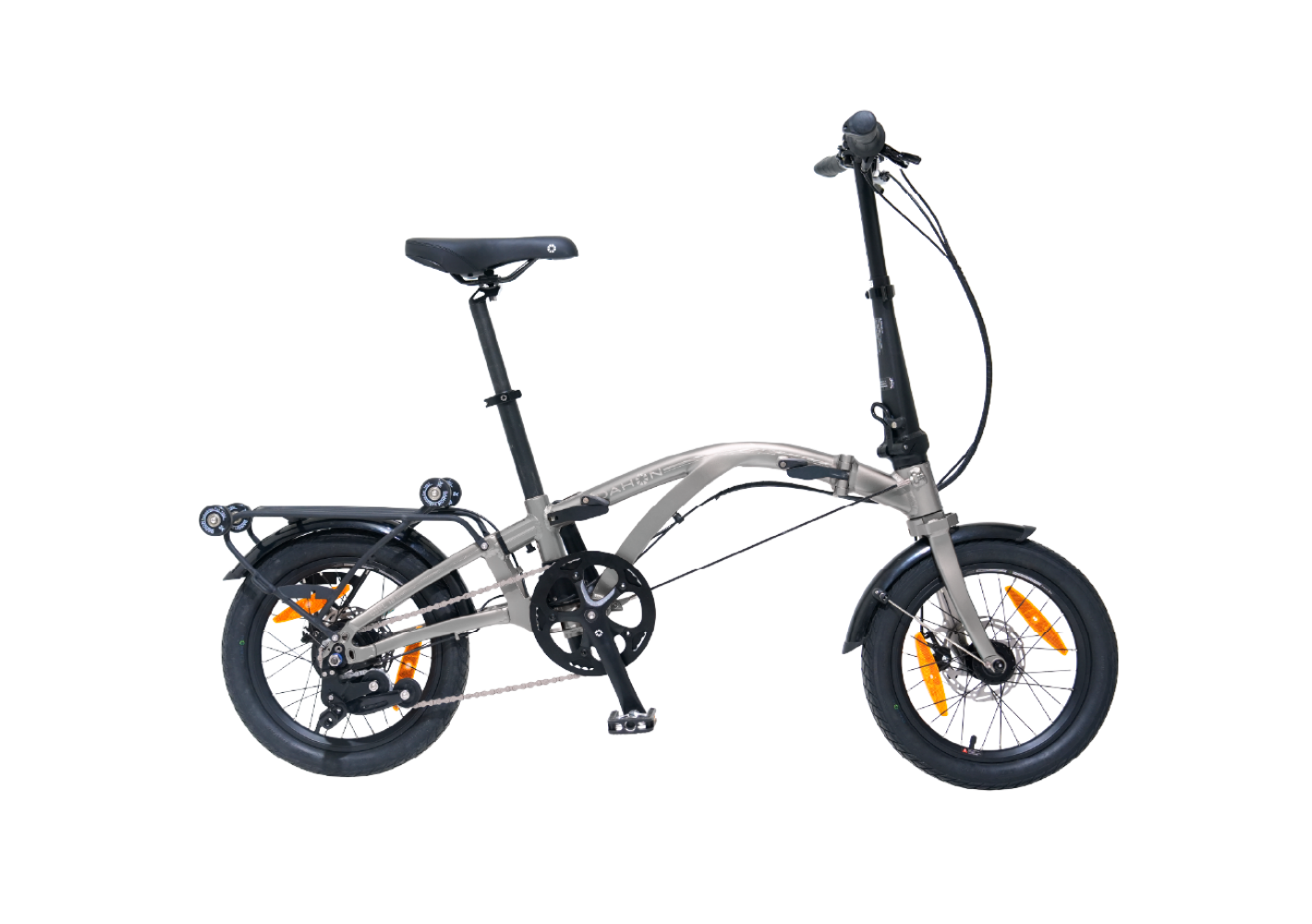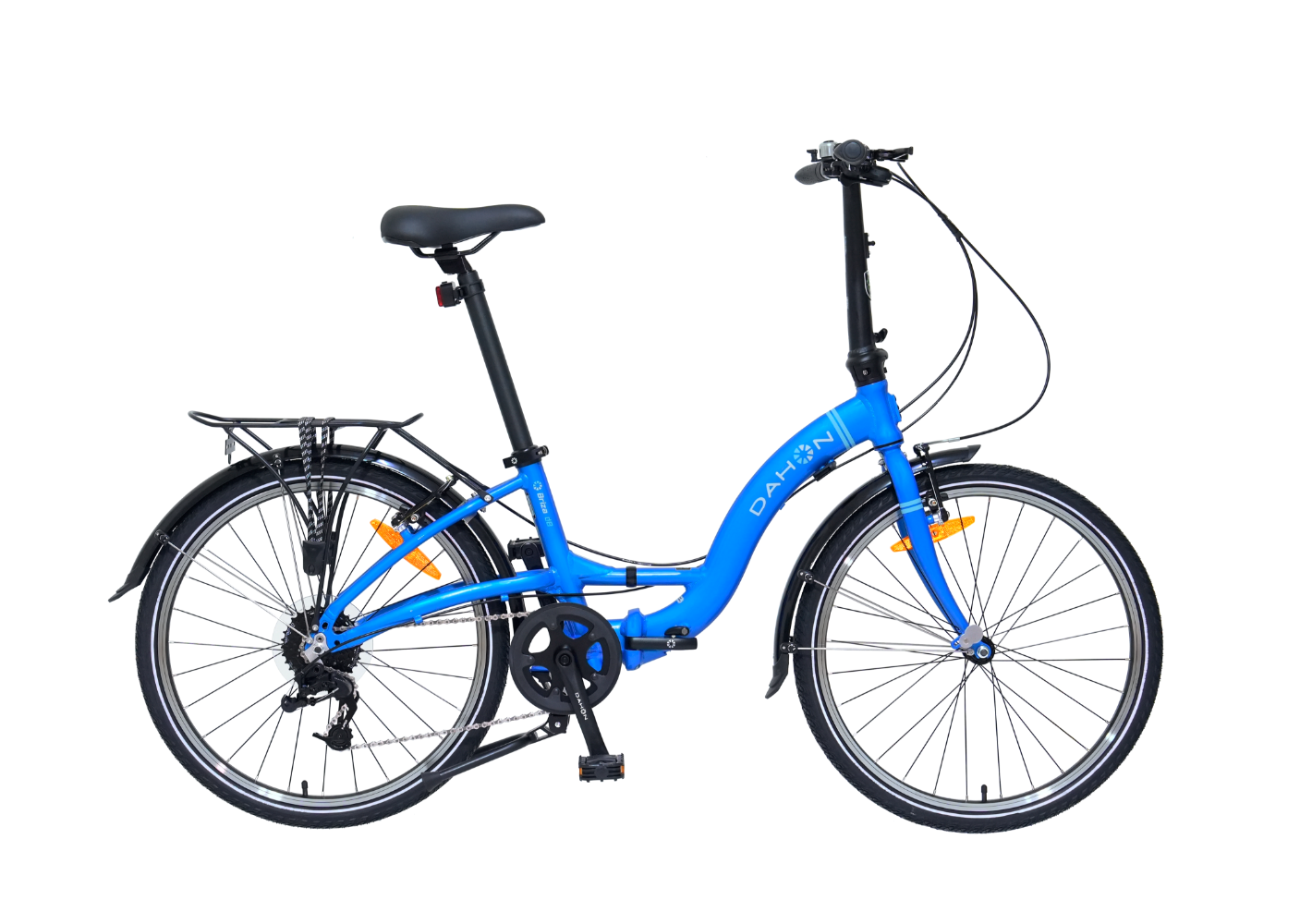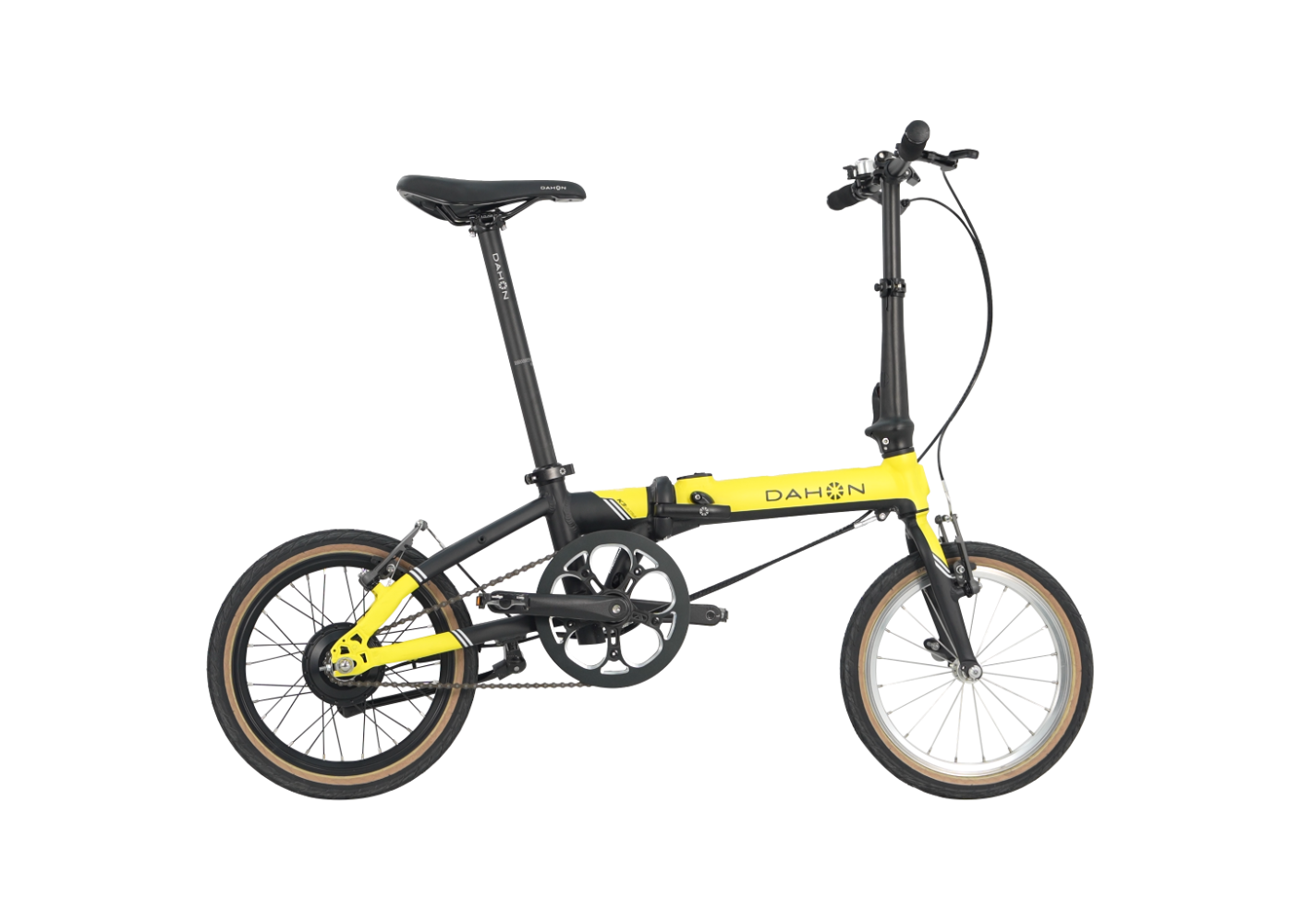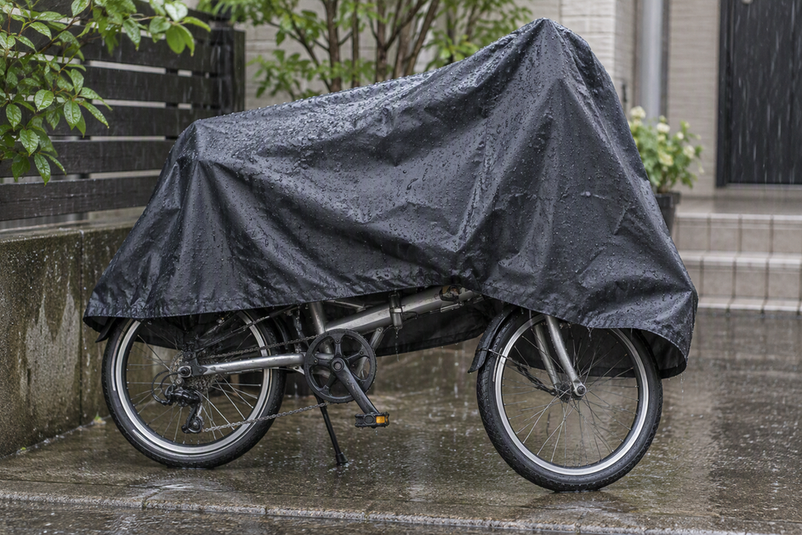
You may be able to store a folding bike outside under a suitable rain cover if the bike manufacturer permits it, but a cover is not the same as dry, sheltered storage. A good outdoor cover keeps off direct rain. However, it cannot guarantee that the bike underneath stays completely dry.
Whether a cover is enough comes down to two things: how long the bike stays outside, and whether you can uncover it to let it dry between wet periods. If the bike can dry out, covered outdoor storage is a workable option. If wet weather returns before it dries, a drier, sheltered spot is the better plan.
Can a rain cover be enough for outdoor storage?
A cover made for outdoor use can handle heavy rain, making it a practical option to consider. In its buyer's guide, Cyclingnews reports that the outdoor-use covers it tested withstood heavy rain. That result applies to the tested covers, though individual results still depend on the specific cover and how your bike is stored beneath it.

The same guide highlights two design details that affect how well a cover protects your bike. First, covers with lock openings trade away some water resistance because those slots create openings in the fabric. Second, a cover without an adjustable fit can leave loose material where rainwater pools. That standing water stays put until disturbed and gradually strains the seams.
To reduce those risks, choose an adjustable cover that fits closely and position any lock openings away from direct water run-off. That leaves the key practical question: how long will the bike stay outside, and will it have a chance to dry?
How do time outside and drying opportunities change the decision?
The same cover can work well in one routine and fall short in another. The difference comes down to how much moisture builds up and whether it can escape.

Occasional exposure with an opportunity to dry
Short or occasional outdoor stays are much easier to manage, provided you can take the cover off between wet spells and let the bike air out.
You can check this easily in your own routine. After rain, can you remove the cover on a dry day and leave the bike uncovered for a while? Can you see and touch the frame, folding hinges, and chain to confirm they are dry? If so, a cover works well for this kind of outdoor folding bike storage when regular drying is part of your routine. Our guide to wet-weather care for folding bikes covers cleaning, drying, and looking after the folding joints after rainy rides.
Recurring wet periods without a drying interval
The situation changes when the bike stays covered through back-to-back rain with no chance to air it out. From the outside, you cannot tell whether the bike underneath is dry.
Cover guidance explains why. One secondary guide, which includes affiliate-linked product picks, notes that cover materials can leak under enough rain or snow, and that extended moisture exposure can damage components. The same guide adds that ventilation helps reduce condensation and clear trapped dampness, though some moisture can still remain. Condensation is the water droplets that form on cool surfaces when damp air stays trapped under the cover.
In continuous wet weather, a cover blocks direct rain while damp air may still sit around the bike. When wet periods return before the bike can dry, moving it to a drier, sheltered location is the safer choice. No fixed number of days decides this switch; what matters is whether the bike gets a real chance to dry.
What to do when the bike cannot dry between wet periods
When your setup leaves no opportunity for the bike to dry, three practical steps help you protect it.
- Read the cover instructions. Check what the manufacturer says about outdoor use, ventilation, fit, and care. This shows how that specific cover is meant to perform and when to remove it for airing out.
- Check your bike's manual or ask the manufacturer. Storage needs can vary between models, especially for folding mechanisms and electric bike batteries. If you ride one of our bikes, your model manual is the best first reference, and you can use our dealer locator to get advice for your specific model.
- Plan a drier, sheltered spot. A dry, well-ventilated cellar, storeroom or indoor area generally provides better protection than an exposed outdoor location. Check the space for persistent humidity or condensation before using it for long-term storage. If you have a cellar, explore our cellar storage options covering humidity, access, and folding mechanism care. Without a cellar, our indoor storage ideas for flats help you plan around floor space, folded size, and lifting weight.
A folding bike has one clear advantage here: once folded, it takes up far less room than a standard bicycle. That compact size makes indoor or sheltered storage realistic even in a small flat, letting the rain cover serve as a handy backup for short outdoor stays rather than your primary setup.
FAQs
What should a good outdoor bike cover fit look like?
Look for a cover with an adjustable fit that sits snugly around the bike. Loose fabric can collect pools of rainwater that strain the seams over time. If you choose a cover with lock openings, keep in mind that those slots reduce overall water protection.
Is there a set number of days a covered bike can stay outside?
No universal day limit applies to every bike and cover. A short stay with a chance to air out is much easier to manage than repeated wet weather without drying breaks. Check your bike's manual or ask the manufacturer to confirm specific storage recommendations for your model.
Does an electric folding bike change how I should store it?
Yes, because the battery has its own storage and charging requirements. General cover advice does not account for batteries, so follow your model manual for where to store and charge the battery. If the battery is designed to be removed by the user, store it in a dry location within the temperature range specified in the model manual. If it is not removable, follow the manual’s storage requirements for the complete e-bike.