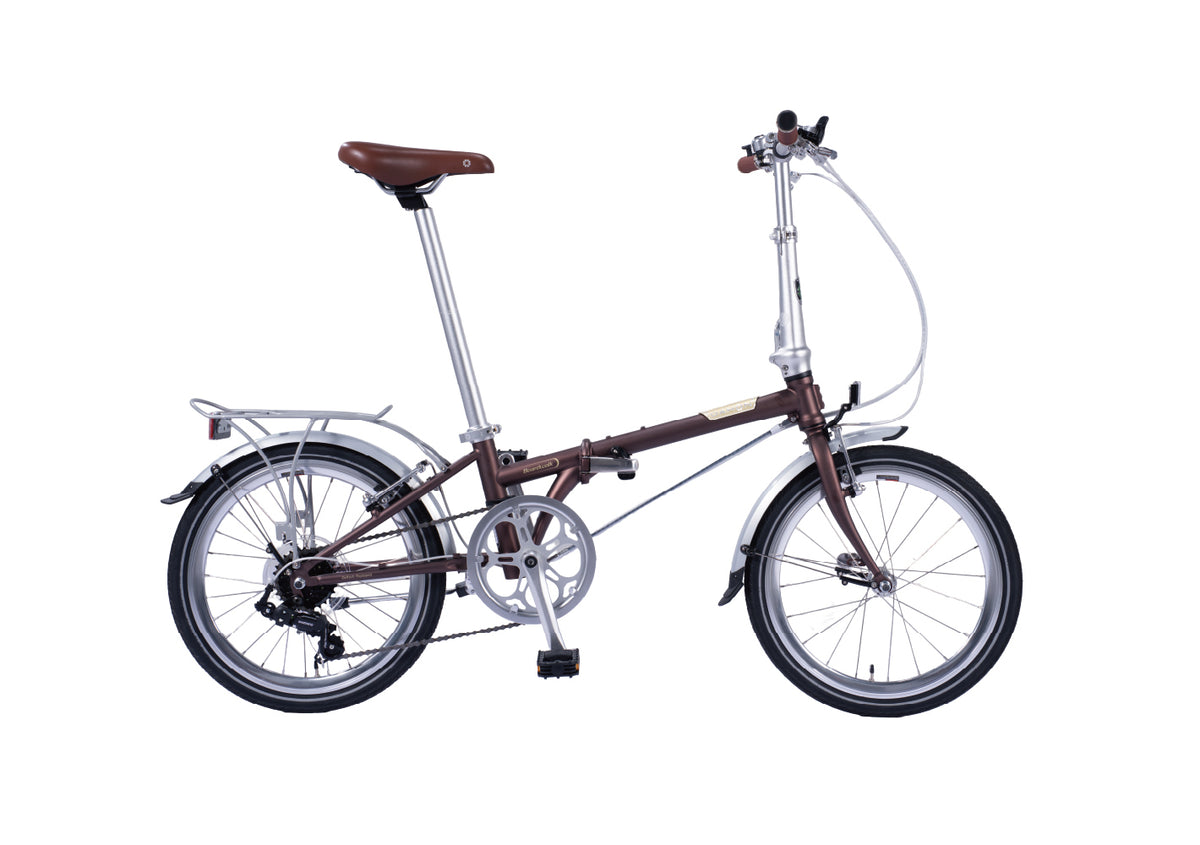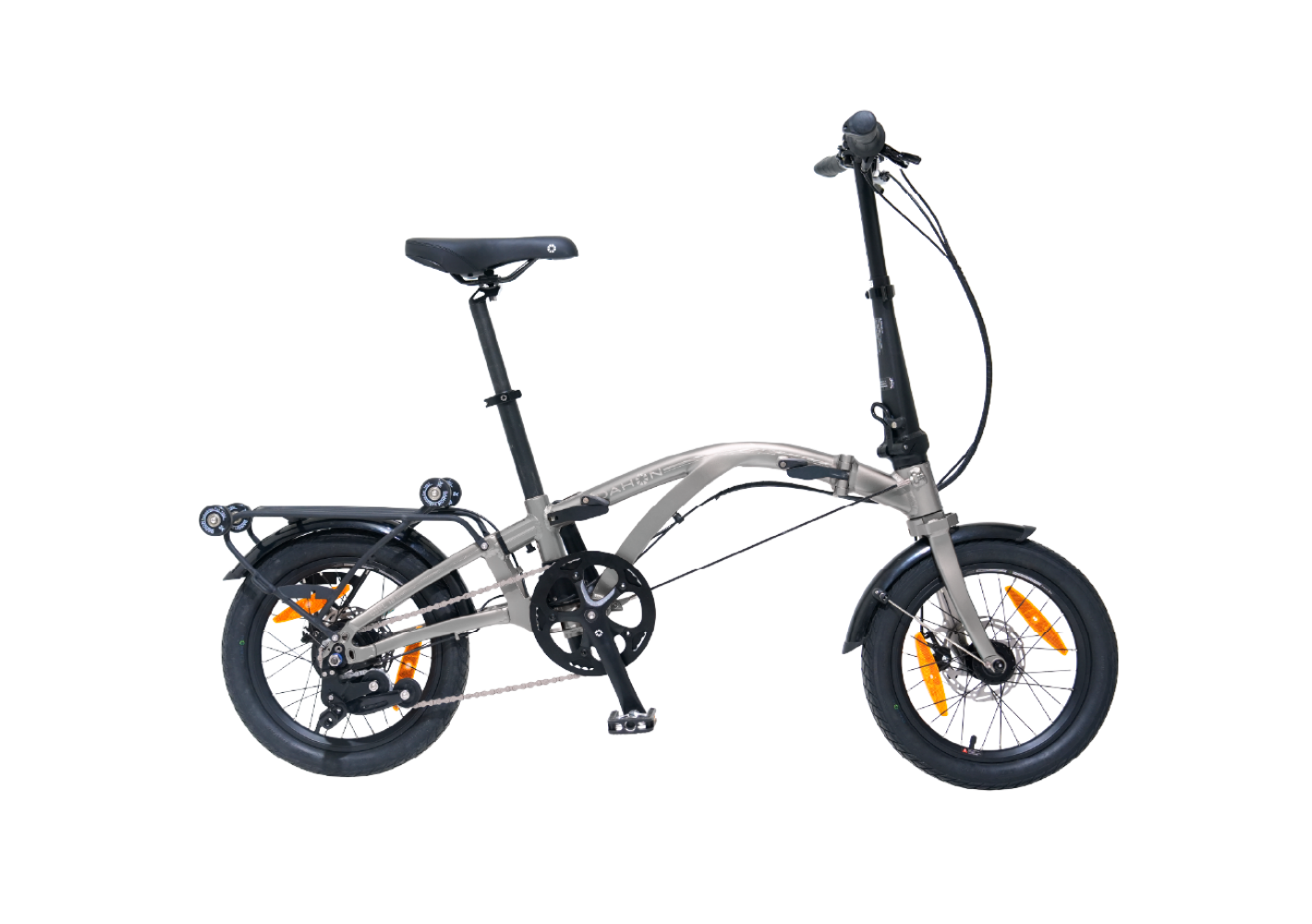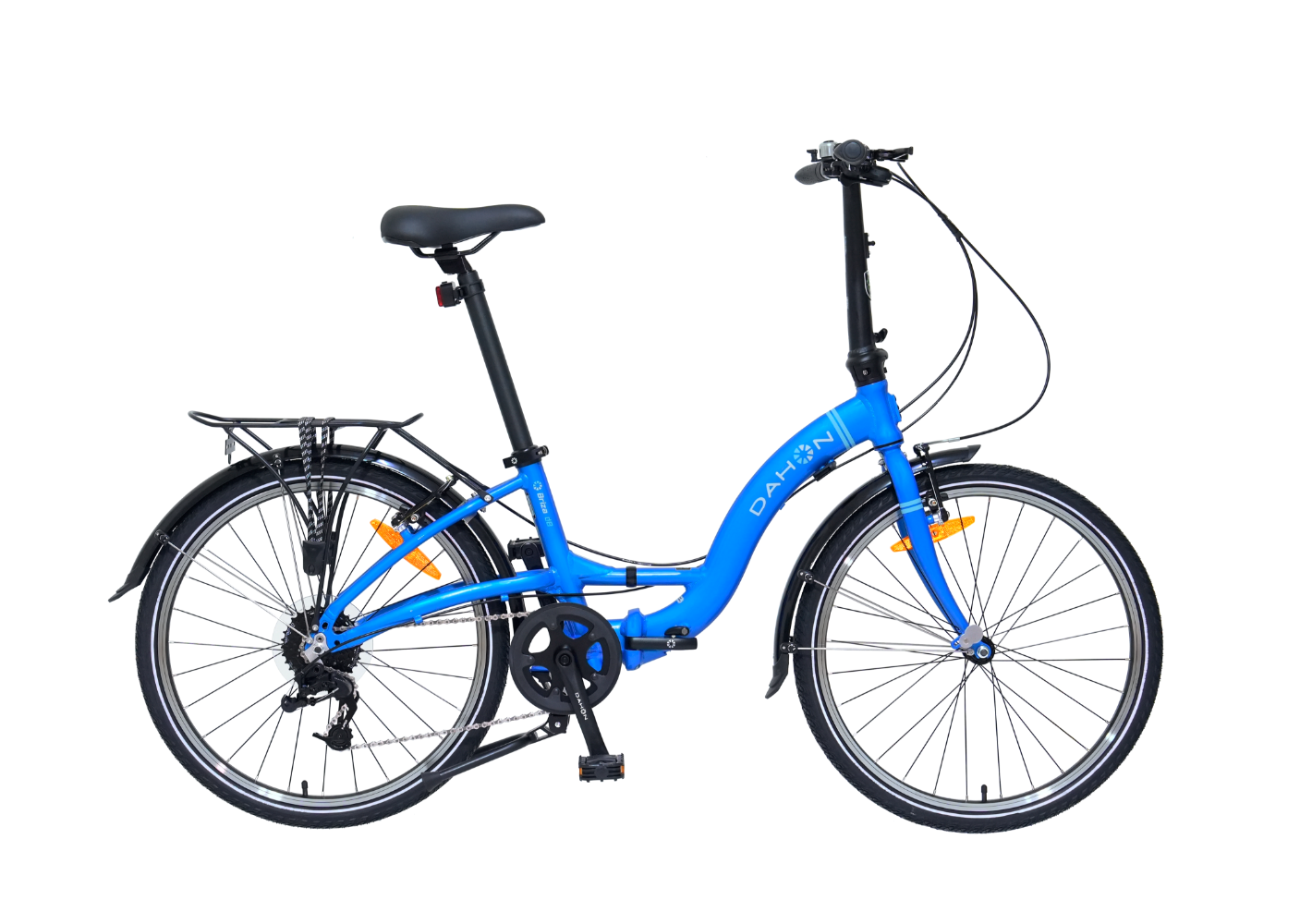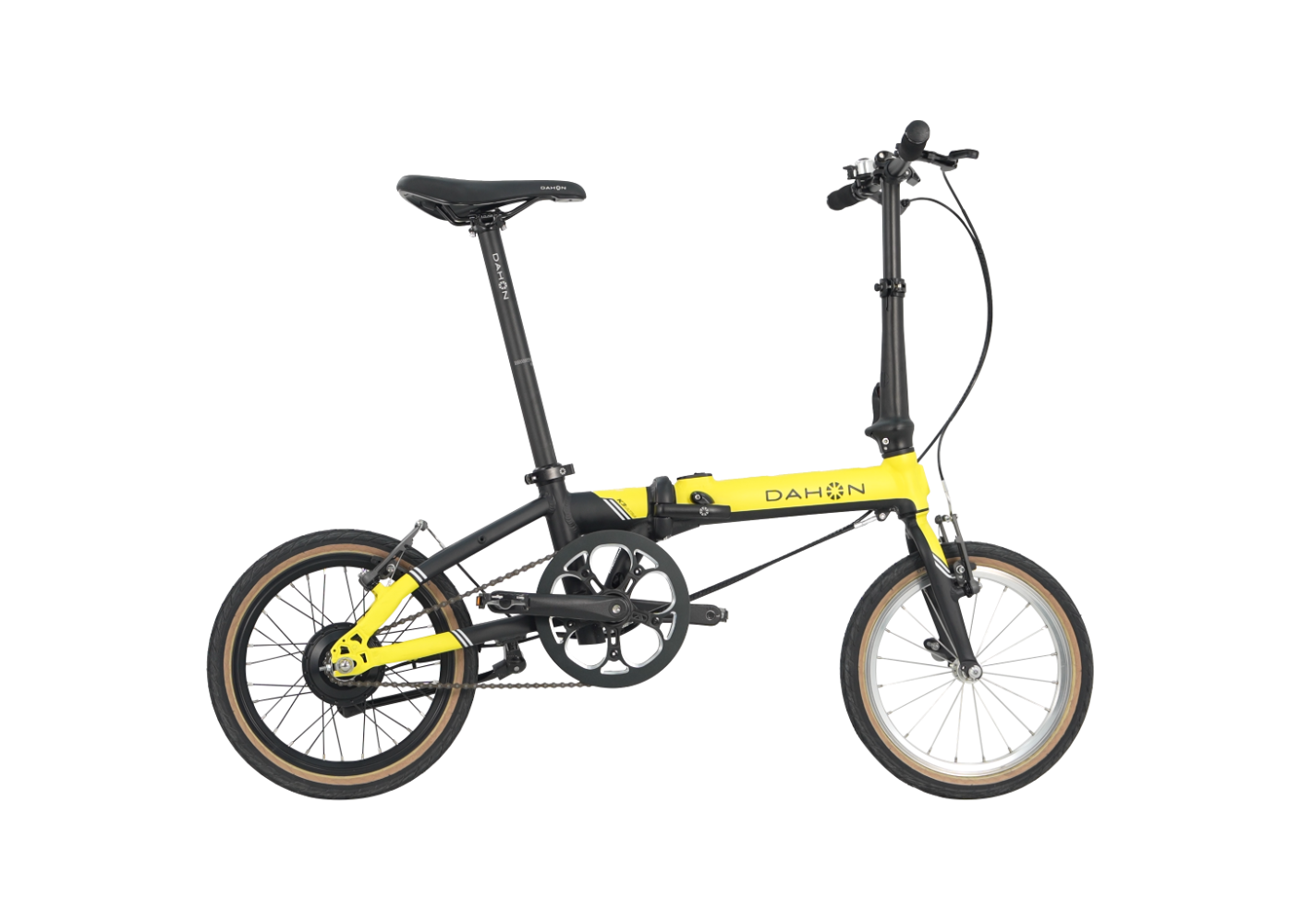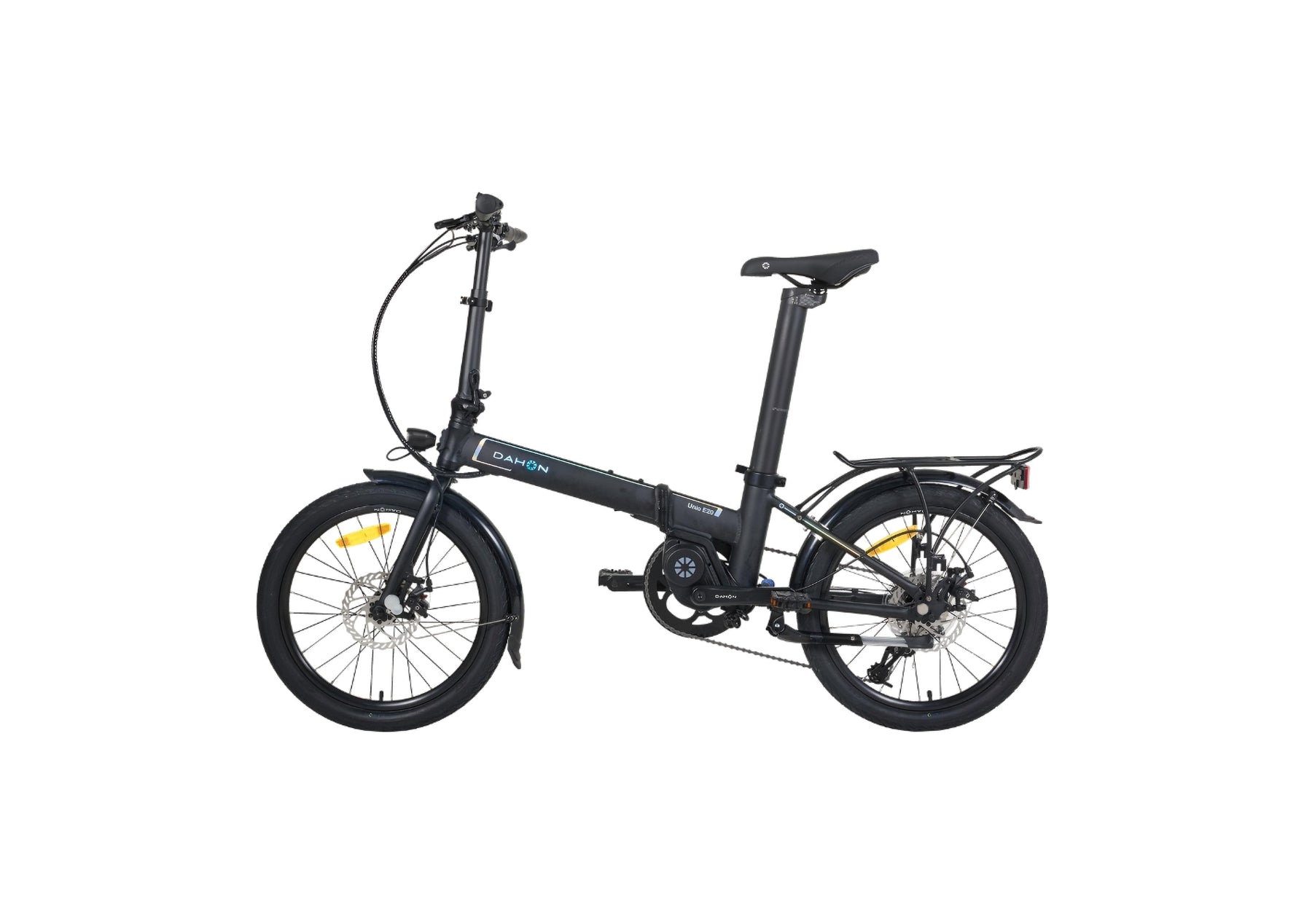
A folding bike for shift work doesn't suit every shift in the same way. Plan separate outbound and return routes for early, late, and night shifts. The key factors are daylight, connecting transport options, carrying distance, storage location, and your willingness to ride. With the right approach, commuting with a folding bike becomes a repeatable routine where a folding bike, e-folding bike, and public transit work together depending on the time of day.

Map Out a Separate Commute for Each Shift
Start with a separate plan for each shift type. The table below provides an initial reference point — adapt it to your specific route, connections, and personal riding readiness.
| Situation | Preferred Option | Check Before the First Ride |
|---|---|---|
| Early shift before dawn | Folding bike + public transit, or a full folding bike ride if lighting, distance, and time buffer allow | Start time, dark sections, first connection, fallback point, and storage location |
| Late shift with evening return | Full folding bike ride or a mixed solution for the longer segment | Traffic conditions, lighting on the return trip, last mile, and reserve after shift ends |
| Night shift with few connections | Folding bike only when clearly up for it; otherwise a pre-arranged public transit or pickup plan | Return route, available connections, dark segments, abort criteria, and interim solution |
Assess the outbound and return legs separately. Mark in advance when fatigue, poor visibility, a missing connection, or unresolved storage would argue against the planned ride. An overview of folding bikes for urban commuting can help with orientation, but doesn't replace cross-checking against your actual shift schedule.

Split Your Outbound and Return Routes by Time of Day and Workload
Choose the mode of transport for each segment. A full folding bike ride works when distance, riding readiness, weather, and parking align for both directions. Folding bike plus public transit makes sense when the folding bike covers a clearly defined first or last mile. A predominantly public transit commute is the more robust starting solution when darkness, workload, or connection reliability make riding unpredictable.
Follow three steps:
- Determine your segment: Decide which section you'll ride with the folding bike and at what point you'll fold, carry, or switch to public transit.
- Assess the shift conditions: Compare daylight, weather, familiar routes, carrying time, connection buffers, and your likely riding readiness for both the outbound and return legs.
- Define a fallback point: Pick a train station, bus stop, or another pre-checked location where you can switch modes of transport.
At Deutsche Bahn, folded bikes can generally be taken as carry-on luggage as long as they can be safely stowed. This does not automatically apply to buses, regional transit associations, or other operators. For your specific connection, it also matters whether you can practically stow the folded bike and make the connection within the planned carry distance.
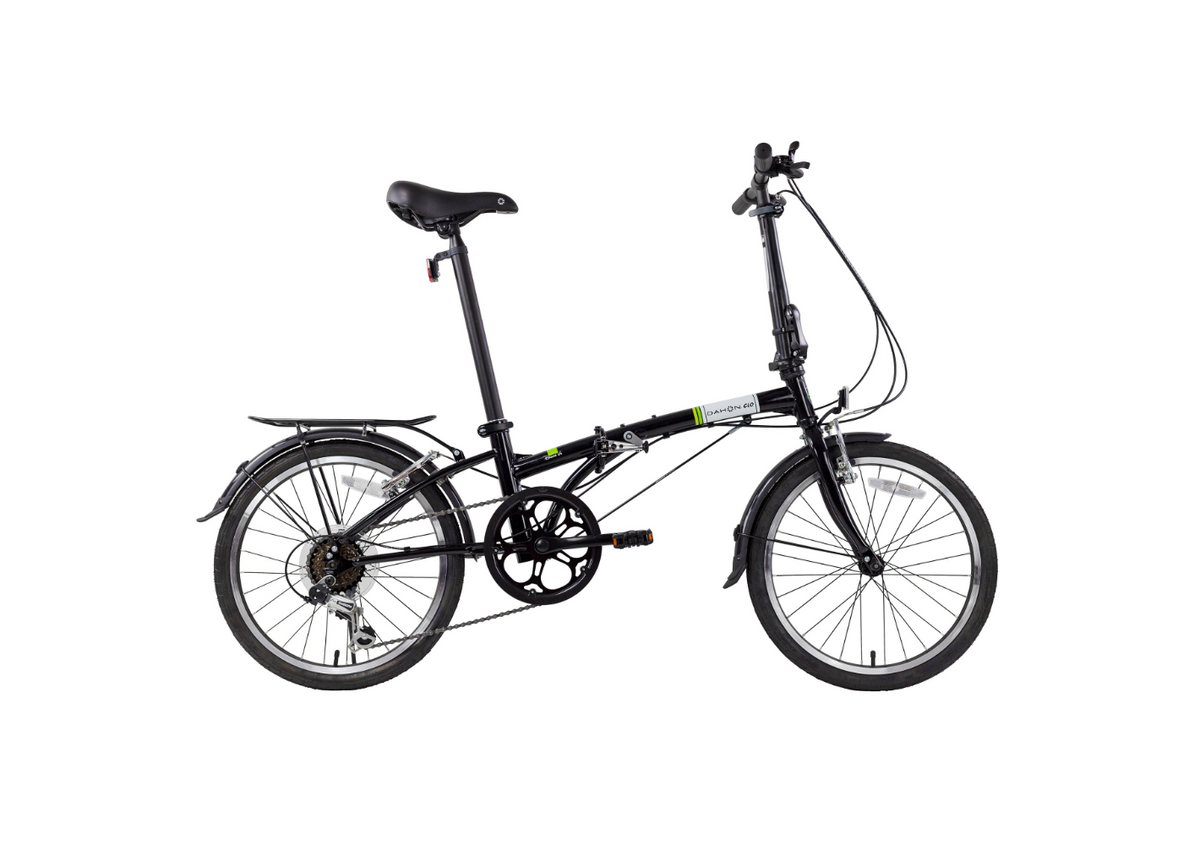
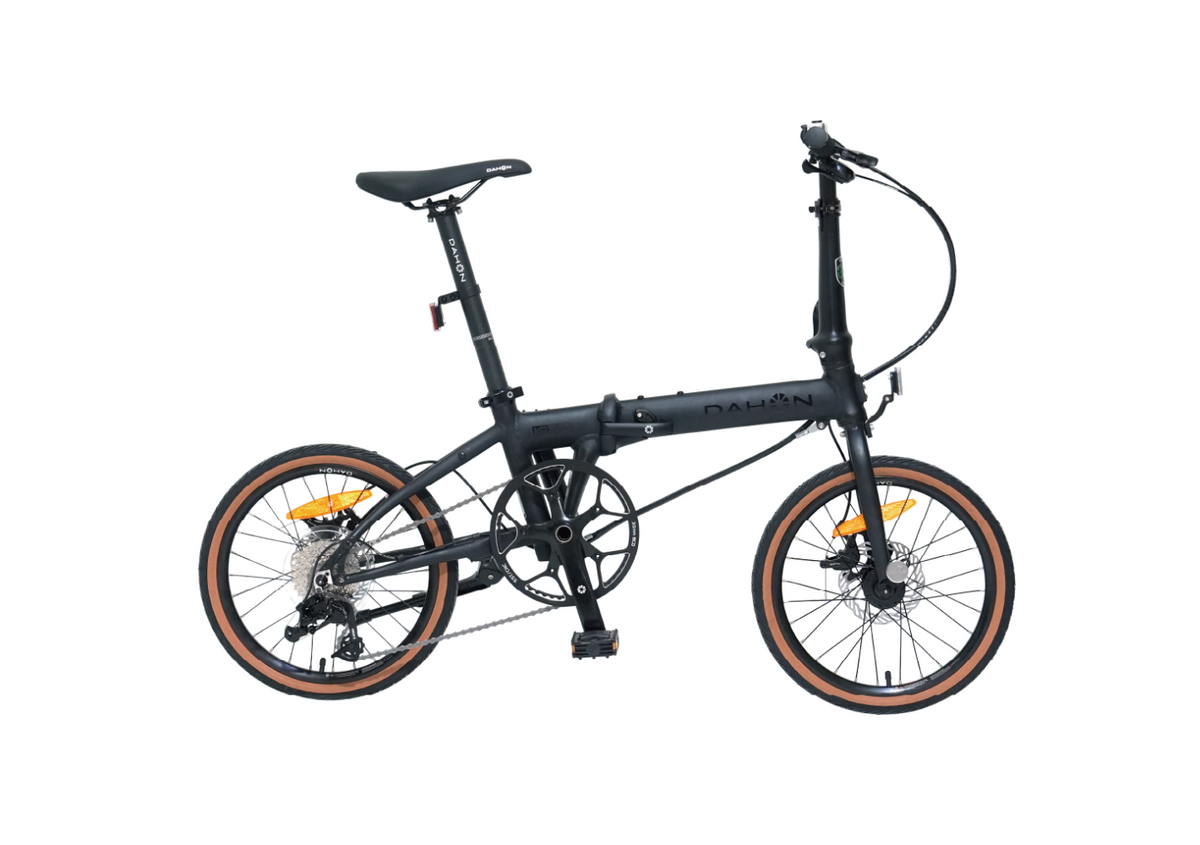
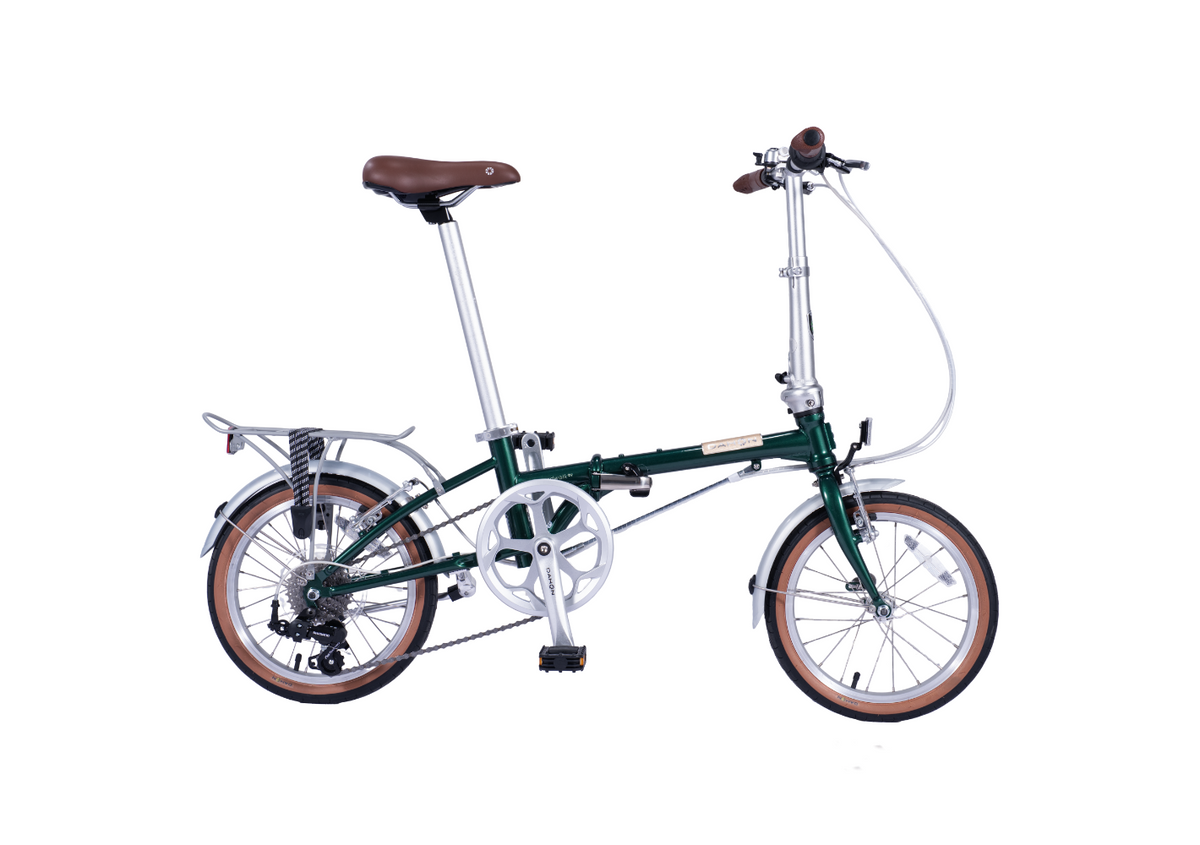
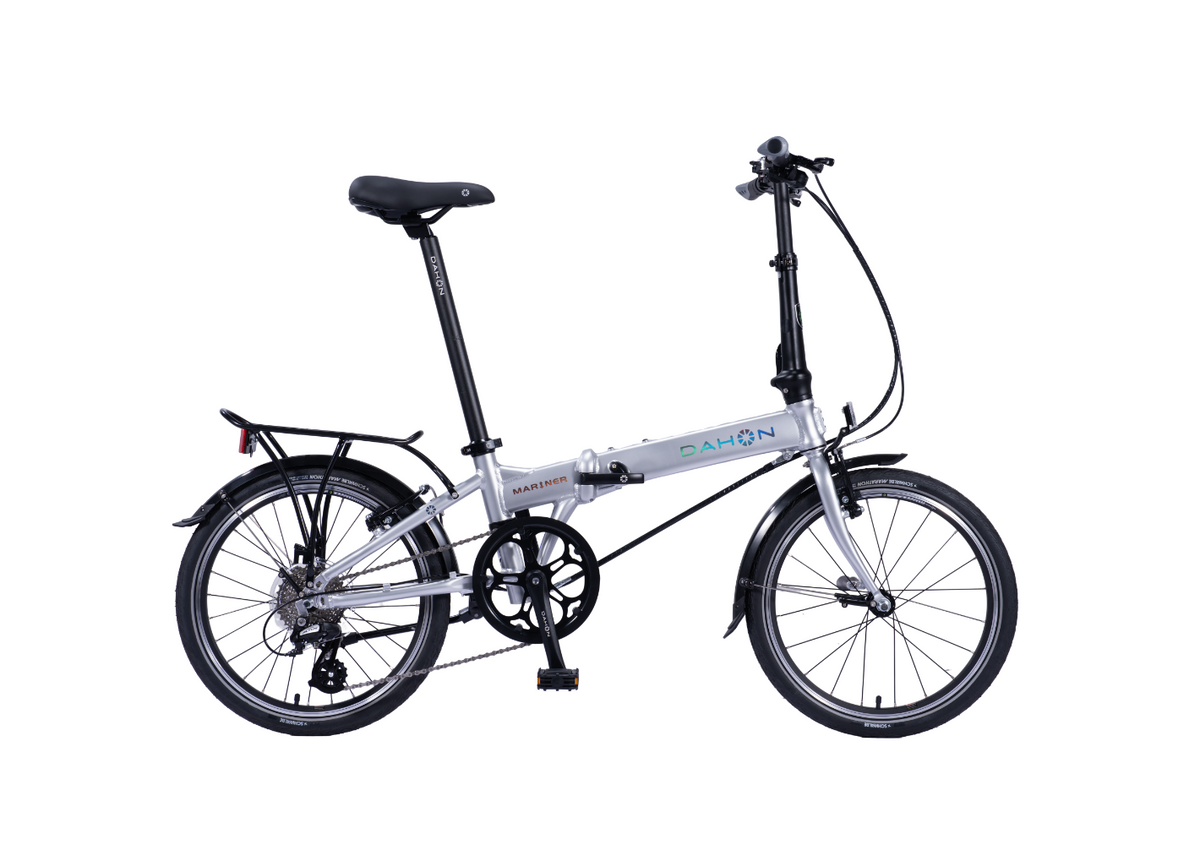
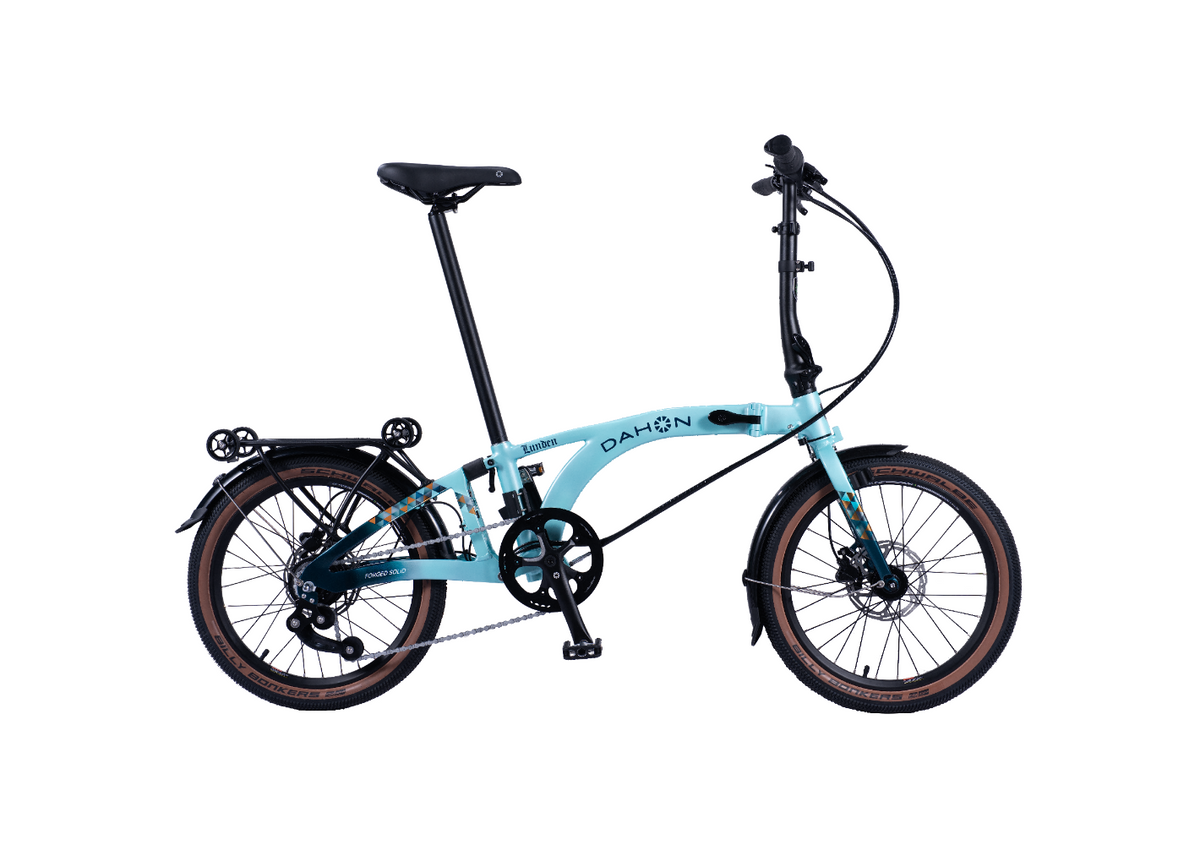
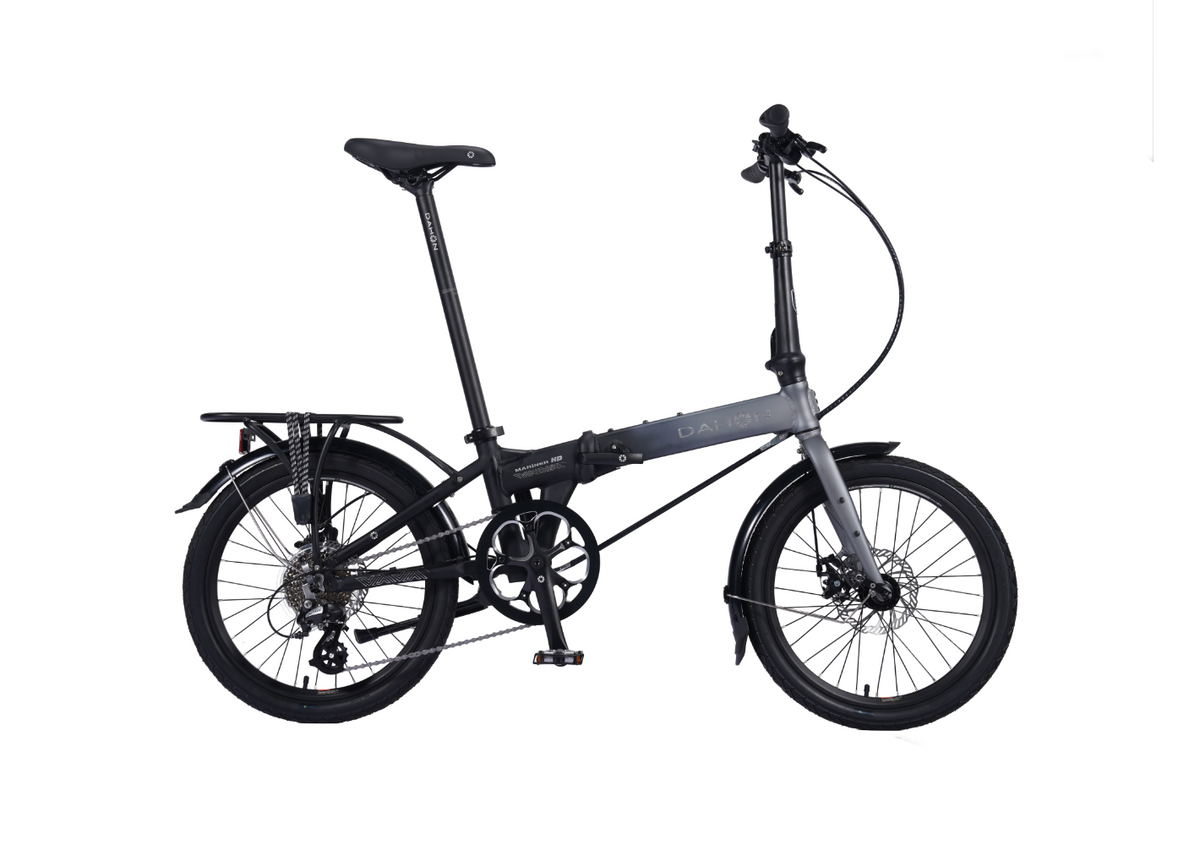
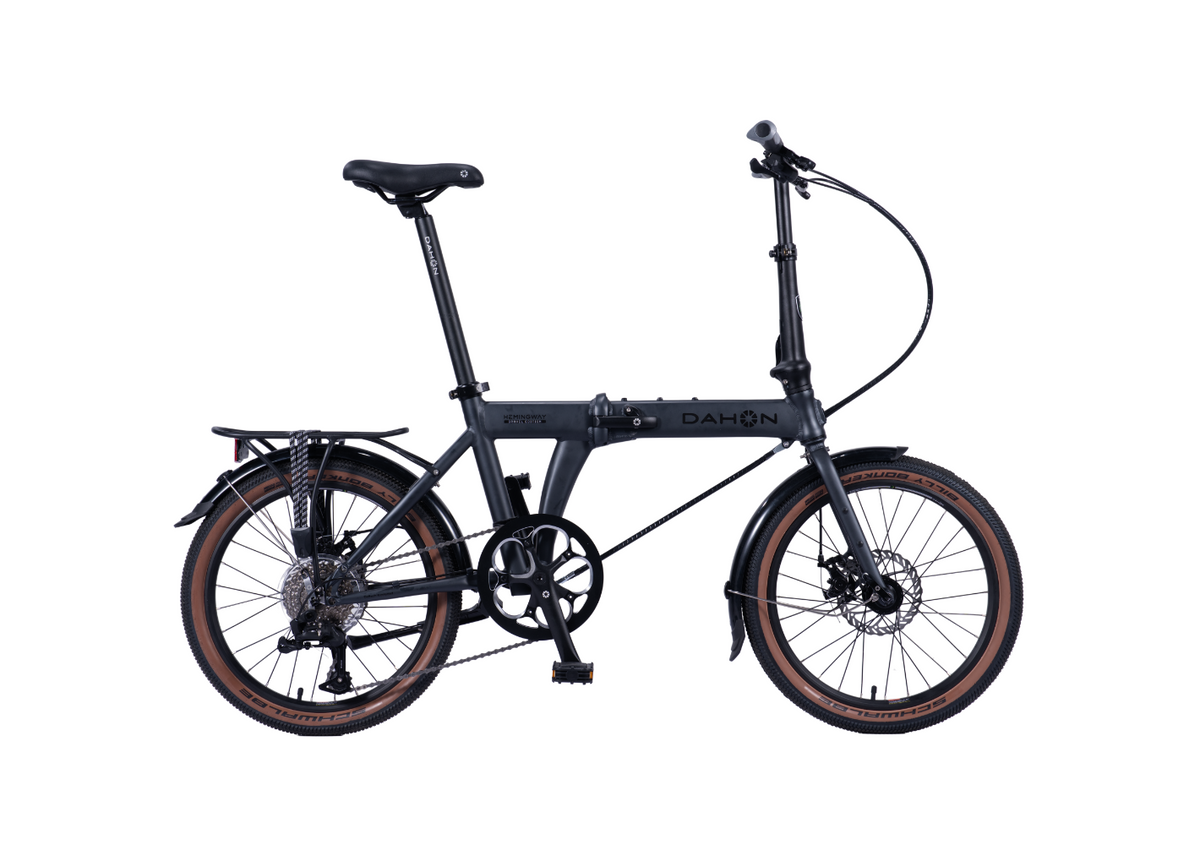
A lightweight folding bike for commuting can be an option for the first or last mile — provided the folding point, carry route, and storage location actually work for you. What matters is not the product label, but the routine at your transfer point.
Plan Lighting and Riding Readiness for Dark Routes
Before every relevant early, late, or night shift, do a quick light and readiness check. If the lights don't work, are misaligned, or aren't suited to the route, use your prepared alternative instead of forcing the ride.
Check Lighting and Visibility Along the Route
Check function and alignment before each ride. For rides at dusk and in the dark, your bike lights should be operational and suited to the route. The lighting equipment must comply with current StVZO regulations and manufacturer specifications for the specific riding conditions. Reflective elements and bright clothing can improve visibility, but they don't replace functioning lights.
- Check before setting off that headlights, taillights, and reflectors work and are properly aligned.
- Factor in unclear intersections, glare zones, poorly visible turns, and dark sections when assessing the route.
- Decide in advance when your prepared public transit, pickup, or interim solution will replace the ride.
Decide on Riding Readiness Before You Start
Set clear criteria before your shift for when you won't ride. Fatigue after a long shift, strong glare, rain, or an unfamiliar route are practical abort criteria. Use your designated public transit, pickup, or interim plan instead.
Especially when you're riding to work at night with a folding bike or commuting home after a night shift, the decision shouldn't be made on the road. A familiar route and functioning lights help with preparation, but they don't guarantee a safe ride in every weather or traffic condition.
Establish Folding, Carrying, and Storage Points Before Your First Shift
Test the entire routine once outside of time pressure. The critical point is often not the folding itself, but stairs, doors, elevators, platforms, and the path from the transfer point to the workplace.
Check Folding and Carry Routes at the Transfer Point
Pick a fixed folding point away from tight spaces and heavy passenger flow. Then check:
- The folding point: Is there enough space without blocking walkways?
- The carry route: Can you reach the platform, vehicle, and workplace using the actually available doors, stairs, or elevators?
- An alternate folding point: Where can you fold under time pressure or if you miss a connection, without improvising the process?
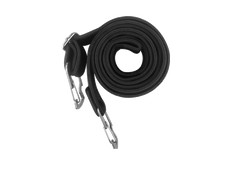
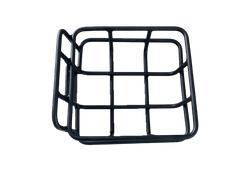
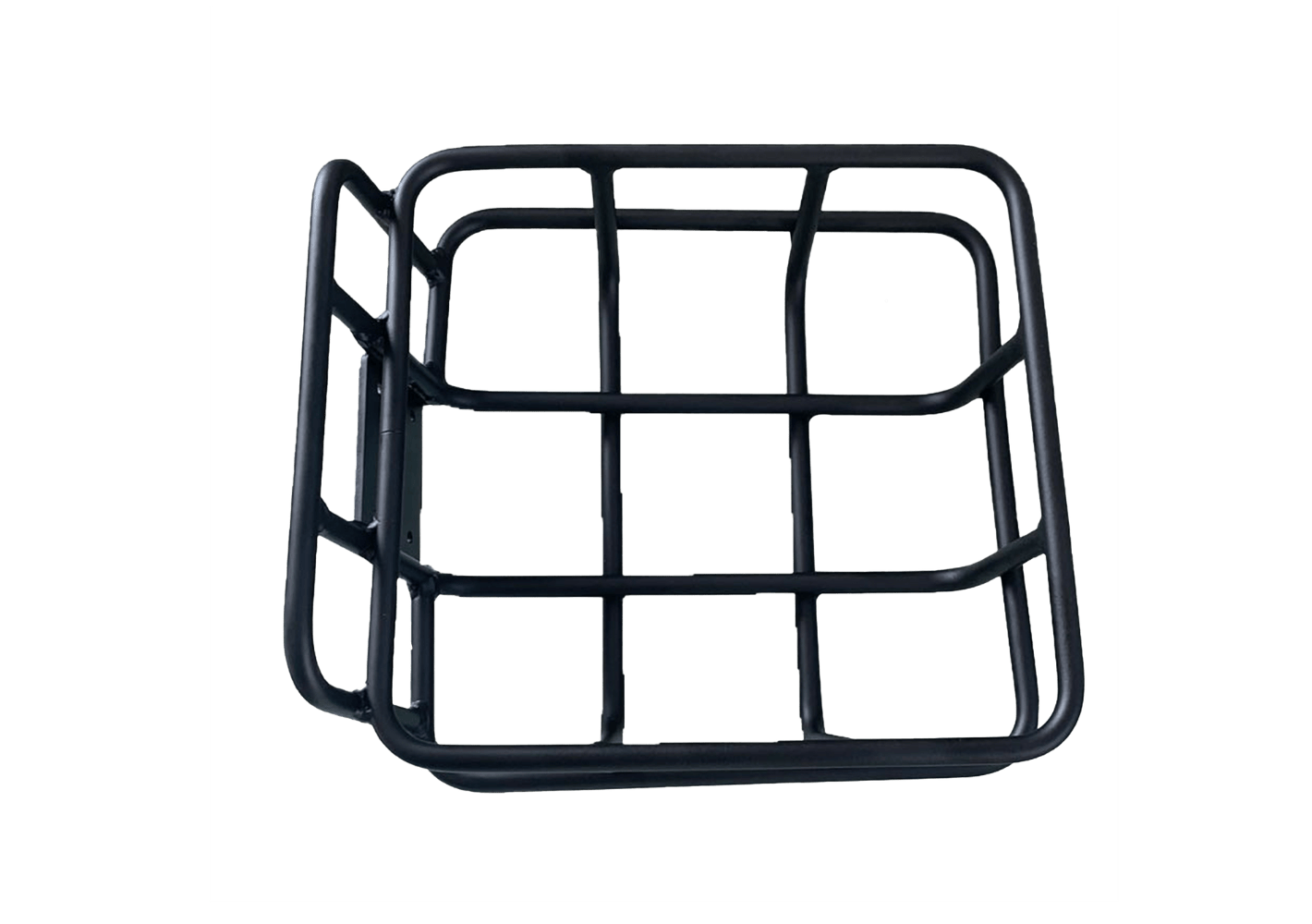
Factor in grip options and longer carry sections into your time buffer. Folded dimensions alone don't tell you whether the route works during a shift change. For supplementary transport solutions, you can check out transport and storage accessories. However, this doesn't imply any specific portability or suitability for your specific workplace.
Clarify Workplace Storage Conclusively
Clarify access, a dry storage location, company permission, and the option to lock up or stow the bike securely — each separately. With an e-folding bike, the battery and charger need to be part of the same discussion. Don't assume a bike room or power outlet is available.
If any of these points remain unresolved, don't count on the folding bike as a reliable solution for that shift. Only an actually accessible and permitted storage location makes the routine repeatable.
Integrate E-Folding Bike Charging into Your Shift Routine
With an e-folding bike, battery planning starts with the initial charge level and doesn't end until you have an independent return-trip alternative. Range and charging time can't be stated universally for every shift, because the model, distance, weather, weight, and riding style all affect the demand.
| Shift Phase | Charging Decision |
|---|---|
| Departing from home | Note the charge level for both the outbound and planned return legs — not just the outbound trip |
| During the shift | Only plan a charging window if the location, permission, and usage are actually confirmed |
| End of shift | Choose the return route based on remaining battery level and your prepared transport alternative |
| No charging window | The return trip must work without spontaneous recharging — for example, via public transit or another vetted solution |
Only plan to charge at the workplace with prior approval, a suitable charging location, and clear company guidelines. The charging point should be dry and must not be located in escape or emergency routes. Also use the correct, manufacturer-approved charger.
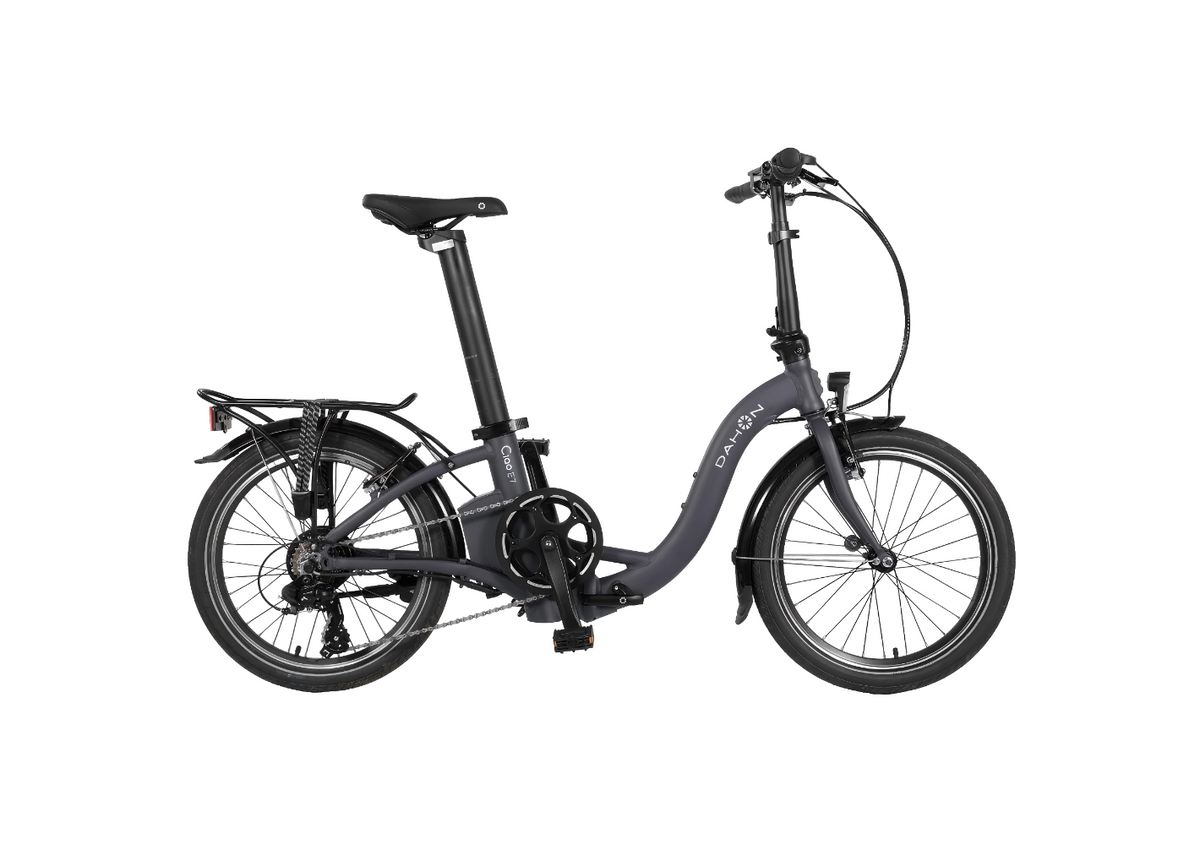
For battery planning with an e-folding bike for shift work, you can only mark a charging window as a fixed component of your plan if these conditions are met. Without a confirmed charging location, the return trip must work independently of a spontaneous power outlet. Further tips on charging an e-folding bike in daily work life can supplement your preparation, but don't replace specific data about your model and route. If you want to compare models, use the overview to compare folding e-bikes, then match the verified product data with your shift plan.
Set a Reliable Plan B for Every Shift
A Plan B needs an actionable trigger point and a clear decision — not just a note to "figure it out if needed." Define an alternative for both the outbound and return routes:
- Recognize the abort condition: poor visibility, limited riding readiness, unsuitable weather, delays, or a missed connection.
- Secure the folding bike: take it with you, fold it at the designated point, or leave it only at a pre-arranged location.
- Use the defined alternative: a later connection, a vetted interim solution, a pickup, or a predominantly public transit route.
- Afterward, only adjust the affected shift plan. If the night-shift return was the problem, modify that specific section — not the entire commuting model.
This keeps the use of a folding bike for shift work flexibly adaptable. The right approach can look different for each shift: a full folding bike ride, folding bike plus public transit, or predominantly public transit. Choose the option whose lighting, riding readiness, carry route, storage, charging plan, and fallback point are actually confirmed before the first corresponding shift.
Frequently Asked Questions About Folding Bikes for Shift Work
Each shift warrants its own decision: full folding bike ride, folding bike plus public transit, or predominantly public transit. The key factors are the specific outbound and return routes, your riding readiness, and a pre-defined alternative.
Is a folding bike suitable for daily commuting with shift work?
Yes — provided that for each shift and direction, you have a workable segment plan, a folding and storage point, and an alternative for darkness, fatigue, weather, or missed connections. Suitability is therefore more a question of a repeatable routine than a blanket purchasing decision.
How do you plan the return trip after a night shift with a folding bike?
Plan it independently of the outbound trip, taking into account lighting, public transit frequency, your own riding readiness, and a pre-defined abort point. If your readiness is limited, use the prepared alternative rather than spontaneously extending or forcing the return ride.
Can an e-folding bike be charged at the workplace?
Only if the employer agrees, a suitable charging location is available, and the manufacturer's instructions and charger specifications are followed. Without a confirmed charging option, the return trip should work without spontaneous recharging.
Is the combination of folding bike and train worthwhile for changing work hours?
It can be worthwhile if the train covers the longer section, the folding bike handles a concrete first or last mile, and the bike carriage conditions for your specific connection are clear. Deutsche Bahn's rules for folded bikes don't automatically apply to other transit operators.