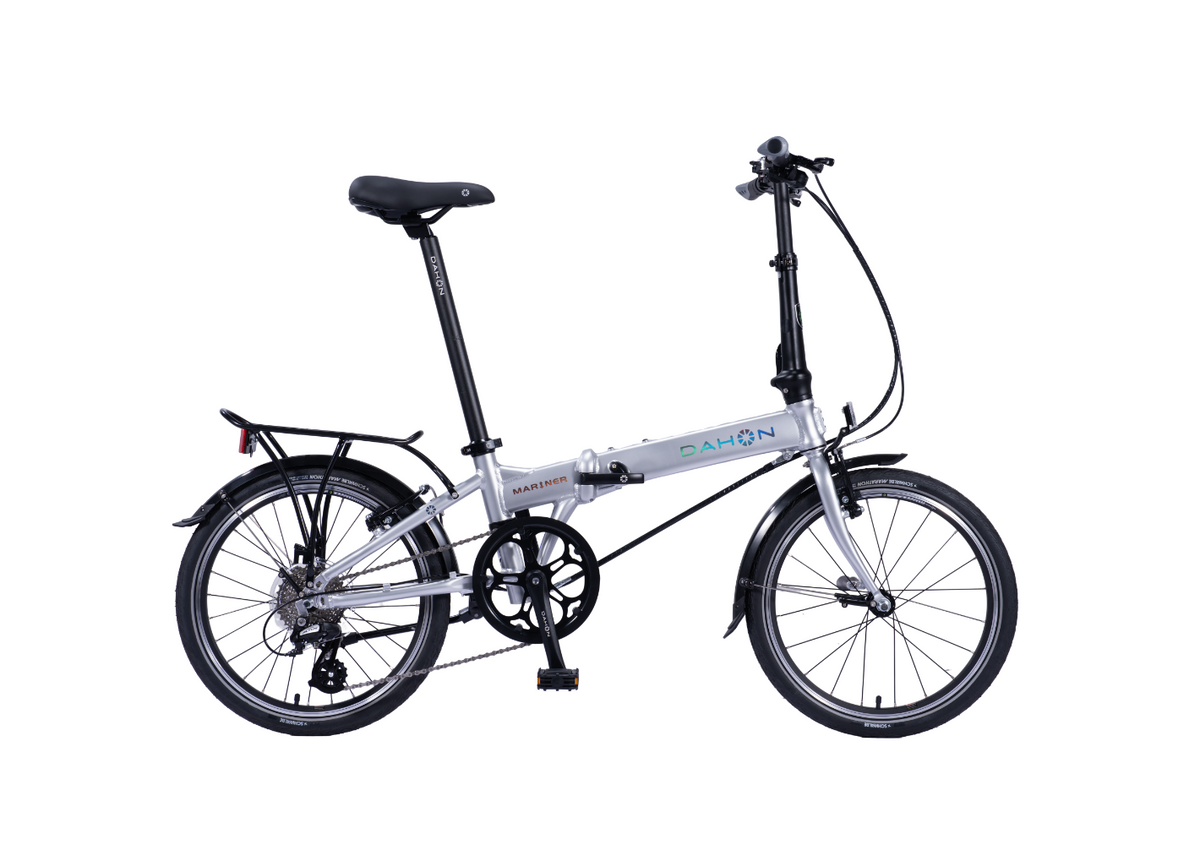
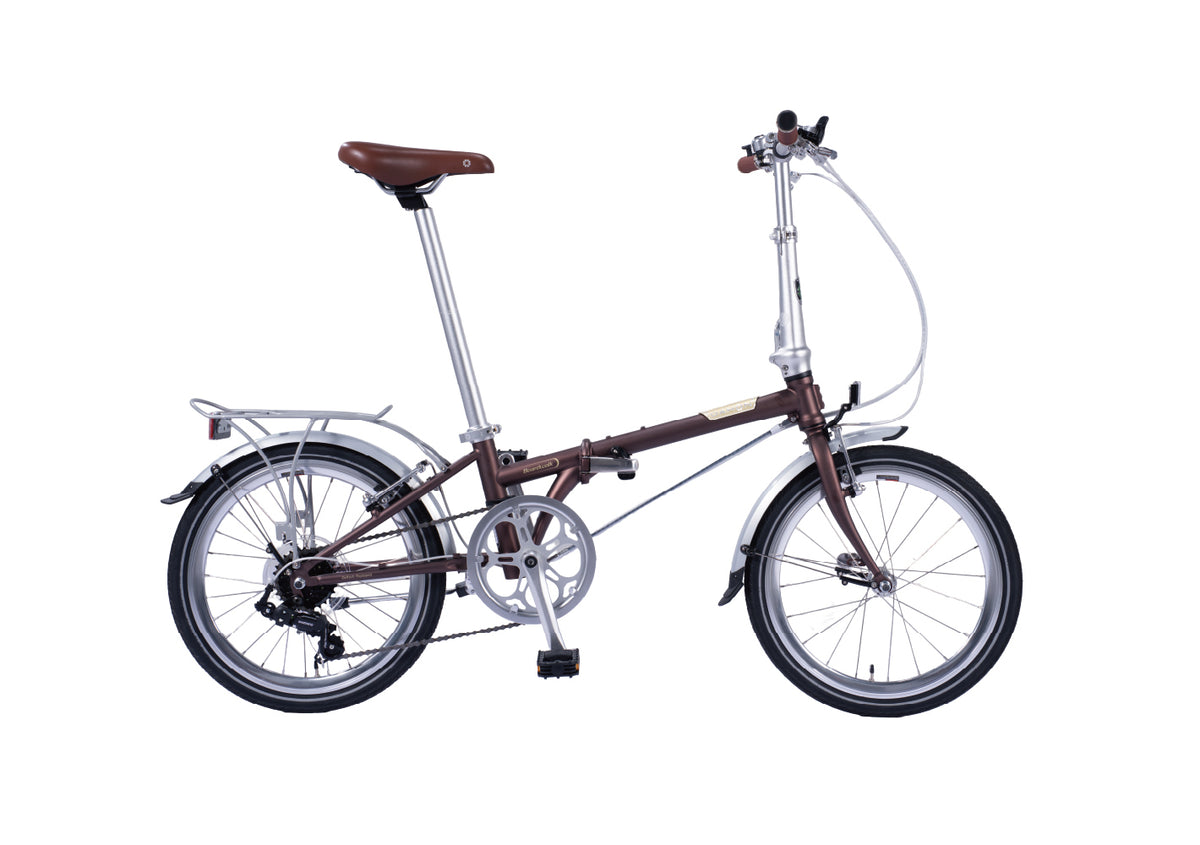
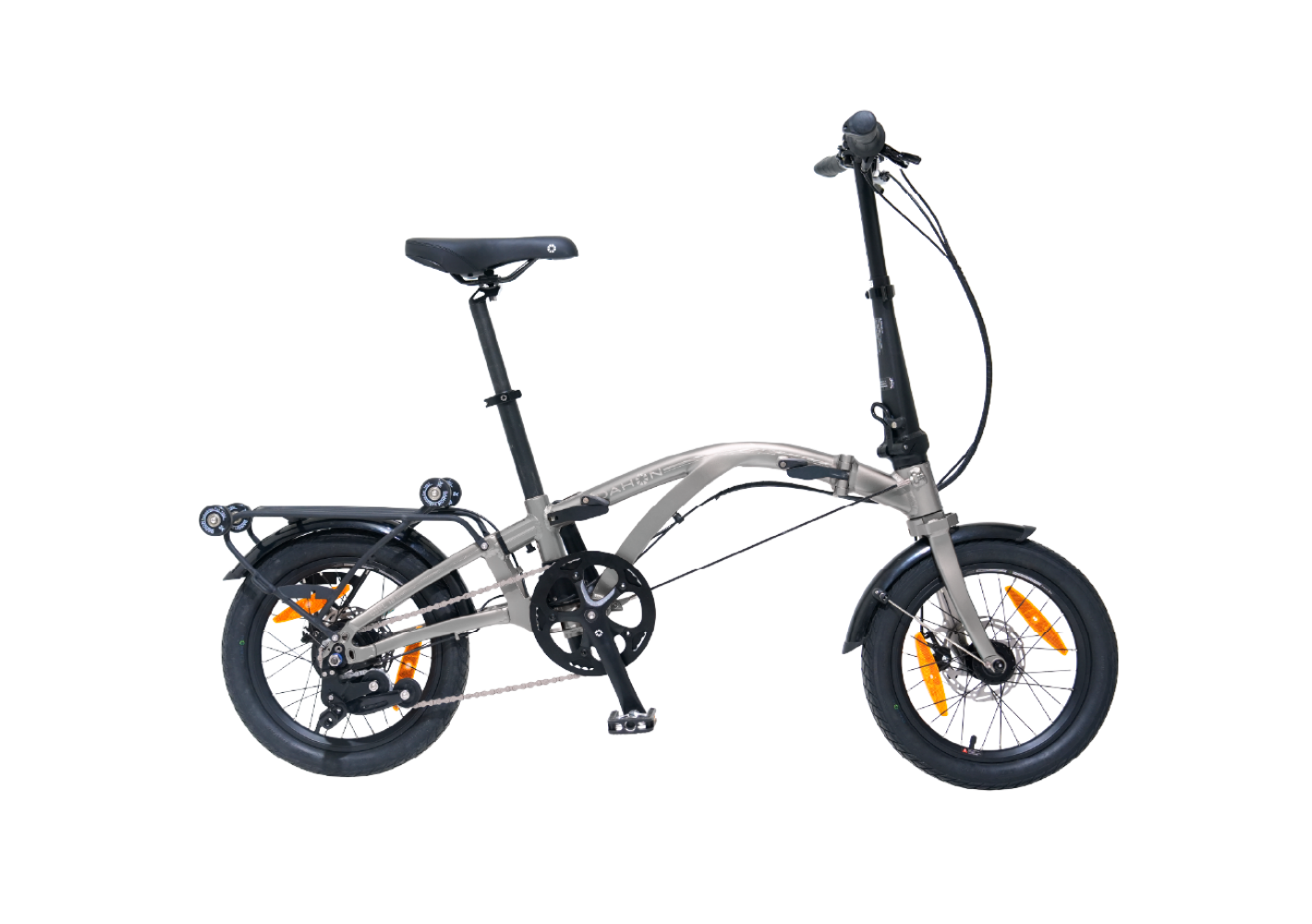
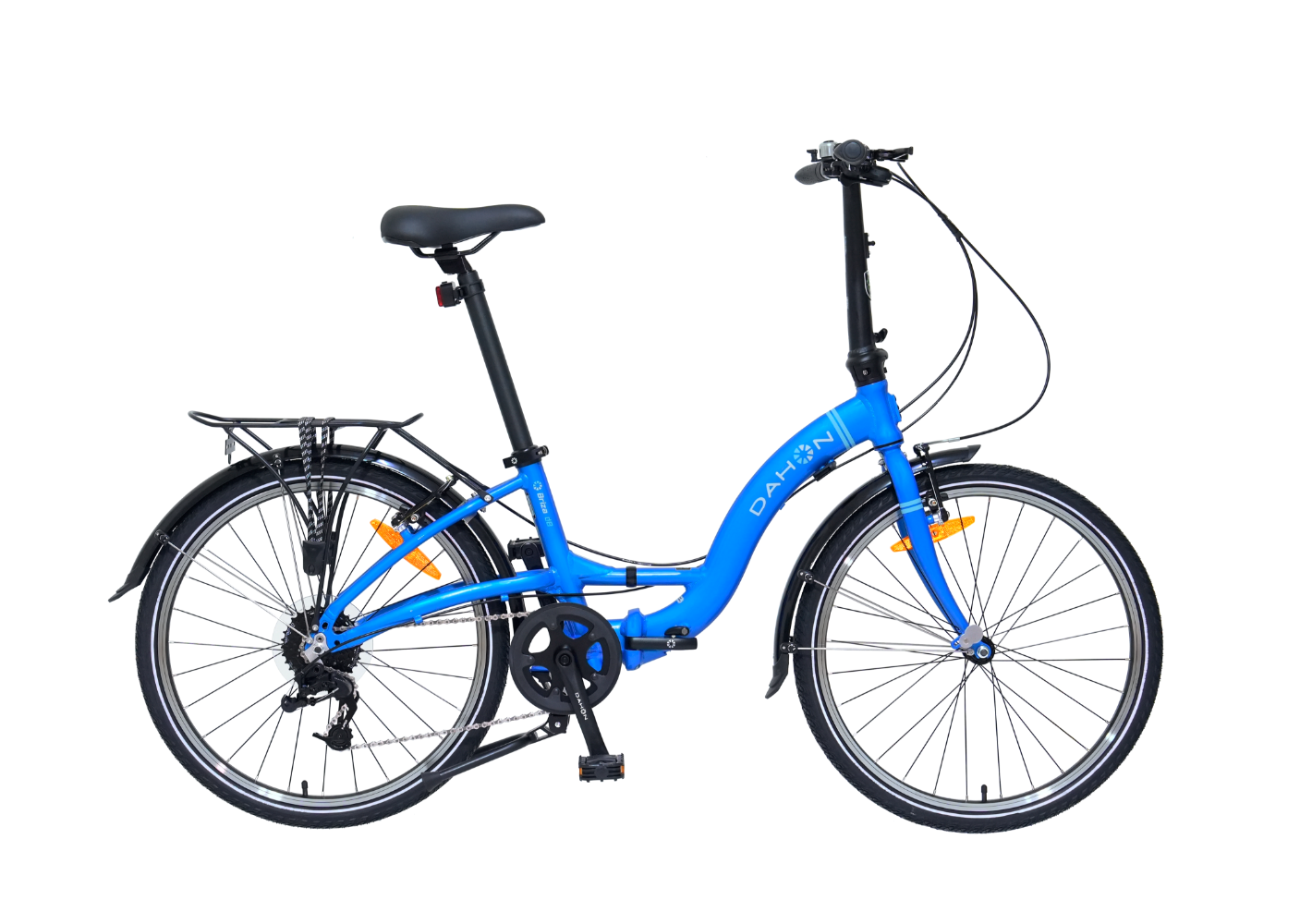
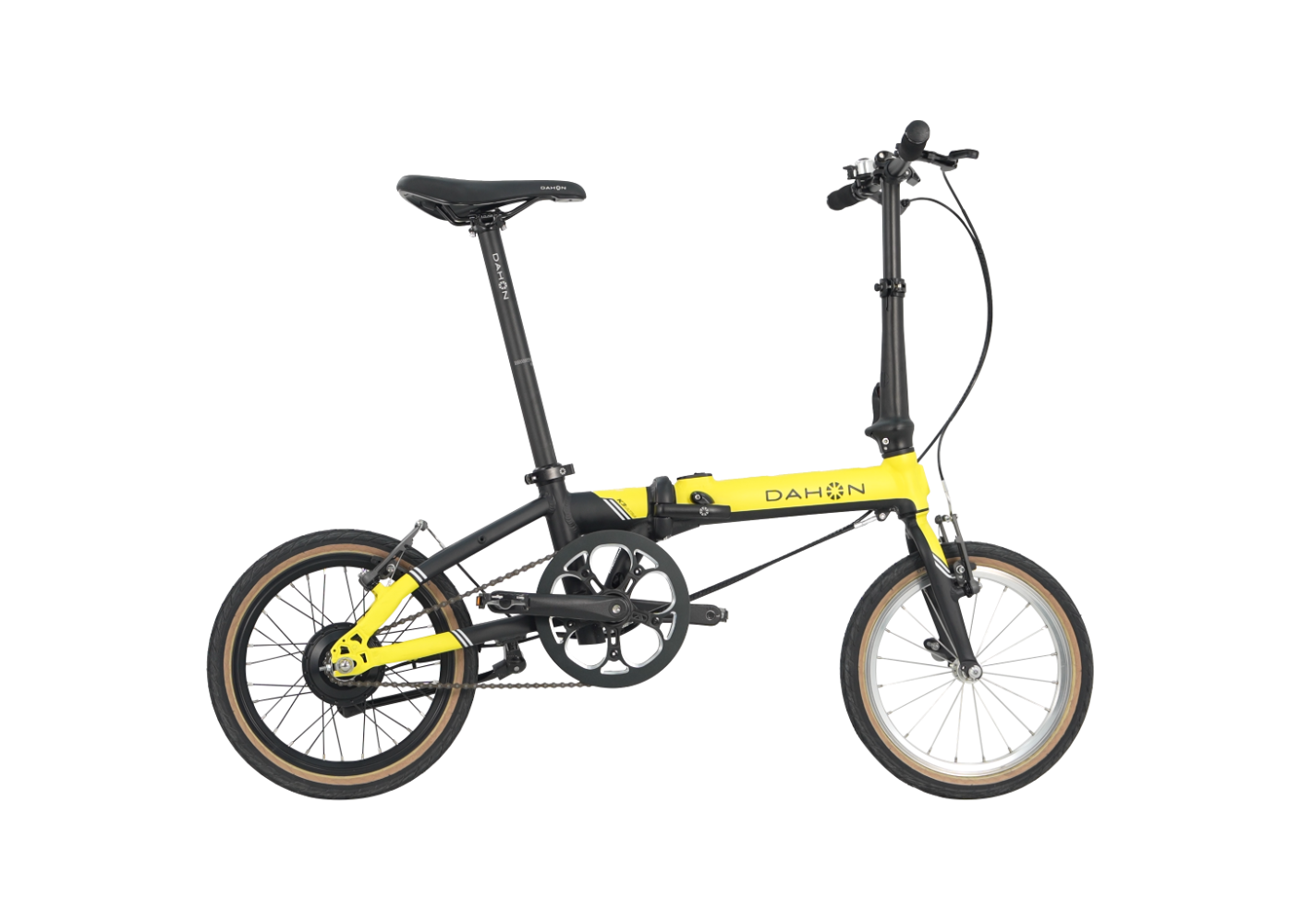
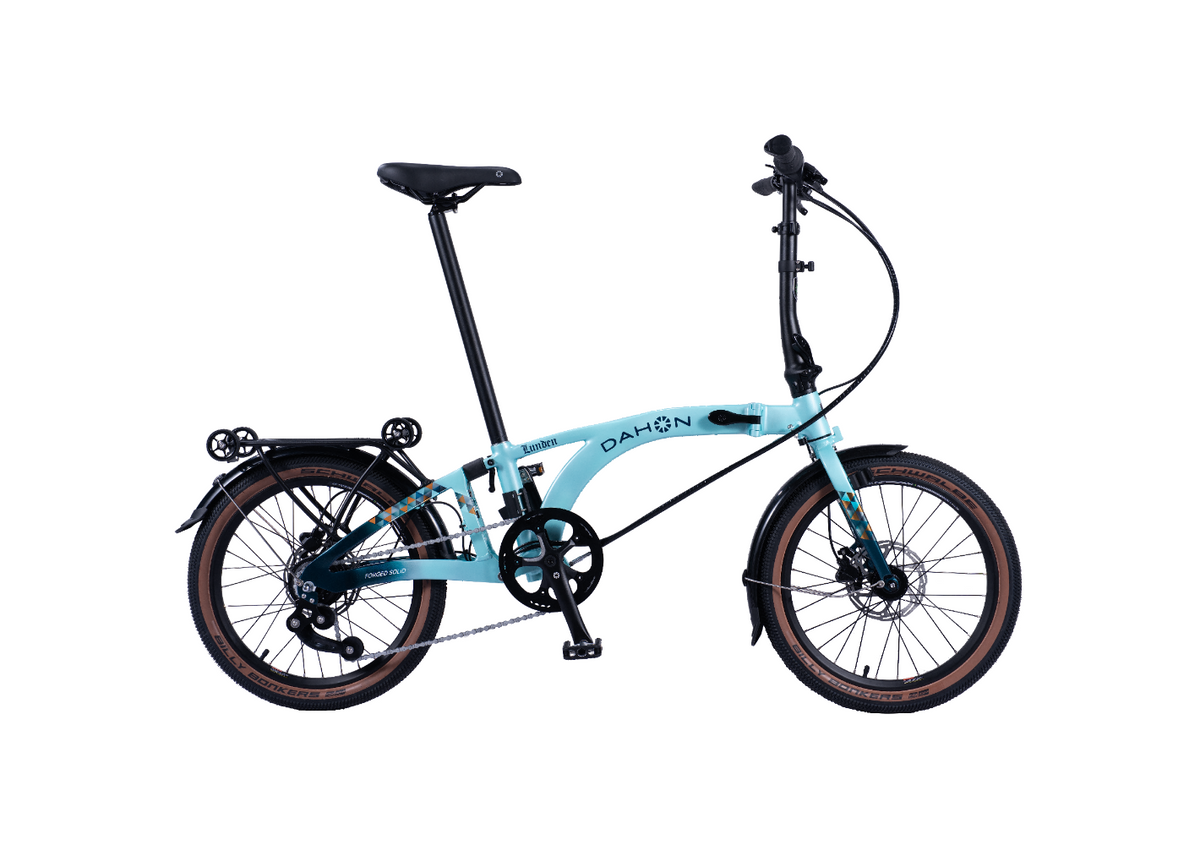
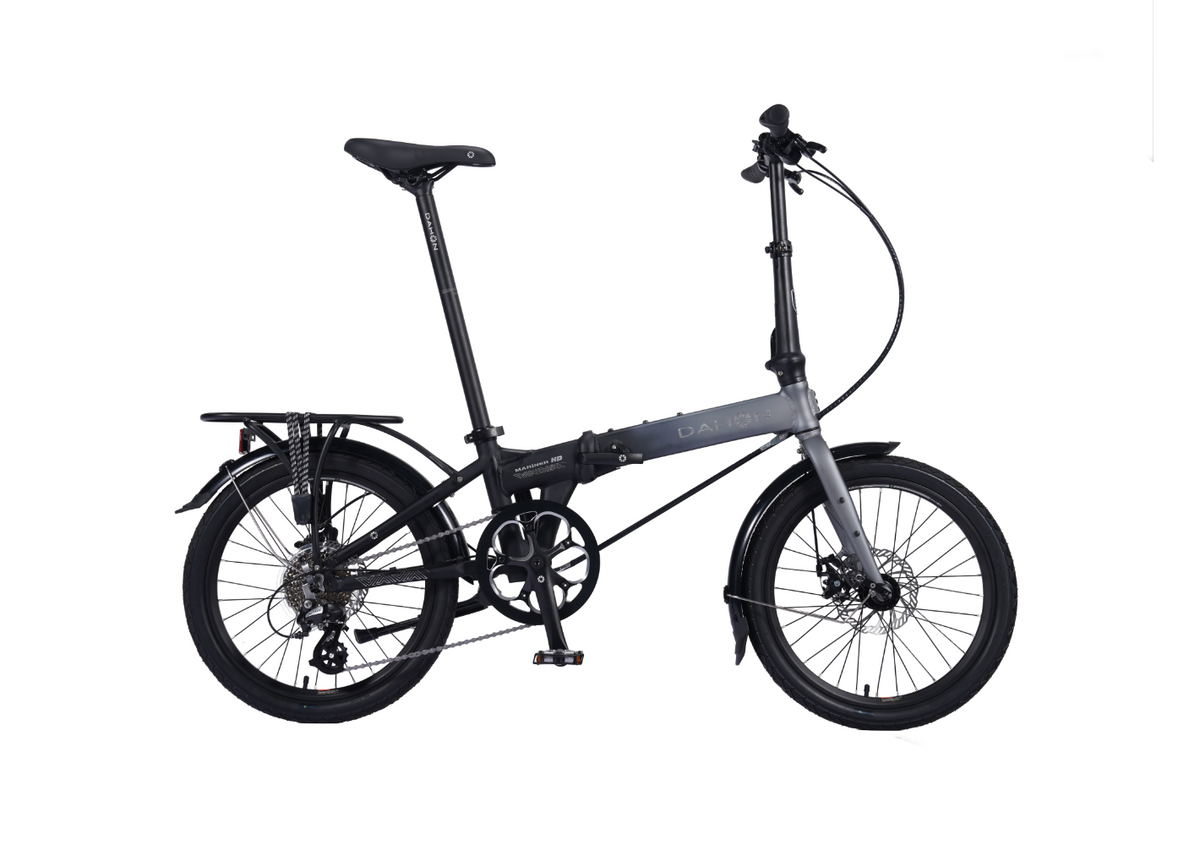
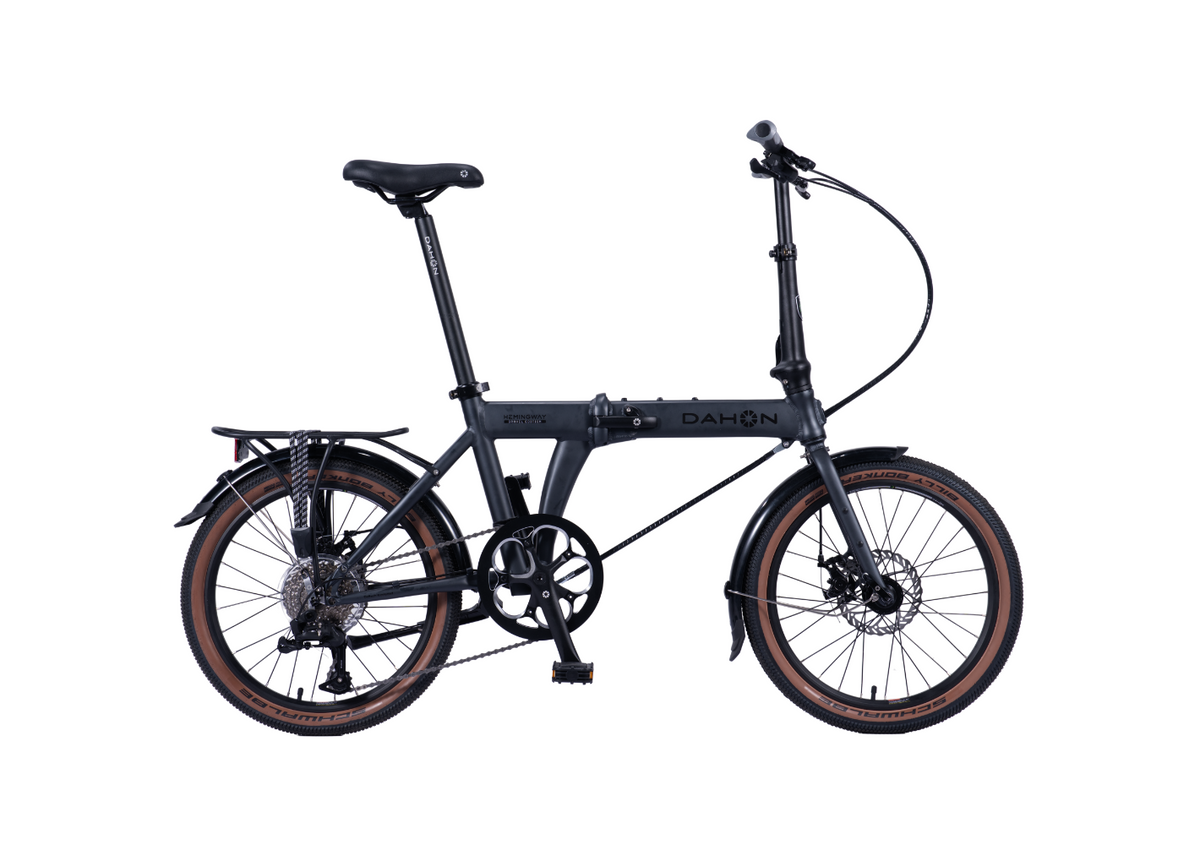
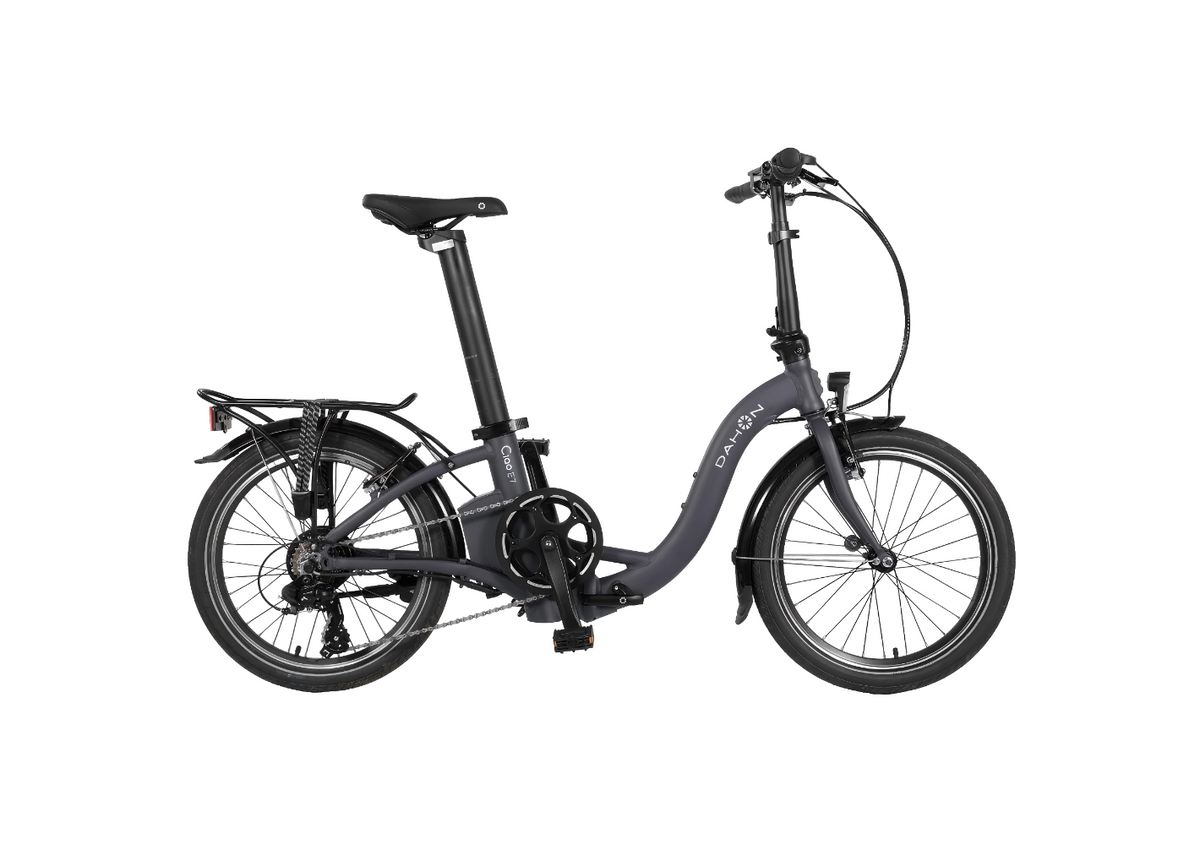
To estimate folding bike costs per errand, add the purchase price, the maintenance you expect over a chosen ownership period and any accessories you still need to buy. Then divide that total by the number of errands you will actually ride in the same period. With occasional use, the same fixed costs are shared by fewer trips, so each errand carries a larger share.
Ownership makes the most sense when the bike replaces journeys you would otherwise pay for, or when it gives you access that sharing does not. Treat that convenience as a separate benefit, not as a guaranteed saving.

Calculate the cost per errand
Use one ownership period for every cost and for the errand count. If the periods don't match, the result will be misleading.
Build one ownership-period total
The formula is: (purchase price + maintenance during the period + accessories you must buy) ÷ errands completed during that same period. Choose a period you expect to keep the bike, such as three or five years. Next, estimate the servicing for those years. A local workshop quote gives you a firmer number. For a France-based reference, Decathlon France lists a €40 bicycle revision and includes intermodal bikes among the types its workshops service. That is the price of one service, though. It doesn't tell you how often you need one or what parts and repairs will cost. Our guide to Klapprad maintenance costs explains how to estimate upkeep and wear.
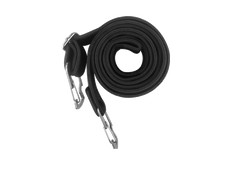
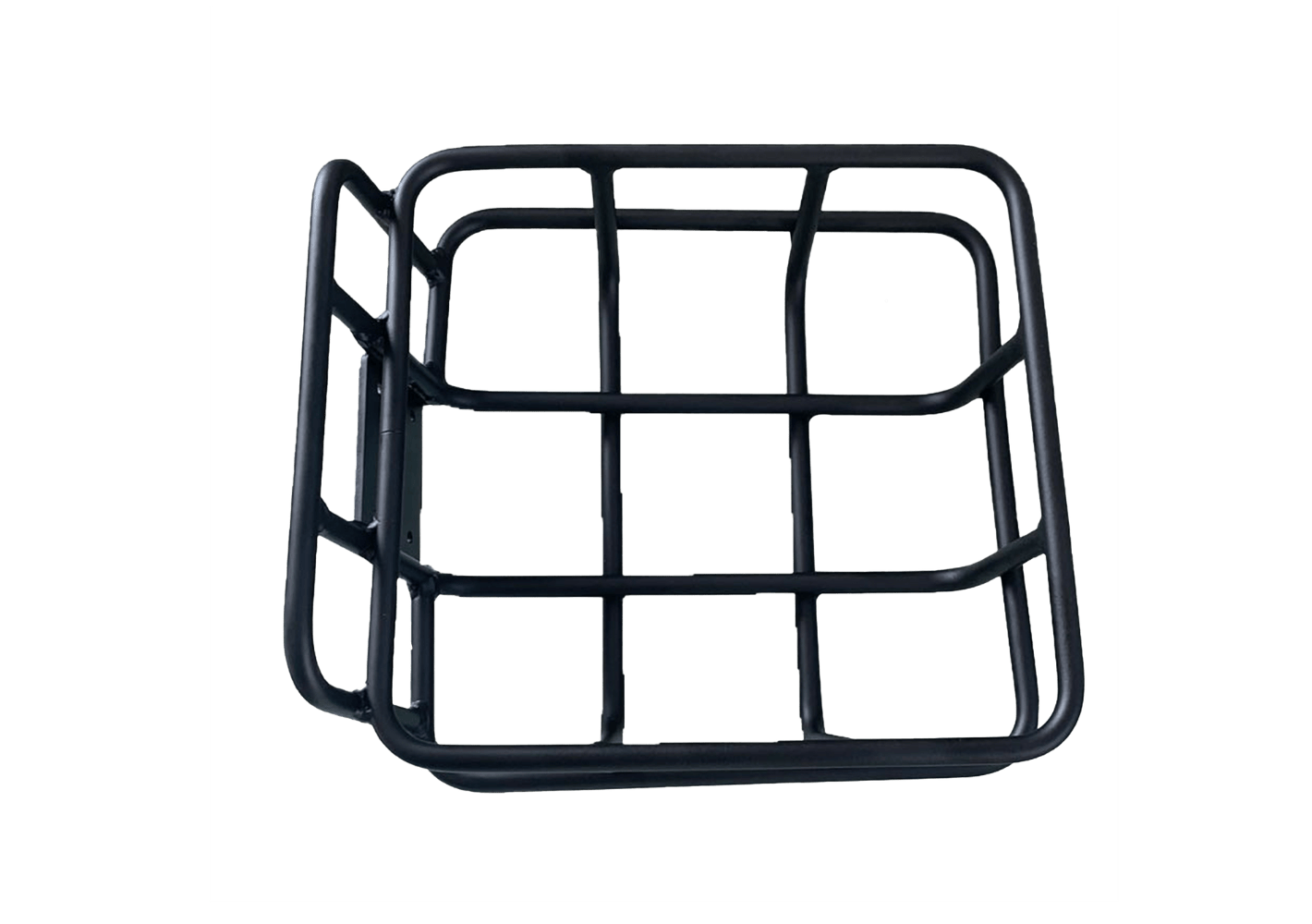
Only count accessories you really have to buy. Leave out anything the bike already comes with and anything you already own. If you need extras, bike accessories such as racks and fenders can be priced separately and added to the total.
Worked arithmetic example: not a local market estimate
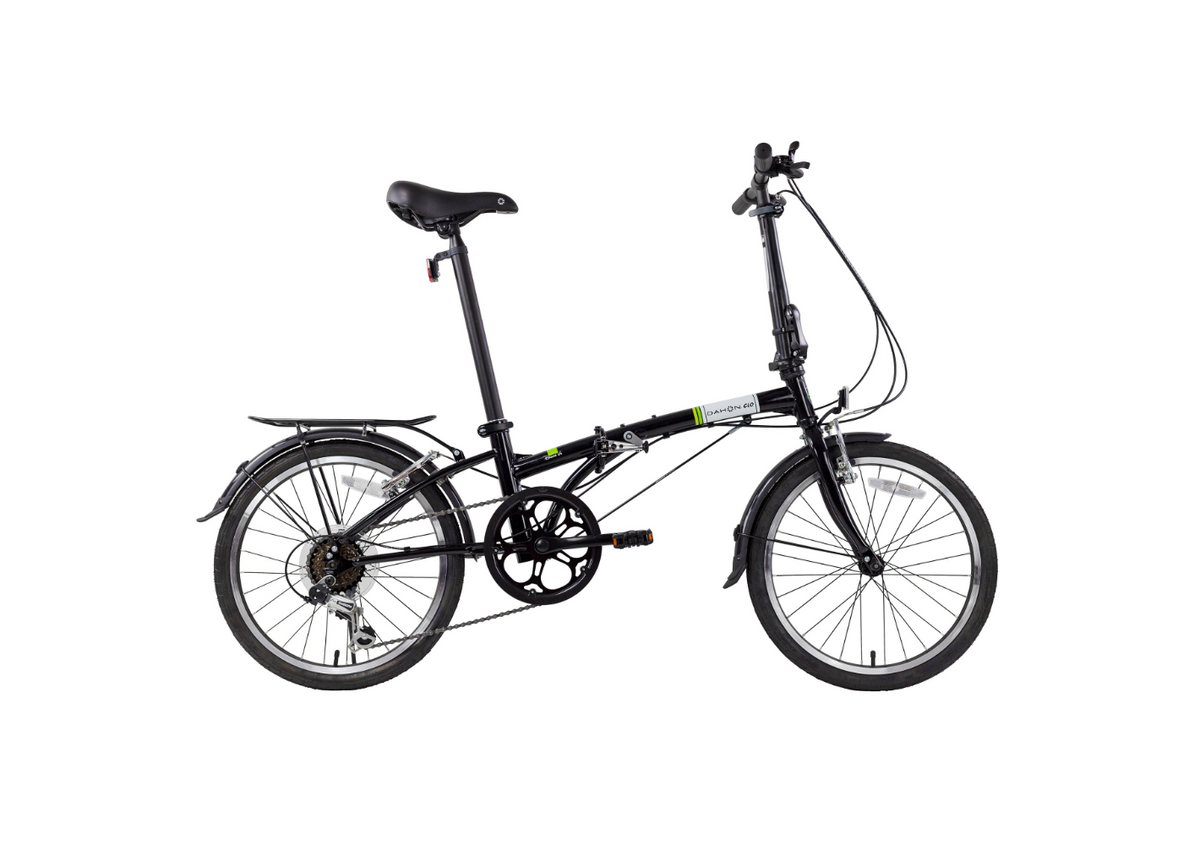
This example is illustrative. It assumes a five-year period with 12 errands per year, so 5 × 12 = 60 errands. The purchase price is €679, the listing for our HIT D6 on our German store. Maintenance is included as a planning reserve of €60 per year to illustrate the calculation. Accessories are €0. Our listing says the rack and fenders are fitted, and the example assumes you already own a lock and lights.
Total: €679 + (€60 × 5) + €0 = €979. Per errand: €979 ÷ 60 = €16.32.
If you ride only six errands a year, the same €979 over five years works out at about €32.63 per errand. Swap in prices from where you live, and from our folding bike range or any bike you are considering, before you draw any conclusion.

Compare it with the option you would actually use
The comparison only means something if you price the alternative you would really use for the same errands. That could be bike sharing, a paid public transport journey, or walking with no fare at all.
Paris Vélib': price a short classic-bike hire
In Paris, Vélib' lists the Paris €5 classic-bike 24-hour pass. It includes 30 minutes on a classic bike, and each additional 30 minutes costs €1. Since the pass lasts 24 hours, it can cover more than one trip. Two short errands on the same day may cost €5 in total, not €5 each. A single errand that needs a longer ride costs more because of the extra time. So work out the price from your real trip count, how long each ride takes and when the trips happen. This tariff applies to the Paris service only.
Separate cash cost from convenience
Sharing only works if a bike is there when you need it on your route. You can look up the Vélib' station map for Paris to see where stations are. It shows locations, not whether a bike will be free for your errand. Owning a bike means one is always ready at home, which can matter when the timing or access of sharing doesn't fit your errand. Count that as convenience, not as money saved. The worked example above uses a German store price and an assumed maintenance figure, so it can't tell you whether owning beats Vélib' in Paris. For longer-term options, you can also compare buying and renting.
Make the comparison with your local inputs
- Pick the period and the errands you expect, and use the same count for both options.
- Enter your local bike price, a maintenance quote and only the accessories you need. For the alternative, use the tariff that covers the same trip pattern.
- Compare the money first. Then decide separately how much access and convenience are worth to you.
FAQs
Does resale value change the cost per errand?
Yes, it can. If you expect to sell the bike at the end of the period, subtract a realistic resale amount from the total before dividing. Use only a figure you can back up, such as current asking prices for the same model where you live.
Should I count a lock and lights if I already own them?
No. Count only what you will buy for this bike. If you would need to replace an old lock or lights during the period, add that purchase at the time you expect to make it.
What if my alternative is walking rather than a paid journey?
Then there is no fare to save, and the case for owning rests on time and convenience, not cash. The cost per errand still shows what that convenience costs you, which helps you decide whether it is worth paying for.