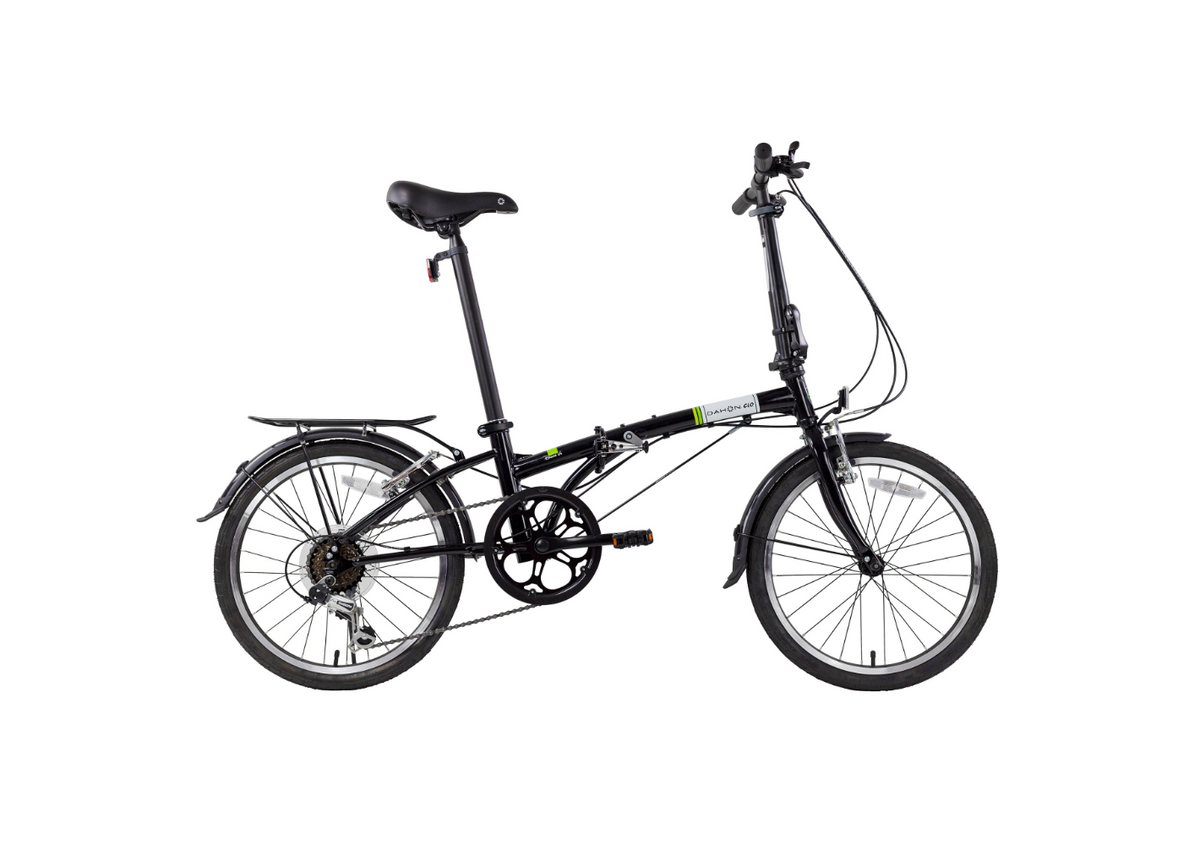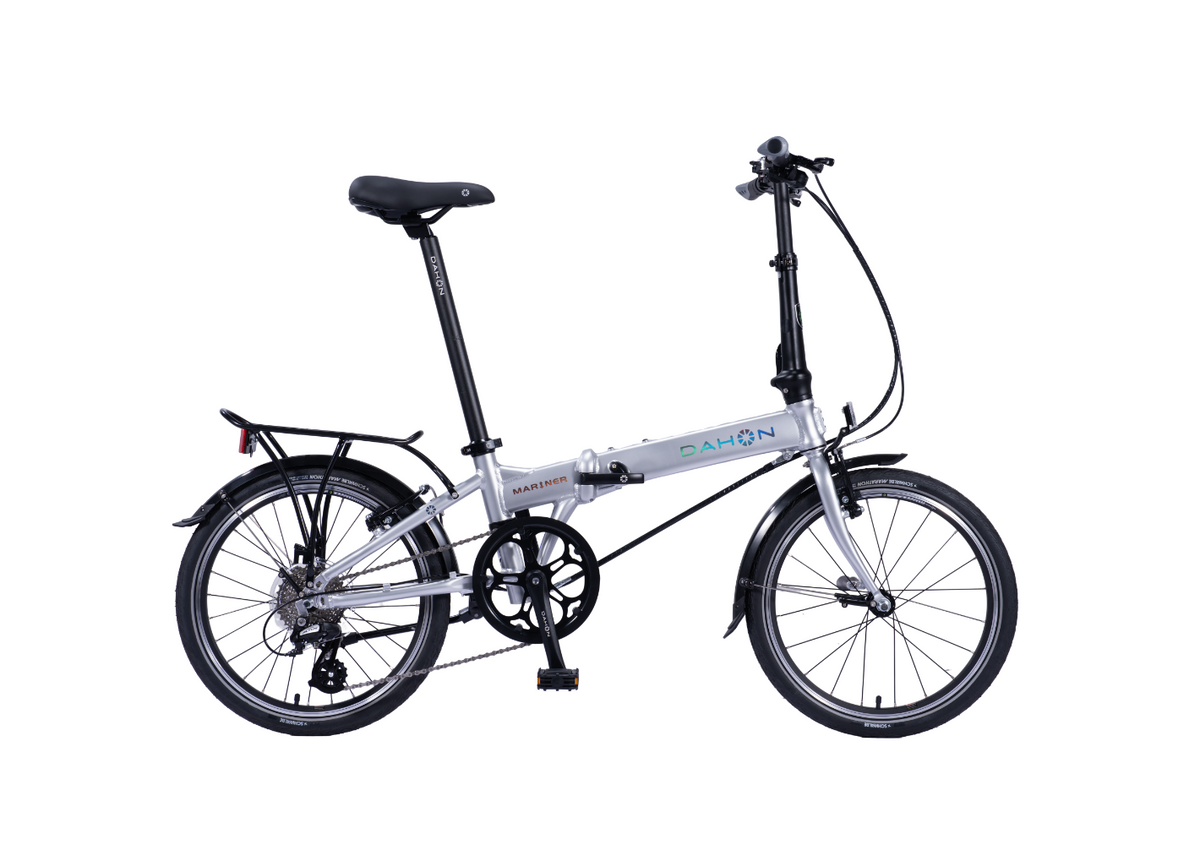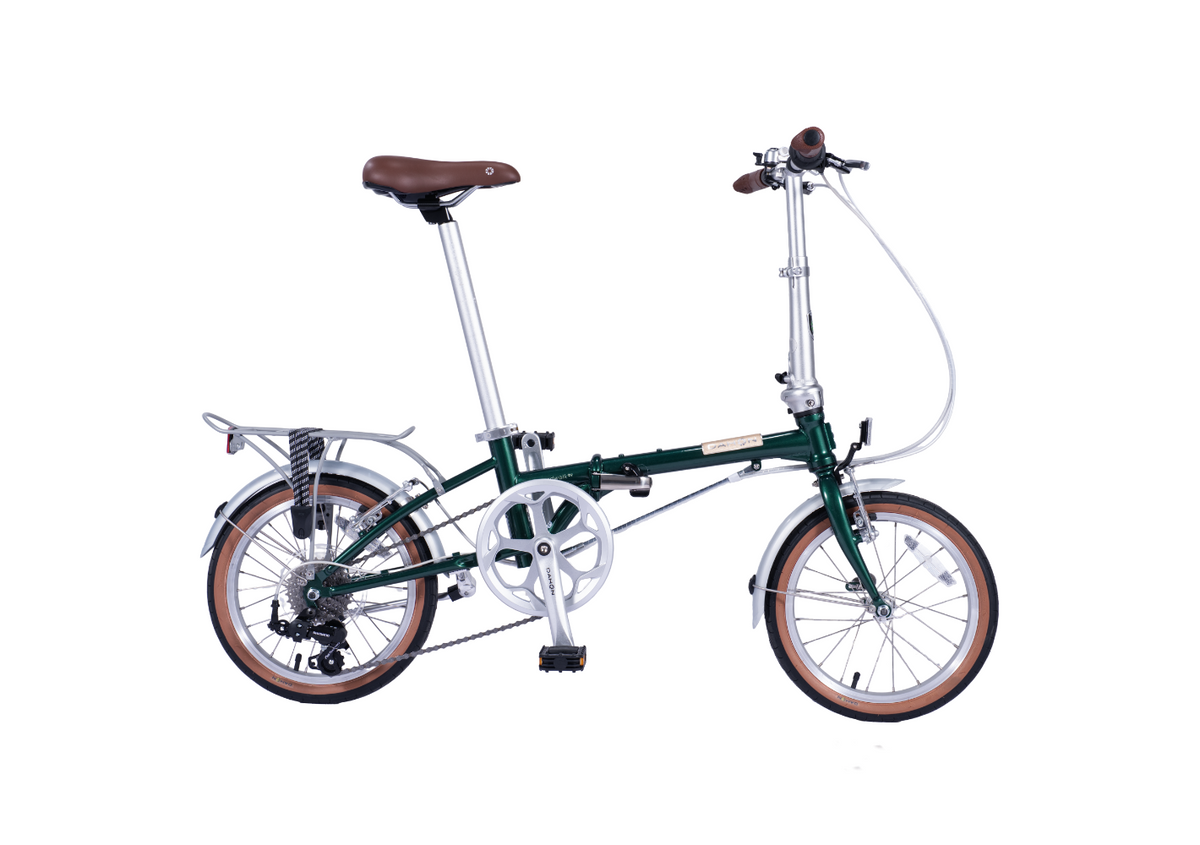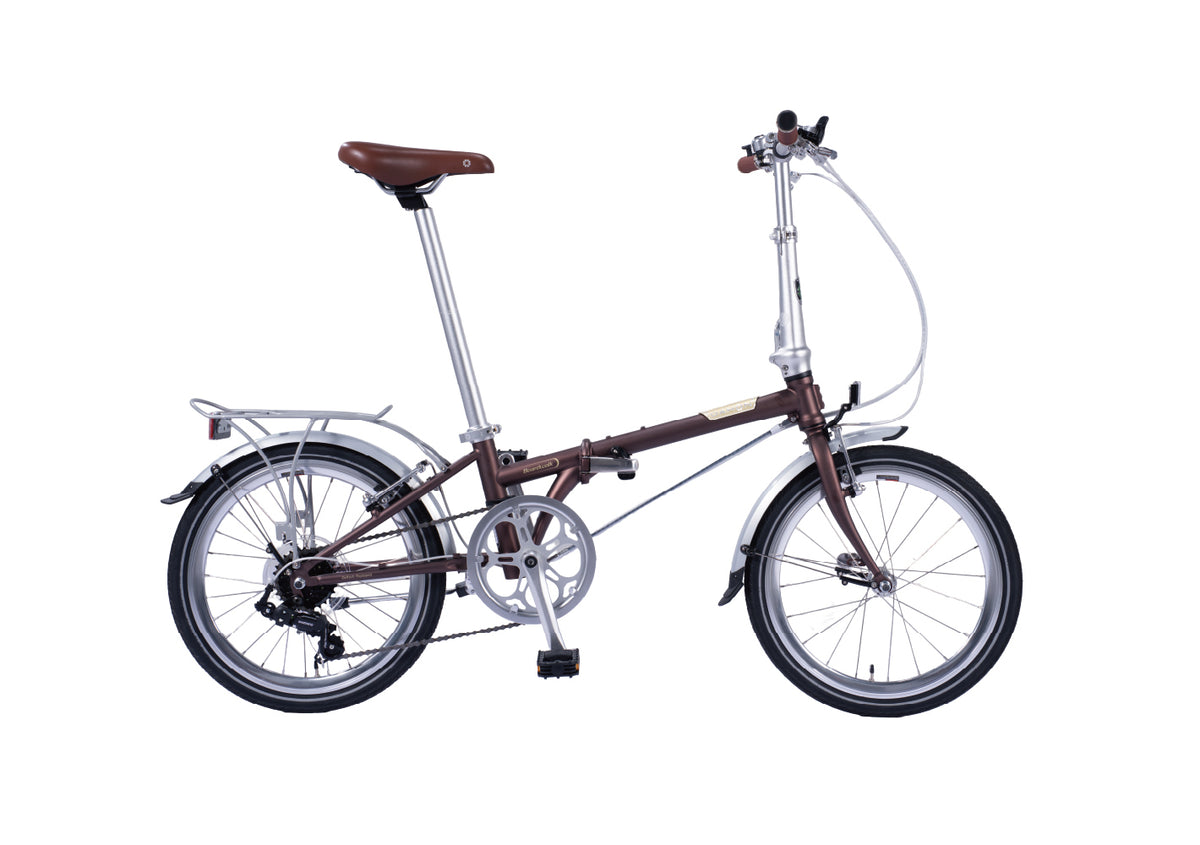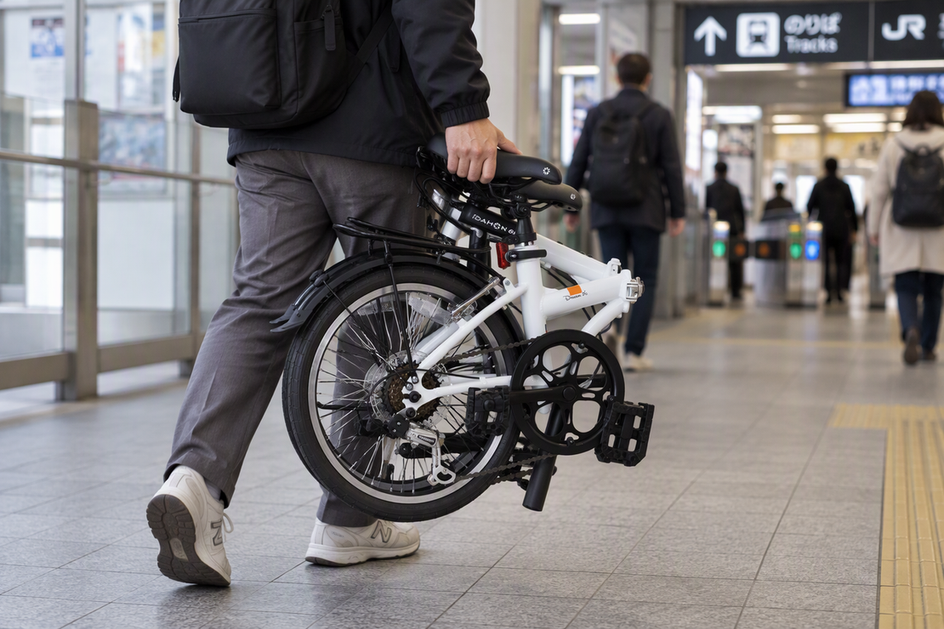
For a folding bike commute, the best train station is the one that works across your whole journey. The closest one is not always the right pick. Compare the ride to each station, the onward ride after the train, the transfers and every stretch where you carry the folded bike.
Then keep only the options where the station access and each train operator's conditions fit your folded bike. Among those, choose the journey that best matches what matters most to you: less cycling or less carrying.
Compare Each Candidate Across the Complete Commute
Treat each station option as one complete itinerary, from your front door to your workplace. Start by listing the station-and-train combinations you could realistically use. That might be your nearest station, a larger station a little further away, or a station on a different line that avoids a change.
For each option, record the same journey elements. The arrival station counts just as much as the boarding station, because the onward ride is part of the same choice.
| Journey element | What to record for each itinerary | How it affects the choice |
|---|---|---|
| Ride to the boarding station | Route, distance and road conditions you would ride | Shows the cycling load before the train |
| Onward ride from the arrival station | Route from the arrival station to your destination | A short first ride can hide a long last leg |
| Transfers | Number of changes and the route between platforms | Each change adds walking and handling |
| Carrying sections | Every place you fold, lift or carry the bike | Shows the full carrying load of the trip |
Fill in the table from your own observations or a trial run. A nearby station with two changes and long carrying stretches may end up harder than a station further away with a direct train. Comparing these elements shows the trade-offs between your real options, so you can see which station is nearest and also which journey is easiest overall.
Confirm Station Access and Each Operator's Folded-Bike Conditions
Before you rely on an itinerary, confirm that each station route and each train service works with your folded bike. Treat these as two separate checks:
- Station access: For every station you use, check current information about the route from the entrance to your platform, and between platforms at each transfer. Note where you would need to carry the bike.
- Operator conditions: For every operator and service in the itinerary, check the current conditions for folded bikes. One journey can involve more than one operator, so one rule may not cover all of it.
The EU framework explains why the second check matters. Regulation (EU) 2021/782 makes a distinction between readily ridden bicycles and bicycles carried in packages or bags in recital 18. Its bicycle-carriage rights apply to bikes that can be readily ridden before and after the rail journey. Bikes carried in packages and bags are covered, as applicable, by the regulation's luggage provisions. Folding alone does not tell you which category your bike falls into on a given service, so confirm this with each operator. Our guide to packing a folding bike as luggage (in German) explains how to match each leg to its operator and fare. If an option fails either check, drop it from your shortlist.
Choose Among the Routes That Work for Your Commute
Once the unworkable options are gone, pick the complete itinerary that suits your priorities. The same comparison can point to different stations for different riders.

If Carrying the Folded Bike Is Your Main Constraint
Give the most weight to the number of transfers and the length of each carrying section. Stairs, long walks between platforms and repeated folding can wear you out more than a few extra minutes on the bike. A station with a longer ride but a direct train can then be the better pick. If carrying is your main concern, it is also worth looking at weight and folded size when choosing a bike. Our article on folding bikes for frequent carrying compares those factors.

If the Cycling Legs Matter More
Give more weight to the combined length of the ride to the station and the onward ride. Add the two legs together. A short ride to a station does not help much if the arrival station leaves you with a long final stretch. Station access, transfers and operator conditions still apply here as feasibility checks. For more on planning each stage, see our multimodal commute tips.
Your next step: put your two or three realistic itineraries side by side, then confirm the current access and folded-bike conditions with each station and operator before you settle on one.
FAQs
Should I do a trial run before committing to a station?
Yes. A trial run at your usual travel time lets you fill in the comparison with real observations, such as which entrance leads to your platform and where you actually have to carry the bike. Timetables and maps can miss these details.
Can I use different stations on different days?
Yes. If two itineraries both pass the access and operator checks, keeping both gives you a backup. That helps when one line has disruption or a station route is temporarily closed. Check the conditions for each option separately.
Does my choice of folding bike affect which station suits me?
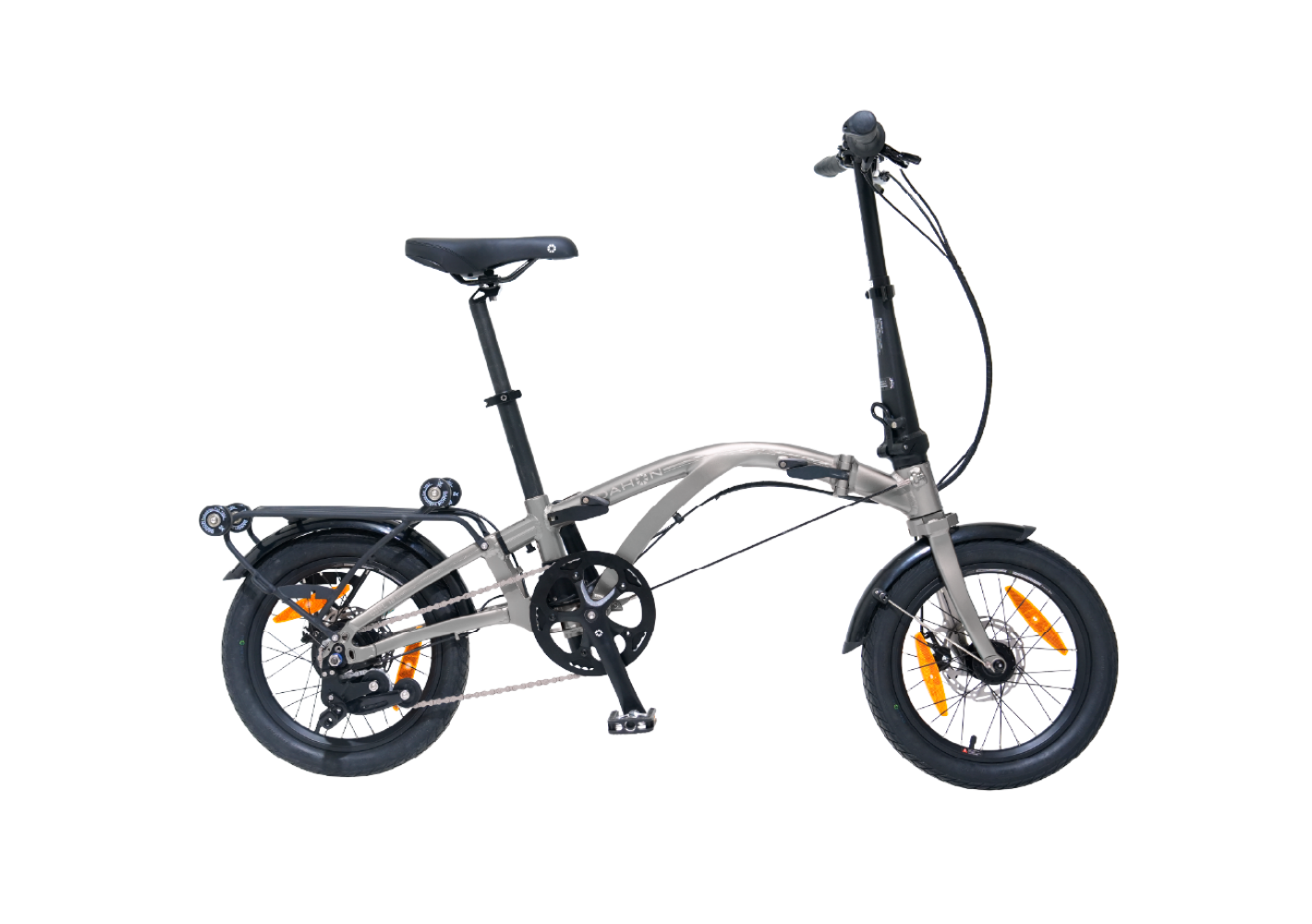
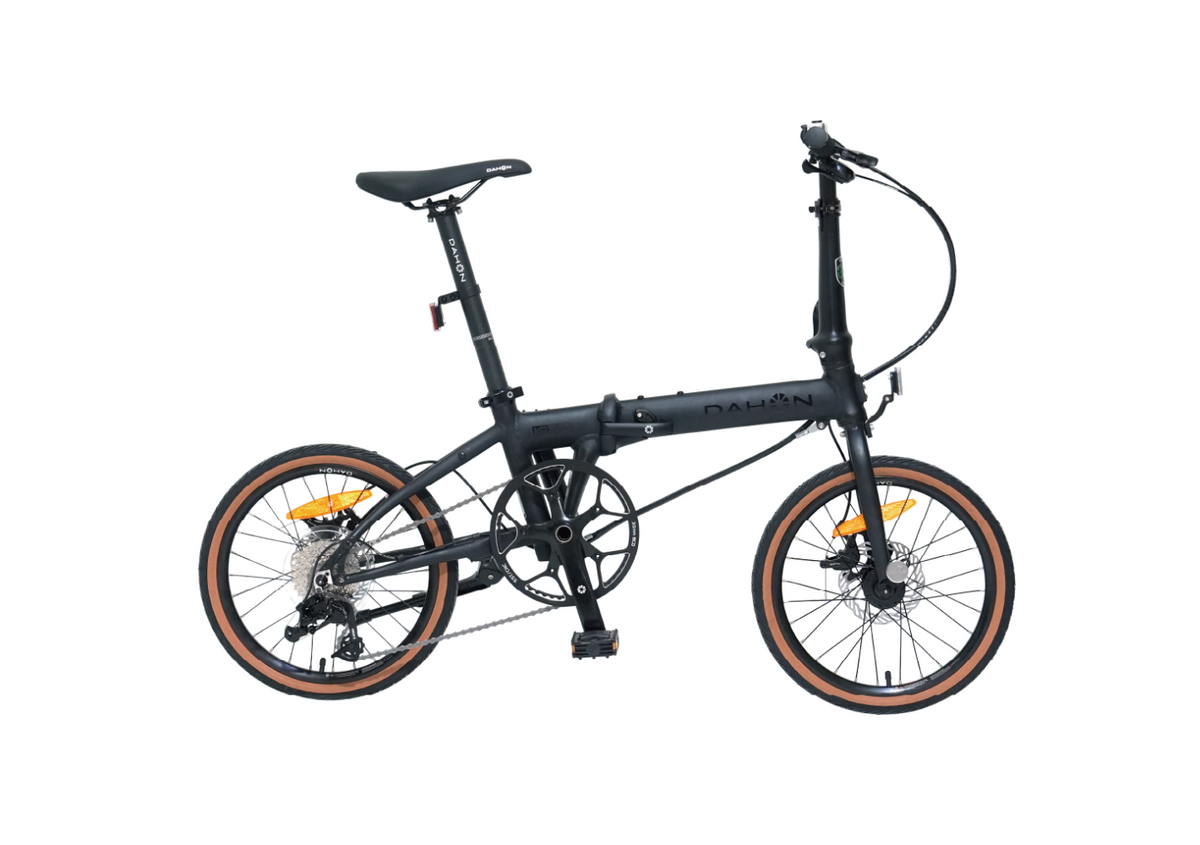
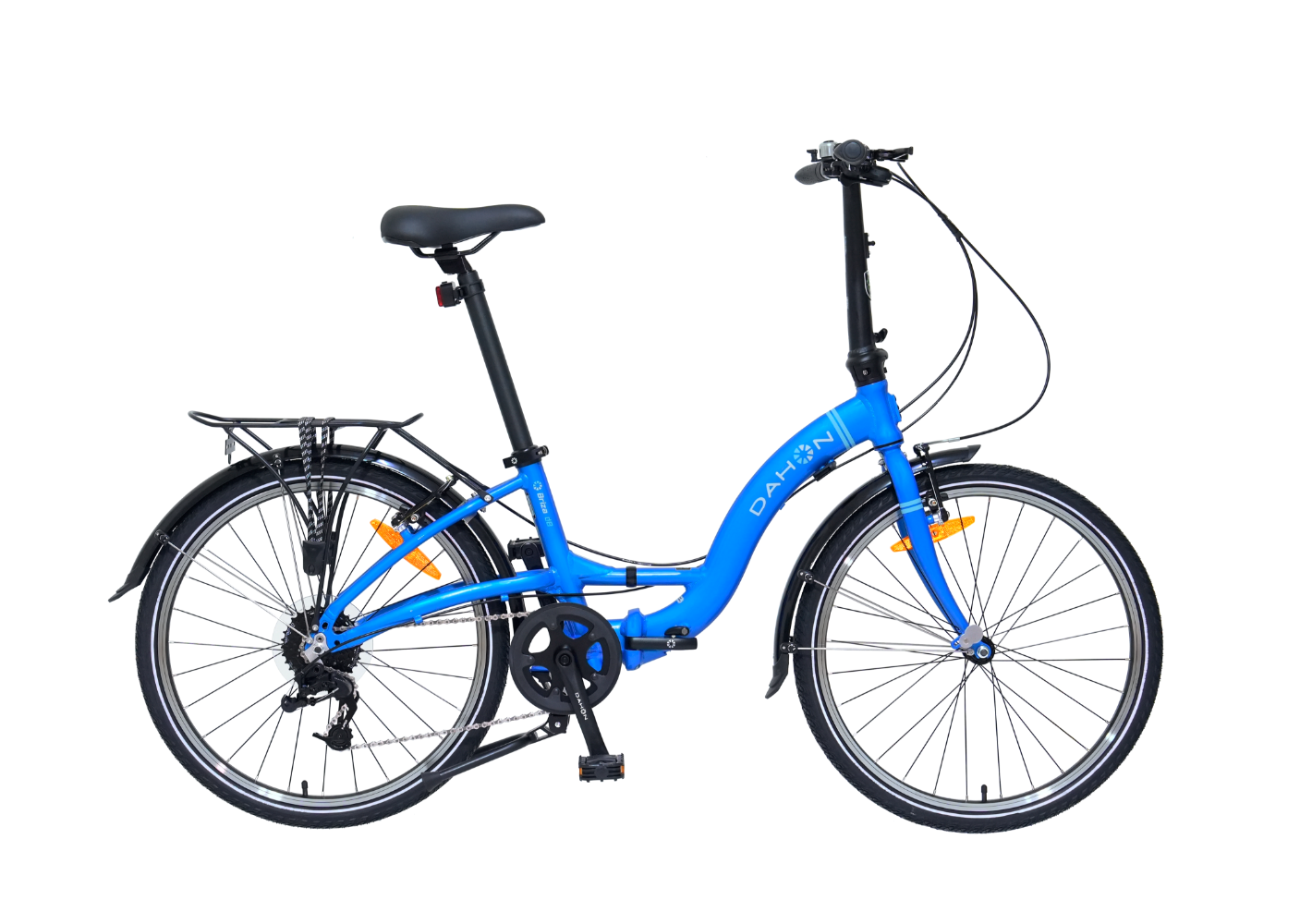
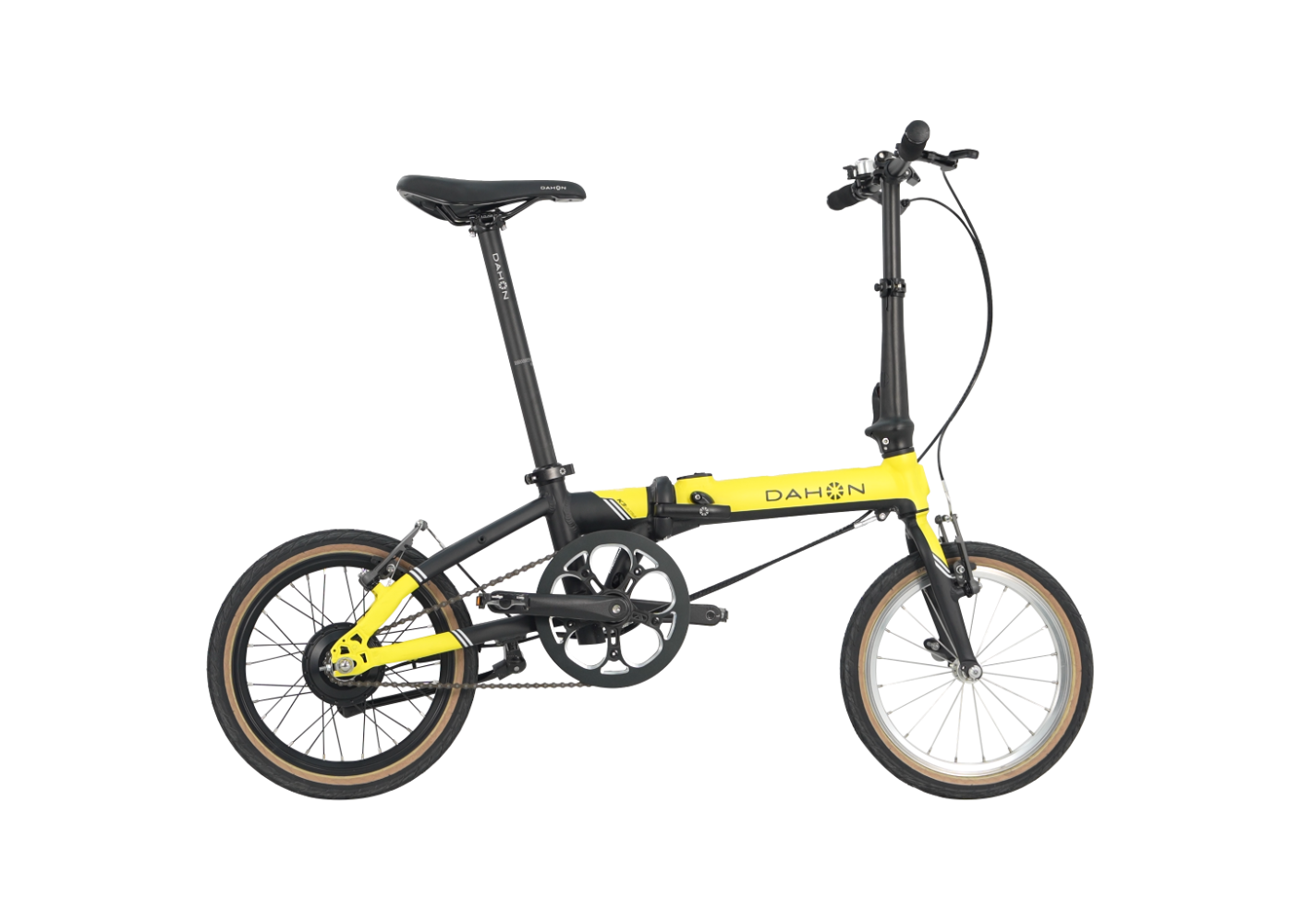
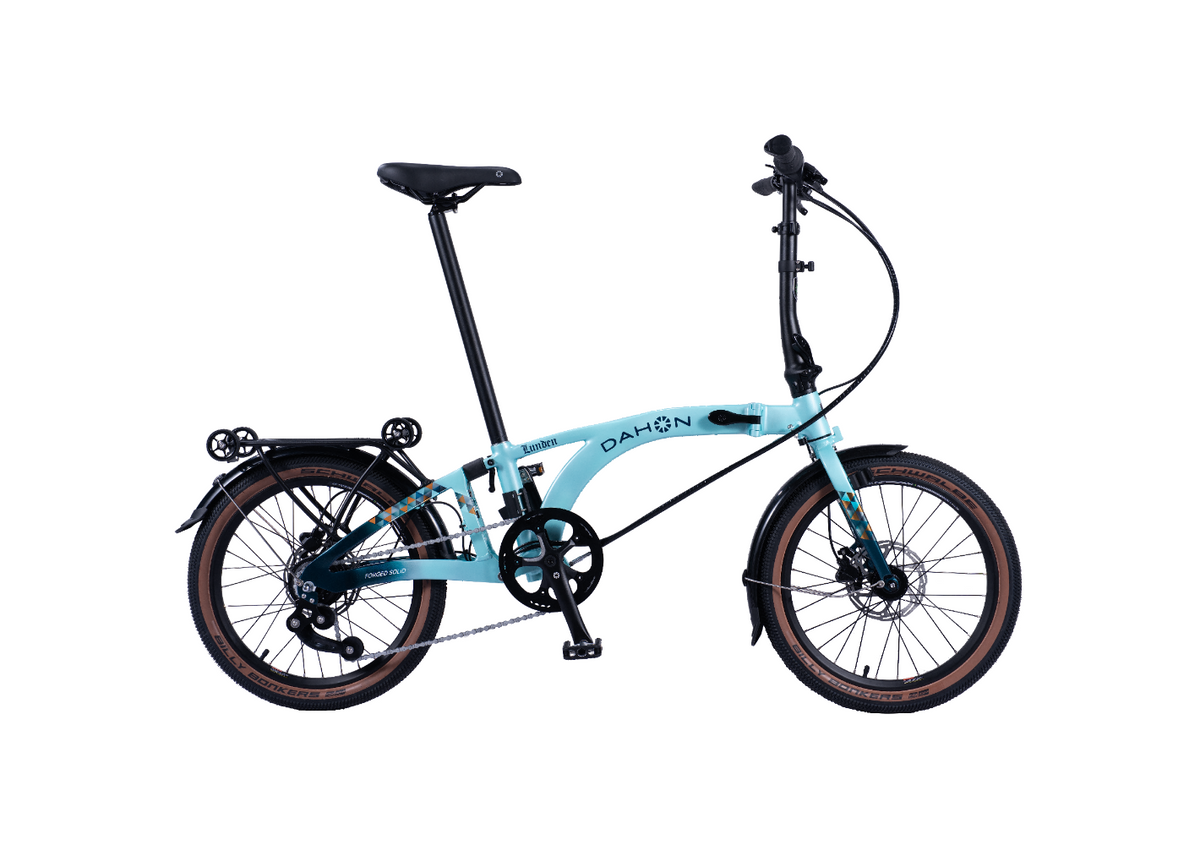
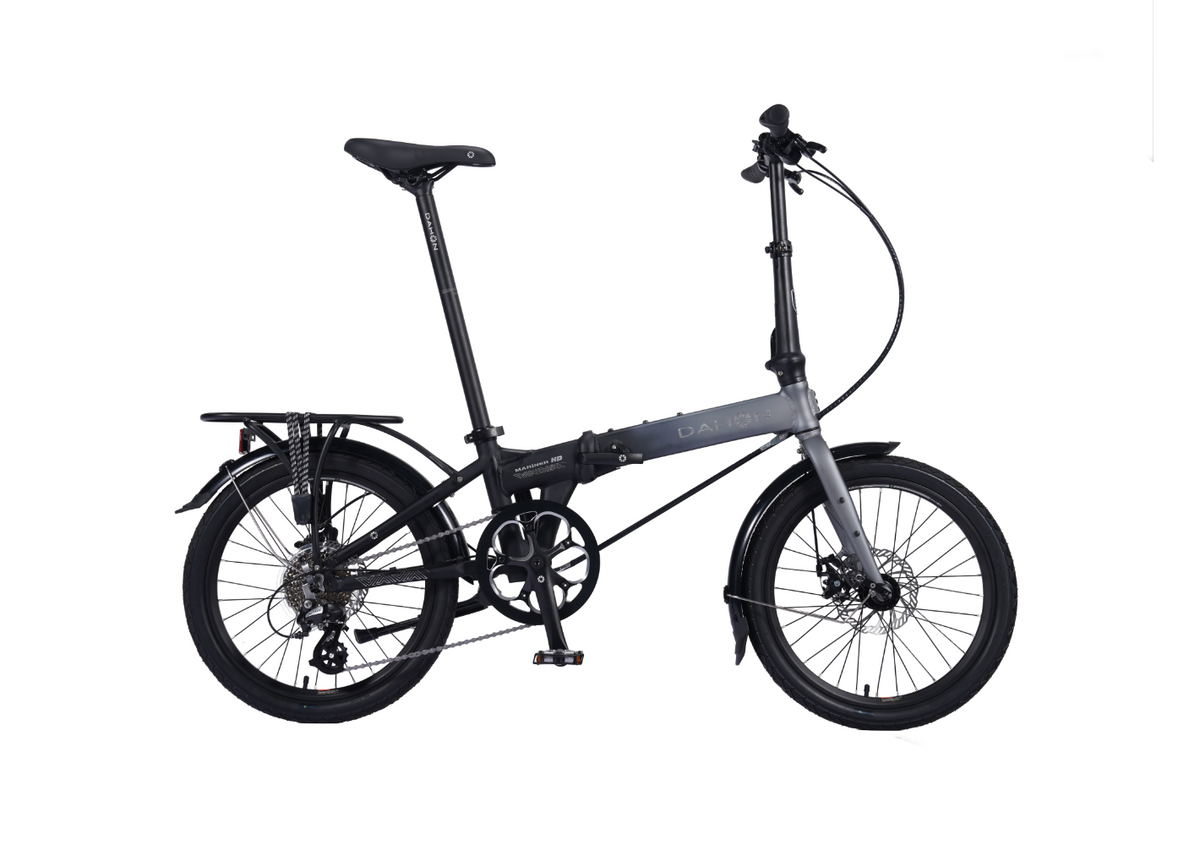
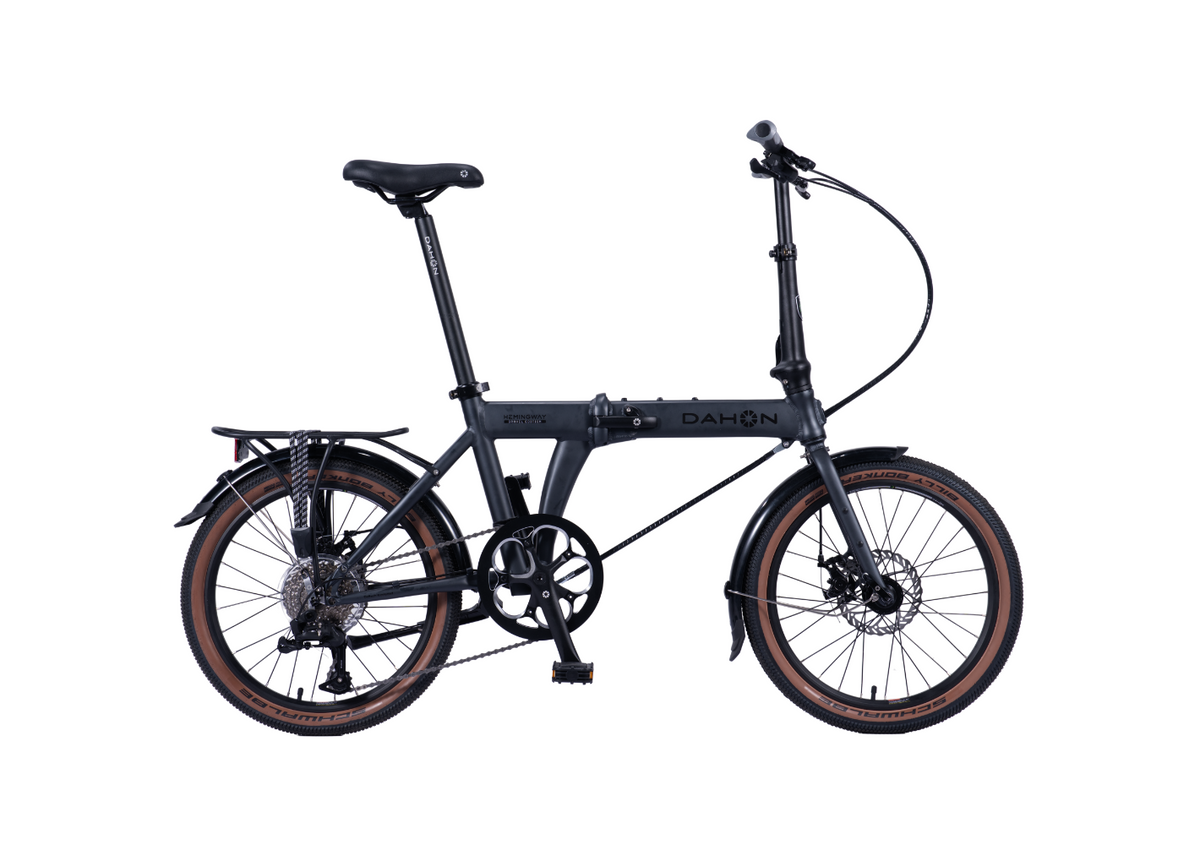
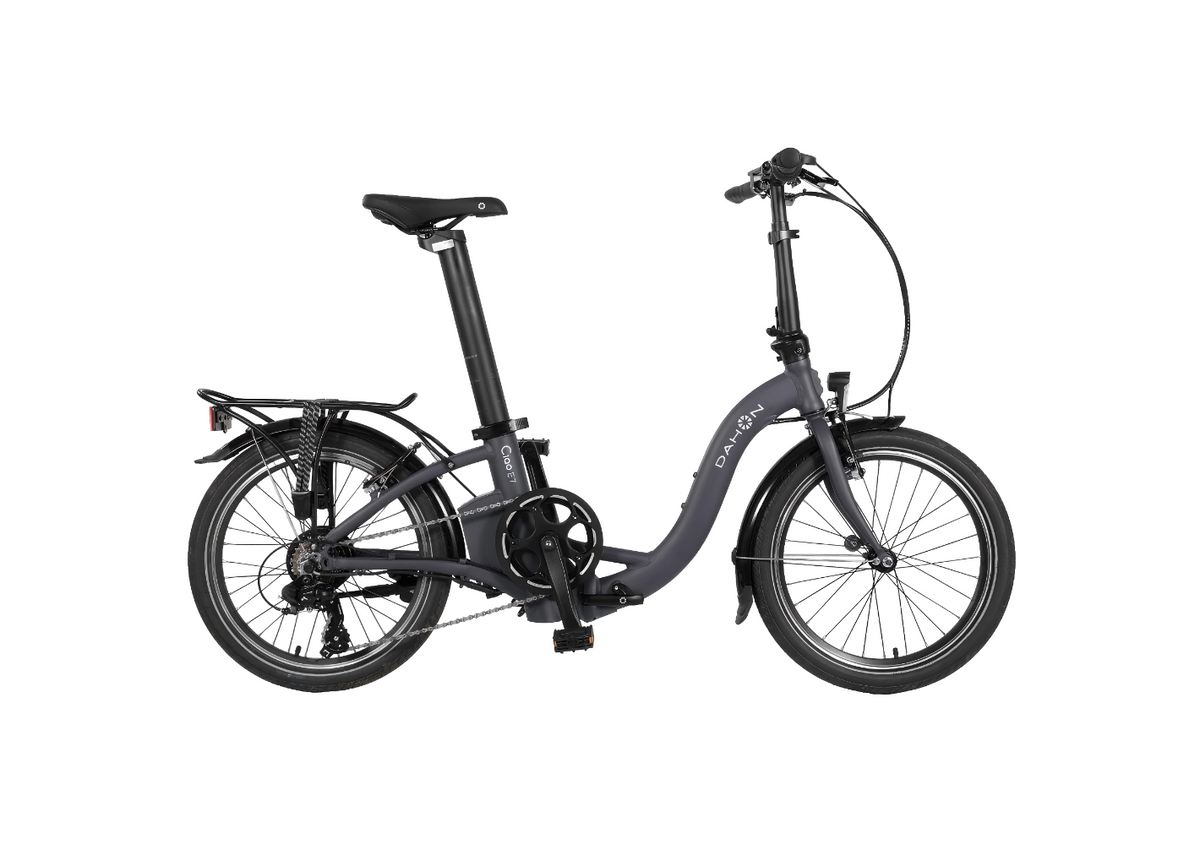
It can. A bike that is quicker to fold and easier to lift makes carrying sections less of a burden. Our article on choosing a bike for car and train commuting compares weight, folded size and wheel size. You can also compare models in our folding bike range.
Is an urban bike setup enough for the ride to and from the station?
For city riding, a folding urban bike covers both cycling legs and folds for the train part. Match gearing and comfort to the longer of your two rides, since that leg puts the most demand on the bike.